Specus

Specus takes its name from the Latin for grotto, and the small cave cut into tufa rock in the Valmontone courtyard sets the tone for everything that follows: a kitchen working within a strict regional ingredient frame, Michelin Plate recognition for 2024 and 2025, and a dining room of genuine quiet ambition at the €€ price tier, roughly 40 kilometres south of Rome.
Pearl is the En Primeur Club membership app — saves, bookings, and concierge access live there. Same editors, same standards.
- Address
- Via Casilina, 315, 00038 Valmontone RM, Italy
- Phone
- +39 06 8952 2332
- Website
- instagram.com
- Directions
- Get directions
 Saves & bookings on Pearl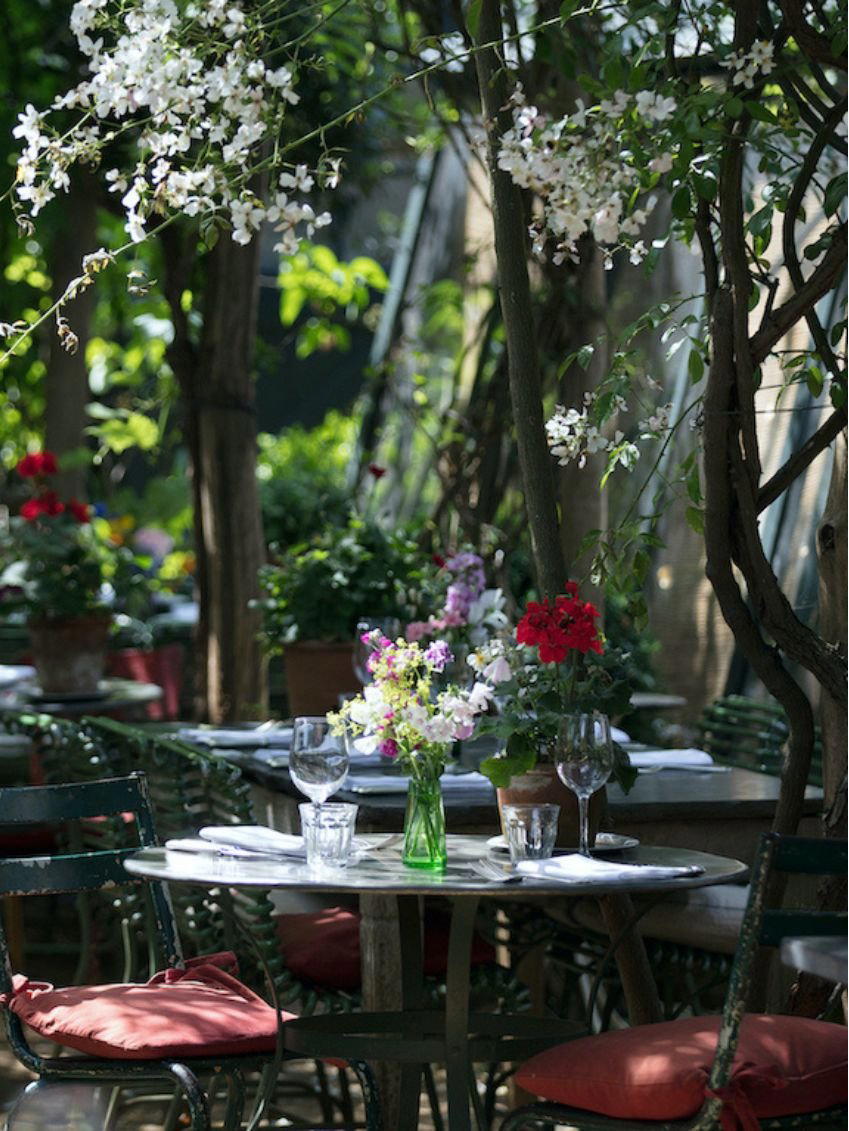
Stone, Tufa, and the Courtyard Table
There is a particular kind of dining room that only exists in central Italy: one carved from the earth itself. At Specus, on the Via Casilina south of Rome, that is not a decorative conceit but a physical fact. The restaurant's name derives from the Latin for grotto, and the small cave cut into the tufa rock of the courtyard holds just a handful of tables. Tufa, the compressed volcanic stone that defines so much of Lazio's built environment, makes a strange and compelling dining backdrop: cool to the touch even in summer, absorbing noise, lending the space a quietness that most restaurants spend a great deal of money trying to simulate. Arriving here, the setting does the editorial work immediately.
Where Regional Cuisine Meets Sourcing Discipline
The Castelli Romani zone, which rolls across the Alban Hills southeast of Rome, has long supplied the capital with wine, vegetables, and pork products. Valmontone sits at the southern edge of that agricultural corridor, where the hills begin to flatten toward the Pontine plain. That geography matters at Specus, where the kitchen operates within a regional cuisine framework that takes its ingredients from this immediate territory rather than assembling a pan-Italian or market-neutral menu.
The sourcing logic is visible in specific dishes. The Riso Acquerello pairs Acquerello rice with fermented goat's cheese, black truffle, and herb pesto. That combination places local dairy and truffle from the Lazio uplands alongside a rice that requires patience to produce. Acquerello spends a minimum of one year aged in its husk before milling, which changes its starch structure and gives it a resilience in the pan that ordinary risotto rice cannot replicate. The choice to use it in a restaurant at this price point, in a town of this scale, signals a kitchen that is selecting ingredients on technical grounds rather than cost grounds.
Fermented goat's cheese adds another layer of sourcing intent. Fermentation of fresh dairy requires either a short supply chain or serious climate control, and in a courtyard restaurant in central Lazio, the former is the more likely explanation. The Castelli Romani area has a documented goat and sheep farming tradition; the cheese is almost certainly coming from within a short radius.
Dish Names as Cultural Position
Italian regional cooking has always carried memory as a formal ingredient. Specus makes that explicit in its dish naming. Titles such as "Quel viaggio che non scordo" ("This journey I'll never forget") and "Dal 2014" ("From 2014") place the food inside a narrative of personal and local time rather than the more neutral, ingredient-led names common in contemporary Italian fine dining. It is a claim about what the food is doing. Dishes named for years and remembered trips are declaring that the kitchen's reference points are specific, local, and rooted in experience rather than in culinary trend cycles.
That positioning puts Specus in a smaller tier of Italian regional restaurants that are consciously working against the homogenization pressures of modern fine dining. Compare it to Italian creative cuisine at the summit of the price range, where restaurants such as Osteria Francescana in Modena, Enrico Bartolini in Milan, and Atelier Moessmer Norbert Niederkofler in Brunico work from a global culinary grammar. Specus operates at €€ and works from a local one. Both are legitimate approaches; they are simply different answers to the question of what Italian fine dining is for.
Elsewhere in Italy, regionally anchored restaurants like Dal Pescatore in Runate, Reale in Castel di Sangro, or Piazza Duomo in Alba demonstrate that deep territorial commitment can operate at any price point. What distinguishes the Specus model is that it operates in a town with no significant dining reputation, without the infrastructure of tourism that supports comparably ambitious kitchens in Alba or Senigallia.
At Specus, the same discipline plays out with Lazio's specific geology and agriculture as the frame.
The Dessert Argument
Apple strudel appearing on a menu in Lazio is worth a brief explanation. Central Italy's culinary identity does not include strudel as a native form; it is a pastry tradition from the northeast, from the Alto Adige and Trentino, where Austrian influence runs deep. A kitchen in Valmontone offering strudel as a dessert highlight is either making a point about sourcing autumn apples from the Lazio hill country using a borrowed format, or demonstrating that the no-boundaries approach to dessert technique that has spread through Italian fine dining over the past two decades has reached even this courtyard. Either way, the Michelin recognition notes the desserts specifically, which is sufficient reason to treat the pastry section here as a course rather than an afterthought.
Michelin Recognition in Context
Specus has held a Michelin Plate for 2024 and 2025. In Michelin's current framework, a Plate in a small town outside Rome, at the €€ price tier, is a meaningful credential. The inspectors cover the full Italian territory, and recognition at this level in Valmontone places the kitchen in a competitive set that is national rather than provincial. For the Lazio region specifically, where Rome's dining scene commands most critical attention, restaurants outside the GRA ring road receive proportionally less scrutiny, making any Michelin recognition for an outlying address more significant in relative terms.
Comparable Michelin-recognized regional restaurants in the Italian network include Casa Perbellini 12 Apostoli in Verona, Quattro Passi in Marina del Cantone, and Enoteca Pinchiorri in Florence, though the latter operates at a substantially different price tier. Le Calandre in Rubano is another reference point for how northern Italian fine dining anchors itself to place.
Planning a Visit
Specus sits on Via Casilina, 315 in Valmontone, accessible from Rome via the A1 motorway or the Via Casilina road itself, roughly 40 kilometres southeast of the city centre. The restaurant is run as a small operation by a young couple, Flavia handling the dining room and Alessio the kitchen, which means the total capacity is limited and tables in the courtyard grotto are few. The price range sits at €€, making it accessible relative to comparable Michelin-recognized addresses elsewhere in Italy, and worth treating as a destination meal rather than a convenience stop when driving the Casilina corridor.
Comparison Snapshot
Comparable venues nearby, for context on price, style, and recognition.
| Venue | Cuisine | Price | Awards | Notes |
|---|---|---|---|---|
| SpecusThis venue — the venue you are viewing | Modern Italian Regional | $$$ | Michelin Plate | Not listed |
| Il Focarile | Italian Seafood | $$$ | Michelin Plate | Aprilia |
| Nascostoposto | Modern Italian with Neapolitan Pizza | $$$ | Michelin Plate | old town |
| Almatò | Modern Italian Fine Dining | $$$ | Michelin Plate | Monte Mario |
| Diana's Place | Modern Italian Bistrot | $$$ | Michelin Plate | Castro Pretorio |
| Café Les Paillotes | Modern Italian Seafood | $$$ | Michelin Plate | Pescara center |
Recognition history
Dated appearances from independent guides and award organizations, with the underlying list record or original source where available.
Michelin Plate
Michelin
Michelin Plate
Michelin
Michelin Plate
Michelin
Continue exploring
More in Valmontone
Restaurants in Valmontone
Browse all →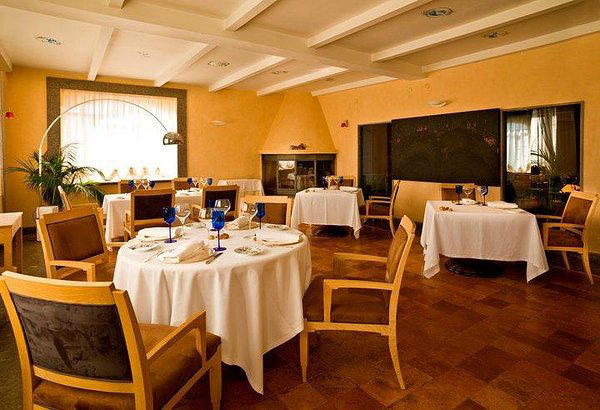
Bars in Valmontone
Browse all →
Hotels in Valmontone
Browse all →

At a Glance
- Cozy
- Intimate
- Romantic
- Elegant
- Date Night
- Special Occasion
- Family
- Group Dining
- Courtyard
- Historic Building
Current opening hours
- Monday
- 12:30–2 PM, 7:30–10 PM
- Tuesday
- 12:30–2 PM, 7:30–10 PM
- Wednesday
- Closed
- Thursday
- 7:30–10:30 PM
- Friday
- 12:30–2 PM, 7:30–10 PM
- Saturday
- 12:30–2 PM, 7:30–11 PM
- Sunday
- 12:30–3 PM
Hours can change for holidays and private events. Last verified .
Cozy and relaxing interior with a suggestive outdoor cave area, warm lighting, and elegant table settings creating a romantic and welcoming atmosphere.