Gannerhof


1 Michelin Star · Falstaff Restaurant - 95 Falstaff Points
Our verdict
Gannerhof sits at around 1,400 metres in the Villgrätal valley, earning a Michelin star for a seven-course menu that draws directly from its 300-year-old farmstead, its own mill, and the surrounding alpine landscape. The Mühlmann family run both the kitchen and the hotel, producing food that tastes like a specific place rather than a regional idea. At €€€€, it is one of Austria's more purposeful arguments for sourcing-led mountain cooking.

Pearl is the En Primeur Club membership app, where members save venues, book tables and use the concierge.
Where the Altitude Does the Work
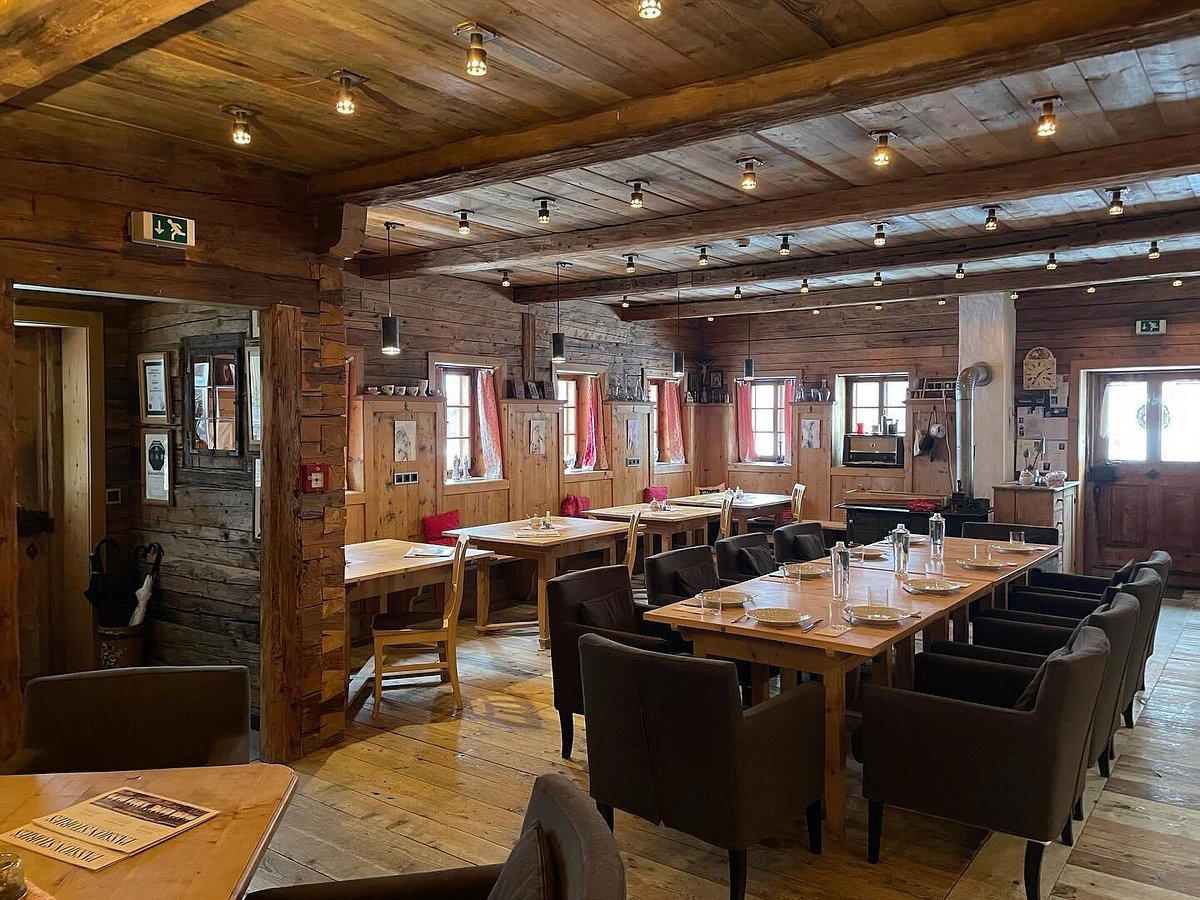
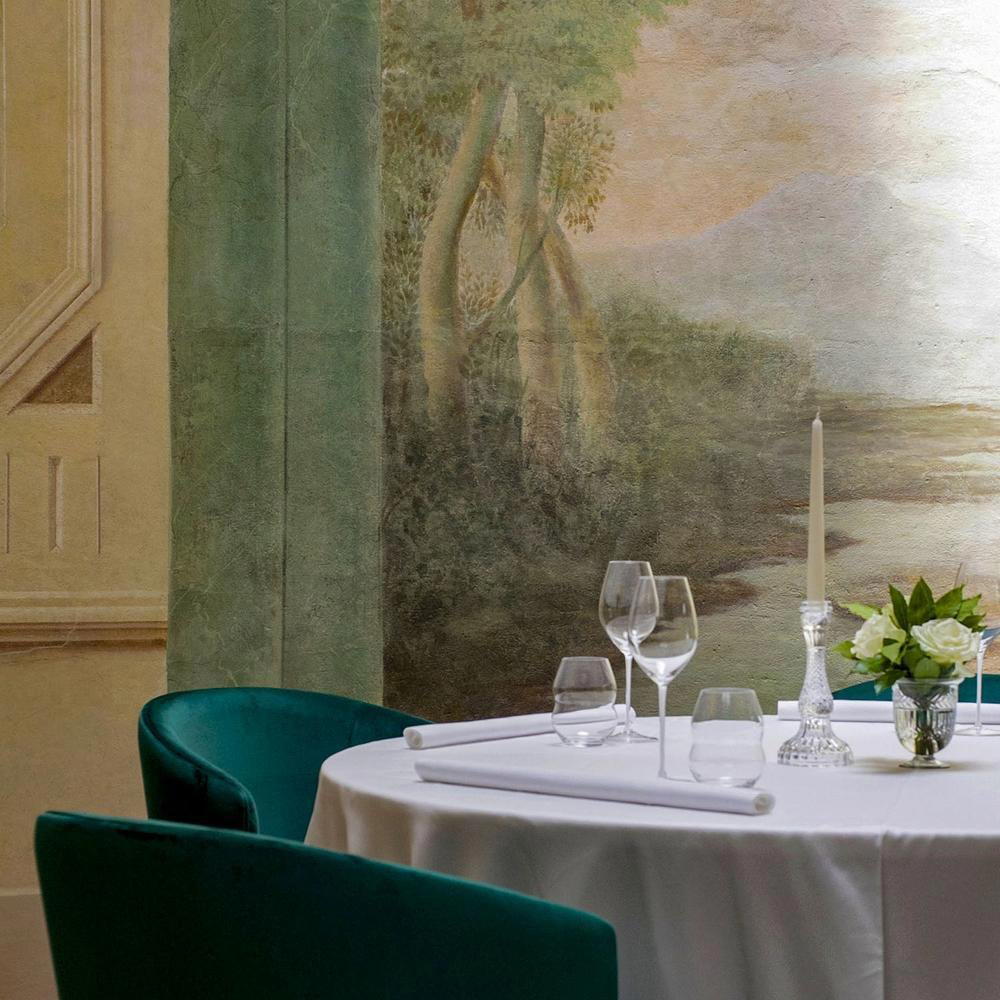
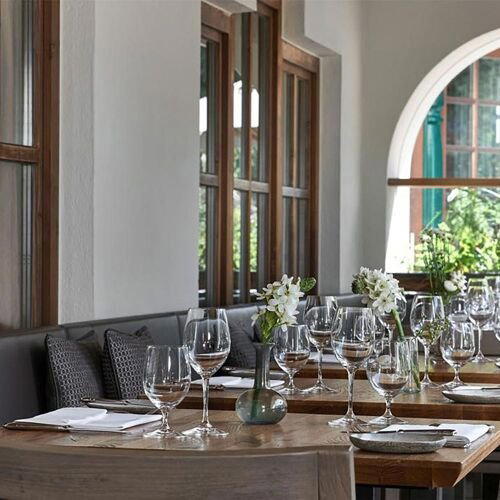
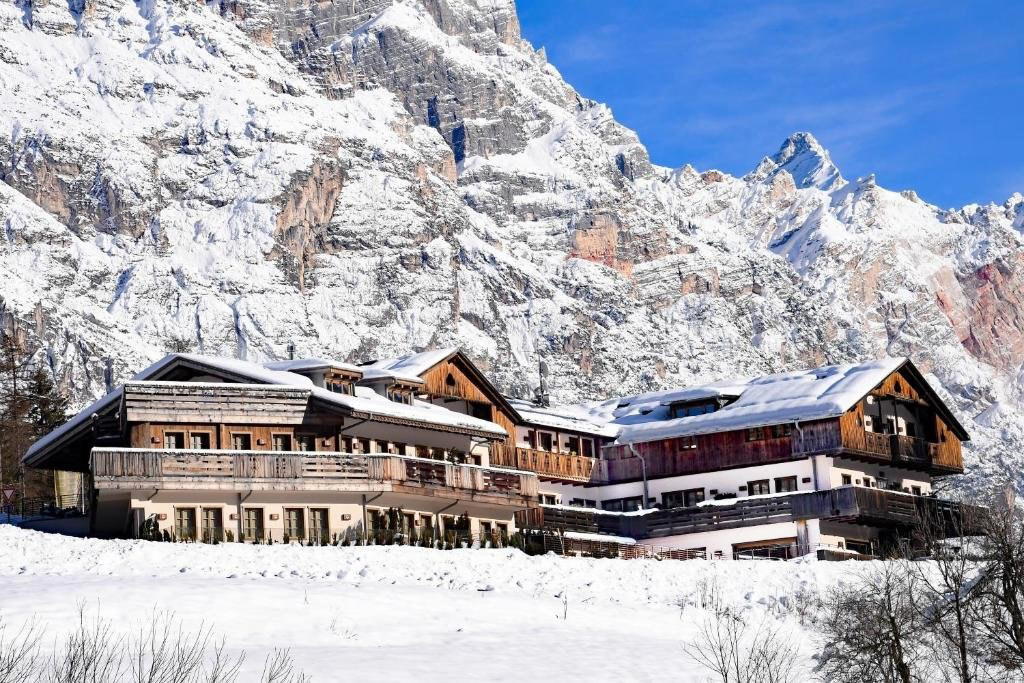
The road from Silian into the Villgrätal climbs steadily through East Tyrol, passing farms that thin out as the gradient increases. By the time Innervillgraten comes into view, the valley has narrowed enough that the surrounding peaks feel close rather than distant. Gannerhof sits at roughly 1,400 metres, a cluster of three Villgrater farmhouses arranged around what the property calls a 'Genussgarten', a kitchen garden that, at this elevation and in this climate, is less a decorative gesture than a statement about what can actually be grown here. Inside, the dining areas are lined with local wood, decorated with regional ornaments, and given occasional modern touches that prevent the whole from tipping into museum-piece territory. The effect is a specific kind of alpine domesticity: considered but not curated to the point of inauthenticity.
Austria's Michelin-starred mountain restaurants occupy a narrower competitive set than their urban counterparts. Properties like Griggeler Stuba in Lech and Gourmetrestaurant Tannenhof in Sankt Anton am Arlberg operate at the intersection of alpine hospitality and technical gastronomy, drawing on local produce while delivering menus sophisticated enough to justify the journey. Gannerhof, which received its Michelin star in 2024, belongs to this tier, but its position in the Villgrätal, a valley with no skiing resort infrastructure and a fraction of the tourist footfall of Lech or Arlberg, gives it a different register. The sourcing here is not a selling point layered on top of a resort proposition; it is the entire proposition.
Three Hundred Years of Supply Chain
The farmstead at Gannerhof has operated for over 300 years, and that continuity is not merely historical decoration. It shapes the food directly. The kitchen uses flour milled on-site, the bread baked from that flour is available for purchase, a detail that indicates how central the milling process is to the operation rather than incidental to it. In the context of sourcing-led cooking, a property running its own mill occupies a different position from one that buys well from local suppliers. The grain supply, the milling process, and the baking are all inside the same operation, which means the cook controls a longer stretch of the production chain than most €€€€ kitchens do.
This matters because sourcing-led cooking in Austria has a wide spectrum of actual practice. At one end sit restaurants that describe themselves through regional vocabulary while drawing on standard wholesale supply. At the other end are properties where the connection between land and plate is traceable and verifiable. Gannerhof's own mill, its three farmhouses, and the kitchen garden at altitude place it firmly in the latter category. The comparison point is less Steirereck im Stadtpark in Vienna, which operates within a city-park setting at three Michelin stars and a very different scale, and more the group of properties, like Obauer in Werfen or Landhaus Bacher in Mautern an der Donau, where the kitchen's relationship with the surrounding region is built into the physical structure of the place rather than communicated through menu language alone.
The Seven-Course Menu
Michelin's notes on Gannerhof reference a seven-course menu that demonstrates both flavour range and technical ambition. A combination cited in the 2024 recognition involves aromatic goat curds paired with lightly sautéed and mildly marinated trout heart, delicately spiced oil, and crispy kale leaf chips. The construction is worth reading carefully: it brings together a dairy product, an offal cut from a local fish species, a cold preparation, and a textural element derived from a brassica leaf. The components are each modest individually; the combination is where the complexity sits. This is not the kind of menu that leans on luxury ingredients to generate impact. The ambition is technical and compositional, which tends to be a more durable signal of kitchen quality than access to expensive raw materials.
Goat dairy and freshwater trout are both logical in the East Tyrol context, the valley supports small-scale animal husbandry, and mountain streams and rivers carry the native species. Kale grows at altitude without difficulty. The menu, in other words, appears to be built from what the landscape at 1,400 metres actually produces, rather than from what a broader Austrian regional pantry might contain. That specificity is what separates ingredient-sourcing as a philosophy from ingredient-sourcing as a theme. For a reader trying to place Gannerhof against peers like Kräuterreich by Vitus Winkler in Sankt Veit im Pongau or Döllerer in Golling an der Salzach, the relevant distinction is altitude and isolation: fewer ingredients are available here, but those available are more tightly tied to a single ecological pocket.
Wine, Region, and Table Logic
The wine list covers Austria and South Tyrol. This is a coherent geographic scope given the property's position in East Tyrol, which sits between the two wine cultures: Austrian varieties and appellations from Styria, Burgenland, and the Wachau to the north and east; South Tyrolian Weißburgunder, Lagrein, and Vernatsch to the south. A list drawn from both reflects the actual drinking culture of the border region rather than a cosmopolitan selection shaped by what sells in city restaurants. At €€€€ across the meal, the wine programme should be read as a deliberate counterpart to the food rather than an afterthought.
Regional wine pairings at this price point are standard practice in Austrian fine dining, Ikarus in Salzburg and Ois in Neufelden both operate with strong Austrian wine commitments. What distinguishes Gannerhof's programme is the South Tyrol component, which brings in a wine culture shaped by German, Italian, and alpine influences simultaneously. That complexity at the glass level is consistent with the complexity in the kitchen.
Getting There and Planning the Visit
The journey to Innervillgraten requires intention. Silian is the nearest town with rail access and serves as the practical staging point for the drive into the valley. The road ascends through East Tyrol's Villgrätal, and the property's position at 1,400 metres means weather and seasonal conditions are relevant planning factors, particularly outside summer. The Mühlmanns run both the hotel and the kitchen, which means accommodation on-site is the logical way to visit, the distance from any major centre makes same-day travel from, say, Innsbruck or Bolzano a long commitment. Staying at the property also allows the meal to unfold without a departure deadline, which for a seven-course menu at this level is worth factoring in. Given the 2024 Michelin star and the limited capacity implied by a farmhouse-scale operation, advance booking is advisable, particularly for summer and autumn when the surrounding valley is accessible in the leading conditions.
For readers building a broader picture of where Gannerhof sits in Austrian and regional dining, our full Innervillgraten restaurants guide maps the area's dining options, while our guides to Innervillgraten hotels, bars, wineries, and experiences cover the surrounding area in detail. Elsewhere in the broader Austrian alpine dining conversation, Schwarzer Adler in Hall in Tirol and Restaurant 141 by Joachim Jaud in Mieming represent different approaches to the same fundamental question of what regional cooking means at the fine dining price point. For comparable sourcing-led formats in other European contexts, Fahr in Künten-Sulz and Le Figuier de Saint-Esprit in Antibes offer useful reference points.
Frequently asked questions
What price level is Gannerhof?
Pricing at Gannerhof is listed as €€€€.
Comparable Spots, Quickly
| Venue | Cuisine | Price | Awards | Notes |
|---|---|---|---|---|
| GannerhofThis venue (the venue you are viewing) | Austrian Regional Fine Dining | Not listed | 1 Michelin Star · Falstaff Restaurant - 95 Falstaff Points | Not listed |
| Steirereck im Stadtpark | Modern Austrian Fine Dining | $200–300 | 3 Michelin Stars · World's 50 Best #33 | Creative |
| Döllerer | Modern Alpine Cuisine | $100–150 | 2 Michelin Stars · La Liste Top Restaurants | Contemporary Austrian, Innovative |
| Ikarus | Guest Chef Fine Dining | $200–300 | 2 Michelin Stars · La Liste Top Restaurants | Modern European, Creative |
| Mraz & Sohn | Contemporary Austrian Fusion | $150–200 | 2 Michelin Stars · La Liste Top Restaurants | Modern Austrian, Creative |
| Obauer | Modern Austrian Fine Dining | $50–100 | 2 Michelin Stars · La Liste Top Restaurants | Classic Cuisine |
Recognition history
Dated appearances from independent guides and award organizations, with the underlying list record or original source where available.
Michelin 1 Star
Michelin
Falstaff Restaurant - 95 Falstaff Points
Falstaff
Full recognition history (4 entries)
Michelin 1 Star
Michelin
Michelin 1 Star
Michelin
Continue exploring
More in Innervillgraten
Restaurants in Innervillgraten
All restaurants in Innervillgraten →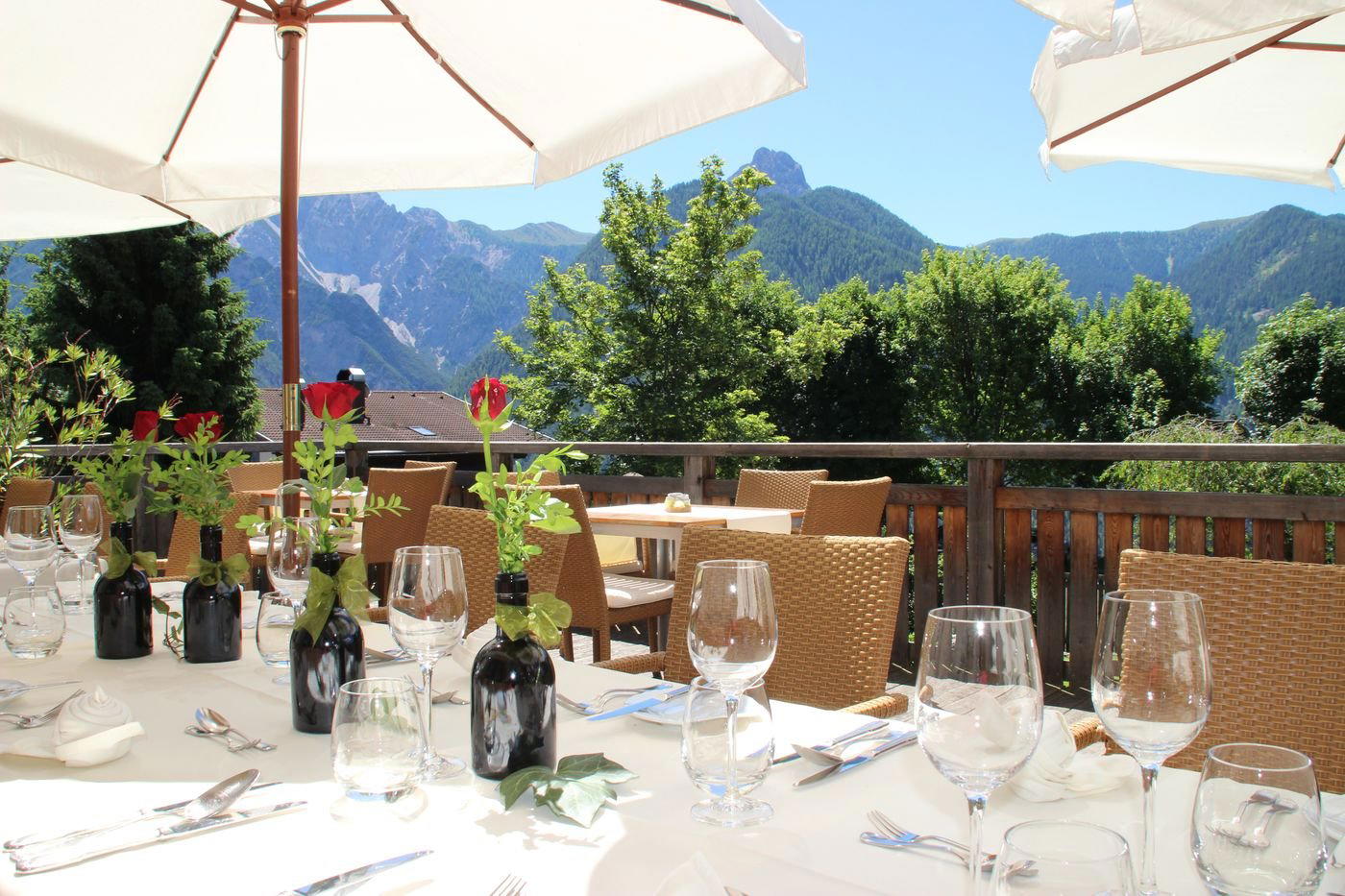
Bars in Innervillgraten
Browse all →
Hotels in Innervillgraten
Browse all →
Wineries in Innervillgraten
Browse all →
Details
- Rustic
- Cozy
- Scenic
- Classic
- Special Occasion
- Historic Building
- Local Sourcing
- Farm To Table
- Mountain
- Tasting Menu
- Vegetarian Friendly
Rustic cosiness with lots of local wood, ornaments, and modern touches in various dining areas, creating a picturesque country inn atmosphere.