Sool052

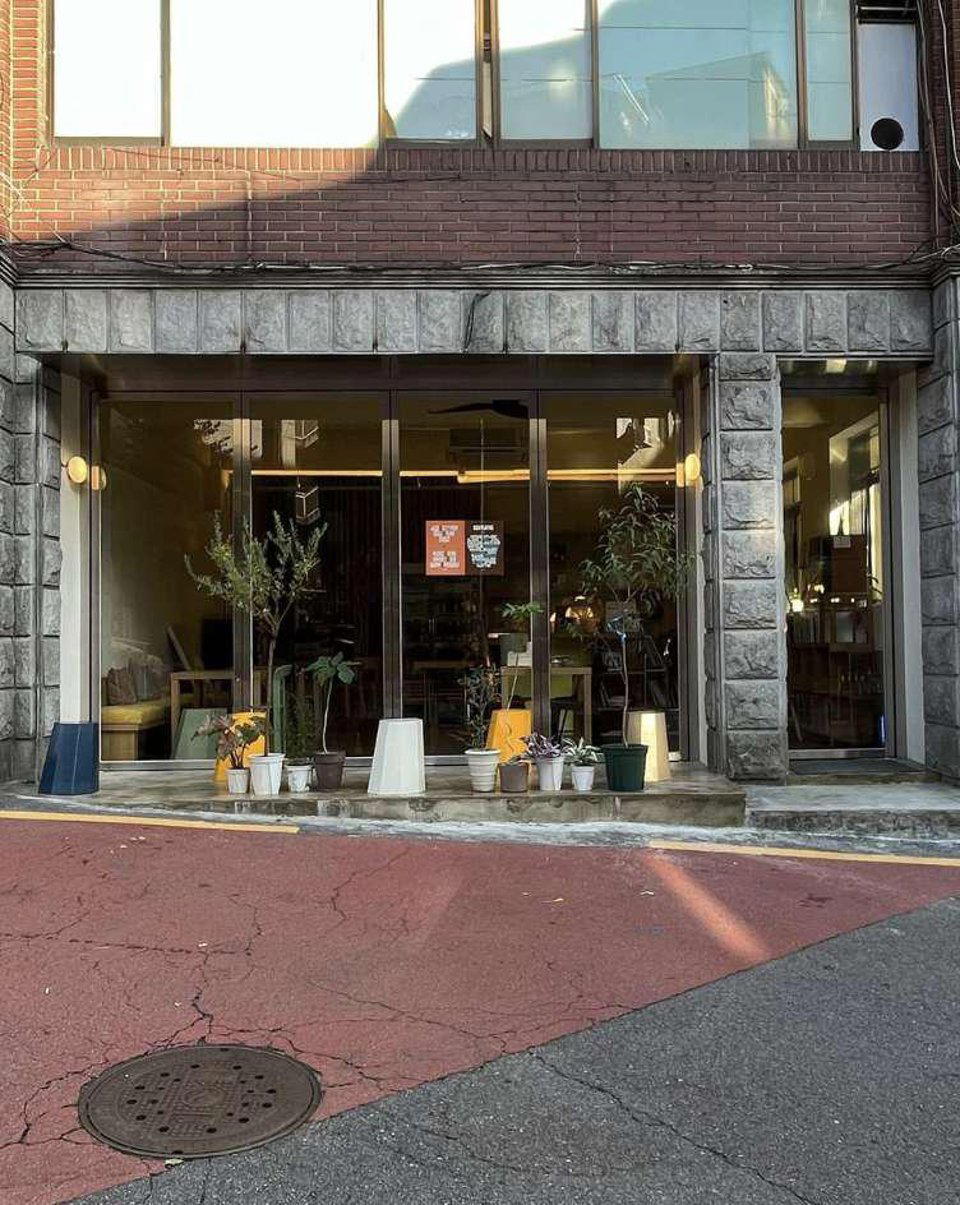
A Michelin Plate recipient in Seoul's Seongdong district, Sool052 operates at the accessible end of the Korean dining spectrum, where honest cooking. The address alone tells a story: tucked into a ground-floor unit off Haengdang-dong, identified by a black signboard next to a convenience store.
Pearl is the En Primeur Club membership app — saves, bookings, and concierge access live there. Same editors, same standards.
- Address
- South Korea, 052 KR 서울특별시 성동구 행당동387, 1층 상가동 114호 cu옆 검은간판 주
- Phone
- +82 2-2281-0343
- Website
- sool052.com
- Directions
- Get directions
 Saves & bookings on Pearl
The Approach: Haengdang-dong and What It Signals
Most of Seoul's Michelin-recognised Korean restaurants cluster in Gangnam's high-traffic corridors or the older hanok-adjacent streets of Jongno. Sool052 does neither. Its address places it in Haengdang-dong, a working neighbourhood in Seongdong-gu that sits east of the Han River and outside the usual circuits for dining tourism. The venue occupies a ground-floor unit in a low-rise commercial block, marked by a black signboard beside a convenience store. That kind of address, in a city where restaurant real estate often performs ambition, suggests a deliberate calibration: the food carries the argument, not the postcode.
Seoul's Korean dining scene has fragmented into distinct tiers over the past decade. At the leading, tasting-menu restaurants like Mingles, Kwonsooksoo, and Onjium pursue fine-dining architecture around traditional Korean ingredients and techniques, while establishments like La Yeon and Bicena anchor a premium hanshik register. Below that sits a broader middle layer where cooking is committed and neighbourhood-rooted, and where Michelin's Plate recognition functions as a quality floor rather than a promotional flag. Sool052 earned its Michelin Plate in 2024 and positions within that middle tier, at a ₩₩ price point that keeps it accessible relative to the city's tasting-menu circuit.
The Meal as It Unfolds
Korean dining, in its more considered expressions, follows a structural logic that differs from Western tasting formats. Rather than a linear build toward a single climactic course, a traditional spread distributes attention across multiple small preparations served simultaneously, with a main dish arriving into an already-active table. The progression is cumulative and relational: each element reads differently depending on what surrounds it. Fermented and pickled components set acidity early; broth-based dishes create warmth mid-meal; protein preparations anchor the centre. The meal ends not with a sugar course but with a second carbohydrate, rice or noodles, that draws the table back to simplicity.
At accessible Korean restaurants in Seoul's residential districts, this structure tends toward directness. There is less ceremony around presentation and more emphasis on the quality of fermentation, the depth of broth, and the sourcing of seasonal vegetables. Diners at ₩₩ establishments are not purchasing choreography; they are purchasing skill with fundamentals. What distinguishes a Michelin Plate recipient at this price point from a well-regarded neighbourhood spot without recognition is usually precision in those fundamentals: the balance of a jjigae, the freshness of banchan turnover, the temperature discipline on rice.
In a city with as many Korean restaurants per square kilometre as Seoul, accumulating a rating at that level across an initial sample suggests the kitchen is executing its fundamentals reliably rather than trading on novelty. At Sool052, the audience is largely domestic, and the cooking answers to local standards rather than international legibility.
Seongdong-gu as a Dining Context
Seongdong-gu has undergone a visible shift over the past several years. The Seongsu district within the gu became a reference point for Seoul's design-forward café and restaurant culture, drawing a younger demographic that historically gravitated toward Hongdae or Itaewon. That shift has extended into surrounding sub-neighbourhoods, including parts of Haengdang-dong, where residentially grounded restaurants now operate alongside newer commercial openings.
The result is an area where a serious Korean kitchen at an accessible price point can find a local audience without competing on spectacle. This is different from the pressure operating on restaurants in Cheongdam or Apgujeong, where the ₩₩₩₩ comparison set includes venues like Gaon and where dining operates partly as a social statement. In Haengdang-dong, the register is quieter, and Sool052's black signboard fits that register exactly.
Broader Korean culinary geography is worth holding in mind here. At the temple food end of the spectrum, places like Baegyangsa Temple in Jangseong-gun represent a centuries-old vegetarian tradition built around monastic discipline. Regional coastal cooking produces different reference points, as at Mori in Busan. Sool052 operates in a different register from either: urban, accessible, Michelin-noted, and embedded in a neighbourhood that still eats like a neighbourhood rather than a destination district.
How Sool052 Sits in the Seoul Competitive Set
Against the comparison set operating in Seoul at higher price points, Sool052 occupies a specific and deliberate position. Contemporary Korean ventures at ₩₩₩₩ such as Zero Complex and Solbam are building architectural tasting menus with significant investment in format and presentation. Onjium reconstructs court cuisine with scholarly attention to historical recipes. Kwon Sook Soo in Gangnam-gu anchors the high end of the hanshik tasting format. These are restaurants where the diner is purchasing a construct as much as a meal.
Sool052 does not compete in that space. Its ₩₩ positioning places it in a tier where value, consistency, and Korean cooking fundamentals are the primary competitive variables. Holding a Michelin Plate at that price point in 2024 carries genuine weight in Seoul, where the Guide's inspectors cover a restaurant density that is among the highest of any city in its network. The Plate designation does not imply starred complexity; it implies that the kitchen is cooking at a standard the Guide considers worth flagging. That is a meaningful signal at a price accessible to daily use rather than occasion spending. For visitors or locals tracking Korean cooking beyond the tasting-menu circuit, it marks a category worth understanding.
Know Before You Go
- Award: Michelin Plate (2024) 6 based on 50 reviews
- Price Range: ₩₩ (accessible; mid-low tier for Seoul)
- Cuisine: Korean
- Location: Ground floor, Haengdang-dong, Seongdong-gu, Seoul, black signboard, next to a CU convenience store
What Do Regulars Order at Sool052?
What the Michelin Plate recognition suggests is that the kitchen's execution of Korean fundamentals, fermented preparations, broth-based dishes, and seasonal banchan is what holds the repeat audience. At ₩₩ price points in Seoul, regulars at a Michelin-noted Korean restaurant tend to return for consistency in those core preparations rather than for a signature single dish. The black-signboard, residential-block setting reinforces that this is cooking oriented toward the daily meal.
Same-City Peers
Comparable venues nearby, for context on price, style, and recognition.
| Venue | Cuisine | Price | Notes |
|---|---|---|---|
| Sool052This venue — the venue you are viewing | Modern Korean Gastropub | $$ | Not listed |
| Budnamujip | Traditional Korean Beef BBQ | $$ | 서초동 |
| Gosari Express | Vegan Korean Fusion Noodles | $$ | 황학동 |
| Andeok | Traditional Korean Noodles | $ | 효자동 |
| Hannam Oriental Roast Chicken | Korean Herbal Roast Chicken | $$ | Hannam |
| Seoryung | Pyongyang-Style Cold Noodles (Naengmyeon) | $$ | 소공동 |
Recognition history
Dated appearances from independent guides and award organizations, with the underlying list record or original source where available.
Michelin Plate
Michelin
At a Glance
- Modern
- Sophisticated
- Trendy
- Date Night
- Casual Hangout
- After Work
- Open Kitchen
- Sake Program
- Local Sourcing
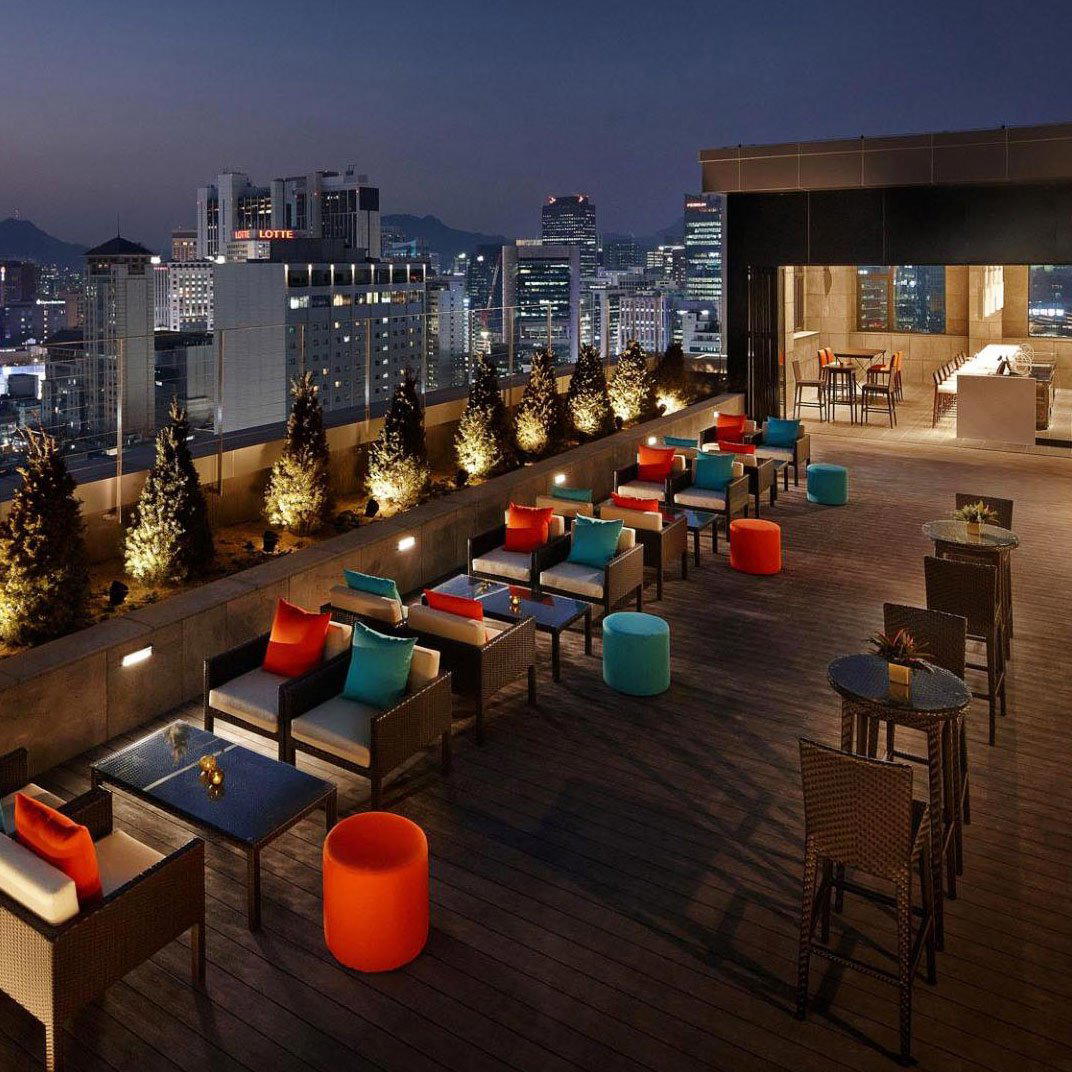
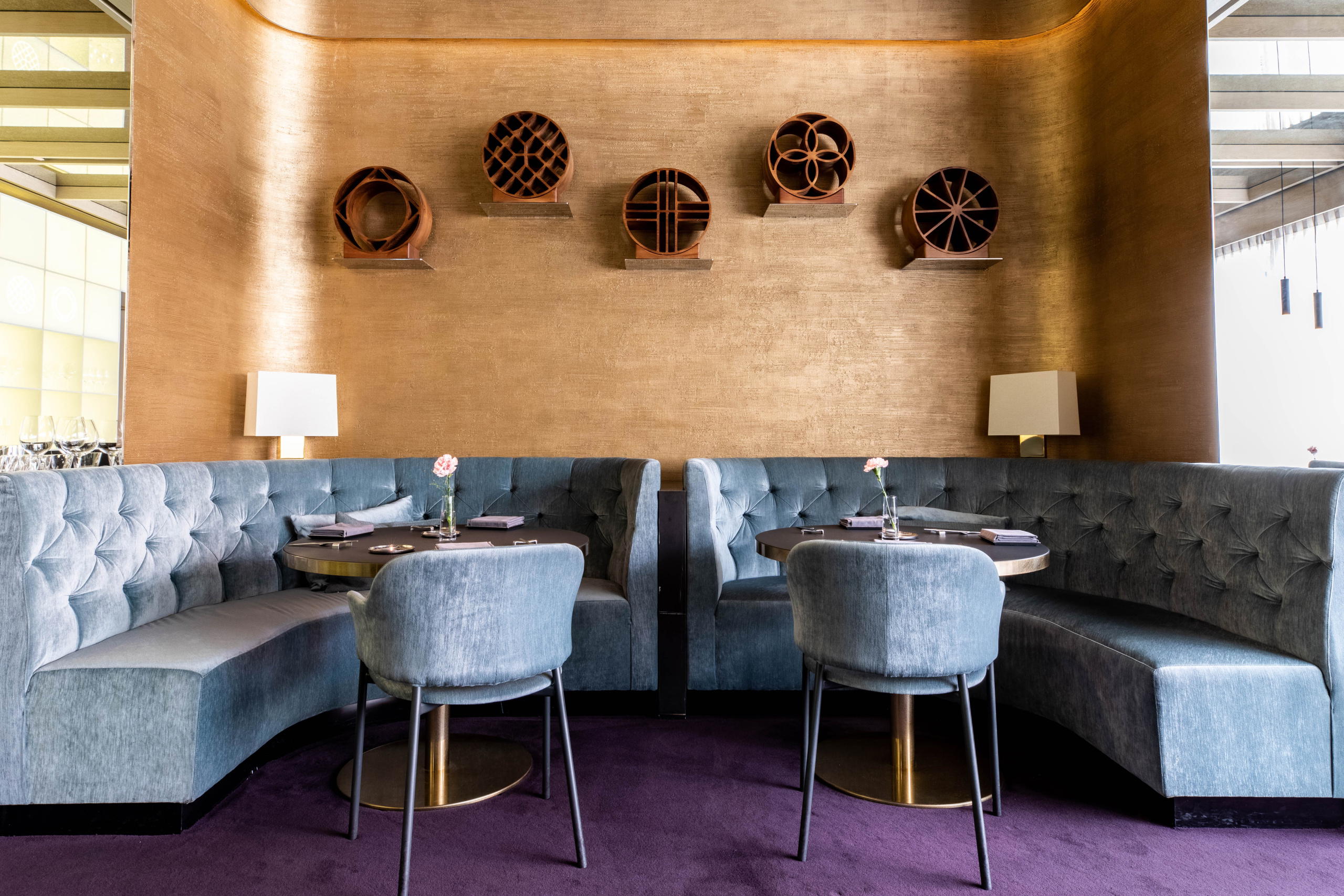
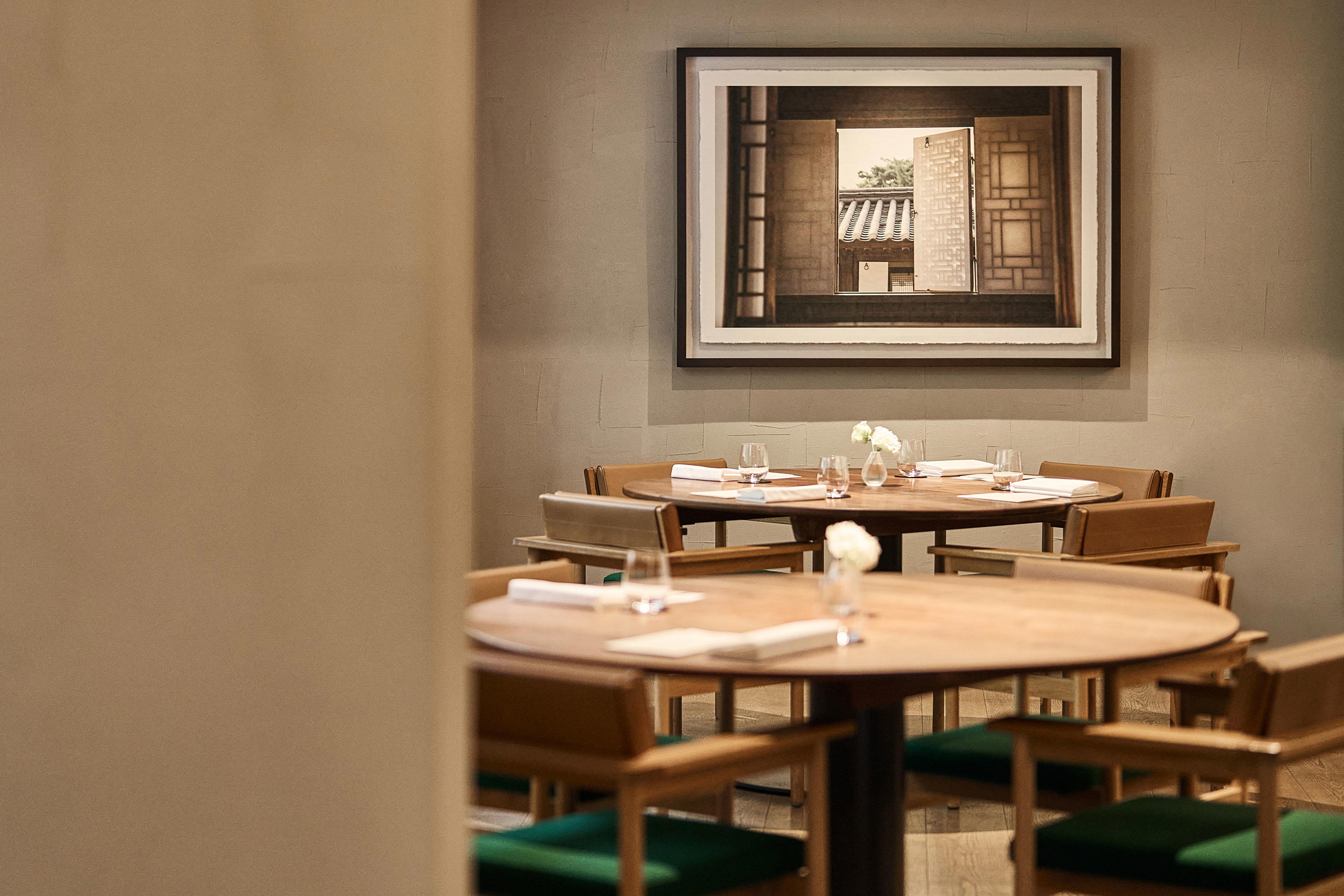
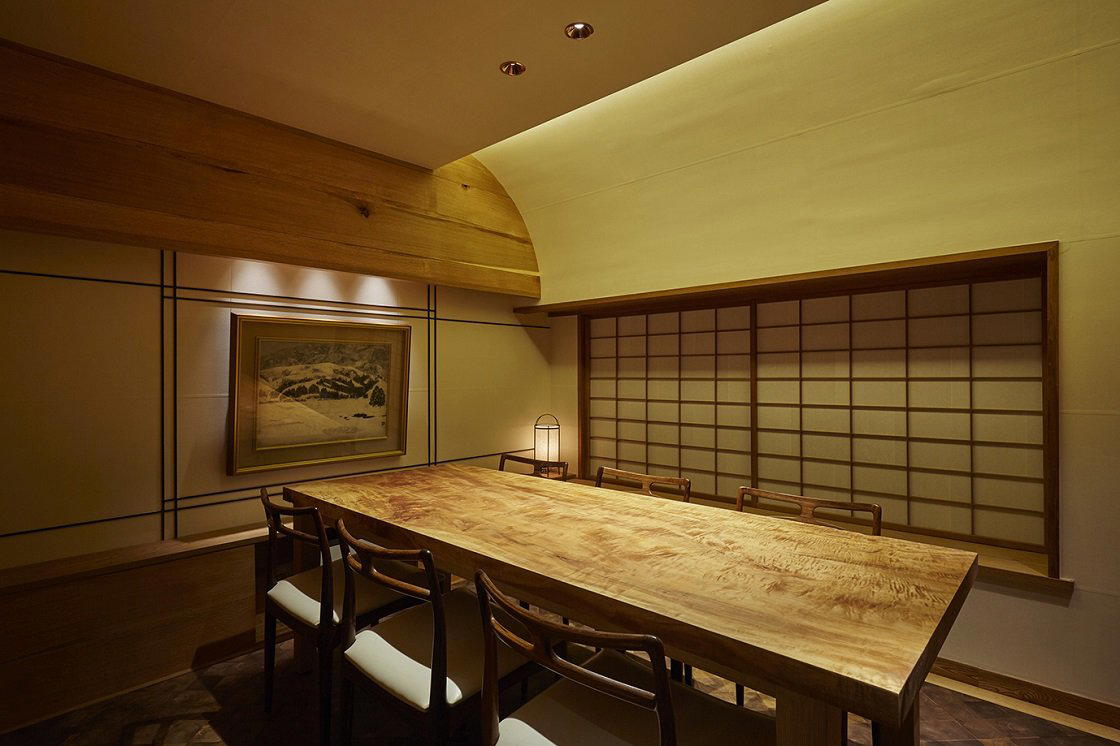
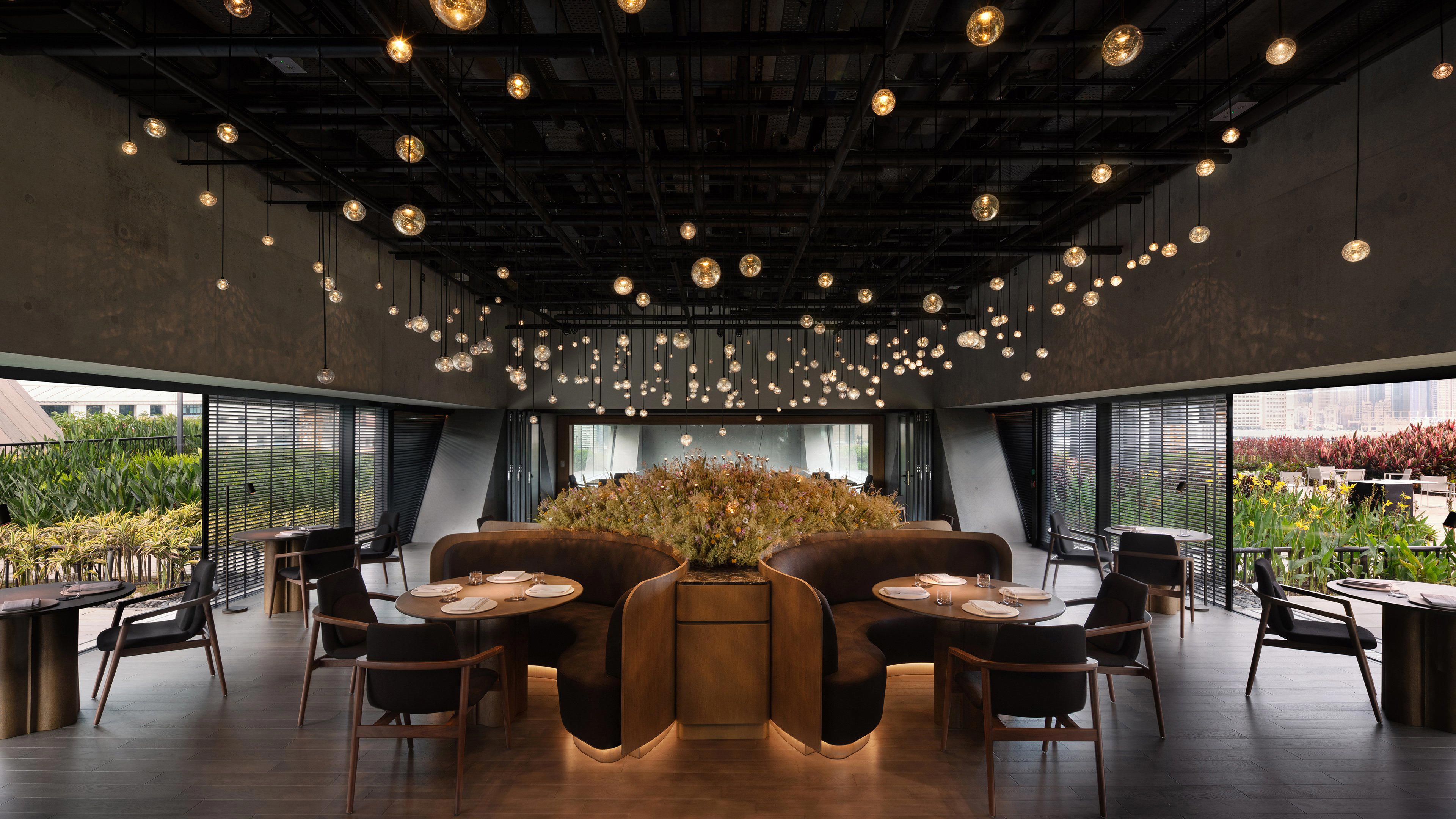
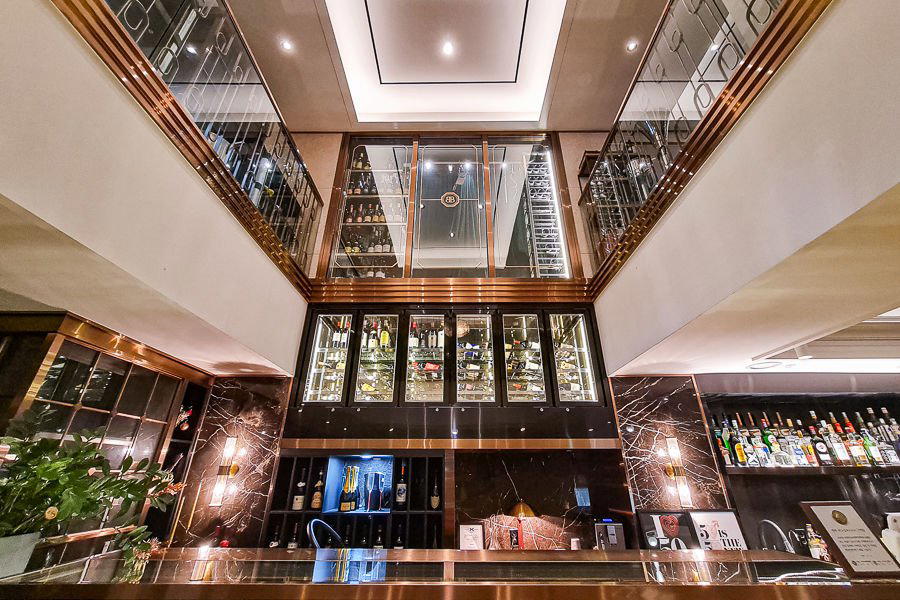
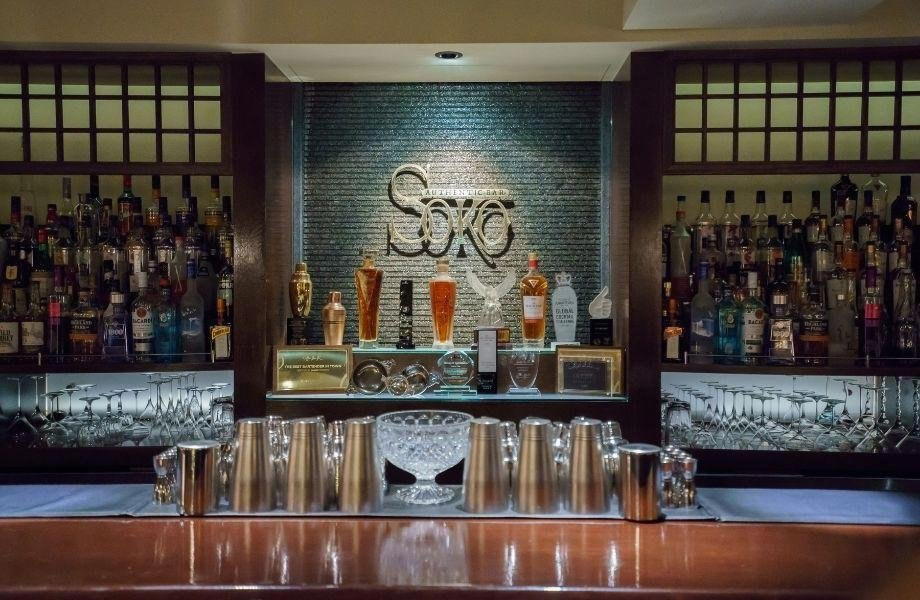
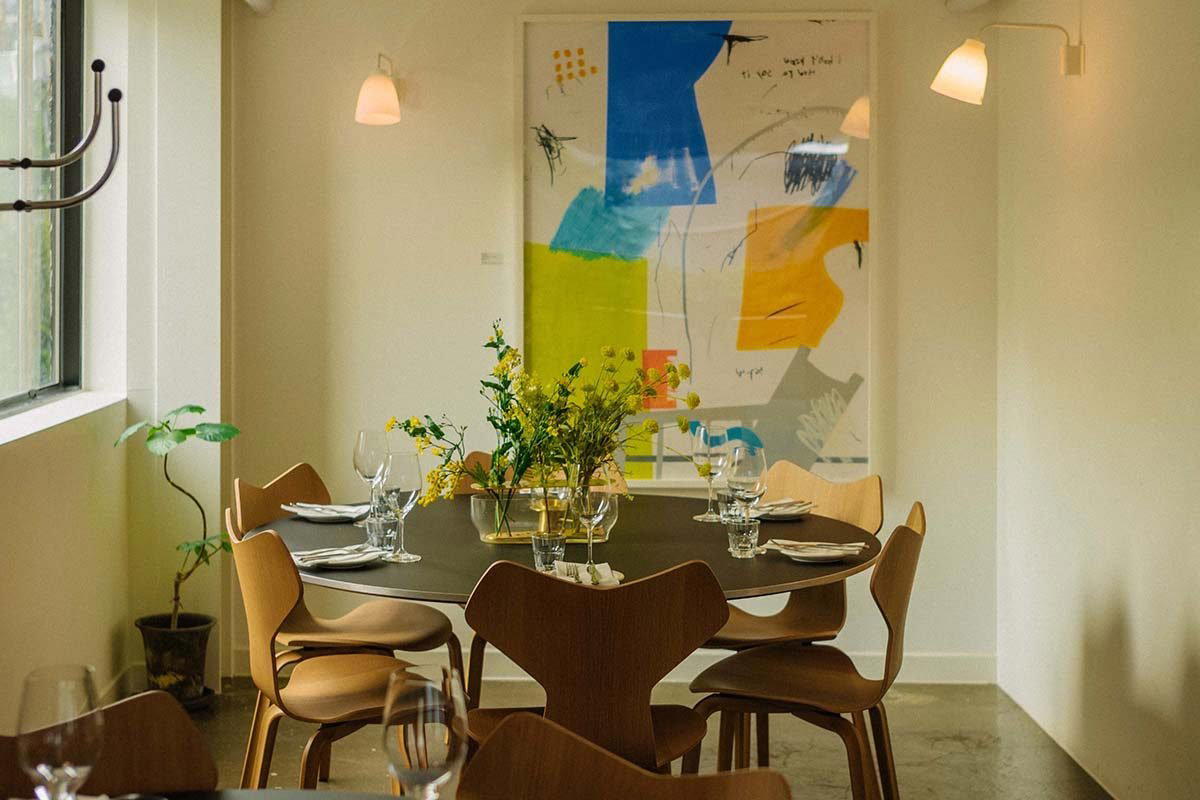
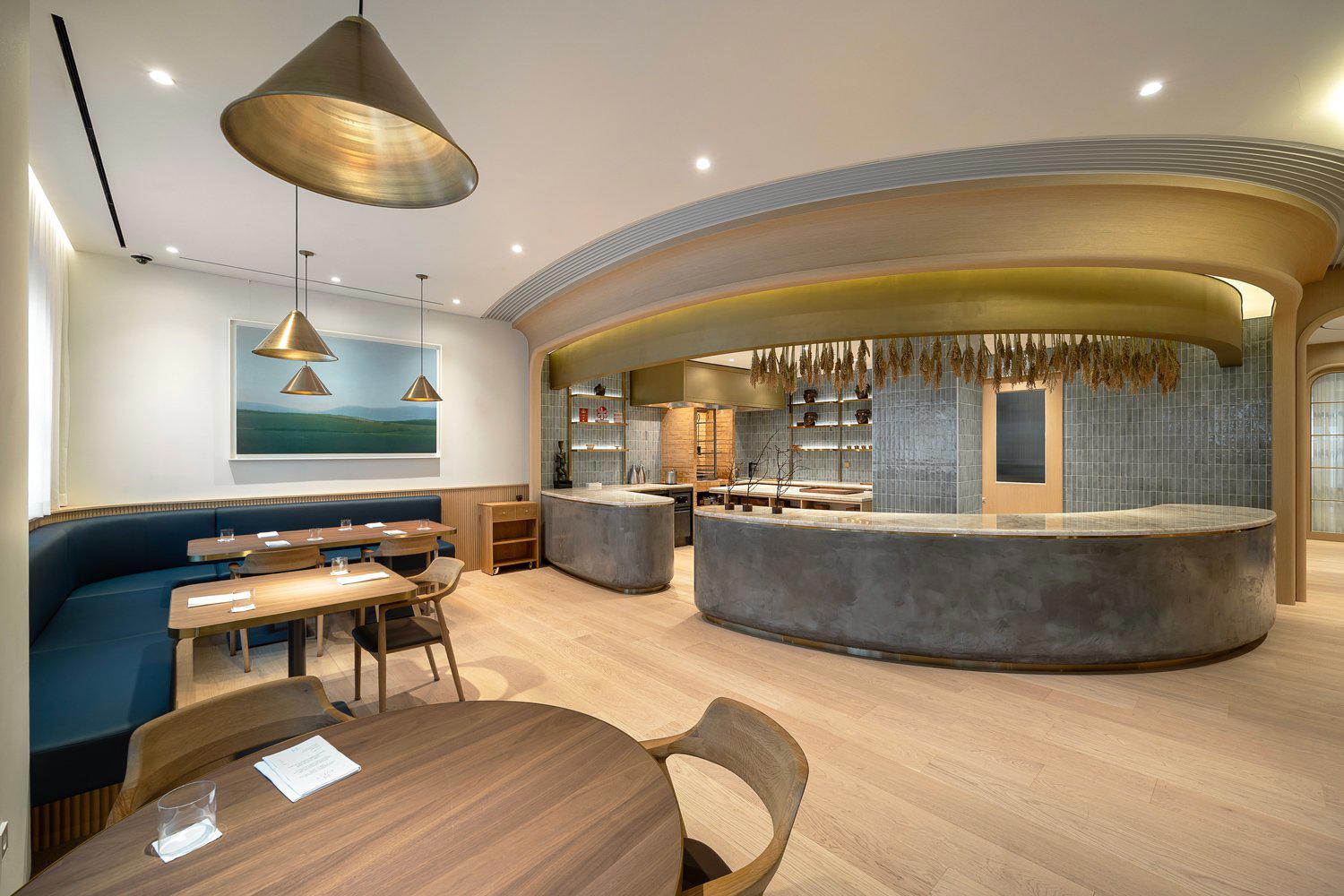
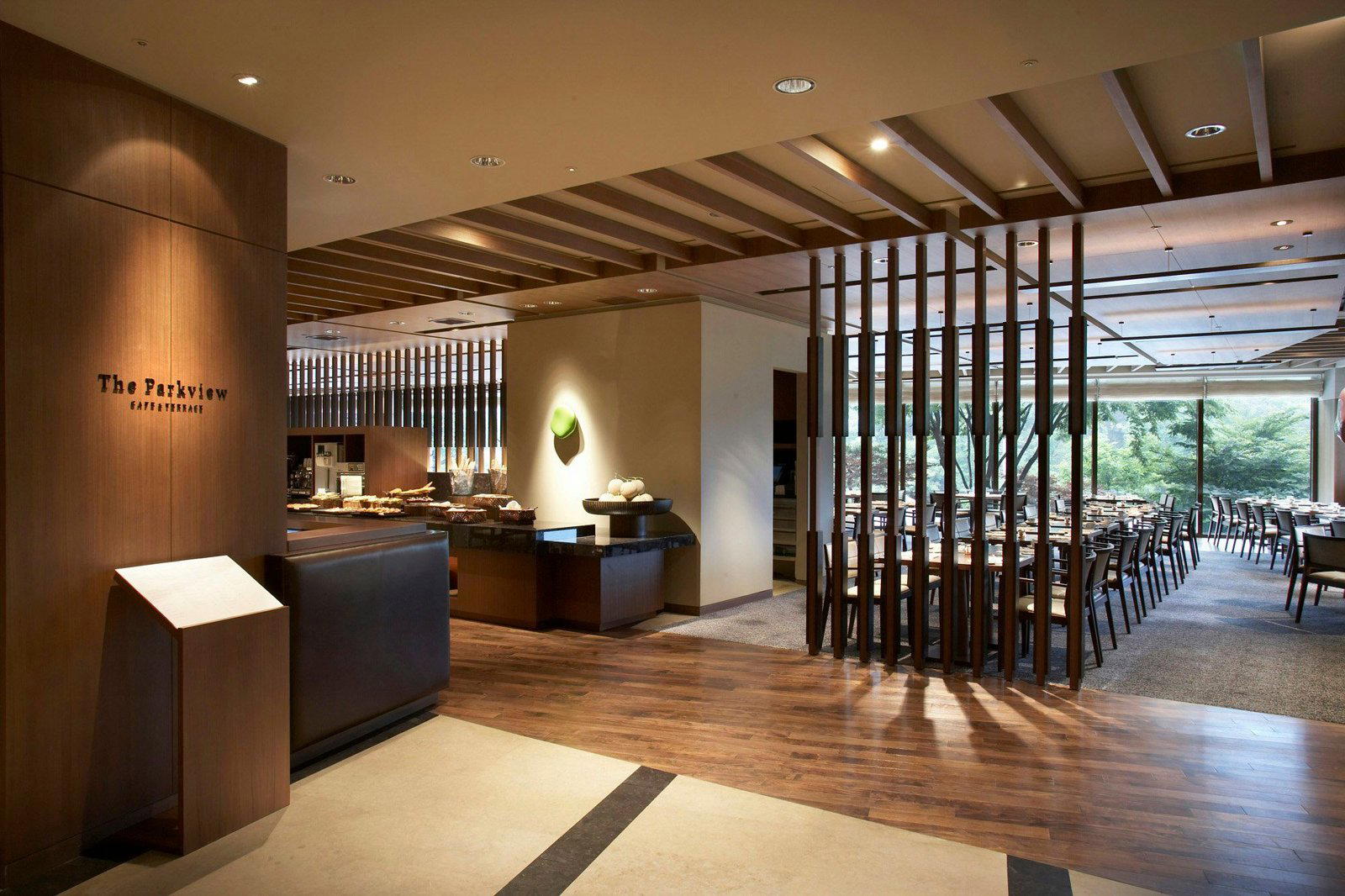
Sophisticated Korean-style setting with modern reinterpretation of traditional tableware.