Soft Bank is a Hong Kong dining address that has built its reputation through repeat custom rather than spectacle. Little verified public data exists about its format, price point, or kitchen team, which places it in the category of venues that travel by word of mouth rather than by press release. Those who return regularly tend to do so for reasons that resist easy description.
Pearl is the En Primeur Club membership app — saves, bookings, and concierge access live there. Same editors, same standards.
- Address
- Hong Kong, Hong Kong
- Directions
- Get directions
 Saves & bookings on Pearl
The Venues That Don't Need to Advertise
Hong Kong's most discussed restaurants occupy two distinct tiers. The first is the credentialed circuit: Michelin-starred rooms like Amber and Caprice, where the awards infrastructure does the marketing, booking windows are measured in weeks, and the clientele arrives with expectations shaped by published reviews. The second tier is quieter and considerably harder to characterise: places that accumulate a loyal following without a press strategy, where the returning guest is the primary unit of social proof. Soft Bank is a restaurant in Hong Kong serving Cantonese Private Kitchen, priced at about US$300 per person, and it belongs to the second category.
Some of the city's most durable dining addresses have operated exactly this way. Forum, the Cantonese institution in Causeway Bay, spent decades earning a reputation built on the judgment of regulars long before international recognition arrived. The pattern is common enough in Hong Kong to constitute a recognisable type: the restaurant that doesn't need a review cycle because its tables are already full.
What Regulars Are Actually Loyal To
When a venue generates repeat custom without a visible public profile, the loyalty is rarely about novelty. It tends to be structural: a consistency in execution, a familiarity between floor staff and returning guests, or a format that rewards the person who knows how to order rather than the first-timer working from a menu at face value. Hong Kong diners, particularly those who eat out frequently, develop a sophisticated relationship with places like this. They know which dishes are made to be shared, which items don't appear on any printed card, and at what hour the kitchen is at its most focused.
This kind of knowledge accumulates slowly and doesn't transfer easily to a new visitor. It is, in effect, a form of social capital specific to the room. The regulars at venues of this type are not brand loyalists in the conventional sense; they are participants in a system that rewards familiarity. The contrast with Hong Kong's more internationally visible dining scene is instructive. At 8 1/2 Otto e Mezzo Bombana or Ta Vie, the guest experience is carefully architected for the first-time visitor as much as for the returning one. At Soft Bank, the architecture, to whatever extent it exists, appears to be built around the person who has been before.
Hong Kong's Broader Dining Geography
Understanding where Soft Bank sits requires some sense of how Hong Kong's restaurant scene is spatially and socially organised. The city's premium dining is concentrated in a handful of districts: Central, Wan Chai, and Tsim Sha Tsui carry the heaviest density of recognised addresses. But the city's genuine breadth runs considerably further. Gaia in Central and Western represents the Italian end of that high-density cluster. Further out, the dining picture diversifies sharply: Lei Garden in Sha Tin carries Michelin recognition into the New Territories, while addresses like Coconut Soup in Yau Tsim Mong and Hoi Tin Garden in Tuen Mun operate in the register of neighbourhood specificity that no guidebook fully captures.
That geographic spread matters because it shapes the kind of loyalty different venues attract. A restaurant in Tuen Mun draws from a local base almost by definition; a restaurant in Central competes for attention with the full weight of Hong Kong's international dining profile. The restaurant's following suggests a venue that draws from a defined local or professional catchment rather than from the tourist or expense-account circuit that sustains the city's most visible addresses.
The Limits of What Can Be Said
The restaurant's cuisine type is Cantonese Private Kitchen, and its price is about US$300 per person. That approach serves no one, least of all the reader who acts on it.
What can be said with confidence is structural. Hong Kong supports a meaningful category of dining address that operates below the radar of formal recognition while maintaining a stable clientele. These venues share certain characteristics: they are rarely the subject of extended press coverage, they do not typically feature in ranked lists, and they are disproportionately represented in the recommendations of people who eat in the city regularly rather than occasionally. The restaurant, based on available signals, fits that profile.
For comparison, the internationally recognised tier of the city's dining scene operates with a different visibility architecture. The contrast is not about quality; it is about audience and intent.
Planning a Visit
The practical advice here is necessarily general. Venues of this type in Hong Kong are typically reachable through direct contact, and first-time visitors are best served by arriving with a flexible approach to ordering rather than a fixed agenda. The guest who asks what the kitchen is doing well that day will, in most cases, eat better than the one who arrives with a specific dish in mind.
For context on Hong Kong dining beyond the central districts, the city's geography rewards exploration. Addresses like One-ThirtyOne in Tai Po, Gangstas in Islands, and I Love Istanbul in Tsuen Wan each represent the city's appetite for dining that operates outside the formal recognition circuit. Habib's in Kwun Tong and King of Soybeans in Wong Tai Sin occupy a similar register. The former Jumbo Floating Restaurant in Aberdeen remains a reference point for how Hong Kong's dining mythology is constructed around experience as much as food.
Cost Snapshot
Comparable venues nearby, for context on price, style, and recognition.
| Venue | Cuisine | Price | Notes |
|---|---|---|---|
| Soft BankThis venue — the venue you are viewing | Sheung Wan, Cantonese Private Kitchen | $$$$ | Not listed |
| Hutong | Not listed | $$$$ | Yau Tsim Mong South, Northern Chinese Fine Dining |
| Flower Drum | Wan Chai, Modern Cantonese Fine Dining | $$$$ | Not listed |
| Fu Rong Wu Shuang | Central, Modern Hunanese Fine Dining | $$$$ | Not listed |
| Stellar House (Chuang’s Enterprise Building) | Not listed | $$$$ | Wan Chai, Traditional Cantonese / Shunde banquet cuisine |
| Chengdu Yan | Central, Upscale Sichuan-Cantonese | $$$$ | Not listed |
Continue exploring
More in Hong Kong
Restaurants in Hong Kong
Browse all →
Bars in Hong Kong
Browse all →
At a Glance
- Elegant
- Intimate
- Sophisticated
- Special Occasion
- Business Dinner
- Private Dining
- Extensive Wine List
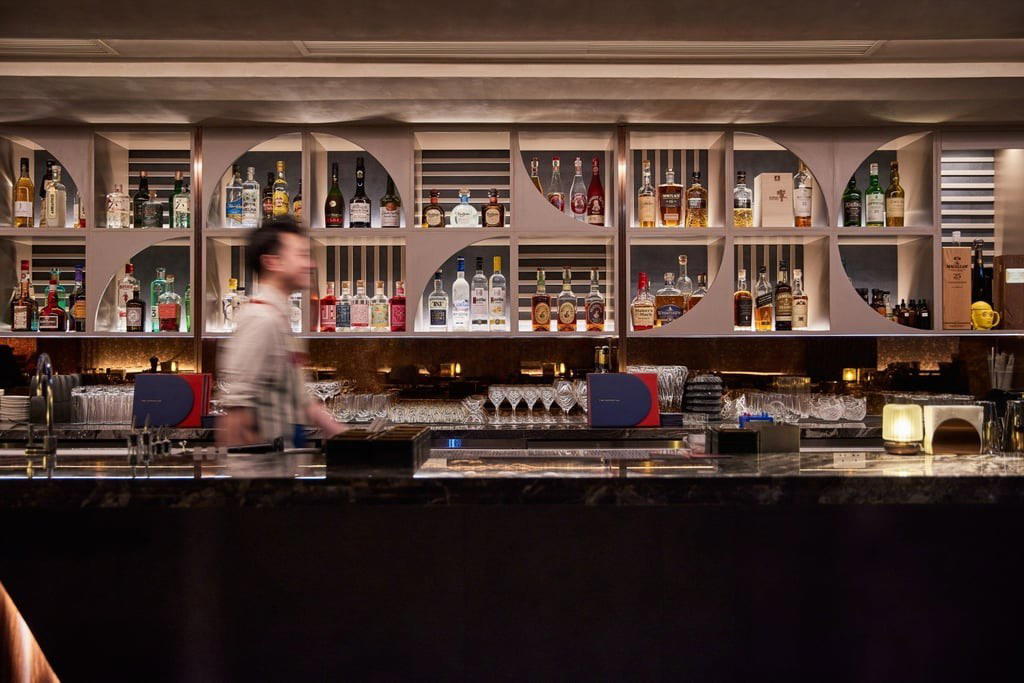
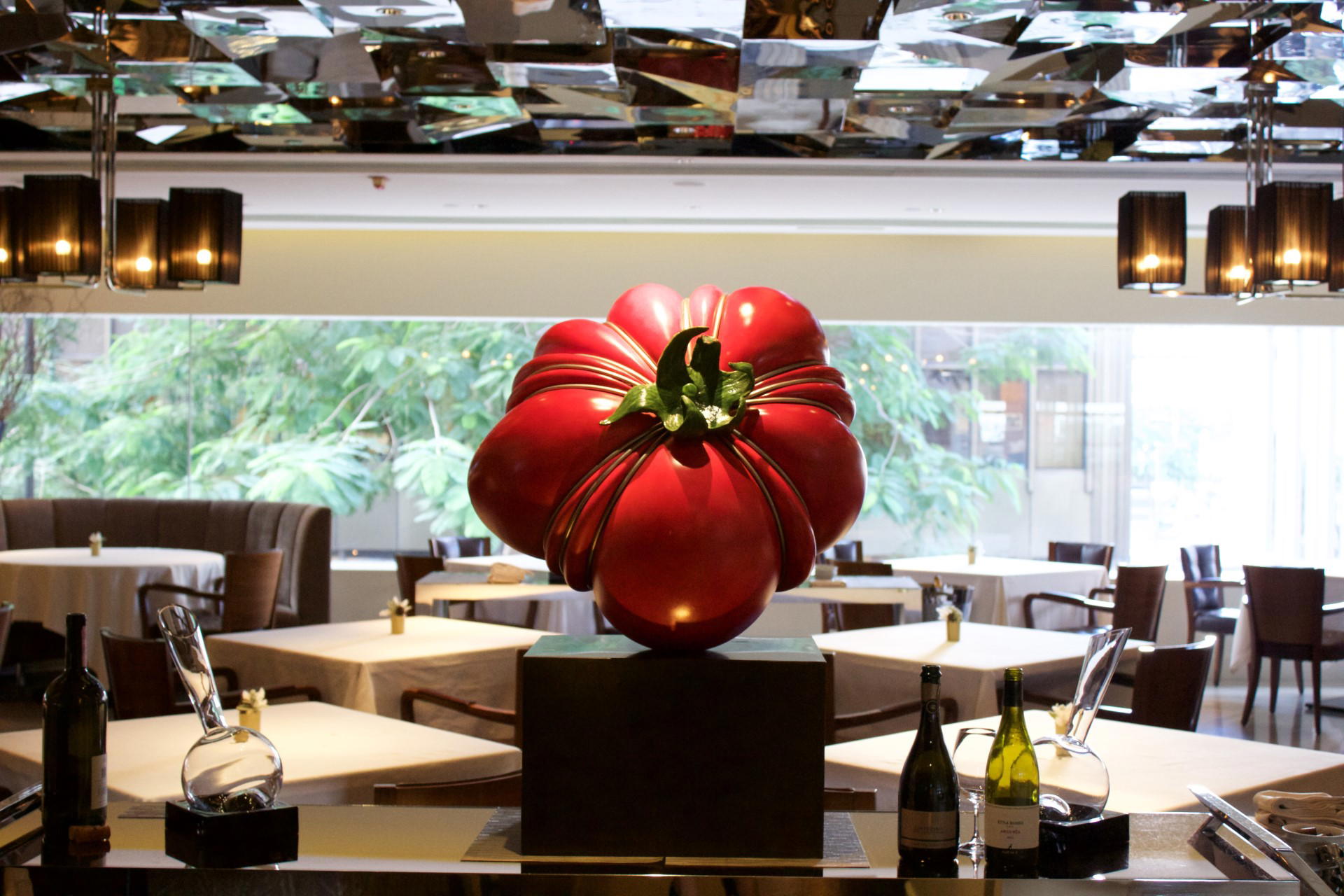
Quieter, more deliberate atmosphere typical of private kitchens.