
SCMP 100 Top Tables Restaurants
Our verdict
Fu Rong Wu Shuang sits in Central’s Wellington Street dining corridor, where Hong Kong’s appetite for Chinese regional cooking meets a denser, more competitive restaurant market. The draw is less about spectacle than placement: a Chinese table in a city that judges the category with unusual seriousness, surrounded by tasting-menu rooms, Cantonese institutions, and cross-border formats.

Pearl is the En Primeur Club membership app, where members save venues, book tables and use the concierge.
The menu
What to order
- Rongyuan stinky tofu
- Fu Rong pancake
- Braised stone fish with termite mushroom in yellow sauce
- Softshell turtle braised with Hunan lotus seeds and green peppers
Hong Kong has the vertical dining rhythm that defines the city: lifts opening onto upper-floor rooms, office towers emptying into narrow pavements, restaurants stacked above street level. Fu Rong Wu Shuang fits that Hong Kong pattern, where a serious table can sit above traffic yet remain tied to the city’s commercial pulse. The approach matters: the room belongs to a city whose restaurant mix treats dinner as social currency and cultural shorthand.
Restaurants in Hong Kong operate under a sharper lens than almost anywhere else. Local dining has long set the benchmark, but the city now supports a broader reading of premium restaurants: formal service, private-room expectations, tasting-menu pacing, and business-dinner efficiency all sit in the same market. Fu Rong Wu Shuang enters that conversation with a name signalling Hong Kong ambition rather than imported novelty, important where many premium openings use counter formats, tasting menus, or hybrid dining-room models to justify their tier.
Hong Kong's dining culture rewards precision over theatre
Hong Kong is unforgiving to rooms that confuse polish with personality. Peer pressure comes from benchmarks including The Chairman, and higher-ticket formats such as WING Restaurant. A Hong Kong address is not a soft launchpad; diners distinguish formality, confidence, and generic luxury coding. Fu Rong Wu Shuang benefits because the category carries weight here: a restaurant in Hong Kong is judged on fluency before décor, and consistency before narrative.
Hong Kong also places it inside a dining cluster useful for reading the city in 2026. The wider market absorbs formal rooms, counter-led experiences, shared-plate formats, and polished service without forcing one template. For contrast, other Hong Kong dining rooms reflect appetite for more formal occasions, while more relaxed venues show support for looser, plate-sharing formats. The comparison is how each format handles confidence: through tasting menus, pacing, room control, or a clear audience.
That is why dining in Hong Kong resists easy ranking language. The serious market contains established institutions, chef-led rooms, special-occasion restaurants, and venues speaking to multiple dining habits rather than a single hotel-dining template. Fu Rong Wu Shuang sits within that matrix. Its Hong Kong presence suggests a restaurant for diners fluent in the city’s codes: planned tables, business meals, and guests expecting dinner to carry occasion without becoming performance.
What the address says about the table
Hong Kong remains one of Asia’s densest restaurant theatres because it compresses money, transit, offices, nightlife, and tourism into a compact city. The setting is shorthand for restaurants relying on destination intent rather than casual browsing. That suits a dining room where the decision is usually made before arrival: planned dining in a city where reservations, group size, and timing shape the evening.
The broader map reinforces the point. Readers building a Hong Kong eating itinerary can use Our full Hong Kong restaurants guide for the citywide view, then place Fu Rong Wu Shuang against other dining across the city: formal premium rooms, neighbourhood favourites, long-running local references, and more casual addresses all contribute to the same picture. These references show how fragmented Hong Kong dining has become: the city concentrates capital, but authority is distributed across districts and formats.
For travellers, the decision is practical as much as cultural. Fu Rong Wu Shuang is better read as a Hong Kong dinner choice than a casual stop between sights. The city works well for a gallery afternoon, a hotel base, or a bar-led evening nearby, depending on how the itinerary is built. For planning, Our full Hong Kong hotels guide and Our full Hong Kong bars guide help separate convenient areas from those that merely look close on a map. Hong Kong distances can be short and still feel slow at peak hour, especially with rain, traffic, and lift queues.
How to place it among Hong Kong's premium tables
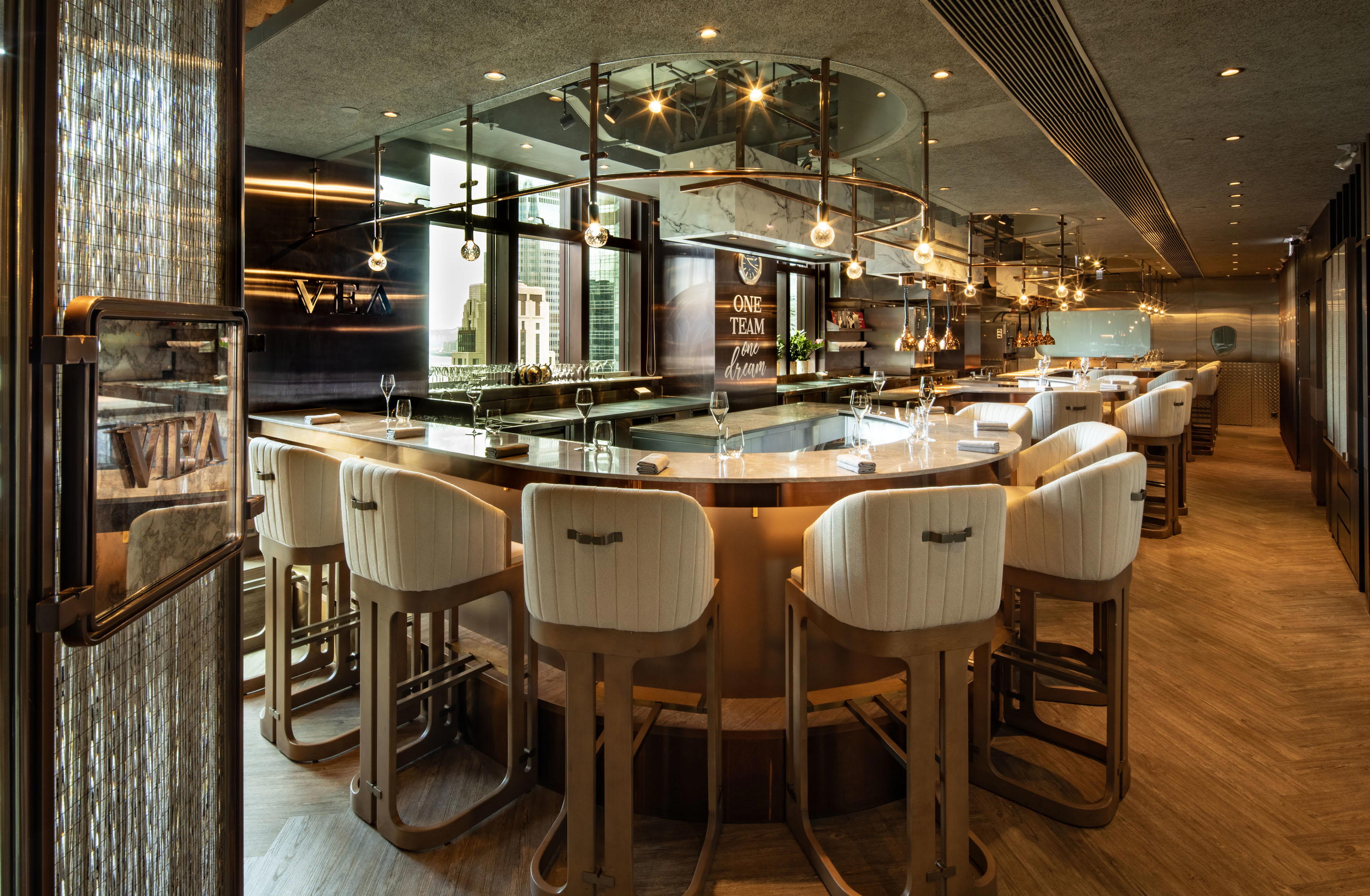
The useful peer frame is premium Hong Kong dining, not a generic fine-dining list. Vea and Whey represent Hong Kong’s confidence with modern tasting-menu formats; Hansik Goo shows appetite for another polished register; WING Restaurant and The Chairman keep the city’s premium category under sharper scrutiny. Fu Rong Wu Shuang belongs in that conversation because expectation is higher. In Hong Kong, a restaurant gets no credit for mere positioning; it must show clarity, discipline, and occasion equal to the room.
The restaurant carries recognition from SCMP 100 Top Tables 2026 - Restaurants, giving it a measurable trust marker without making the award the story. In a city crowded with guide-listed rooms and media-friendly openings, one marker is useful but not decisive. The stronger editorial point is category fit: Hong Kong can sustain a restaurant speaking to diners already comparing polish, identity, and contemporary service habits in the same frame.
Neighbouring listings and broader city references show the expectations a Hong Kong visitor may bring. Some dining rooms sit in different corners of the city’s dining imagination, while more casual and specialist venues underline how quickly the category mix changes across Hong Kong. Even international comparisons remind us Hong Kong’s strength is not simply variety; it is the speed with which diners compare formats across cultures.
The right reader for Fu Rong Wu Shuang wants a Hong Kong table with cultural weight rather than novelty. It belongs on an itinerary built around the city’s restaurant literacy: one night for established reference points, one for modern technique, one for a room testing how premium dining keeps adapting in Hong Kong. For adjacent planning beyond restaurants, Our full Hong Kong wineries guide and Our full Hong Kong experiences guide round out the city context without turning dinner into an isolated booking decision.
Frequently asked questions
What's Fu Rong Wu Shuang's location?
Hong Kong.
Is Fu Rong Wu Shuang Michelin-listed?
The provided public record lists Fu Rong Wu Shuang in SCMP 100 Top Tables 2026 - Restaurants. Check current guide and venue channels for the latest details.
Should I book Fu Rong Wu Shuang in advance?
Yes. Its Hong Kong location places it in a busy dining city, so advance planning is sensible.
What has Fu Rong Wu Shuang built its reputation on?
The venue’s profile in the provided public record rests on its Hong Kong location and its SCMP 100 Top Tables 2026 - Restaurants recognition. Check the venue's official channels for the latest details.
A Pricing-First Comparison
Comparable venues by cuisine and price in the same metro.
| Venue | Cuisine | Price | Awards | Notes |
|---|---|---|---|---|
| Fu Rong Wu ShuangThis venue (the venue you are viewing) | Modern Hunanese Fine Dining | $100–150 | SCMP 100 Top Tables Restaurants | Not listed |
| Whey | Modern European with Singaporean & Southeast Asian Influences | $200–300 | 1 Michelin Star · Star Wine List | Modern Singaporean, Asian Contemporary |
| Vea | Modern Chinese-French Fusion | $300–500 | 1 Michelin Star · World's 50 Best #70 | Innovative |
| WING Restaurant | Modern Chinese Fine Dining | $200–300 | Michelin Plate · World's 50 Best #2 | Chinese |
| Hansik Goo | Modern Korean Fine Dining | $100–150 | 1 Michelin Star · Star Wine List | Not listed |
| The Chairman | Traditional Cantonese | $100–150 | 1 Michelin Star · World's 50 Best #1 | Chinese, Cantonese |
Recognition history
Dated appearances from independent guides and award organizations, with the underlying list record or original source where available.
SCMP 100 Top Tables Restaurants
SCMP 100 Top Tables
Continue exploring
More in Hong Kong
Restaurants in Hong Kong
All restaurants in Hong Kong →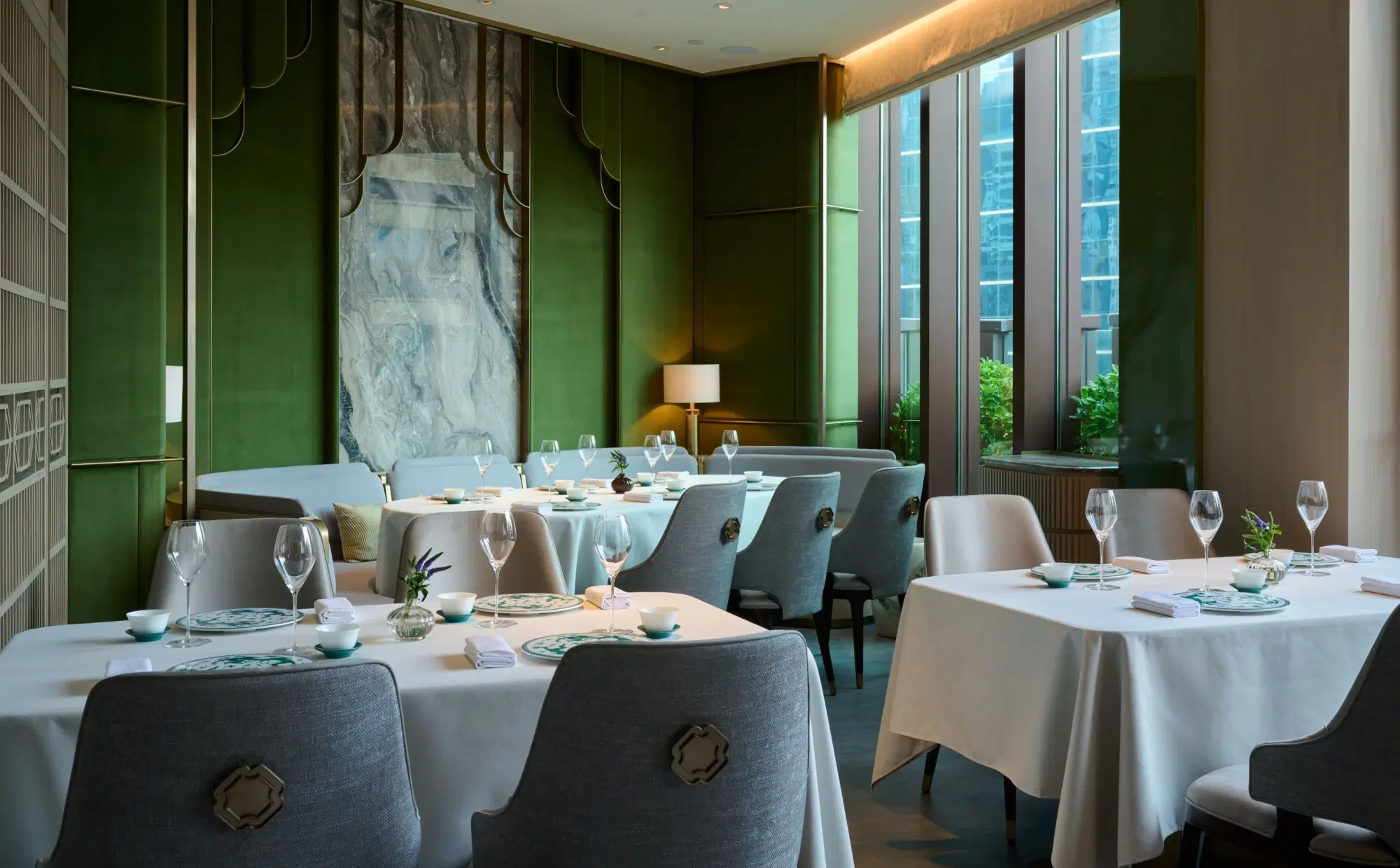
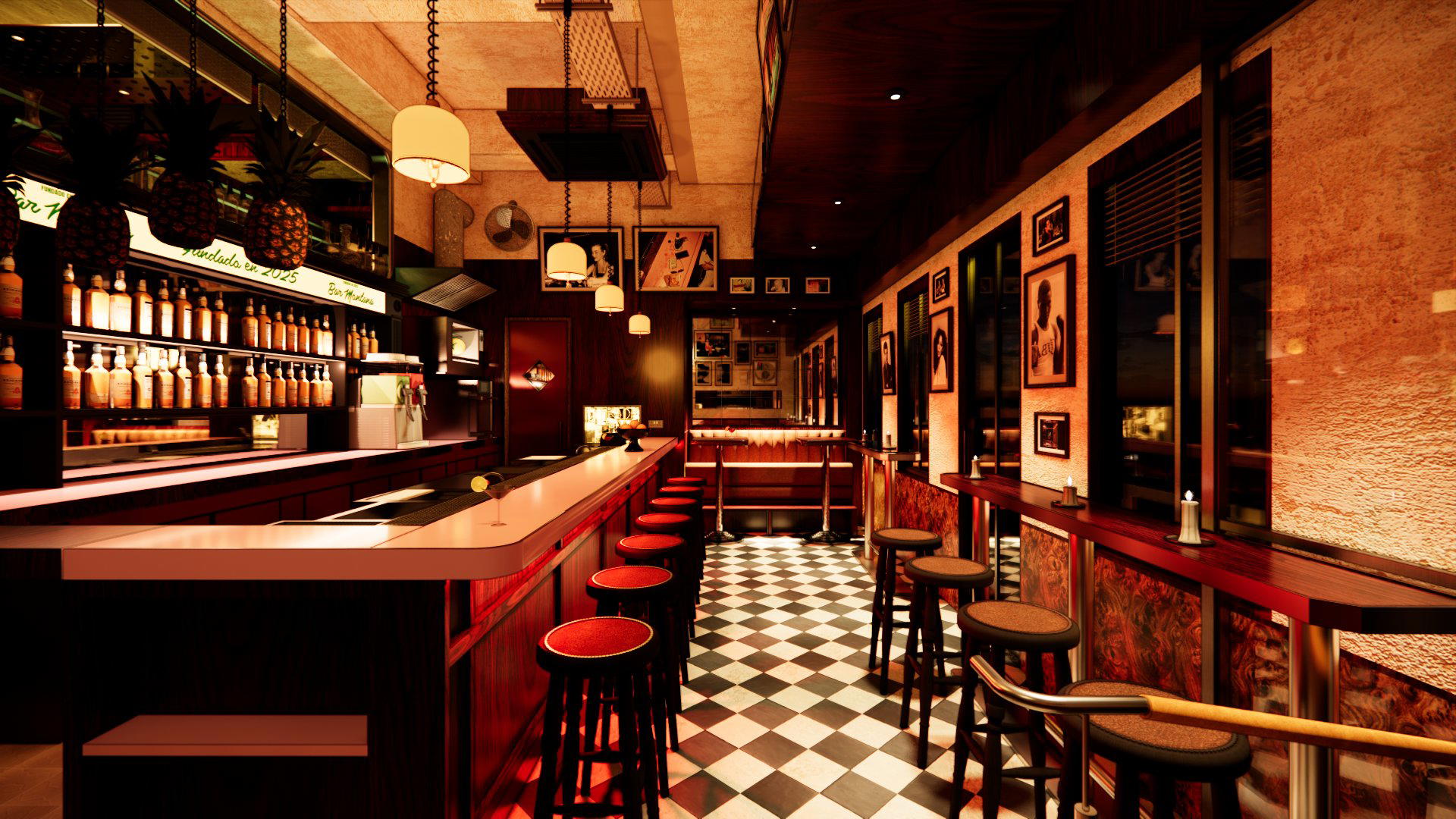
Bars in Hong Kong
All bars in Hong Kong →
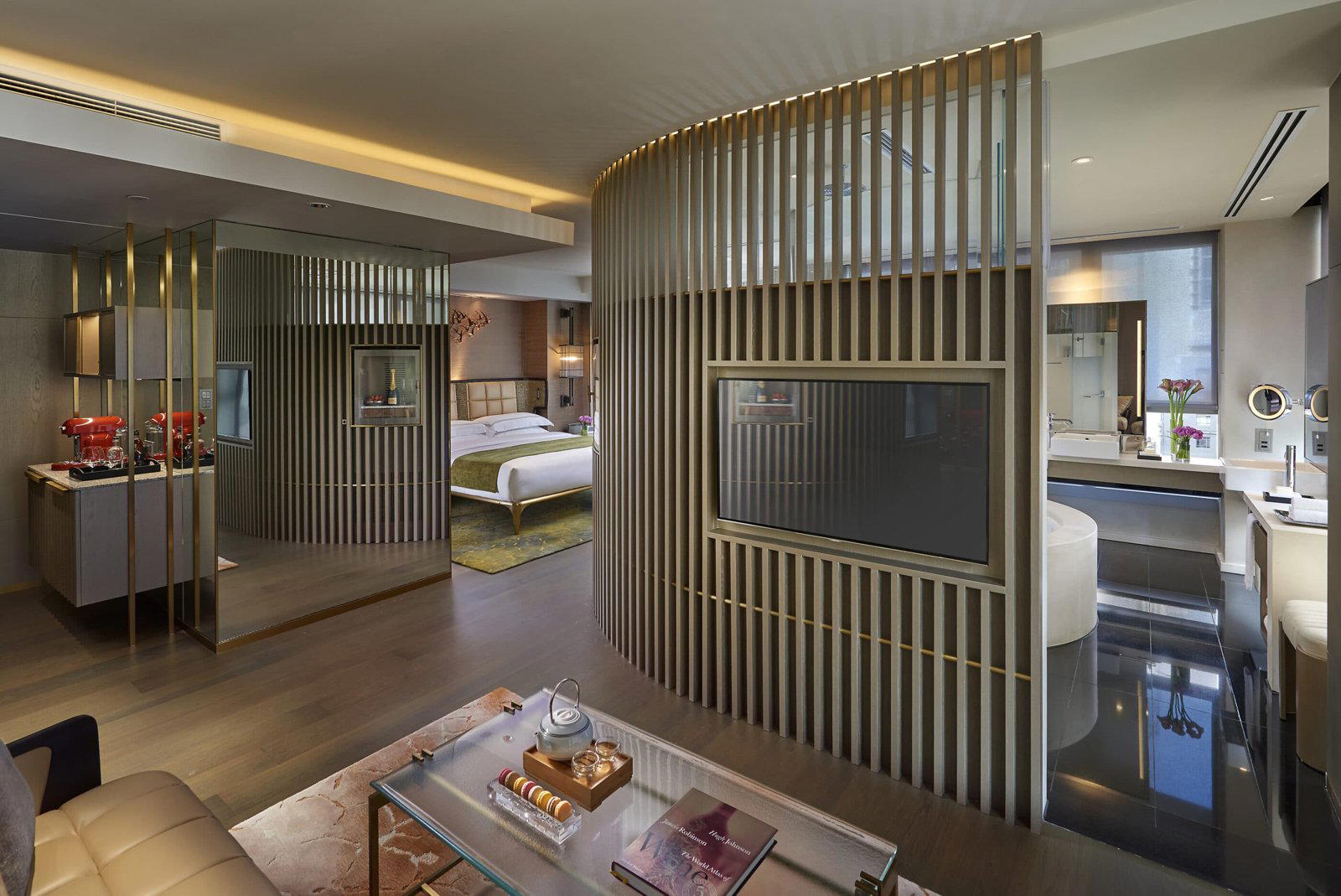
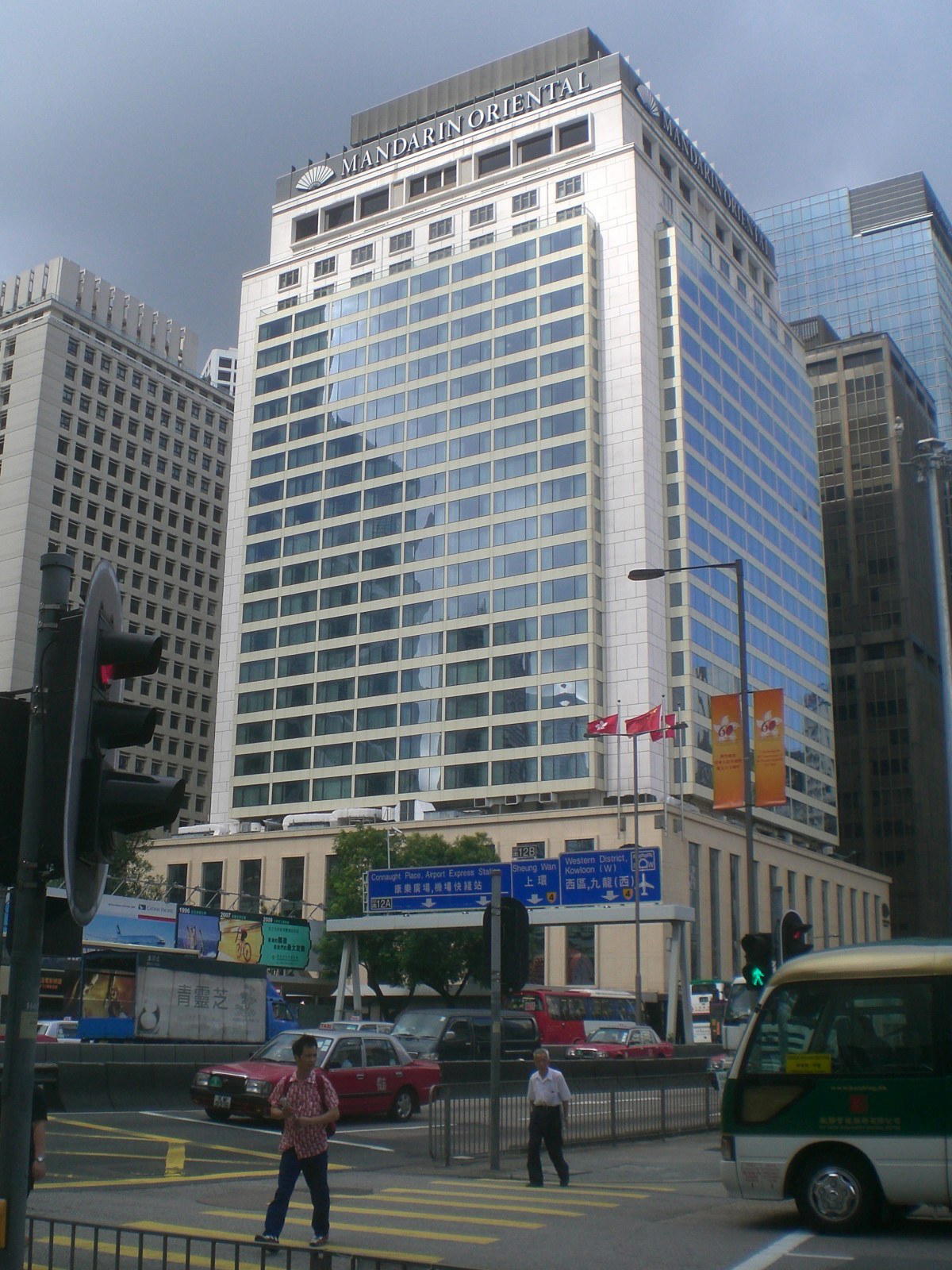
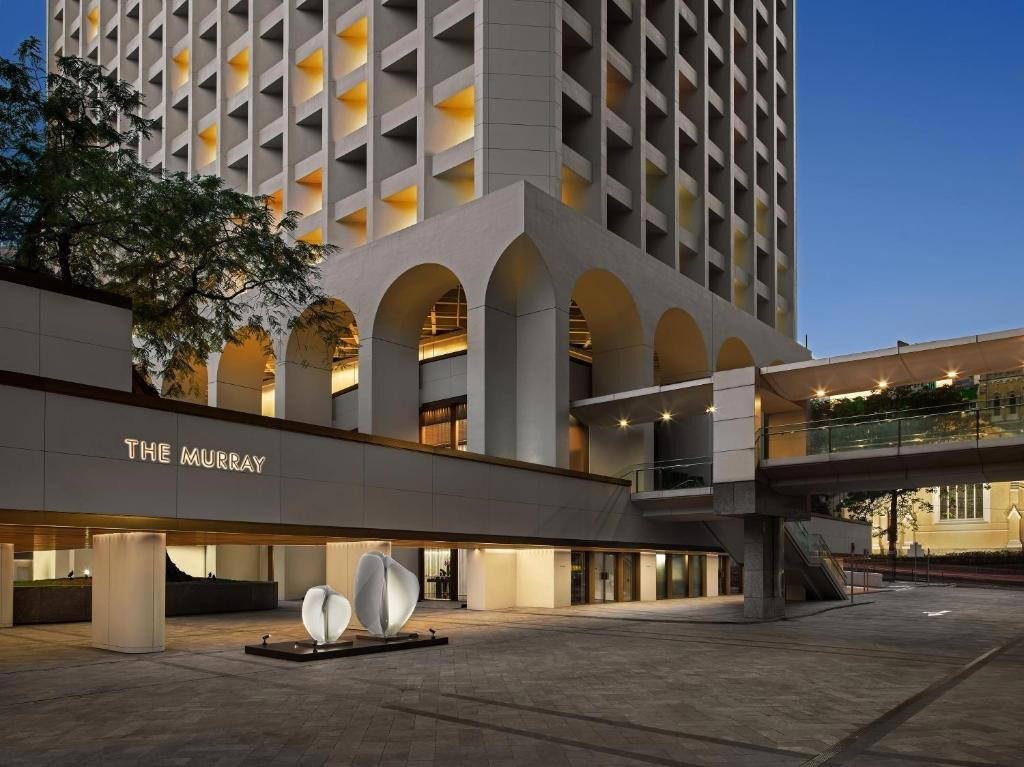
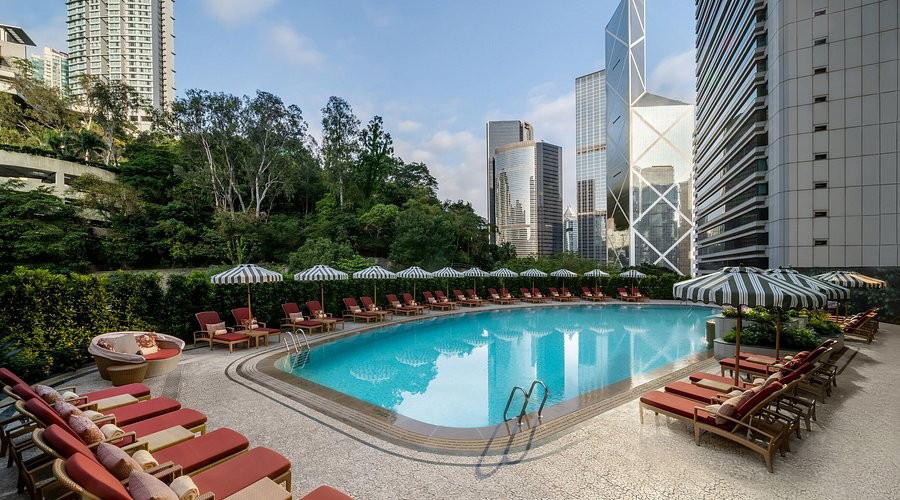
Hotels in Hong Kong
All hotels in Hong Kong →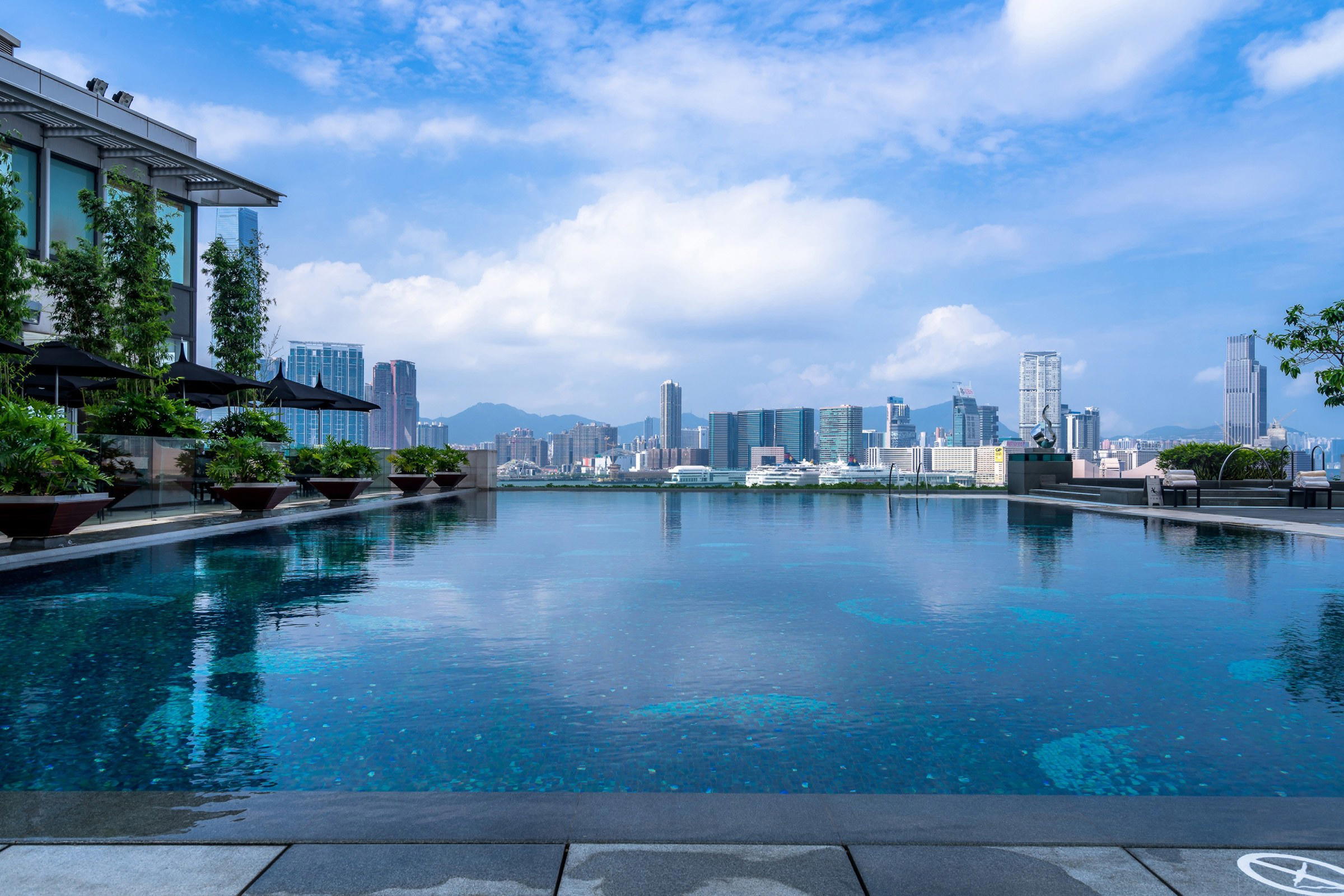
Wineries in Hong Kong
All wineries in Hong Kong →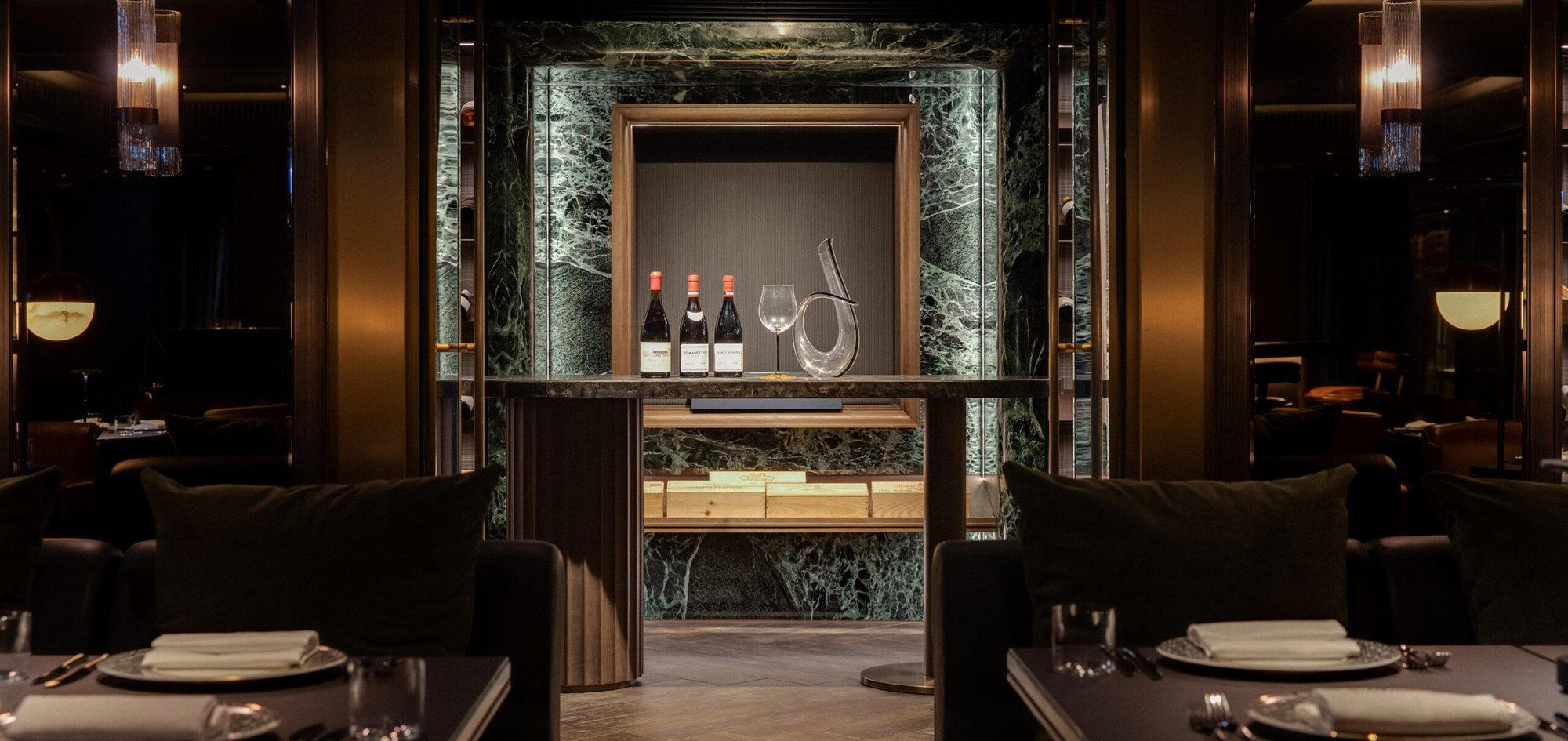
Details
- Elegant
- Sophisticated
- Modern
- Intimate
- Cozy
- Special Occasion
- Business Dinner
- Date Night
- Group Dining
- Private Event
- Private Dining
- Design Destination
- Standalone
- Extensive Wine List
- A La Carte
- Set Menu
- Small Plates
- Family Style
- Wine
- Baijiu
- Tea
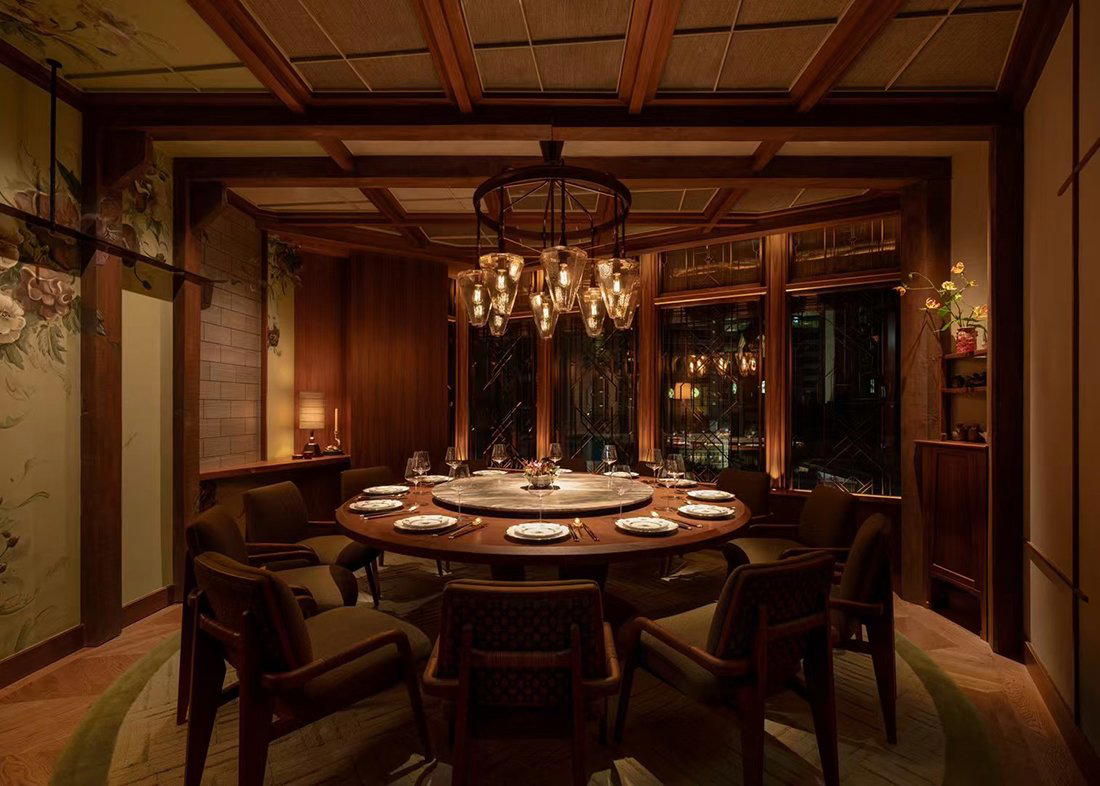
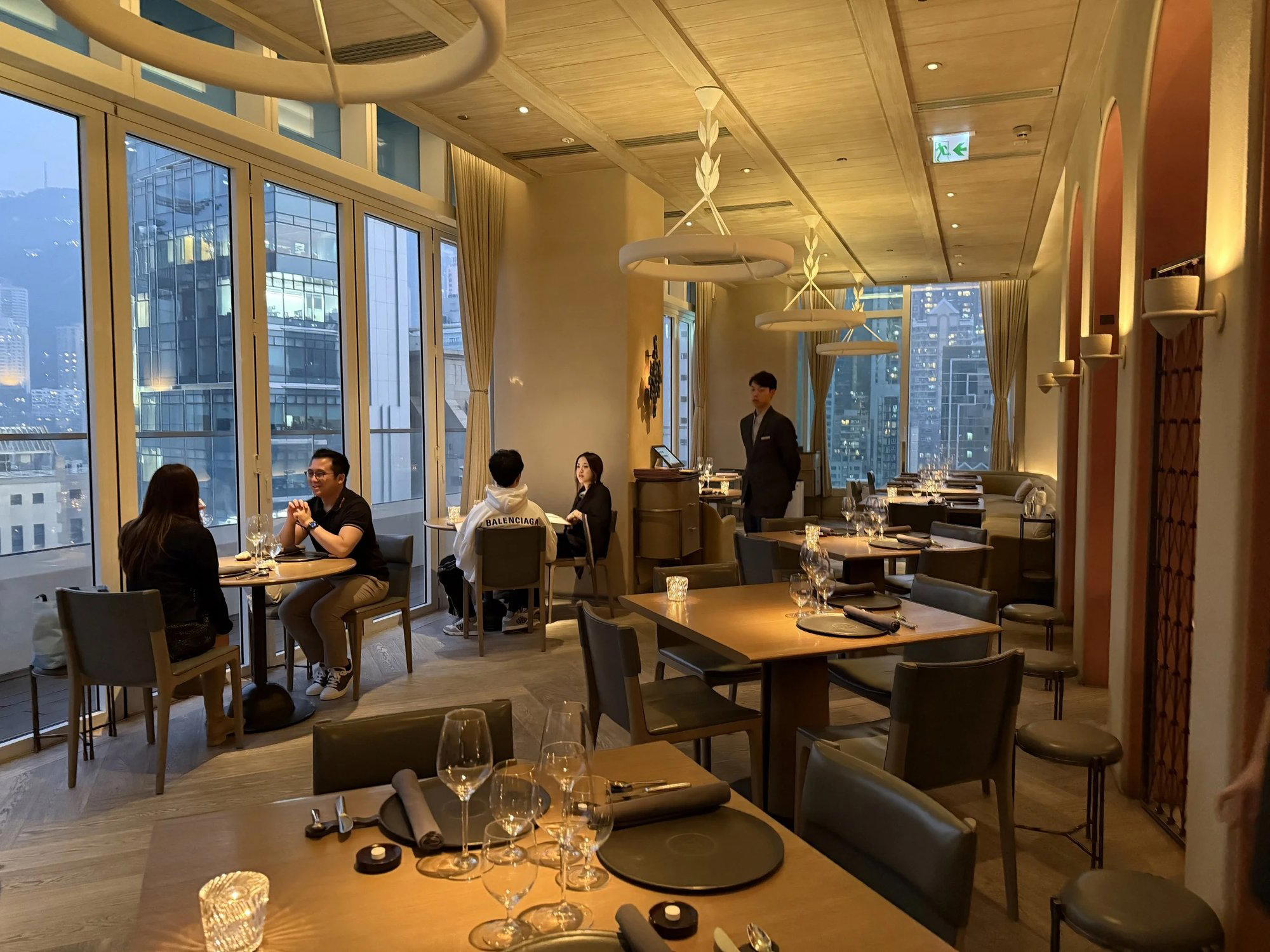
A sophisticated, contemporary dining room by André Fu Studio with warm, carefully layered lighting, wood and textured materials that create a cozy yet polished atmosphere, complemented by intimate private rooms and a refined main hall.