Our verdict
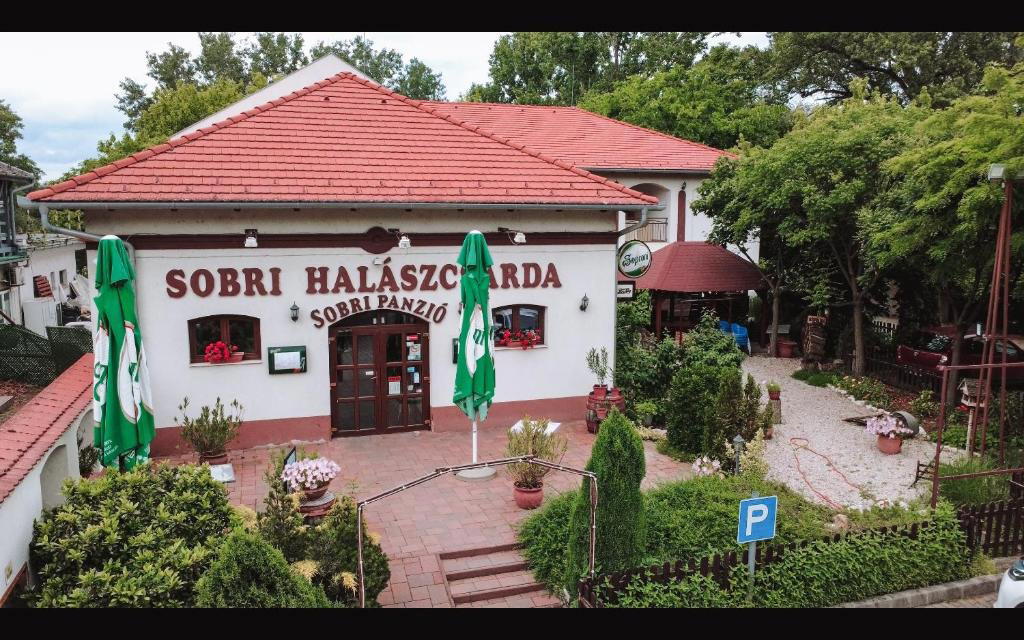
In Baja, a city where halászlé is not a restaurant dish but a civic identity, Sobri Halászcsárda sits on Március 15 square in the kind of position that requires no signage to justify. The csárda format belongs to a long tradition of riverside fish cooking in southern Hungary, where paprika, carp, and open fire define the regional table more reliably than any tasting menu trend.

Pearl is the En Primeur Club membership app — saves, bookings, and concierge access live there. Same editors, same standards.
- Address
- Baja, Március 15. stny. 10, 6500 Hungary
- Phone
- +36304912131
- Hours
- Daily 11:30 AM–9 PM
- Website
- sobrihalaszcsarda.hu
- Directions
- Get directions
The menu
What to order
- Filézett harcsa halászlé Sobri módra
- Szürkeharcsa paprikás
- Sobri Dish
Where the Danube Sets the Menu
Approach Baja from the south and the river announces itself before the town does. The Sugovica, a slow backwater of the Danube, cuts through the city with the particular authority of a waterway that has dictated local eating habits for centuries. In this context, a halászcsárda is not a themed restaurant concept: it is the logical endpoint of a supply chain that runs from the water to the kitchen to the table with minimal interruption. Sobri Halászcsárda occupies an address on Március 15 square, one of Baja's main public spaces, which places it at the centre of a town where the annual fish soup festival draws tens of thousands of visitors each July and where freshwater fish cookery is treated with the seriousness that coastal cities reserve for seafood.
The Source Behind the Bowl
Baja's halászlé tradition is distinct from its more famous rival in Szeged, and the difference begins with the fish rather than the seasoning. The Bajai halászlé typically incorporates carp, catfish, and other Danube species in a broth thickened by cooking fish pieces directly in the pot, often served with flat egg noodles called gyufatészta cooked inside the soup itself. This is a preparation that depends entirely on the quality and freshness of the river catch. The Duna-Dráva National Park surrounds much of the waterway system feeding this region, and the fisheries that supply kitchens like Sobri draw from waters that have supported commercial and subsistence fishing for generations. In practical terms, this means the ingredient sourcing conversation in Baja is geographic before it is philosophical: the river is close, the fish move through it, and the kitchens that have operated on this square for decades are positioned to use what arrives.
The csárda as a format carries its own logic. These establishments were originally roadside inns serving travellers along Hungary's great plains and river routes, and the leading surviving examples retain that functional directness: the menu is short, the cooking method is legible, and the sourcing is local by necessity rather than by marketing. For anyone who has tracked the broader pattern of Hungarian regional cooking, from the wine-forward tables of Villány (see Halasi Pince Panzió in Villány) to the more contemporary formats in Budapest (see Stand in Budapest), the Baja csárda represents the opposite pole: tradition preserved through repetition rather than reinvention.
Baja in the Hungarian Regional Dining Picture
Southern Hungary's restaurant culture has not attracted the same international attention as the wine villages of the Balaton or the fine-dining corridor developing in Budapest. That relative quiet is partly structural: the towns are smaller, the tourist infrastructure is thinner, and the cooking traditions are hyper-local in ways that do not travel easily to urban menus. Baja sits roughly two hours south of Budapest by road, close to the Serbian border, and its food culture reflects that border geography in small ways: paprika use is heavy, pork fat appears without apology, and the Serbian influence shows up in grilled meat preparations that sit alongside the fish dishes. Compare this to Classic Grill Serbian Restaurant Underground in Szeged, which leans more explicitly into that cross-border culinary tradition, or to the entirely different register of Pajta in Őriszentpéter, where western Hungarian produce and a contemporary format signal a different moment in the regional dining evolution.
Within Baja itself, Sobri is one of the addresses that appears in local conversation when the fish soup question comes up. The July fish festival context matters here: a city that runs a public cooking event of that scale, with hundreds of cauldrons lit simultaneously around the main square, produces a population that knows what the dish should taste like. That informed local audience sets a meaningful quality floor for any csárda operating in the same square.
Planning a Visit
Baja is most naturally visited between May and September, when the river town character is most legible and the fish festival (held each July) brings the cooking tradition into full public view. The address on Március 15 square is central and walkable from the town's main accommodation. As with most Hungarian csárdas of this type, the practical advice is to arrive with appetite rather than time pressure: these are not restaurants built around rapid turnover. Booking ahead is reasonable for summer weekends and during the festival period, when the square fills and the better-known fish tables see consistent demand. For a broader orientation to eating in the city and surrounding region, our full Baja restaurants guide maps the options across price points and formats.
Elsewhere in the Hungarian provincial scene, kitchens worth tracking include Platán Gourmet in Tata for a western Hungarian take on sourced ingredients, BoriMami in Gyöngyös for a wine-forward regional approach, and Forst-Ház Étterem és Kávézó in Eger for a northern Hungarian context. Further around the country, Aranysárkány Vendéglő in Szentendre, Almalomb in Hosszúhetény, Kővirág in Köveskál, Fiume Étterem in Békéscsaba District, Guri Serház Szombathely, Apicius Étterem és Kávéház in Herend, Astro Tea and Kávéház in Győr, and La Pizza Del Lupo in Onga each occupy distinct niches in the provincial restaurant picture. For international reference points on serious fish cookery in a fine-dining register, Le Bernardin in New York City and the Korean tasting format at Atomix in New York City represent how differently ingredient sourcing can be framed when the budget and format shift.
Frequently asked questions
Would Sobri Halászcsárda be comfortable with kids?
Halászcsárdas in Baja are generally informal, community-oriented venues where families eat together as a matter of course. Sobri's address on Március 15. stny. places it in the civic heart of the town, the kind of setting where multi-generational tables are the norm rather than the exception. The fish soup format — shared pots, bread on the side — suits relaxed, extended meals.
What is the atmosphere like at Sobri Halászcsárda?
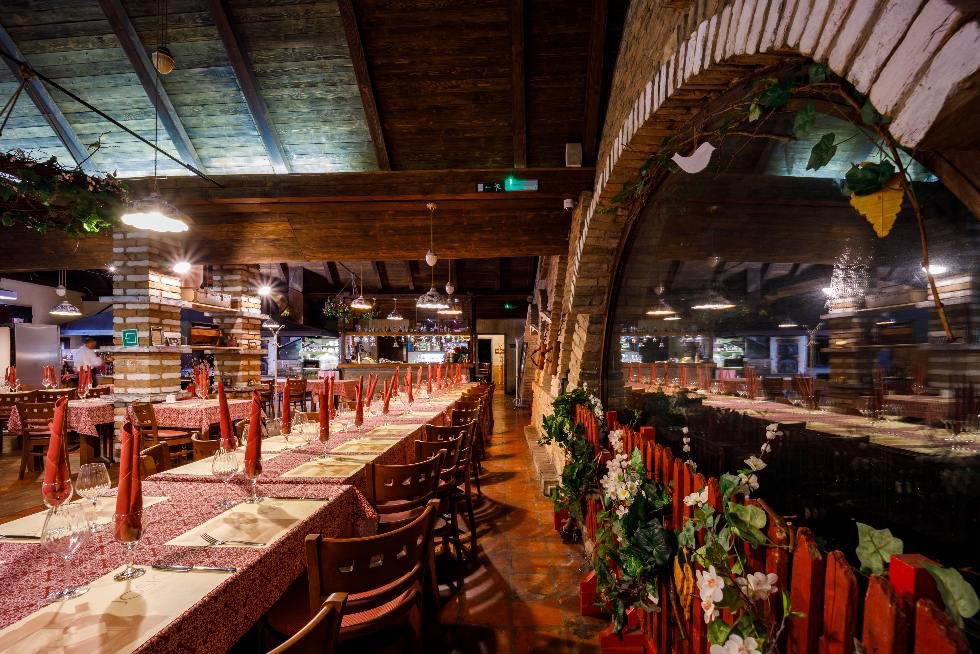
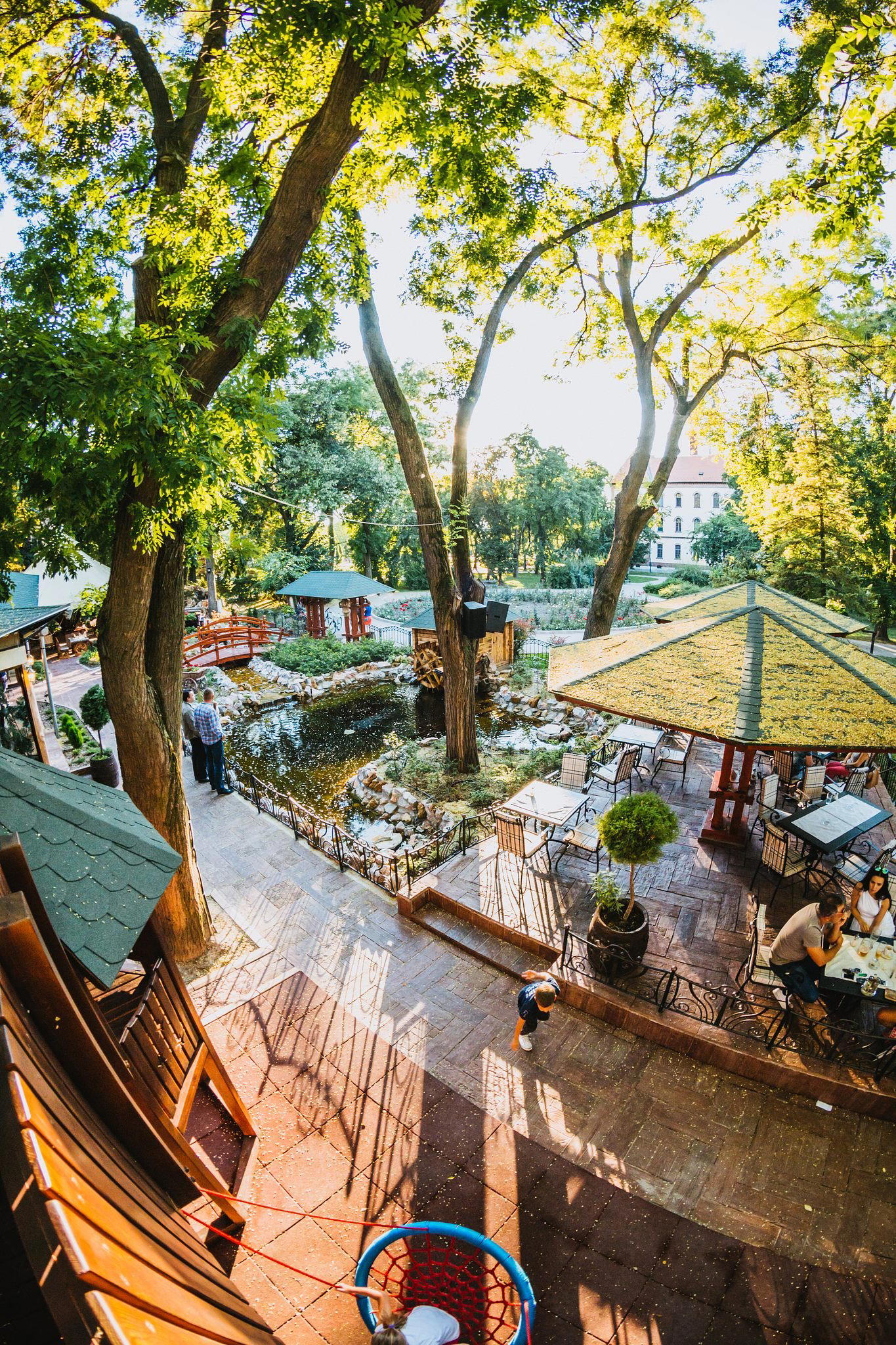
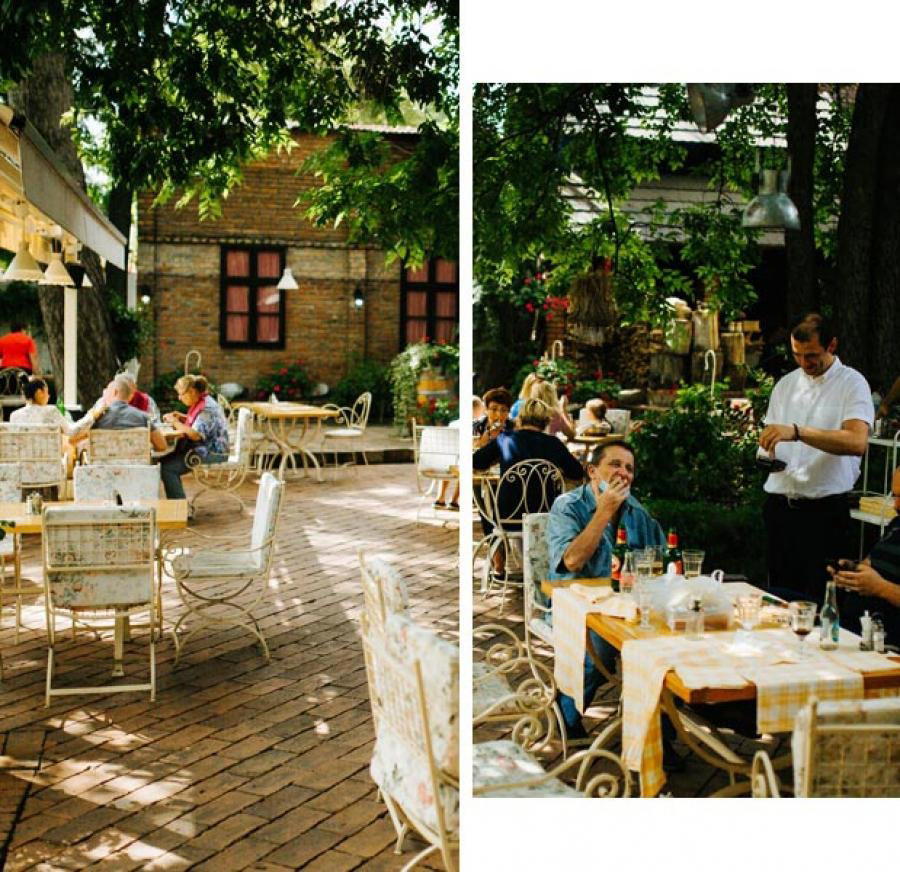
Sobri sits on Március 15. stny. one of Baja's central promenades close to the Sugovica backwater. The csárda format in this part of Hungary skews toward long communal meals rather than refined dining-room service — expect wooden tables, the smell of paprika-heavy fish stock, and a pace set by the river town rather than a restaurant schedule. It is the opposite of hushed and formal.
How does Baja halászlé differ from the Szeged version, and is Sobri Halászcsárda a good place to try it?
Baja halászlé is cooked with whole fish left intact in the pot rather than passed through a sieve, producing a clearer, more textured broth compared to Szeged's smoother, strained style. The Baja method also traditionally uses a single fish variety — most often carp from the Danube system — rather than Szeged's multi-fish blend. Sobri Halászcsárda, located at Március 15. stny. 10 in Baja, sits in the town that claims ownership of this preparation, making it a direct source for the authentic regional version.
What do people recommend at Sobri Halászcsárda?
Baja's defining dish is halászlé, a paprika-based fish soup cooked with whole freshwater fish — typically carp — in a way that differs from the Szeged version by using fewer fish species and a simpler, bolder stock. At any Baja halászcsárda, that soup is the reason to visit. Side orders of white bread for dipping and local wines from southern Hungary commonly accompany it.
How do I find Sobri Halászcsárda?
Sobri Halászcsárda is located at Baja, Március 15. stny. 10, 6500 Hungary, Baja.
Should I book Sobri Halászcsárda in advance?
During Baja's annual fish festival in July, when tens of thousands of visitors arrive specifically for halászlé, walk-in availability at any riverside csárda shrinks sharply. Outside that window, May through September remains the busiest stretch for the town. Contacting the venue directly ahead of festival weekends or holiday periods is the practical approach, given the limited seating typical of csárda-format restaurants.
A Quick Peer Check
Comparable venues nearby, for context on price, style, and recognition.
| Venue | Cuisine | Price | Notes |
|---|---|---|---|
| Sobri HalászcsárdaThis venue — the venue you are viewing | Traditional Hungarian Fish Restaurant | $20–30 | Not listed |
| Kiskörössy Fish Tavern | Traditional Hungarian Fish Tavern | Not listed | Tiszaliget |
| Bock Óbor Étterem | Traditional Hungarian with Villány Wines | $20–30 | Villány |
| Classic Grill Serbian Restaurant Underground | Authentic Serbian Grill | $10–20 | Belvaros |
| Szent Donát Márga Bisztró | Modern Hungarian Bistro | Not listed | Csopak |
| HILDA Budapest | Modern Hungarian | $30–50 | Varhegy |
Details
- Rustic
- Classic
- Cozy
- Family
- Casual Hangout
- Group Dining
- Waterfront
- Terrace
- Local Sourcing
- Waterfront
- A La Carte
Current opening hours
- Monday
- 11:30 AM–9 PM
- Tuesday
- 11:30 AM–9 PM
- Wednesday
- 11:30 AM–9 PM
- Thursday
- 11:30 AM–9 PM
- Friday
- 11:30 AM–9 PM
- Saturday
- 11:30 AM–9 PM
- Sunday
- 11:30 AM–9 PM
Hours can change for holidays and private events. Last verified .
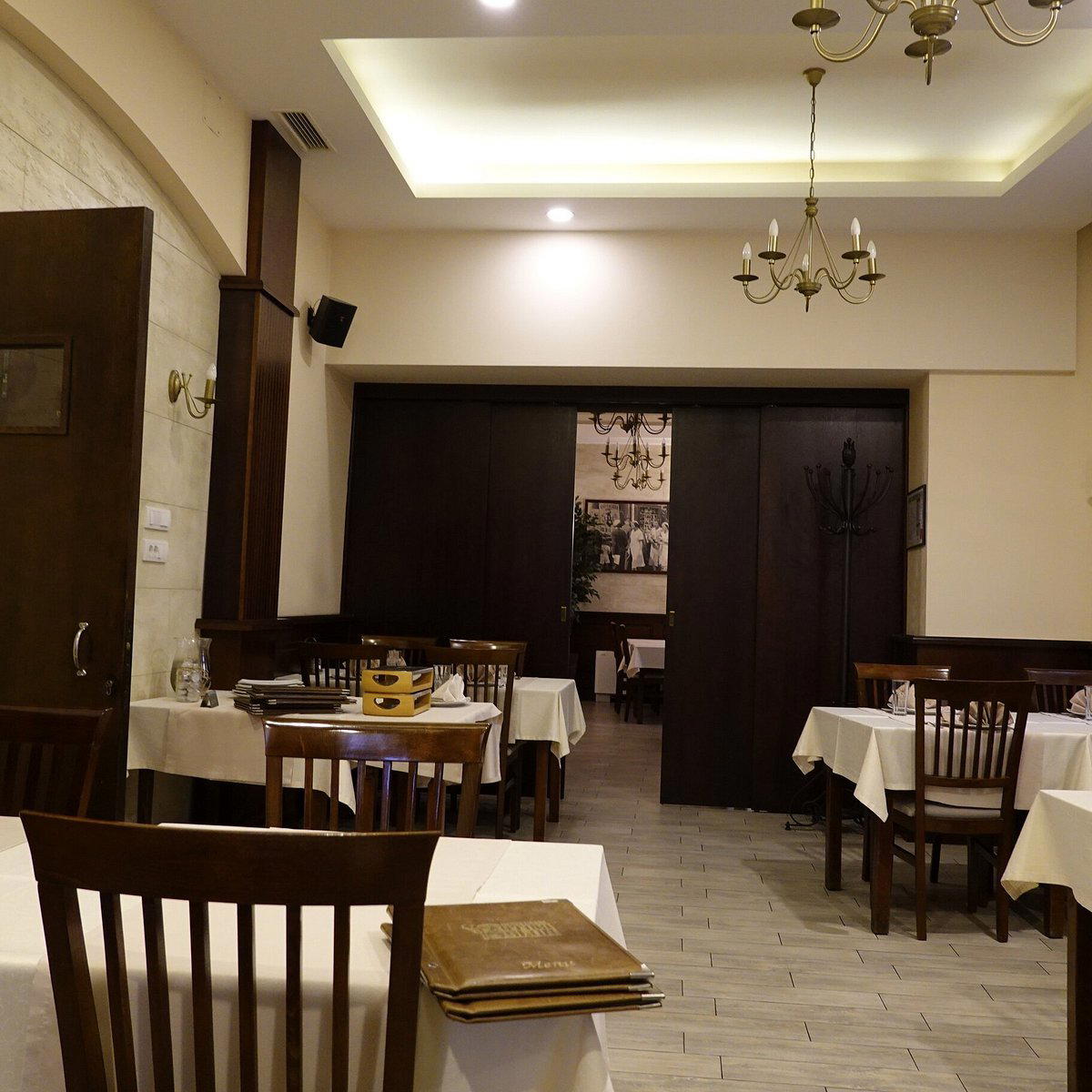
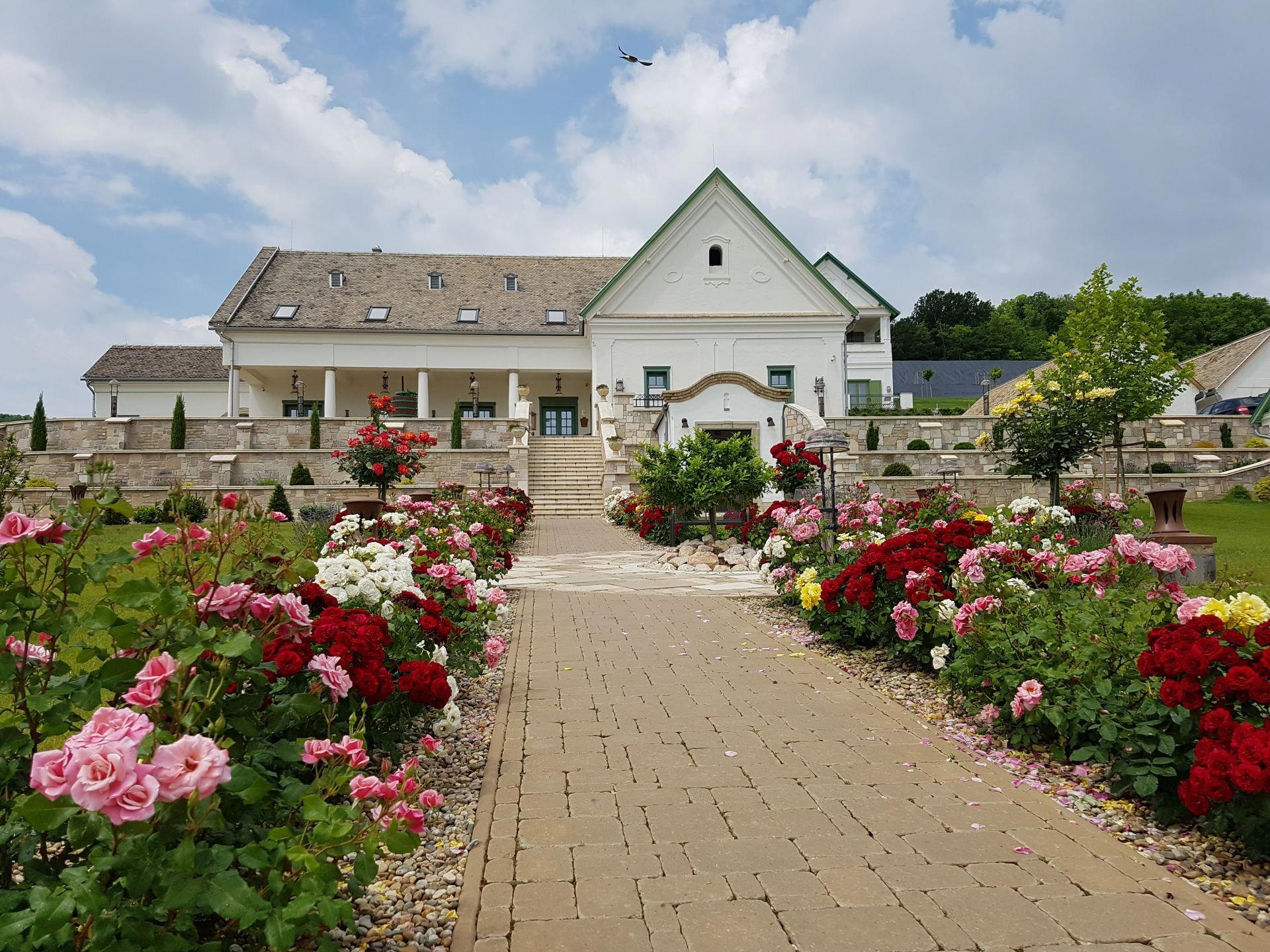
Spacious with elegant reception room and casual dining area, offering beautiful river views from the terrace.