
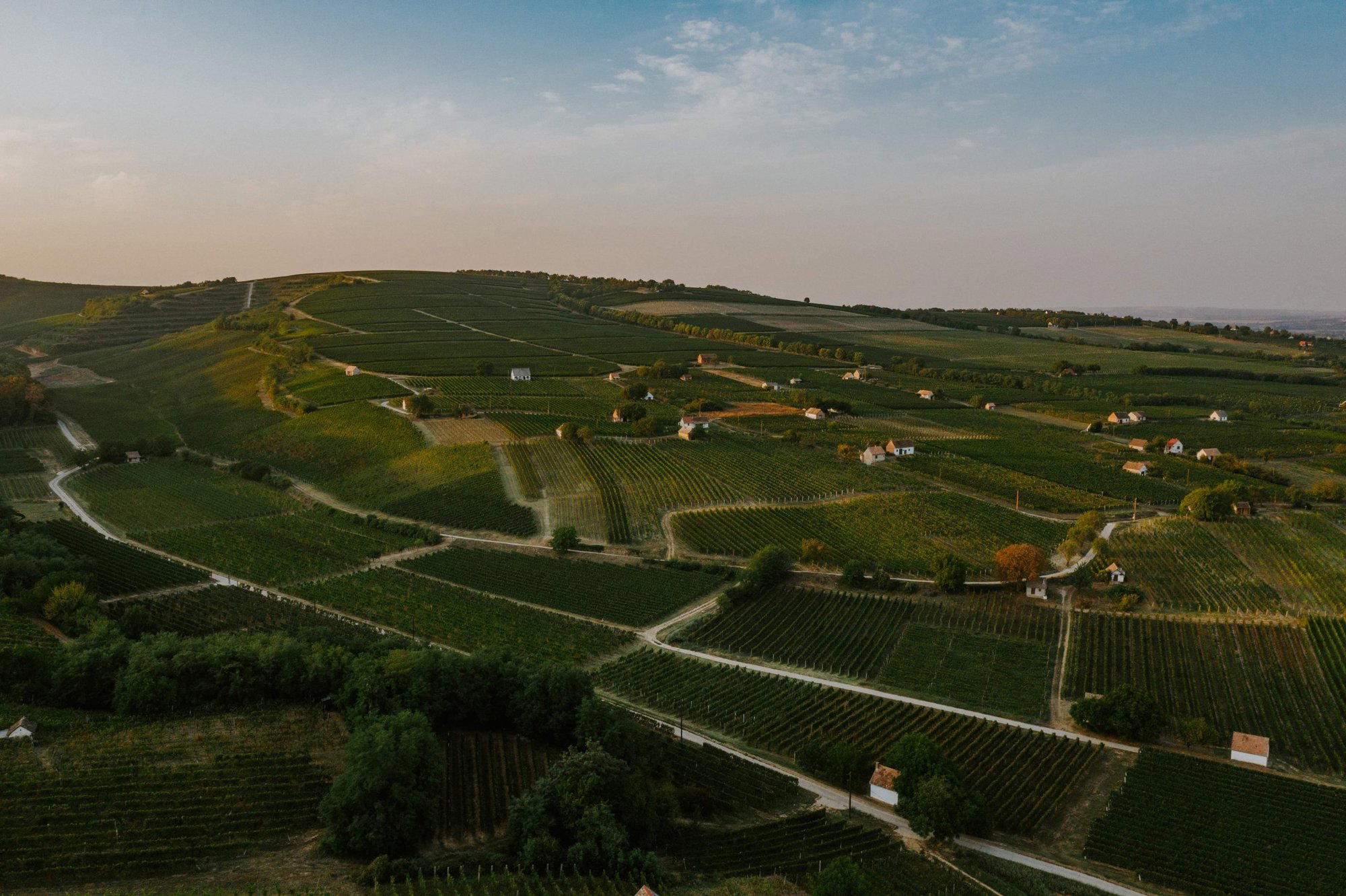
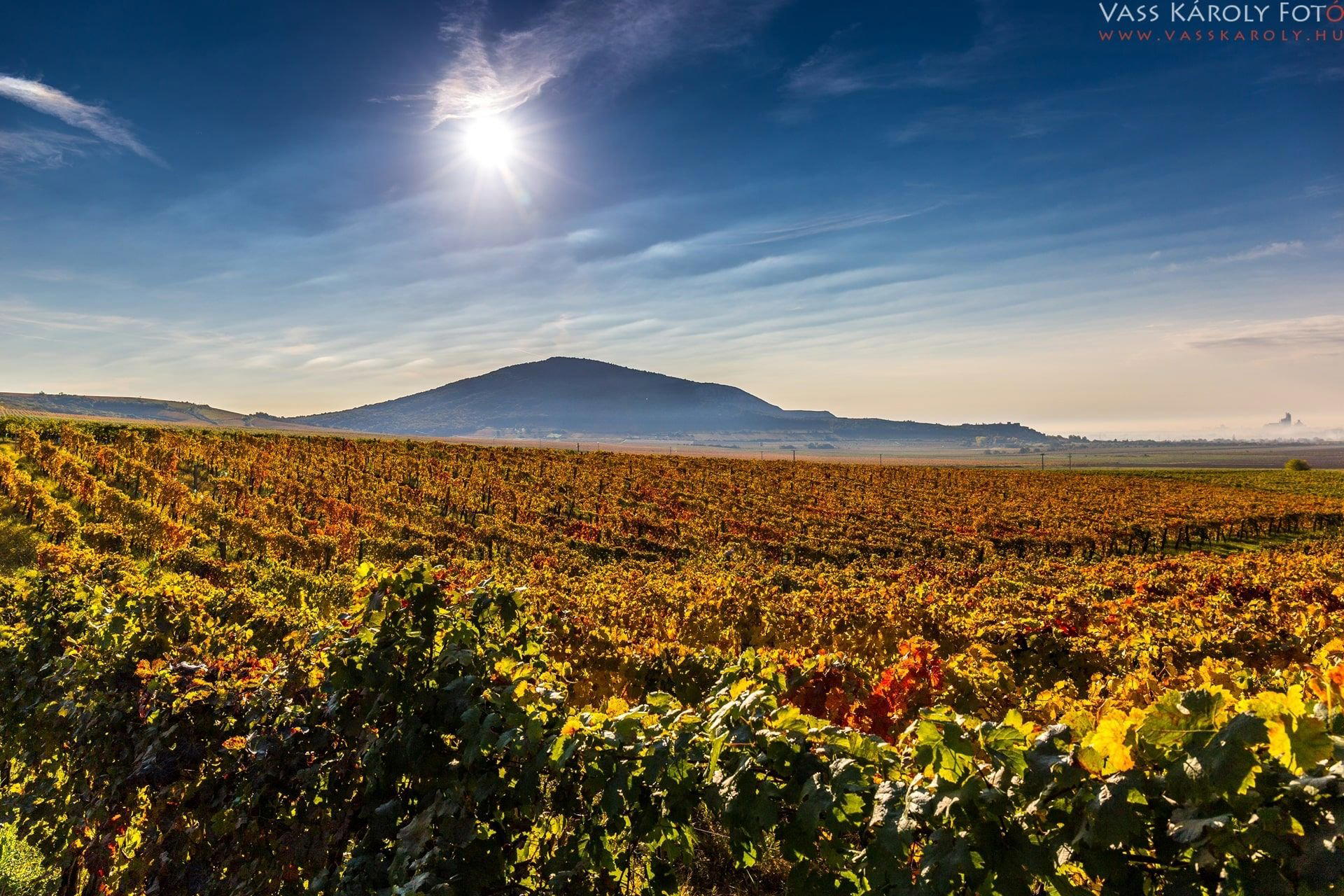
Restoran Vinarija Josić sits in Zmajevac, a village inside Baranja, one of Continental Croatia's most productive wine-growing areas, where the restaurant and winery operate from the same address on planina 194. The setting is as much about the land as the table: Baranja's loess slopes, proximity to the Drava River, and centuries of viticultural practice give the kitchen direct access to ingredients shaped by a distinct regional terroir.
Pearl is the En Primeur Club membership app — saves, bookings, and concierge access live there. Same editors, same standards.
- Address
- planina 194, 31307, Zmajevac, Croatia
- Phone
- +385997365945
- Website
- josic.hr
- Directions
- Get directions
 Saves & bookings on Pearl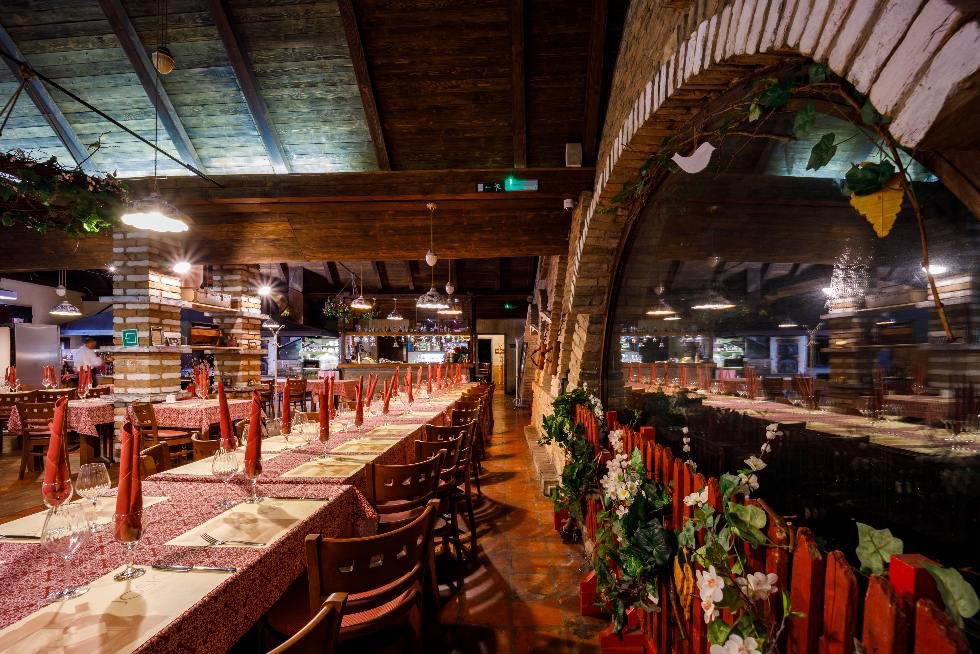
Where Baranja's Soil Reaches the Table
Continental Croatia rarely appears on the same shortlist as the coastal dining circuit that runs through Dubrovnik, Split, and the Dalmatian islands. At venues like Restaurant 360 in Dubrovnik or Pelegrini in Sibenik, the Adriatic frames everything: the produce, the wine, the view. Baranja operates on different terms. The flat agricultural plains and loess-rich slopes of Croatia's northeastern corner, wedged between the Drava and Danube rivers at the Hungarian and Serbian borders, generate a larder that has no coastal equivalent, wild game, freshwater fish, paprika-inflected cured meats, and wines shaped by cold winters and warm continental summers. Restoran Vinarija Josić, at planina 194 in Zmajevac, sits at the centre of that tradition, functioning simultaneously as restaurant and winery.
The Baranja Larder: What the Land Produces
Sourcing locally and connecting kitchen to producer is the operational baseline in Baranja. The region's agricultural density means that the distance between field and kitchen is, in most cases, measured in kilometres rather than supply chains. Baranja is particularly known for its freshwater fish culture, with carp, catfish, and pike-perch (štuka) drawn from the Drava and its associated waterways forming a culinary category that has no real parallel on the Adriatic side. The inland fish tradition here runs through dishes like fiš paprikaš, a slow-cooked freshwater fish stew built on smoked paprika and lard, that represent a different register entirely from the grilled Mediterranean fish at venues such as Agli Amici Rovinj or LD Restaurant in Korčula.
Game is equally central. Wild boar, deer, and pheasant from the Kopački Rit nature reserve, one of Europe's larger preserved floodplain wetlands, a short distance from Zmajevac, give kitchens in this corner of Croatia access to meat that carries genuine provenance rather than a label. In a category where sourcing claims have become marketing wallpaper across European dining, Baranja's geographic specificity does the work by default. The reserve's protected status and the regulated hunting seasons that govern access to its game create a natural quality filter that premium urban restaurants spend considerable effort trying to replicate through supplier relationships.
Vine and Table Under One Roof
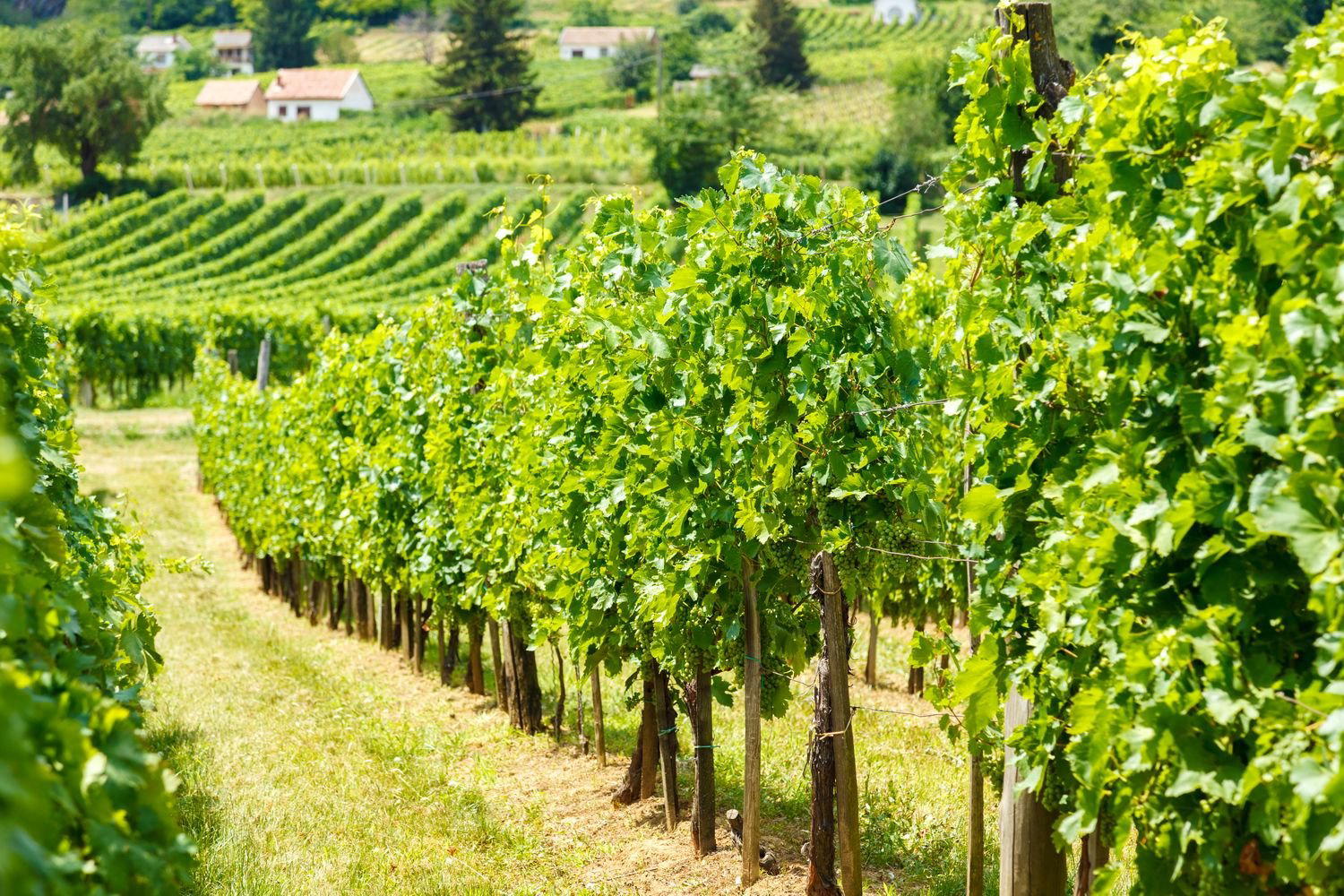
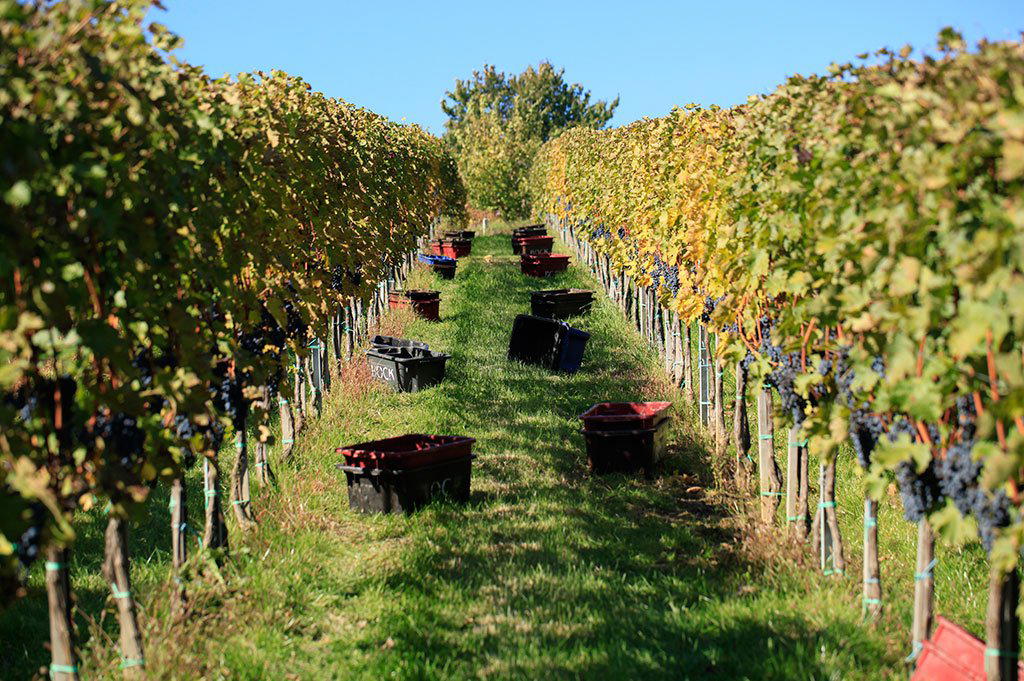
The vinarija in the name is not incidental. Baranja's wine identity is dominated by Graševina, known elsewhere as Welschriesling, along with Traminac (Gewürztraminer) and Portugizac, varietals that thrive on the area's loess and clay soils at elevations that, while modest by Alpine standards, create meaningful diurnal temperature variation for aromatic development. Croatian wine producers in this region have operated at a different register from the coastal Plavac Mali and Pošip houses that tend to capture international attention. That contrast is worth stating plainly: Baranja whites, particularly structured Graševina with bottle age, represent a category that serious wine drinkers have historically underestimated relative to their coastal counterparts.
The combined winery-restaurant model in Zmajevac is not a contemporary invention. It reflects the older Continental European logic of the konoba-equivalent in wine country: the place where the producer's table and the producer's cellar share the same address. For context, Croatia's coastal wine-restaurant pairings, such as those at Boskinac in Novalja, have achieved international recognition partly by formalising this same integrated model. Josić operates within the same tradition, though in a regional setting that attracts a more domestic audience and receives considerably less international coverage.
Zmajevac in the Broader Croatian Dining Picture
Croatia's premium dining conversation is heavily weighted toward the coast and Zagreb. The capital hosts venues like Dubravkin Put, while the broader inland corridor has produced serious kitchens at places like Korak in Jastrebarsko. Baranja sits further east than most food itineraries reach, a four-hour drive from Zagreb and not served by the kind of tourist infrastructure that moves visitors through Istria or the Dalmatian coast efficiently. That distance helps explain why the region receives less international coverage.
Planina 194, the address of Josić, places it in the refined village section of Zmajevac, a hamlet of a few hundred residents built on a low ridge above the Baranja plain, with vineyard rows descending from the village edge toward the floodplain below. The approach through wine country, past working agricultural land and into a village that has not been reshaped by tourism investment, gives the arrival a character that contrasts sharply with the stage-managed approaches at resort-facing venues. For readers comparing this to the coastal circuit, consider what Nebo by Deni Srdoč in Rijeka or Krug in Split do within their urban environments, Josić does the equivalent, but rooted in a rural tradition with no urban amenities nearby and no international reference points to lean on.
Planning a Visit
Zmajevac is not a destination you arrive at by accident. Reaching planina 194 requires a car, public transport connections to this part of Baranja are sparse, and the nearest larger town, Beli Manastir, is a short drive south. The surrounding region rewards at least an overnight stay: Kopački Rit nature reserve, the wine villages of the Baranja ridge, and the town of Osijek (Croatia's fourth-largest city, roughly 30 kilometres south) give the area enough density to justify a two-day loop from Osijek rather than a day trip from Zagreb. As with most rural Croatian dining, advance contact is advisable before visiting, particularly outside the summer and autumn harvest season when opening patterns may vary.
For reference points in the wider Croatian dining scene, the contrast between Baranja and the Adriatic circuit is worth framing through comparison: venues like Cubo in Opatija, Burin in Crikvenica, or BioMania Bistro Bol each operate within established tourist corridors with reliable year-round or seasonal visibility. Josić occupies a different structural position: a winery-restaurant in a working agricultural region, embedded in a local food culture that has not been packaged for export. That distinction is the point, not an obstacle to visit.
- čobanac
- lamb shank
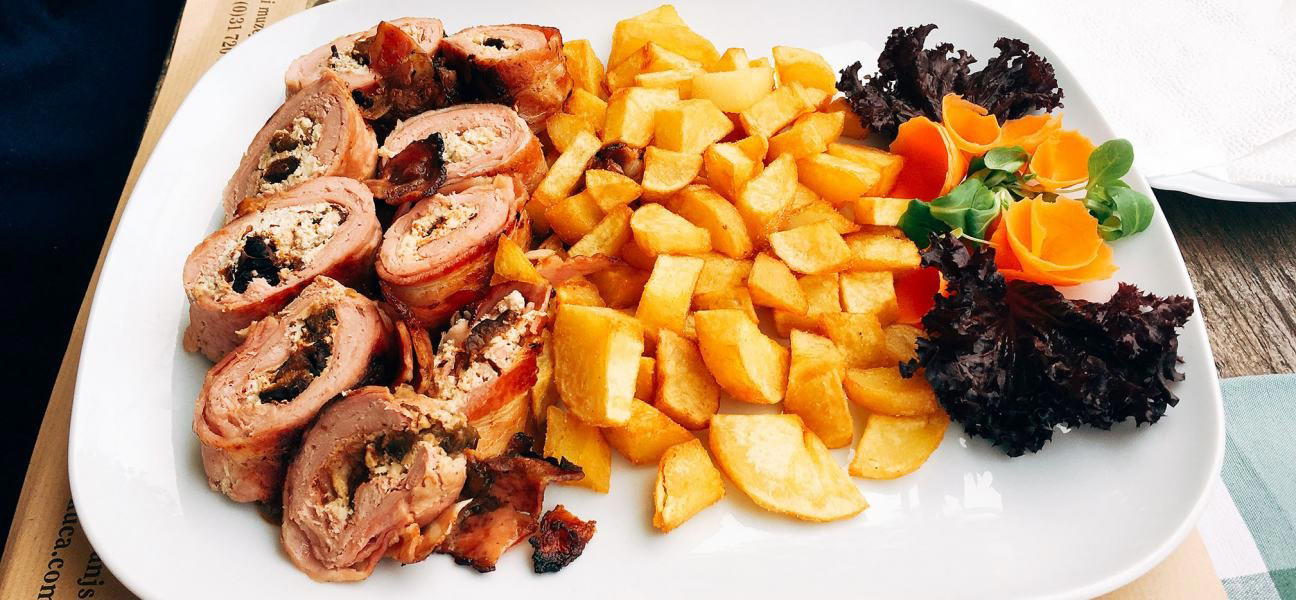
- veal ombolo
- goose liver in Hennessy Cognac sauce
- river fish perkelt
- paprikash
In Context: Similar Options
Comparable venues nearby, for context on price, style, and recognition.
| Venue | Cuisine | Price | Notes |
|---|---|---|---|
| Restoran Vinarija JosićThis venue — the venue you are viewing | Traditional Baranja Grill & Wine | $$$ | Not listed |
| The Family | Croatian Traditional with European Influences | $$$ | Central Varazdin |
| Vrnik Arts Club | Modern Mediterranean Seafood | $$$ | Vrnik |
| Nostalgija | Traditional Dalmatian Seafood | $$$ | Old Town |
| The Captain's Terrace Restaurant | Seaside Mediterranean & Seafood with Pelješac regional focus | $$$ | Orebić |
| Boket78 | Modern Dalmatian | $$$ | Bol |
Recognition history
Dated appearances from independent guides and award organizations, with the underlying list record or original source where available.
Falstaff Winery - Listed
Falstaff
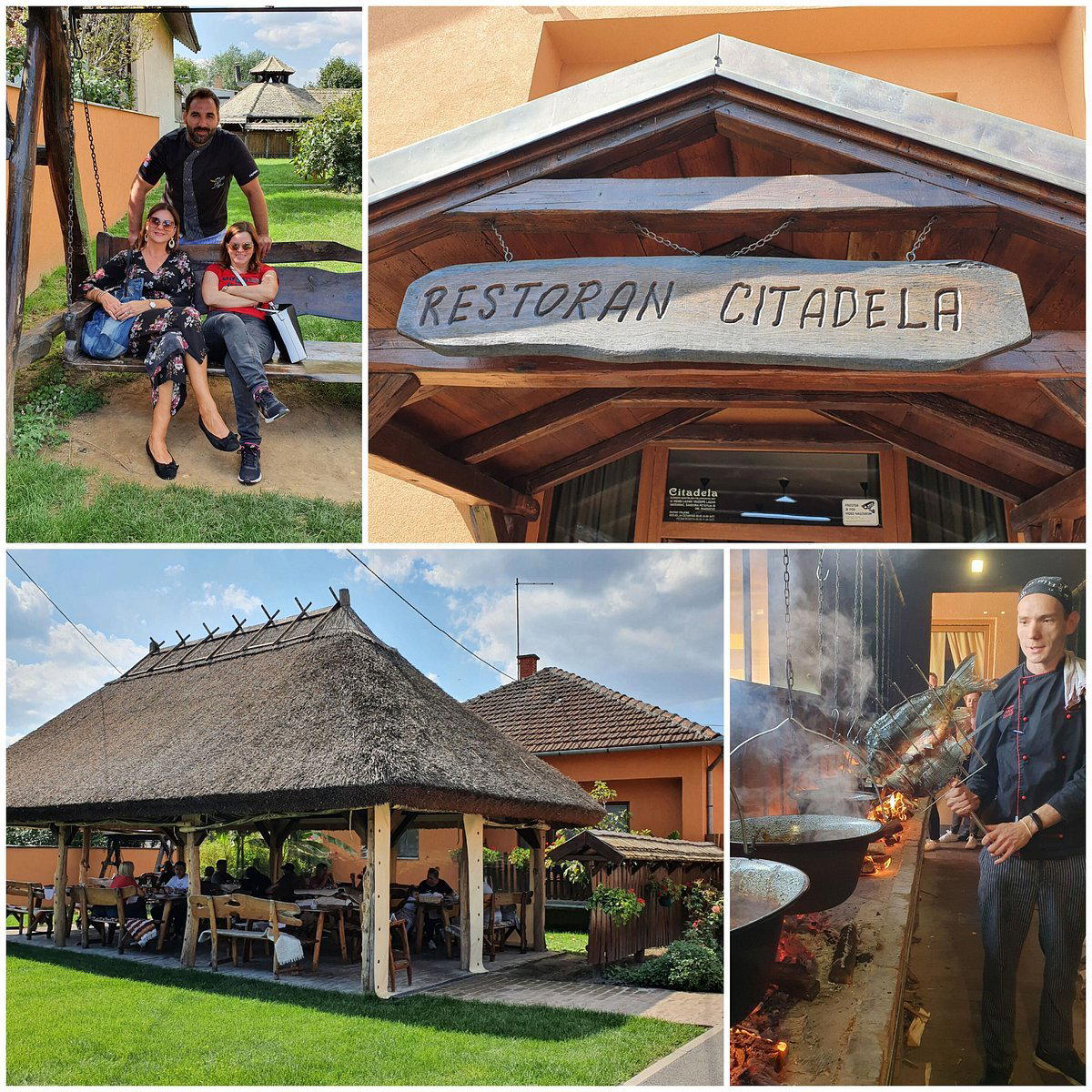
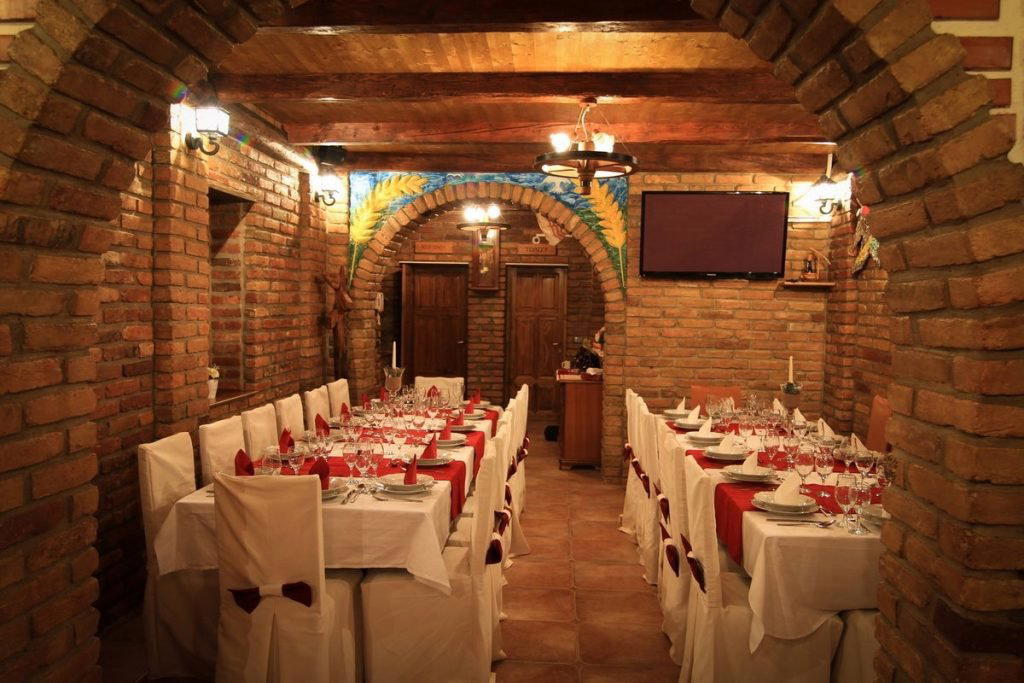

At a Glance
- Rustic
- Cozy
- Scenic
- Romantic
- Classic
- Date Night
- Group Dining
- Special Occasion
- Celebration
- Wine Cellar
- Open Kitchen
- Terrace
- Garden
- Historic Building
- Extensive Wine List
- Sommelier Led
- Local Sourcing
- Organic
- Vineyard
Current opening hours
- Monday
- Closed
- Tuesday
- 12–10 PM
- Wednesday
- 12–10 PM
- Thursday
- 12–10 PM
- Friday
- 12–11 PM
- Saturday
- 12–11 PM
- Sunday
- 12–7 PM
Hours can change for holidays and private events. Last verified .
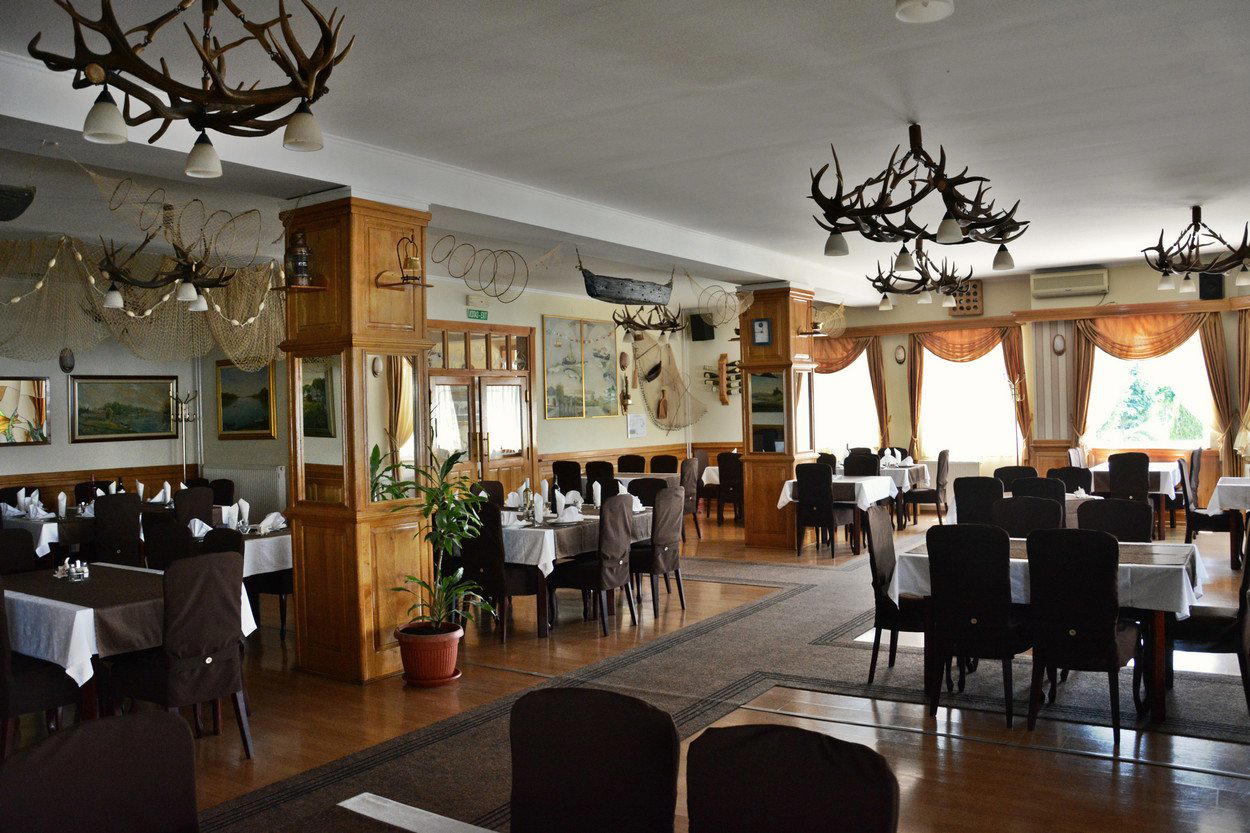
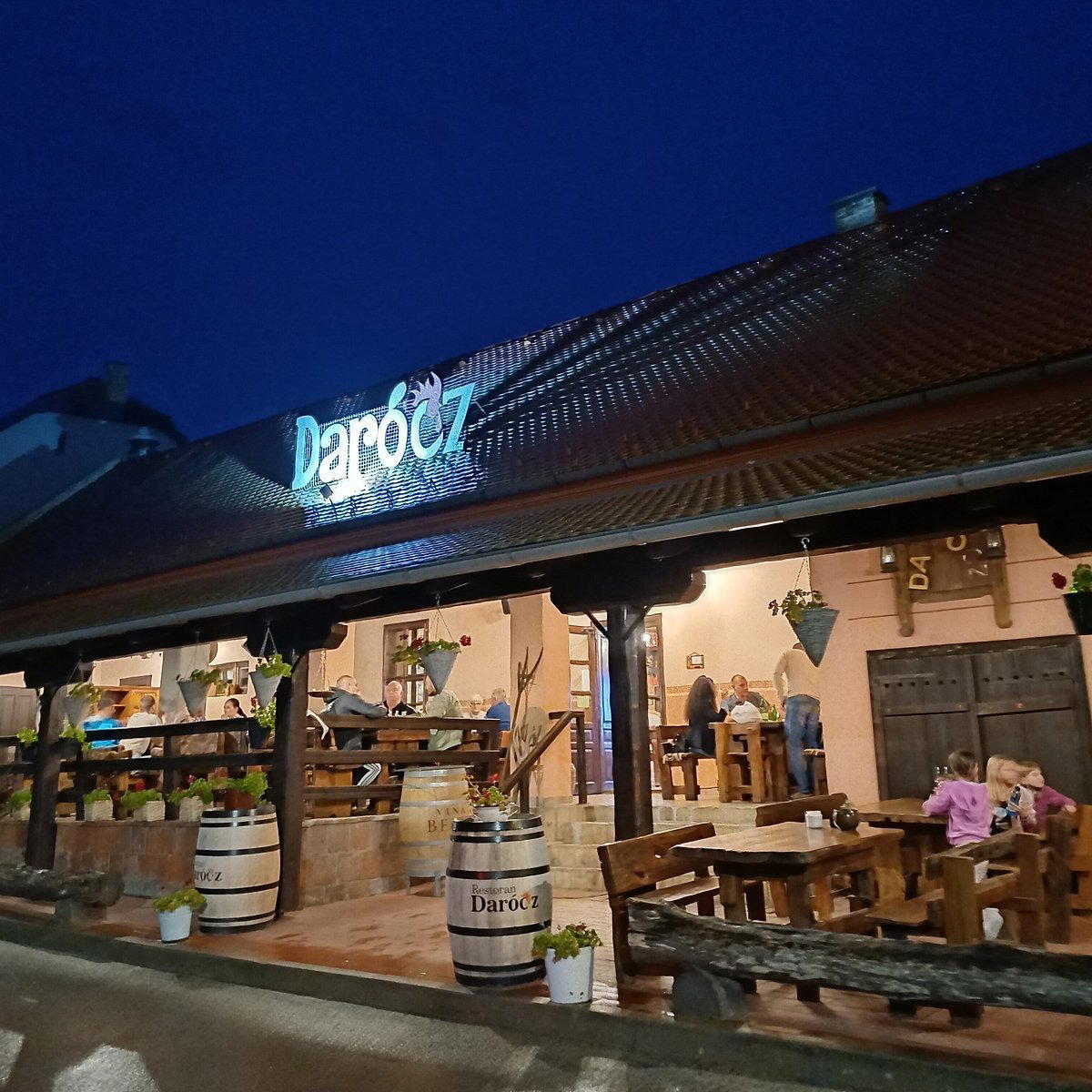
Warm and inviting with dramatic open-flame cooking visible to guests, cozy dining room amid vineyard slopes, traditional yet refined atmosphere blending rustic charm with modern comfort.