A riverside fish restaurant on the outskirts of Sombor, Riblja čarda Andrić represents the čarda tradition that has defined freshwater dining along Serbia's Pannonian waterways for generations. The format draws on Vojvodinian river culture, where carp, catfish, and pike are prepared according to methods passed down through the Danube and Tisa basin communities. For visitors exploring Sombor's dining scene, it occupies a distinct register from the town's urban kafanas and pizzerias.
Pearl is the En Primeur Club membership app — saves, bookings, and concierge access live there. Same editors, same standards.
- Address
- 101, Sombor, Serbia
- Phone
- +38125483055
- Website
- restoranandric.co.rs
- Directions
- Get directions
 Saves & bookings on Pearl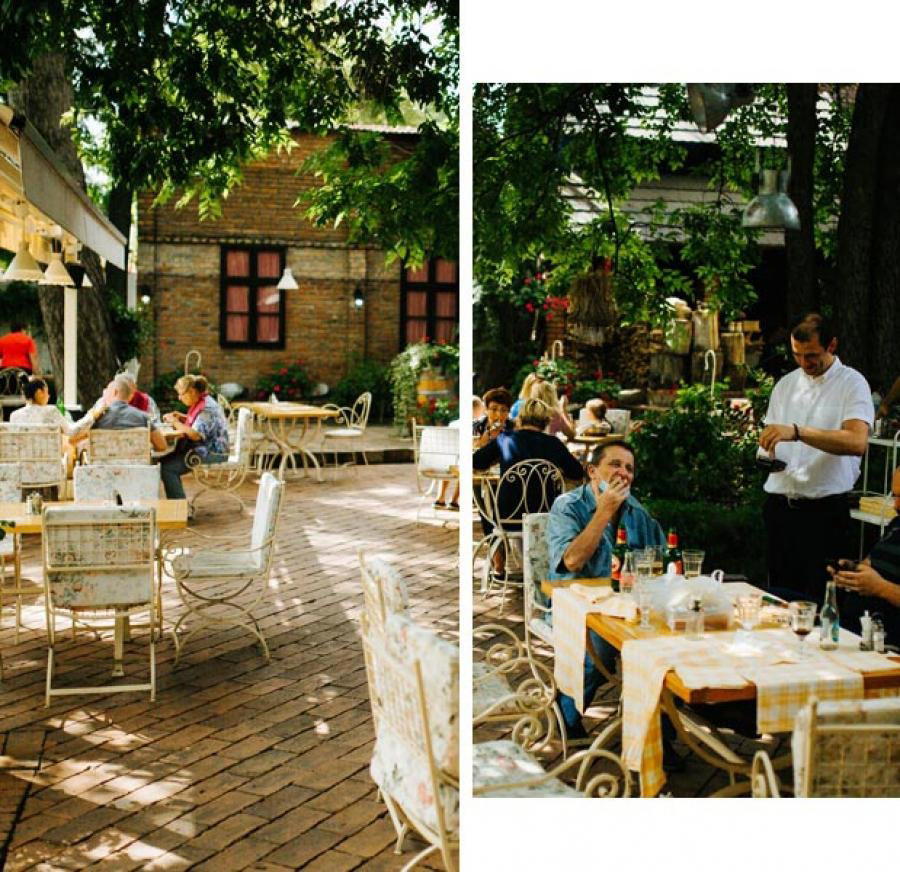
Where the Pannonian Plain Meets the Plate
Along the waterways threading through Vojvodina, the čarda is not simply a restaurant format. It is an institution shaped by centuries of river life, flood-plain agriculture, and the particular rhythms of communities built alongside the Danube and its tributaries. These open-air or semi-open structures, traditionally positioned at the water's edge or close to it, evolved from waystation taverns serving fishermen and traders into the regional dining form that now anchors freshwater cuisine across northern Serbia. Riblja čarda Andrić, situated on the outskirts of Sombor, belongs to this lineage.
The čarda format carries specific expectations that set it apart from urban kafanas like Etno Restoran Fijaker or the more contemporary dining options such as PIZZA ART and SLON operating closer to Sombor's town centre. Where those venues draw on broader Serbian and European culinary references, the čarda is defined by the river and what it yields: carp, catfish, pike-perch, and wels catfish prepared according to traditions rooted in the Vojvodinian fishing communities that pre-date the modern restaurant as a concept.
The Čarda Tradition in Vojvodinian Context
Vojvodina's flatlands and extensive waterway network created a distinct culinary subculture within the broader Serbian tradition. The region's proximity to the Danube, the Tisa, and the network of canals that cross the Pannonian basin produced a cuisine centred on freshwater fish, paprika-based preparations, and the slow, communal cooking methods associated with fishermen's camps. Riblja čorba, the fish soup that anchors most čarda menus, is prepared in specific ways that vary between settlements along the river system, with recipes that differ subtly from village to village based on the proportion of paprika, the selection of fish, and whether the broth is finished over open fire or on an indoor range.
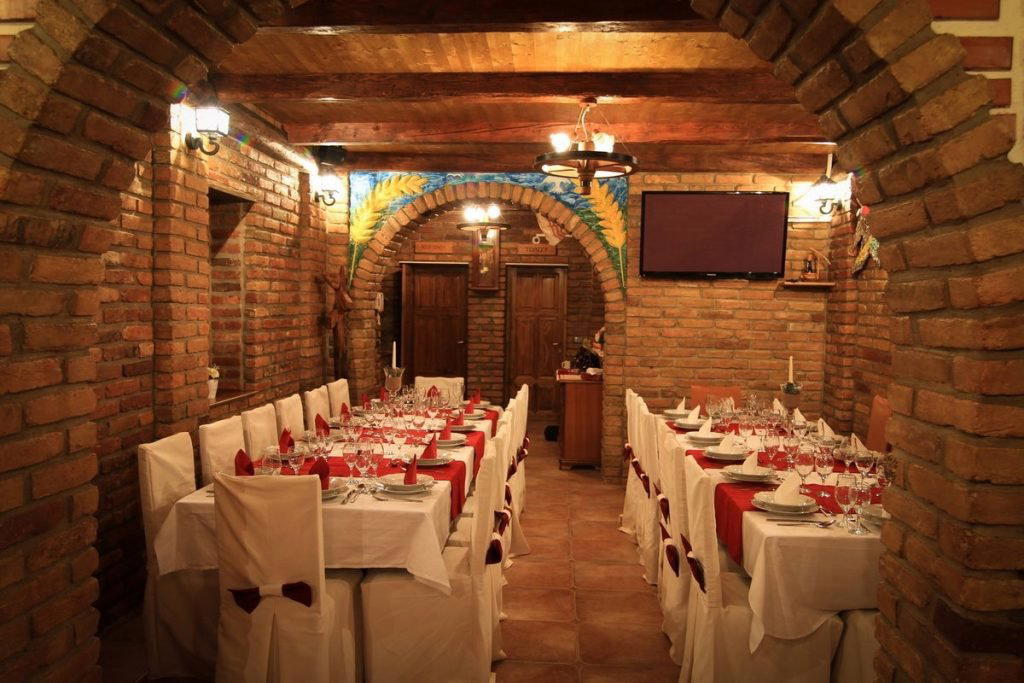
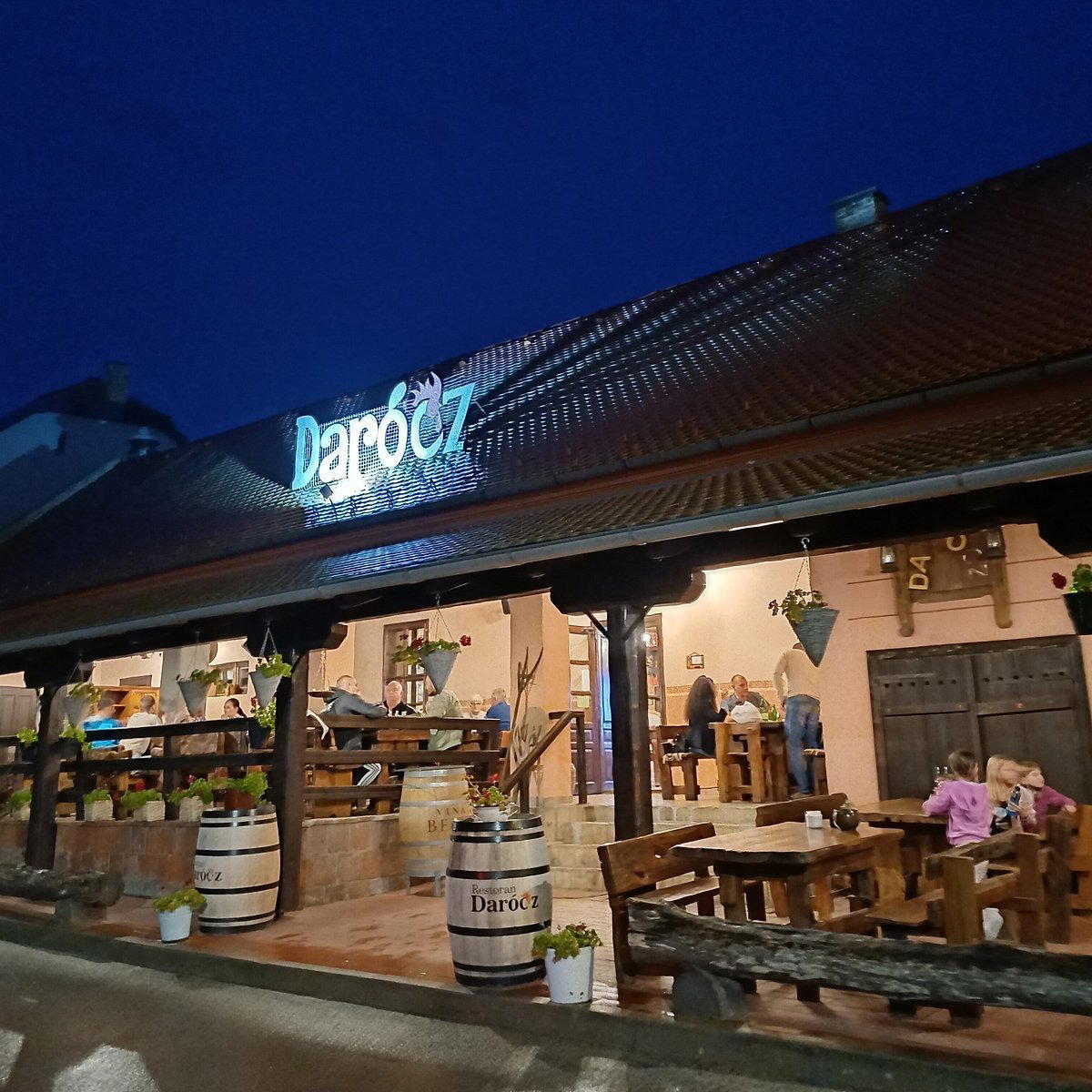
The čarda as a physical space evolved alongside this cooking tradition. The covered terrace overlooking water, the long communal tables, the smell of wood smoke and paprika that greets arrivals before they reach the entrance: these sensory cues are not decorative choices but functional inheritances from the original wayside structures. In a region where summer temperatures regularly exceed 35 degrees Celsius, dining near moving water and under a shaded roof was practical before it became atmospheric. Andrić sits within this spatial logic, with the address placing it on the edge of Sombor rather than in the dense urban core.
For a comparative reference point outside Vojvodina, the čarda format shares structural similarities with the fish restaurants along the Danube near Belgrade, where venues like Langouste in Belgrade operate in a more urbanised context but draw on the same freshwater tradition. The Vojvodinian version tends to retain more of the original informal character, with outdoor seating dominating over interior spaces and the menu following seasonal fish availability rather than year-round standardisation.
What the Menu Represents
The menu at a čarda of this type is not broad. It does not need to be. The discipline of a well-run freshwater fish restaurant in Vojvodina lies in the depth of execution within a deliberately narrow range, not in the width of the offering. Carp (šaran) is the cornerstone: roasted, fried, or prepared on the spit in ways that require the kitchen to manage moisture and fat content carefully, since river carp from Vojvodinian waterways differs from farmed varieties in texture and flavour profile. Catfish (som) appears in soups and as main preparations where its firm texture suits slower cooking methods. Pike-perch (smudj) tends toward lighter preparations that emphasise the cleaner flavour of the fish.
The accompaniments follow the logic of the Pannonian kitchen: bread baked on-site or sourced locally, ajvar where the season permits, and the paprika-heavy sauces that connect this cooking to the broader Vojvodinian tradition. The wine and drink offering typically prioritises local production, with Vojvodinian whites and the house rakija functioning as the default pairing logic rather than curated wine lists of the type found at urban restaurants further south. For context on how Serbian regional cooking handles different protein traditions, the game and rural approach at Lovački dom in Valjevo or the etno format at Etno Kuća Dinar in Vrsac illustrates how each region builds its identity around the protein its landscape produced historically.
Comparable čarda formats operating along the Danube corridor, such as ČARDA ZLATNA KRUNA in Apatin, occupy the same category and reflect how the tradition has distributed itself across the Vojvodinian waterway network. Apatin sits directly on the Danube, which affects the fish sourcing and the physical atmosphere of the venue; Sombor's location near the canal system rather than the main Danube channel gives Andrić a slightly different character within the same tradition.
Sombor's Dining Register
Sombor is a mid-sized Vojvodinian city with a pace and architectural character that have kept it distinct from the more heavily trafficked cities in the region. Its restaurant scene reflects this: the options across the city range from kafana-format restaurants with broad Serbian menus to pizza and grill venues that follow the patterns of small-city dining throughout the former Yugoslav region. Andrić fills the freshwater fish niche that the town's urban dining scene does not replicate. Among the venues in the Sombor restaurants guide, its category is especially specific to the region's pre-industrial culinary inheritance.
For visitors approaching from Novi Sad, where options like Kafe Restoran Maša represent a more urban dining register, or from further afield in central Serbia via stops at Kod Brana in Cacak, the shift to čarda dining marks a genuine change in register: slower, more seasonal, tied to a single protein tradition, and operating outside the vocabulary of city restaurants. It is a format that rewards visitors who understand what they are entering rather than those expecting the range of an urban menu.
Other destinations along Serbia's regional dining circuit, including Aleksandar Gold in Uzice and KAFANA DUKAT in Pirot, demonstrate how strongly Serbian regional cooking ties to geography. The čarda is Vojvodina's answer to the same question those venues address in different provinces: what does this specific landscape produce, and how do you cook it well?
Planning Your Visit
Riblja čarda Andrić is located at 101, Sombor, Serbia. The restaurant is open year-round, with outdoor seating most appealing in late spring and summer. Visitors arriving outside peak season should account for the possibility of reduced outdoor space and adjusted menus that reflect winter fish availability rather than the full summer range. Booking ahead for weekends and summer months is advisable given that čarda venues in Vojvodina tend to draw from a wide catchment area, with families and groups travelling specifically for this category of meal. Venues at a comparable level elsewhere in the region, such as Windmill in Pancevo or Kod poštara in Aran Elovac, similarly operate within informal booking frameworks where direct contact is the standard approach. The čarda is not in competition with that world. It operates in a different tradition entirely, one where the value lies in proximity to source, seasonal fidelity, and the specific pleasure of eating freshwater fish the way Vojvodinian river communities have always eaten it.
A Pricing-First Comparison
Comparable venues nearby, for context on price, style, and recognition.
| Venue | Cuisine | Price | Notes |
|---|---|---|---|
| Riblja čarda AndrićThis venue — the venue you are viewing | Štrand, Traditional Serbian Fish Čarda | $$ | Not listed |
| SLON | Not listed | $$ | Sombor, Traditional Serbian Barbecue & Grill |
| PIZZA ART | Vojvođanska, Neapolitan Pizza | $$ | Not listed |
| Etno Restoran Fijaker | Not listed | $$ | Park Heroja, Traditional Serbian Grill & Barbecue |
| STARI SLON | Not listed | $$ | city center, Traditional Serbian Barbecue |
| Konoba kod Goce i Renata | Danube bank, Rustic Danube Fish Tavern | $$ | Not listed |
Continue exploring
More in Sombor
Restaurants in Sombor
Browse all →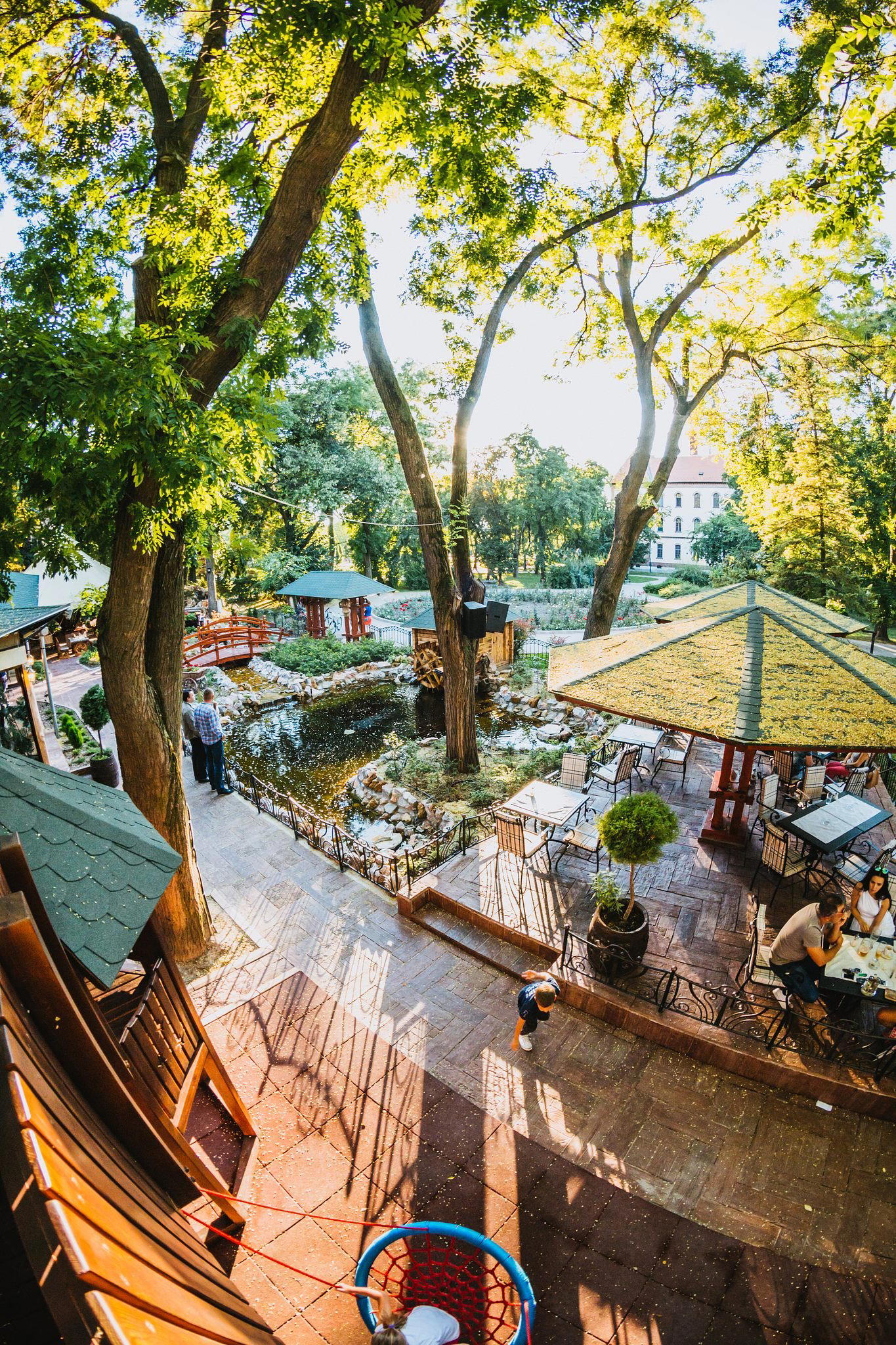

At a Glance
- Romantic
- Rustic
- Scenic
- Cozy
- Date Night
- Family
- Casual Hangout
- Waterfront
- Terrace
- Garden
- Waterfront
Current opening hours
- Monday
- 10 AM–11 PM
- Tuesday
- 10 AM–11 PM
- Wednesday
- 10 AM–11 PM
- Thursday
- 10 AM–11 PM
- Friday
- 10 AM–11 PM
- Saturday
- 10 AM–11 PM
- Sunday
- 11 AM–5 PM
Hours can change for holidays and private events. Last verified .
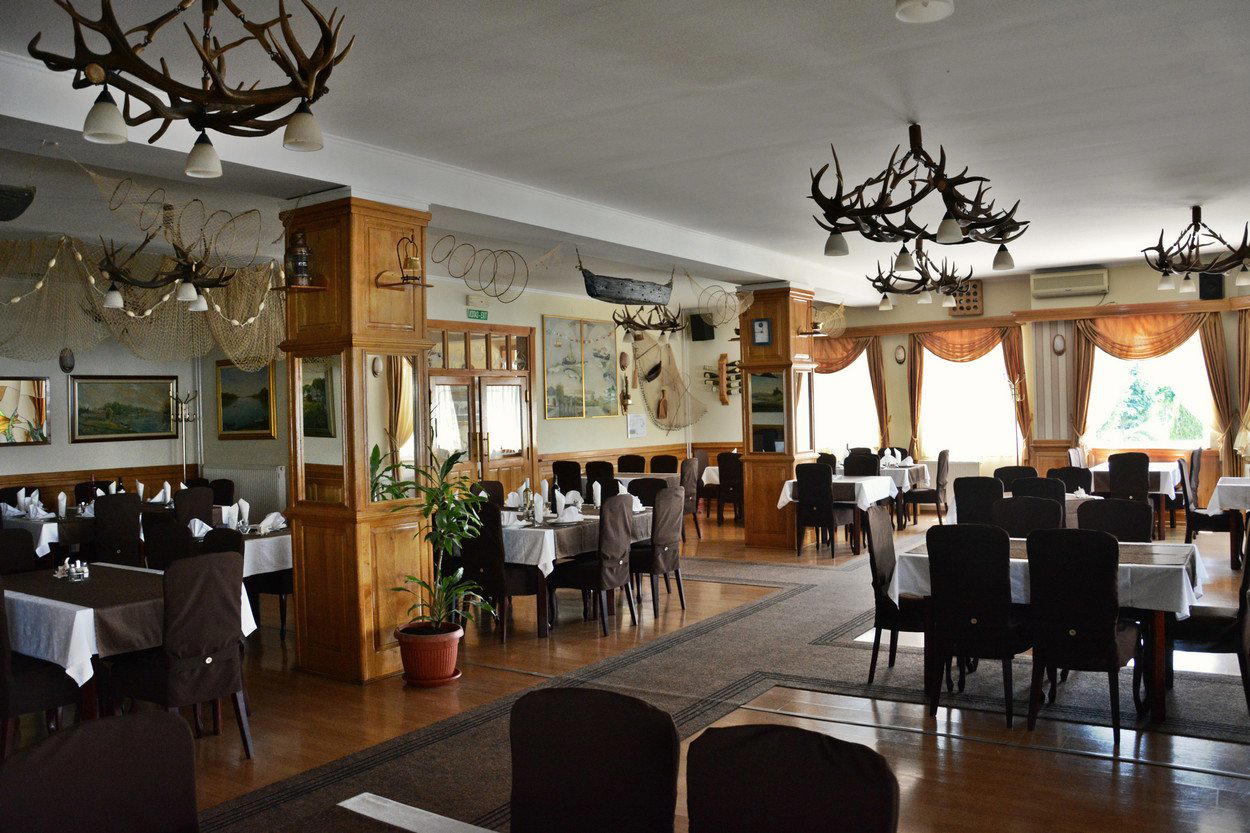
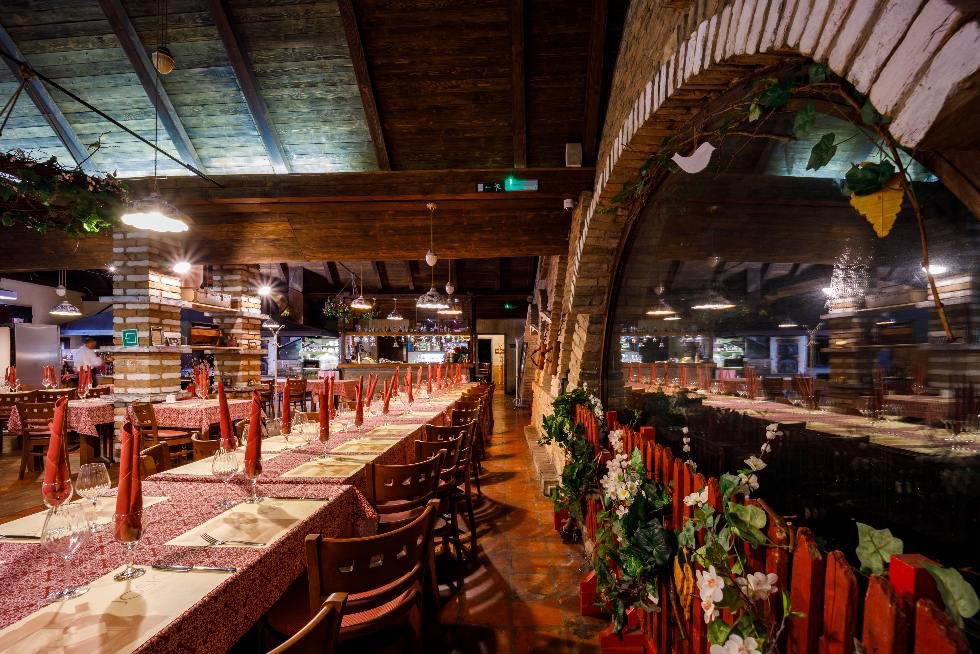
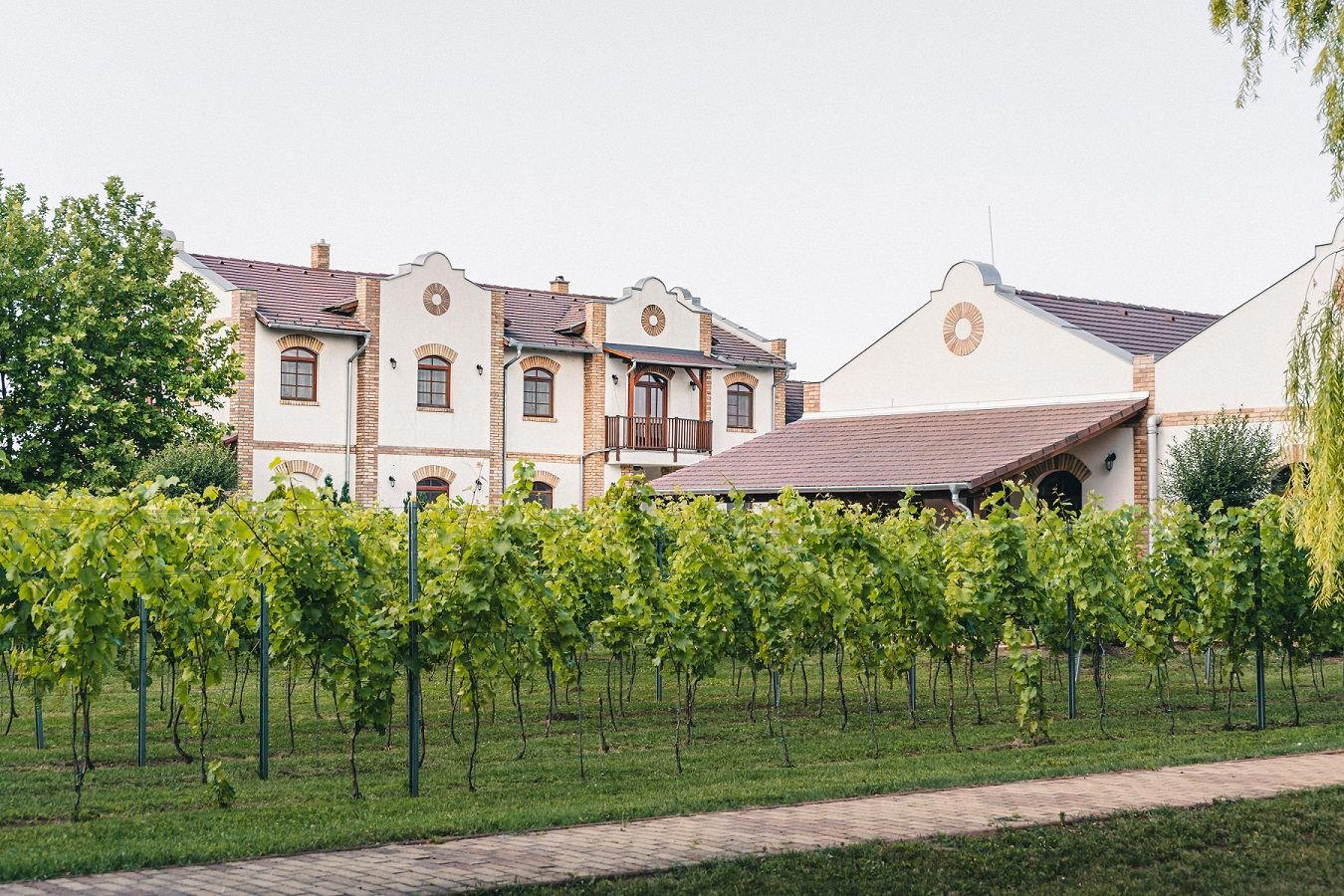
Romantic old-fashioned setting with glass roof, beautiful garden terraces over the canal, creating a notable and scenic atmosphere.