The property sits within one of Hungary's most significant red wine appellations, where loess and clay soils define the structure of Kadarka and Kékfrankos-based blends. It occupies a quieter corner of a region that is increasingly drawing serious wine attention from central Europe and beyond.
Pearl is the En Primeur Club membership app — saves, bookings, and concierge access live there. Same editors, same standards.
- Address
- Szálka, Szálka 07, 28. hrsz ép, 7121
- Phone
- +36 20 326 0163
- Website
- lajverwine.com
- Directions
- Get directions
 Saves & bookings on Pearl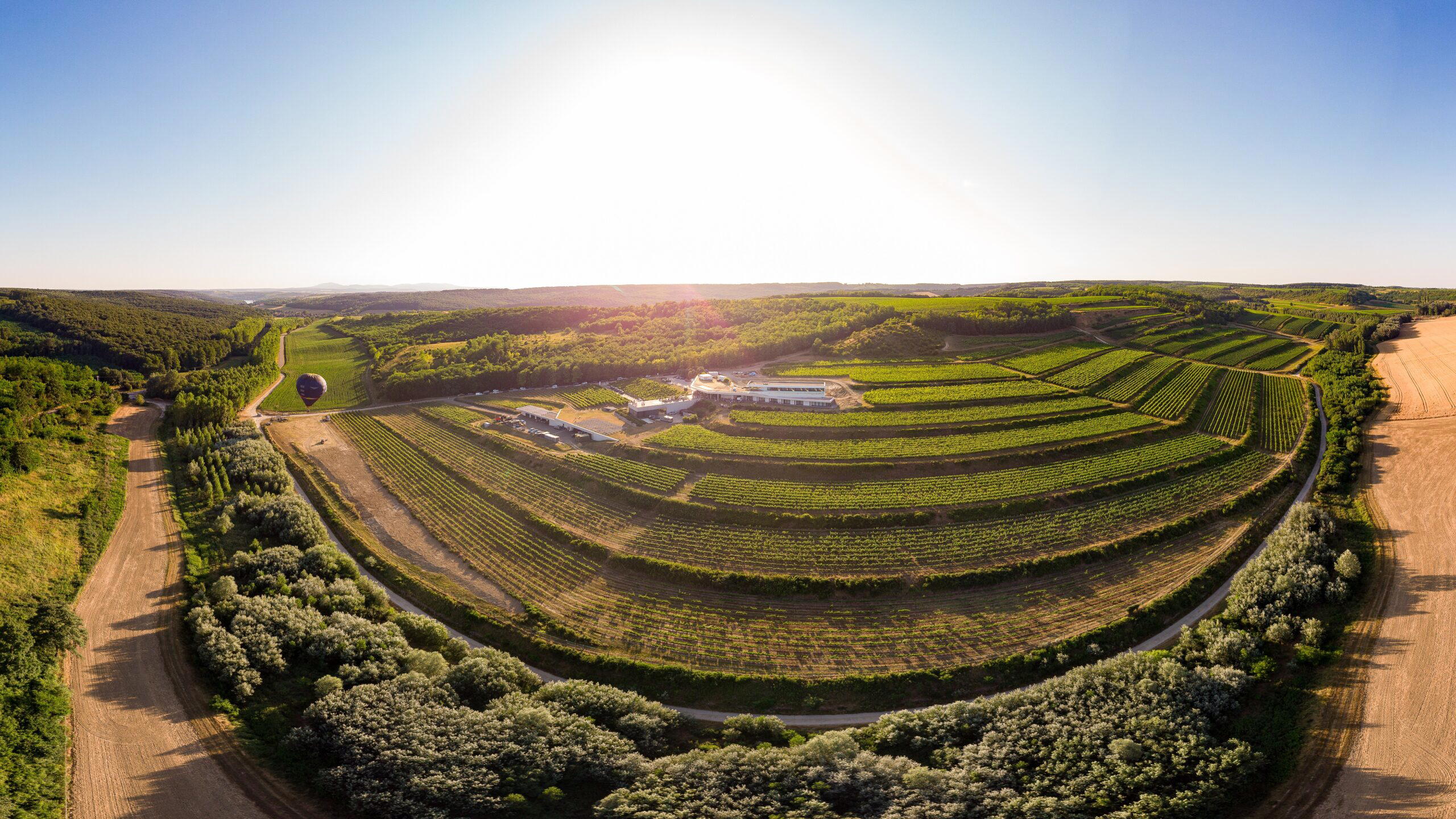
Szálka, Szekszárd, and the Landscape That Makes the Wine
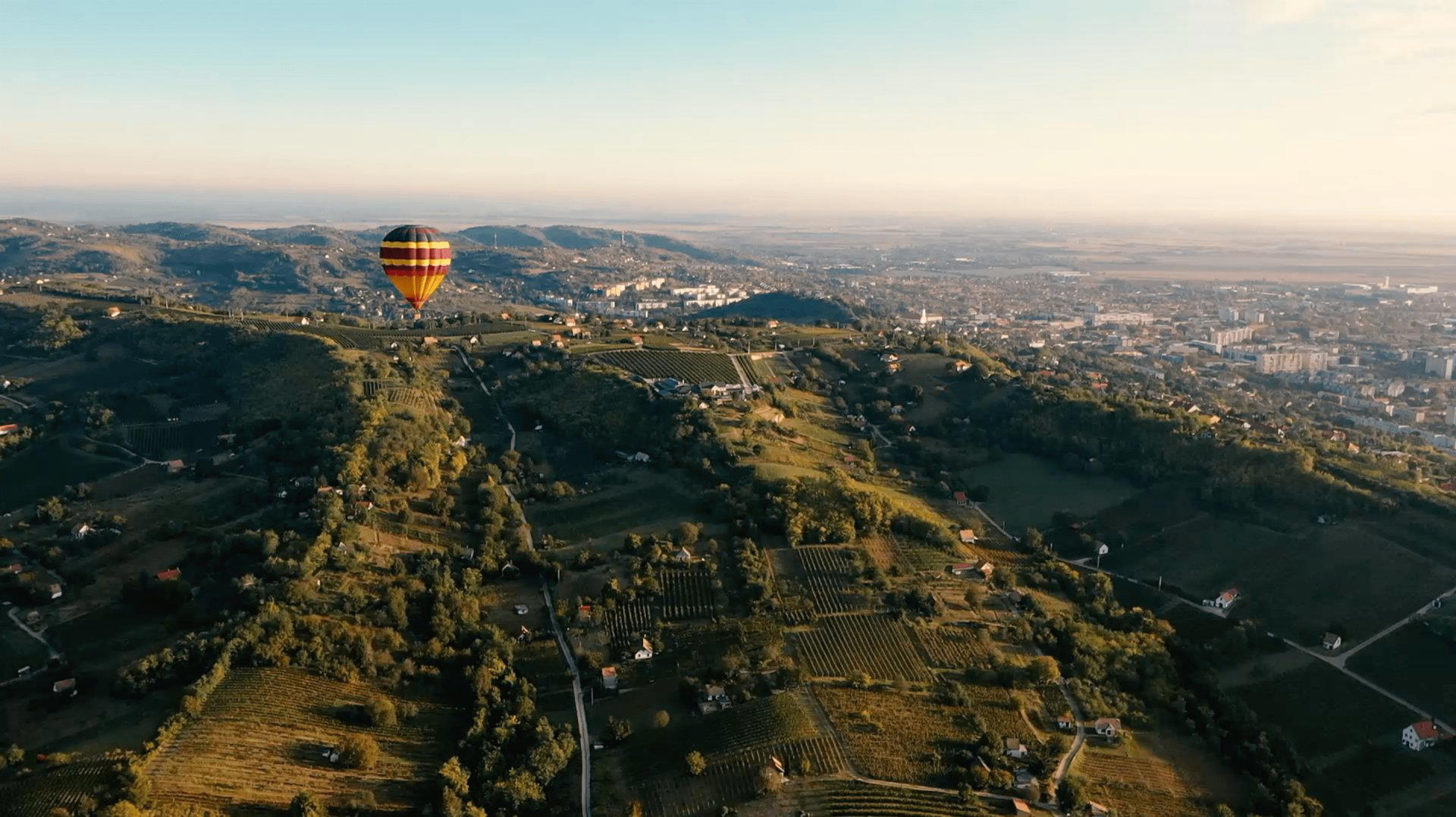
The southern Transdanubian hills carry a particular quality of light in the late afternoon: low, amber, and drawn long across vine rows that slope toward the Danube plain. Szálka, the small village where Lajver Winery is based, sits within this terrain at an address that marks a clear break from the urbanised core of Szekszárd town. The winery's location, registered at Szálka 07, parcel 28, signals the kind of estate relationship with land that defines production character in this appellation. You arrive not at a hospitality complex but at a working property in agricultural landscape, and the distinction matters when reading the wines.
Szekszárd's identity as a wine region is built on loess. The thick, wind-deposited soils that blanket the gentle hills between the Danube and the Mecsek range provide both warmth retention and structure, a combination that suits late-ripening red varieties. This is the same geological context that explains why Szekszárd has historically been compared to regions further west where deep soils and continental warmth allow Kadarka to fully ripen, a variety that elsewhere in Hungary struggles to find the conditions it demands. The Szekszárd appellation's proximity to the Danube also moderates summer heat with moisture, creating a growing environment that differs meaningfully from hotter zones in the same latitude.
Where Lajver Stands in the Regional comparable set
The Pearl system provides a comparative reference point across Hungarian producers: 2 Star Prestige signals consistent quality that exceeds baseline regional expectations without necessarily entering the small circle of flagship estates. In a region where Bodri Winery, Heimann Winery, and Eszterbauer Winery each represent different interpretations of the Szekszárd style, from richer, more extracted profiles to leaner, site-focused expressions, Lajver occupies space as a producer with formal recognition at a mid-to-upper level of the local hierarchy.
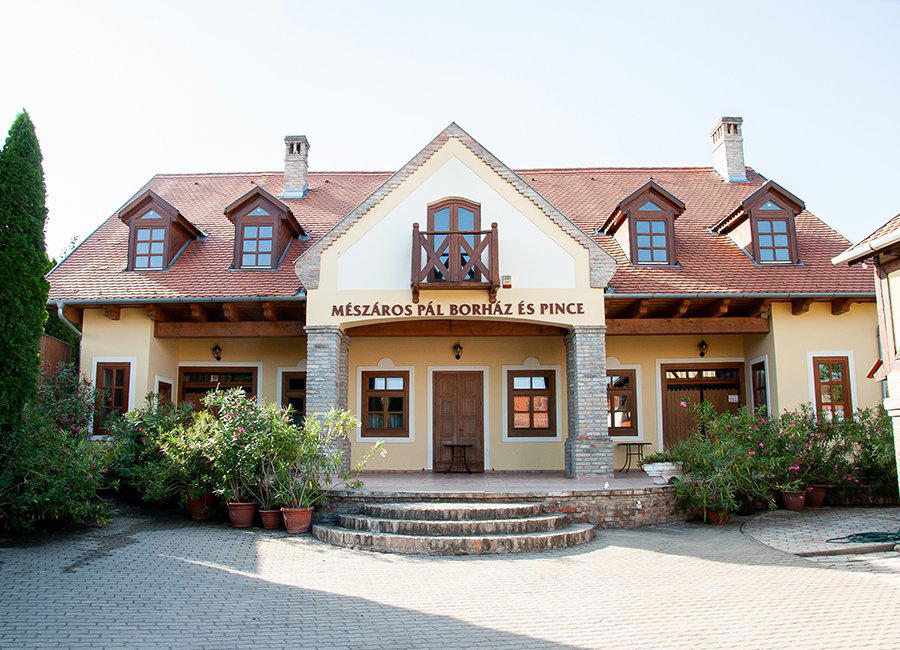
Comparison with peers further afield in Hungary reinforces the context. Szekszárd sits as one of the country's two dominant red wine regions alongside Eger, and within Szekszárd the competition for serious wine attention is real. Sebestyén Winery and Mészáros Pál Winery represent the range of scale and approach that characterises the appellation's current generation of producers. Against this backdrop, a 2 Star Prestige award in 2025 is a meaningful credential rather than a participation recognition.
The contrast with Hungary's other major prestige appellation, Tokaj, is instructive. Producers such as Disznókő in Mezőzombor, Royal Tokaji in Mád, Tokaj Hétszőlő in Tokaj, Tokaj Oremus in Tolcsva, and Árvay Winery in Rátka work within a sweet wine tradition that carries centuries of documented European prestige. Szekszárd operates in a different register entirely: its reputation rests on dry reds rather than botrytised whites, and its comparative international profile remains below Tokaj's, which is part of what makes committed producers here worth tracking early.
The Vineyard Terrain and Why It Defines the Wines
The physical character of Szekszárd vineyards is not incidental detail. The loess deposits here run several metres deep in places, providing drainage while retaining enough moisture to sustain vines through dry summers without irrigation. The southern and south-eastern exposures on the region's gentle slopes maximise sun hours for varieties like Kadarka, which require extended hang time to shed the green, tannic edge that appears in less favourable sites. This is wine country shaped more by soil type and aspect than by dramatic elevation, and producers who understand the terrain work with it rather than against it.
Szálka's position within this terrain, slightly removed from the busier wine tourism infrastructure around Szekszárd town, gives the location a working-estate quality. The cadastral address suggests vineyard parcels rather than a manicured tasting centre, which aligns with the kind of production-focused identity that distinguishes smaller Szekszárd estates from the more visitor-oriented operations in the region.
The Szekszárd Style and Where It's Heading
Szekszárd wines have historically occupied a richer, more full-bodied register than Eger's, partly a function of the warmer, more continental south, partly a result of variety choices. Bikavér-style blends using Kékfrankos, Kadarka, and international varieties like Cabernet Franc and Merlot dominate serious production here. The trend across the last decade has been toward greater freshness and lower extraction: producers across the appellation have been pulling back on oak influence and picking earlier to preserve acidity, a shift that brings Szekszárd reds closer to food-pairing utility and away from the over-ripe, over-wooded profiles that characterised the 1990s and early 2000s.
The award system evaluates consistency alongside character, which means it rewards producers who understand their site and make deliberate choices rather than producers who simply benefit from good vintage conditions.
Beyond Hungary, producers in peer wine cultures show similar patterns of under-recognition relative to quality. Babarczi Winery in Győr and Béres Winery in Erdőbénye represent other regional cases where domestic awards signal wines that merit international attention but haven't yet found a broad export audience. The pattern is familiar across central European wine production: quality outpacing visibility.
Planning a Visit to Szálka and the Szekszárd Region
Szekszárd sits approximately 170 kilometres south of Budapest, accessible by road in under two hours or by direct train connections to Szekszárd station. Szálka is a short drive from the main town. Visiting in September and October aligns with harvest activity across the appellation, when the practical realities of how these wines are made are visible in the vineyards and cellars. Spring visits in May and June offer the full vine growth cycle at its most photogenic, with canopy out and the loess hillsides in strong colour contrast against deep green.
For those visiting the region across multiple producers, the Szekszárd appellation is compact enough to cover meaningfully in two to three days. The combination of Bodri, Heimann, Eszterbauer, Sebestyén, and Lajver gives a representative cross-section of the appellation's current range. The full Szekszárd restaurants and wine guide covers supporting context for how to structure a visit. Approach via the winery's address in Szálka when planning a visit.
Visitors whose reference points come from high-profile international producers, say, Accendo Cellars in St. Helena or Scotch distilleries like Aberlour in Aberlour, will find Szekszárd operating at a different scale of infrastructure and international profile, but with a terroir argument that holds its own on merit.
The Quick Read
Comparable venues nearby, for context on price, style, and recognition.
| Venue | Cuisine | Price |
|---|---|---|
| Lajver WineryThis venue — the venue you are viewing | Szálka, Kékfrankos, Kadarka | $$$ |
| Heimann Winery | Szekszárd, Kékfrankos, Kadarka | $$ |
| Vida Wines | Szekszárd, Kadarka, Kékfrankos | $$$ |
| Bodri Winery | Faluhely, Kékfrankos, Kadarka | $$ |
| Mészáros Pál Winery | Szekszárd, Kadarka, Cabernet Sauvignon | $$ |
| Eszterbauer Winery | Szekszárd, Kadarka, Kékfrankos | $$ |
Continue exploring
More in Szekszárd
Wineries in Szekszárd
Browse all →
Restaurants in Szekszárd
Browse all →
Hotels in Szekszárd
Browse all →
At a Glance
- Modern
- Scenic
- Elegant
- Sophisticated
- Romantic Getaway
- Celebration
- Wine Education
- Special Occasion
- Corporate Event
- Group Outing
- Barrel Room
- Vineyard Tour
- Estate Grounds
- Terrace
- Panoramic View
- Design Destination
- Private Tasting
- Sustainable
- Vineyard
- Garden
- Szekszárd
- Kékfrankos
- Kadarka
- Cabernet Sauvignon
- Merlot
- Cabernet Franc
- Riesling
- Chardonnay
- Sauvignon Blanc
- Pinot Noir
- Syrah
- Still Red
- Still White
- Still Rosé
- Wine Tasting
- Food Pairing
- Barrel Room Tour
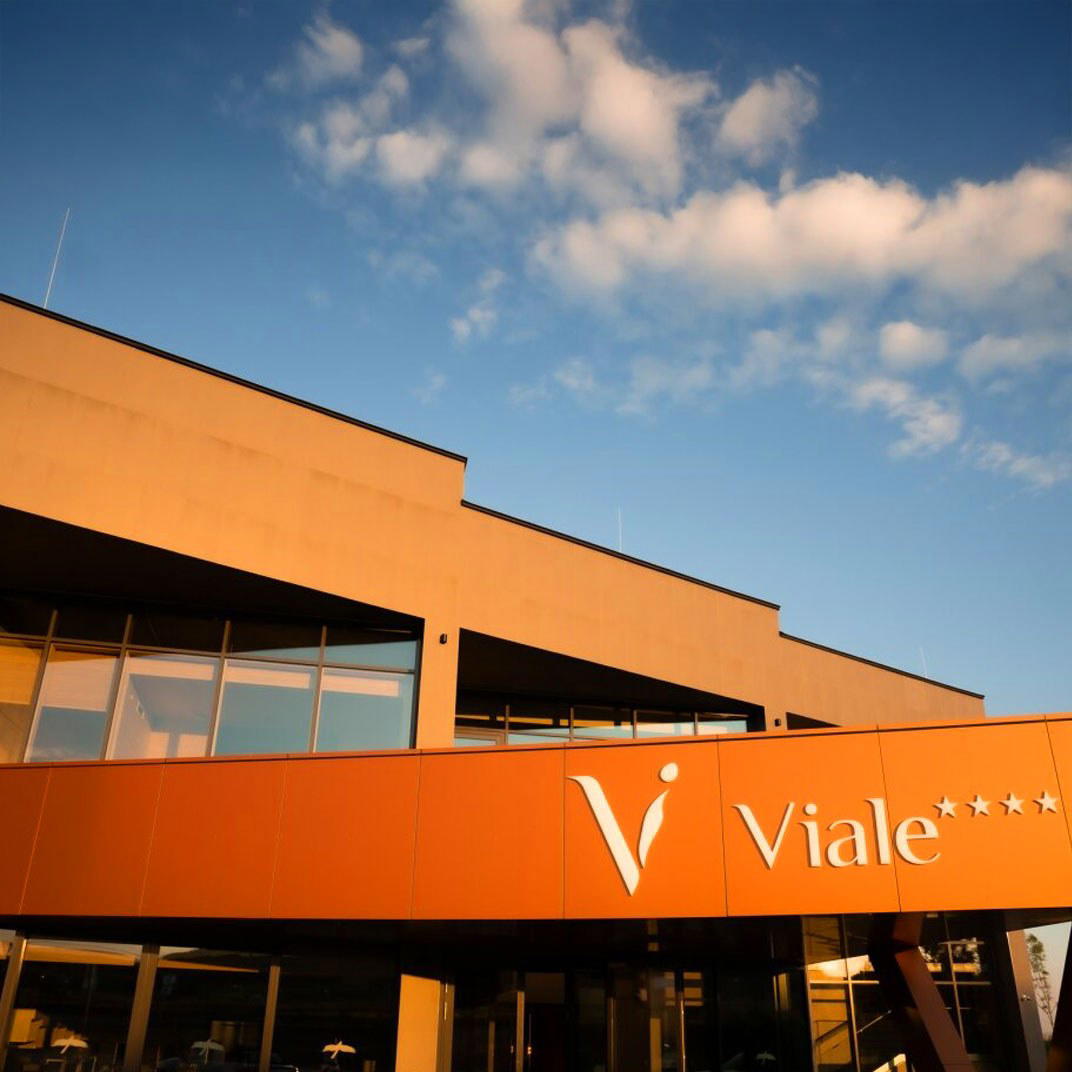
Modern, luxurious, and bright with extensive glass walls offering panoramic valley views; spacious rooms with contemporary architecture; warm and professional service in an elegant setting overlooking vineyards.