Our verdict
Bock Óbor Étterem sits on Batthyány Lajos utca in the heart of Villány, Hungary's most decorated wine village, where the kitchen draws directly from the agricultural produce and cellar traditions that define southern Transdanubia. The restaurant operates within one of the country's most wine-forward dining destinations, making it a natural pairing for visitors exploring the Villány wine region. For context on how it sits among local peers, see our full Villány restaurant coverage.

Pearl is the En Primeur Club membership app — saves, bookings, and concierge access live there. Same editors, same standards.
- Address
- Villány, Batthyány Lajos u. 15, 7773 Hungary
- Phone
- +3672492919
- Hours
- Mon–Thu 11 AM–8 PMFri–Sat 11 AM–10 PMSun 11 AM–8 PM
- Website
- hotel.bock.hu
- Directions
- Get directions
- Booking
- Book on the venue's website
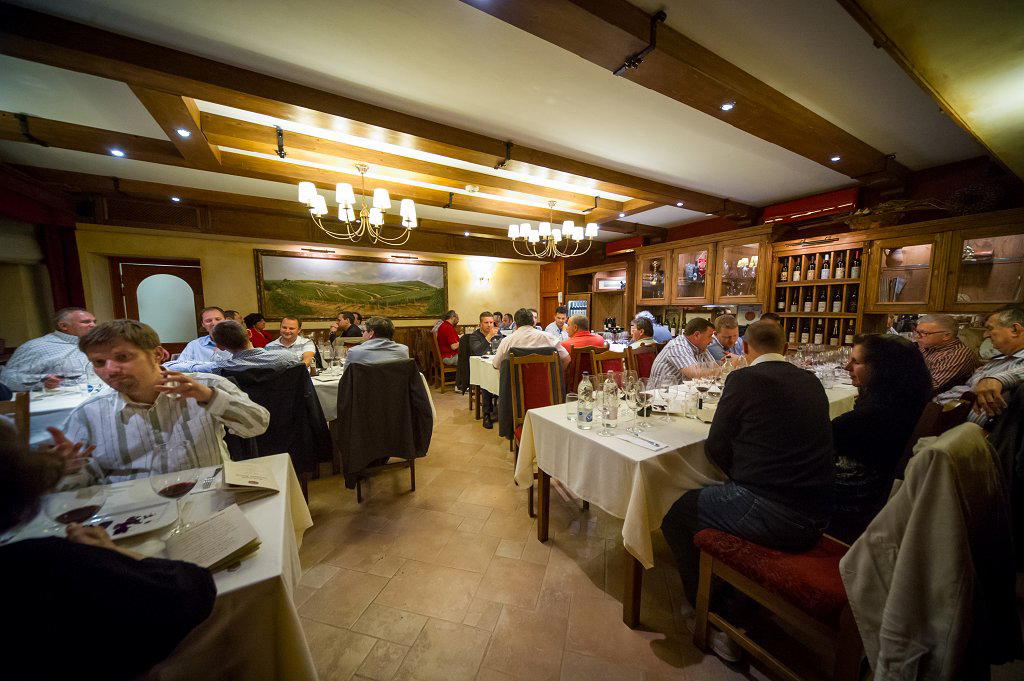
Where Wine Country Hospitality Meets Agricultural Sourcing
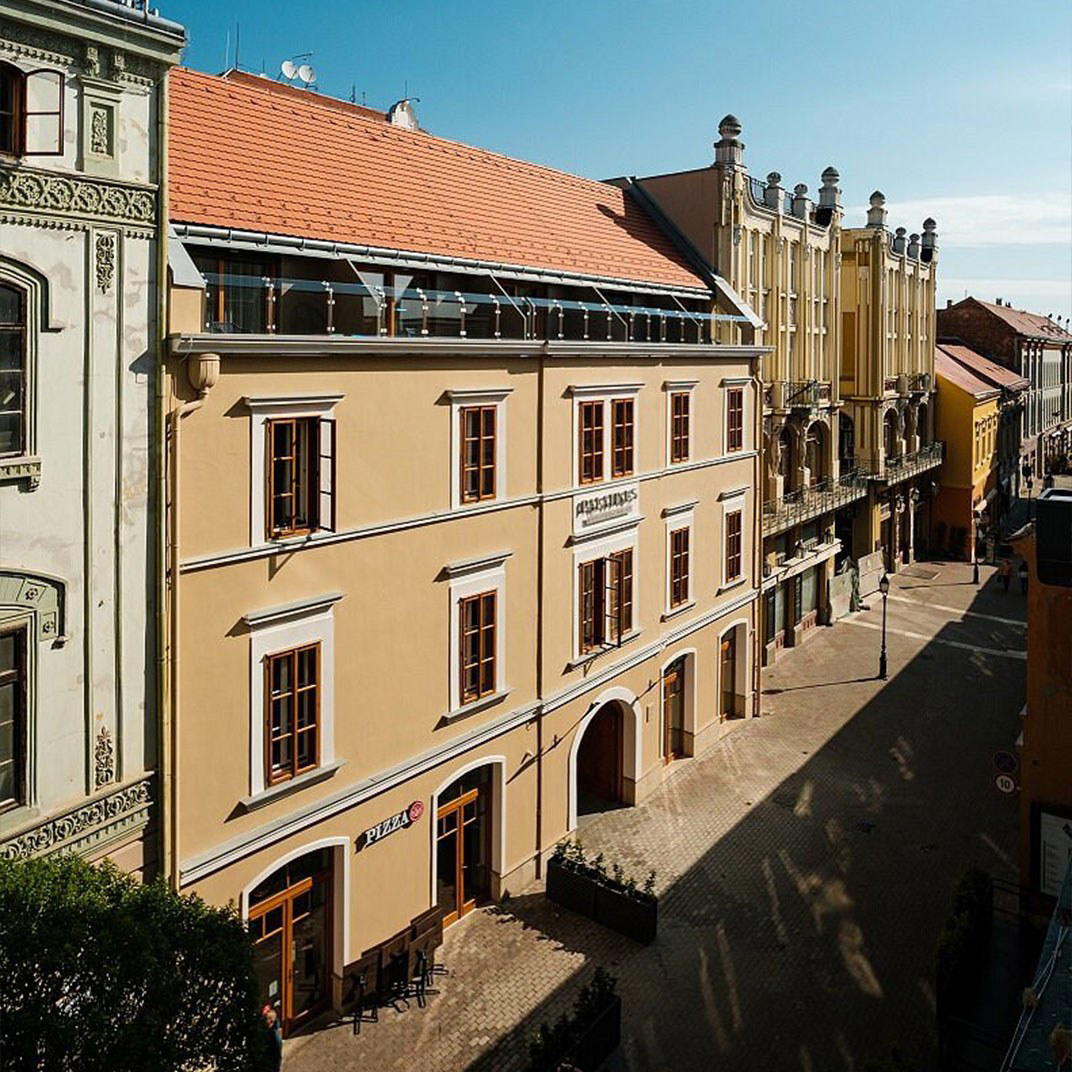
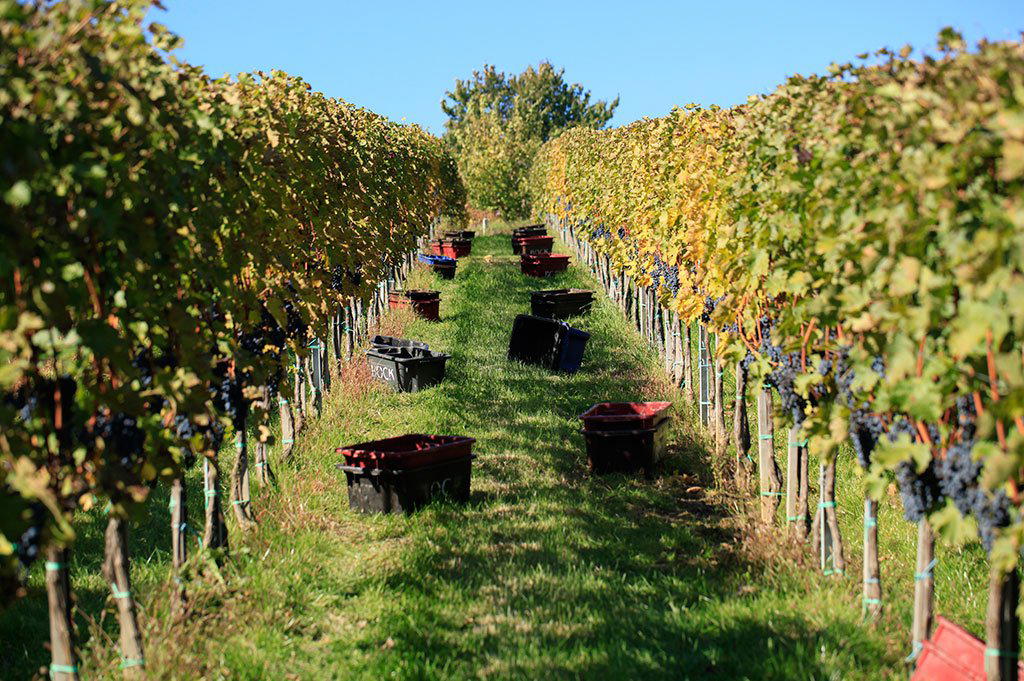
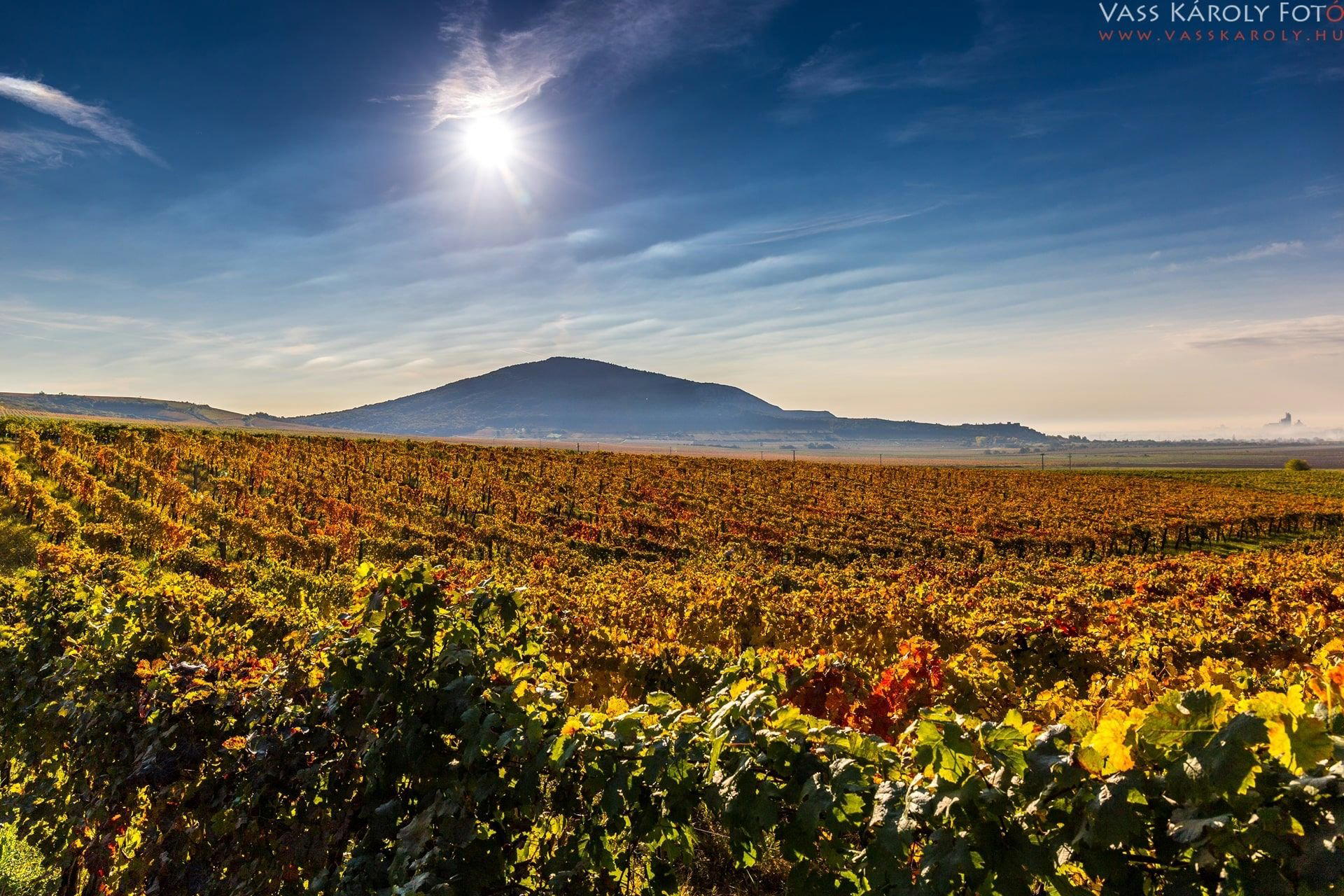
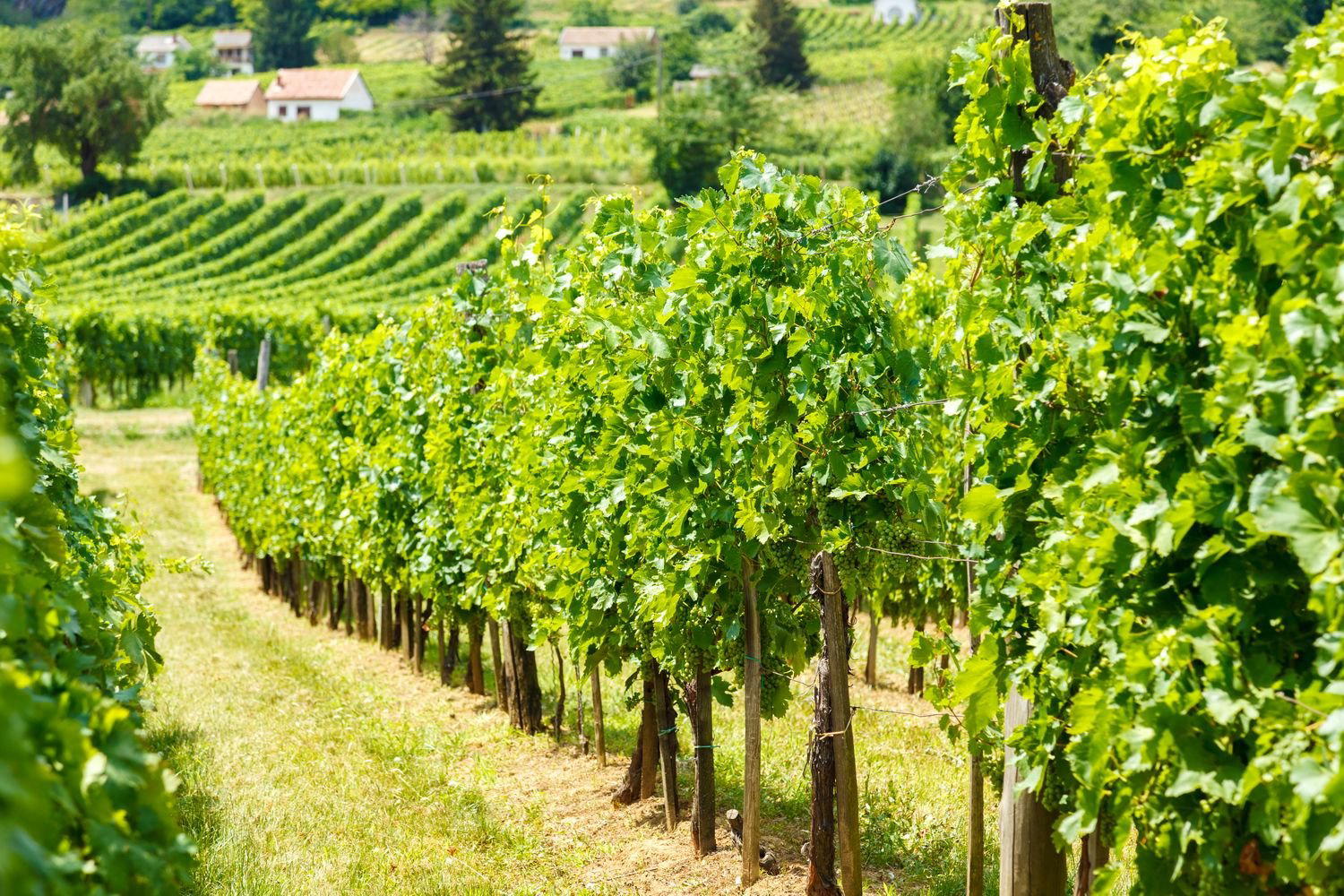
Villány arrives quietly. The road south from Pécs flattens into vine rows that run in precise lines toward the Croatian border, the slopes angled just enough to collect the extra warmth that makes this corner of Hungary's Baranya County the country's most southerly — and most reliably sun-drenched — wine region. By the time you reach Batthyány Lajos utca, the main artery through the village, the architecture has settled into a rhythm of low stone buildings and cellar doors that have been here far longer than the contemporary wine tourism that now surrounds them. Bock Óbor Étterem sits within this fabric, on a street where winemaking heritage is not décor but operating reality.
That physical context matters when considering what a restaurant in Villány can and should be doing with ingredients. The villages of southern Transdanubia sit at a productive agricultural intersection: the Mecsek hills to the north moderate the climate, the Dráva plain to the south supplies market gardens, and the wine estates themselves maintain relationships with local livestock and produce growers that have developed over decades. A kitchen operating here has proximity to sourcing networks that urban restaurants in Budapest or Pécs must work considerably harder to access. At restaurants like Sauska 48 in Villány, the estate-to-table logic is explicit and structured. The wider question for any Villány dining room is how deliberately it engages with that supply chain.
The Ingredient Logic of Villány's Dining Scene
Hungary's wine village dining has evolved along a recognisable arc over the past twenty years. In the early phase of Villány's reputation-building, the period when winemakers like Attila Gere and József Bock were establishing the region's credibility internationally, the restaurants that surrounded the cellars were straightforwardly functional: places to eat between tastings, with menus that mirrored the hearty, fat-rich cooking of the broader Hungarian interior. The shift came as the wine tourism clientele became more sophisticated and as Hungarian gastronomy more broadly entered a period of serious reconsideration. Restaurants in wine regions were expected to do more than accompany the wine; they were expected to articulate a place through its food in the same way the wine articulated it through the glass.
That shift is visible across Villány's current dining options. Mandula Étterem and Oportó Étterem represent different responses to this expectation, as does Halasi Pince Panzió, which combines accommodation with dining in a format common to wine estate hospitality across Central Europe. What each shares is an operating environment where the cellar and the kitchen are understood as parts of the same proposition. The sourcing question, where the produce comes from, how traceable it is, how seasonally it shifts, sits at the centre of how these restaurants position themselves relative to one another.
This is the broader pattern into which Bock Óbor Étterem fits. The Bock name carries significant weight in Villány; the winery associated with it is among the region's most established, with a track record that predates the current wave of international attention. A restaurant operating under or adjacent to that name inherits a set of expectations about quality, rootedness, and alignment between what's poured and what's plated. Whether those expectations are met is a question of kitchen execution, but the structural conditions for meeting them, access to regional produce, proximity to estate resources, a clientele already oriented toward quality, are present.
Regional Cooking in a National Context
To understand what distinguishes Villány's better dining rooms from competent Hungarian restaurants elsewhere, it helps to look at the broader Hungarian gastronomy conversation. Budapest has seen a genuine uplift in ambitious cooking: Stand in Budapest represents the kind of technically serious, Hungarian-ingredient-led approach that has started attracting international attention. Outside the capital, the story is more uneven. Wine-adjacent restaurants in regions like Eger, Tokaj, and Villány have advantages in local sourcing but face smaller markets and less year-round demand. The result is a set of kitchens that tend to operate with seasonal intensity during the harvest and tourism months, then scale back considerably outside them.
Villány's tourist season concentrates around spring and autumn wine events, with the Villány Wine Festival and various cellar-open weekends drawing visitors who arrive specifically to taste. Restaurants on Batthyány Lajos utca and the surrounding streets are positioned to serve those visitors, which means menus tend to reflect what's peak and local rather than what's globally fashionable. For visitors accustomed to the kind of ingredient-narrative cooking found at, say, Pajta in Őriszentpéter or the fish-forward focus of Old Kőrössy Fish Restaurant in Szegedin, Villány's wine-village kitchens operate from a different but equally coherent regional logic. Pécs, the nearest city of scale, adds a layer of culinary infrastructure, suppliers, trained cooks, a broader dining public, that the village itself cannot sustain independently.
Comparable wine-country restaurant formats elsewhere in Hungary, such as Petrányi Csopak in Csopak on Lake Balaton's northern shore, or Kővirág in Köveskál, illustrate how these kitchens tend to anchor their identity in hyper-local produce rather than cross-regional borrowing. The discipline of cooking only what the surrounding land plausibly provides is both a creative constraint and a quality signal. When it works, the result is cooking that couldn't be transposed to a city without losing its meaning.
Planning Your Visit
Villány sits approximately 35 kilometres south of Pécs, reachable by regional train or by road through the Baranya countryside. The village is compact enough to navigate on foot, and Batthyány Lajos utca, where Bock Óbor Étterem is addressed at number 15, is the spine of the restaurant and cellar-door district. For those building a broader circuit of Hungarian wine-country dining, the route from Villány north through Pécs and onward to Balaton connects several kitchens worth attention: Hosszú Tányér in Hosszúhetény sits in the Mecsek hills between Villány and Pécs, while Platán Gourmet in Tata and Teyföl in Szentendre extend the circuit toward Budapest. For a full picture of dining options in the village itself, the full Villány restaurants guide maps the current field. Further afield, Botanica in Dánszentmiklós, Öreg Prés in Mór, and Padi in Rátka show how the wine-adjacent dining format plays out across Hungary's other producing regions. For international comparison points on what estate-adjacent fine dining can achieve at the highest tier, Le Bernardin in New York City and Lazy Bear in San Francisco represent what ingredient-narrative cooking looks like when resourced at scale.
Frequently asked questions
Is Bock Óbor Étterem a family-friendly restaurant?
Villány operates as a hospitality-oriented wine village, and restaurants along Batthyány Lajos utca — where Bock Óbor Étterem is located — tend to welcome guests of most ages, particularly during lunch and early evening sittings. That said, the focus here is on wine-table dining rooted in regional Hungarian cooking, which sets a pace and tone suited to guests who engage with the food and wine program. Families with older children who eat adventurously will find the setting comfortable; it is less geared toward casual family meal stops.
How would you describe the vibe at Bock Óbor Étterem?
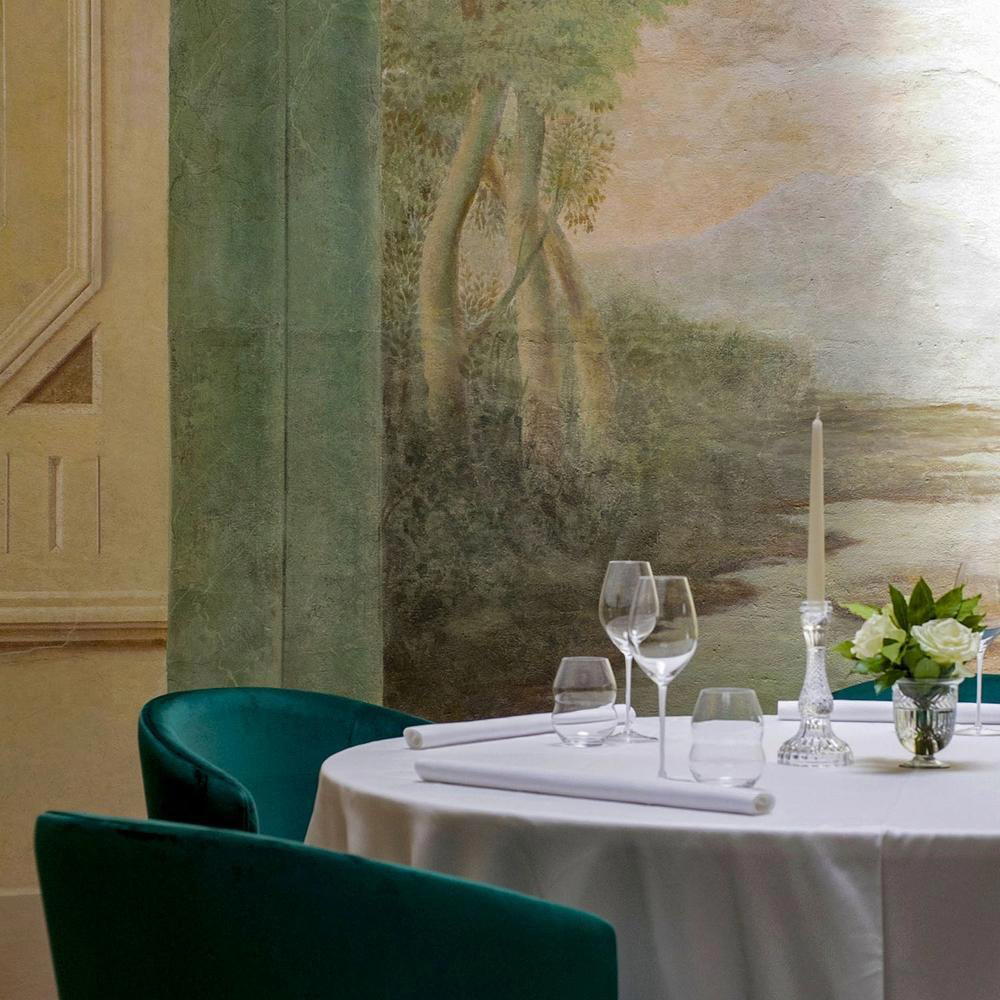
The atmosphere reflects the rhythm of Villány itself: unhurried, agriculturally grounded, and organised around the wine. Sitting at Batthyány Lajos u. 15, the restaurant functions as an extension of wine-country hospitality rather than a standalone urban dining room. Expect a setting where the glass on the table drives the conversation as much as the food, with a pace that resists rushing.
How does dining at Bock Óbor Étterem connect to the Villány wine region?
Villány is Hungary's most southerly wine appellation, producing Bordeaux-varietal reds — Cabernet Franc, Merlot, and Zweigelt among them — on slopes that run toward the Croatian border. Bock Óbor Étterem sits within the village at Batthyány Lajos u. 15, positioning it inside the production zone rather than at a remove from it, which typically means direct access to estate wines not widely distributed beyond the region. For visitors arriving from Pécs, the restaurant represents one of the clearest points of entry into Villány's wine-and-table culture.
What should I order at Bock Óbor Étterem?
In a wine village of this profile, the standing advice is to ask your server which dishes were built specifically around the current wine list — that pairing logic tends to produce the most coherent plates.
At-a-Glance Comparison
Comparable venues nearby, for context on price, style, and recognition.
| Venue | Cuisine | Price | Awards | Notes |
|---|---|---|---|---|
| Bock Óbor ÉtteremThis venue — the venue you are viewing | Traditional Hungarian with Villány Wines | $20–30 | Not listed | Not listed |
| Oportó Étterem | Modern Hungarian | $20–30 | Not listed | Villány center |
| Mandula Étterem | Hungarian / European Wine Bar | $30–50 | Not listed | Villany |
| Halasi Pince Panzió | Hungarian Wine Bar | $20–30 | Not listed | Villany |
| Sauska 48 | Modern Hungarian | Not listed | Michelin Plate | Villány |
| For Sale Pub | Traditional Hungarian Gastropub | $10–20 | Not listed | District V / Inner City |

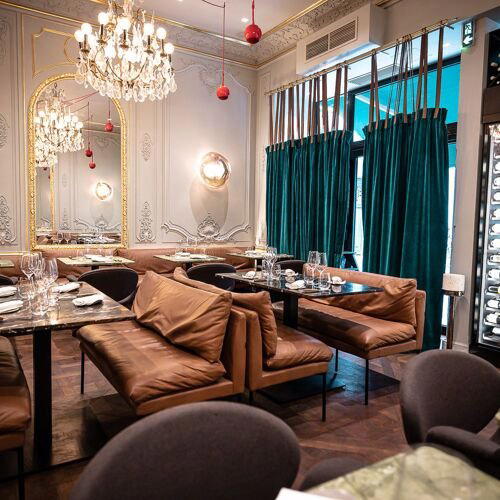
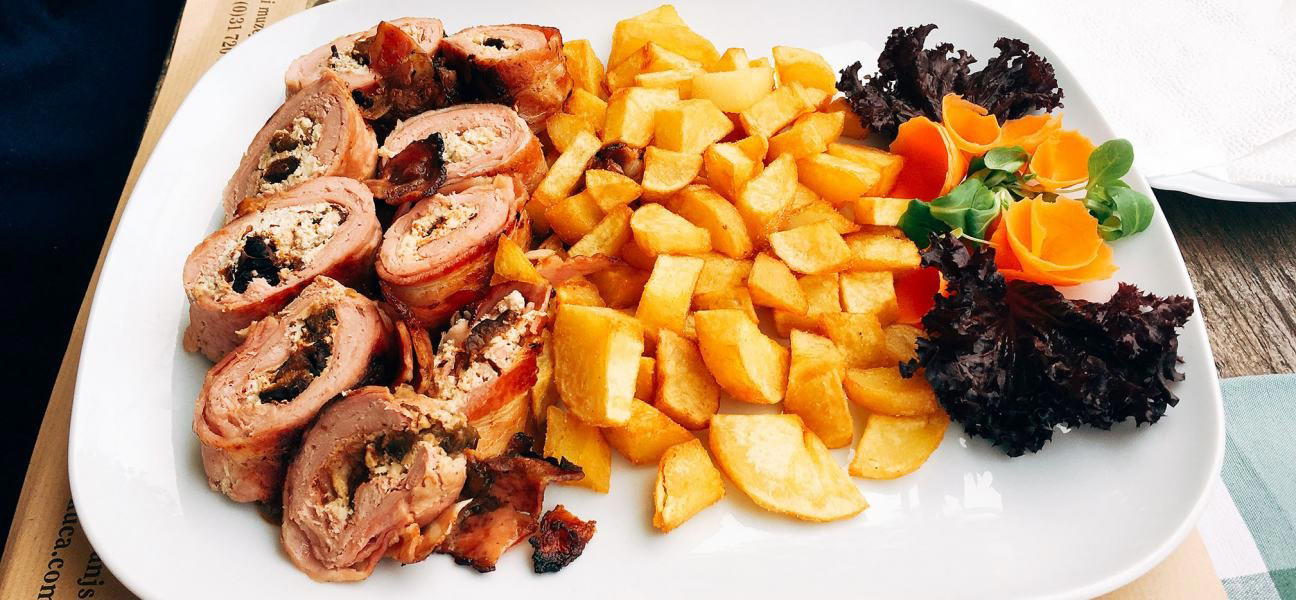
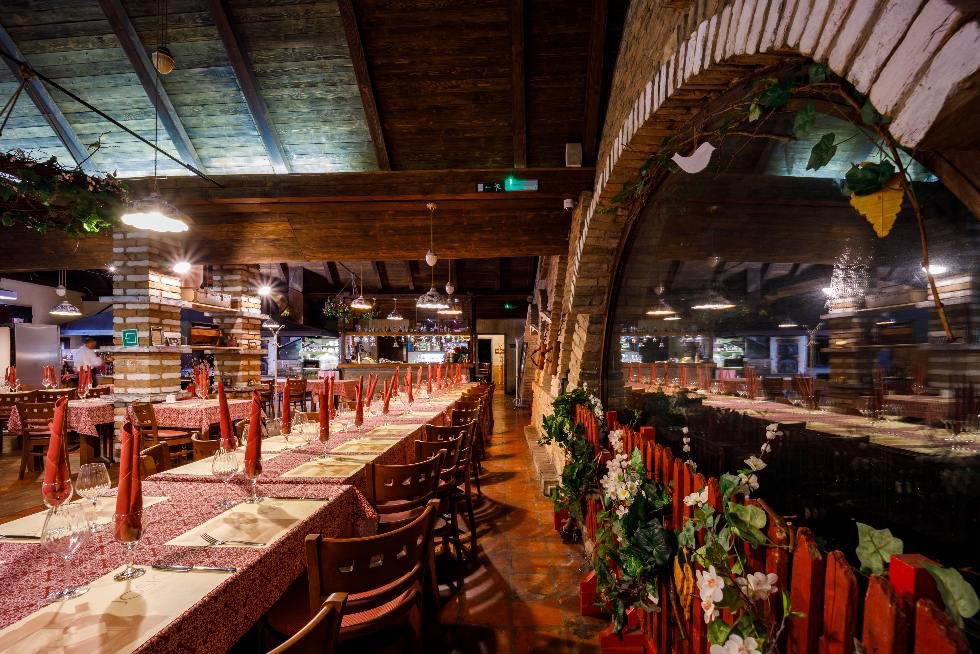
Details
- Rustic
- Cozy
- Romantic
- Family
- Group Dining
- Date Night
- Celebration
- Terrace
- Wine Cellar
- Private Dining
- Extensive Wine List
- Local Sourcing
- Vineyard
- A La Carte
- Vegetarian Friendly
- Vegan Options
- Gluten Free Options
Current opening hours
- Monday
- 11 AM–8 PM
- Tuesday
- 11 AM–8 PM
- Wednesday
- 11 AM–8 PM
- Thursday
- 11 AM–8 PM
- Friday
- 11 AM–10 PM
- Saturday
- 11 AM–10 PM
- Sunday
- 11 AM–8 PM
Hours can change for holidays and private events. Last verified .
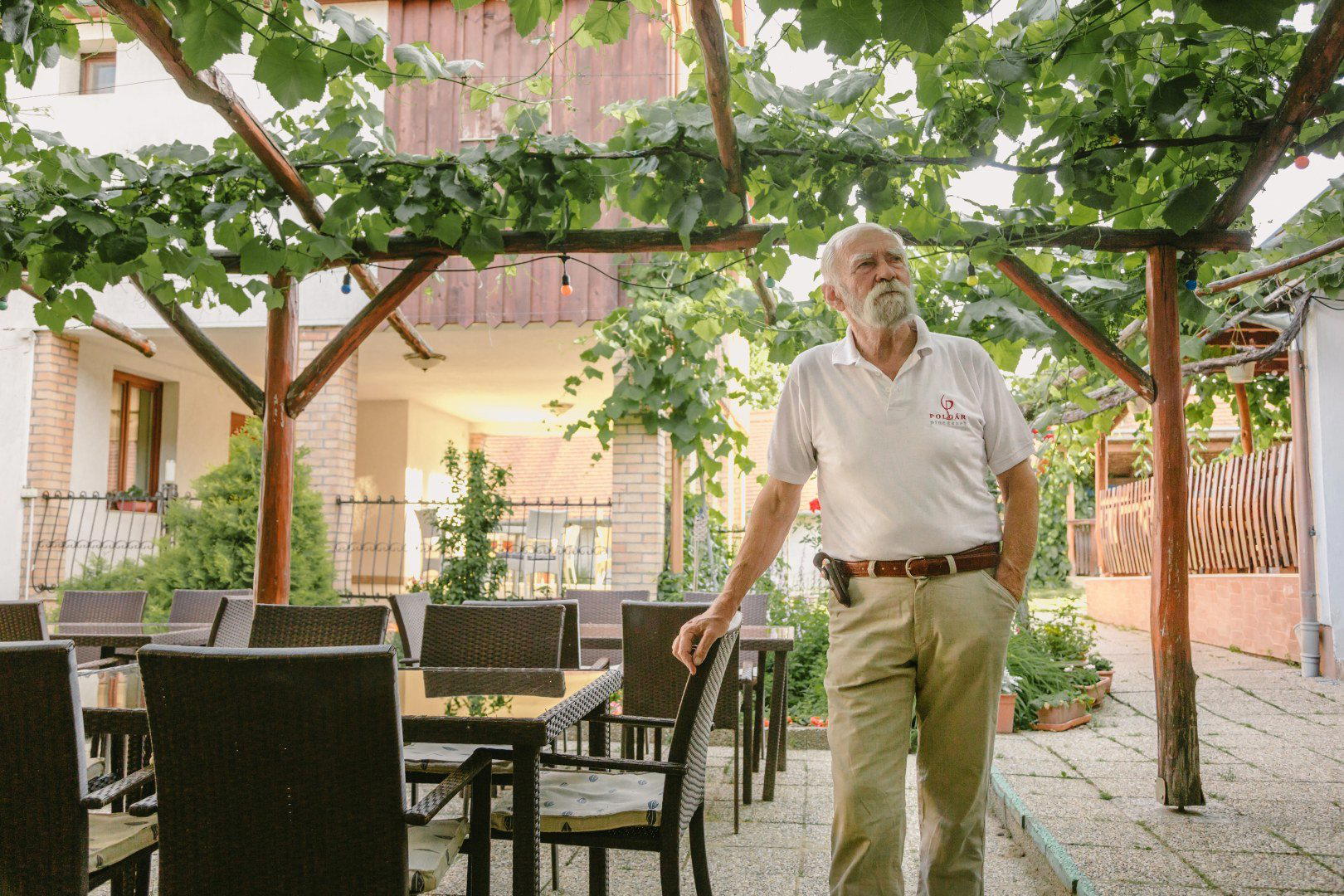
Rustic, homely atmosphere with Mediterranean patio vibes.