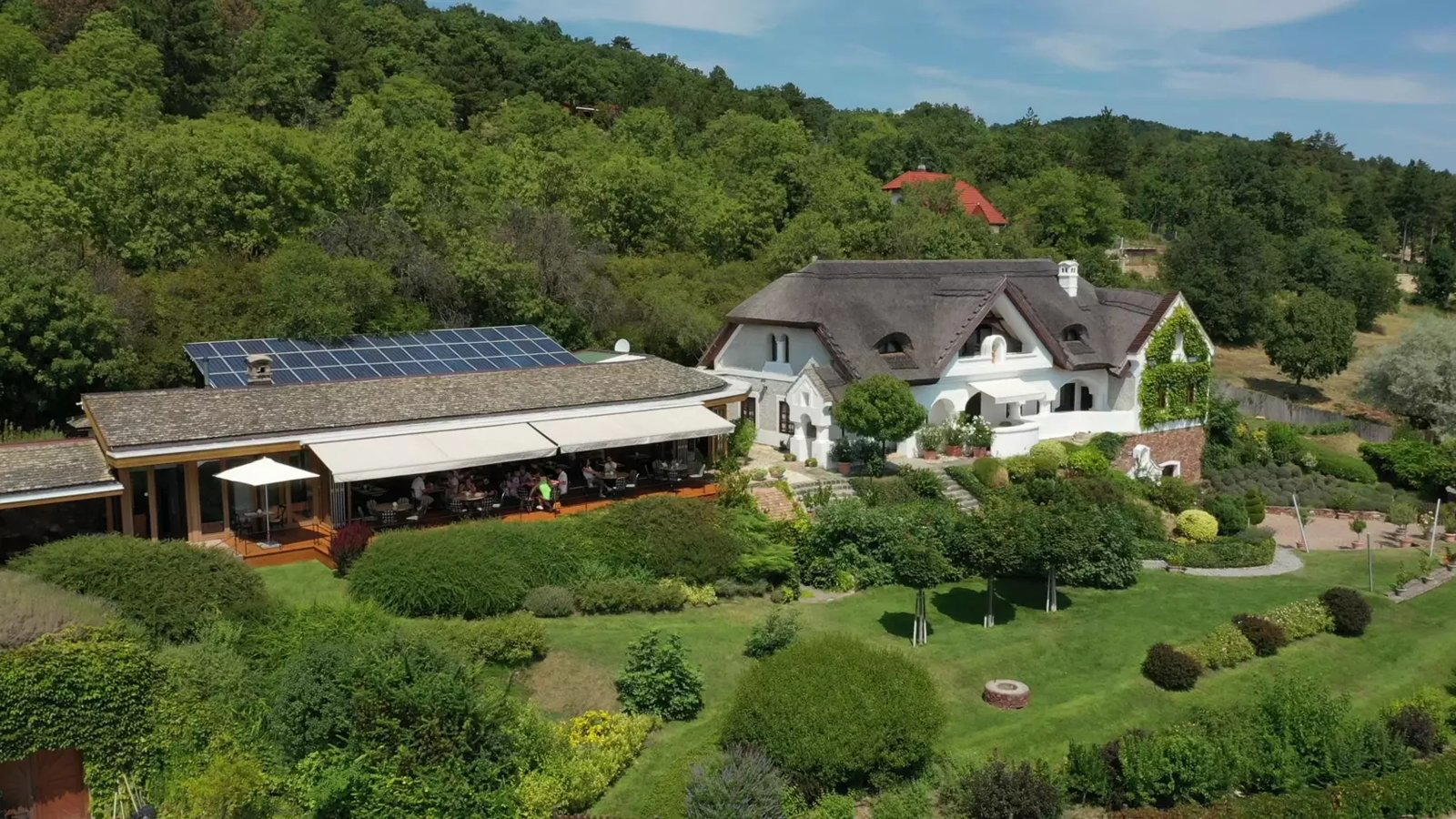
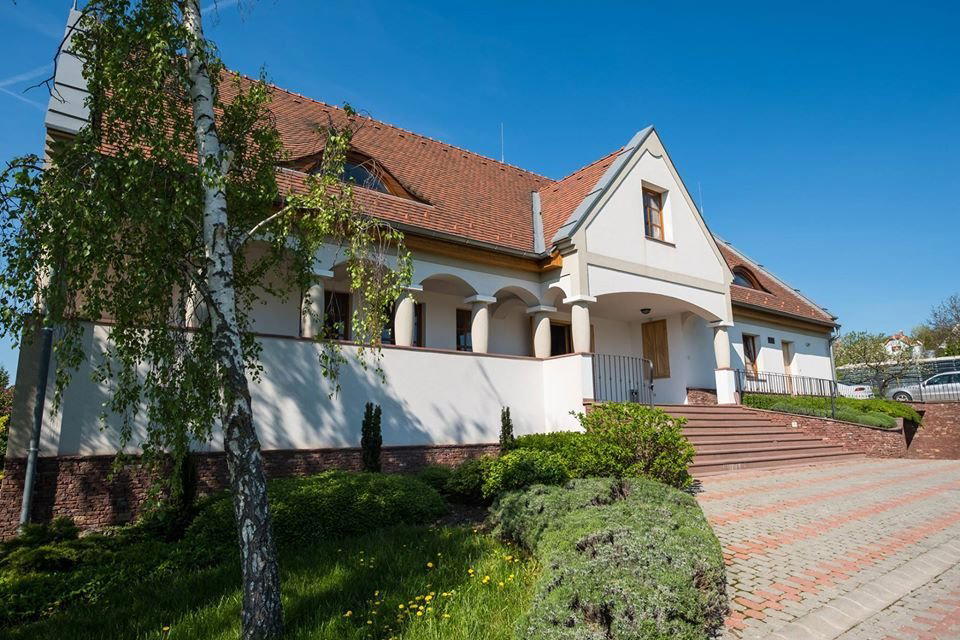
A winery bistro on the slopes of Csopak's Szitahegy hill, Szent Donát Márga Bisztró sits within the Szent Donát estate and draws on the Balaton Uplands' distinctive márga (marl) soils to frame both its wines and its table. The setting places it among a small tier of Hungarian wine-country dining rooms where the vineyard and the kitchen operate as a single proposition rather than separate offerings.
- Address
- Csopak, Szitahegyi u. 28, 8229 Hungary
- Phone
- +36203525560
- Website
- stdonat.hu
- Directions
- Get directions
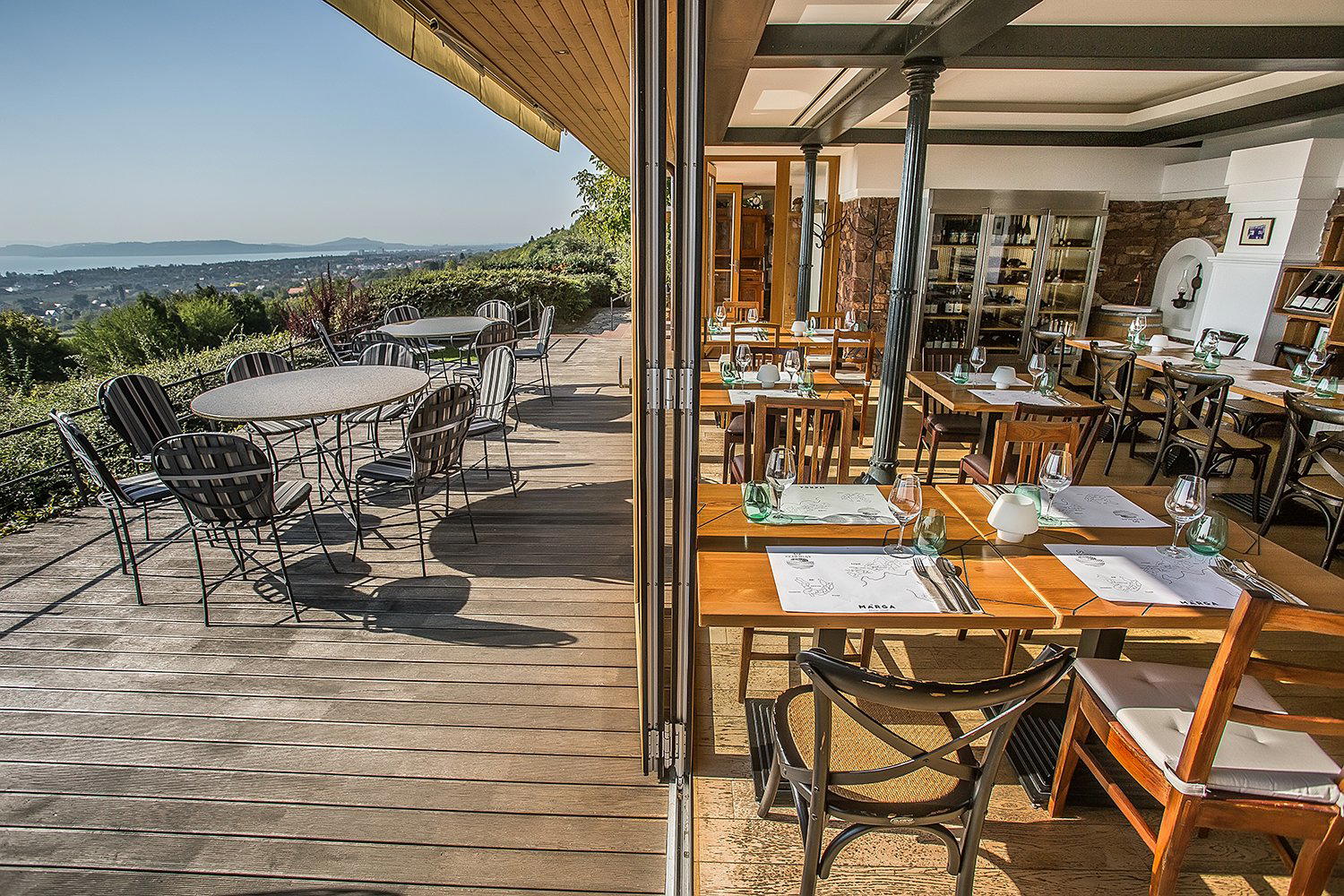
Wine-Country Dining on the Marl Slopes of Csopak
The Balaton Uplands have a specific claim on Hungarian wine culture that goes beyond the lake's summer reputation. The volcanic and marl-rich soils above Csopak produce some of the country's most distinctive white wines, and the village itself has long been associated with Olaszrizling grown on slopes that drop sharply toward the water. It is in this context that the bistro at the Szent Donát estate operates: not as a restaurant that happens to have a wine list, but as a dining room embedded in a working winery, where the terroir argument is made simultaneously by what is poured and what arrives on the plate.
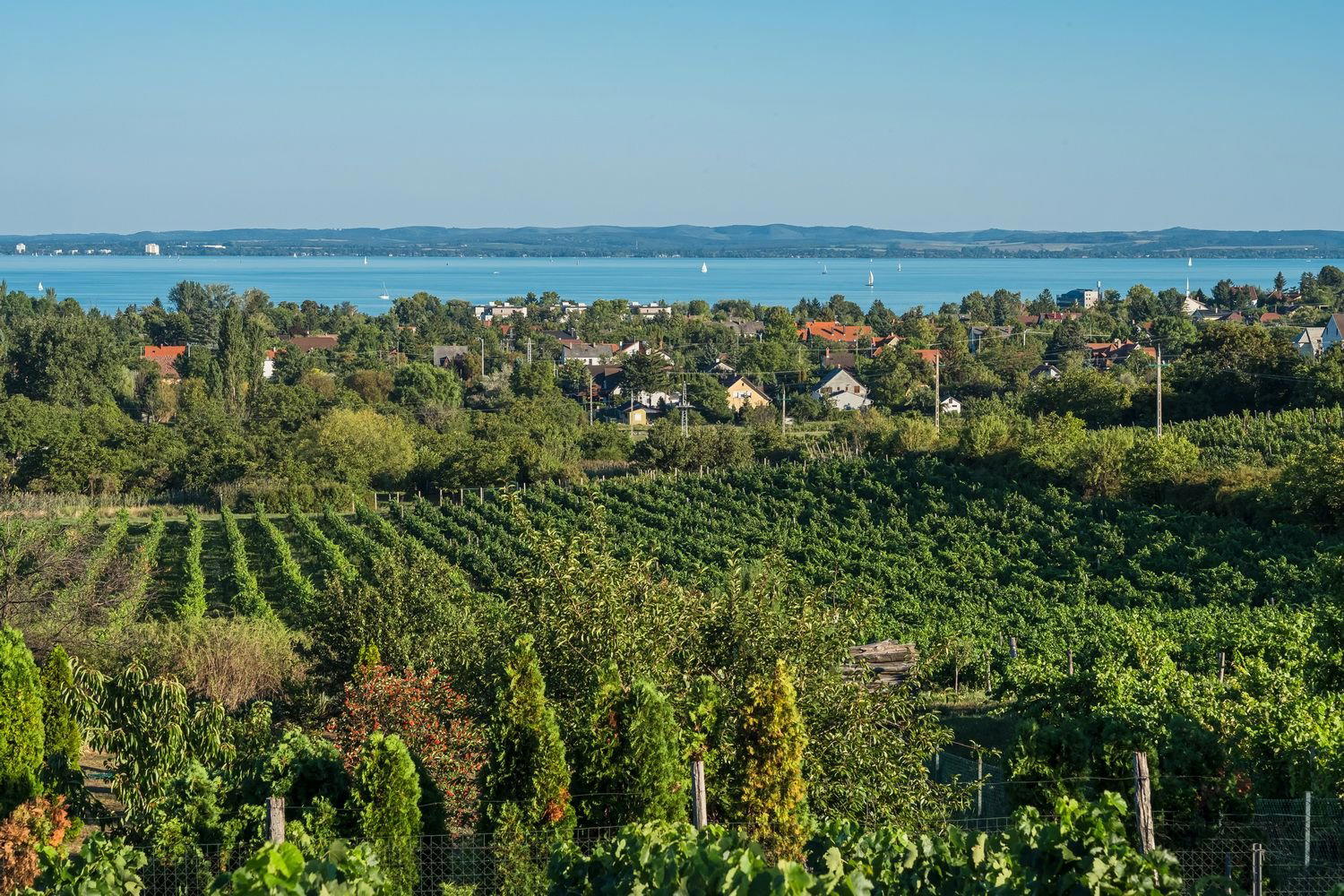
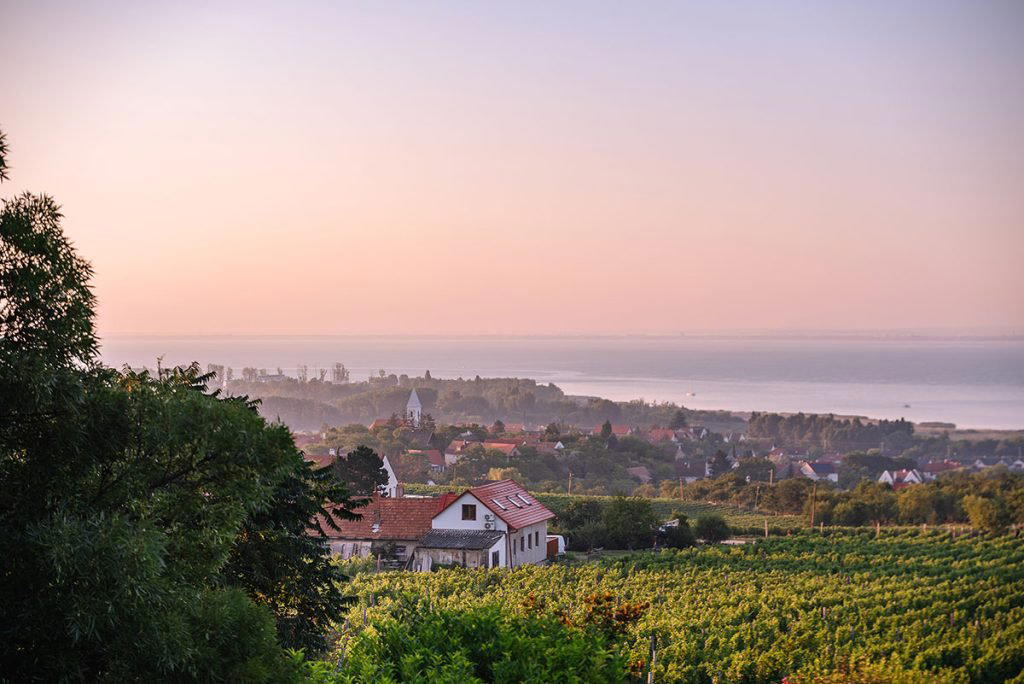
The address on Szitahegyi utca places the property on the hillside above the village, at an elevation that offers a view over the lake that requires no embellishment. The name itself is instructive: márga is the Hungarian term for marl, the calcium-rich sedimentary substrate that, alongside the basalt and red sandstone of the wider Uplands, defines the minerality that Csopak winemakers cite when distinguishing their Olaszrizling from flatland equivalents. A bistro carrying that word in its name is signalling that the geological argument matters at the table as much as in the cellar.
Where Csopak Sits in the Hungarian Dining Picture
Hungarian wine-country dining has developed unevenly. Budapest's higher-end rooms, among them Stand, have absorbed much of the critical attention, while provincial dining in the wine regions has historically ranged from csárda-format traditional houses to occasional estate restaurants with serious culinary ambition. Csopak itself illustrates that range. Víg Molnár Csárda operates at the lower price tier with a traditional format, while Csopaki Resti by Laurel has pushed into the modern cuisine bracket at a higher price point. Petrányi Csopak holds the middle ground in the traditional cuisine category. Söptei Pincészet és Étterem is the nearest direct comparator as another winery-restaurant pairing in the same village.
Estate bistros of this type occupy a particular functional tier. They are rarely built for destination dining in the way that a gourmet room at, say, Platán Gourmet in Tata or Pajta in Őriszentpéter might be. Instead, their value lies in the integration of place, wine, and food at a register that a standalone restaurant cannot easily replicate. The meal is, in some sense, an extension of the cellar visit: the wines make more sense eaten here than described elsewhere, and the food is calibrated around the wines rather than vice versa.
The Cultural Weight of the Bisztró Format
The Hungarian bisztró designation carries more cultural specificity than its French cognate might imply when borrowed into English. In the Hungarian context, particularly in wine regions, it typically signals a mid-register room that serves a focused menu of regional dishes without the formality of a fine dining proposition. It is a deliberate positioning: approachable enough for a long lunch during a winery visit, considered enough to hold attention through multiple courses and pours. This format has precedents in other Hungarian wine regions: BoriMami in Gyöngyös and Halasi Pince Panzió in Villány both represent variations on the estate-hospitality model, each shaped by the character of its local wine culture.
In the Balaton Uplands, the cultural roots run through freshwater fish cookery, fogas (pike-perch) from the lake is the regional signature, alongside game dishes from the surrounding hills and the vegetable traditions of the Hungarian countryside. A bistro operating within a wine estate in Csopak is drawing on all of these simultaneously, with the added frame of matching dishes to wines made from soils visible through the dining room window.
The Wider Balaton Wine Context
Csopak is one of several classified wine districts within the Balaton wine region system, alongside Badacsony, Balatonfüred-Csopak (which formally encompasses the village), and others. The Balatonfüred-Csopak district is specifically built around white wine production, with Olaszrizling as the anchor variety and Furmint, Chardonnay, and various indigenous cultivars providing supporting roles. The lake moderates temperature, the basalt and marl store heat, and the resulting whites tend toward higher acidity and mineral precision than Hungarian whites from inland regions. This is the sensory argument that an estate bistro in Csopak has available to make through the combination of glass and plate, a proposition that restaurants elsewhere in Hungary, including Forst-Ház Étterem és Kávézó in Eger or Aranysárkány Vendéglő in Szentendre, cannot replicate regardless of their wine lists.
The international frame for this kind of proposition would include estate restaurants in Burgundy, the Wachau, or the Douro, where the combination of viewpoint, wine provenance, and kitchen sets a category apart from urban dining. Le Bernardin in New York City or Atomix represent entirely different registers of ambition, technically exacting, award-heavy, globally referenced, but they also represent a different value proposition. The estate bistro in a wine village is selling immediacy and specificity: this wine, this soil, this view, this season.
Planning a Visit to Csopak
Csopak is approximately 130 kilometres southwest of Budapest, accessible by car via the M7 motorway toward Lake Balaton; the drive takes around ninety minutes depending on summer traffic, which peaks sharply along the lake road between June and August. Rail connections run to Balatonfüred and Csopak via the southern Balaton line, though the hillside location on Szitahegyi utca means a car or local taxi transfer is practical from the station. The peak visitor season around Lake Balaton runs from late June through August, when demand across all dining formats in the village increases significantly. Visiting in May, September, or October captures the grape-growing season's quieter phases and often more favourable conditions for wine tasting. For broader dining context in the village, see our full Csopak restaurants guide.
A Pricing-First Comparison
Comparable venues nearby, for context on price, style, and recognition.
| Venue | Cuisine | Price | Awards | Notes |
|---|---|---|---|---|
| Szent Donát Márga BisztróThis venue — the venue you are viewing | Csopak, Modern Hungarian Bistro | $$ | Not listed | Not listed |
| Söptei Pincészet és Étterem | Csopak, Hungarian Winery Restaurant | $$ | Not listed | Not listed |
| Petrányi Csopak | Csopak, Traditional Hungarian | $$ | Michelin Plate | Not listed |
| Csopaki Resti by Laurel | Csopak, Modern Hungarian | $$$$ | Michelin Plate | Not listed |
| Víg Molnár Csárda | Csopak, Traditional Hungarian Csárda | $$ | Michelin Plate | Not listed |
| Hubertus-Hof Szálloda és Étterem | Not listed | $$ | Not listed | Balatonfenyves, Hungarian & International Gourmet with Game |
At a Glance
- Scenic
- Cozy
- Elegant
- Rustic
- Date Night
- Special Occasion
- Terrace
- Panoramic View
- Extensive Wine List
- Local Sourcing
- Farm To Table
- Waterfront
- Vineyard
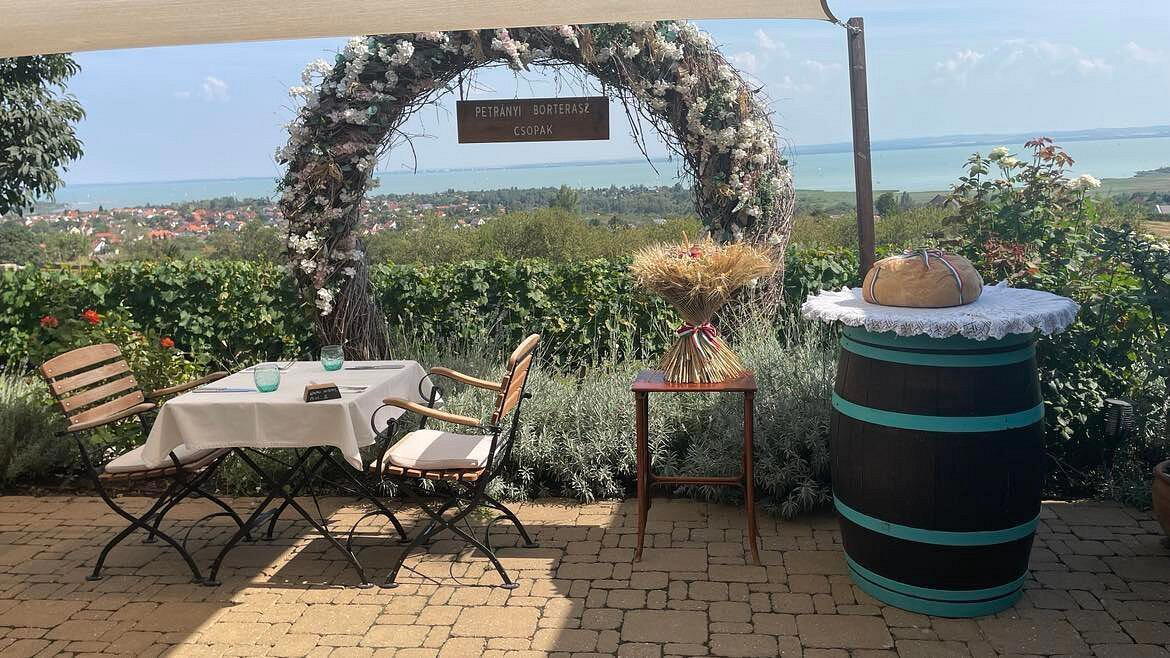
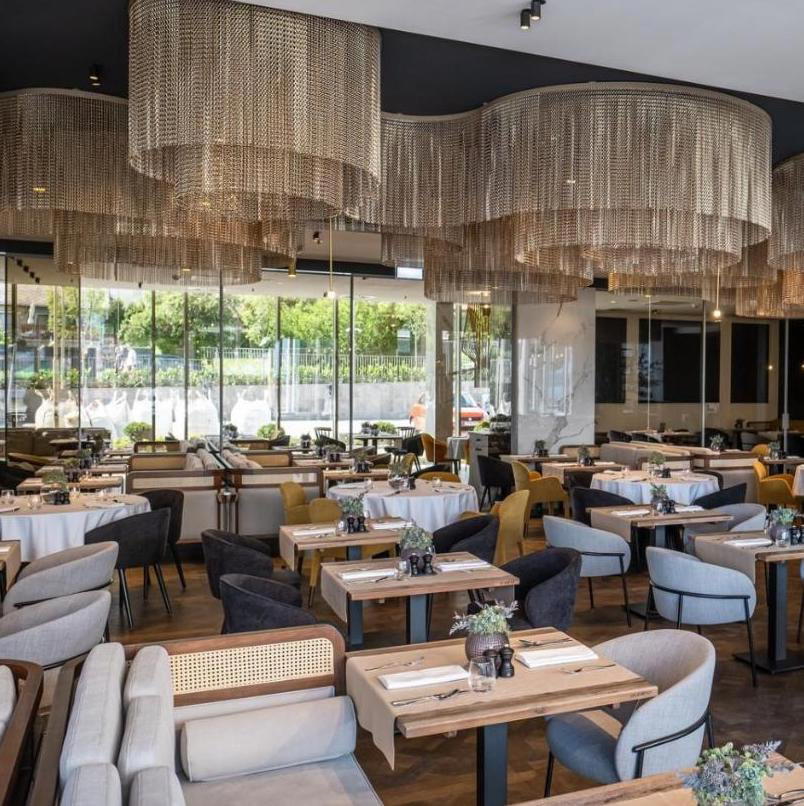
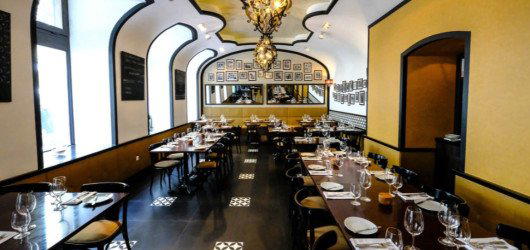
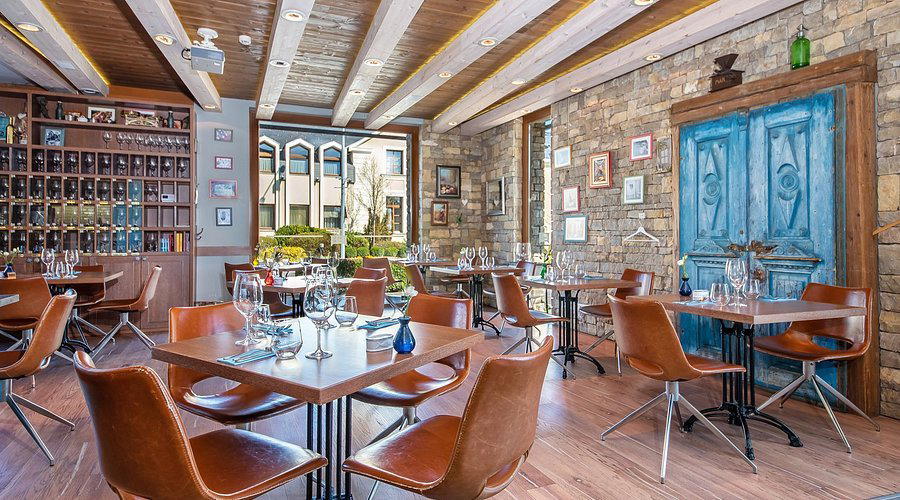
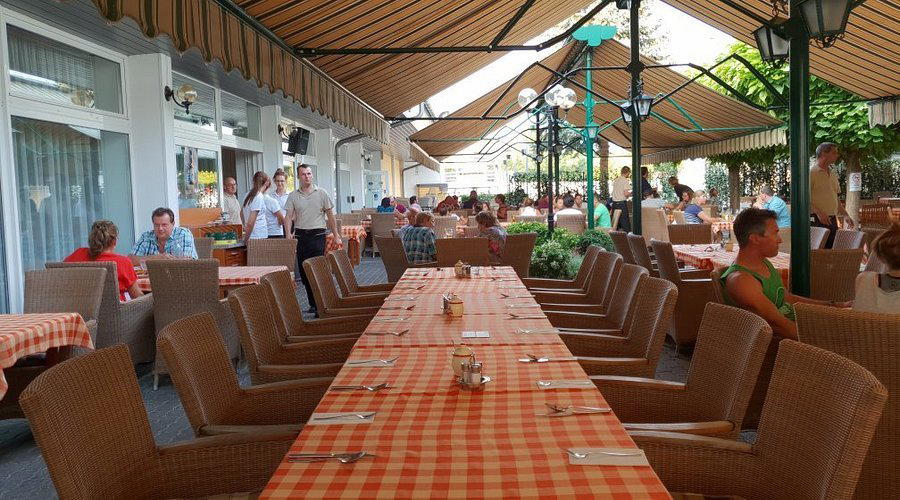
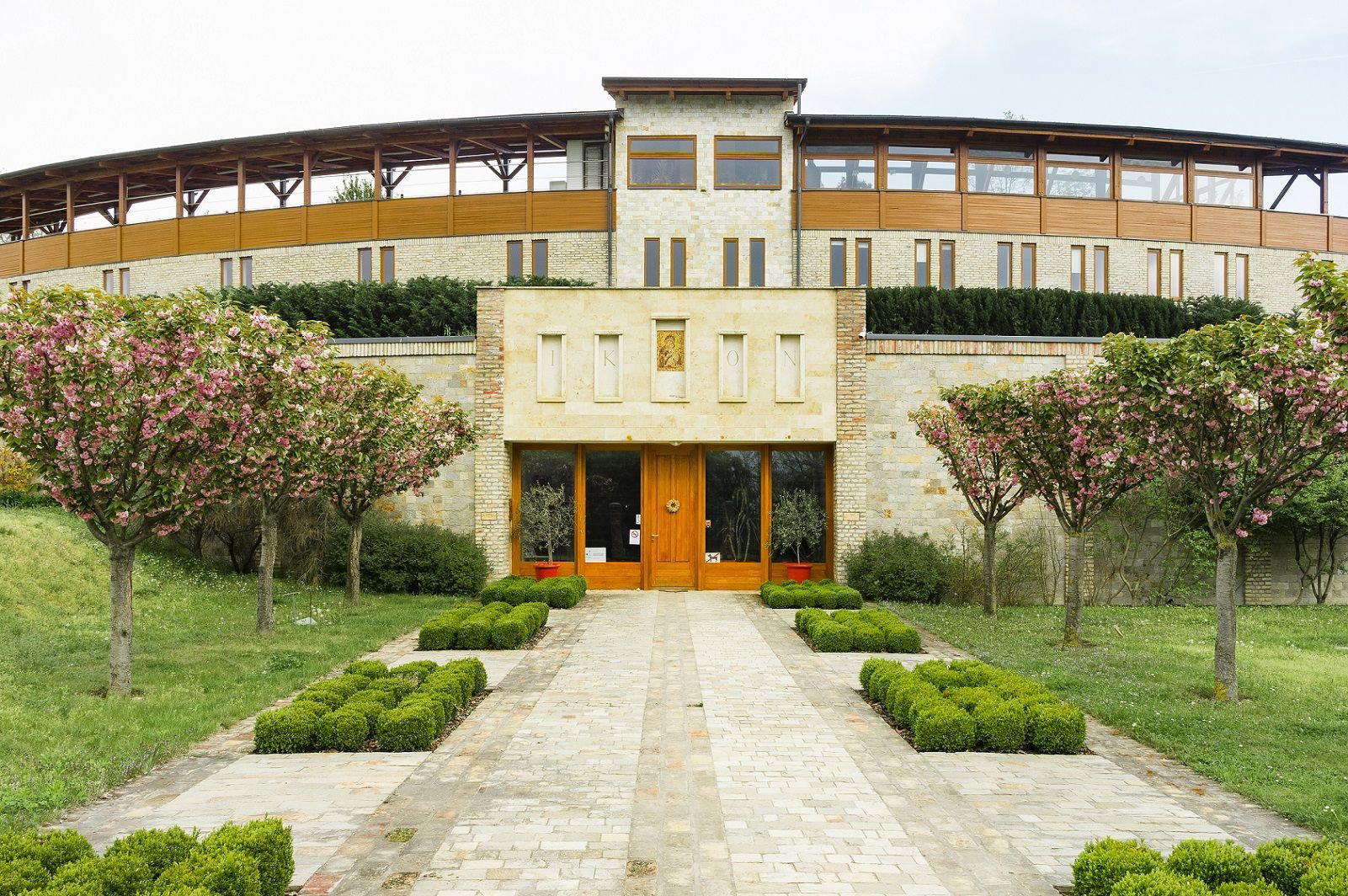
Beautiful yet relaxed environment with terrace seating offering panoramic lake views, combining professional hospitality with a laid-back winery atmosphere.