Modern Hungarian cuisine, exceptional ingredients, unique desserts
 Discover on Pearl
Pearl is the En Primeur Club membership app — saves, bookings, and concierge access live there. Same editors, same standards.
- Address
- Budapest, Nádor u. 5, 1051 Hungary
- Phone
- +36 30 430 9810
- Website
- hildapest.hu
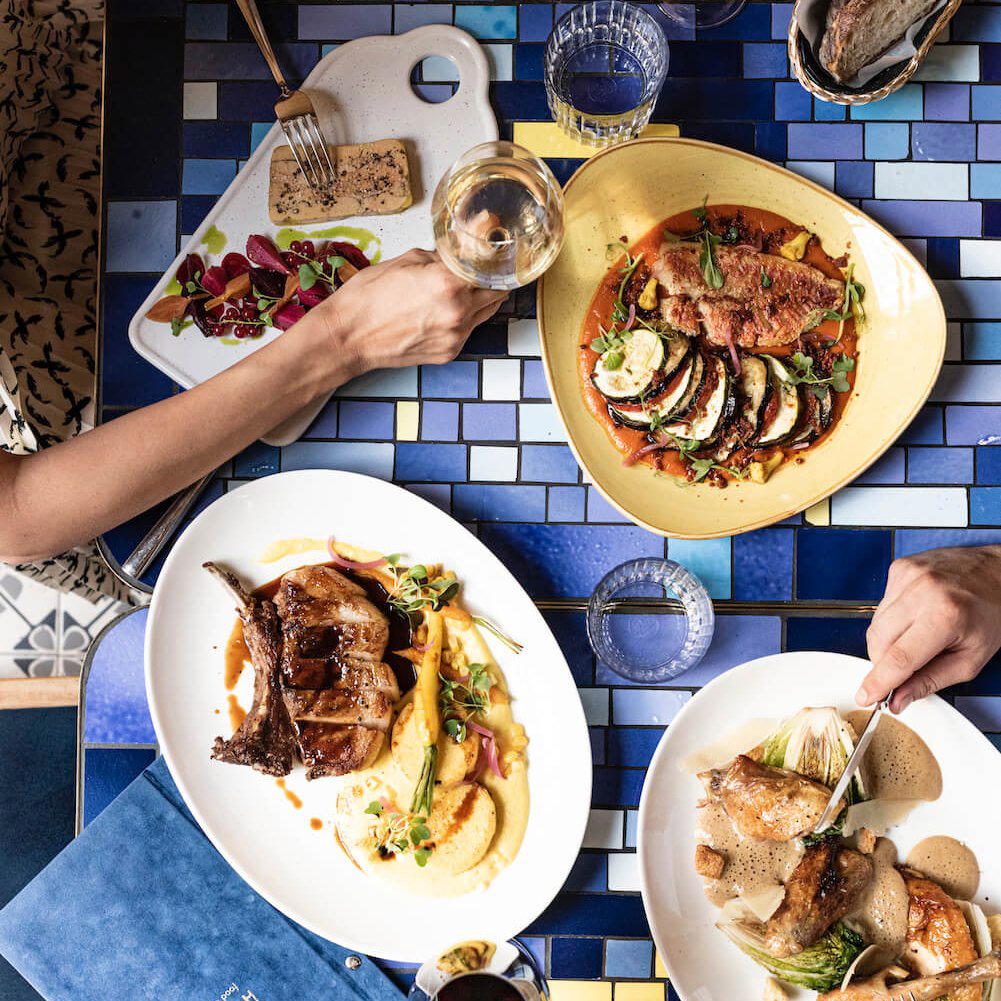
Nádor Street and the Quiet End of Budapest Fine Dining
Nádor utca 5 sits in the fifth district, Budapest's administrative and financial core, where Baroque facades and nineteenth-century banking halls create a street-level atmosphere that feels more Central European capital than tourist corridor. The blocks between the Danube embankment and Szabadság tér carry a particular quality of civic seriousness: wide pavements, institutional stonework, the occasional foreign embassy. It is the kind of address that attracts a certain kind of restaurant, one that does not need a view of the Chain Bridge to make its case. HILDA Budapest occupies this setting, and the neighbourhood context matters, because Budapest's fine-dining tier has consistently gravitated toward the fifth and seventh districts, where the client base skews toward professionals, diplomats, and well-travelled visitors rather than the river-terrace crowd.
Where HILDA Sits in Budapest's Fine-Dining Structure
Budapest's restaurant scene has developed in distinct layers over the past decade. At the leading end, a cluster of Michelin-starred addresses, including Costes and Stand, set the benchmark for what tasting-menu dining in the Hungarian capital can achieve. Below them, a second tier of serious, wine-forward restaurants, represented by places like Borkonyha Winekitchen, has built loyal followings on the strength of sourcing and cellar depth rather than theatrical presentation. HILDA operates within this broader framework, in a city where the gap between European fine-dining expectations and local culinary ambition has narrowed sharply over the past decade.
In that context, HILDA sits on Nádor utca in a part of the fifth district that functions as a quiet counterweight to the more photographed stretches of central Pest, attracting the kind of diner who books ahead and arrives with intent.
The Cultural Register: Hungarian Cuisine and Its Current Moment
Hungarian cooking occupies an interesting position in European gastronomy. It draws on centuries of Carpathian Basin agriculture, Ottoman-era spice trade, and Austro-Hungarian court cooking, producing a culinary tradition that is simultaneously landlocked, intensely seasonal, and underrepresented in the international conversation. The paprika-led canon, the goose liver preparations, the cold-weather braises built around mangalica pork, these are not minor regional variations but deeply embedded food cultures with their own internal logic. What Budapest's leading restaurants have done in recent years is resist the temptation to strip those roots out entirely in favour of a generic modern-European idiom, and instead find ways to work within and through local tradition.
This is the interpretive challenge that separates interesting Budapest restaurants from merely competent ones. Babel and essência both operate in this territory, translating Hungarian ingredient culture into formats that read fluently to international guests without evacuating the specificity that makes the cooking worth the journey. Beyond the capital, that same current runs through regional addresses: Platán Gourmet in Tata, Pajta in Őriszentpéter, and Hosszú Tányér in Hosszúhetény each represent a different model of how Hungarian food culture translates into serious restaurant formats outside the capital.
The wine dimension matters here, too. Hungary's Tokaj region has long commanded international attention, but the past fifteen years have seen Eger, Villány, and the Balaton-side appellations develop a serious restaurant-wine culture. Addresses like Sauska 48 in Villány, Petrányi Csopak in Csopak, and Kővirág in Köveskál anchor dining to specific terroir in ways that Budapest restaurants can reference but not replicate. The broader Hungarian restaurant scene, from Old Kőrössy Fish Restaurant in Szegedin to Teyföl in Szentendre and Öreg Prés in Mór, is a distributed ecosystem rather than a capital-centric pyramid, and Budapest's better restaurants understand that positioning.
The Fifth District as a Dining Address
Nádor utca is part of a cluster of streets between the Parliament building and Vörösmarty tér where serious restaurants have found natural footing. The area's lunch trade is anchored by office professionals and civil servants; evenings draw a mix of cultural figures, business visitors, and the kind of local who treats dinner as a deliberate activity rather than a convenience. This is not the ruin-bar district, and it is not the tourist-facing stretch of the Váci corridor. The fifth district rewards restaurants that offer something substantive enough to justify the journey on its own terms, without relying on ambient spectacle.
Internationally, Budapest's fine-dining tier now competes in a broader conversation. Visitors who have eaten at Le Bernardin in New York City or Lazy Bear in San Francisco arrive with calibrated expectations, and the city's leading addresses have responded accordingly. The gap in technical execution and sourcing quality between the Hungarian capital's leading restaurants and their Western European peers has narrowed considerably, even if price points remain more accessible. Botanica in Dánszentmiklós represents one model of how Hungarian cooking can reach an international register on its own terms, using local botanical sourcing rather than imported frameworks.
Planning a Visit
HILDA Budapest is located at Nádor utca 5, Budapest 1051, within the fifth district and within walking distance of both Deák Ferenc tér and the Danube embankment. The address is reachable by metro, tram, or on foot from most central Pest hotels. Given the calibre of the neighbourhood and the type of dining Budapest's fifth-district restaurants typically represent, booking ahead is advisable, particularly for Friday and Saturday evenings.
For visitors building a broader Budapest itinerary, the fifth district pairs well with Vörösmarty tér for pre-dinner drinks and the Chain Bridge embankment for an after-dinner walk. Those planning a multi-day eating trip through Hungary will find that HILDA fits naturally as the capital anchor in an itinerary that extends to the wine country addresses above.
Price and Positioning
Comparable venues nearby, for context on price, style, and recognition.
| Venue | Cuisine | Price | Awards |
|---|---|---|---|
| HILDA BudapestThis venue — the venue you are viewing | Varhegy, Modern Hungarian Bistro | $$ | , |
| Gettó Gulyás | Belvaros, Authentic Hungarian Stews | $$ | , |
| Retro Lángos Budapest | Varhegy, Hungarian Lángos Street Food | $ | , |
| Búsuló Juhász | Gellerthegy, Hungarian Bourgeois Cuisine | $$$ | , |
| Múzeum Étterem | Belvaros, Traditional Hungarian | $$ | , |
| Jardinette | Martonhegy, Traditional Hungarian | $$ | , |
Continue exploring
More in Budapest
Restaurants in Budapest
Browse all →
Bars in Budapest
Browse all →
Hotels in Budapest
Browse all →
At a Glance
- Bohemian
- Elegant
- Cozy
- Trendy
- Date Night
- Special Occasion
- Historic Building
- Farm To Table
- Local Sourcing
- Organic
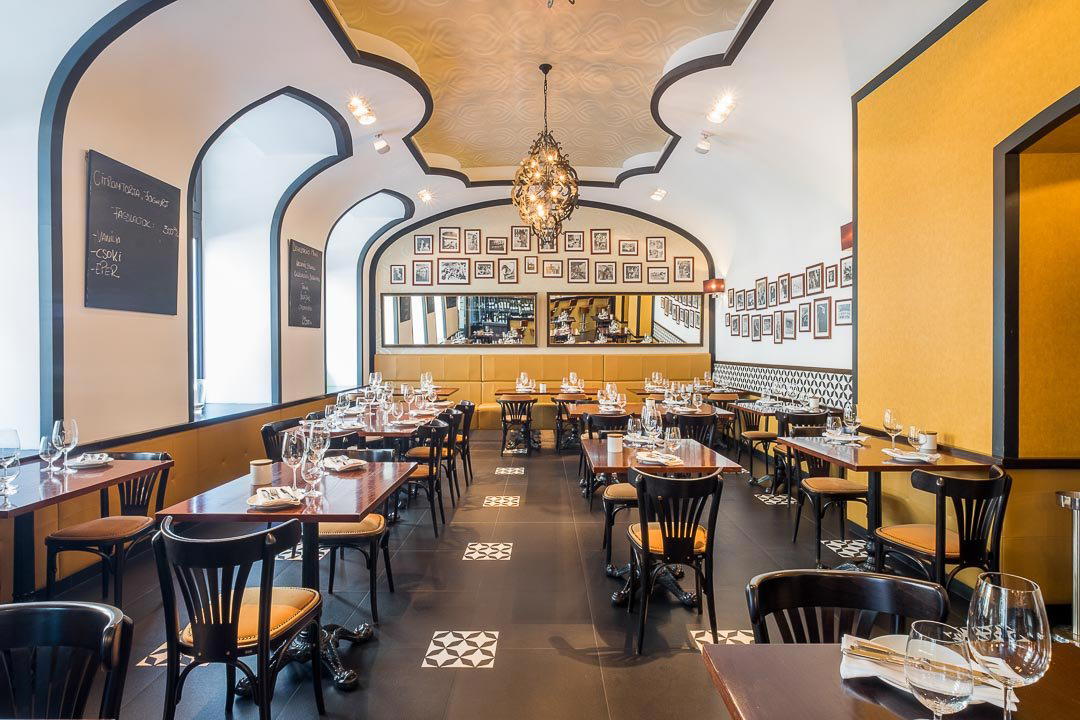
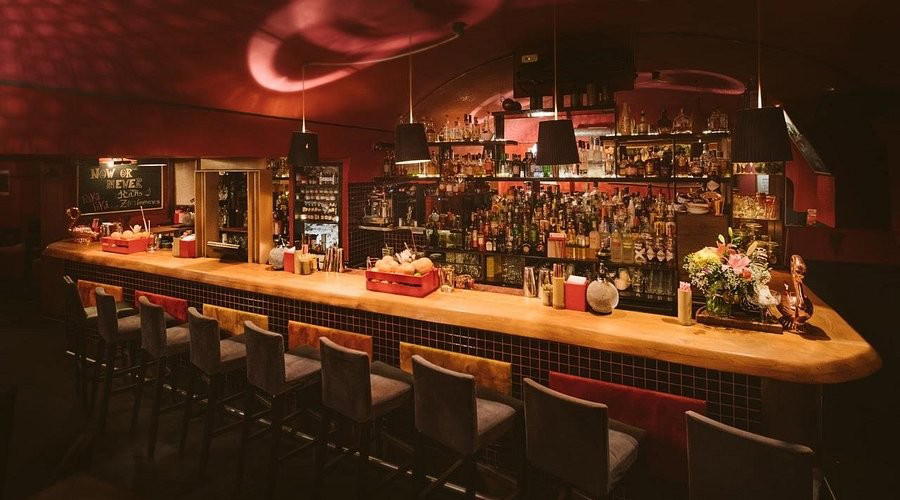
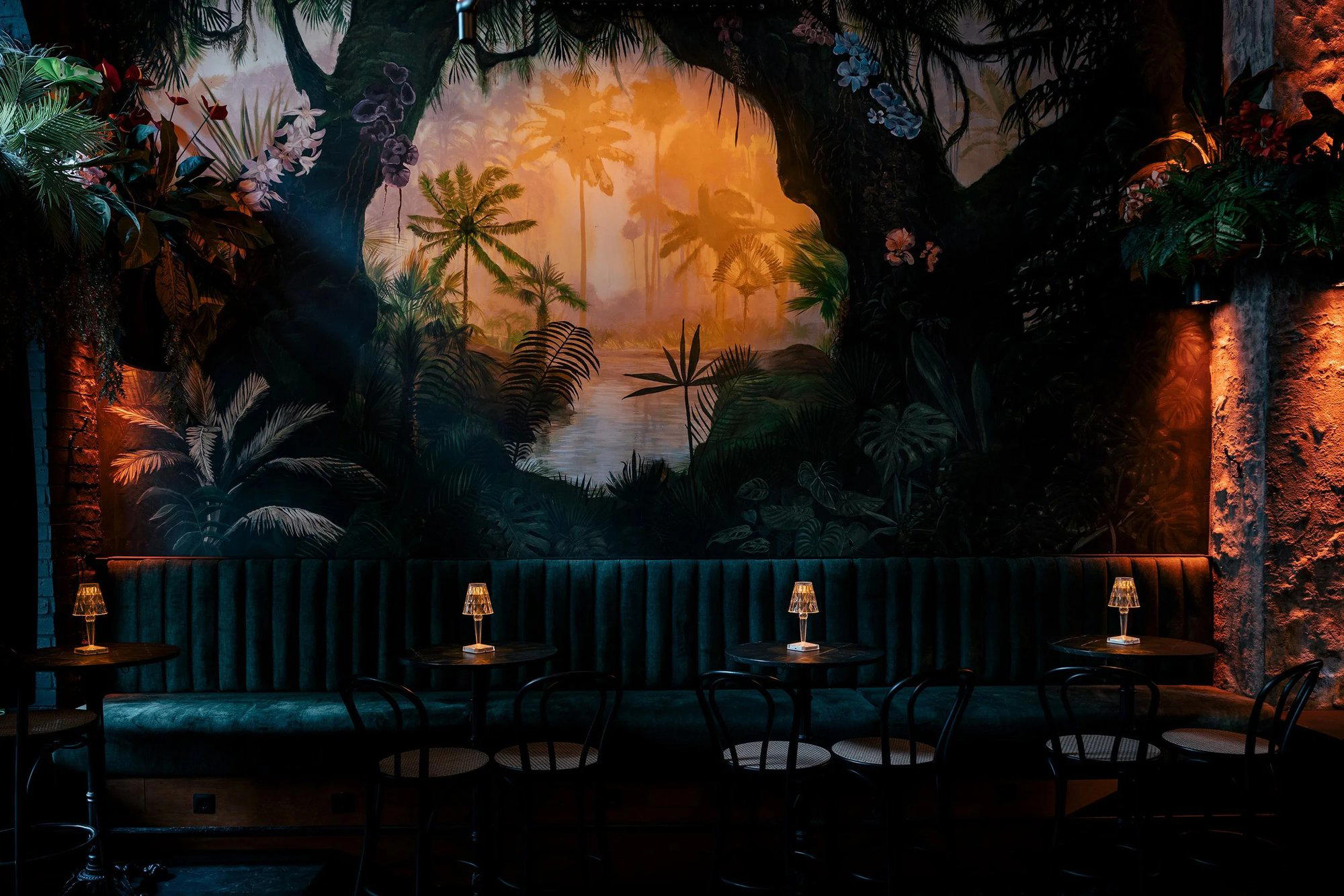
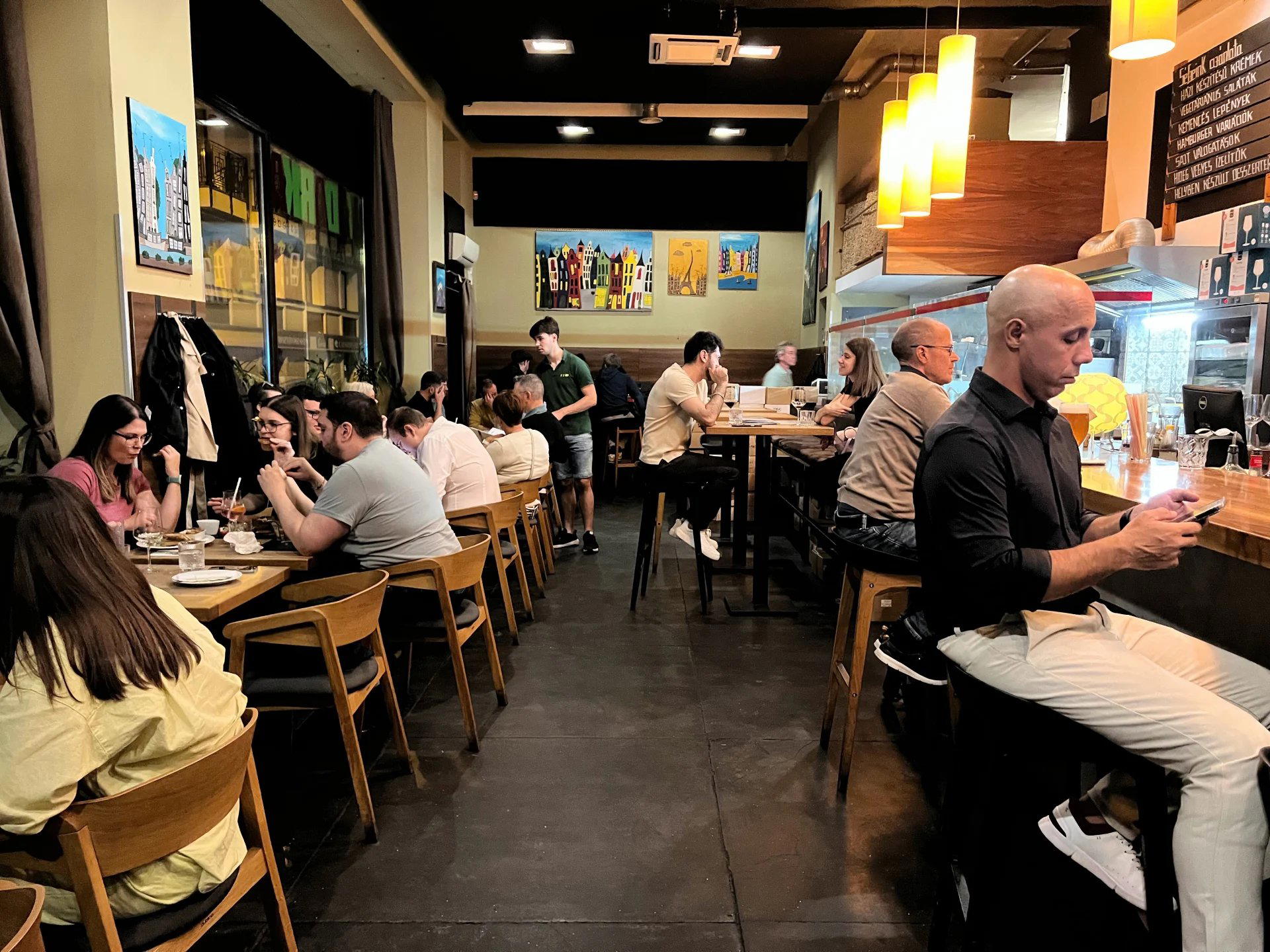
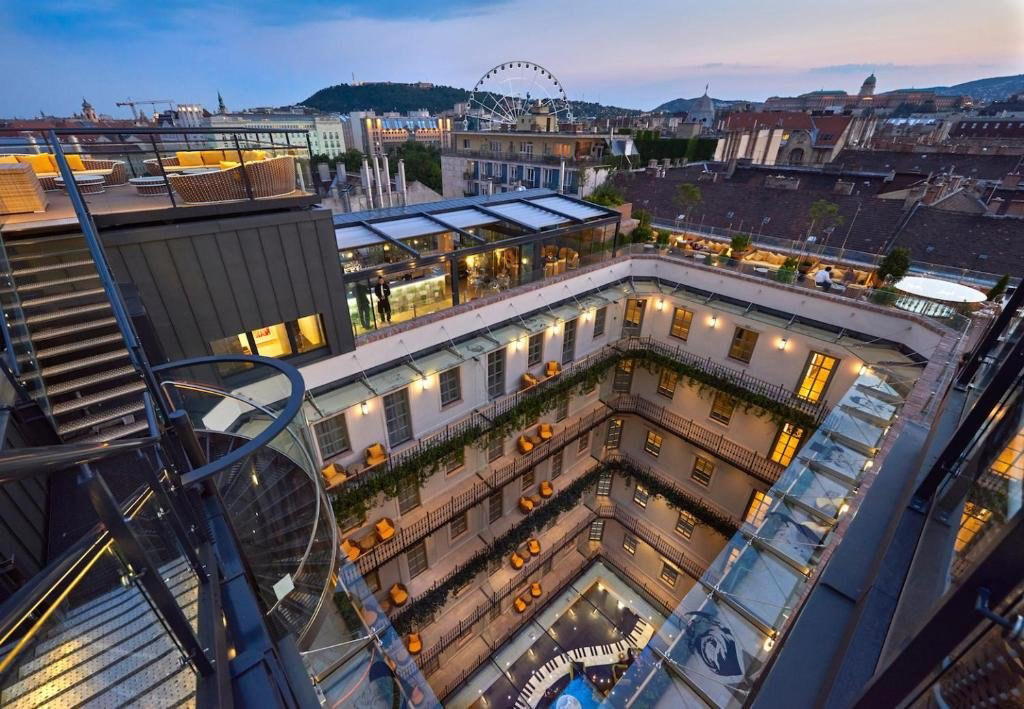
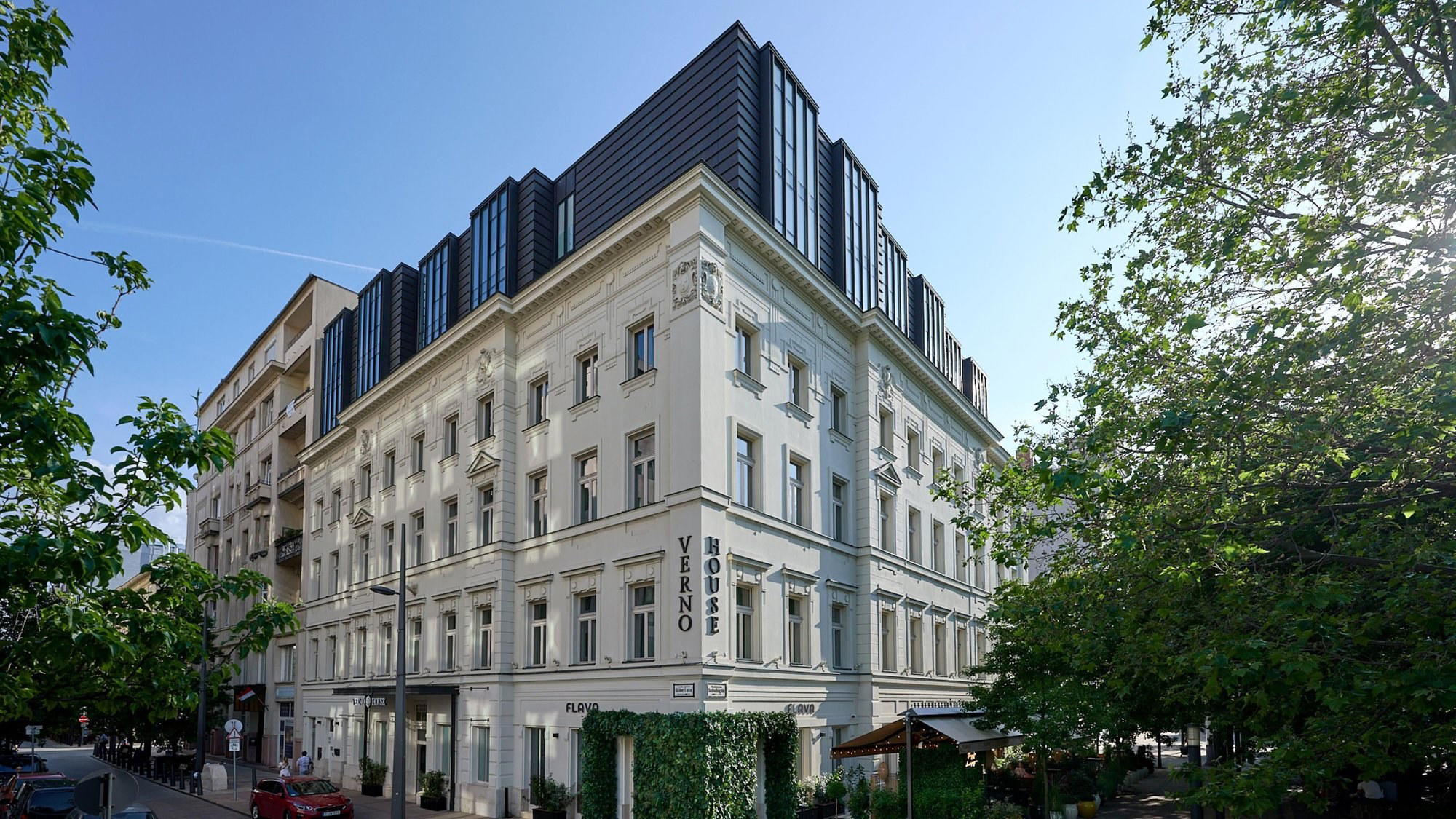
Elegant Art Deco interiors blending bohemian chic with historic charm, offering a tranquil island in the bustling city.