
Sintesi earned its Michelin star in 2024 by threading Castelli Romani tradition through Nordic preservation methods and East Asian technique. The menu moves between risotto with raw langoustines and veal sweetbreads finished with wild strawberries from nearby Nemi, while a seasonally evolving wine list and house-made kombucha pairings reflect the same discipline applied to drink. Ariccia's most considered contemporary table.
Pearl is the En Primeur Club membership app — saves, bookings, and concierge access live there. Same editors, same standards.
- Address
- Viale dei Castani, 17, 00072 Ariccia RM, Italy
- Phone
- +39 06 4555 7597
- Website
- ristorantesintesi.it
- Directions
- Get directions
 Saves & bookings on Pearl
Where the Castelli Romani Meets the Contemporary Kitchen
The hill towns south of Rome have always produced food shaped by their geography: volcanic-soil vegetables, forested game, slow-braised pork, and the wines of Frascati and Marino. What they have rarely produced, until recently, is the kind of technically rigorous contemporary cooking associated with Italy's northern restaurant belt. Sintesi, in Ariccia, represents a meaningful exception. The restaurant holds a 2024 Michelin star and sits at the intersection of a recognisable local ingredient tradition and a much wider set of culinary references, including fermentation practices borrowed from Northern Europe and precision techniques that carry traces of East Asian cooking philosophy. In a town best known to Romans as the home of porchetta, that combination is neither obvious nor inevitable.
Ariccia sits about 25 kilometres south-east of Rome in the Colli Albani, a landscape defined by the crater lakes of Nemi and Albano, dense chestnut woods, and agriculture that has fed the capital for centuries. The surrounding area is one of Lazio's most productive zones for wild herbs, small fruits, and seasonal produce. Sintesi's address on Viale dei Castani places it within this context, though the cooking that emerges from the kitchen draws on the local pantry as raw material for something considerably more considered than the region's trattoria tradition would suggest. For more of what the area offers across dining, drinking, and lodging, see our full Ariccia restaurants guide, our full Ariccia hotels guide, our full Ariccia bars guide, our full Ariccia wineries guide, and our full Ariccia experiences guide.
The Ingredient Logic: What the Territory Provides
Italy's most praised contemporary restaurants tend to frame sourcing as identity. At Osteria Francescana in Modena, the territory is the argument. At Piazza Duomo in Alba, the Langhe functions as both pantry and conceptual anchor. Sintesi operates on a version of that logic, but the geography here is less celebrated and therefore more interesting as editorial material. The Colli Albani's wild strawberries from Nemi are a case in point: small, intensely fragrant, and entirely local, they appear alongside grilled veal sweetbreads and herbs in a dish that pairs the delicacy of offal cookery with the acidity and perfume of a fruit most restaurants in this tier would never think to use at all.
That sourcing instinct extends to preservation. Nordic fermentation and fish-aging methods have migrated into several serious Italian kitchens over the past decade, partly through cross-training and partly through the influence of the New Nordic template on how European chefs think about extending season and concentrating flavour. At Sintesi, these techniques are not deployed as ornament. They function as a bridge between what the Castelli Romani produces and a cooking vocabulary that allows those ingredients to be expressed with greater precision and range. The result is a menu that reads as local but operates at a technical level closer to what you would find at Reale in Castel di Sangro or Uliassi in Senigallia, Italian restaurants outside the major cities that have built serious reputations on regional product pushed through an ambitious technical frame.
The Menu: Two Paths, One Kitchen
Sintesi offers both à la carte and tasting menu formats. That dual structure is itself a signal: it positions the restaurant as accessible without abandoning the ambition that tasting menus imply. The menu moves across registers, with dishes like risotto with peas, lemon, and raw langoustines occupying the classical-contemporary space that Italian fine dining has refined for decades, and dishes like the sweetbread-with-wild-strawberry preparation marking a more distinctly personal and place-specific direction.
The langoustine risotto illustrates the kitchen's approach to the familiar. Risotto is among the more technique-sensitive formats in Italian cooking, and serving the langoustines raw demands both quality sourcing and sufficient confidence in the balance of temperature and texture to let the shellfish do its work without heat. The dish is classical in its architecture but depends entirely on ingredient quality at the point of purchase. That dependency is the argument the kitchen keeps making: the method matters less than what it is applied to.
Eastern technique also enters the kitchen's vocabulary. Marinades, specific fish-aging protocols, and the application of fermentation as flavour architecture rather than mere preservation are all referenced in how the restaurant describes its cooking. These are not elements that most diners in Ariccia would encounter elsewhere in the town. They are also not elements that fit comfortably within the Lazio trattoria tradition. Their presence at Sintesi is part of what makes the 2024 Michelin recognition legible: the star is awarded partly for what is on the plate and partly for the discipline and conceptual coherence with which a kitchen operates. On both counts, the evidence from the menu is sufficient to explain the outcome.
The Drink List as a Seasonal Document
The wine list at Sintesi changes with the seasons and adapts to menu revisions, which is a more demanding curatorial practice than it might appear. Static wine lists are considerably easier to manage. A list that evolves in parallel with the kitchen requires a buyer willing to constantly reassess pairings, commit to shorter runs of particular bottles, and accept the sourcing complexity that comes with frequent change. The approach signals a kitchen-led operation in which the beverage program is treated as an extension of the food rather than a parallel, independently managed offering.
The non-alcoholic pairing option is worth noting separately. House-made juices and kombucha as structured alternatives to wine are now present in a small but growing number of serious Italian restaurants. Their inclusion at Sintesi reflects a broader shift in how Michelin-level kitchens address the non-drinking guest, moving away from a default of mineral water or commercial juice toward fermented and crafted beverages that can carry the same pairing conversation that wine does. The kombucha is made in-house, which brings it back to the fermentation logic that runs through the kitchen's approach to food preparation. The drink program and the kitchen are, in that sense, operating from the same conceptual position.
Sintesi in the Context of Italian Contemporary Cooking
Italy's single-star tier is more competitive and geographically distributed than the two- and three-star tier, where a relatively small number of addresses hold most of the recognised prestige. Restaurants like Enoteca Pinchiorri in Florence, Enrico Bartolini in Milan, Dal Pescatore in Runate, Le Calandre in Rubano, and Atelier Moessmer Norbert Niederkofler in Brunico occupy the upper reaches of Italian fine dining and price accordingly, typically at €€€€. Sintesi's €€€ price positioning is meaningful: it places the restaurant in the bracket where a Michelin star functions as a signal of seriousness rather than a gateway to the country's most expensive menus.
That positioning also makes the Ariccia address more accessible for Rome-based diners willing to make the drive south for a serious meal. The comparison is not with Casa Perbellini 12 Apostoli in Verona or Quattro Passi in Marina del Cantone at the luxury end, but with the growing number of Italian kitchens that have earned Michelin recognition by working a specific territory with genuine technical command. Internationally, the contemporary format Sintesi operates within shares DNA with kitchens like Jungsik in Seoul and César in New York City, where the meeting of local product and cross-cultural technique defines the restaurant's identity.
For a kitchen operating at this level in a market town rather than a capital city, that kind of sustained rating carries more weight than it might in a higher-traffic urban context.
Planning Your Visit
Sintesi operates lunch service on Monday, Saturday, and Sunday from 12:30 to 15:00, and dinner Thursday through Monday from 19:30 to 23:00. The restaurant is closed Tuesday and Wednesday. Given its Michelin status, the €€€ price tier, and strong review scores, advance booking is advisable, particularly for weekend lunch and weekend dinner. Ariccia is reachable from Rome by car or by regional bus services from Anagnina on the Metro A line, which makes a same-day trip from the capital practical without requiring a hire car. The town's own tourist draw around the Palazzo Chigi and the porchetta market means weekend visitors are common, so arriving on a Thursday or Friday evening offers a quieter version of the same kitchen.
Frequently Asked Questions
- Is Sintesi suitable for children? At the €€€ price range in a Michelin-starred setting in Ariccia, Sintesi operates as a considered dining environment rather than a casual family trattoria. The tasting menu format and technical cooking suggest it is better suited to older children with a genuine interest in the meal than to young diners expecting a simpler experience. If children are part of the group, the à la carte option gives more flexibility than the tasting menu.
- What is the overall feel of Sintesi? Ariccia's restaurant culture runs largely toward the traditional, which makes Sintesi's position within the town distinctive rather than typical. The Michelin star, €€€ price point, and the restaurant's own framing around tradition and innovation place it as the town's serious contemporary option: formal enough for a significant occasion, grounded enough in local reference to avoid feeling transplanted from a capital-city context.
- What is worth ordering at Sintesi? Both the risotto with peas, lemon, and raw langoustines and the grilled veal sweetbreads with wild strawberries from Nemi and herbs represent the kitchen's range: the first demonstrates classical Italian precision applied to shellfish sourcing, the second shows the more distinctive local-ingredient and cross-technique direction that earned the 2024 Michelin star. The non-alcoholic pairing program is worth requesting if wine is not part of the plan.
Comparable Spots, Quickly
Comparable venues nearby, for context on price, style, and recognition.
| Venue | Cuisine | Price | Awards | Notes |
|---|---|---|---|---|
| SintesiThis venue — the venue you are viewing | Modern Italian Fine Dining | $$$ | Michelin 1 Star | Not listed |
| Moma | Modern Italian Fine Dining | $$$ | Michelin 1 Star | Trevi |
| Marco Bottega Ristorante | Modern Italian Fine Dining | $$$$ | Michelin 1 Star | Genazzano hills |
| Elementi | Modern Umbrian Fine Dining | $$$$ | Michelin 1 Star | Brufa |
| La Terrazza | Modern Italian Fine Dining | $$$ | Michelin 1 Star | Ludovisi |
| Il Papavero | Modern Italian Seafood | $$$ | Michelin 1 Star | historic centre |
Recognition history
Dated appearances from independent guides and award organizations, with the underlying list record or original source where available.
Michelin 1 Star
Michelin
Michelin 1 Star
Michelin
Michelin 1 Star
Michelin
Continue exploring
More in Ariccia
Restaurants in Ariccia
Browse all →
Bars in Ariccia
Browse all →
Hotels in Ariccia
Browse all →

At a Glance
- Intimate
- Elegant
- Cozy
- Sophisticated
- Date Night
- Special Occasion
- Celebration
- Open Kitchen
- Extensive Wine List
Current opening hours
- Monday
- 12:30–3 PM, 7:30–11 PM
- Tuesday
- Closed
- Wednesday
- Closed
- Thursday
- 7:30–11 PM
- Friday
- 7:30–11 PM
- Saturday
- 12:30–3 PM, 7:30–11 PM
- Sunday
- 12:30–3 PM, 7:30–11 PM
Hours can change for holidays and private events. Last verified .
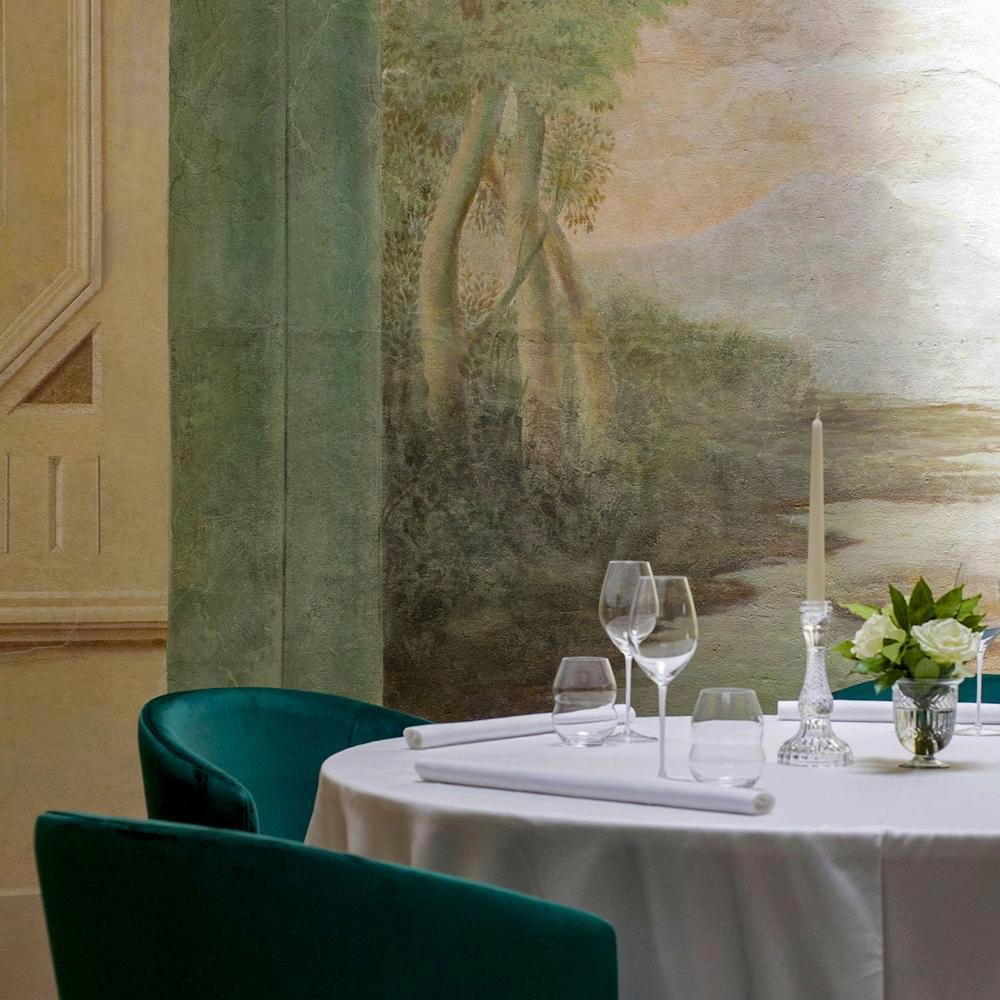
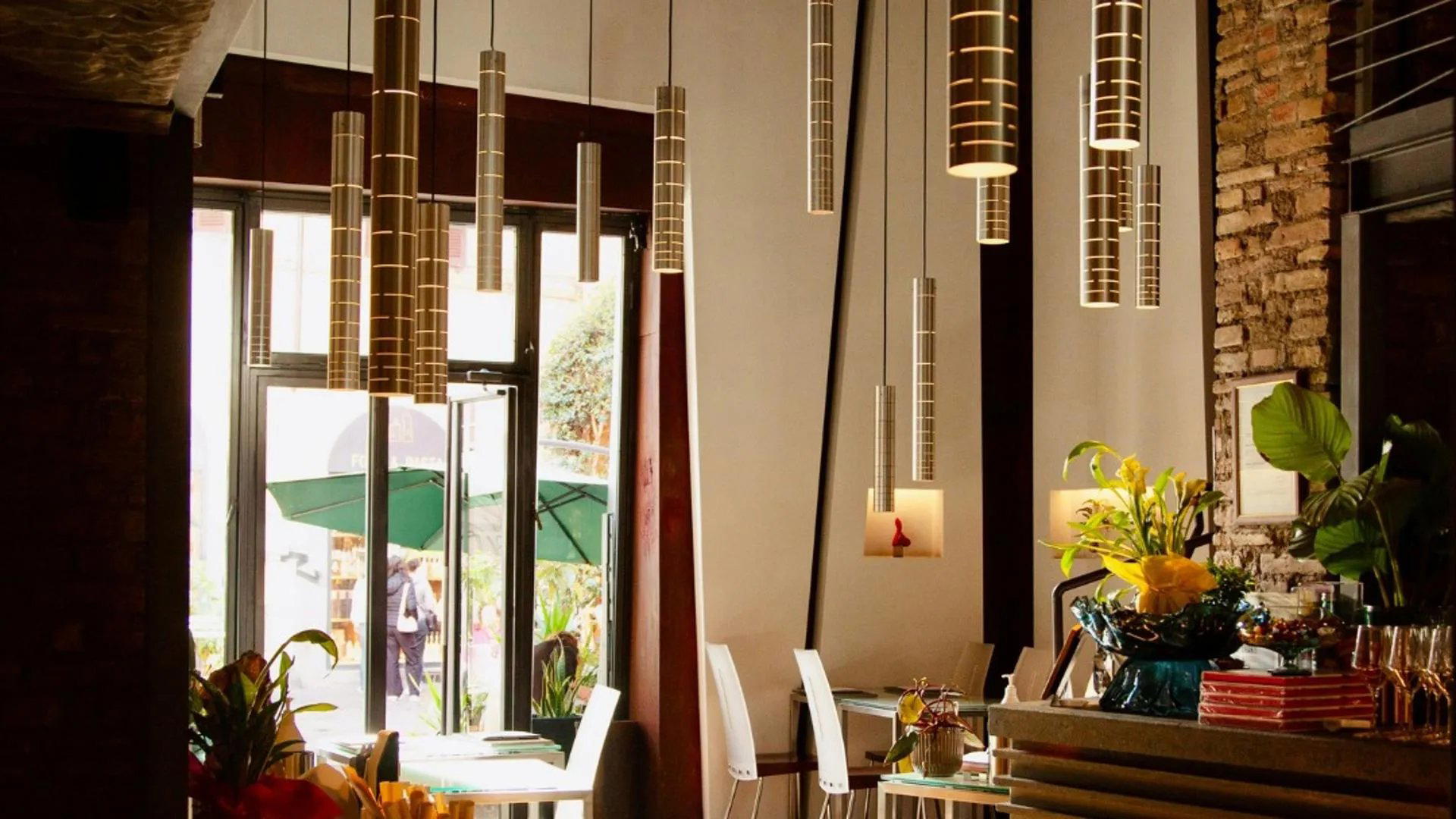
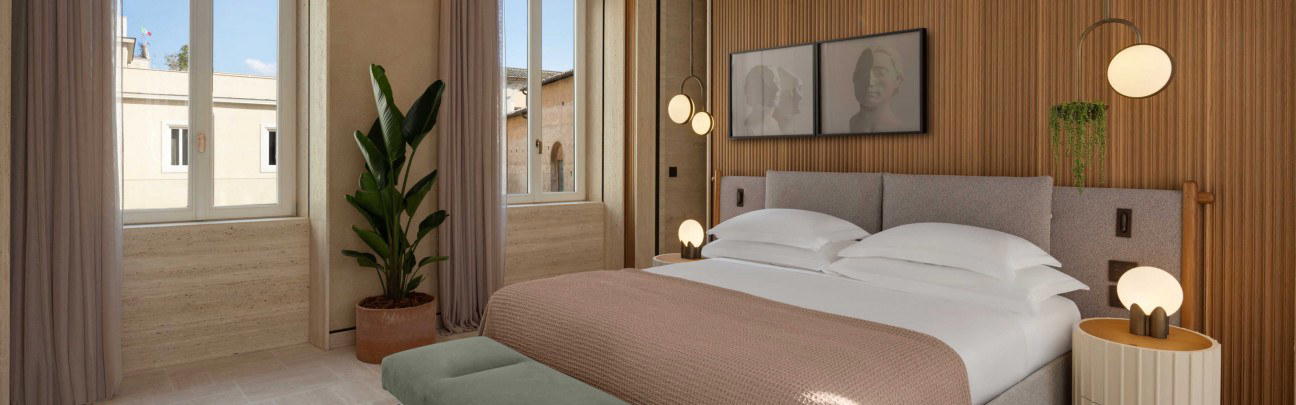
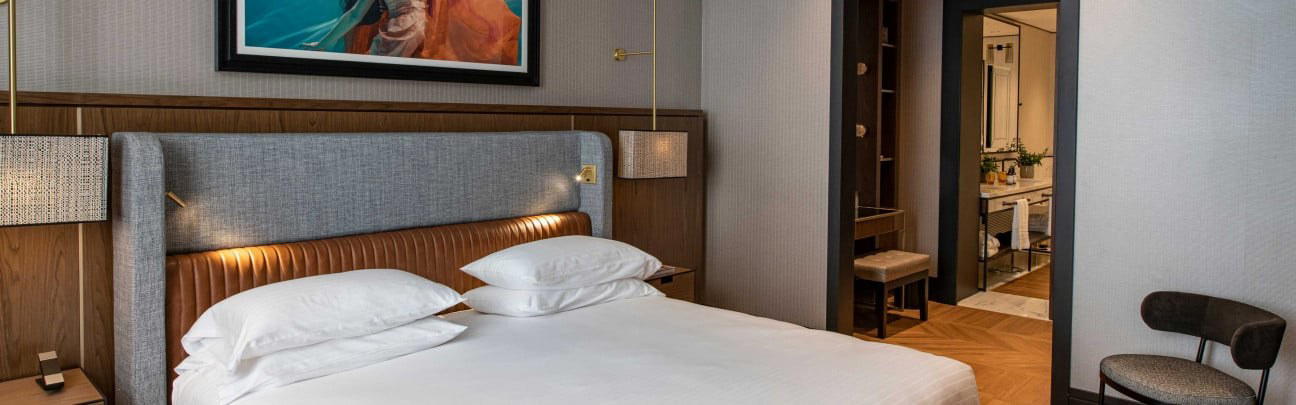
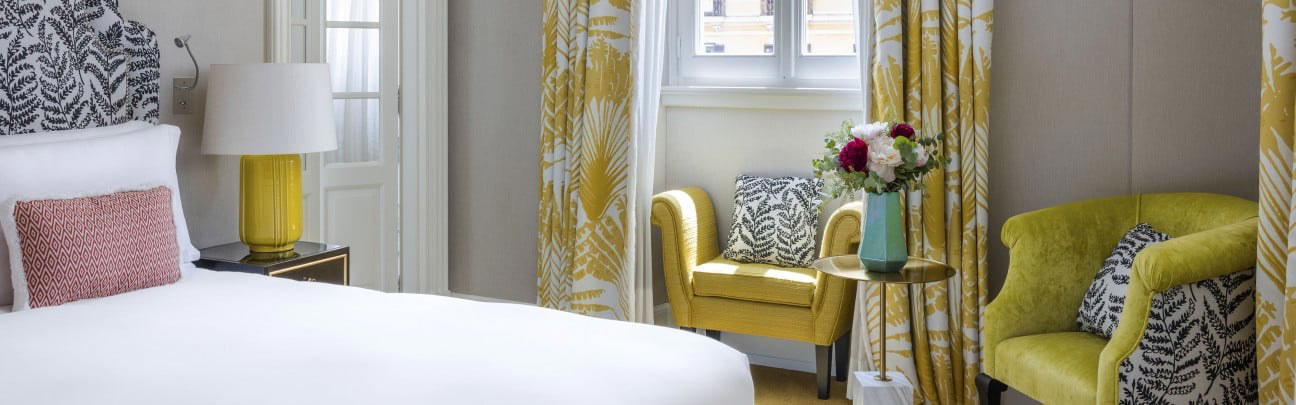
Cozy, elegant, and welcoming with soft lighting, simple yet refined decor including natural flower arches, wood tables, and a homely bar atmosphere.