
1 Michelin Star
Our verdict
Elementi earned its Michelin star in 2024 with a kitchen that roots itself firmly in Lazio's ingredient traditions while operating from the Umbrian hills of Brufa, near Torgiano. Chef Andrea Impero's contemporary Italian cooking runs Thursday through Sunday evenings, with Sunday lunch service added. At the €€€€ price tier, it sits alongside Italy's serious regional fine-dining addresses.

Pearl is the En Primeur Club membership app — saves, bookings, and concierge access live there. Same editors, same standards.
- Address
- Via del Colle, 38, 06089 Brufa PG, Italy
- Phone
- +39 075 988 3500
- Hours
- Mon–Wed ClosedThu–Sat 7:45 PM–12 AMSun 12:30–2:30 PM, 7:45 PM–12 AM
- Website
- elementifinedining.it
- Directions
- Get directions
- Booking
- Book on TheFork
The menu
What to order
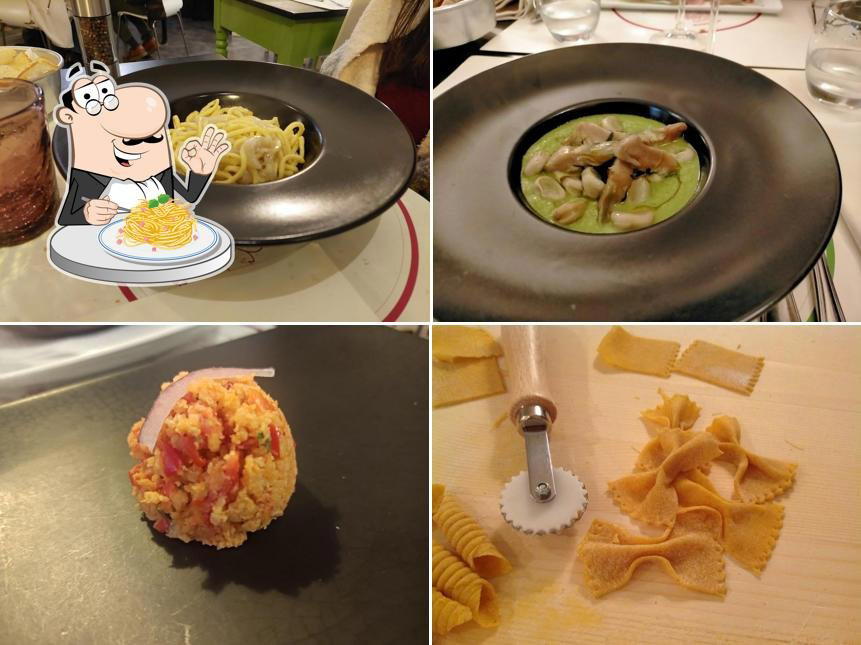
- Traveling Pigeon
- How Deep is the Sea
- Pasta and Onion
Between Two Regions: How Elementi Positions Itself in Central Italy's Fine-Dining Circuit
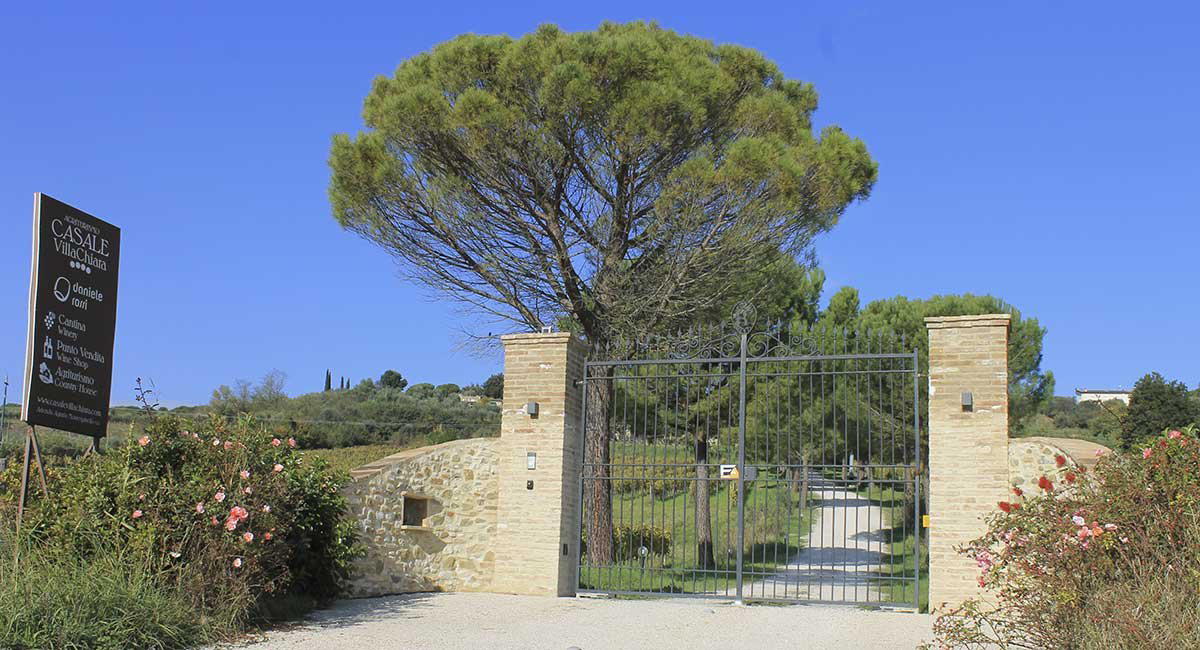
The road into Brufa, a hilltop fraction of Torgiano in the province of Perugia, doesn't announce itself with the kind of signage that fine-dining destinations usually warrant. That deliberate quietness is part of what defines a particular tier of Italian contemporary cooking: restaurants that operate in the agricultural zones between Umbria and Lazio, drawing on the produce of both regions, and asking diners to make a genuine effort to arrive. The approach has precedent elsewhere in the Italian interior — Reale in Castel di Sangro built its reputation on exactly this kind of geographic remove — and it shapes what you expect before you've sat down.
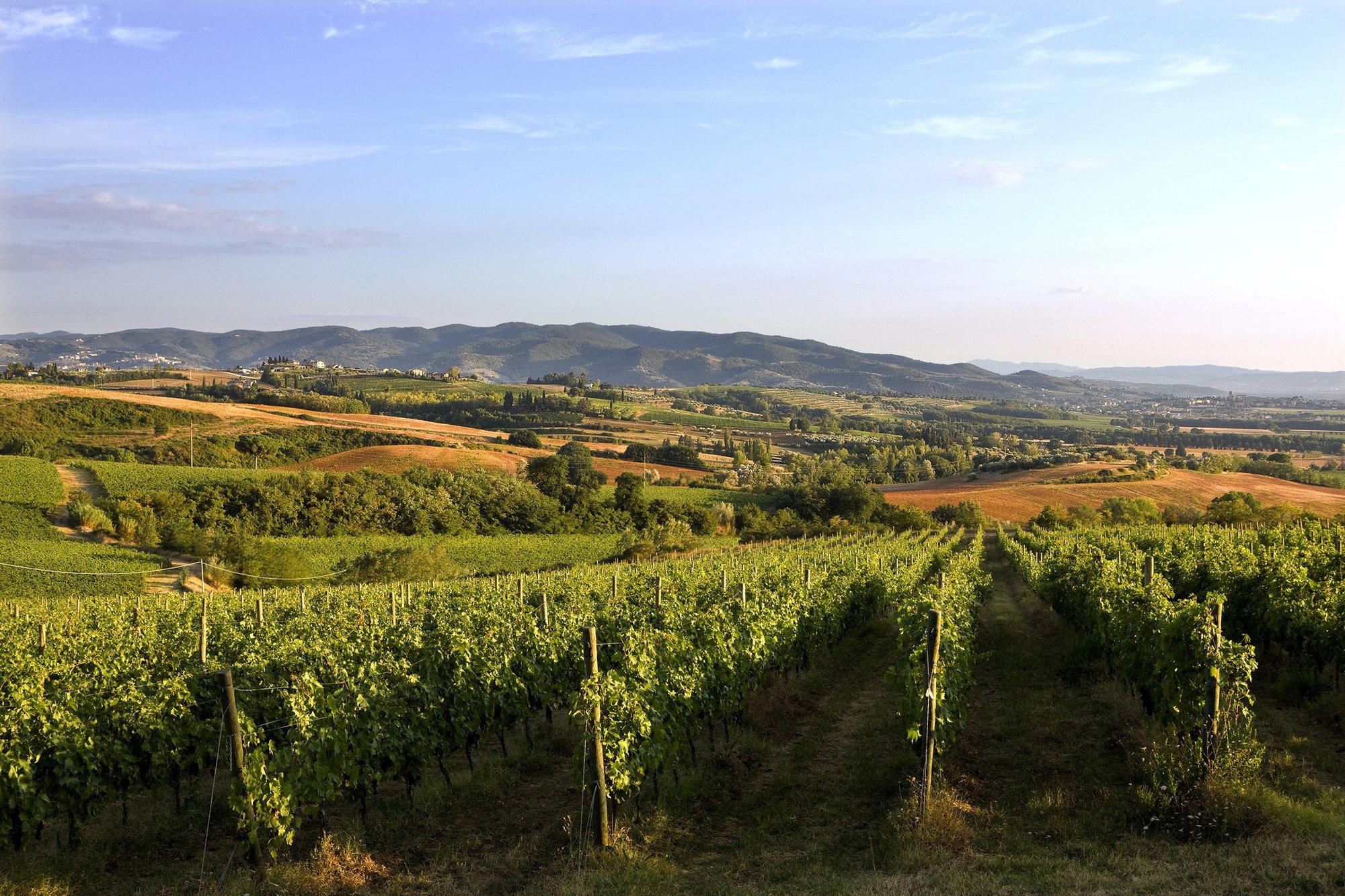
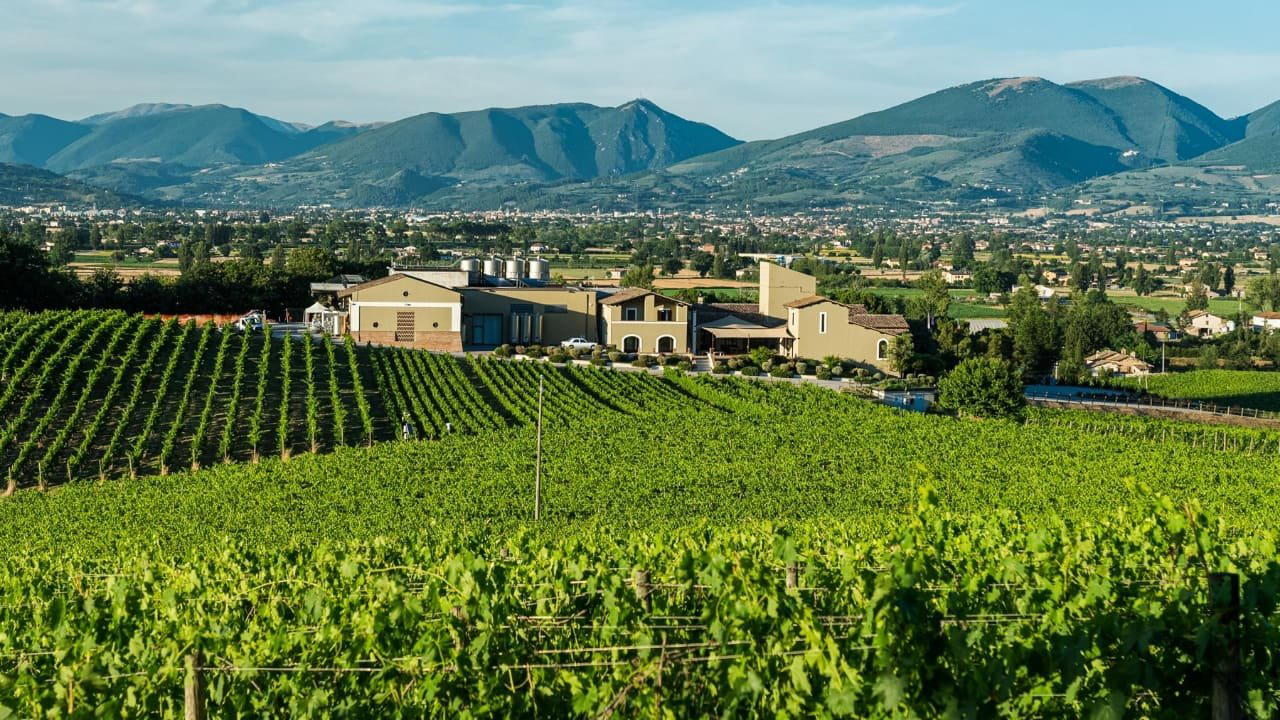
At Elementi, the address at Via del Colle, 38 places the restaurant on a gentle ridge above the Tiber valley, with the range of northern Lazio beginning just a short distance south. That geographic straddling is not incidental. The kitchen under Chef Andrea Impero draws its identity from Lazio's ingredient traditions, the cured meats, the offal-forward culinary heritage, the legumes, the sharp seasonal clarity that Roman cooking has always prized, while operating inside Umbria's quieter, more contemplative pace. The result is a contemporary Italian kitchen that reads as neither purely Roman nor purely Umbrian, but uses the tension between those traditions as its working material.
What a 2024 Michelin Star Signals in This Context
The Michelin recognition arrived in 2024, placing Elementi in a cohort of Italian one-star addresses that have emerged in provincial settings over the past several years. That cohort includes restaurants like Uliassi in Senigallia and Quattro Passi in Marina del Cantone, each of which built sustained recognition outside a major metropolitan center. In the Italian context, a star awarded to a rural or semi-rural address carries a particular weight: the guide is explicitly endorsing the idea that a destination is worth the journey, not merely convenient for existing foot traffic.
For reference on where the broader tier sits, the three-star Italian contemporary addresses, Dal Pescatore in Runate, Enoteca Pinchiorri in Florence, Enrico Bartolini in Milan, all operate with decades of accumulated reputation and national visibility. Elementi's 2024 star positions it in an earlier, more open phase of its recognition arc, which is often where the most interesting dining experiences sit. The format hasn't calcified into ritual. The kitchen is still making its case.
That pattern fits the address and the price tier.
The Kitchen's Relationship with Lazio's Ingredient Traditions
Central Italian contemporary cooking has developed along two reasonably distinct lines over the past two decades. One line runs through Rome's increasingly experimental restaurant scene, where kitchens have pushed at the edges of the capital's conservative ingredient canon, attacking guanciale, cacio, pecorino, and offal from new technical angles. The other line, less visible internationally, runs through the agricultural zones of Lazio and Umbria, where chefs work more directly with producers and let seasonal availability drive the menu's shape.
Elementi's framing belongs to the second line. The name itself references elements, people, ingredients, ideas, rather than technique or chef identity, which is a meaningful editorial choice about where the kitchen locates its authority. Lazio's ingredient vocabulary is genuinely strong: the region produces some of Italy's sharpest cured pork products, its legume culture predates Roman civilization, and the produce from the volcanic soils around the Alban Hills and the Tiber valley carries a mineral intensity that translates directly onto the plate. A kitchen that respects that vocabulary rather than overwriting it is making a specific argument about what contemporary Italian fine dining should do.
For comparison, the northern Italian fine-dining circuit tends toward more elaborate technical architecture. Piazza Duomo in Alba, Le Calandre in Rubano, and Osteria Francescana in Modena all work from rich regional ingredient bases but apply significant conceptual and technical mediation. Central Italian contemporary cooking, at its most honest, keeps that mediation closer to the ingredient rather than the concept.
Service and Format
The Michelin description of Elementi's service as attentive and friendly rather than formal is a useful signal. Italian fine dining has two service registers that rarely overlap: the white-glove ceremonial model associated with older establishments like Enoteca Pinchiorri, and a warmer, more direct style that has become dominant in the generation of starred restaurants that opened after 2010. Elementi operates in the second register, which tends to suit the central Italian temperament and, practically, tends to make long tasting menus easier to sit through.
The evening format runs from 7:45 PM to midnight on Thursday, Friday, and Saturday. Sunday adds a lunch service from 12:30 PM to 2:30 PM, then reopens for dinner. Monday and Tuesday are closed entirely, and Wednesday is also a rest day. That schedule, four service windows across five days, is consistent with a kitchen running tasting menus or extended à la carte formats where prep time is significant. The late closing time suggests the kitchen isn't rushing tables. For visitors coming from outside the region, the Sunday lunch slot is the most logistically useful: it allows for a same-day arrival from Rome or Florence without the pressure of an evening driving window in unfamiliar roads after midnight.
Placing Elementi in the Wider Italian Contemporary Map
Italy's contemporary fine-dining geography has a well-documented northern bias in international coverage. The three-star tier is concentrated in Lombardy, Piedmont, and Emilia-Romagna, with individual outliers in Tuscany and the south. Central Italy, specifically the Umbria-Lazio corridor, is underrepresented in international fine-dining conversation relative to the quality of its ingredients and the seriousness of some of its kitchens.
That pattern creates a specific opportunity for restaurants like Elementi. Comparable addresses in the Italian contemporary space operating outside major clusters, Agli Amici Rovinj across the Adriatic, or L'Olivo in Anacapri, have built reputations that are disproportionately strong relative to their geographic isolation, precisely because isolation forces a kitchen to make a stronger argument for itself. A first Michelin star in a provincial Umbrian address, with Lazio ingredient roots and a 2024 recognition date, places Elementi in a category that rewards early attention.
Atelier Moessmer Norbert Niederkofler in Brunico and Casa Perbellini 12 Apostoli in Verona represent what sustained regional commitment looks like at the three-star level. Elementi's current position is several steps below that in formal recognition, but the trajectory, a rural address, a strong ingredient philosophy, a service approach that doesn't rely on ceremony, runs along the same lines.
Planning Your Visit
Elementi sits at Via del Colle, 38 in Brufa, a hamlet within the Torgiano municipality. The nearest major city is Perugia, roughly 15 kilometers north, making it accessible from the Perugia rail connection to Rome Termini in approximately two hours. Florence is reachable in around ninety minutes by car. Given the Thursday-to-Sunday service window, a Friday or Saturday evening dinner aligns most naturally with a weekend trip from either city. The price tier at €€€€ places this squarely in the Italian fine-dining bracket, comparable in spend to other starred addresses operating tasting formats in provincial settings. For more context on what the Torgiano area offers around a meal of this kind, see our full Torgiano restaurants guide, our Torgiano hotels guide, our Torgiano bars guide, our Torgiano wineries guide, and our Torgiano experiences guide.
Frequently asked questions
How much does it cost to eat at Elementi?
Pricing at Elementi is listed as €€€€.
How It Stacks Up
| Venue | Cuisine | Price | Awards | Notes |
|---|---|---|---|---|
| ElementiThis venue — the venue you are viewing | Modern Umbrian Fine Dining | $100–150 | 1 Michelin Star | Not listed |
| Atelier Moessmer Norbert Niederkofler | Italian, Creative | Not listed | Michelin 3 Star | Not listed |
| Dal Pescatore | Italian, Italian Contemporary | Not listed | Michelin 3 Star | Not listed |
| Enoteca Pinchiorri | Contemporary Italian Fine Dining | $200–300 | 3 Michelin Stars · World's 50 Best #32 | Italian - French, Italian Contemporary |
| Enrico Bartolini | Creative | Not listed | Michelin 3 Star | Not listed |
| Osteria Francescana | Avant-Garde Italian Contemporary | $300–500 | 3 Michelin Stars · World's 50 Best #1 | Progressive Italian, Creative |
Recognition history
Dated appearances from independent guides and award organizations, with the underlying list record or original source where available.
Michelin 1 Star
Michelin
Full recognition history (3 entries)
Michelin 1 Star
Michelin
Michelin 1 Star
Michelin
Continue exploring
More in Torgiano
Restaurants in Torgiano
Browse all →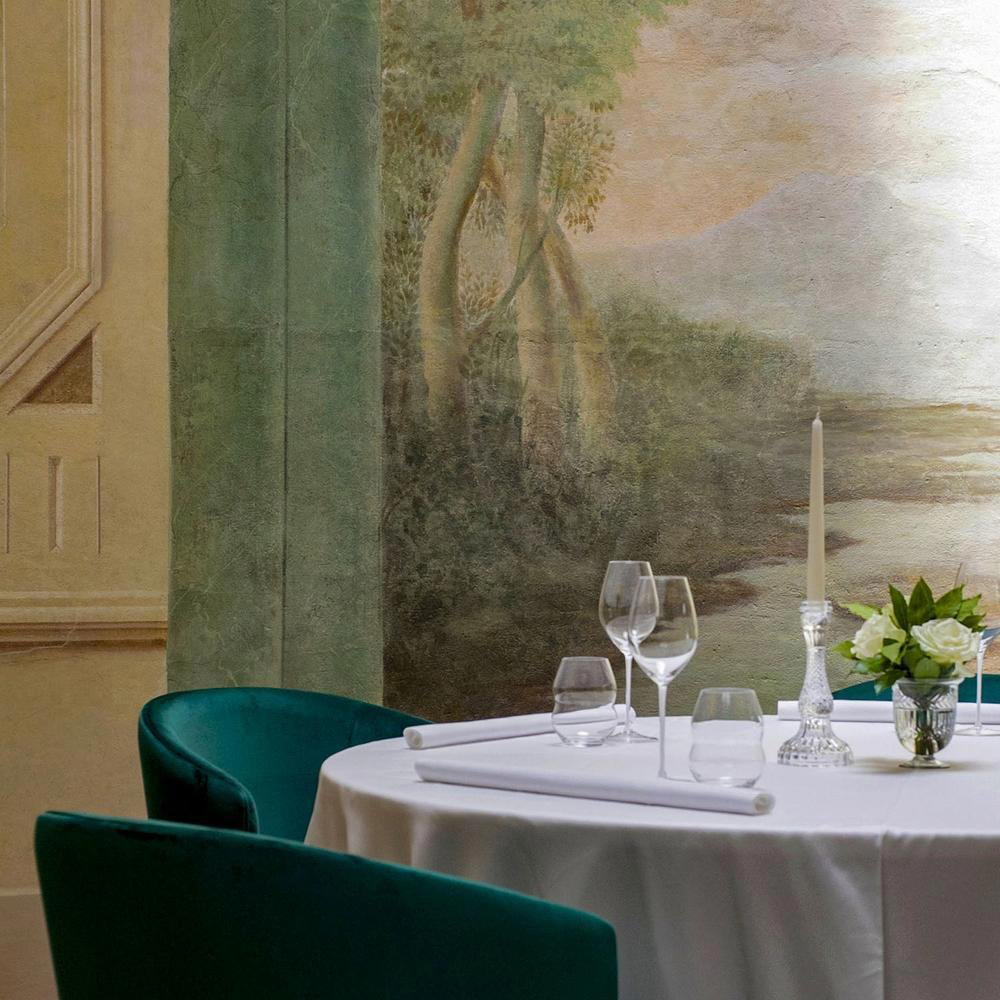
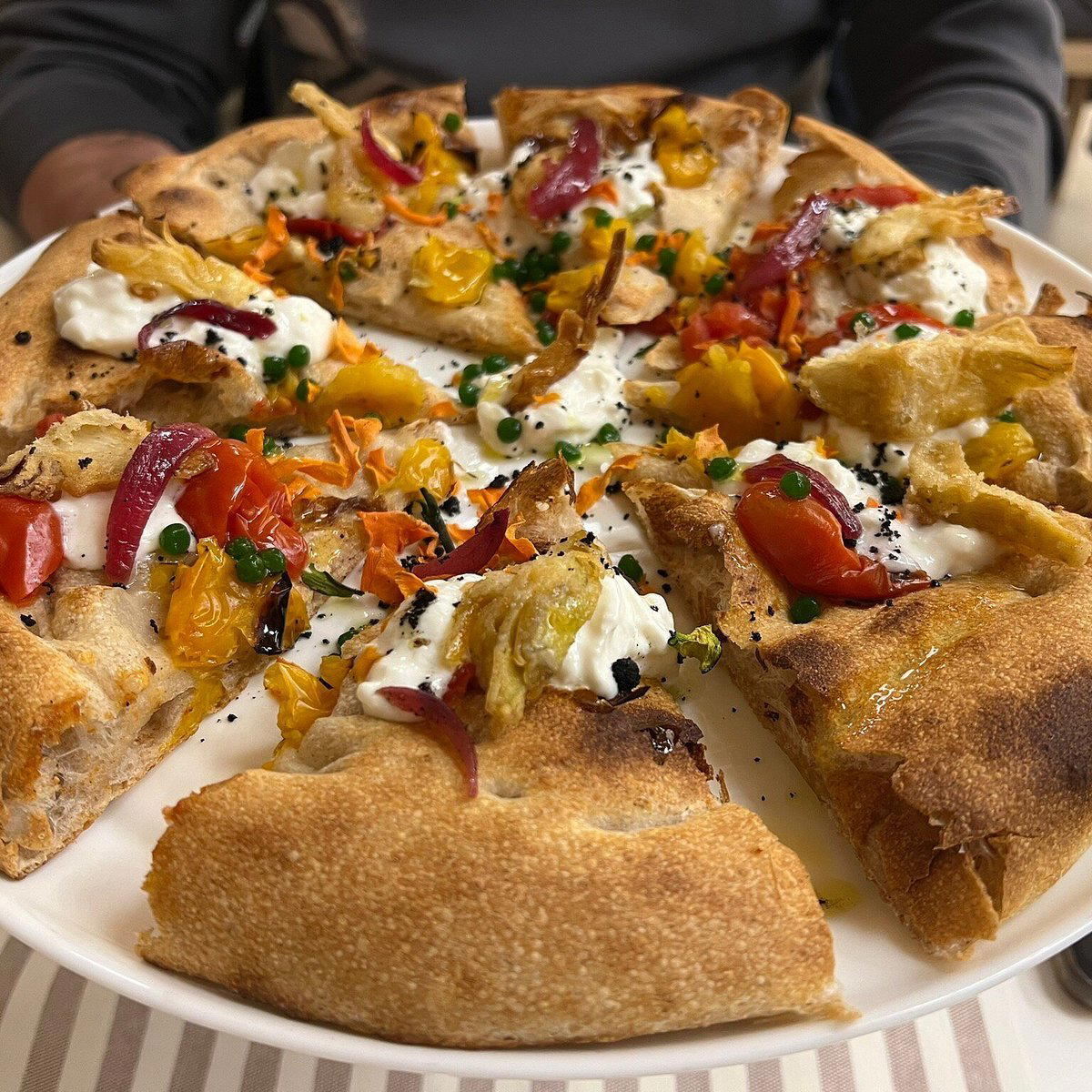
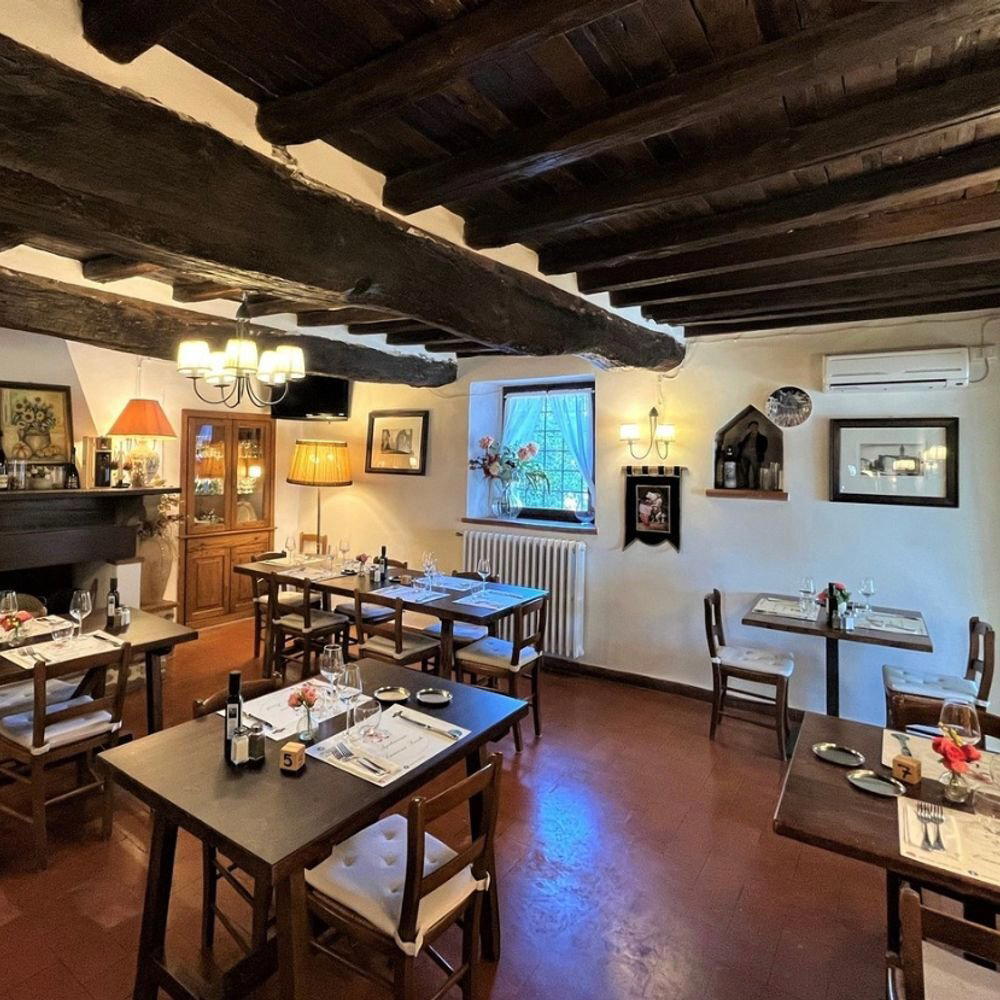
Bars in Torgiano
Browse all →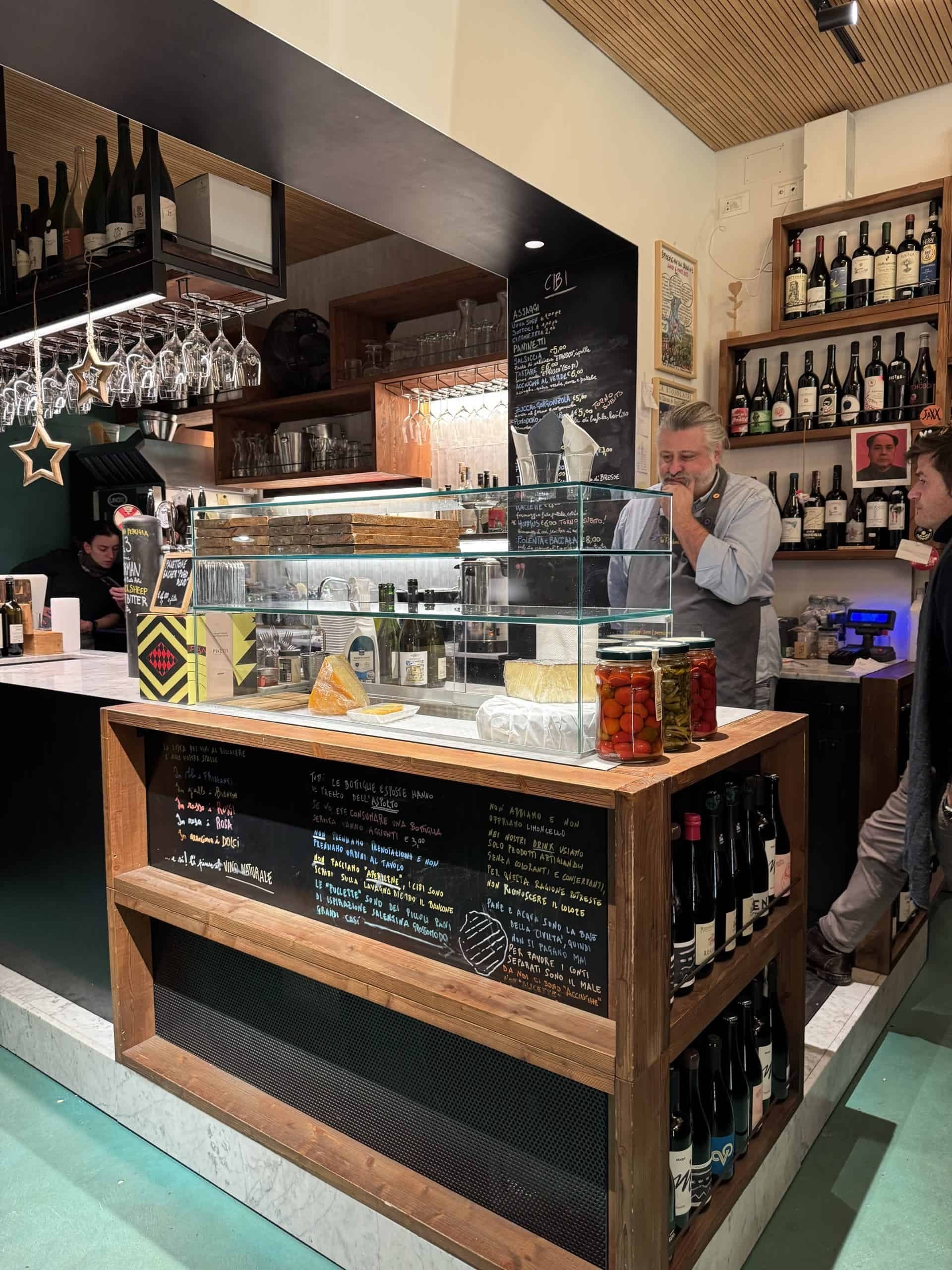
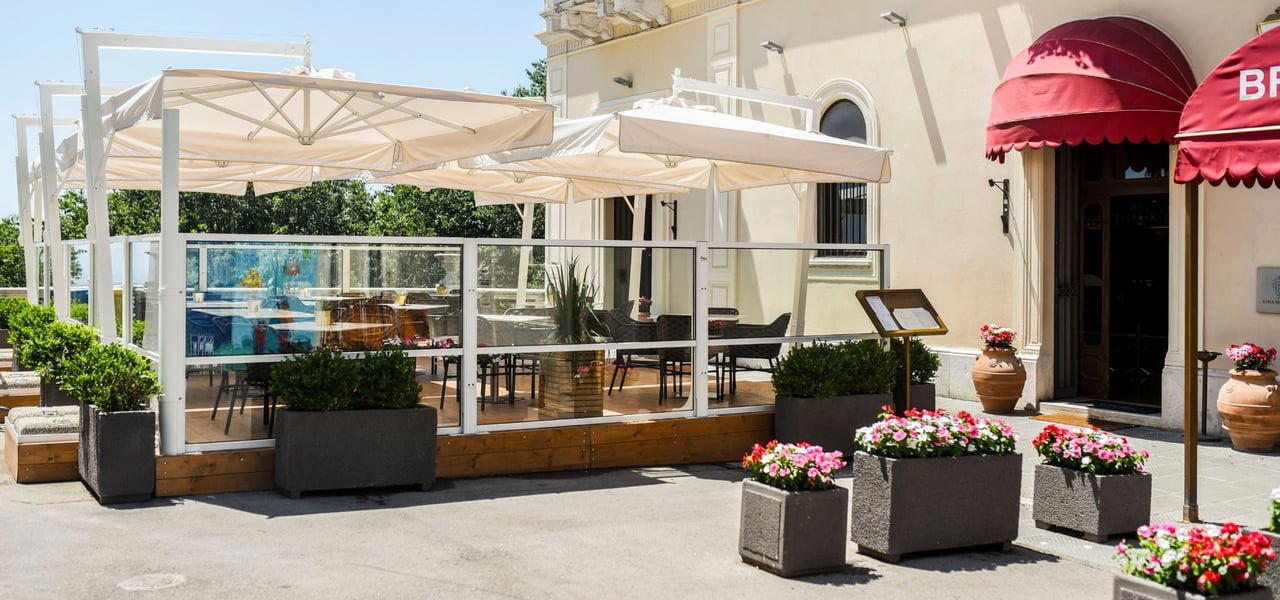
Hotels in Torgiano
Browse all →
Details
- Elegant
- Sophisticated
- Intimate
- Rustic
- Date Night
- Special Occasion
- Open Kitchen
- Historic Building
- Hotel Restaurant
- Extensive Wine List
- Sommelier Led
- Local Sourcing
- Vineyard
- Mountain
- Tasting Menu
- Vegetarian Friendly
Current opening hours
- Monday
- Closed
- Tuesday
- Closed
- Wednesday
- Closed
- Thursday
- 7:45 PM–12 AM
- Friday
- 7:45 PM–12 AM
- Saturday
- 7:45 PM–12 AM
- Sunday
- 12:30–2:30 PM, 7:45 PM–12 AM
Hours can change for holidays and private events. Last verified .
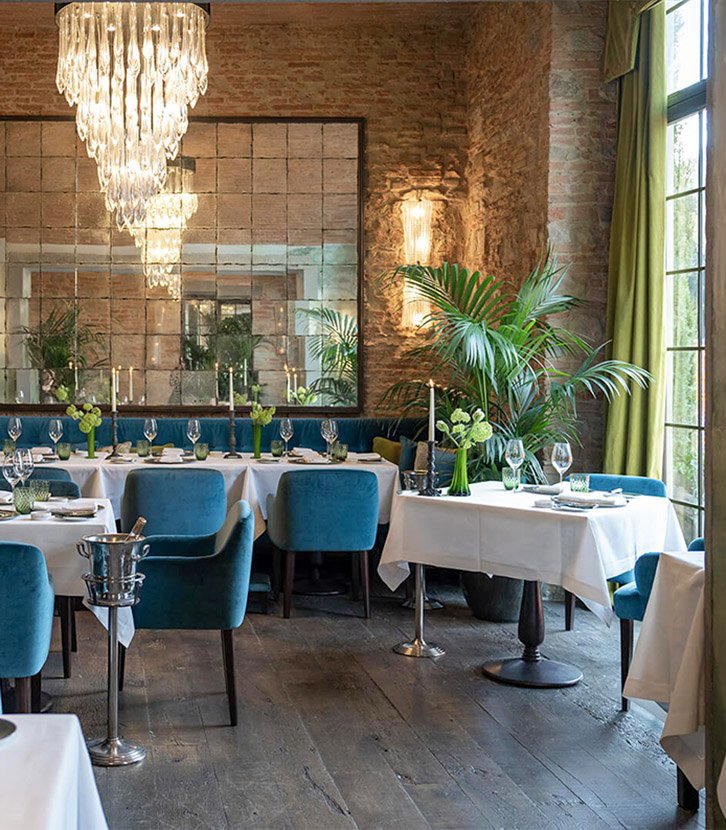
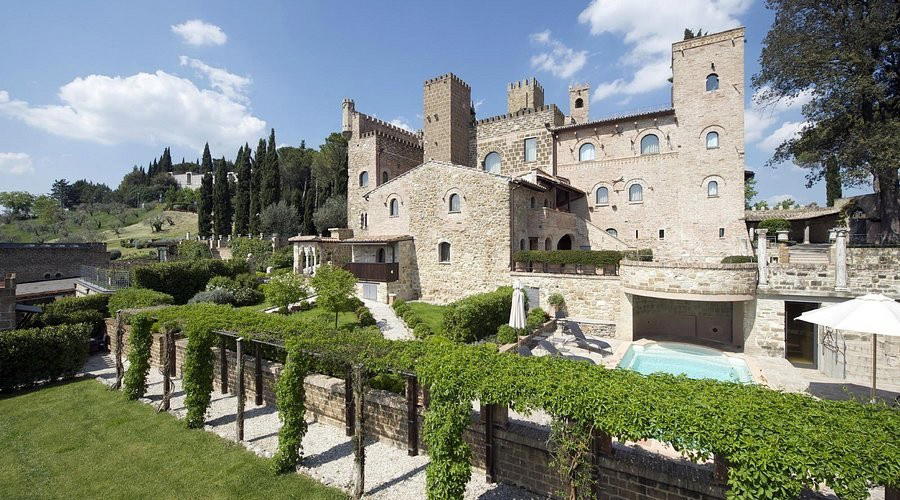
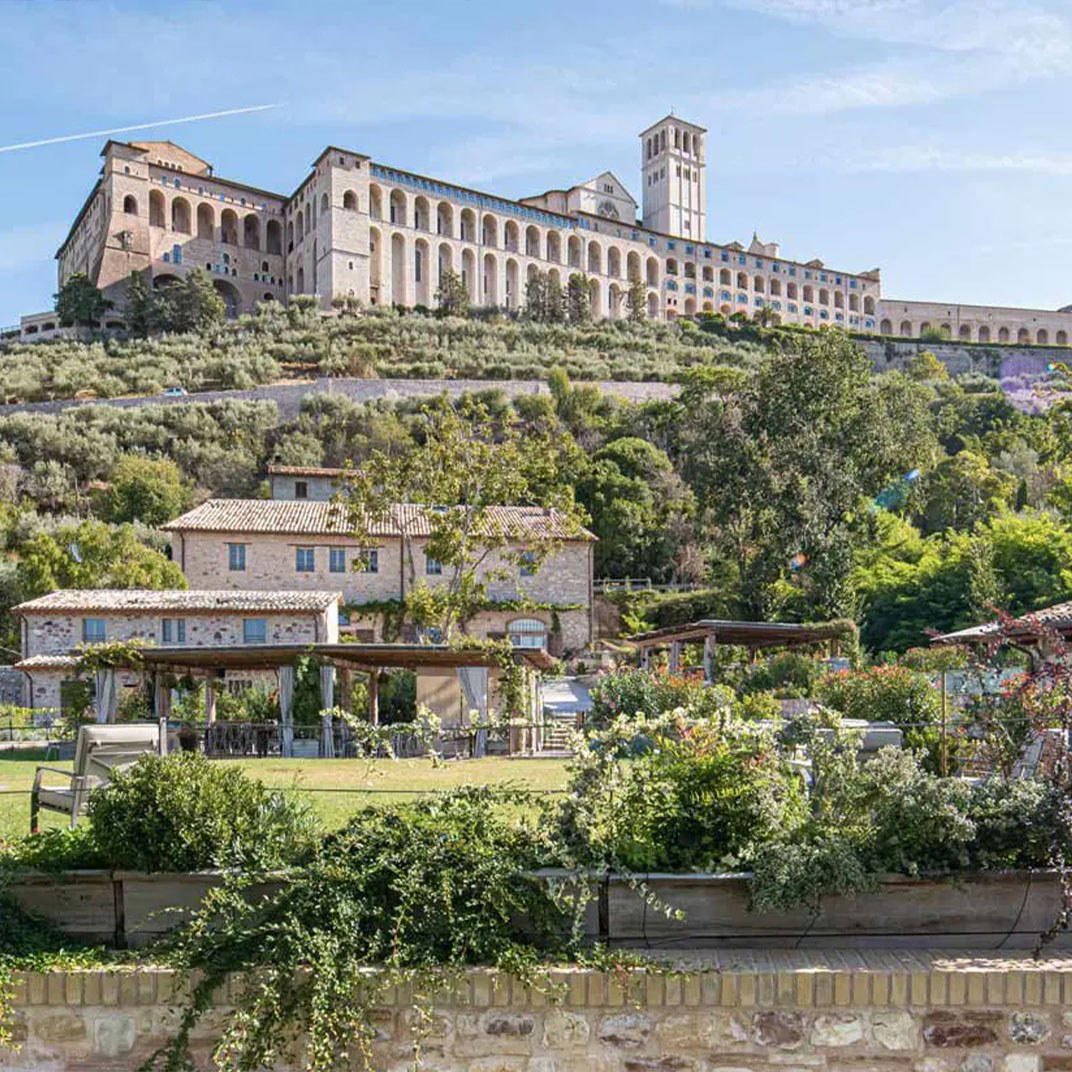
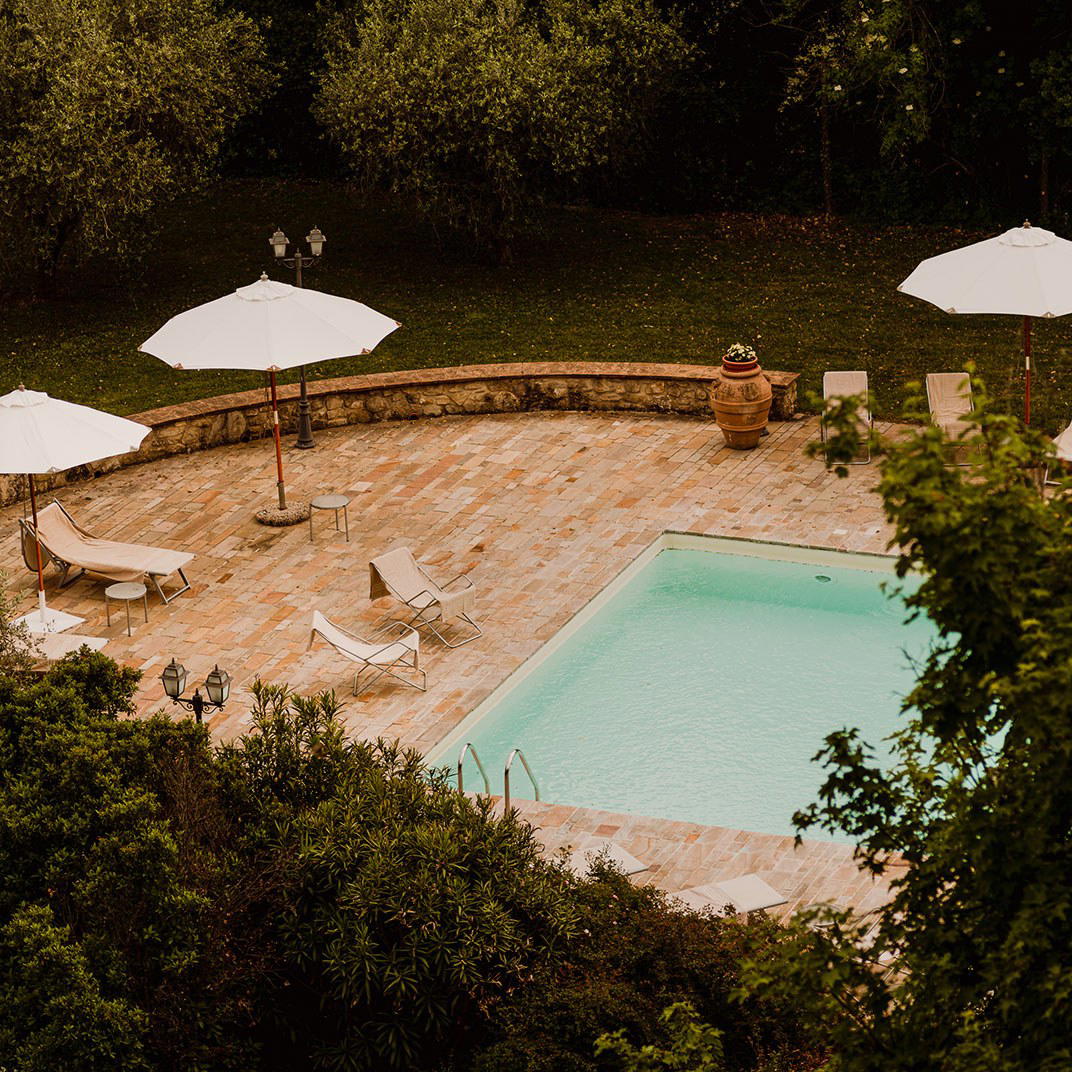
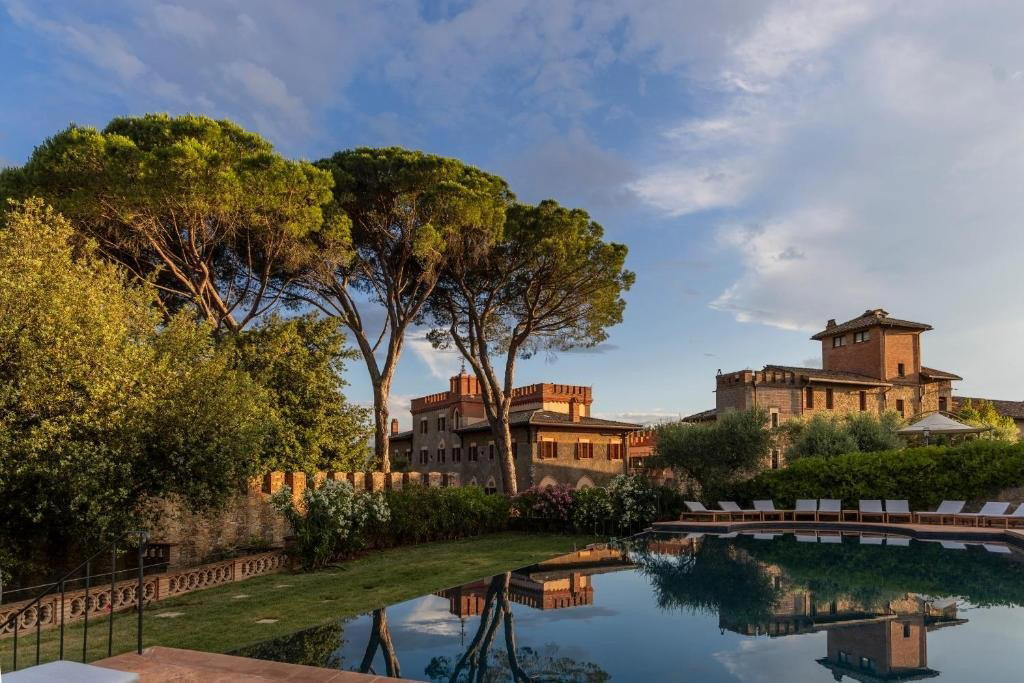
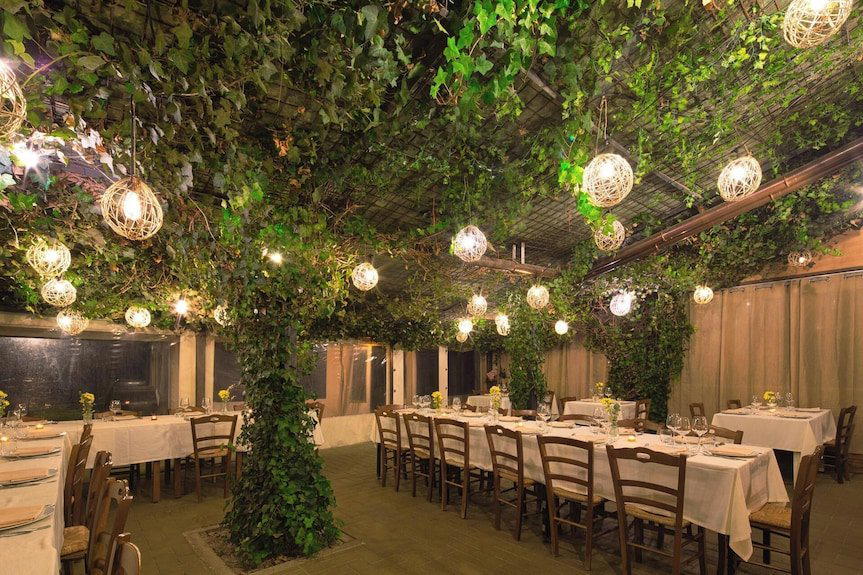
Elegant and refined with warm welcoming atmosphere, beautiful hill views, and careful attention to natural design details.