
1 Michelin Star
Our verdict
La Terrazza belongs to Rome’s polished modern-Italian tier, where regional memory matters more than theatrical reinvention. Fabio Ciervo’s kitchen is framed by Michelin Plate recognition in 2024 and 2025, placing the restaurant among the city’s formal dining rooms for travelers who want contemporary Italian cooking with a Roman address and a controlled, high-comfort setting.

Pearl is the En Primeur Club membership app — saves, bookings, and concierge access live there. Same editors, same standards.
- Address
- Via Ludovisi, 49, 00187 Roma RM, Italy
- Phone
- +39 06 4781 2752
- Hours
- Mon ClosedTue–Sat 6:30 PM–12 AMSun Closed
- Website
- dorchestercollection.com
- Directions
- Get directions
- Booking
- Book on SevenRooms
The menu
What to order
- Pistachio liquorice risotto
- Amalfi lemon dessert
- Seafood pasta
- Scallop starter
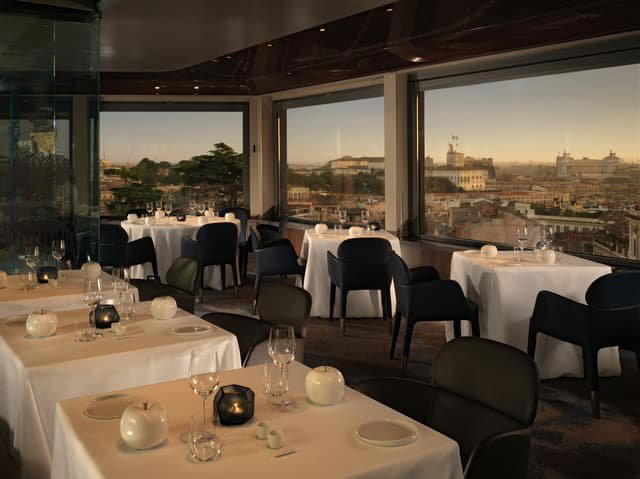
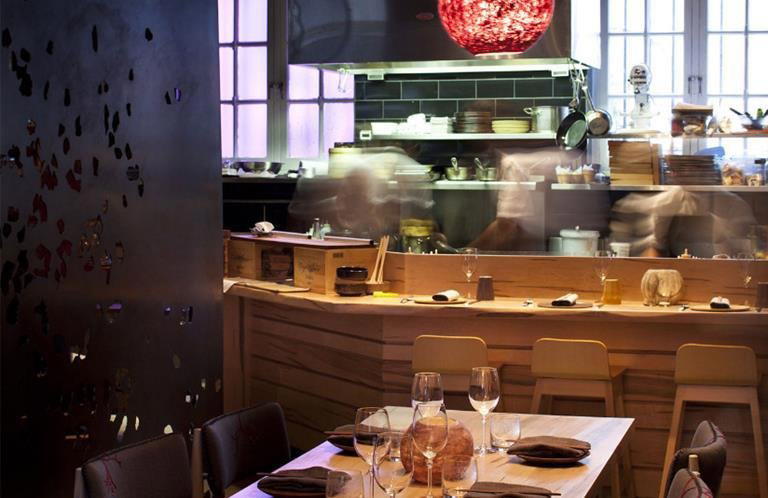
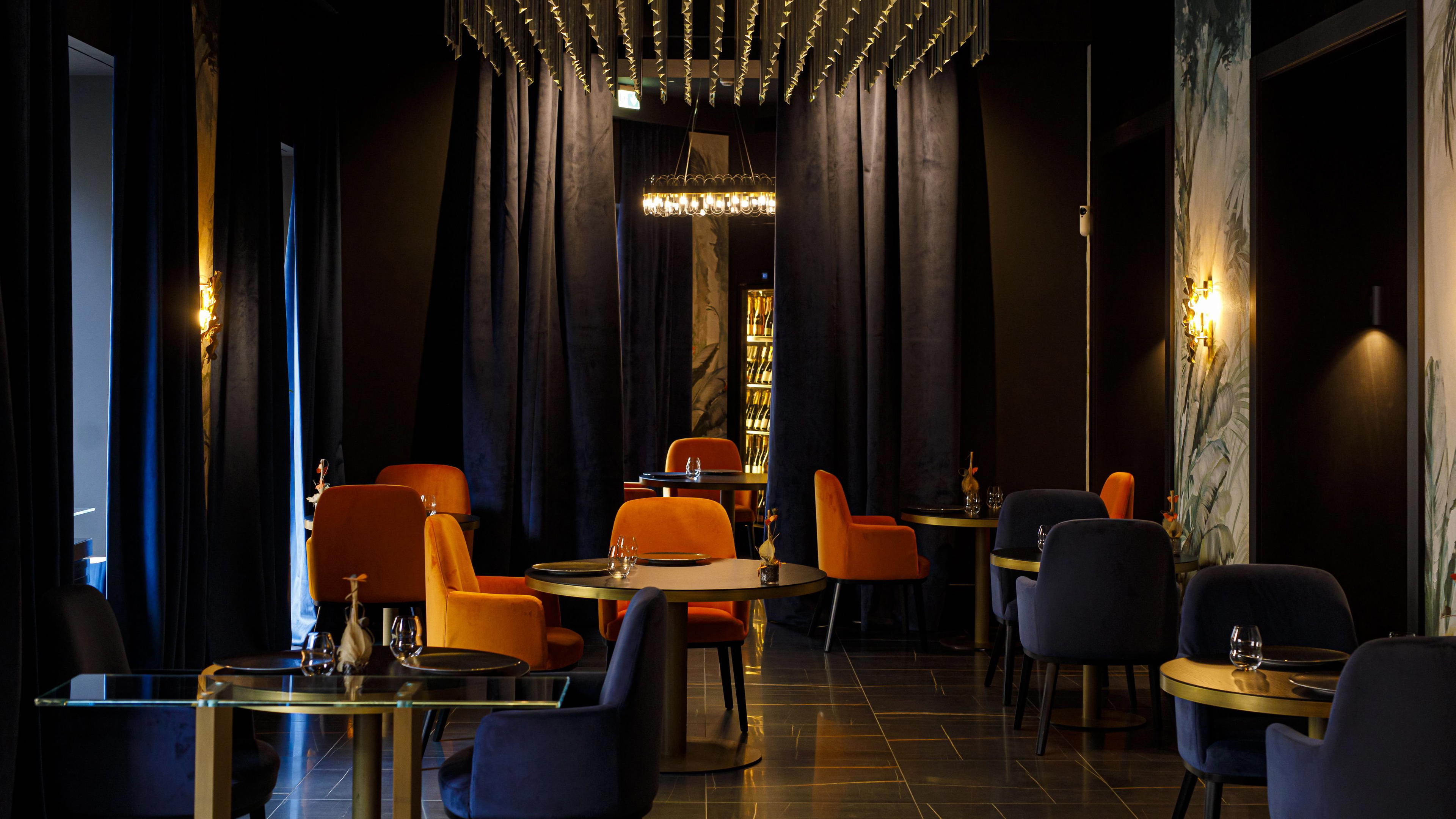
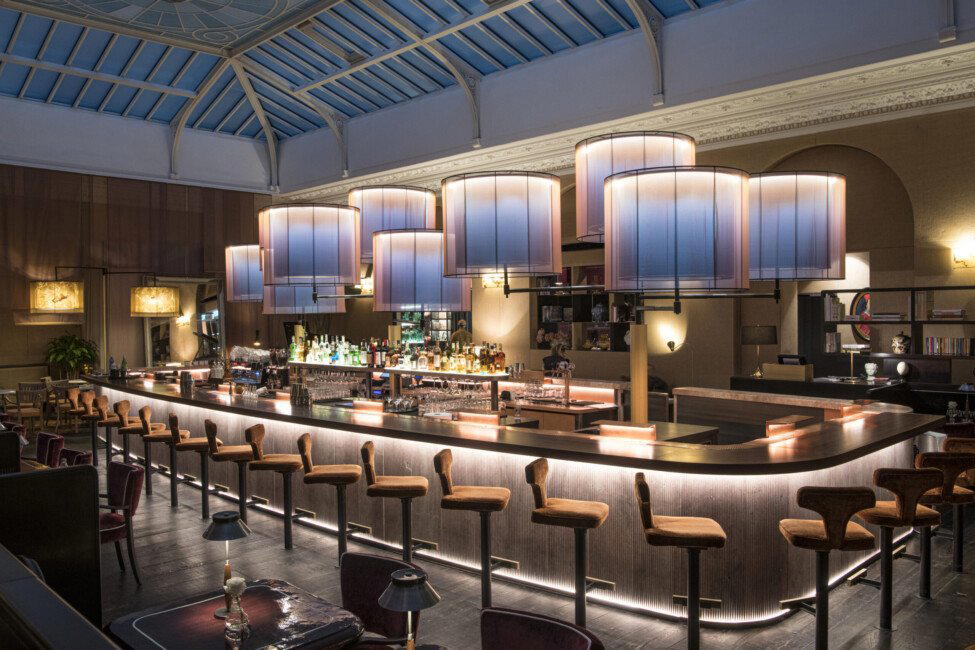
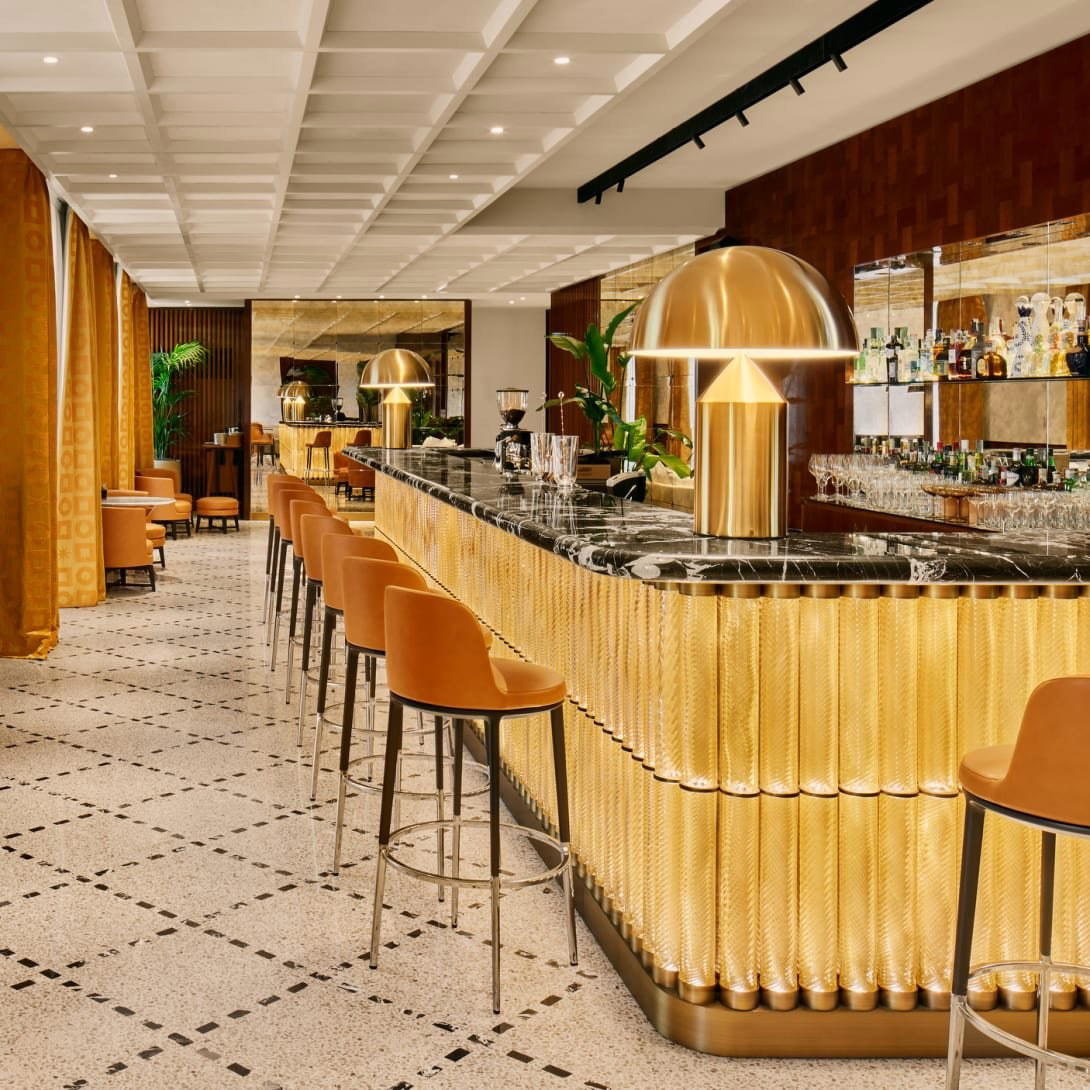
Rome’s composed dining rooms announce themselves through restraint: linen, controlled lighting, a measured room, and a sense of occasion. La Terrazza fits that polished grammar. Its appeal is not trattoria spontaneity or pizzeria heat, but the classic and welcoming end of Italian cooking, where attentive service, modern touch, and occasion matter as much as the plate.
That distinction matters in a city often judged through carbonara, coda alla vaccinara, supplì, thin-crust pizza, and the rougher pleasures of market cooking. Modern Italian cuisine follows different rules. It borrows from regional memory without performing nostalgia, and assumes the diner understands why a Roman table differs from a Tuscan, Neapolitan, or Milanese one. La Terrazza is a useful address for reading how the capital presents Italian cuisine when the setting is polished and the cooking contemporary.
Modern Italian cooking in a city still defined by Roman appetite
Rome’s food identity resists abstraction. Its canonical dishes are direct, salty, fatty, and tied to pasta shapes, pecorino, guanciale, artichokes, and the habits of a working capital. Modern Italian restaurants here succeed when they avoid treating that inheritance as museum material: enough technique to justify a composed room, not so much choreography that the cooking loses its Italian accent.
La Terrazza has clear appeal as a polished Roman dining room, but the category matters too. Modern Italian cuisine in Rome is not the same proposition as in Florence, Milan, or Naples. Florence often leans into Tuscan product and cellar culture; Milan into design, business dining, and international pacing; Naples and Campania into seafood, tomato, and elastic informality. Rome’s polished rooms face a harder audience: diners who know what Italian food should feel like, even refined.
Michelin Plate recognition in both 2024 and 2025 places the restaurant in a documented tier of serious dining without confusing it with the city’s star-chasing temples. A Michelin Plate signals professional cooking and a table worth attention, not a trophy meal. In Rome, that helps. La Terrazza suits guests wanting ceremony, Italian structure, and a modern kitchen, while leaving the casual Roman canon to trattorie, bakeries, and pizzerias.
The contrast is clear beside other Roman formats. Other Rome dining rooms speak to the city’s obsession with dough, edge, and high-turnover informality. Other contemporary addresses sit closer to the broader modern Italian conversation. Some point to another modern-cuisine register entirely. La Terrazza occupies the more composed side of that map, where the meal is shaped as an evening rather than a quick Roman hit.
Rome versus the rest of Italy, seen through the formal table
Italy’s regional dining codes are not interchangeable, especially at the polished end. A Tuscan address such as Borgo San Jacopo carries expectations around wine, river-city elegance, and Florence’s long shadow. Northern dining often belongs to a context where contemporary Italian dining reads through precision and metropolitan polish. Elsewhere, formal rooms can frame Italian modern cuisine through a different regional sensibility rather than a Roman one.
Rome’s version has less interest in erasing appetite. Even in composed rooms, the city values generosity of flavor and recognizable Italian structure. Modern Roman dining becomes compelling when it resists generic luxury cuisine. The setting may be polished, but the table still answers to a city where a humble bowl of pasta is a serious benchmark.
Looking beyond Rome sharpens the point. Florence can represent street-level Tuscan tradition, while Campania can sit in a vernacular register of its own. Pizza changes from city to city, and contemporary Italian dining shifts again in northern towns, coastal settings, or resort dining rooms. Against that national spread, La Terrazza reads as a Roman formal address, not a generic Italian dining room.
The Michelin Plate matters less as decoration than calibration. Rome spans snack counters to grand dining rooms, and external recognition helps separate serious modern kitchens from rooms relying only on setting. For travelers with limited nights, that helps. The choice is not whether modern cuisine is superior to trattoria cooking; it is whether the evening calls for Roman informality or a slower, more composed version of Italian dining.
Who should choose this room in Rome
La Terrazza suits diners wanting a polished Italian dinner more than those trying to sample Rome at street level. That does not make it less Roman; it places it in another strand of the city’s dining culture, shaped by attentive service, modern cooking, and a room designed for conversation rather than turnover. For a first trip built around trattorie and pizzerias, it is a controlled counterpoint. For a return visit, it shows how Rome behaves outside the casual register.
The composed category clarifies the decision. This is not the place to test whether someone likes Roman food; book it when the evening already has intent. Couples and travelers marking a specific night will see the value faster than groups seeking volume, looseness, or a rapid meal before a late walk through the city.
For planning, place it on a Rome itinerary balanced with less structured stops. Use our full Rome restaurants guide to position it among trattorie, pizzerias, and contemporary rooms; our full Rome hotels guide for where to stay around the capital’s dining circuits; our full Rome bars guide for pre- or post-dinner drinking; our full Rome wineries guide for the regional cellar angle; and our full Rome experiences guide for cultural planning beyond the table.
The editorial read is simple: choose La Terrazza when Rome needs to feel composed, not improvised. The Michelin Plate recognition, attentive service, and the modern Italian brief point to a deliberate night. It will not replace the city’s trattoria grammar, and should not be asked to. Its value lies in showing another Roman mode: classic, contemporary, and still anchored to the Italian table.
Frequently asked questions
Is La Terrazza good for families?
La Terrazza is best understood as a classic, welcoming Rome dining room suited to a composed dinner, especially for guests seeking attentive service and a romantic setting.
Is La Terrazza better for a quiet night or a lively one?
It is better for a quiet night. The Rome setting and the classic, welcoming atmosphere suggest a composed dinner setting, not a high-energy room.
What awards or recognition does La Terrazza have?
La Terrazza has Michelin Plate recognition for 2024 and 2025. It is also described for attentive service, Italian cuisine presented with a modern touch, a menu spanning land and sea, vegetarian options, and a classic, welcoming atmosphere suited to a romantic dinner.
What kind of cuisine does La Terrazza serve?
La Terrazza serves Italian cuisine presented with a modern touch, with a menu spanning land and sea and vegetarian options as well.
Is La Terrazza more mid-range or high-end?
La Terrazza is best understood as a polished, composed dining choice in Rome rather than a casual everyday stop.
When is La Terrazza open?
Check directly with La Terrazza for current opening days and hours.
Fast Comparison
Comparable venues by cuisine and price in the same metro.
| Venue | Cuisine | Price | Awards |
|---|---|---|---|
| La TerrazzaThis venue — the venue you are viewing | Modern Italian Fine Dining | $100–150 | 1 Michelin Star |
| Borgo San Jacopo | Italian, Modern Cuisine | Not listed | Not listed |
Recognition history
Dated appearances from independent guides and award organizations, with the underlying list record or original source where available.
Michelin 1 Star
Michelin
Full recognition history (4 entries)
Michelin Plate
Michelin
Michelin Plate
Michelin
Michelin Plate
Michelin

Details
- Romantic
- Elegant
- Scenic
- Date Night
- Special Occasion
- Celebration
- Rooftop
- Panoramic View
- Terrace
- Hotel Restaurant
- Extensive Wine List
- Sommelier Led
- Local Sourcing
- Skyline
- A La Carte
- Tasting Menu
- Prix Fixe
- Wine
- Vegetarian Friendly
Current opening hours
- Monday
- Closed
- Tuesday
- 6:30 PM–12 AM
- Wednesday
- 6:30 PM–12 AM
- Thursday
- 6:30 PM–12 AM
- Friday
- 6:30 PM–12 AM
- Saturday
- 6:30 PM–12 AM
- Sunday
- Closed
Hours can change for holidays and private events. Last verified .
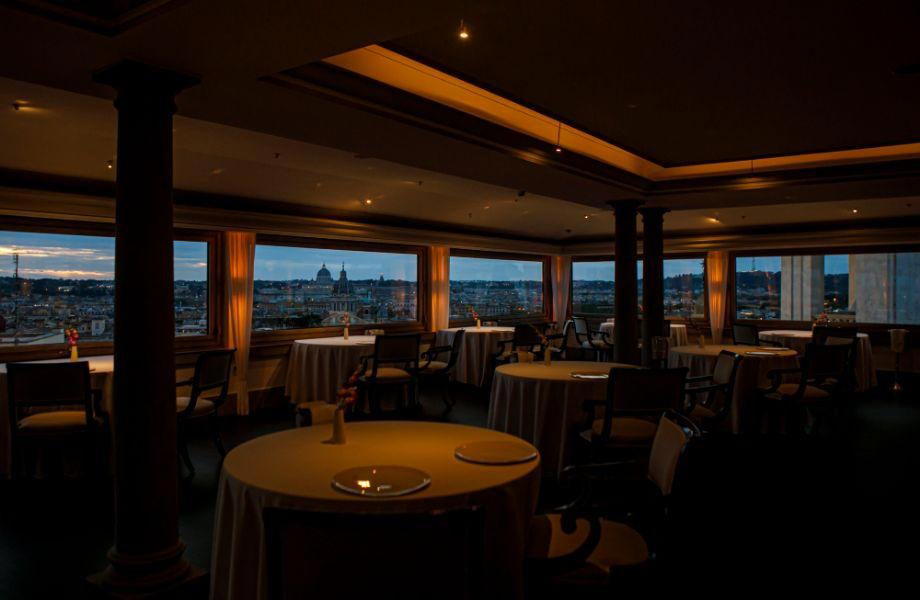
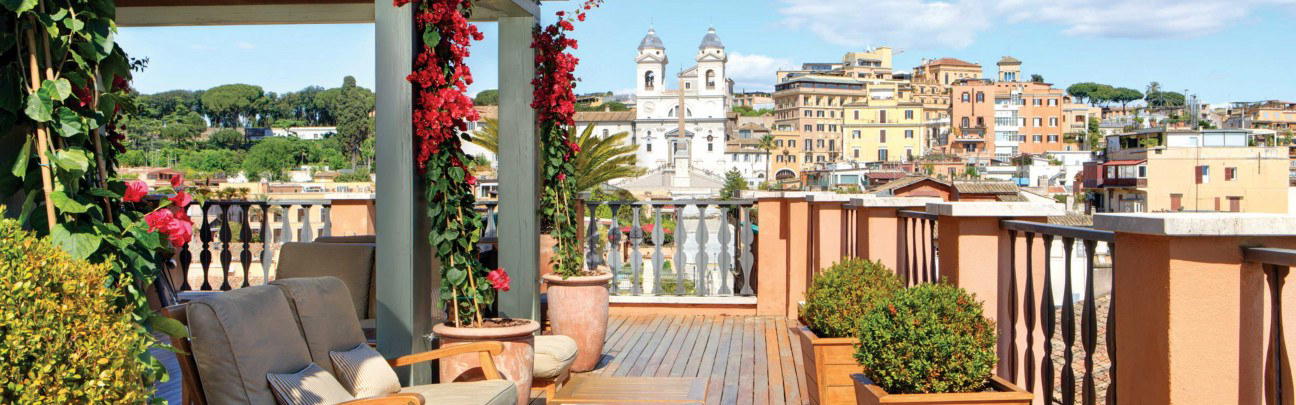
Soft lighting and romantic atmosphere on the rooftop terrace with sweeping city views; refined and sophisticated setting.