
A Michelin Bib Gourmand recipient in Xiamen's Siming District, Shan Gu Tang serves a tightly focused menu of herbal soups and medicinal Fujian cooking at street-food prices. The owner's background running a Chinese medicine clinic shapes every bowl, from free-range chicken soup with russula mushrooms to pork intestine soup with lotus seeds. Expect lingering herbal aromas and a small menu built around restorative intention rather than variety.
Pearl is the En Primeur Club membership app — saves, bookings, and concierge access live there. Same editors, same standards.
- Address
- 1 Bailuzhou E Rd, Siming District, Xiamen, Fujian, China, 361000
- Phone
- +86 592 533 0888
- Website
- shuyou.com
- Directions
- Get directions
 Saves & bookings on Pearl
Where Chinese Medicine Meets the Dining Table
In Fujian's broader food culture, the line between nourishment and remedy has always been porous. The province's cooking tradition draws heavily on yào shí tóng yuán, the principle that food and medicine share a common origin, and Xiamen's neighbourhood restaurants have long carried that philosophy into everyday eating. Shan Gu Tang is a restaurant in Xiamen's Siming District serving Fujian Medicinal Herbal Soups at a casual, low-price level. The owner previously ran a Chinese medicine clinic; the restaurant is the direct extension of that practice, with herbal soups replacing prescriptions and a dining room standing in for a consultation room.
The bright red signage is visible from a distance, but it's the aromas that do the real work of drawing in a crowd. Herbal steam carries into the street, the kind of warm, faintly bitter, deeply savoury scent that signals slow cooking and genuine ingredient depth. This is not the sanitised, watered-down version of medicinal cooking that surfaces in tourist-oriented menus. The kitchen here operates with the conviction of someone who knows what specific herbs do and why they belong in a particular broth.
The Menu: Small, Focused, and Built Around the Bowl
Across Fujian's more specialised dining culture, menus built around herbal soups occupy a distinct tier: more purposeful than casual noodle shops, less performative than the formal banquet houses operating at the upper end of the price spectrum. Shan Gu Tang is firmly in that purposeful middle. The menu is small by design. Herbal soups anchor it, supplemented by blanched vegetables, marinated meats, and seasoned taro rice, each item chosen to complement rather than compete with the soups' medicinal logic.
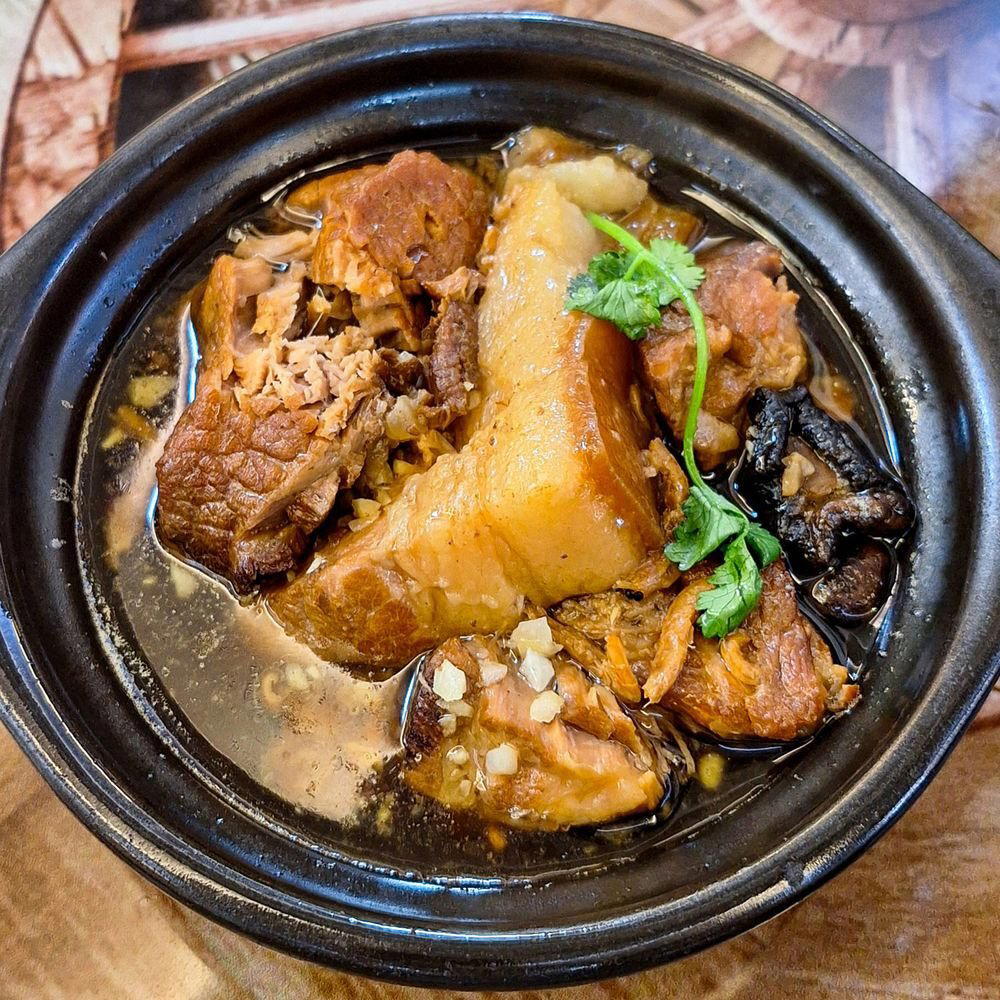
Two preparations are referenced repeatedly by those who know the restaurant. The free-range chicken soup with russula mushrooms brings together a clean, golden broth with the earthy mineral quality that wild mushrooms contribute better than cultivated varieties. The pork intestine soup with lotus seeds is less immediately approachable but more characteristically Fujianese: the lotus seeds bring a faint sweetness and starchy body that balances the offal's intensity. Both bowls require time, the slow heat that draws collagen from bones and active compounds from dried botanicals isn't achievable any other way. The taro rice, seasoned and glutinous, functions as a practical anchor for the table rather than a standalone dish, but it's the kind of thing that earns its own loyalty.
The price tier is ¥, with an average cost of about $20 per person. For a 2025 Michelin Bib Gourmand recipient, that positioning is part of the editorial point the guide is making: that the quality-to-value ratio here exceeds what most of the city's higher-priced dining can claim. It sits in the same recognition tier as Bai Jia Chun Hao De Lai Jiang Mu Ya (Zhongxing Road), another Fujian-focused address operating at the ¥ level, though the two restaurants pursue different expressions of the regional tradition.
Fujian Cooking in Context: A Tradition That Travels Differently
Fujian cuisine remains one of China's less internationally recognised regional traditions despite its historical reach. The province's emigrants carried its techniques and ingredients across Southeast Asia, giving rise to what Hokkien communities in Malaysia, Singapore, and the Philippines cook today. Within mainland China, Fujian food occupies a distinct position: lighter and more broth-focused than Sichuan or Hunan, more varied in its use of preserved and fermented ingredients than Cantonese cooking, and with a stronger integration of herbal medicine than almost any other major regional cuisine.
In Xiamen specifically, that tradition shows up across price points and formats. Hokklo and Yanyu (Jiahe Road) represent different registers of the same culinary heritage. 1927 Dong Yuan Si Chu situates Fujian food within a historical frame. A Zhong Shi Fang occupies yet another niche. What makes Shan Gu Tang's position in this ecosystem legible is its single-minded focus: while many Fujian restaurants in the city offer a wide repertoire, this one narrows to the medicinal soup tradition and executes within that narrower scope with the precision of someone who has spent years studying which herbs serve which functions.
The same medicinal-food intersection surfaces in other Chinese culinary traditions at higher price points, at Chef Tam's Seasons in Macau and in the ingredient sourcing philosophy at restaurants like Xin Rong Ji (Xinyuan South Road) in Beijing, but the democratic price point at the restaurant puts that tradition within reach of a different audience. For readers exploring the broader Chinese regional picture, Hokkien Cuisine in Chengdu and Wenru No.9 in Fuzhou offer further Fujian reference points outside the province's home city.
Planning Your Visit
The restaurant is located at 1 Bailuzhou East Road in Xiamen's Siming District, a central and well-navigated part of the city. The ¥ price positioning means a full meal here sits well below what comparable medicinal-cooking formats cost in Shanghai or Guangzhou, there's no fine-dining premium attached to the Bib Gourmand recognition. Hours run daily from 10 AM to 10 PM; reservations are recommended. The restaurant draws both locals and visitors. The dress code is casual.
For broader context on Chinese regional dining at comparable or higher tiers, see 102 House in Shanghai, Ru Yuan in Hangzhou, Xin Rong Ji in Chengdu, and Imperial Treasure Fine Chinese Cuisine in Guangzhou.
Cost Snapshot
Comparable venues nearby, for context on price, style, and recognition.
| Venue | Cuisine | Price | Awards | Notes |
|---|---|---|---|---|
| Shan Gu TangThis venue — the venue you are viewing | Siming, Fujian Medicinal Herbal Soups | $ | Bib Gourmand | Not listed |
| Guo Gong Fan Dian | Not listed | $ | Bib Gourmand | Xiang'an District, Traditional Fujian Braised Dishes |
| Dai Tai | Siming, Yunnanese Dai Ethnic Home-Style | $$ | Bib Gourmand | Not listed |
| Xiao Cheng Xi | Not listed | $$ | Bib Gourmand | Siming, Traditional Fujian Minnan Cuisine |
| Yue Hua Sha Cha Mian | Siming, Xiamen Sha Cha Noodles | $ | Bib Gourmand | Not listed |
| A Xi Xia Mian | Not listed | $ | Bib Gourmand | Siming, Traditional Chinese Prawn Noodles |
Recognition history
Dated appearances from independent guides and award organizations, with the underlying list record or original source where available.
Michelin Bib Gourmand
Michelin
Michelin Bib Gourmand
Michelin
Michelin Bib Gourmand
Michelin
Continue exploring
More in Xiamen
Restaurants in Xiamen
Browse all →


At a Glance
- Quiet
- Classic
- Intimate
- Cozy
- Solo
- Casual Hangout
- Special Occasion
- Open Kitchen
- Zero Proof
- Local Sourcing
Current opening hours
- Monday
- 10 AM–10 PM
- Tuesday
- 10 AM–10 PM
- Wednesday
- 10 AM–10 PM
- Thursday
- 10 AM–10 PM
- Friday
- 10 AM–10 PM
- Saturday
- 10 AM–10 PM
- Sunday
- 10 AM–10 PM
Hours can change for holidays and private events. Last verified .
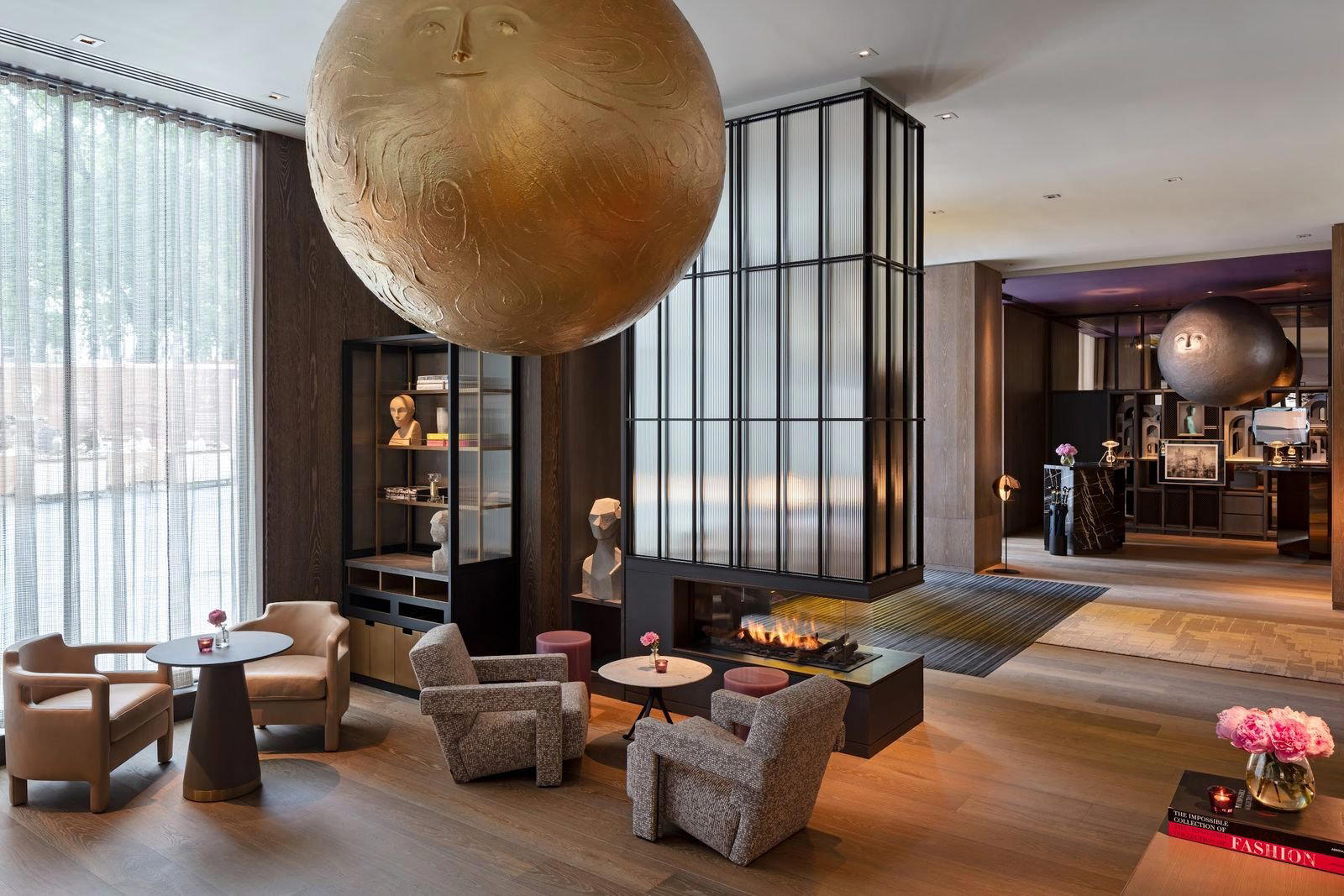
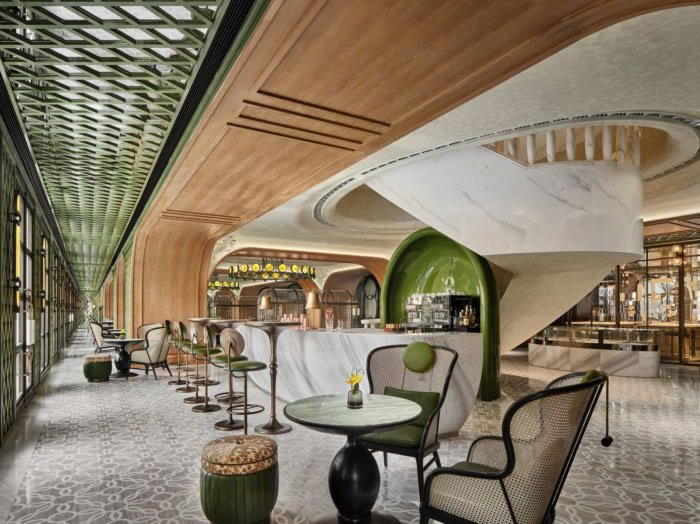
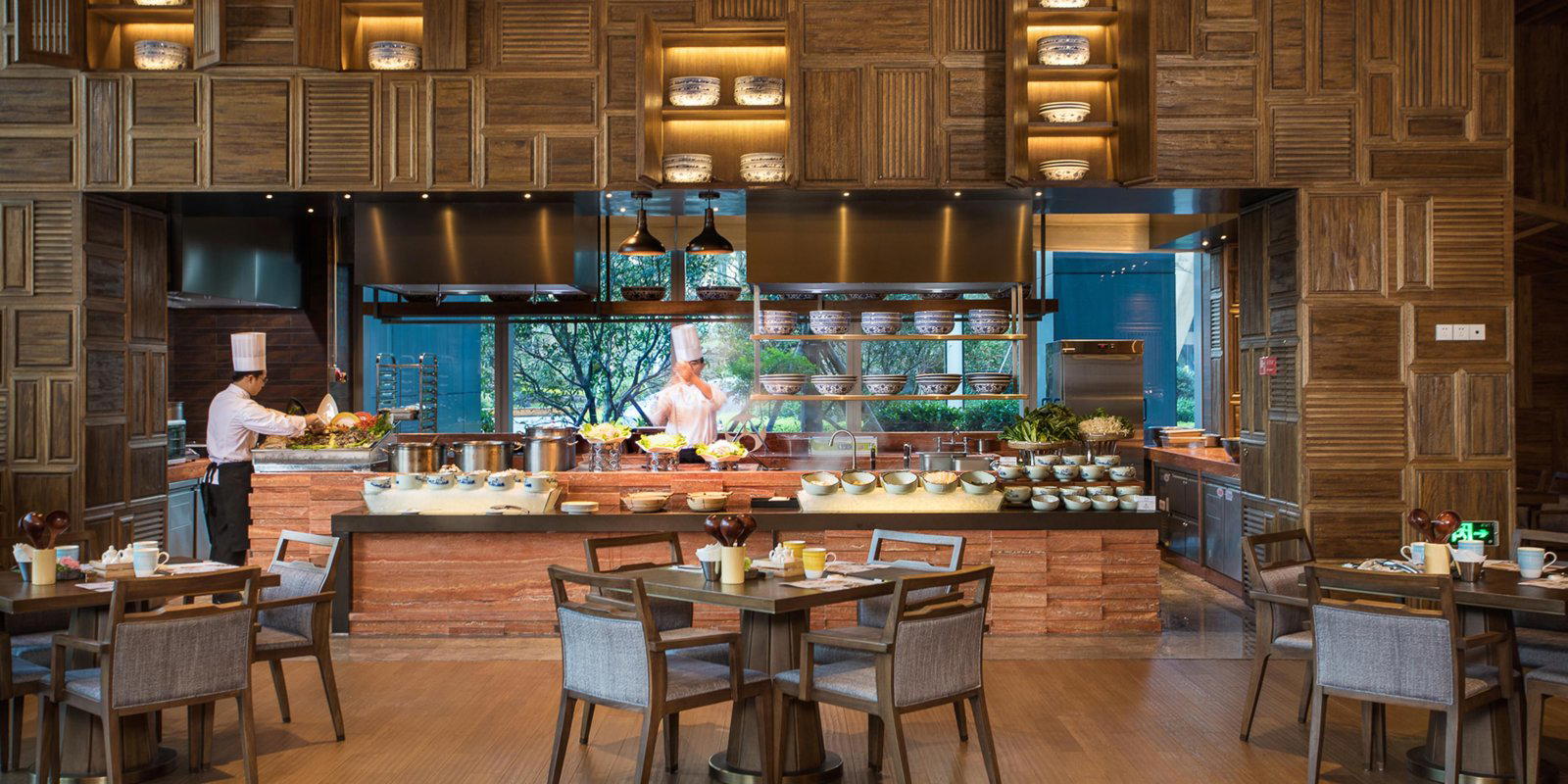
Spare yet inviting interior with warm wood and polished counters; the quiet theater of steam rising from immaculate stockpots creates a serene, wellness-centric atmosphere.