
The hotel frames an East-meets-West positioning that reflects Xiamen's historic role as a port city open to outside influence. It sits in the upper tier of the city's luxury hotel market alongside properties like Conrad Xiamen and Lohkah Hotel & Spa.
Pearl is the En Primeur Club membership app — saves, bookings, and concierge access live there. Same editors, same standards.
- Address
- 1 Lian Hua Bei Lu, Si Ming Qu, Xia Men Shi, Fu Jian Sheng, 361009
- Phone
- +86 592 537 3333
- Website
- waldorfastoriahotels.com.cn
- Directions
- Get directions
 Saves & bookings on Pearl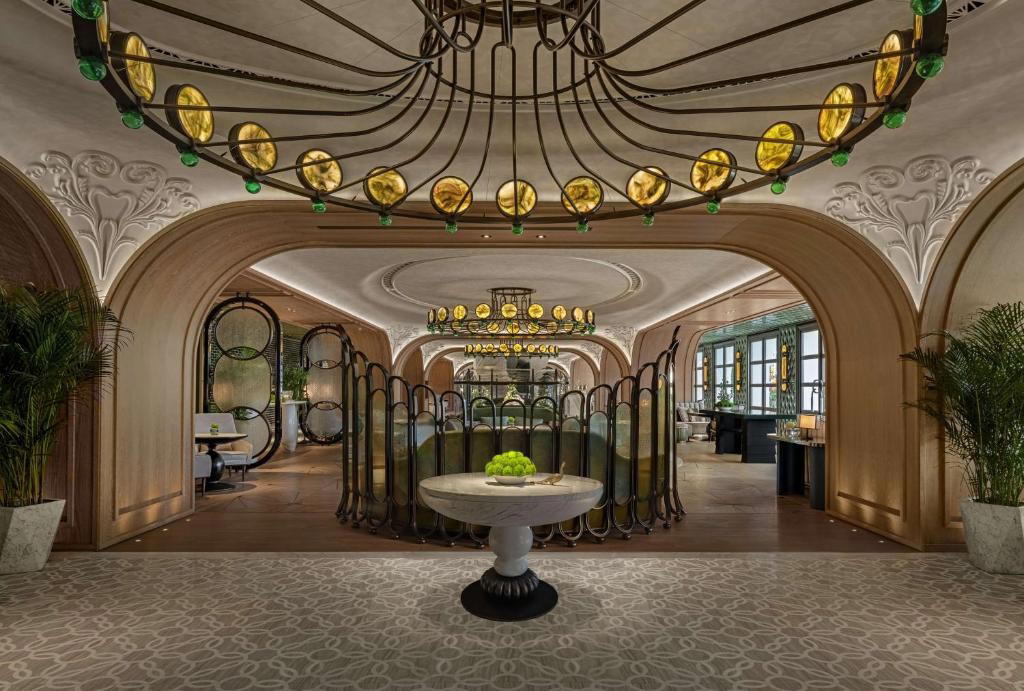
Lianhua Park and the Address That Sets the Tone
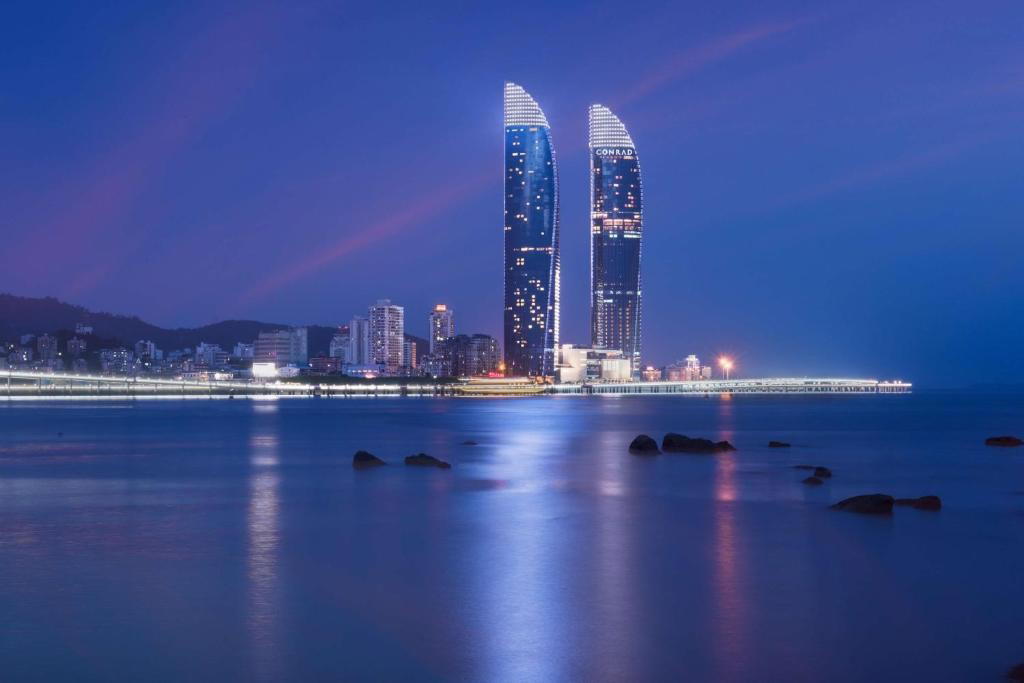
Xiamen's luxury hotel market has, over the past decade, organised itself around a handful of fixed geographical anchors: the waterfront strip facing Gulangyu, the convention corridors near the airport, and the greener residential zones around Lianhua Park. The last of these has emerged as the address tier that combines accessible city infrastructure with a degree of visual relief that the denser coastal blocks cannot offer. Waldorf Astoria Xiamen holds that position directly above the park canopy, a placement that shapes the property's character before a guest arrives at reception. The view from upper floors looks down onto one of Xiamen's most used public green spaces, giving the hotel a relationship to the city that is contextual rather than merely transactional.
That physical context matters because Xiamen itself is not a standard-issue Chinese tier-one city. It is a place where Hokkien trading culture, colonial-era Portuguese and European influence on nearby Gulangyu, and a present-day reputation as one of China's cleaner, more liveable coastal cities all converge. Hotels that do well here tend to have a positioning that acknowledges that layering rather than ignoring it. The property's Forbes Recommended recognition in 2025 places it in a verified tier of quality within the Hilton Worldwide portfolio.
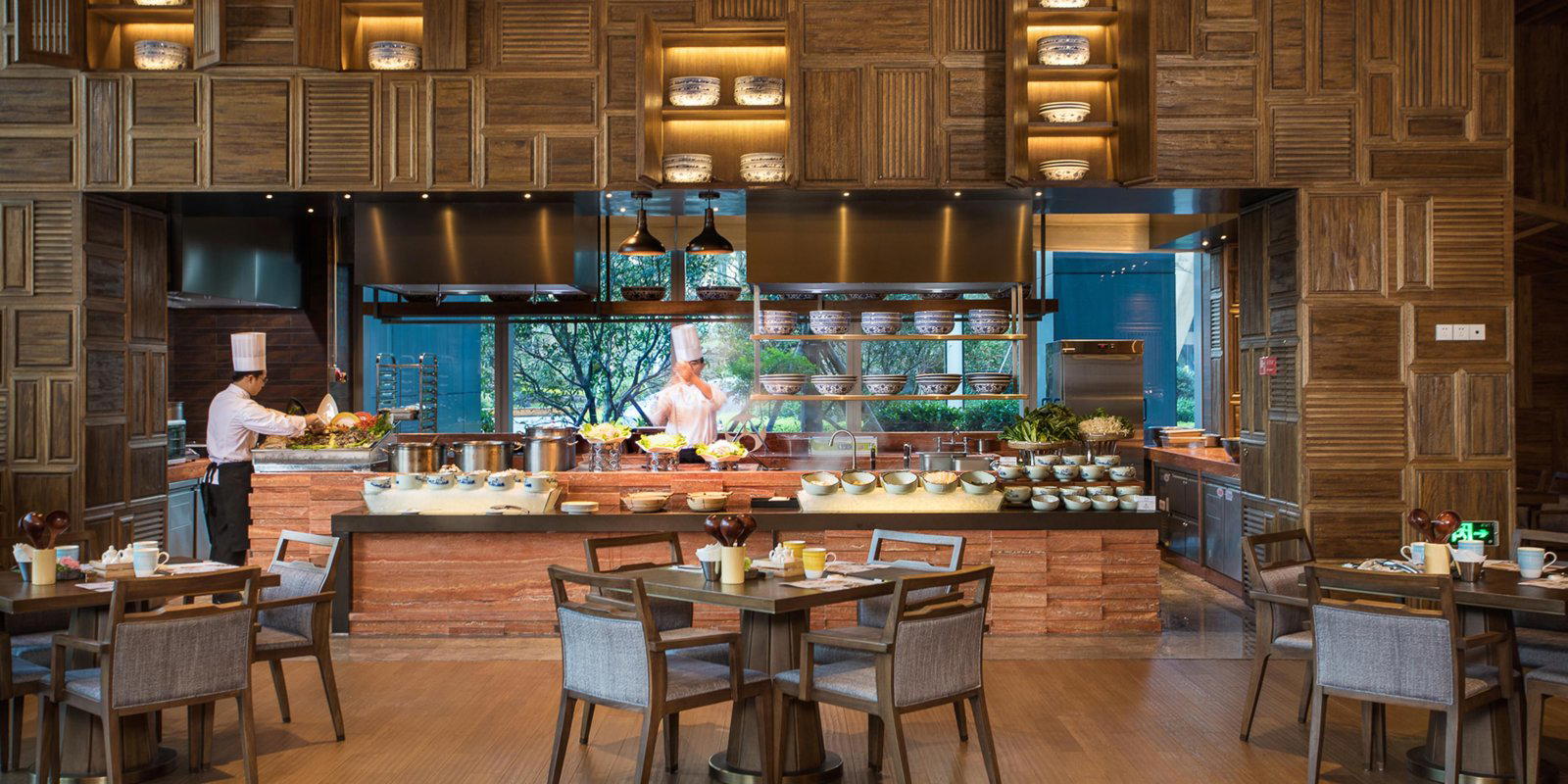
The Dining Programme: East-Meets-West as a Structural Commitment
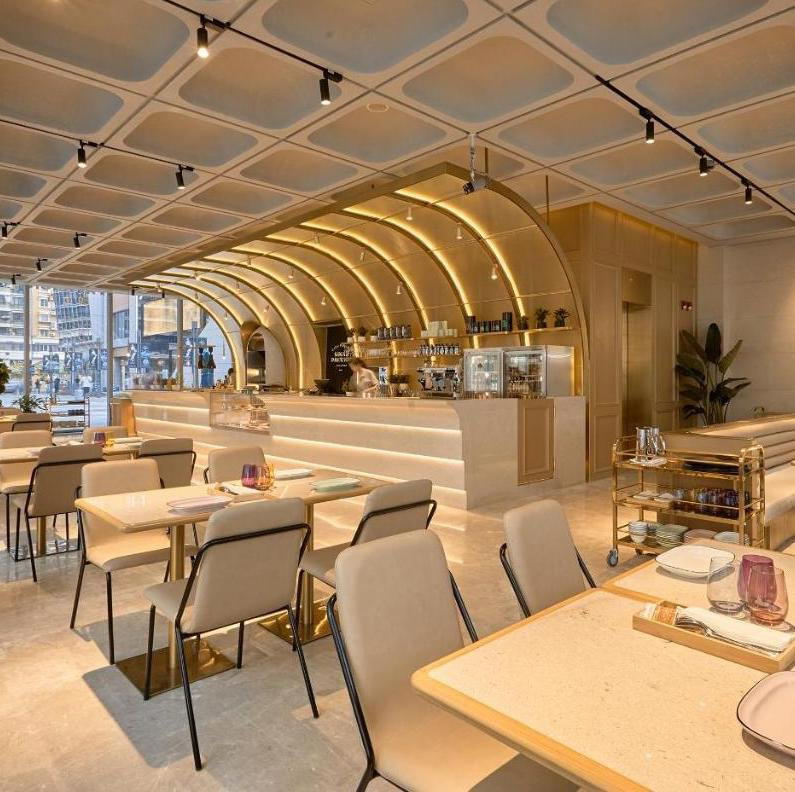
The language of East-meets-West is used loosely across Asian luxury hospitality, often functioning as decoration rather than substance. Where it carries editorial weight is when a hotel's food and beverage programme is built to actually navigate both traditions at a credible level, rather than offering a Chinese banquet room and a Western breakfast buffet and calling it balance. The Waldorf Astoria brand, operating under Hilton Worldwide, has established a consistent expectation across its global portfolio: the dining programme should anchor the hotel's identity, not merely support it.
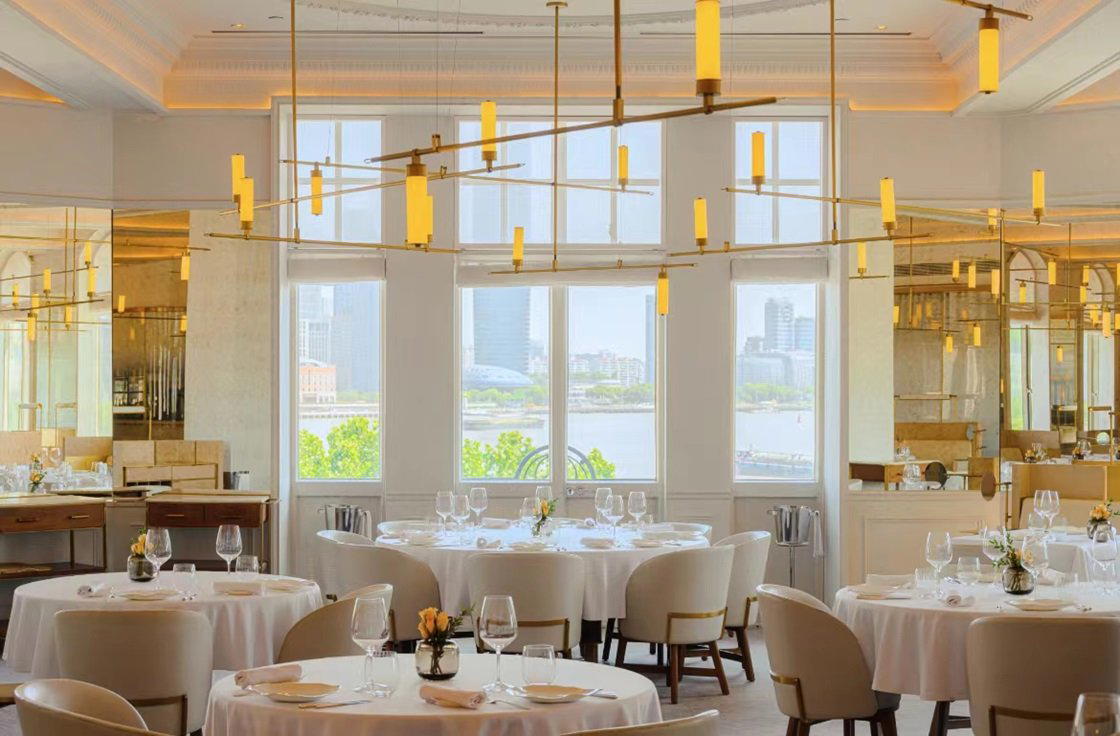
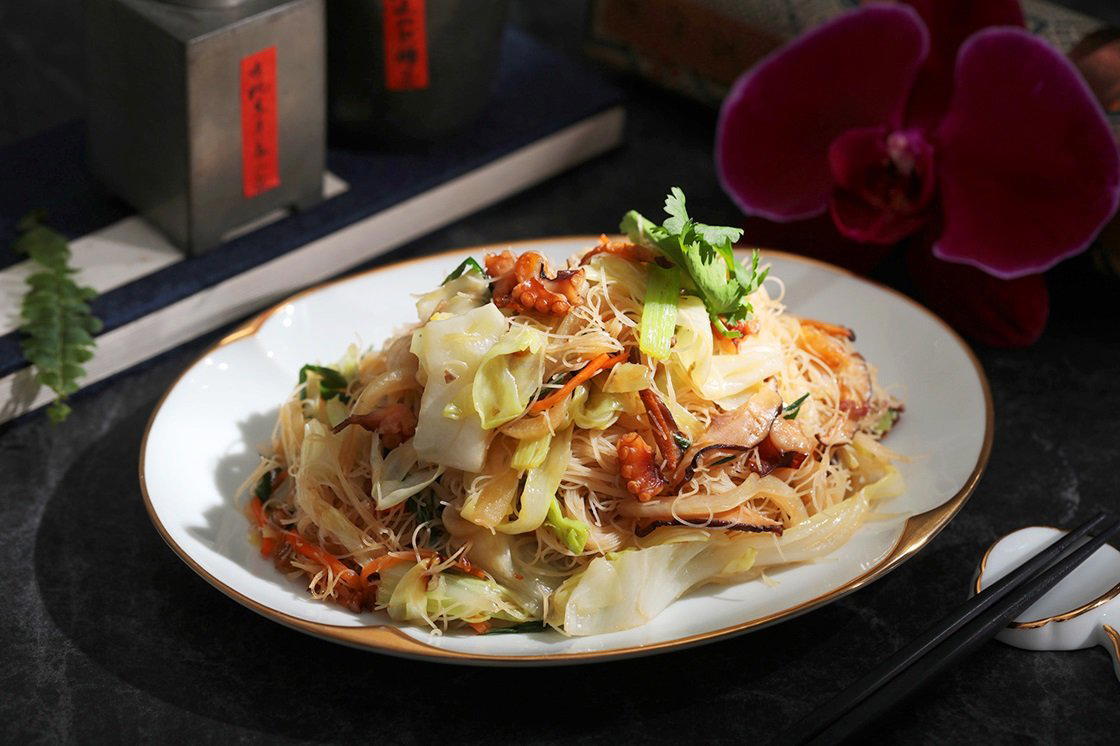
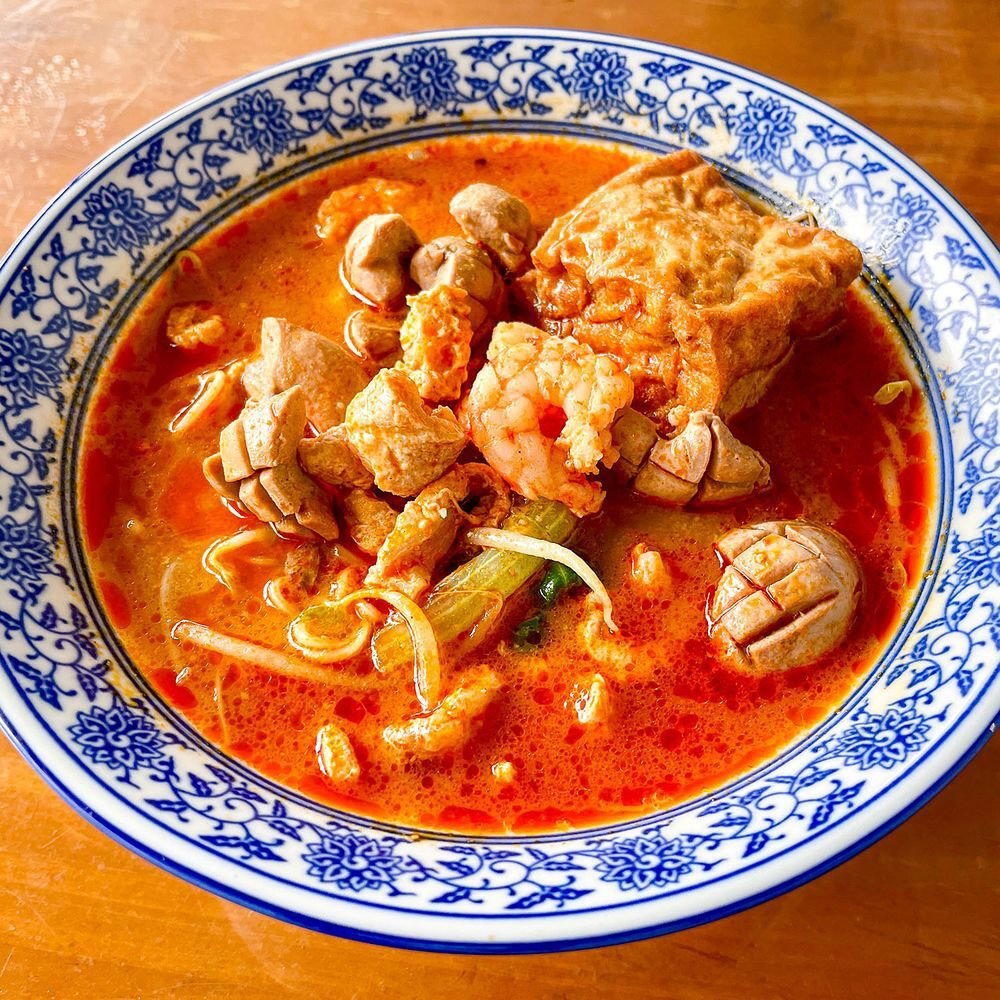
In Xiamen specifically, that expectation runs into a competitive dining scene that rewards specificity. Fujian cuisine, the regional tradition native to this province, is one of China's more technically demanding culinary lineages, with a heavy emphasis on clear broths, seafood, and precise knife work that differs materially from the bolder flavours of neighbouring Cantonese or Sichuan kitchens. A hotel that positions itself as a serious dining destination in this city has to account for that local tradition. The East-meets-West framing at Waldorf Astoria Xiamen is most coherent when read against that regional backdrop: the property sits at the intersection of a globally recognised brand standard and a local culinary identity that has real depth. For a wider view of what the city's restaurant scene offers beyond hotel dining, the Xiamen restaurants guide maps the full range.
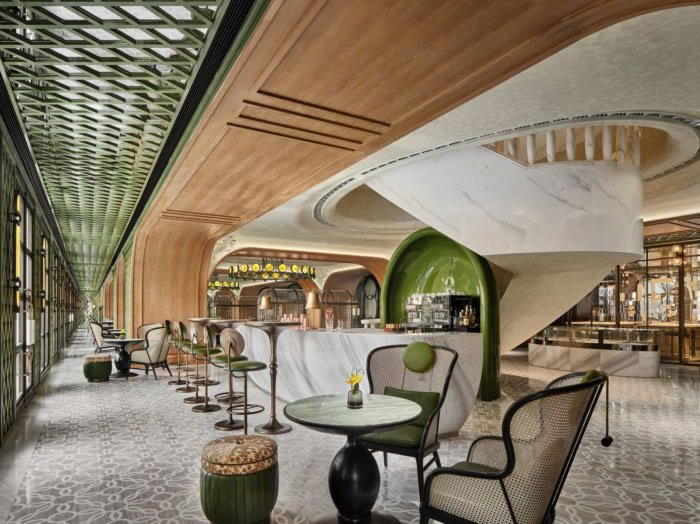
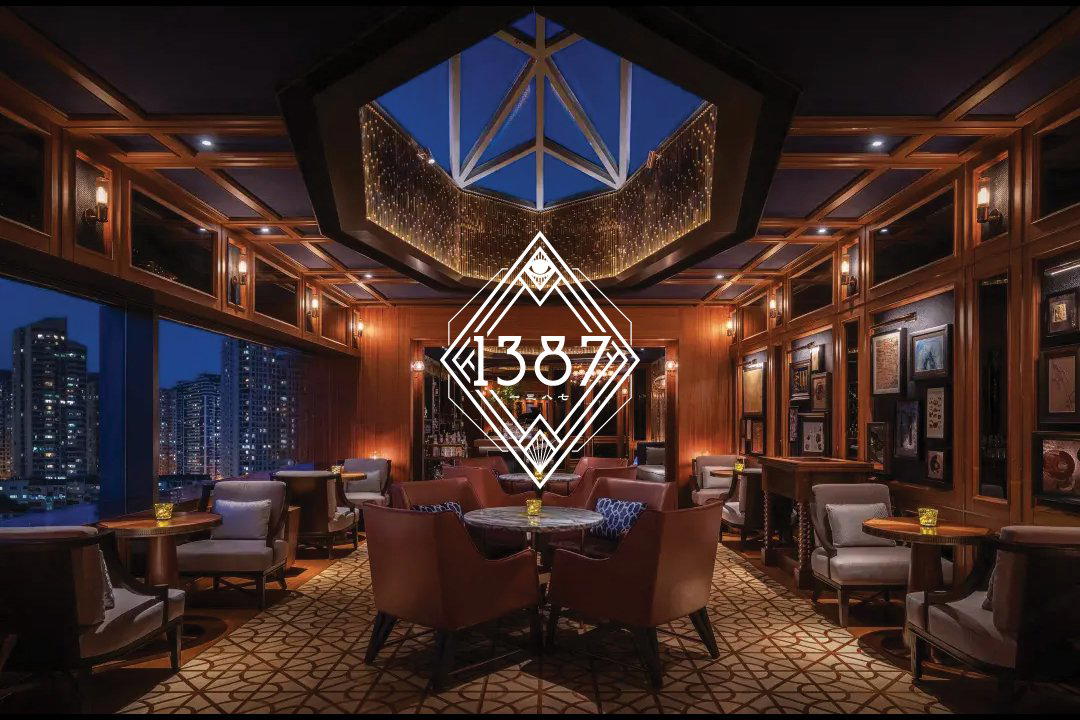
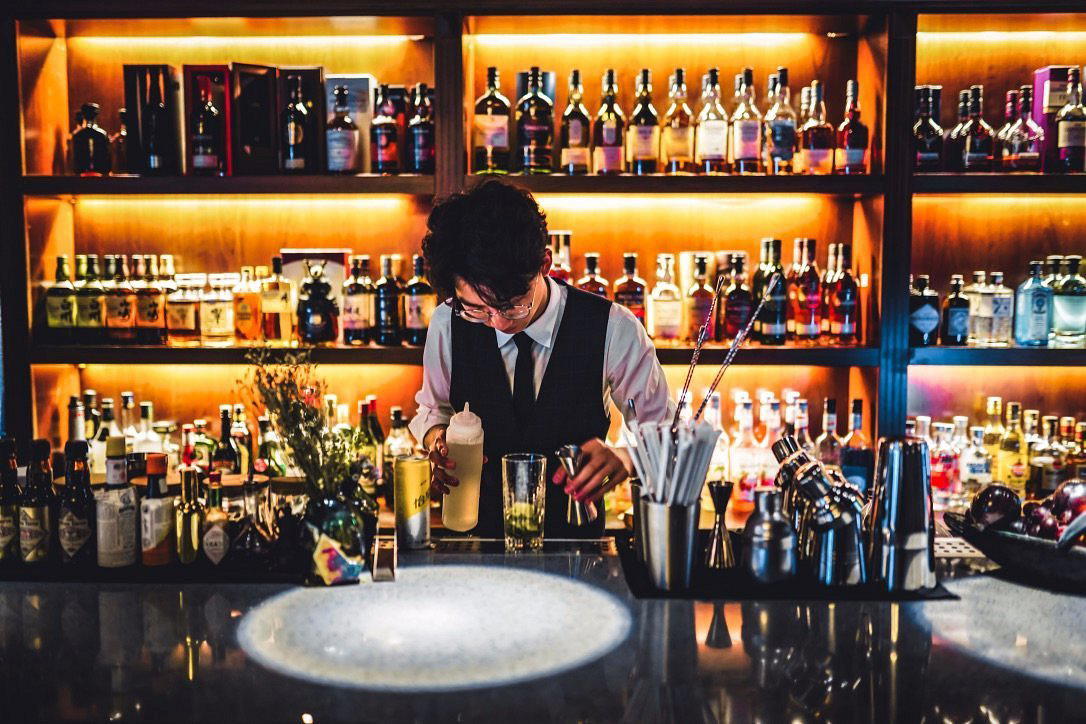
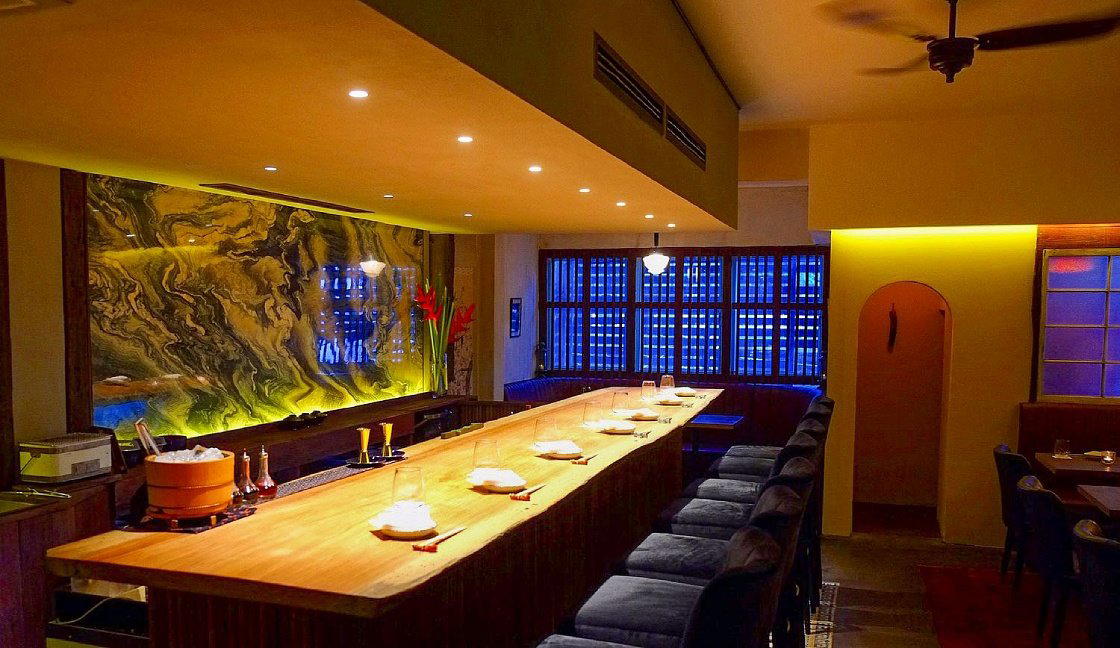
The Waldorf Astoria brand's approach to hotel bars has also been a consistent differentiator at its stronger properties globally. In cities like Beijing, where the Mandarin Oriental Qianmen and the Aman Summer Palace set the bar for in-hotel drinking experiences, the benchmark has shifted toward programme depth over spectacle. Xiamen's bar scene remains less developed than Shanghai or Guangzhou, which means a well-executed hotel bar at this address carries proportionally more weight in the city's overall offer.
Where It Sits in the Xiamen Luxury Tier
Xiamen's upper hotel market is smaller and more tightly clustered than comparable coastal cities in South China. The properties that compete directly with Waldorf Astoria Xiamen include Conrad Xiamen, another Hilton Worldwide brand operating at a similar price tier, and Lohkah Hotel & Spa, which takes a more locally rooted design approach and operates in a smaller, more boutique format. The HUANG YAN 36 Hotel represents the design-led independent cohort that has grown in Chinese second-tier luxury markets over the past several years.
The Waldorf Astoria's position in this set is defined by brand infrastructure and Forbes recognition rather than by boutique scale or local design identity. That makes it the natural choice for travellers whose preference runs toward a known global standard, consistent service protocols, and the F&B; depth that the Waldorf Astoria name carries as a brand promise. The hotel competes on urban amenity and city access rather than remoteness.
Planning Your Stay
Xiamen's peak travel periods cluster around the Chinese Golden Week holidays in early October and late January to February, when domestic visitor volumes across Fujian Province rise sharply. Booking during these windows, particularly for upper-tier properties, requires lead times of two months or more. Outside those periods, Xiamen's climate rewards shoulder-season visits: spring and autumn bring manageable temperatures and lower humidity than the July-August peak. The hotel's Si Ming district address keeps it within practical distance of both the Gulangyu ferry terminal and the main commercial districts. The hotel's Si Ming district address keeps it within practical distance of both the Gulangyu ferry terminal and the main commercial districts.
Booking and Cost Snapshot
Comparable venues nearby, for context on price, style, and recognition.
| Venue | Price | Awards | Notes |
|---|---|---|---|
| Waldorf Astoria XiamenThis venue — the venue you are viewing | $$$$ | 5-Star | Not listed |
| HUALUXE Xiamen Haicang | $$$$ | 5-Star | Haicang District, Contemporary luxury Chinese hospitality brand with wave-inspired architecture |
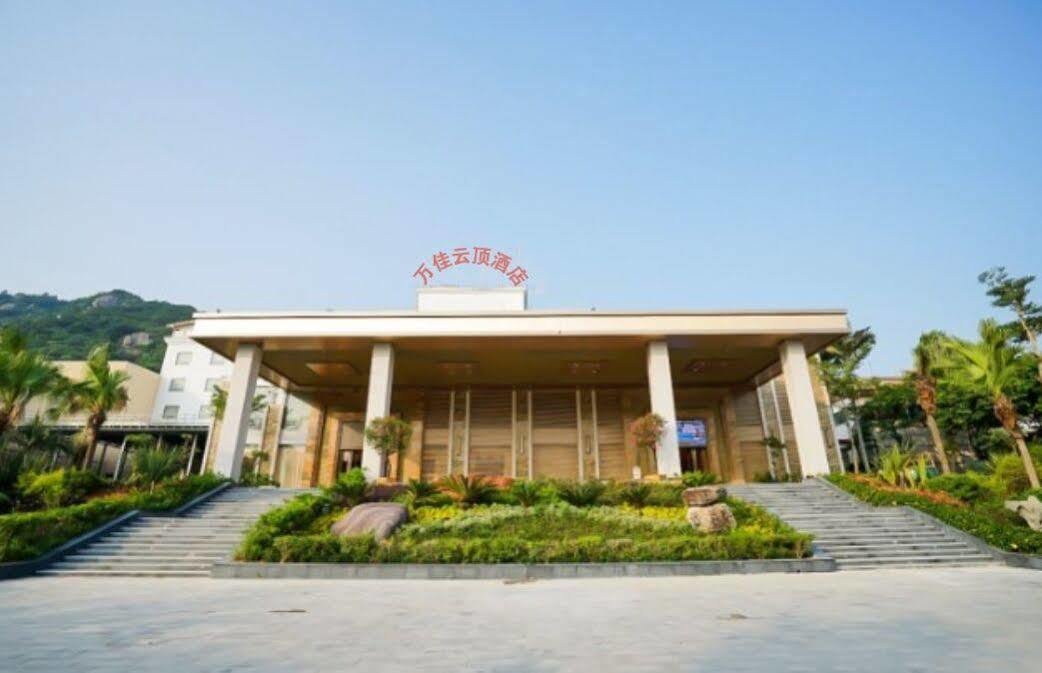
| Xiamen Yunding Resort | $$$ | 4-Star | Si Ming District, Upscale business resort with luxury amenities and family-oriented facilities positioned as a premier destination near the international conference and exhibition center. |
| Lohkah Hotel & Spa | $$$$ | 5-Star | Huli District, Luxury culturally enriching resort in urban marina setting |
| W Xiamen | $$$$ | 5-Star | East Business District, Trendy luxury hotel fusing local Fujian culture with high-energy W Hotels design. |
| Andaz Xiamen | $$$$ | 5-Star | Siming District, Modern mansion inspired by tropical Nanyang architecture with locally-rooted design philosophy celebrating Xiamen's overseas Chinese heritage and 'Garden by the Sea' identity. |
Recognition history
Dated appearances from independent guides and award organizations, with the underlying list record or original source where available.
Forbes Recommended
Forbes
Continue exploring
More in Xiamen
Hotels in Xiamen
Browse all →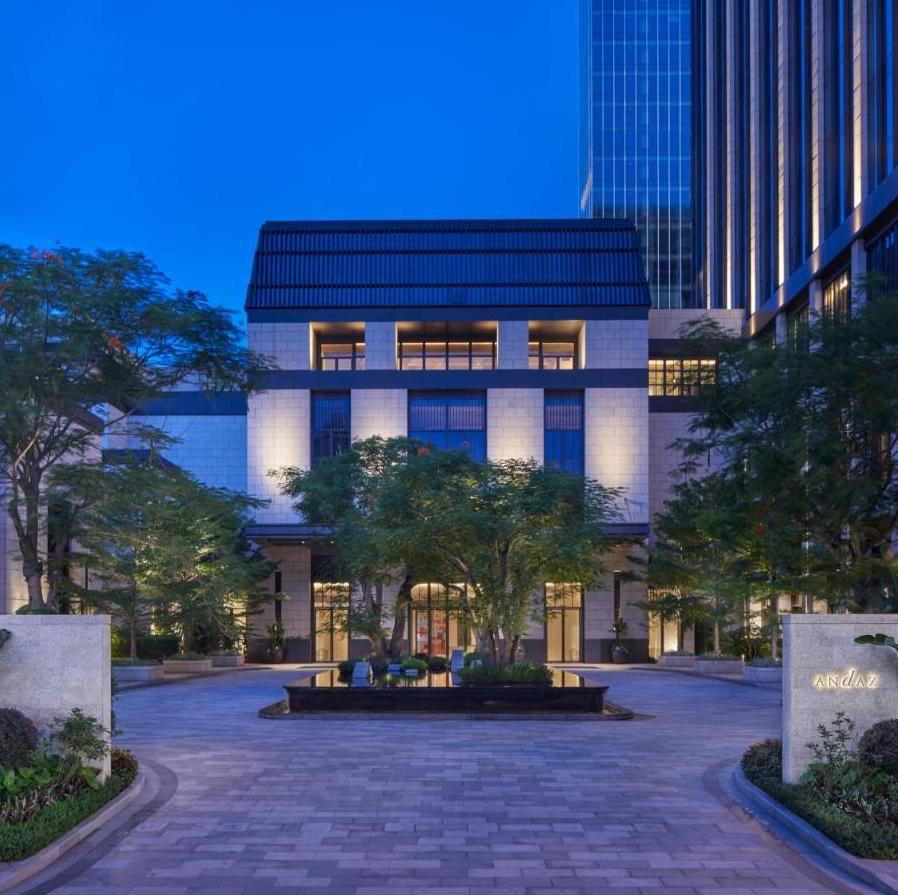
At a Glance
- Elegant
- Sophisticated
- Ornate
- Romantic Getaway
- Business Trip
- Family Vacation
- Rooftop Pool
- Infinity Pool
- Panoramic View
- Wi Fi
- Pool
- Spa
- Fitness Center
- Room Service
- Concierge
- EV Charging
- Garden
- Skyline
- Wi Fi
- Pool
- Spa
- Fitness Center
- Room Service
- Concierge
- EV Charging
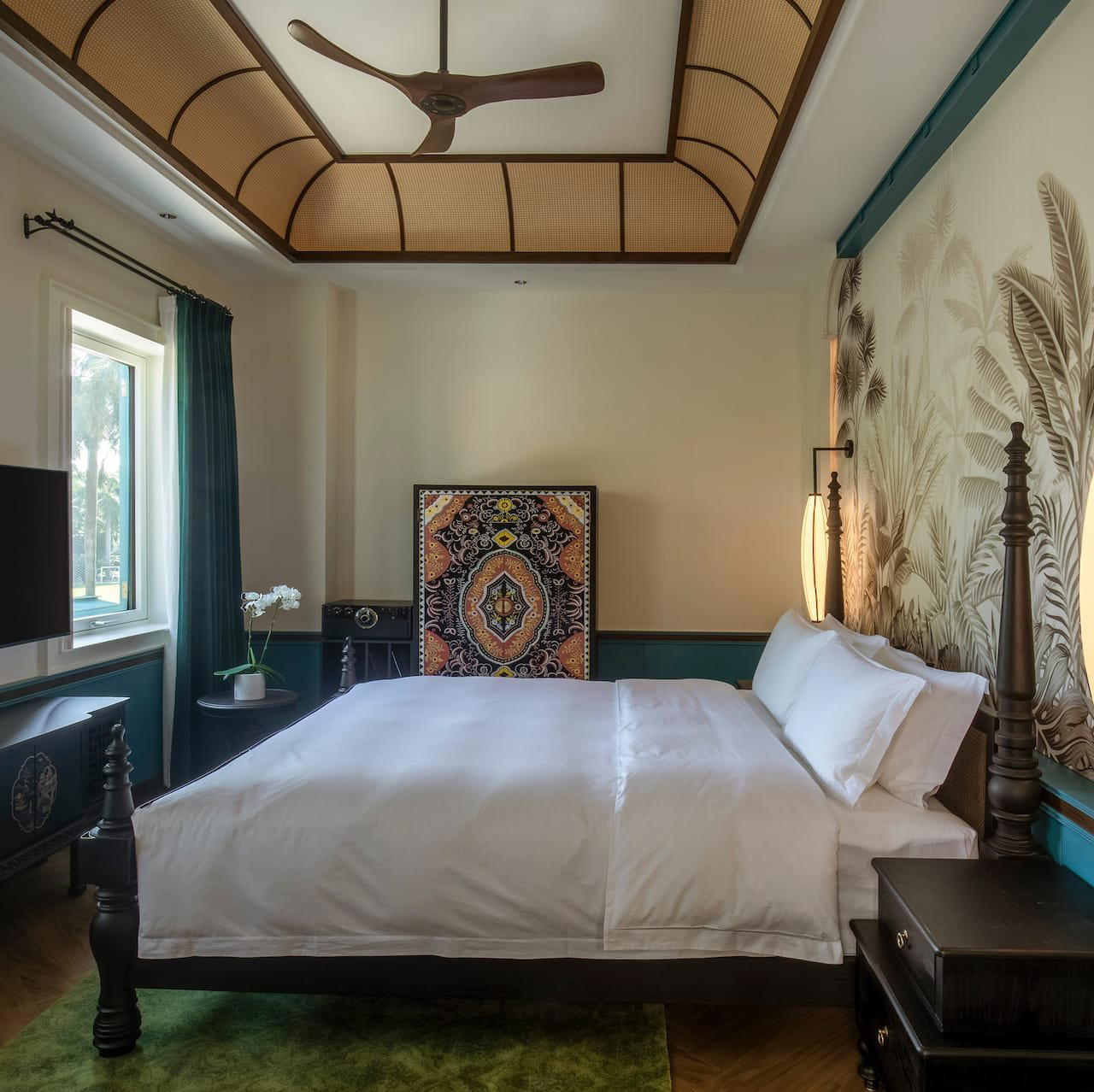
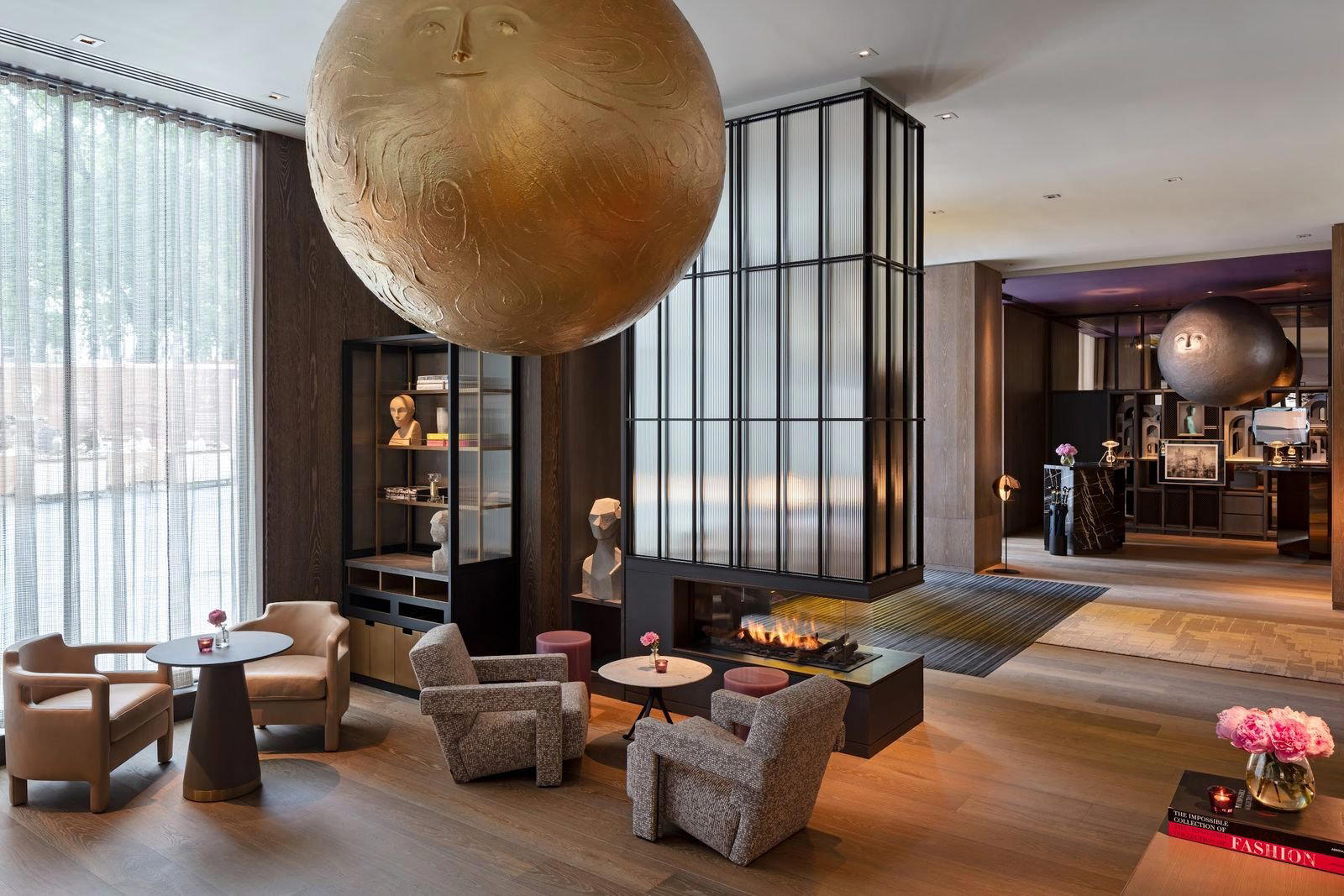
Luxurious and elegant with natural light from floor-to-ceiling windows, soundproofed rooms, and a serene, sophisticated atmosphere.