


A Michelin-starred and Black Pearl 2 Diamond fixture on Jiahe Road, Yanyu has held its position at the summit of Xiamen's Fujian dining scene for over a decade. The kitchen anchors its reputation on premium dried seafood, the full Buddha Jumps Over the Wall preparation, and Minnan specialities including prawn noodles in tomalley broth. Price range sits at ¥¥¥, making it accessible relative to its award tier.
Pearl is the En Primeur Club membership app — saves, bookings, and concierge access live there. Same editors, same standards.
- Address
- 21 Jiahe Rd, Siming District, Xiamen, Fujian, China, 361007
- Phone
- +86 592 806 6917
- Directions
- Get directions
 Saves & bookings on Pearl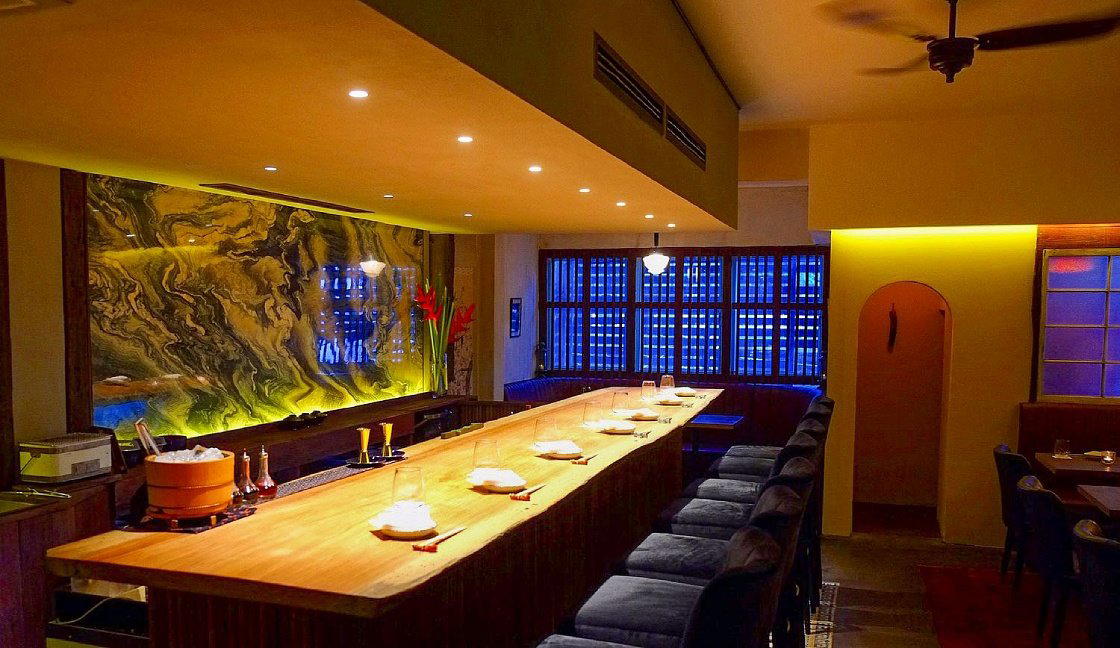
Where Dried Seafood Becomes the Main Event
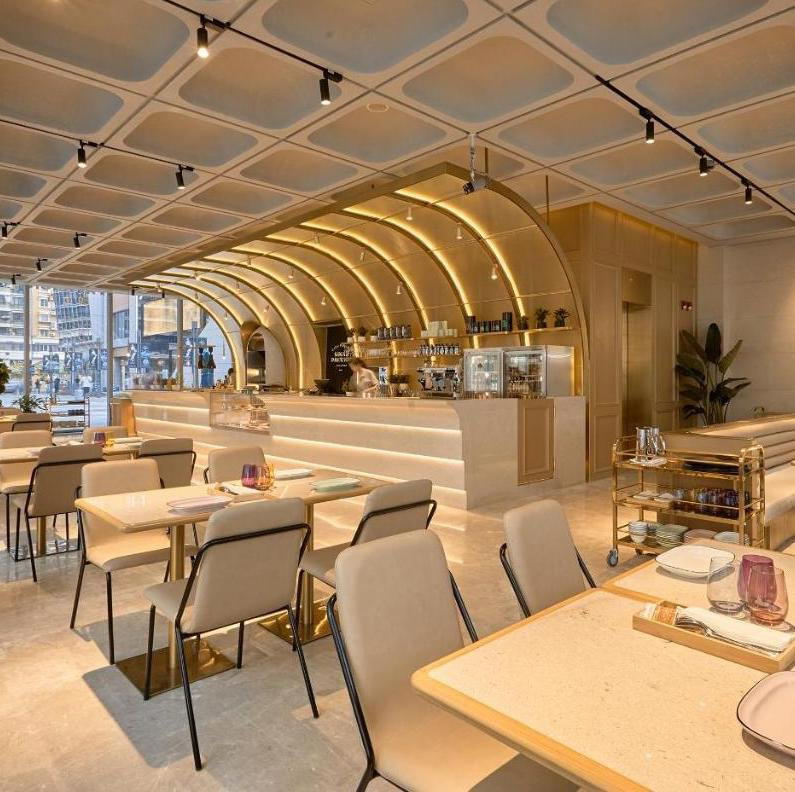
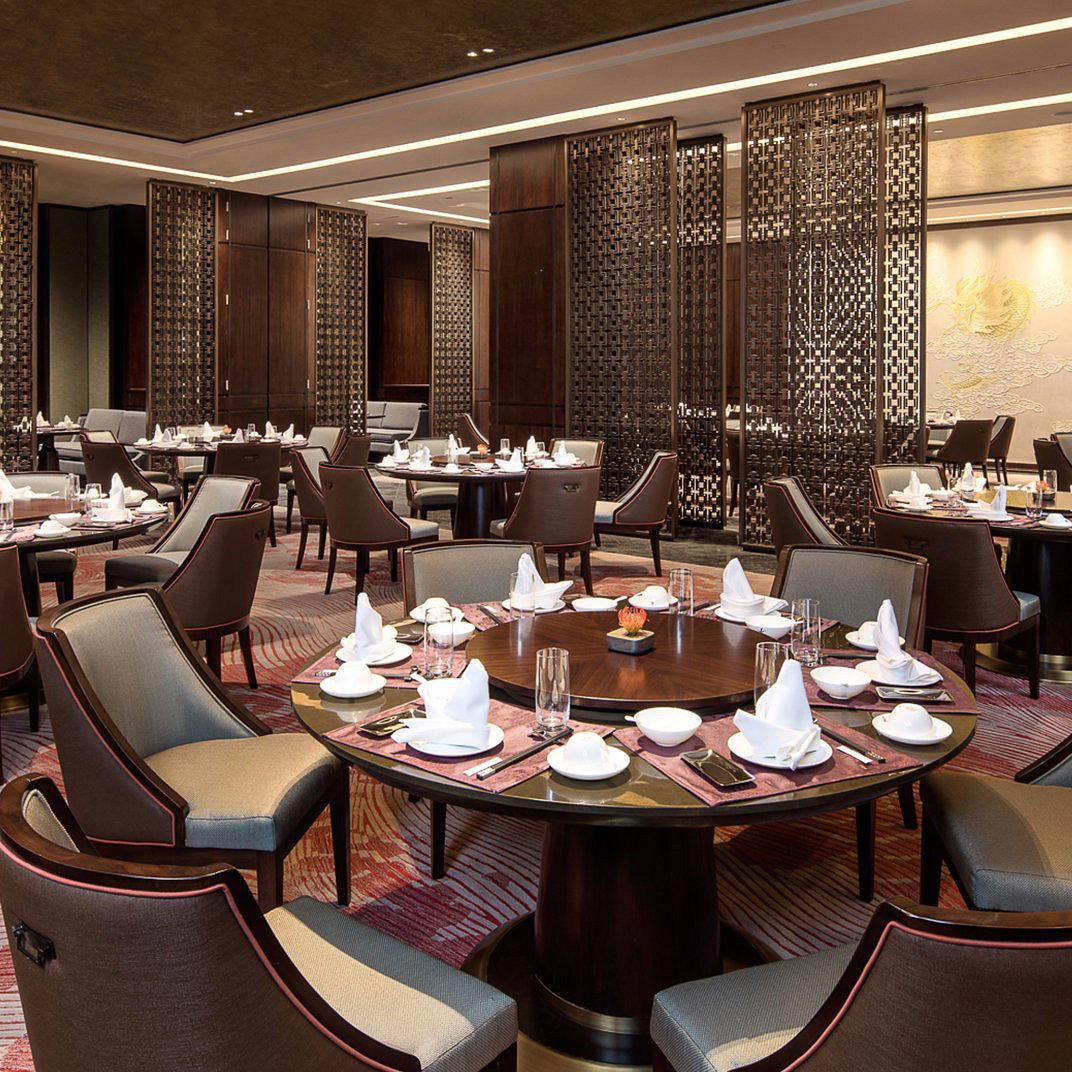
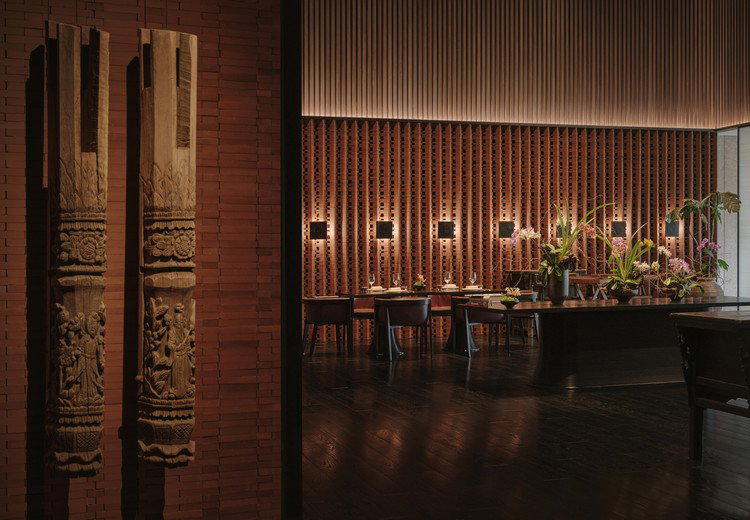
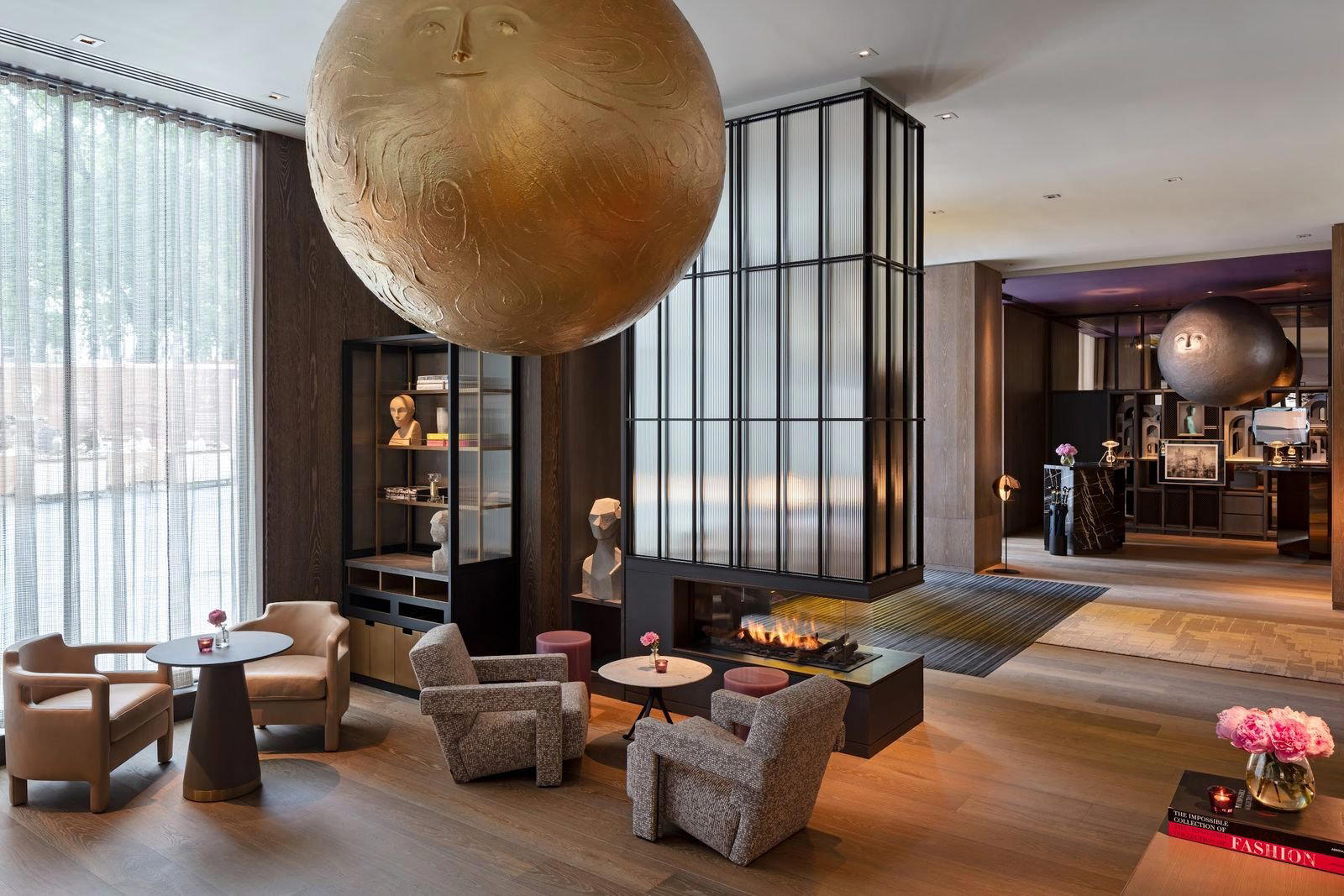
Xiamen's Fujian restaurant scene divides fairly cleanly into two registers: the casual Minnan snack houses around Zhongshan Road, and a smaller tier of formal establishments that treat the province's elaborate dried-seafood tradition as the centrepiece of the menu. Yanyu on Jiahe Road is a one-Michelin-star restaurant in Xiamen operating firmly in the second category. The dining room is modern and composed, with dried seafood displayed in a way that functions less as decoration and more as a direct statement of sourcing philosophy. This is a kitchen that wants you to see what it is working with before a dish arrives at the table.
That kind of transparency matters in Fujian cooking, where the quality of dried abalone, sea cucumber, fish maw, and shark fin determines the ceiling of what the kitchen can produce. Unlike live-tank theatrics common at Cantonese seafood houses, the Fujian approach centres on the laborious rehydration and braising of preserved ingredients, processes that take hours and cannot be rushed to order. What you are looking at in those display cases is days of preparation work in concentrated form.
Buddha Jumps Over the Wall and the Dried Seafood Tier
The dish that anchors Yanyu's reputation is佛跳墙, Buddha Jumps Over the Wall, a Fujianese braised soup that has existed in some form since the Qing dynasty and remains especially technically demanding preparation in the regional canon. A credible version requires abalone, sea cucumber, fish maw, pork tendon, and scallops braised together in a sealed clay pot, with the stock typically built from chicken, pork, and Shaoxing wine over many hours. The quality differential between a serious rendition and a tourist-facing approximation is significant, and the presence of top-grade dried seafood in the kitchen is the clearest proxy for which category you are in.
Yanyu has held a Michelin star since at least 2024 and a Black Pearl 2 Diamond recognition in 2025, placing it in a small peer group of Fujian restaurants operating at that certification level in mainland China. For regional comparison, Wenru No.9 in Fuzhou and Hokkien Cuisine in Chengdu represent the broader footprint of serious Fujian cooking outside the home province, but Yanyu's Xiamen address positions it at the source of the tradition.
Across Chinese fine dining broadly, Yanyu's recognition places it among notable regional restaurants in its category. Compare that to peers in other cities: Xin Rong Ji in Beijing, 102 House in Shanghai, and Ru Yuan in Hangzhou represent different regional traditions achieving similar dual-recognition status, which contextualises the seriousness of Yanyu's position within the Xiamen dining tier.
Minnan Specialities Beyond the Showpiece Dish
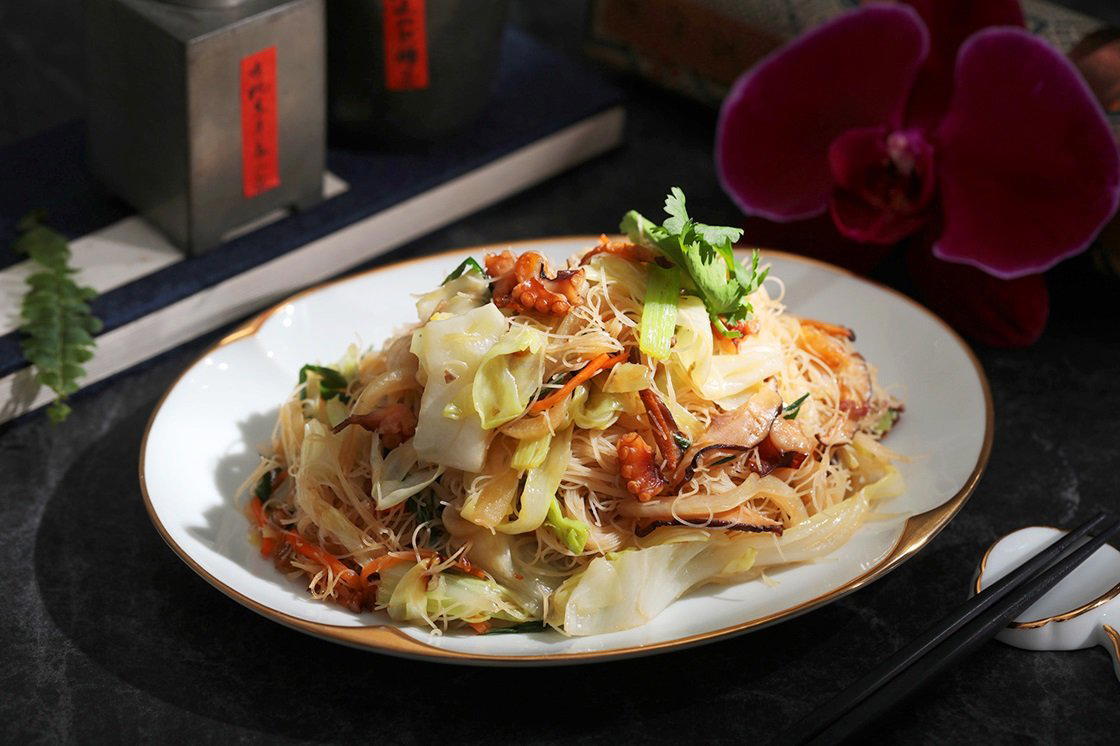
Fujian cooking in its Minnan variant, the dialect and culinary sub-tradition dominant in the Xiamen area, extends well beyond the elaborate set-piece preparations. The prawn noodle dish described in available sourcing is a precise example of this: noodles served in an orange-coloured broth built from tomalley, the hepatopancreas of crustaceans, which delivers an intensity of shellfish flavour that no stock-based shortcut can replicate. This is a preparation that signals kitchen confidence, because tomalley-based sauces polarise, and a restaurant willing to put one at the centre of a signature dish is making a choice about its audience.
The made-to-order black mochi with black sesame is equally characteristic of the Minnan dessert tradition, where glutinous rice preparations carry strong aromatic profiles rather than purely sweet ones. These dishes sit at the accessible end of the menu by price, which aligns with the venue's broader positioning: the ¥¥¥ bracket at Yanyu allows entry points that do not require ordering the full dried-seafood programme.
Within Xiamen itself, the Fujian dining market segments at several price points. Bai Jia Chun Hao De Lai Jiang Mu Ya on Zhongxing Road operates at the ¥ tier, while Chic 1699 sits at ¥¥. Yanyu's ¥¥¥ positioning places it in the formal upper tier, though its decade-plus reputation for delivering quality without extreme pricing is a recurring note in how the restaurant is described. For Minnan cooking specifically, Hokklo and 1927 Dong Yuan Si Chu represent other established local addresses, while A Zhong Shi Fang covers the casual end of the regional spectrum.
Seasonal Depth and Sourcing Signals
The seasonal menu at Yanyu is a meaningful structural element, not just a marketing rotation. In Fujian cooking, the dried and cured ingredient supply is itself seasonal, with abalone harvested at different times of year carrying distinct textural and flavour profiles. A kitchen with genuine sourcing relationships adjusts its menus to reflect what is available at peak quality rather than maintaining a static all-year list. The restaurant's seasonal menu reflects the dried and cured ingredient supply at its best points in the year.
For context in Chinese premium dining, similar sourcing-centred approaches appear at Chef Tam's Seasons in Macau and Imperial Treasure Fine Chinese Cuisine in Guangzhou, both of which operate in the overlap between Cantonese tradition and premium dried-seafood sourcing. The Fujian version of this approach is less widely exported than Cantonese cooking, which makes a restaurant like Yanyu harder to benchmark against non-Fujian peers and more appropriately assessed within its own regional tier. Xin Rong Ji in Chengdu offers a point of comparison for premium Chinese seafood dining in a mainland context outside the coastal provinces.
Planning a Visit
Yanyu's address is 21 Jiahe Road in the Siming District, the central administrative and residential district of Xiamen island. The restaurant has maintained a full dining room consistently over more than a decade, which is the clearest indicator that advance booking is advisable, particularly for weekend dinners or if your group intends to order the Buddha Jumps Over the Wall, which may require pre-ordering given the preparation time involved. The ¥¥¥ price bracket positions it as a considered dinner rather than a casual drop-in, and ordering across the full range of dried-seafood preparations will move the bill toward the upper end of that tier. Groups that want to experience both the showpiece preparations and the Minnan snack dishes should allow for a longer table time than a standard two-course format would suggest.
Price Lens
Comparable venues nearby, for context on price, style, and recognition.
| Venue | Cuisine | Price | Awards | Notes |
|---|---|---|---|---|
| Yanyu (Jiahe Road)This venue — the venue you are viewing | Chinese Seafood | $$$ | Michelin 1 Star | Not listed |
| Fleurs Et Festin | Siming, Authentic Chaoshan Cuisine | $$$ | Michelin 1 Star | Not listed |
| Hokklo | Siming, Modern Fujian | $$$$ | Michelin 1 Star | Not listed |
| Pan Ya Yuan | Huli, Seasonal Vegetarian Fine Dining | $$$ | Bib Gourmand | Not listed |
| Panda's | Huli, Sichuan Cuisine from Zigong | $$ | Bib Gourmand | Not listed |
| Xiang Mo Jin Nian (Siming) | Not listed | $$ | Bib Gourmand | Siming, Minnan Sand-Cooked Fujian Cuisine |
Recognition history
Dated appearances from independent guides and award organizations, with the underlying list record or original source where available.
Michelin 1 Star
Michelin
Opinionated About Dining Top Restaurants in Asia Highly Recommended
Opinionated About Dining
Black Pearl 2 Diamond
Black Pearl
Michelin 1 Star
Michelin
Michelin 1 Star
Michelin
Continue exploring
More in Xiamen
Restaurants in Xiamen
Browse all →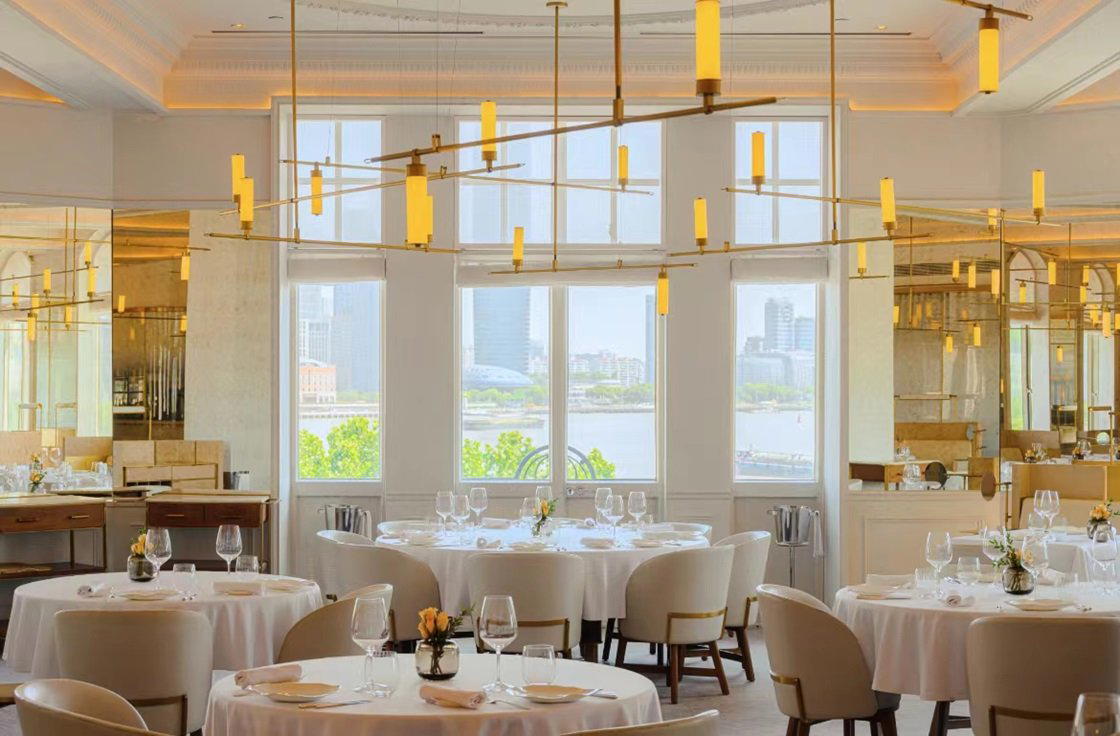






At a Glance
- Sophisticated
- Elegant
- Modern
- Celebration
- Business Dinner
- Special Occasion
- Date Night
- Standalone
Current opening hours
- Monday
- 10 AM–10 PM
- Tuesday
- 10 AM–10 PM
- Wednesday
- 10 AM–10 PM
- Thursday
- 10 AM–10 PM
- Friday
- 10 AM–10 PM
- Saturday
- 10 AM–10 PM
- Sunday
- 10 AM–10 PM
Hours can change for holidays and private events. Last verified .
A composed, modern fine-dining room with a formal-but-not-stiff atmosphere and an easy conversational hum.