
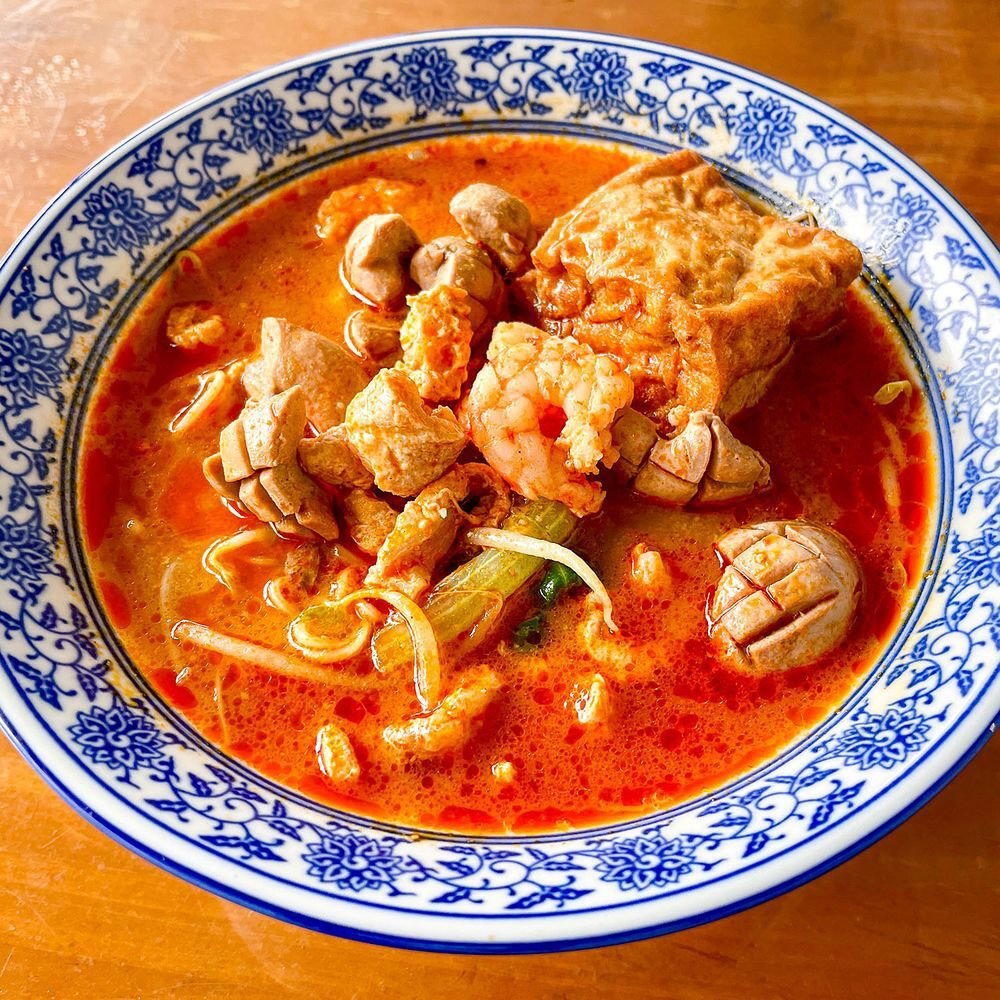
Open since 1996, this Siming District neighbourhood institution has served the same four items every day: ginger duck stew, duck gizzards, blanched greens, and steamed rice. Rows of claypots simmer with local Muscovy duck, old ginger, rice wine, and sesame oil. A two-time Michelin Bib Gourmand recipient (2024 and 2025), it represents one focused expression of Xiamen's ginger duck tradition.
Pearl is the En Primeur Club membership app — saves, bookings, and concierge access live there. Same editors, same standards.
- Address
- 8 Yiai Rd, Siming District, Xiamen, Fujian, China, 361007
- Phone
- +86 592 517 1333
- Directions
- Get directions
 Saves & bookings on Pearl
Four Items, Twenty-Eight Years: Xiamen's Ginger Duck Tradition at Its Most Concentrated
Walk along Yiai Road in the Siming District on any given evening and the signal is olfactory before it is visual. Sesame oil and rice wine hitting hot clay, old ginger releasing its sharper secondary notes as it breaks down in the braising liquid, these are the smells of a kitchen that has not changed its menu since 1996. There is no printed philosophy on the wall, no seasonal rotation, no chef's table. There is ginger duck stew, duck gizzards, blanched leafy greens, and steamed rice. That is the entire menu.
Fujianese Cooking and the Logic of the Single Dish
Fujianese cuisine sits at an interesting remove from China's more internationally recognised regional traditions. Where Sichuan cooking is defined by its spice architecture and Cantonese cooking by its technical range, Fujian's identity is built around umami depth, restrained heat, and a commitment to local ingredients that rarely needs to announce itself. The province's cooking gave the world Hokkien-style noodles and a braising culture that travelled with emigrant communities across Southeast Asia, you can trace direct lines from Fujian's kitchens to the hawker stalls of Penang and Singapore.
Within Xiamen's version of that tradition, ginger duck stew occupies a specific and serious place. The dish uses Muscovy duck, a breed whose dense, darker meat holds up to extended braising without disintegrating, and old ginger, dried and aged rather than fresh, which loses its sharpness and develops a warmer, more resinous quality in the claypot. Rice wine and sesame oil round out the braising base, adding both sweetness and a layered fat-soluble aromatic that no water-based stock can replicate. The result is a dish that reads as simple but requires ingredient quality and timing to execute correctly at volume. This restaurant has been executing it at volume, to a consistent standard, for nearly three decades.
What the Bib Gourmand Signals Here
Michelin's Bib Gourmand designation, awarded in both 2024 and 2025, functions differently from a star: it is a quality endorsement at a price point that the guide considers strong value, rather than a complexity or ambition rating. For a four-item restaurant operating at a modest price tier, consecutive Bib Gourmand recognition is a strong signal of consistency. That consistency across two separate inspection cycles is the more meaningful data point than either award alone.
In Xiamen's broader dining context, this restaurant is distinctive for its narrow menu and precise execution. Other Xiamen restaurants in the recognised tier include Hokklo, which works within a different register of Fujianese-adjacent cooking, and 1927 Dong Yuan Si Chu. What distinguishes this restaurant within that set is the degree of menu compression: two Bib Gourmands for a kitchen that makes exactly four things is an unusual result, and it places the venue in a peer category closer to specialist single-dish operators than to the broader neighbourhood restaurant category.
The Menu in Detail
The ginger duck stew is the structural centre of every visit. Claypots arrive at the table still simmering, the duck having absorbed the rice wine and sesame oil through a long, gentle braise that renders the collagen without drying the meat. The old ginger, by the time it reaches the table, has given up its moisture and taken on a soft, almost caramelised texture that functions as both seasoning and side element within the pot.
Duck gizzards are the second protein option, and they tend to sell out early in the service. Arriving after the peak lunch or dinner rush means accepting that the gizzards may be gone, which makes timing a meaningful variable if that is your intended order. The blanched greens and steamed rice are what they are: competent, clean counterpoints to the richness of the duck, present to balance rather than to feature.
The discipline of not expanding the menu, over twenty-eight years of operation, is itself a culinary statement. In the Fujianese tradition, mastery of a single preparation is a legitimate endpoint, not a stepping stone.
Xiamen's Specialist Restaurant Category
Xiamen's dining range runs from high-format Fujian cuisine at addresses like Yanyu (Jiahe Road) and Chic 1699 down through neighbourhood specialists operating on minimal formats. This restaurant sits at the neighbourhood specialist end of that range, with the address in Siming District and the absence of any supplementary menu reinforcing that positioning.
That positioning connects it to a broader pattern visible across Chinese regional cities, where the restaurants that accumulate the longest queues and particularly durable local reputations are often the ones with the shortest menus. A Zhong Shi Fang operates on a similarly compressed format within Xiamen's small-eats category. Outside Xiamen, comparable discipline appears at different price tiers: Xin Rong Ji (Xinyuan South Road) in Beijing and Xin Rong Ji in Chengdu demonstrate how Fujianese-rooted cooking scales upward, while 102 House in Shanghai, Chef Tam's Seasons in Macau, Ru Yuan in Hangzhou, and Imperial Treasure Fine Chinese Cuisine in Guangzhou show the wider range of Chinese regional cooking operating in a more formal register.
Planning a Visit
The restaurant is at 8 Yiai Road, Siming District, Xiamen, a walkable address within central Xiamen's older residential grid. Given the reported pattern of duck gizzards running out before the end of service, arriving early in either the lunch or dinner window is the practical recommendation. The price point is firmly in the single-digit-per-person range for a full meal, which means this is a cash-budget visit rather than a considered reservation scenario. Reservations are recommended.
Cuisine and Awards Snapshot
Comparable venues nearby, for context on price, style, and recognition.
| Venue | Cuisine | Price | Awards | Notes |
|---|---|---|---|---|
| Bai Jia Chun Hao De Lai Jiang Mu Ya (Zhongxing Road)This venue — the venue you are viewing | Traditional Fujian Ginger Duck | $$ | Bib Gourmand | Not listed |
| Lu Niang Zi (Huli) | Beef Noodle Soup Specialist | $$ | Bib Gourmand | Huli |
| Lai Cuo Cheng Bian Shi Dian | Traditional Chinese Small Eats (Bianshi Dumplings) | $ | Bib Gourmand | Siming |
| Chic 1699 | Modern Fujian Minnan Seafood | $$ | Bib Gourmand | Siming |
| Tong'an Fan Dian (Huachang Road) | Fujian Tongan Cuisine | $$ | Bib Gourmand | Huli |
| Si Xia Li (Huli) | Modern Minnan Cuisine | $$ | Bib Gourmand | Huli |
Recognition history
Dated appearances from independent guides and award organizations, with the underlying list record or original source where available.
Michelin Bib Gourmand
Michelin
Michelin Bib Gourmand
Michelin
Michelin Bib Gourmand
Michelin
Continue exploring
More in Xiamen
Restaurants in Xiamen
Browse all →

At a Glance
- Classic
- Cozy
- Intimate
- Casual Hangout
- Group Dining
- Open Kitchen
- Local Sourcing
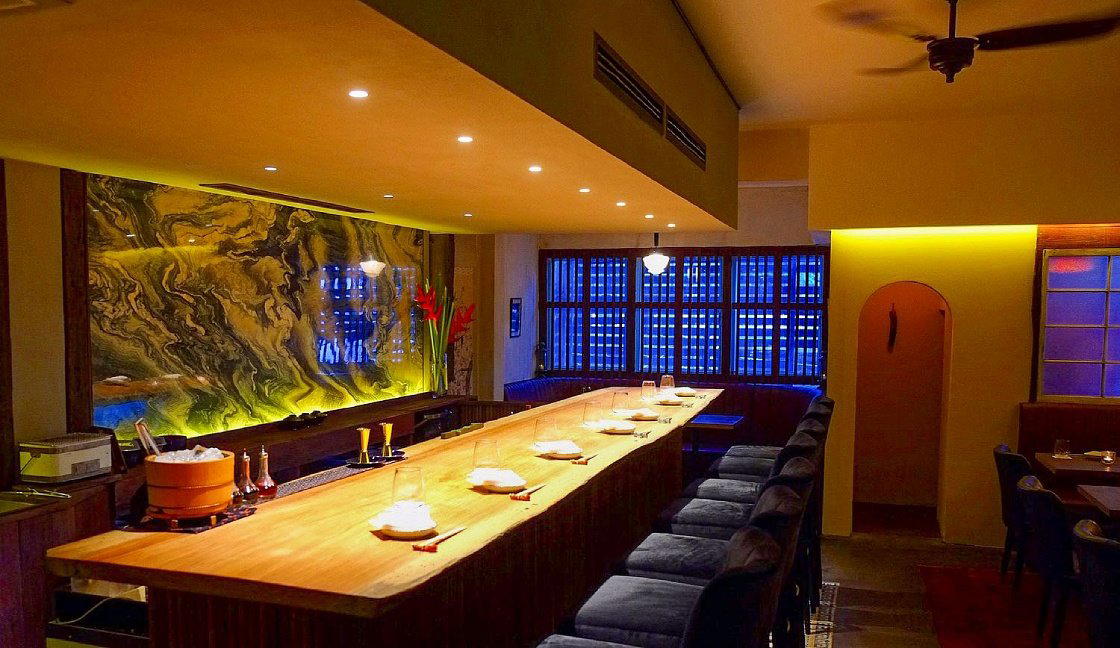
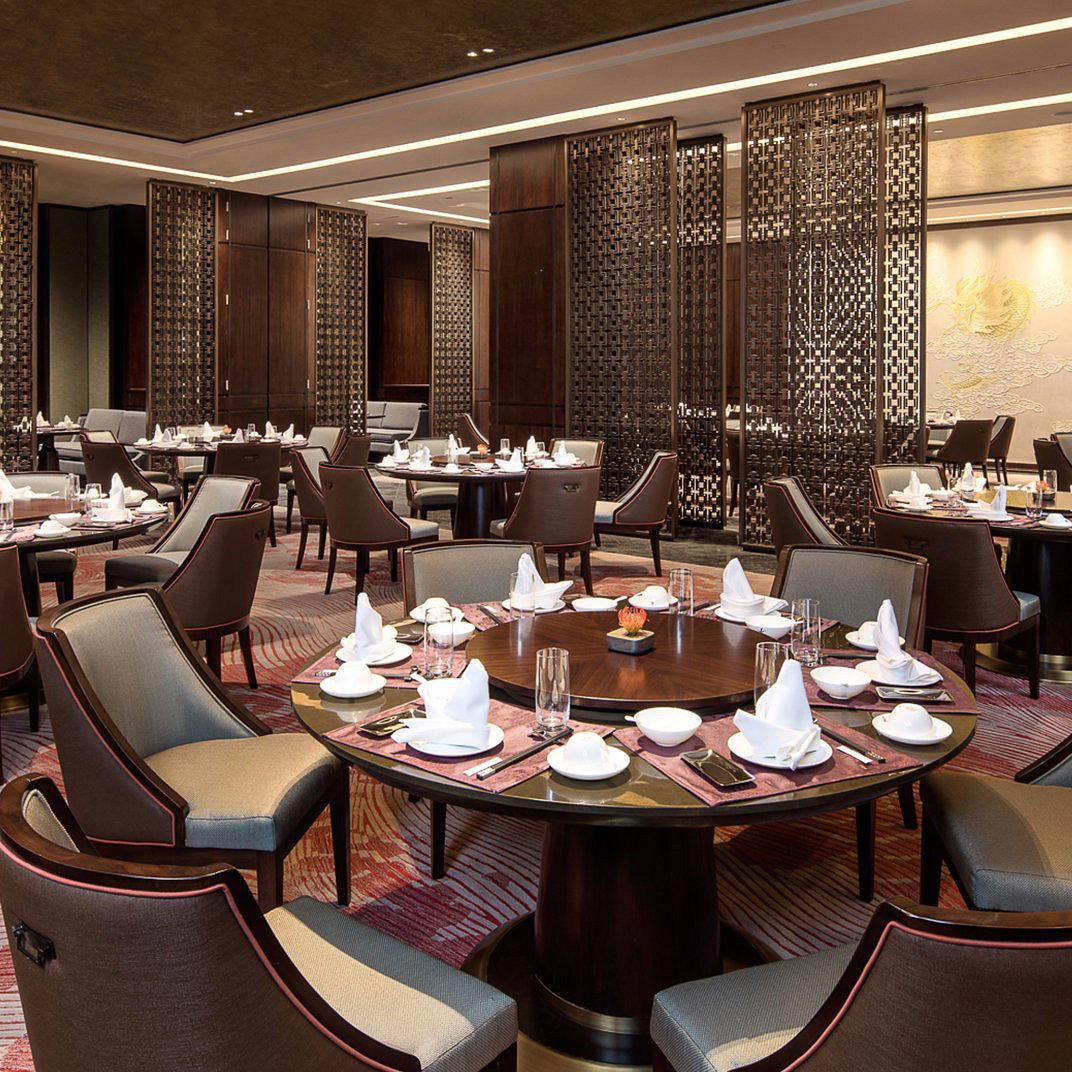
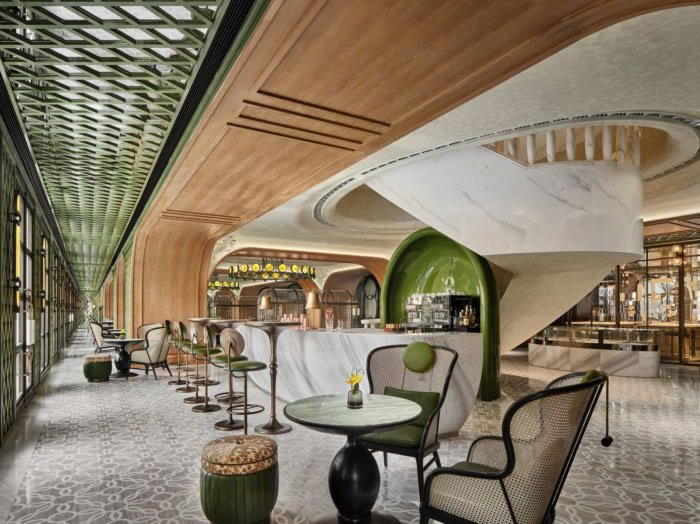
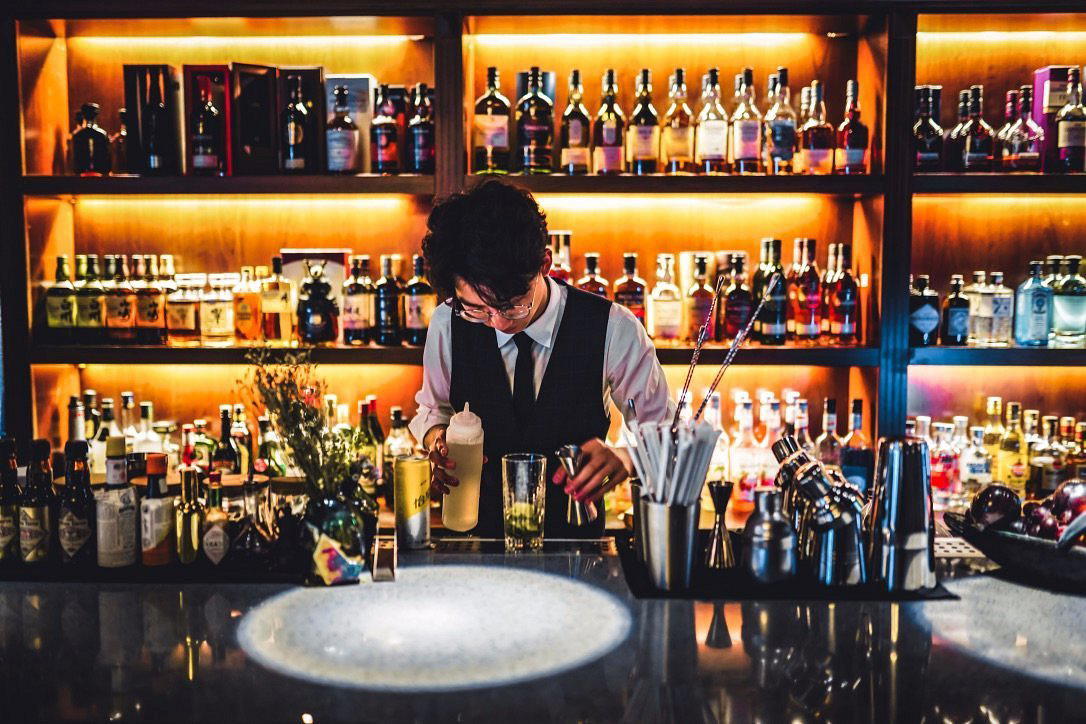
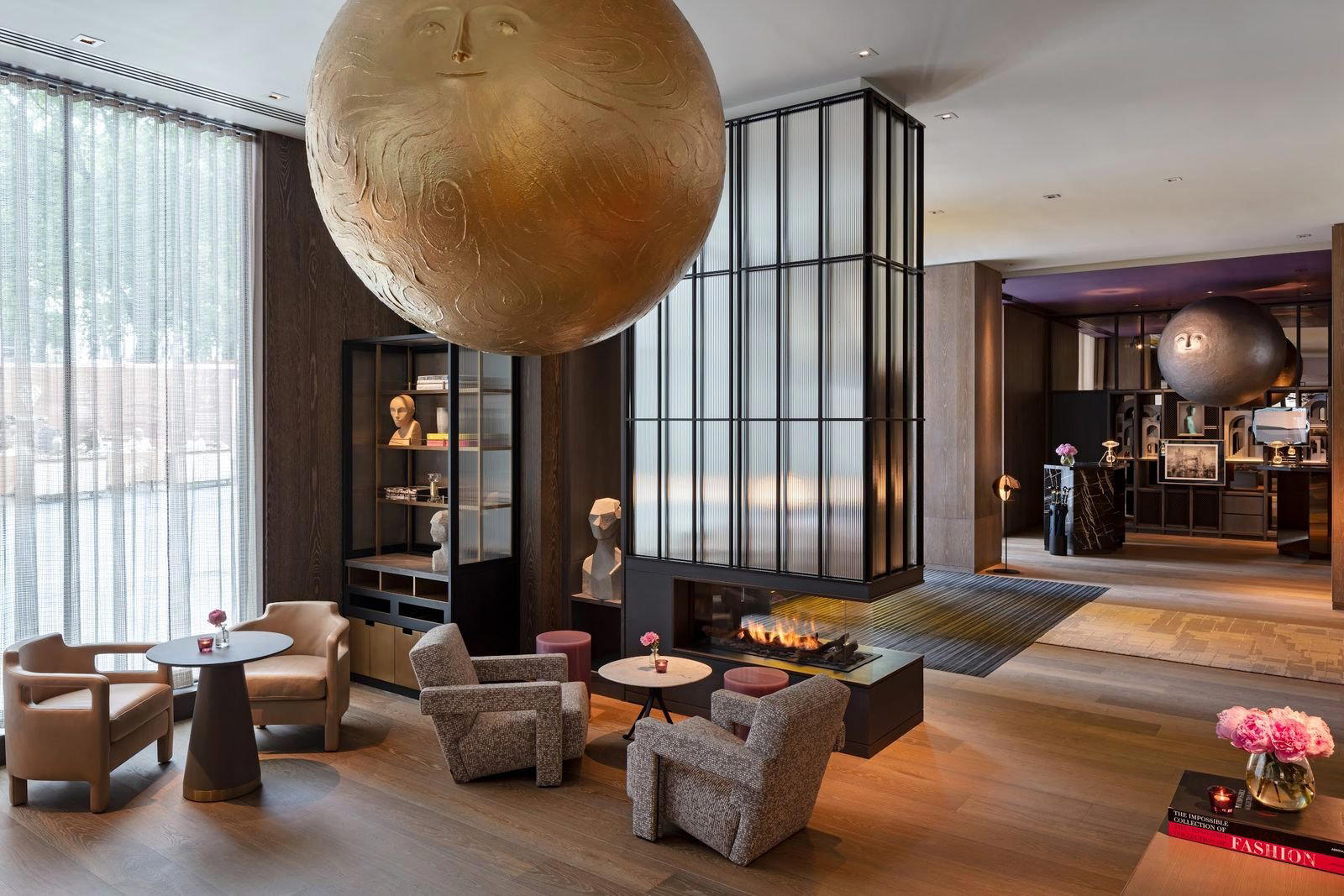
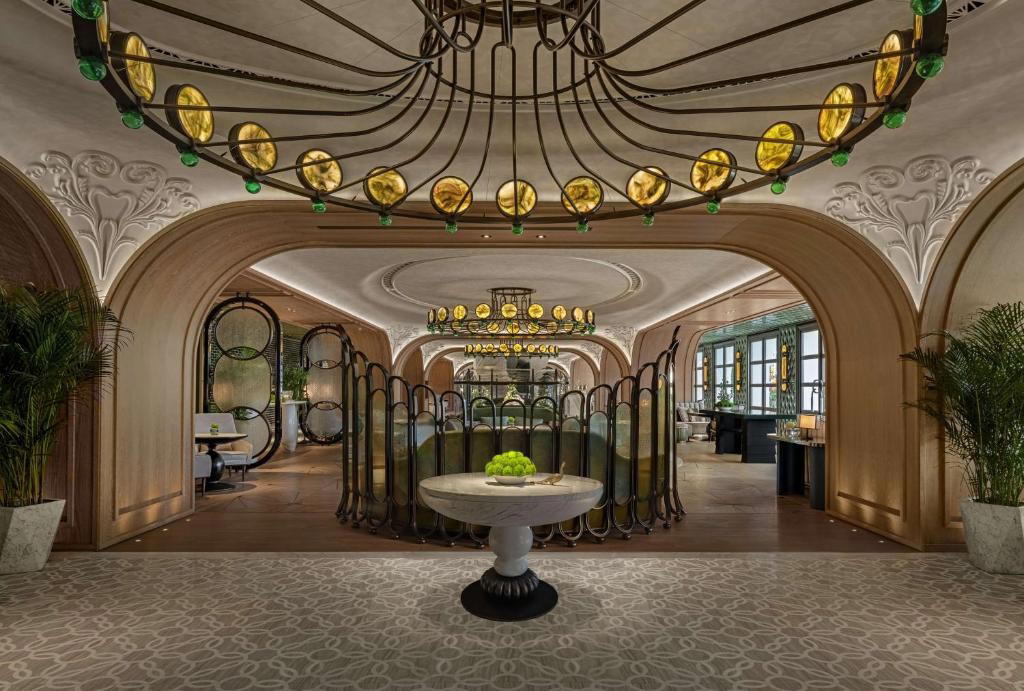
Warmly lit and unfussy room with rows of claypots simmering, creating a convivial atmosphere focused on precision and communal energy.