.png)
A Michelin Bib Gourmand recipient in 2025, Chic 1699 brings Fujian cooking to Shanghai at a price point that invites regulars rather than occasions. The kitchen works a cuisine that remains underrepresented in the city's dining rooms, built on seafood-forward technique and the restrained, umami-driven flavors characteristic of Hokkien tradition. For a city that skews Shanghainese and Cantonese, it reads as a meaningful counterpoint.
 Discover on Pearl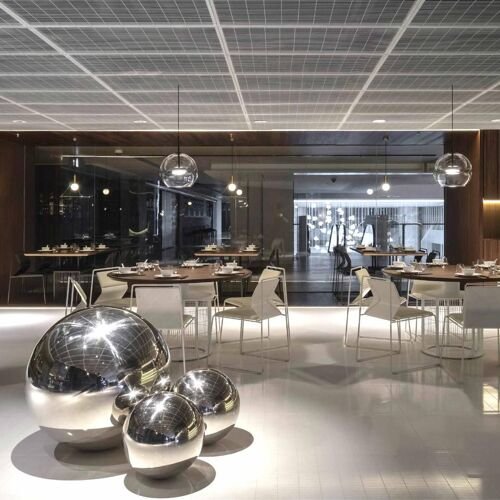
Fujian in Shanghai: A Cuisine Playing Its Own Game
Shanghai's restaurant scene is heavily weighted toward two poles: the local Shanghainese canon and the Cantonese fine-dining tier that dominates the upper price brackets. Fujian cuisine, with its emphasis on seafood broth, fermented ingredients, and a flavor profile that sits closer to the ocean than the wok, occupies a smaller, more specific lane. Chic 1699 works inside that lane at the ¥¥ price point, which means it operates in a register of accessibility that contrasts sharply with the aspirational positioning of much of Shanghai's recognized dining. The Michelin Guide awarded it a Bib Gourmand in 2025, the designation reserved for tables where the inspectors found cooking that met star-worthy quality thresholds at a price considered reasonable for the city. That signal matters more here than in categories where Bib Gourmand is almost routine: Fujian representation in Shanghai is thin enough that recognition from Michelin carries genuine locating power for a cuisine most Shanghai diners encounter only during travel to Xiamen or Fuzhou.
What the Bib Gourmand Actually Signals Here
The Michelin Bib Gourmand is sometimes read as a consolation category, but in practice it functions as a precision tool for a specific type of restaurant: technically serious, priced for repeat visits, and operating without the theater of a tasting menu. Among Shanghai's 2025 Michelin selections, a Fujian entry at the ¥¥ tier represents an editorial choice by the Guide to acknowledge a cuisine that hasn't built a high-profile footprint in the city. For context, the starred Chinese dining in Shanghai skews toward Cantonese, Shanghainese, and vegetarian formats. A venue like Fu He Hui, working at the two-star vegetarian level at ¥¥¥¥, occupies an entirely different market position. Chic 1699's recognition sits at the other end of that cost spectrum, closer in practical terms to venues like Hokkien Huay Kuan, which also works the Fujian tradition in Shanghai, and Min He Nan Huan Xi. The Bib Gourmand confirms that Chic 1699 is the version of this cuisine the Guide considered worth flagging in a city where it has to earn attention against louder competition.
The shortlist, unlocked.
Hard-to-book tables, cellar releases, and concierge-planned trips.
Get Exclusive Access →The Fujian Tradition It Represents
Fujian cooking is among the least-discussed of China's major regional cuisines in the broader international conversation, which understates its technical depth. The province's coastline and interior together produce a kitchen defined by light, clear broths built from shellfish and pork bones, fermented fish paste (shacha being the most familiar export), and a handling of seafood that prioritizes freshness and gentle heat over char and reduction. The flavor register is umami-forward without the sweetness that defines much of Shanghainese cooking or the refined simplicity that characterizes Cantonese preparation at its highest levels. Hokkien emigrant communities spread versions of this cuisine across Southeast Asia, which is why Fujian technique shows up in Indonesian and Singaporean dishes far more visibly than it does in mainland Chinese restaurant scenes outside the province itself. In Shanghai, encountering it in a recognized venue means access to something that requires active seeking rather than passive discovery. For further reference points on how this tradition translates across different mainland cities, Hokkien Cuisine in Chengdu and Hokklo in Xiamen offer useful comparison, the latter operating in the cuisine's home city.
Where It Sits in Shanghai's Broader Dining Picture
Shanghai's dining grid is large enough that any single venue can seem easy to overlook. The waterfront and the former French Concession carry the highest density of international attention, and venues like Meet the Bund attract the kind of crowd that arrives having already decided on a setting. Chic 1699 operates differently: the Bib Gourmand positioning implies a room that works on food rather than spectacle, and a clientele that returns because the cooking holds up across visits rather than because a single occasion demands it. At ¥¥, it prices below the tier occupied by 102 House and the Cantonese establishments that dominate the recognized Chinese-dining mid-to-upper bracket. That affordability is structural to the Bib Gourmand identity: the Guide is specifically noting that the quality-to-cost ratio rewards the diner who is paying attention, not the one managing an expense account.
Fujian in a Regional Context
Across mainland China's Michelin-active cities, Fujian cooking rarely surfaces in the upper recognition tiers. The highest-profile Fujian-adjacent representations tend to appear through Hokkien-inflected seafood at Cantonese tables rather than through dedicated regional venues. Xin Rong Ji in Beijing and Xin Rong Ji in Chengdu have built recognized platforms partly through Zhejiang-adjacent seafood traditions that share some overlap with Fujian sourcing logic. Chef Tam's Seasons in Macau represents a different end of the recognized Chinese regional spectrum. Ru Yuan in Hangzhou, Imperial Treasure in Guangzhou, and Dai Yuet Heen in Nanjing each anchor their cities' Chinese fine-dining tiers through Cantonese or classical Chinese frameworks rather than Fujian ones. Set against that regional picture, Chic 1699's Bib Gourmand in Shanghai is a relatively uncommon event for the cuisine.
Planning a Visit
Chic 1699 operates at a price point that makes it a practical choice outside of celebratory occasions, which also means its tables are likely to fill with regulars rather than once-a-year visitors. Booking in advance is advisable given the Michelin recognition, which typically accelerates demand in the months following publication. Shanghai's restaurant scene is seasonal in the sense that summer brings an influx of travelers while autumn tends to see the strongest local engagement with the dining calendar, making September through November a period when the room is likely running at full rhythm. The ¥¥ price bracket across Shanghai covers a range of formats, from quick lunch counters to full evening services; arriving with time to work through the menu is the more productive approach for a kitchen operating in a tradition that rewards slower, broth-centered progression. For broader orientation across the city's dining, drinking, and lodging options, EP Club's guides cover the full picture: our full Shanghai restaurants guide, our full Shanghai hotels guide, our full Shanghai bars guide, our full Shanghai wineries guide, and our full Shanghai experiences guide.
Shanghai, China
+86 21 5699 1699
Peers Worth Knowing
A quick look at comparable venues, using the data we have on file.
| Venue | Cuisine | Price | Notes |
|---|---|---|---|
| Chic 1699 | Fujian | ¥¥ | This venue |
| Fu He Hui | Vegetarian | ¥¥¥¥ | Vegetarian, ¥¥¥¥ |
| Ming Court | Cantonese | ¥¥¥ | Cantonese, ¥¥¥ |
| Polux | French | ¥¥ | French, ¥¥ |
| Royal China Club | Chinese, Cantonese | ¥¥¥ | Chinese, Cantonese, ¥¥¥ |
| Scarpetta | Italian | ¥¥¥ | Italian, ¥¥¥ |
Need a table?
Our members enjoy priority alerts and concierge-led booking support for the world's most difficult tables.
Get Exclusive AccessThe shortlist, unlocked.
Hard-to-book tables, cellar releases, and concierge-planned trips.
Get Exclusive Access →