
A Michelin Plate-recognised private dining room occupying a 1927 historical mansion in Xiamen's Siming District, 1927 Dong Yuan Si Chu offers ten private rooms across three levels within a Suzhou-style garden. Menus are tailored to the table, with Fujian classics such as double-boiled pork shank soup with green olives and whelks anchoring the experience. Reservations are essential.
Pearl is the En Primeur Club membership app — saves, bookings, and concierge access live there. Same editors, same standards.
- Address
- 65 Siming E Rd, 65, Siming District, Xiamen, Fujian, China, 361001
- Phone
- +86 592 205 5230
- Directions
- Get directions
 Saves & bookings on Pearl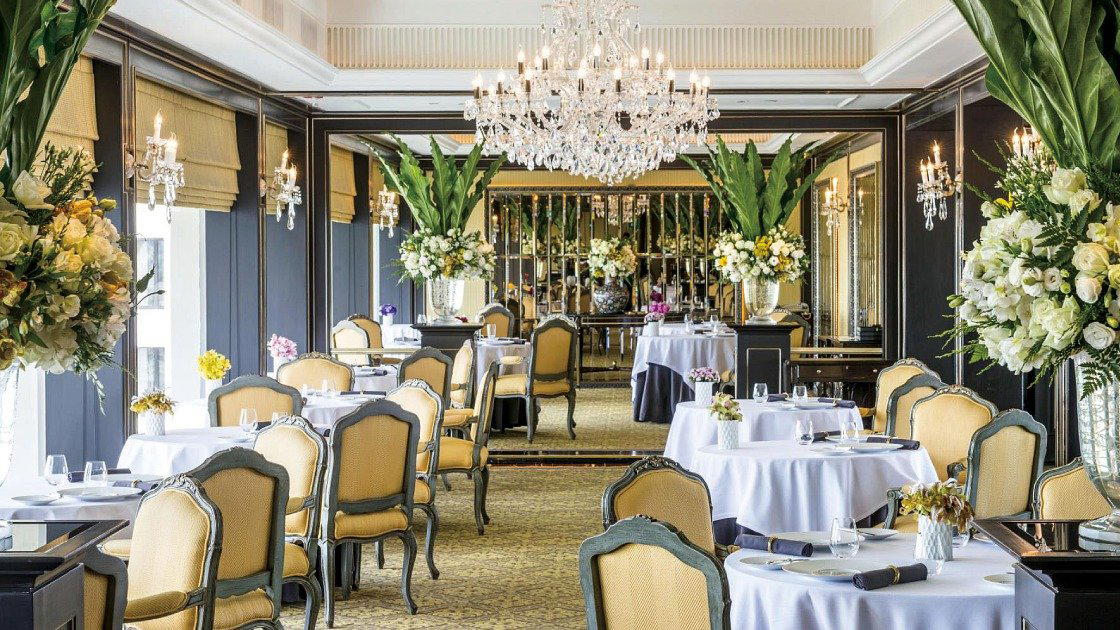
A Mansion, a Garden, and the Quiet Architecture of Fujian Hospitality
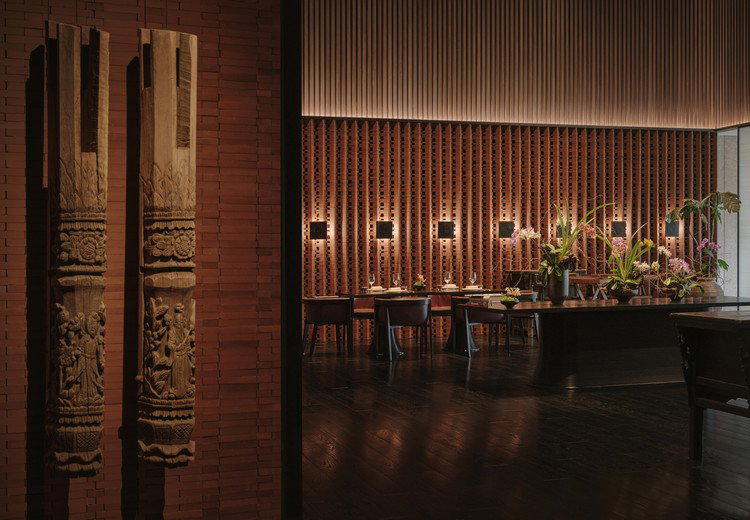
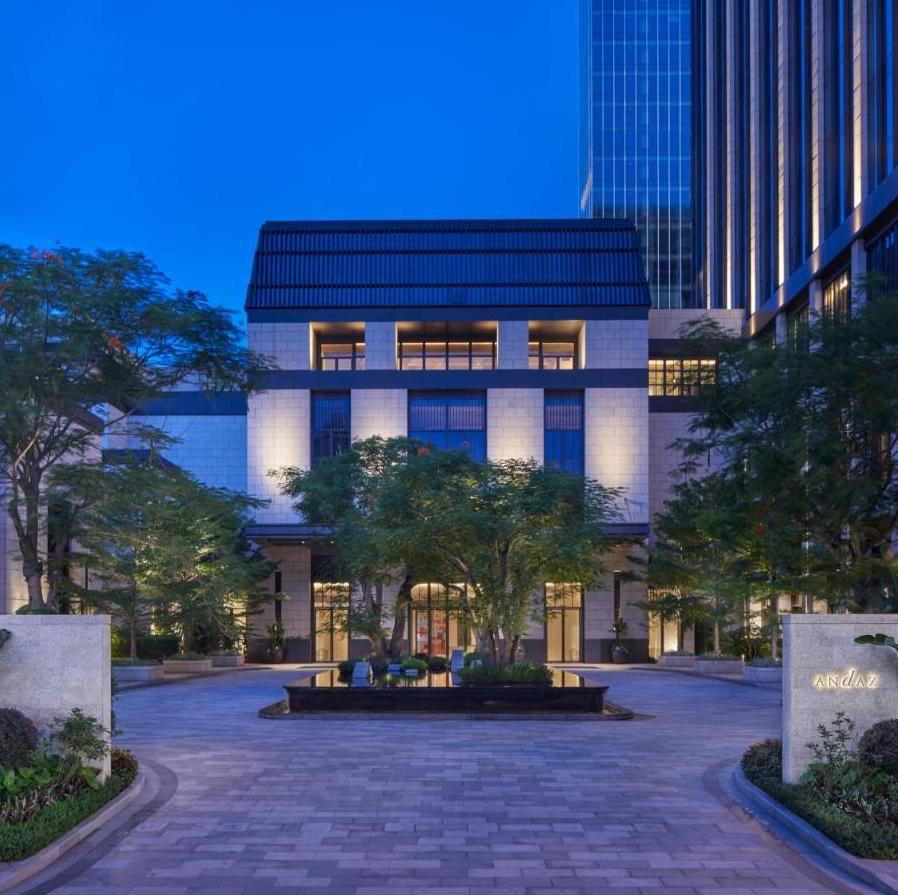
The building at 65 Siming East Road has been standing since 1927, and the decision to preserve rather than renovate-and-rebrand it says something deliberate about how Fujian's private dining tier has evolved. While much of Xiamen's restaurant growth has moved toward open-plan dining rooms and social-media-legible interiors, a smaller cohort of operators has chosen the opposite direction: enclosed gardens, rooms sized for a single party, and menus shaped around the guests rather than a fixed programme. 1927 Dong Yuan Si Chu is a restaurant in Xiamen serving refined Fujian cuisine. The Suzhou-style garden courtyard at its centre, a design tradition more commonly associated with Jiangnan than Fujian, creates a deliberate remove from the Siming District road outside, which runs busy enough that the contrast reads immediately on arrival.
Ten private rooms distributed across three floors is a telling constraint. It caps the covers at a level where the kitchen can execute properly rather than at volume, and it positions the restaurant in a comparable set defined less by price-point alone and more by format discipline. In this tier of Fujian dining, the booking itself is the first editorial signal: reservations are required, menus can be built around the table's preferences, and items vary with availability. That combination, historical setting, low capacity, tailored menus, is what the Michelin Plate recognition in 2024 and 2025 effectively reflects.
Fujian Technique and the Logic of Long, Slow Heat
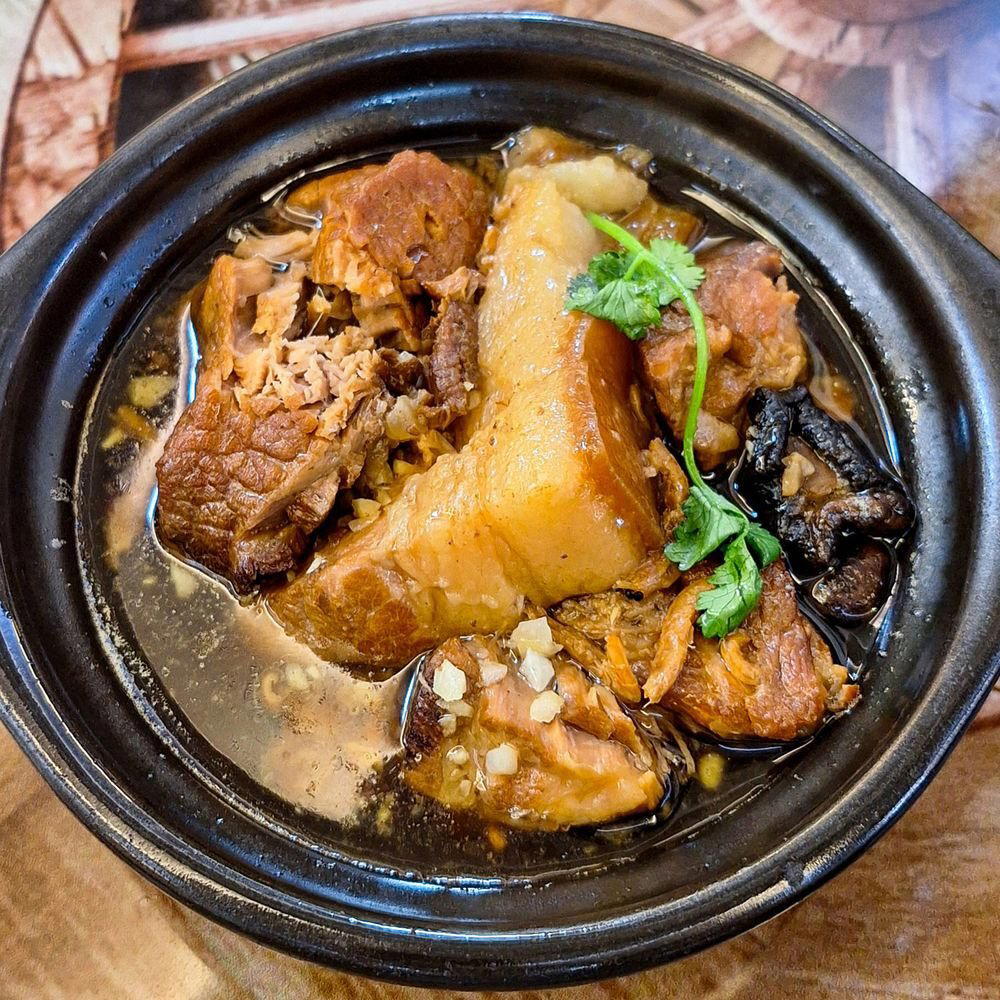
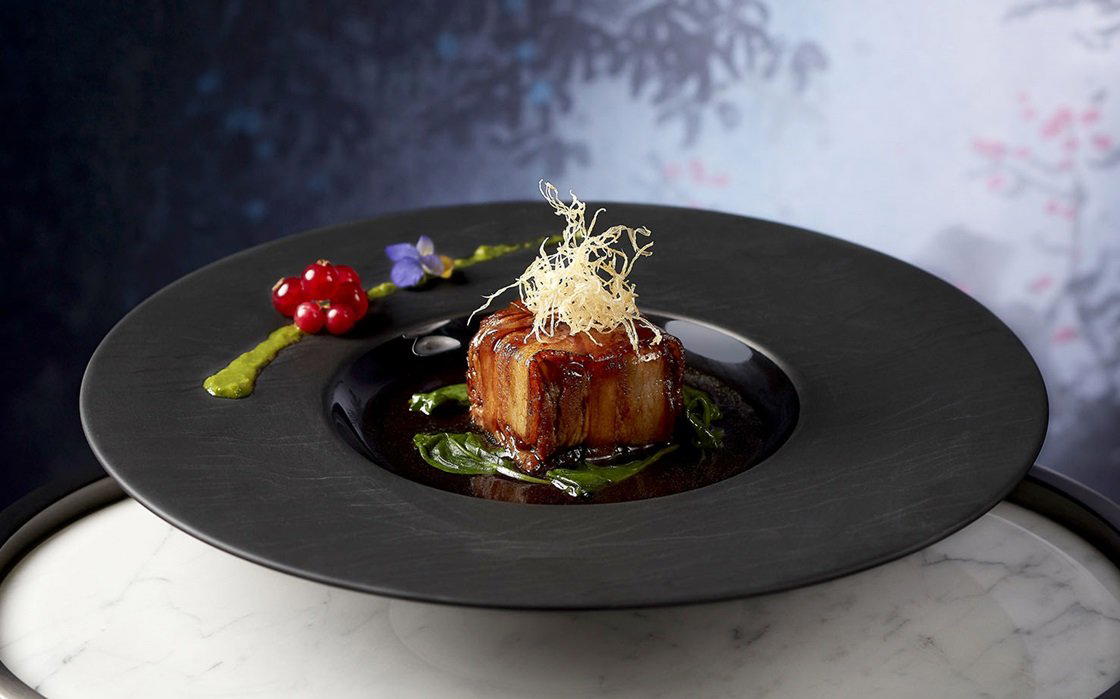
Fujian cuisine occupies an unusual position in the broader conversation about Chinese regional cooking. It does not carry the chilli heat that defines Sichuan and Hunan, nor the roasting traditions of Cantonese cuisine, nor the sweet-savoury contrasts of Shanghainese food. What it does carry is an insistence on broth, on the patient extraction of flavour through extended cooking times that would be commercially impractical in a high-turnover dining room. The double-boiled pork shank soup with green olives and whelks is a direct expression of that logic. Double-boiling, in which the vessel sits inside a water bath rather than over direct flame, produces broths of a particular clarity and depth: no caramelisation, no reduction, just the slow migration of collagen, umami, and mineral from ingredient to liquid. The addition of green olives, a Fujian signature that reads bitter-saline against the richness of pork, and whelks, which bring a firm, oceanic chew, positions this dish within a long tradition of coastal Minnan cooking that prizes contrast in texture as much as layering in flavour.
The braised abalone with ginger duck is a different register entirely. Abalone in Fujian cooking is not treated as a prestige ingredient to be shown off in isolation; it is typically incorporated into braises where its texture and mild, oceanic character absorb surrounding flavours over extended cooking. Pairing it with duck, a protein with considerable fat and game, and ginger, which cuts both the richness and the gaminess, reflects the kind of balance-seeking that runs through the cuisine at every level. Wok hei, the high-heat, rapid-fire technique central to many other Chinese regional traditions, appears in Fujian kitchens, but it is rarely the defining moment. The defining moment here is more often what happens in the clay pot or the double-boiler over the course of an hour or two, not what happens in thirty seconds over maximum flame. That distinction is worth holding onto when assessing where 1927 Dong Yuan Si Chu sits relative to Fujian peers operating at different price tiers.
Where It Sits in Xiamen's Fujian Dining Field
Xiamen supports a Fujian dining spectrum that runs from accessible street-adjacent formats to tightly controlled private rooms. At the accessible end, A Zhong Shi Fang and Bai Jia Chun Hao De Lai Jiang Mu Ya (Zhongxing Road) operate at the ¥ tier, where the priority is recognisable classics executed reliably. One step up, Chic 1699 occupies a similar price range as 1927 Dong Yuan Si Chu but with a different format logic. Hokklo and Yanyu (Jiahe Road) represent further variations within the scene's mid-to-upper register.
What separates the restaurant from most of its local peers is not simply price or setting but the combination of a historically significant building, a garden that functions as genuine architectural space rather than decorative gesture, and a kitchen willing to adjust the menu to the table. That last element is rarer than it sounds at this price tier in Xiamen. It requires a kitchen with sufficient range and confidence to execute dishes outside a fixed programme, and it shifts the dining event from consumption to something closer to a hosted private occasion.
The comparison extends beyond Xiamen. China's private dining category has produced strong operators in other cities: 102 House in Shanghai and Ru Yuan in Hangzhou both work within historically inflected buildings where the setting is inseparable from the culinary proposition. In the Fujian tradition specifically, Wenru No.9 in Fuzhou and Hokkien Cuisine in Chengdu demonstrate how the cuisine travels, though naturally with adjustments for local supply and audience. The Xiamen version, rooted in the original coastal Minnan context where the ingredients come from close range, carries an argument for authenticity that transplanted formats cannot fully replicate. For further reference points across Chinese fine dining, Xin Rong Ji in Beijing, Xin Rong Ji in Chengdu, Chef Tam's Seasons in Macau, and Imperial Treasure Fine Chinese Cuisine in Guangzhou each illustrate how the private and semi-private dining format has been formalised across the region's major cities.
Planning a Visit
The address, 65 Siming East Road in the Siming District, places the restaurant in Xiamen. Given only ten private rooms, reservations are essential, and menu preferences can be discussed in advance. The restaurant sits in price tier 3. The Michelin Plate recognition sets a quality floor without claiming star status.
Comparison Snapshot
Comparable venues nearby, for context on price, style, and recognition.
| Venue | Cuisine | Price | Awards | Notes |
|---|---|---|---|---|
| 1927 Dong Yuan Si ChuThis venue — the venue you are viewing | Refined Xiamen Fujian Cuisine | $$$ | Michelin Plate | Not listed |
| Xia | Modern Fujian-Huaiyang Fusion | $$$ | Michelin Plate | Huli District |
| A Zhong Shi Fang | Minnan Seafood | $$ | Bib Gourmand | Siming |
| Lu Niang Zi (Huli) | Beef Noodle Soup Specialist | $$ | Bib Gourmand | Huli |
| Chef Kang's | Cantonese and Chaozhou Classics | $$$ | Michelin Plate | Siming |
| Lucheng | Modern Fujian & Cantonese | $$$ | Michelin Plate | Siming |
Recognition history
Dated appearances from independent guides and award organizations, with the underlying list record or original source where available.
Michelin Plate
Michelin
Michelin Plate
Michelin
Michelin Plate
Michelin
Continue exploring
More in Xiamen
Restaurants in Xiamen
Browse all →
At a Glance
- Elegant
- Intimate
- Classic
- Cozy
- Sophisticated
- Special Occasion
- Private Event
- Business Dinner
- Private Dining
- Historic Building
- Garden
- Garden
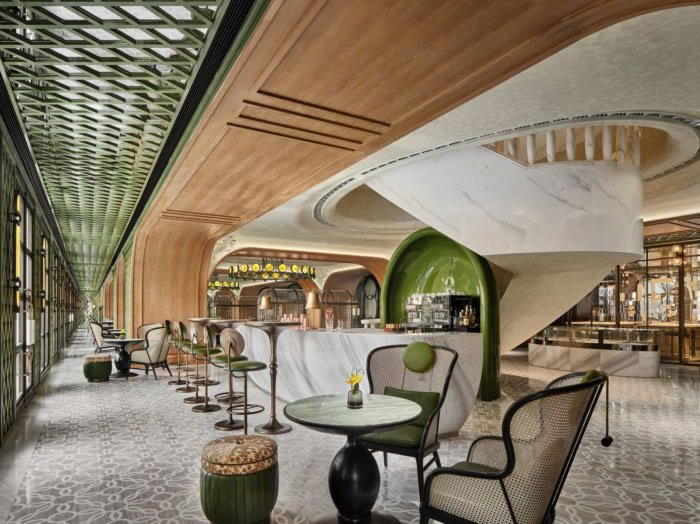
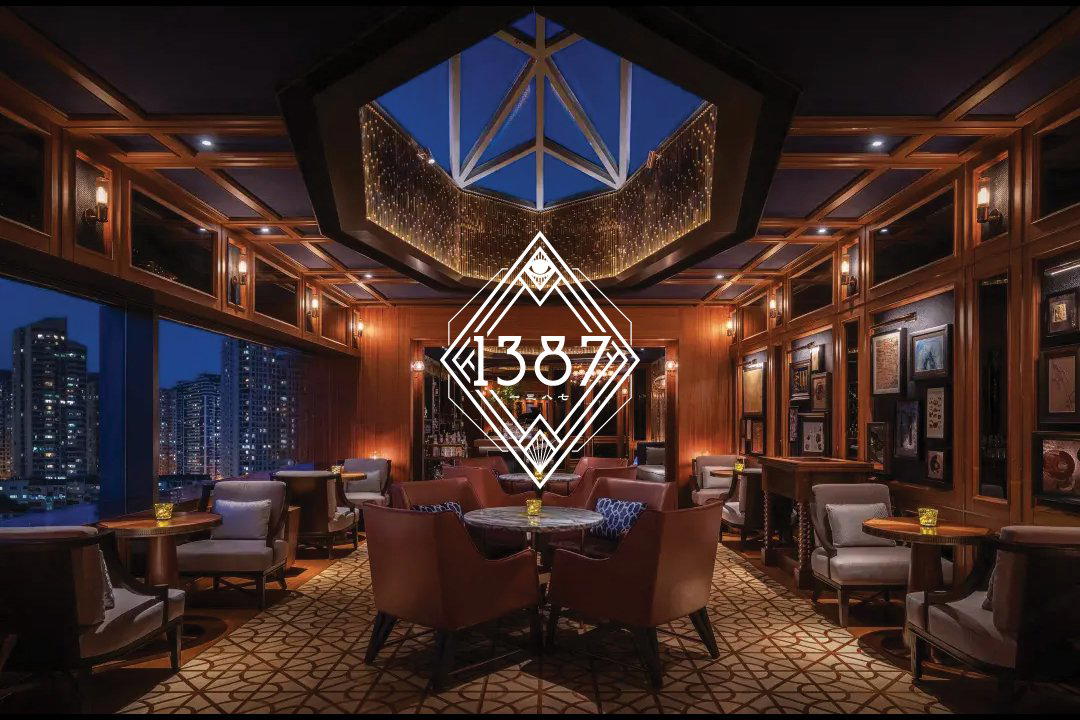
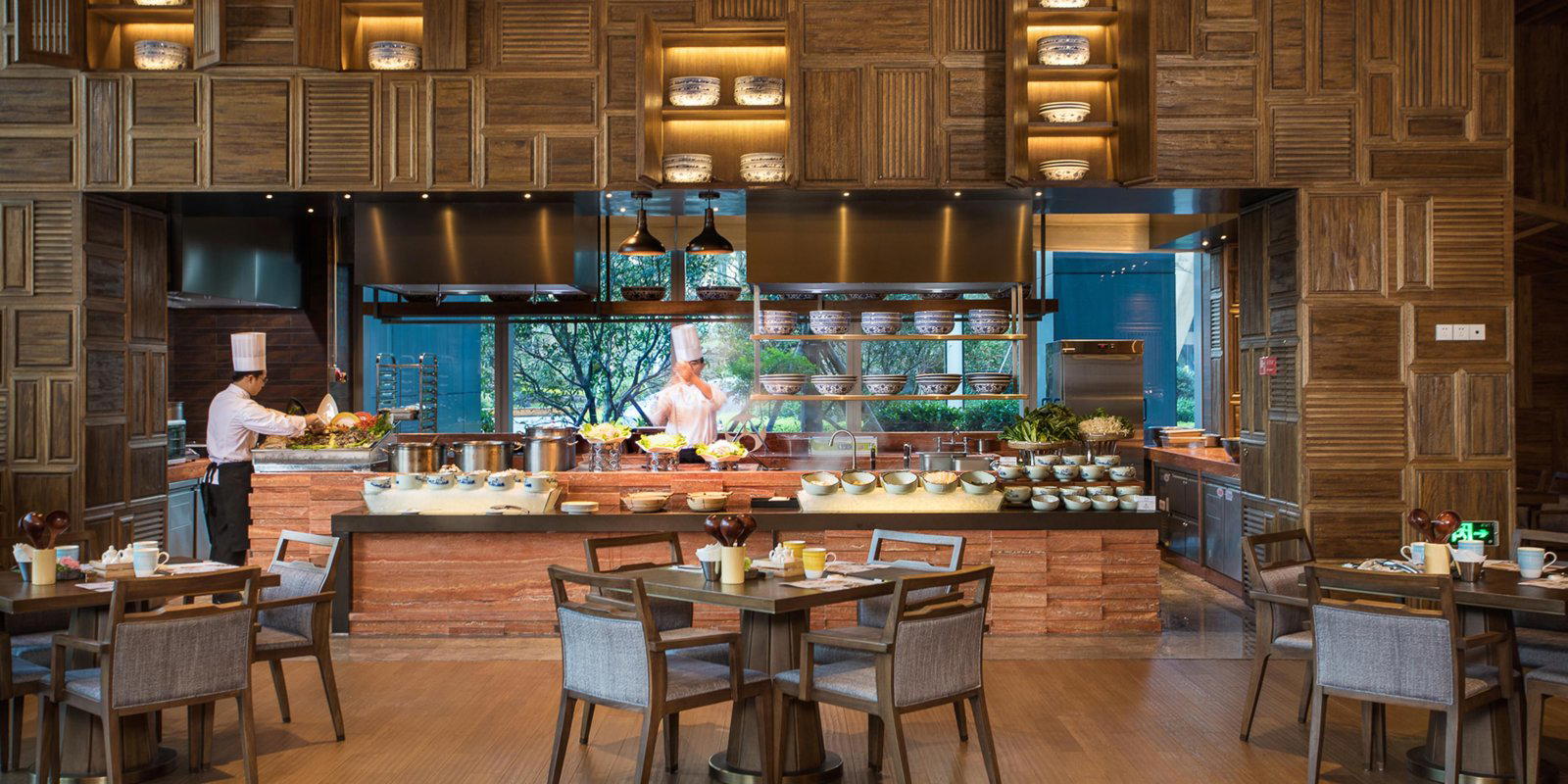
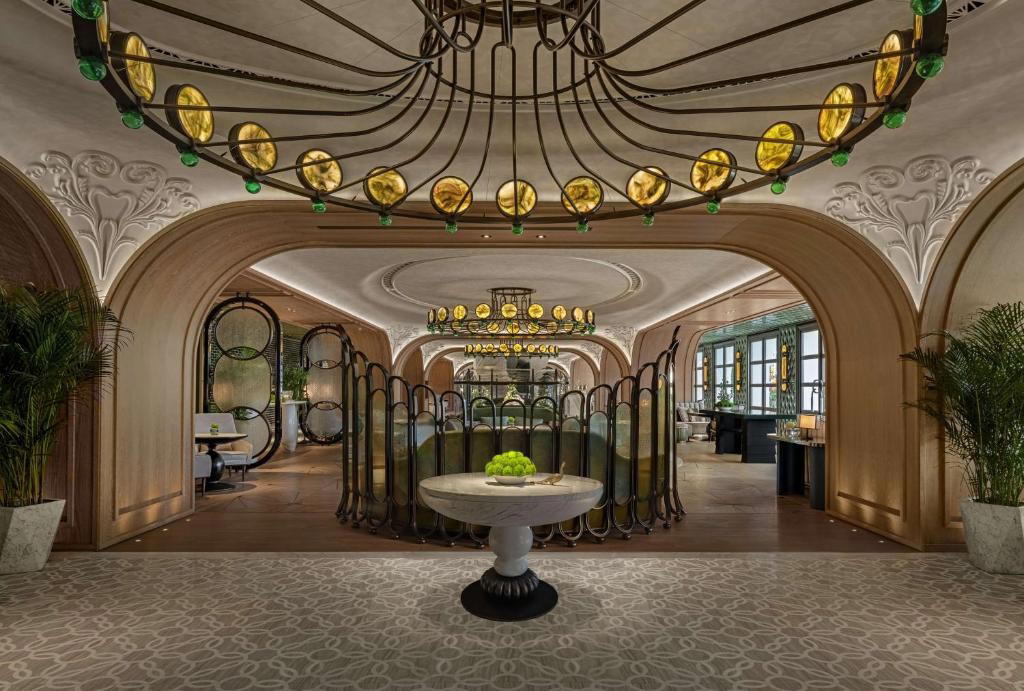
Tranquil and elegant with softened lighting, lacquered wood, and serene garden views providing a cultivated restraint and unhurried grace.