
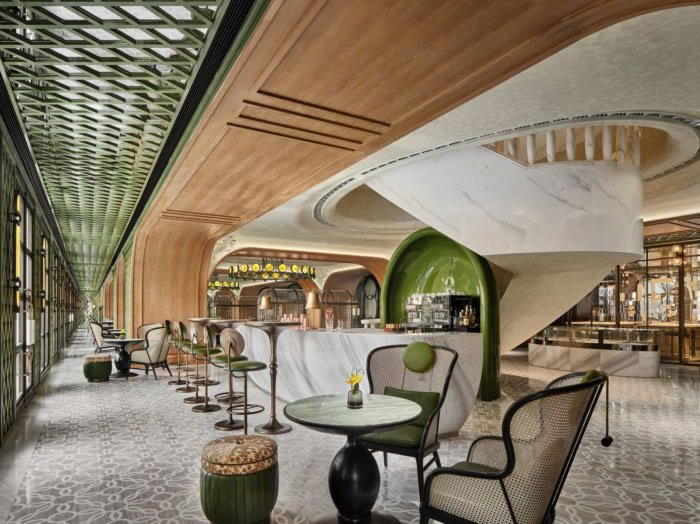
Set on Gulangyu Island, a short ferry crossing from Xiamen's mainland, HUANG YAN 36 Hotel occupies a property shaped by late Qing dynasty architecture and a guest experience calibrated around personalised, unhurried service. The sound of a record player greets arrivals, and Minnan stained-glass details frame interiors that treat historical preservation as a living act rather than a decorative gesture.
Pearl is the En Primeur Club membership app — saves, bookings, and concierge access live there. Same editors, same standards.
- Address
- 3 Bai Lu Zhou Lu, Si Ming Qu, Xia Men Shi, Fu Jian Sheng, 361000
- Directions
- Get directions
 Saves & bookings on Pearl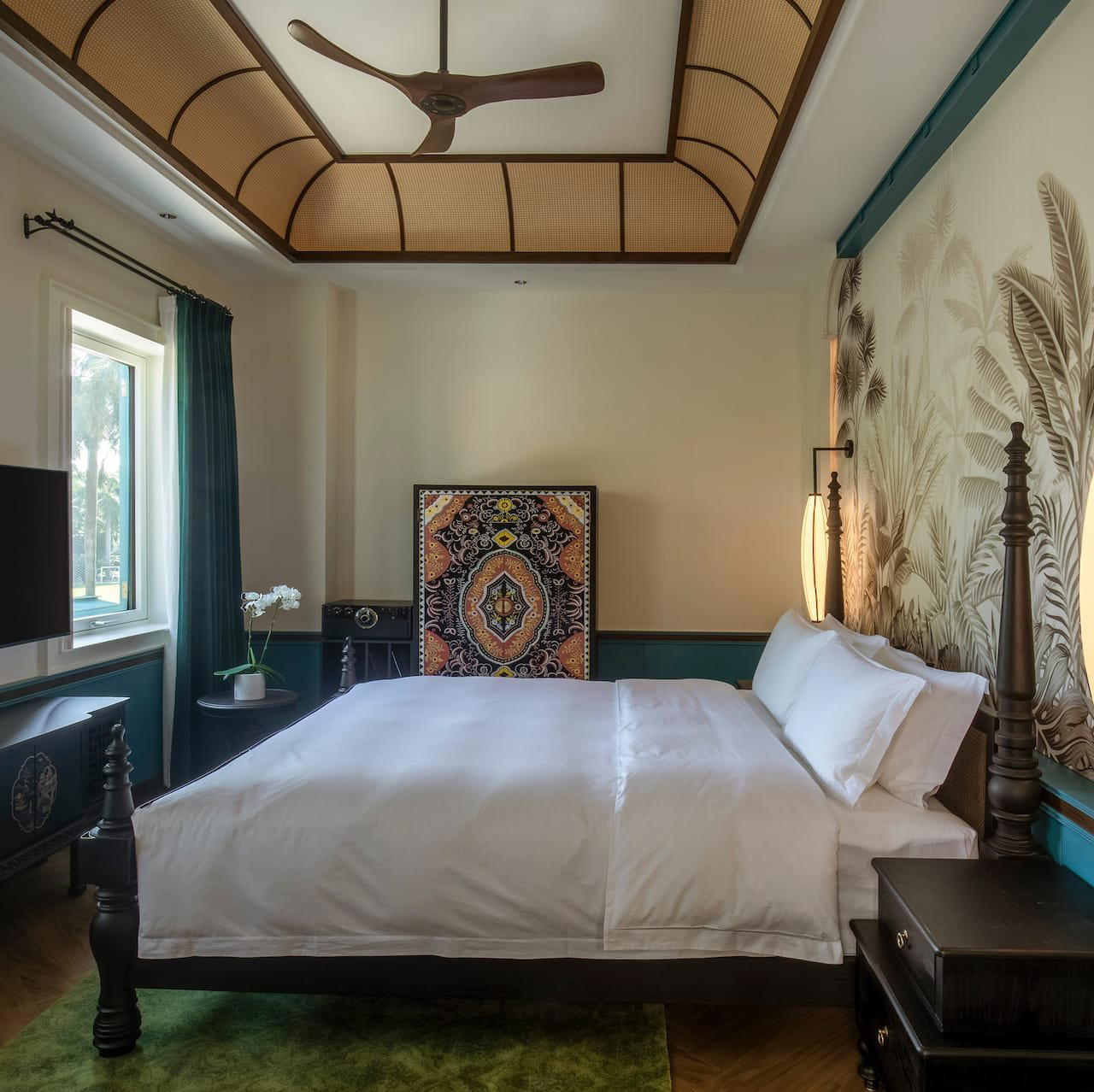
Gulangyu's Architectural Register and Where HUANG YAN 36 Sits Within It
Gulangyu Island has functioned for over a century as one of China's most concentrated galleries of colonial and hybrid architecture. Designated a UNESCO World Heritage Site in 2017, the island's 390-odd historical buildings represent overlapping waves of Minnan vernacular construction, European colonial influence, and the returning-overseas-Chinese (huaqiao) style that fused both traditions into something that exists nowhere else in quite the same density. Within that context, hotels on the island face a structural choice: preserve the shell and retrofit a generic interior, or treat the architecture as an active participant in the guest experience. HUANG YAN 36 Hotel, occupying a building shaped by late Qing dynasty proportions, positions itself in the second camp. The Minnan stained-glass detailing referenced in its published description is not incidental; that style of coloured glass work, common in the island's grander residences of the early twentieth century, is the kind of material detail that preservation-minded properties use to anchor their authenticity claims.
Arriving by Ferry: The Approach as Part of the Stay
Getting to HUANG YAN 36 Hotel is inseparable from the experience of staying there. Gulangyu is car-free and accessible only by ferry from Xiamen's Lujiang Wharf or the newer International Cruise Terminal. The crossing takes under ten minutes but functions as a genuine threshold: the city's container-port scale falls away, and the island's pedestrian quietude takes over immediately on arrival. For a property that frames its experience around atmosphere and a slowed pace, the enforced transition of the ferry crossing does pre-arrival work that no lobby design could replicate. Visitors arriving with heavy luggage should note that porters and luggage carts operate at the ferry terminals, as no motor vehicles are permitted on the island itself. The address at 3 Bai Lu Zhou Lu places the hotel within the island's historic core, walkable to the main piano museum and the refined paths that give views back across the strait to Xiamen.
The Record Player and What It Signals About Service Philosophy
Across China's premium hotel tier, check-in experiences have converged on a recognisable formula: marble reception desk, a welcome drink offered in a standing position, swift key handover. What HUANG YAN 36's published description foregrounds instead is the sound of a record player at arrival. That detail, small as it appears, encodes a specific service philosophy: the property is asking guests to slow down before the formalities begin, using an analogue sound object to establish a tempo that differs from the mainland city across the water. In hospitality design terms, this belongs to a wider shift in smaller boutique properties away from transactional efficiency toward what might be called atmospheric hospitality, where the first sensory signal sets expectations for staff interaction throughout the stay.
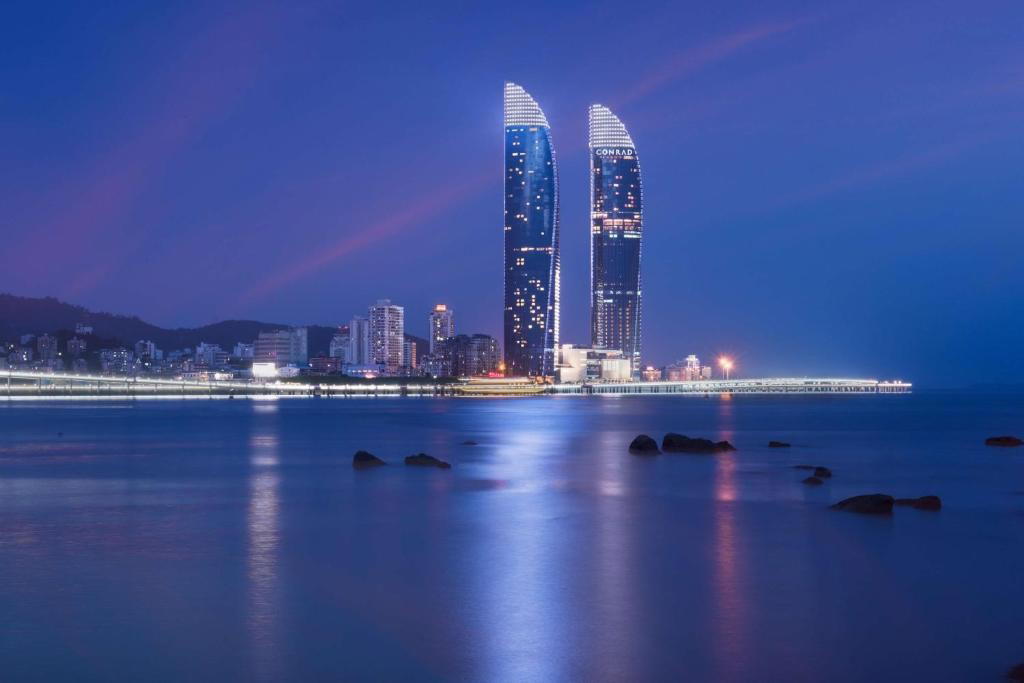
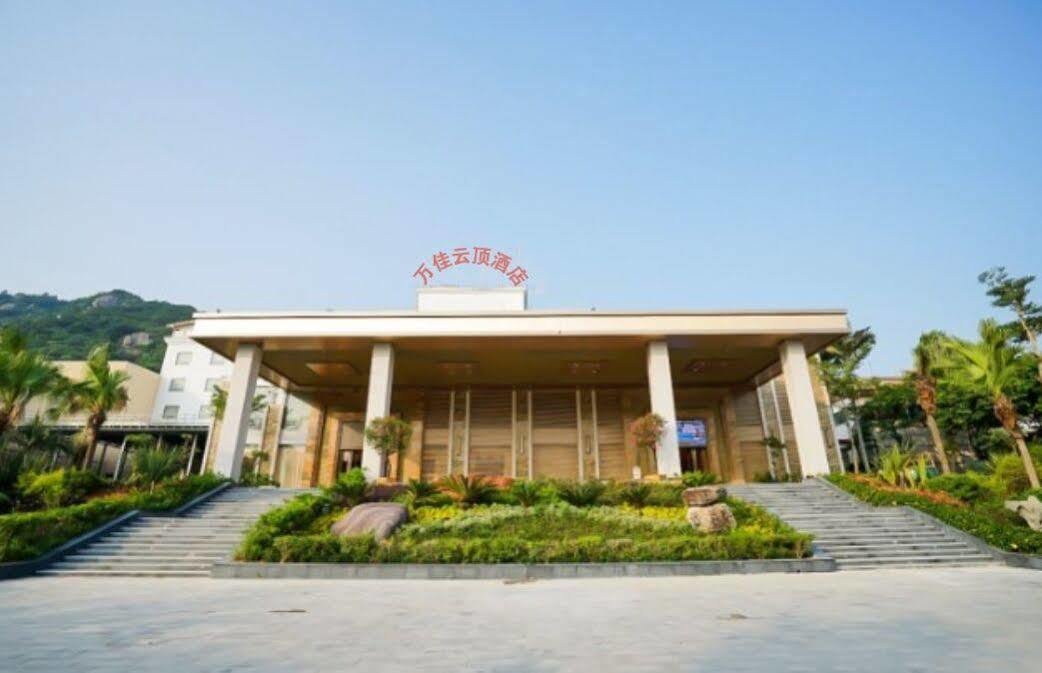
The intimate scale implied by a Gulangyu heritage building, rather than a high-rise tower, supports that model structurally. Contrast this with the larger-footprint approach of the Waldorf Astoria Xiamen or the Conrad Xiamen on the mainland, where operational scale requires a more standardised service architecture. The Lohkah Hotel & Spa occupies a middle ground, while Xiamen Yunding Resort offers yet another format in the broader Xiamen accommodation picture. HUANG YAN 36's positioning is most legible when read against that comparable set: it is the option for travellers who are specifically seeking the island's heritage register and a correspondingly intimate service format, rather than the international brand infrastructure of the Xiamen waterfront.
Late Qing Architecture as a Living Interior
The late Qing dynasty construction period, roughly the final decades of the nineteenth century and the early years of the twentieth, produced buildings in Fujian province and among the overseas Chinese communities of Southeast Asia that blended load-bearing brick construction with decorative vocabularies borrowed from European classicism. On Gulangyu, that hybridisation is especially pronounced, because the island hosted consulates from thirteen foreign nations at its peak as an international settlement. What distinguishes properties like HUANG YAN 36 from more aggressively renovated alternatives is the degree to which original material elements remain visible and functioning rather than behind glass. Stained glass, when retained in situ and not replicated, admits light differently across the day as the sun's angle changes, a quality no reproduction achieves. That temporal variation in interior light is itself a form of atmosphere that the property's editorial description implicitly stakes a claim to.
For readers who have stayed at properties where historical architecture is treated with similar seriousness, comparable reference points exist across China and the region: the Mandarin Oriental Qianmen in Beijing works within a preserved hutong structure, and the Amanfayun in Hangzhou occupies a Buddhist pilgrimage village. HUANG YAN 36 operates in that same niche of historically embedded accommodation, though the Gulangyu setting gives it a specifically maritime, multicultural character that neither of those inland properties shares.
Planning Your Stay
Gulangyu Island receives significant domestic tourist traffic on weekends and public holidays, with the ferry terminals operating peak-hour queues during Golden Week in October and the May Day holiday period. Travellers prioritising the island's quieter character are better served by midweek arrivals. The hotel's address on Bai Lu Zhou Lu is in the central historic zone, meaning most of the island's primary sites are accessible on foot within fifteen to twenty minutes. Because the island has no motor vehicles, the entire guest experience from the ferry terminal onward is pedestrian, which shapes everything from luggage handling to the pace of evenings.
Travellers planning longer itineraries through China's heritage hotel circuit might also consider the Amandayan in Lijiang, the Banyan Tree Ringha in , or the 1 Hotel Haitang Bay in Sanya for a coastal counterpoint. Those seeking urban alternatives with a preserved architectural character might look at the JW Marriott Hotel Shanghai at Tomorrow Square or the Andaz Shenzhen Bay for a different register entirely.
Where It Fits
Comparable venues nearby, for context on price, style, and recognition.
| Venue | Cuisine | Price | Awards | Notes |
|---|---|---|---|---|
| HUANG YAN 36 HotelThis venue — the venue you are viewing | Private Nanyang mansion blending retro Minnan style with contemporary luxury | $$$$ | 5-Star | Not listed |
| Andaz Xiamen | Modern mansion inspired by tropical Nanyang architecture with locally-rooted design philosophy celebrating Xiamen's overseas Chinese heritage and 'Garden by the Sea' identity. | $$$$ | 5-Star | Siming District |
| W Xiamen | Trendy luxury hotel fusing local Fujian culture with high-energy W Hotels design. | $$$$ | 5-Star | East Business District |
| HUALUXE Xiamen Haicang | Contemporary luxury Chinese hospitality brand with wave-inspired architecture | $$$$ | 5-Star | Haicang District |
| Conrad Xiamen | Contemporary luxury high-rise with distinctive sail-shaped architecture positioned as a design destination in a central business district. | $$$$ | 5-Star | Siming District |
| Lohkah Hotel & Spa | Luxury culturally enriching resort in urban marina setting | $$$$ | 5-Star | Huli District |
Recognition history
Dated appearances from independent guides and award organizations, with the underlying list record or original source where available.
Small Luxury Hotels of the World Member
Small Luxury Hotels of the World
Continue exploring
More in Xiamen
Hotels in Xiamen
Browse all →

At a Glance
- Romantic
- Elegant
- Quiet
- Modern
- Cozy
- Sophisticated
- Romantic Getaway
- Honeymoon
- Anniversary
- Weekend Escape
- Terrace
- Garden
- Historic Building
- Wi Fi
- Room Service
- Concierge
- Restaurant
- Bar
- Garden
- Street Scene
- Wi Fi
- Room Service
- Concierge
- Restaurant
- Bar
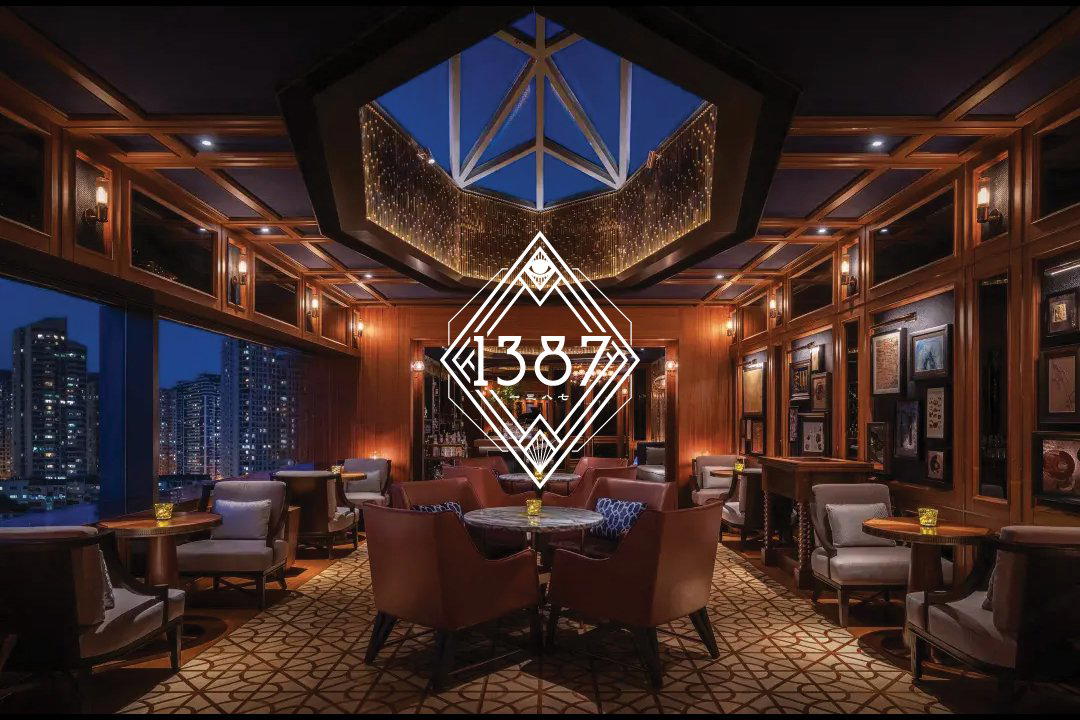
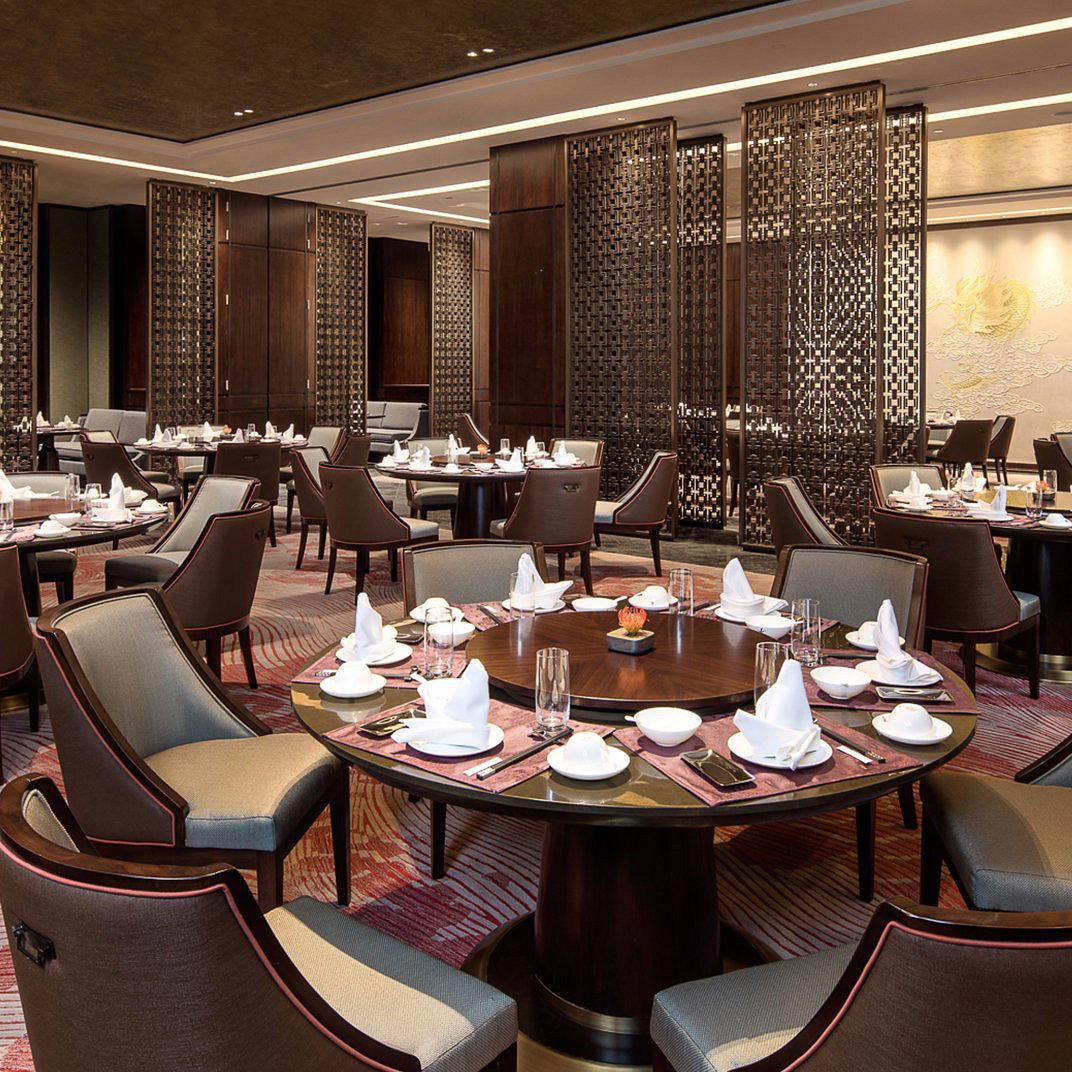
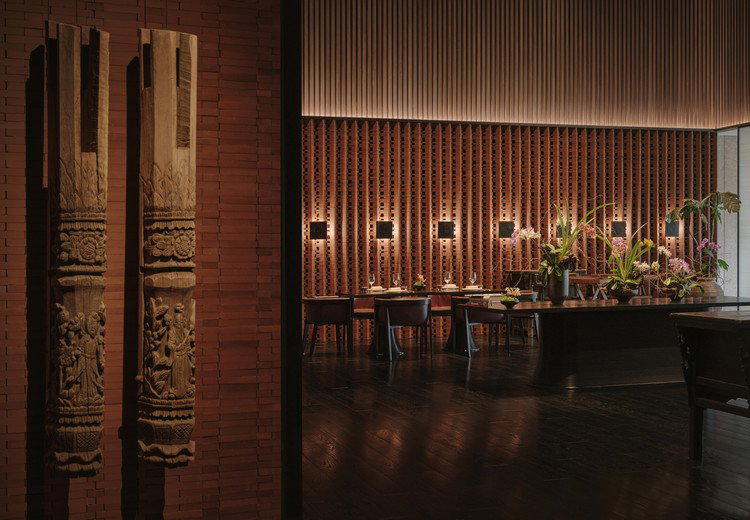
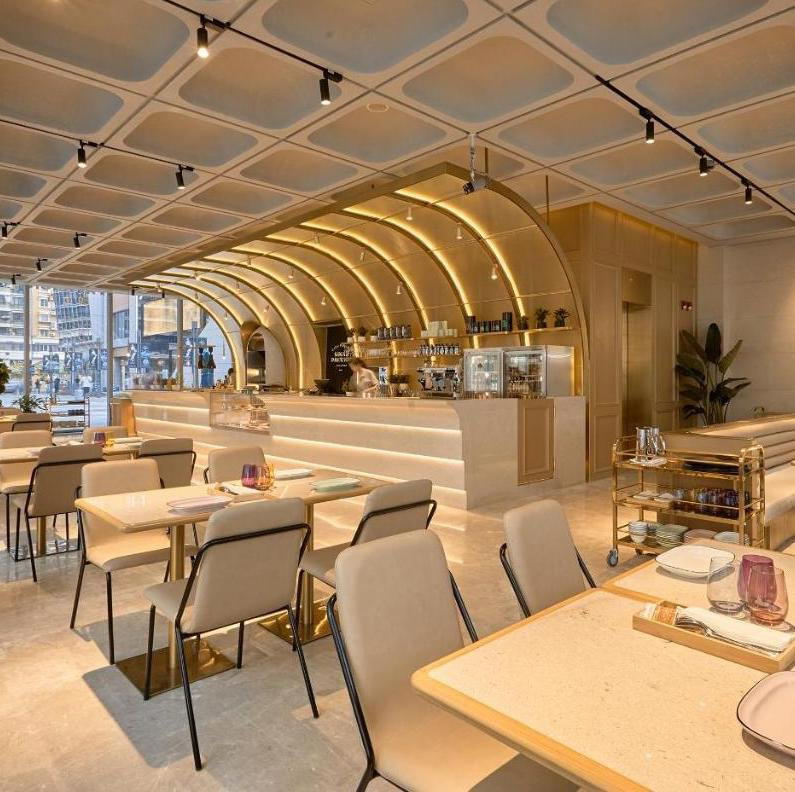
Peaceful courtyard with soft lighting, romantic Nanyang-style decor, and piano-serenaded evenings creating an intimate, luxurious retreat.