
La Liste Top Restaurants
Our verdict
Lanxuan Village Food Restaurant sits within Amanfayun, Hangzhou's heritage village resort near Lingyin Temple, and serves Hangzhou-style Chinese cooking in a setting of restored tea-farmer dwellings. Consecutive La Liste scores of 77 and 77.5 points place it among a small tier of recognized Hangzhou tables. The kitchen draws on the produce and culinary grammar of Zhejiang province, where freshwater fish, dragon well tea, and slow-braised preparations define the tradition.

Pearl is the En Primeur Club membership app, where members save venues, book tables and use the concierge.
A Village Preserved, a Kitchen Rooted
The approach to Amanfayun along the pilgrim path toward Lingyin Temple is one of the more deliberate arrivals in Hangzhou dining. The resort occupies a cluster of Ming and Qing dynasty structures that once housed tea farmers and Buddhist pilgrims, and Lanxuan Village Food Restaurant sits inside that compound as a dining room shaped by its surroundings rather than imported from elsewhere. Stone pathways, low timber eaves, and the filtered light of a bamboo canopy frame the experience before any food arrives. In the context of Hangzhou's dining scene, which has steadily fragmented between modern hotel restaurants, lakeside showrooms, and heritage-format kitchens, Lanxuan occupies a specific position: a restaurant where setting and cuisine share the same cultural register.
What Hangzhou Cooking Actually Means
Hangzhou cuisine sits within the broader Zhejiang tradition, one of the eight recognized schools of Chinese cooking, and its character is defined by restraint rather than intensity. Where Sichuan relies on capsaicin and Cantonese on freshness and technique, Hangzhou cooking is built around sweetness, texture, and seasonal produce drawn from the West Lake region and the freshwater systems of northern Zhejiang. Braised pork belly, West Lake vinegar fish, longjing shrimp cooked with dragon well tea leaves, and lotus root preparations appear across the city's serious tables because they are the region's core culinary grammar, not because any single restaurant invented them.
Understanding that grammar matters for reading Lanxuan correctly. The restaurant is not proposing a reinterpretation of Hangzhou cuisine or a contemporary pivot. It is working within a tradition that predates the city's current restaurant boom by several centuries, and the Amanfayun setting reinforces that continuity. Comparable kitchens in the city include Ru Yuan (Zhejiang), which operates at the ¥¥¥¥ tier with a more formal presentation, and Hangzhou House (Zhejiang), which approaches the same tradition from a different price and format angle. Guiyu (Xihu) works the same Zhejiang source material with a lakeside emphasis. Each represents a different editorial decision about how to present the same regional cooking, and Lanxuan's answer is to let the heritage environment carry significant interpretive weight.
La Liste Recognition and What It Signals
La Liste scored Lanxuan at 77.5 points in 2025 and 77 points in 2026, a narrow band that places the restaurant in the recognized tier of the global ranking without reaching the upper bracket that Michelin-starred peers occupy in cities like Beijing and Shanghai. For context, La Liste aggregates scores from over 600 guide and review sources, so consistent placement across two consecutive years reflects broad critical agreement rather than a single publication's endorsement. Within Hangzhou's restaurant scene, that kind of sustained external recognition is not universal. Several of the city's well-regarded tables have not registered on La Liste at all, which gives Lanxuan a comparative reference point for travelers calibrating against international benchmarks.
Across the wider Chinese dining map, restaurants working Zhejiang and adjacent eastern coastal traditions have been gaining traction on international lists. Xin Rong Ji (Xinyuan South Road) in Beijing and Xin Rong Ji in Chengdu carry Taizhou lineage to other cities, while 102 House in Shanghai reflects a similar movement toward regional Chinese specificity at premium price points. The Hangzhou scene, anchored by the West Lake cultural district, has its own logic, but it participates in that national trend toward provenance-led Chinese cooking.
The Amanfayun Setting as Context, Not Decoration
Hotel restaurants in Asia occupy a complicated position in serious dining. Many carry the infrastructure costs of large properties without the culinary focus of independent kitchens, and the result is competent but rarely decisive cooking. Amanfayun represents a different category. The resort's low-density model, limited room count, and heritage preservation mandate put it closer to the design-led boutique properties that have become a recognized subset of Asian luxury than to a conventional urban hotel. Lanxuan benefits from that positioning because the dining room is not performing hospitality for a broad hotel guest population; it is part of a coherent experience proposition built around a specific cultural place.
That said, the restaurant is accessible to non-hotel guests, and its La Liste recognition suggests it draws visitors specifically for the food rather than as a secondary benefit of staying at the property. For the Hangzhou visitor building a serious dining itinerary, that distinction matters. Ambré Ciel (Innovative) and other contemporary tables in the city work a different register, and the choice between them is partly about what kind of evening you are constructing.
Placing Lanxuan in the City's Wider Offer
Hangzhou's restaurant scene has expanded significantly over the past decade, with new formats ranging from lakeside fine dining to focused noodle houses and internationally trained chefs returning to work regional produce. Within that broader expansion, Lanxuan sits in the heritage-format segment, where the physical environment is part of the value proposition. It is a less common position in Chinese fine dining than in, say, Kyoto or certain rural European restaurant settings, which gives Hangzhou's version of the model a degree of novelty that the cuisine itself, deeply traditional, does not claim.
For travelers who have already covered the major tables in other Chinese cities and want to read Hangzhou through its culinary specificity, Lanxuan is a useful reference point. The same is true for visitors approaching the city via its cultural attractions, where the Amanfayun location near Lingyin Temple makes the restaurant a natural complement to time spent in that part of the city. The full picture of what Hangzhou offers at table is available in, which covers the range from casual lakeside eating to the formal Zhejiang kitchens competing for international recognition.
Know Before You Go
- Awards: La Liste Leading Restaurants 77pts (2026), 77.5pts (2025)
- Cuisine: Hangzhou-style Chinese (Zhejiang tradition)
- Setting: Amanfayun resort, heritage village compound near Lingyin Temple, Hangzhou
- Booking: Contact Amanfayun directly; non-hotel guests can dine here
- Further Reading: | | Our full Hangzhou experiences guide |
Frequently asked questions
Does 兰轩村庄食坊 (安缦法云店) - Lanxuan Village Food Restaurant work for a family meal?
The restored village compound at Amanfayun provides a setting that accommodates different generations without the tension of a formal tasting-counter format. The Hangzhou cuisine tradition, rooted in shared plates and seasonal preparation, is naturally suited to group eating. That said, the Amanfayun address carries a pricing structure consistent with a La Liste-recognised property (77 points in 2026), so this is not a casual neighbourhood option. Families expecting an atmospheric, unhurried dinner in a heritage setting will find it fitting; those looking for an informal meal may want to adjust expectations on cost.
Is 兰轩村庄食坊 (安缦法云店) - Lanxuan Village Food Restaurant better for a quiet night or a lively one?
Lanxuan skews firmly toward the quiet end. The Amanfayun property occupies a reclaimed village along the pilgrim route to Lingyin Temple, and the physical character of that setting, low structures, walking paths, minimal urban noise, shapes the atmosphere at the restaurant. La Liste's consecutive recognition at 77–77.5 points over 2025 and 2026 reflects a kitchen operating with consistency rather than theatricality. Guests after a high-energy evening or a social dining scene should look elsewhere in Hangzhou; this is a dinner for conversation and considered eating.
What awards or recognition does 兰轩村庄食坊 (安缦法云店) - Lanxuan Village Food Restaurant have?
兰轩村庄食坊 (安缦法云店) - Lanxuan Village Food Restaurant has received recognition including: La Liste Top Restaurants (2026): 77pts; La Liste Top Restaurants (2025): 77.5pts.
What should I order at 兰轩村庄食坊 (安缦法云店) - Lanxuan Village Food Restaurant?
Within the Hangzhou culinary tradition that the restaurant represents, the kitchen is likely to draw from Zhejiang's defining techniques: light braising, fresh-water fish preparations, and restrained seasoning that lets primary ingredients carry the dish. A useful approach is to ask staff which preparations reflect what is in season at the time of your visit, as Zhejiang cooking is closely tied to the agricultural calendar. The La Liste recognition at 77+ points across two years suggests the kitchen's core offer is consistent. Check the venue's official channels for the latest details.
Peers in This Market
| Venue | Cuisine | Price | Awards | Notes |
|---|---|---|---|---|
| 兰轩村庄食坊 (安缦法云店) - Lanxuan Village Food RestaurantThis venue (the venue you are viewing) | Jiangsu-Zhejiang Village Cuisine | $50–100 | La Liste Top Restaurants | Not listed |
| Xin Rong Ji | Taizhou Cuisine, Taizhou | Not listed | Not listed | Not listed |
| 28 Hubin Road | Modern Zhejiang Fine Dining | $50–100 | Michelin Plate · La Liste Top Restaurants | Zhejiang |
| Ru Yuan | Modern Hangzhou Fine Dining | $150–200 | 2 Michelin Stars · World's 50 Best #10 | Zhejiang |
| L'éclat 19 | French-Chinese Fusion Fine Dining | Not listed | 1 Michelin Star | French Contemporary |
| Song | Ningbo | Not listed | Not listed | Not listed |
Recognition history
Dated appearances from independent guides and award organizations, with the underlying list record or original source where available.
La Liste Top Restaurants
La Liste
Full recognition history (2 entries)
La Liste Top Restaurants
La Liste
Continue exploring
More in Richmond
Restaurants in Richmond
All restaurants in Richmond →
Bars in Richmond
All bars in Richmond →
兰轩村庄食坊 (安缦法云店) - Lanxuan Village Food Restaurant
The wine
- Natural wine
Details
- Rustic
- Elegant
- Scenic
- Cozy
- Special Occasion
- Date Night
- Hotel Restaurant
- Garden
- Natural Wine
- Local Sourcing
- Garden
- Mountain
- A La Carte
Current opening hours
- Monday
- 10 AM–3 PM, 5–10 PM
- Tuesday
- 10 AM–3 PM, 5–10 PM
- Wednesday
- 10 AM–3 PM, 5–10 PM
- Thursday
- 10 AM–3 PM, 5–10 PM
- Friday
- 10 AM–3 PM, 5–10 PM
- Saturday
- 10 AM–3 PM, 5–10 PM
- Sunday
- 10 AM–3 PM, 5–10 PM
Hours can change for holidays and private events. Hours as of .
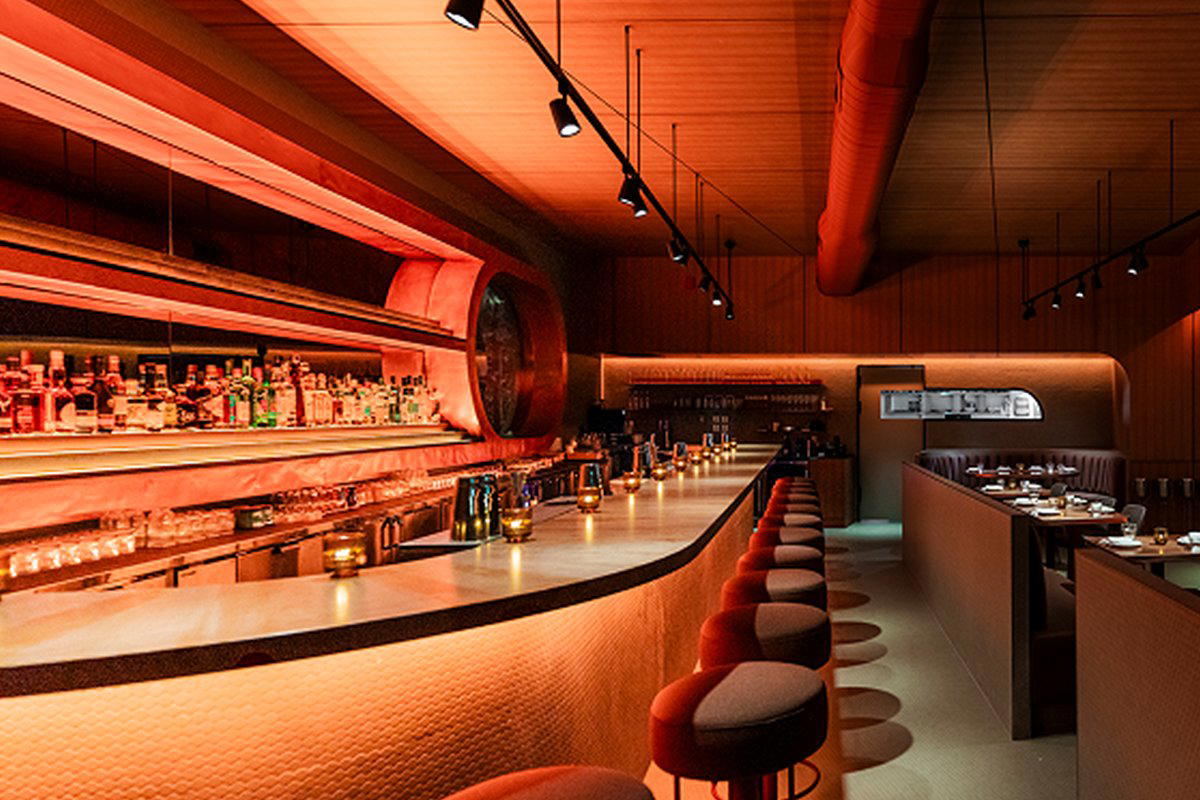
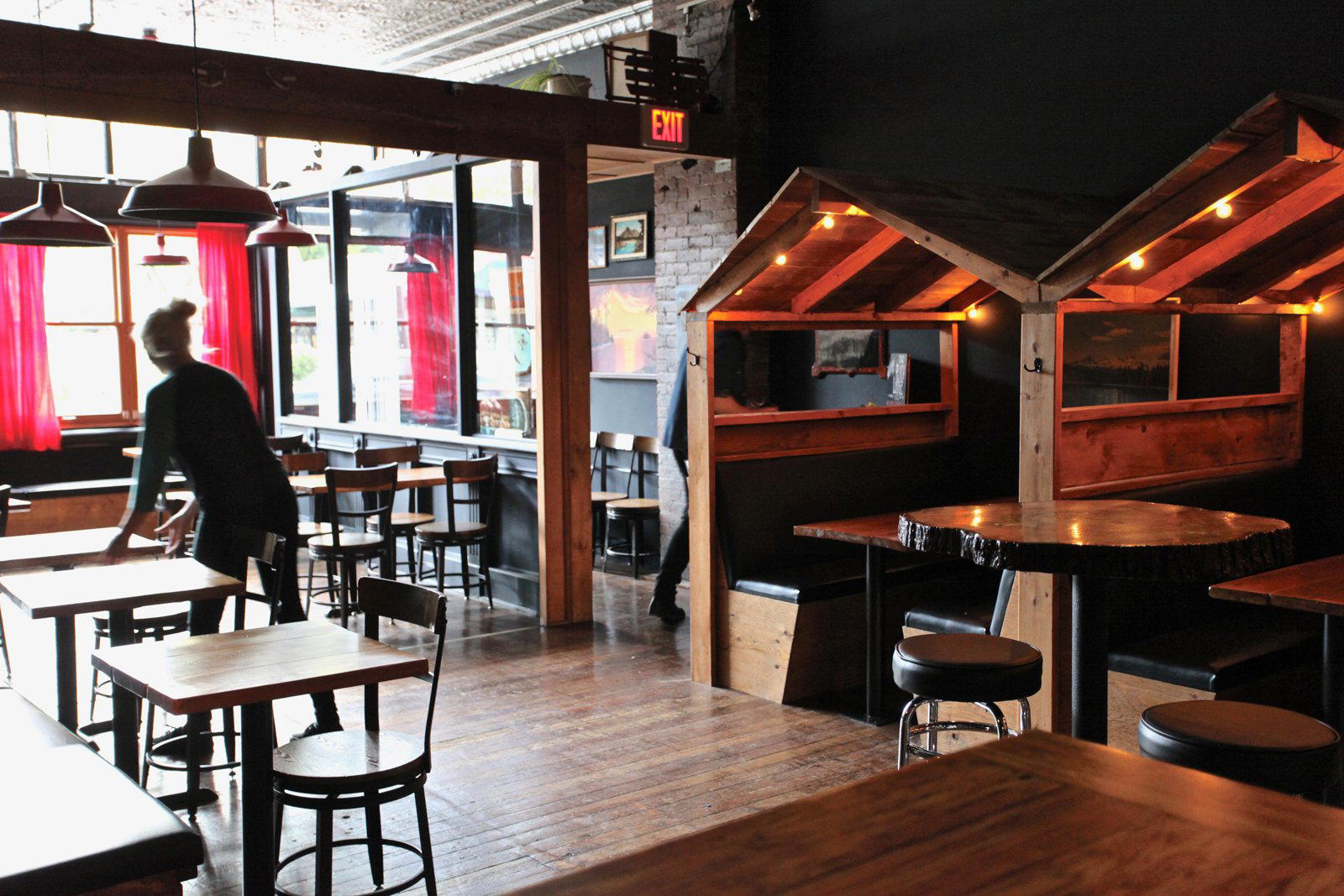
Rustic elegant ambiance with natural village charm, soft lighting, and peaceful surroundings evoking traditional Hangzhou serenity.