
Er Ba Jiu Su Mian Guan holds consecutive Michelin Bib Gourmand recognition (2024 and 2025) and operates at the entry price tier (¥) within Hangzhou's West Lake district. The restaurant focuses entirely on vegetarian noodles, placing it in a narrow category that has few Michelin-recognised peers in eastern China.
Pearl is the En Primeur Club membership app — saves, bookings, and concierge access live there. Same editors, same standards.
- Address
- China, Zhejiang, Hangzhou, Xihu, 61, 东北方向140米 邮政编码: 310007
- Phone
- +86 133 9659 7828
- Directions
- Get directions
 Saves & bookings on Pearl
Noodles Without Ceremony, Recognition Without Compromise
The West Lake district of Hangzhou rewards those who look past the lakeside hotels and the higher-priced Zhejiang dining rooms that have accumulated Michelin stars in recent years. Along a lane roughly 140 metres northeast of a postal address that most visitors walk past without stopping, Er Ba Jiu Su Mian Guan occupies the quieter, more functional register of Chinese dining: a noodle house, vegetarian in its entire offering, with no dress code implied by its price tier and no theatrics implied by its format. It carries Michelin Bib Gourmand recognition for both 2024 and 2025.
Within Hangzhou's recognised dining scene, the split between high-expenditure and value-tier establishments is pronounced. Ru Yuan holds two Michelin stars at the ¥¥¥¥ tier. Jin Sha and 28 Hubin Road occupy the ¥¥¥ bracket with regional Zhejiang cuisine. L'éclat 19 operates at the leading price point with French Contemporary cooking. Er Ba Jiu Su Mian Guan exists at the other end of that spectrum entirely, at the single-¥ tier, which is not merely a price signal but a statement about the dining format and the relationship between kitchen and guest. The Bib Gourmand sitting inside that format is the point of distinction.
The Ritual of a Chinese Noodle Meal
The customs around eating at a noodle house in China differ from those governing a tasting-menu counter or a Cantonese banquet room, and understanding those customs changes what you take from the meal. There is no pacing managed by a dining room captain. The food arrives when it is ready, typically fast, because noodle cookery at this level operates on precision of timing rather than choreography of courses. You order at or near arrival, you eat when the bowl arrives, and you do not linger beyond the bowl. The ritual here is in the act of eating itself: the texture of the noodles, the temperature of the broth or sauce, the balance between components in a meatless preparation that must generate depth without the shortcut of animal stock or fat.
Vegetarian noodle cookery in China has a longer tradition than many outside observers recognise. Buddhist temple cuisine, which has shaped vegetarian cooking across Zhejiang and Jiangsu for centuries, developed techniques for building umami and body from fermented pastes, dried mushrooms, tofu skins, and seasoned vegetables. That culinary tradition sits behind the kitchen's approach. The discipline required to make a meatless noodle dish compelling enough to earn repeated Michelin inspector visits is not trivial. For context, Fu He Hui in Shanghai demonstrates what vegetarian cooking looks like when it moves into the fine-dining register; Er Ba Jiu Su Mian Guan operates at the opposite end of that price and format spectrum, where the same culinary seriousness shows up without the ceremony.
In Beijing, Lamdre offers another reference point for recognised vegetarian cooking in a Chinese city context, though its format and price point differ from what you find in Hangzhou's West Lake neighbourhood. Consecutive Bib Gourmand recognition at the ¥ tier gives the restaurant added distinction.
Hangzhou's Vegetarian Dining in Context
Hangzhou has a specific relationship with vegetarian and plant-forward cooking that traces to the city's Buddhist heritage and its proximity to tea-growing regions that have long supplied kitchens with ingredients suited to light, careful preparation. The city's broader restaurant scene now includes several establishments working within that tradition at different price and format levels. Fu Quan Shu Yuan and Pu Zhu represent other points in the local vegetarian landscape, while Nature's Own and Qing Chun Perma approach plant-based eating from different format positions. Zhi Zhu adds further range to what is, relative to most Chinese cities, an unusually developed vegetarian dining cluster. The restaurant sits in this cluster as its most accessible point of entry, price-wise, and its most focused, noodle-specific in scope.
Consistency at the ¥ tier, where margins are thin and staff turnover in Chinese cities can be high, is itself a form of quality signal.
Planning Your Visit
The restaurant sits in the Xihu (West Lake) district, approximately 140 metres northeast of the address listed on mapping platforms, which means first-time visitors should allow a few extra minutes to locate the entrance. The ¥ price tier means a meal here costs a fraction of what comparable Michelin-recognised vegetarian dining commands in Shanghai or at Hangzhou's higher-bracket restaurants. The restaurant is walk-in friendly. Arriving at off-peak hours, between main lunch and dinner services, reduces the likelihood of a wait.
For wider reference across China's recognised dining scene, Xin Rong Ji in Beijing, 102 House in Shanghai, Chef Tam's Seasons in Macau, Xin Rong Ji in Chengdu, Imperial Treasure Fine Chinese Cuisine in Guangzhou, and Dai Yuet Heen in Nanjing offer regional benchmarks across different cuisine types and price brackets.
Price and Recognition
Comparable venues nearby, for context on price, style, and recognition.
| Venue | Cuisine | Price | Awards | Notes |
|---|---|---|---|---|
| Er Ba Jiu Su Mian GuanThis venue — the venue you are viewing | Vegetarian | $ | Bib Gourmand | Not listed |
| Wu Zi Mian Guan | Hangzhoushi, Hangzhou-Style Noodles | $ | Bib Gourmand | Not listed |
| Zhi Zhu | Not listed | $$ | Bib Gourmand | Hangzhoushi, Vegan Chinese Noodles & Dumplings |
| Fu Xing Mian Wang | Hangzhoushi, Hangzhou Noodles | $ | Bib Gourmand | Not listed |
| King's Choice (Huyu Road) | Not listed | $$ | Bib Gourmand | Yuhangxian, Authentic Hangzhou Regional Cuisine |
| Xiao Lao Hun Tun | Hangzhoushi, Handmade Wonton Specialist | $$ | Bib Gourmand | Not listed |
Recognition history
Dated appearances from independent guides and award organizations, with the underlying list record or original source where available.
Michelin Bib Gourmand
Michelin
Michelin Bib Gourmand
Michelin
At a Glance
- Cozy
- Rustic
- Casual Hangout
- Historic Building
- Local Sourcing
- Street Scene
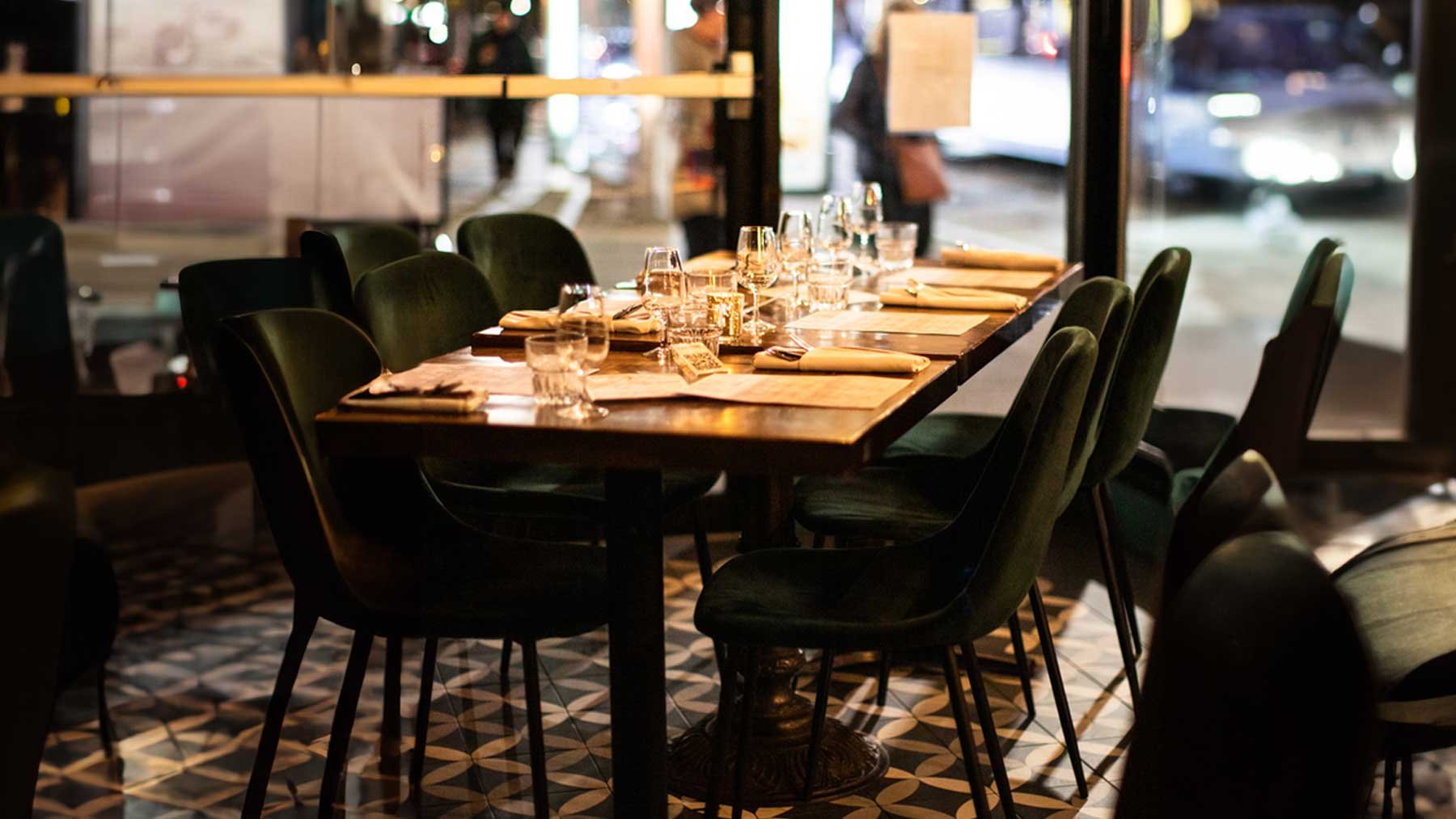
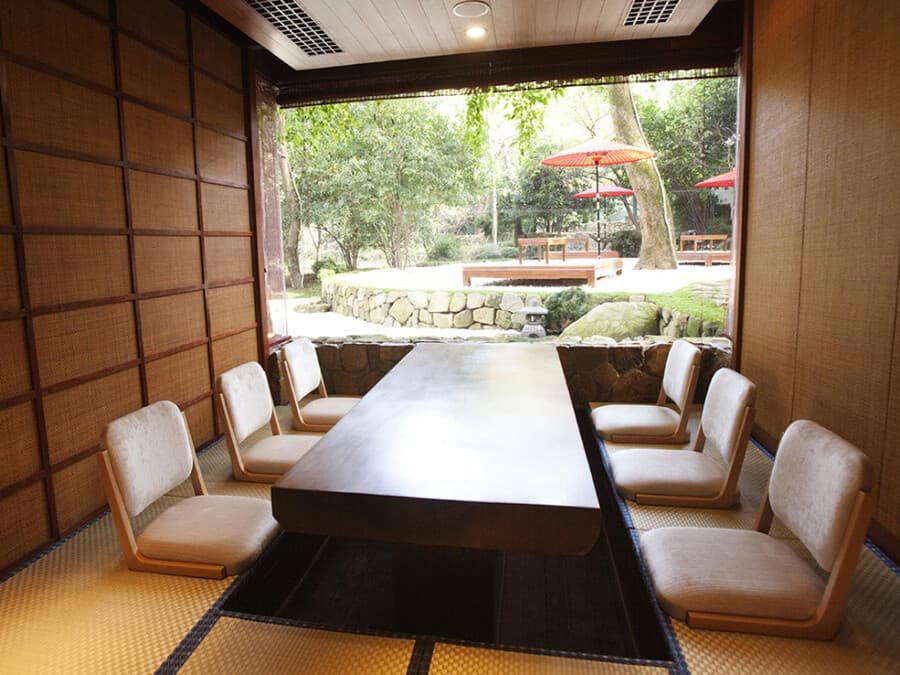
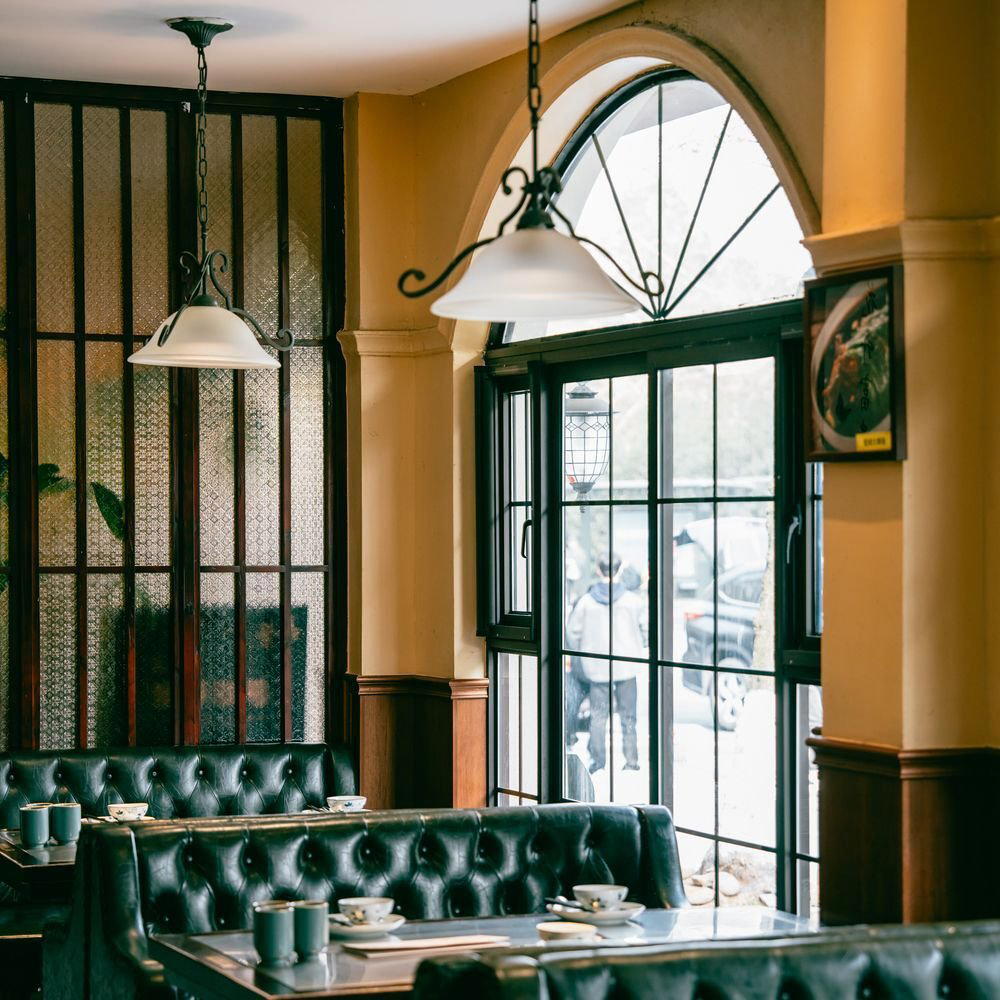
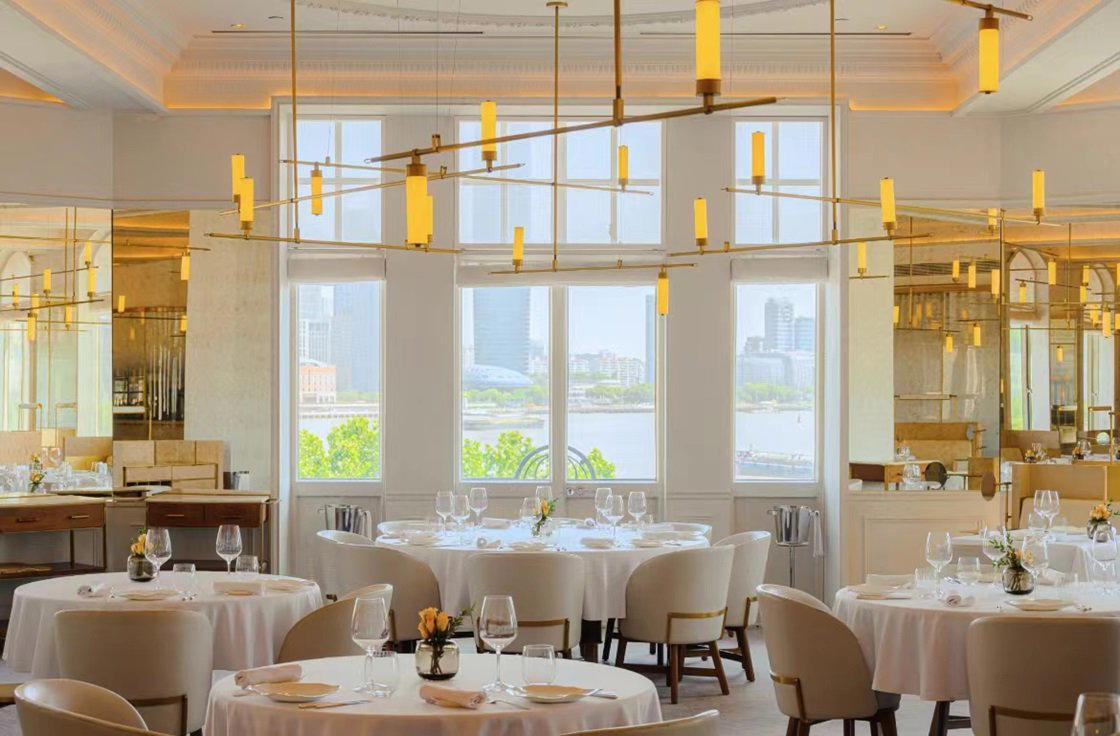
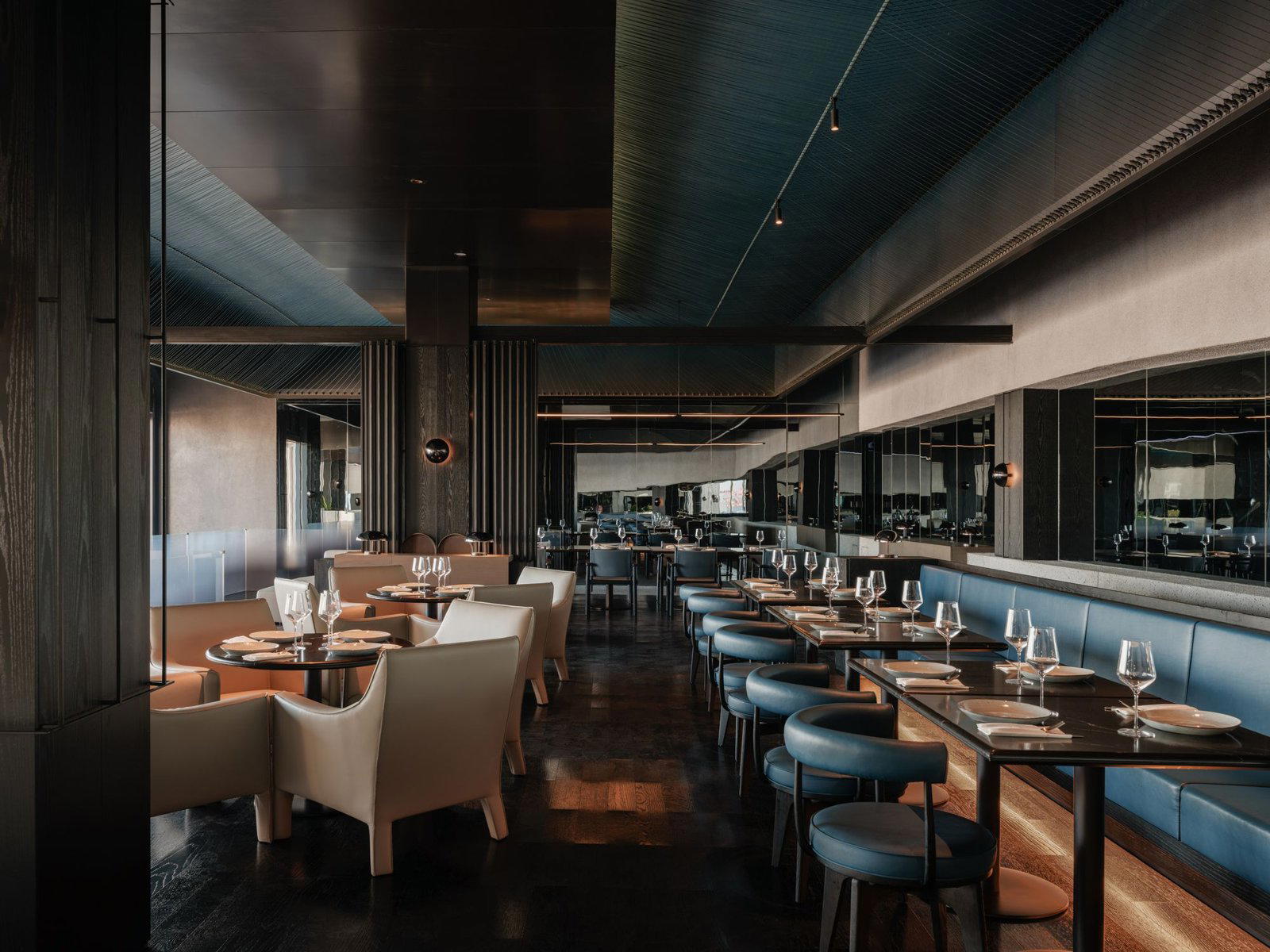
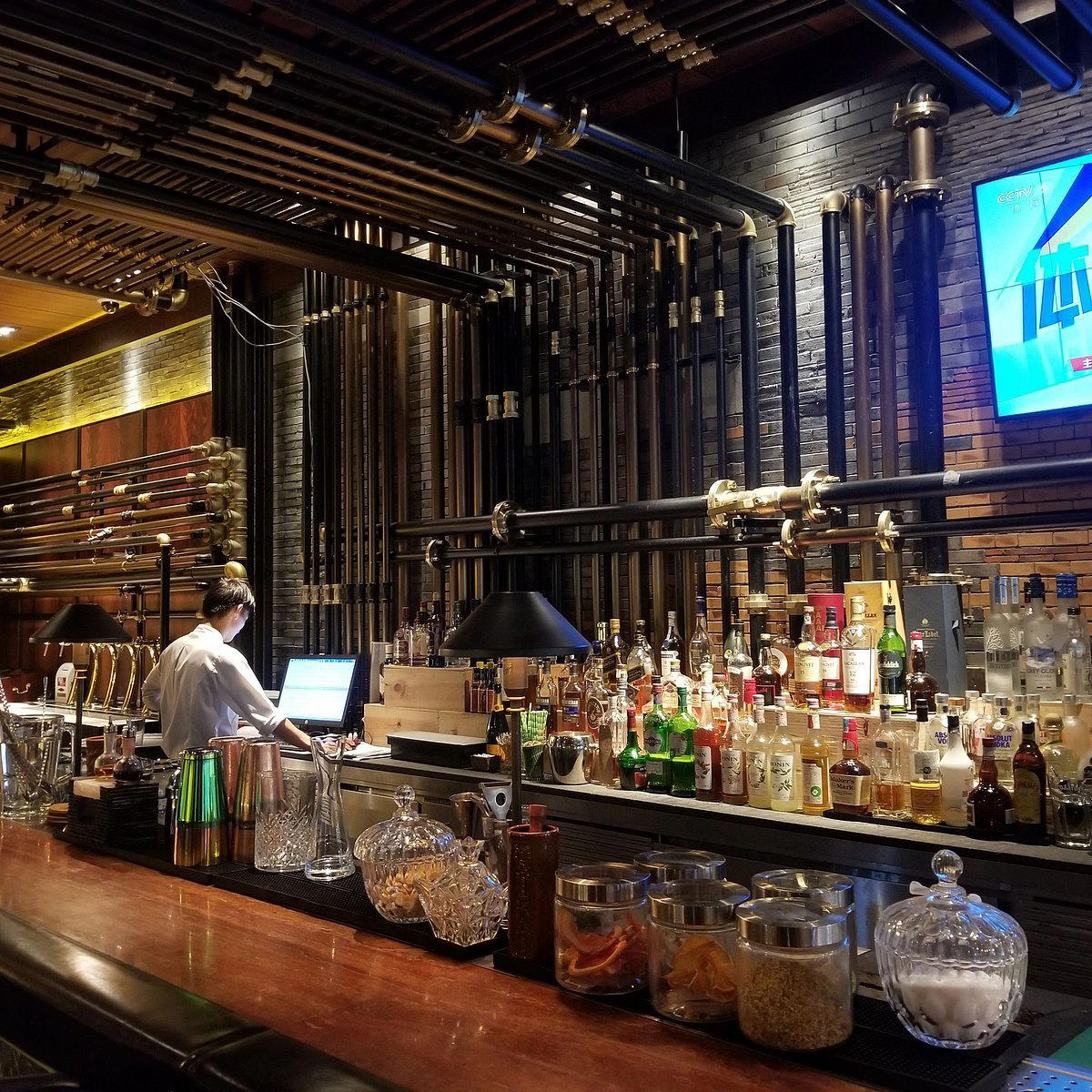
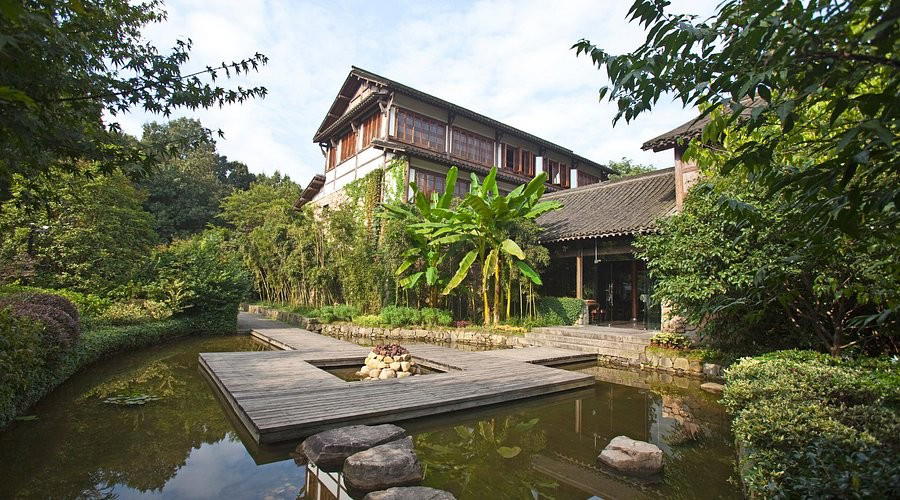
Compact and social tiny dining room with functional decor lively conversations and clatter of serving bowls.