
Sestogusto, led by Massimiliano Prete on Via Mazzini, occupies a distinct tier among Turin's gourmet pizzerias, where technical precision in dough and leavening has become the primary language of quality. The menu's signature formats, Pizz'Otto, Croccante, and Fa Croc, reflect a serious engagement with texture and fermentation that places the restaurant well outside the city's conventional pizza offer.
Pearl is the En Primeur Club membership app — saves, bookings, and concierge access live there. Same editors, same standards.
- Address
- Via Giuseppe Mazzini, 31, A, 10123 Torino TO, Italy
- Phone
- +39 011 1889 4434
- Website
- massimilianoprete.it
- Directions
- Get directions
 Saves & bookings on Pearl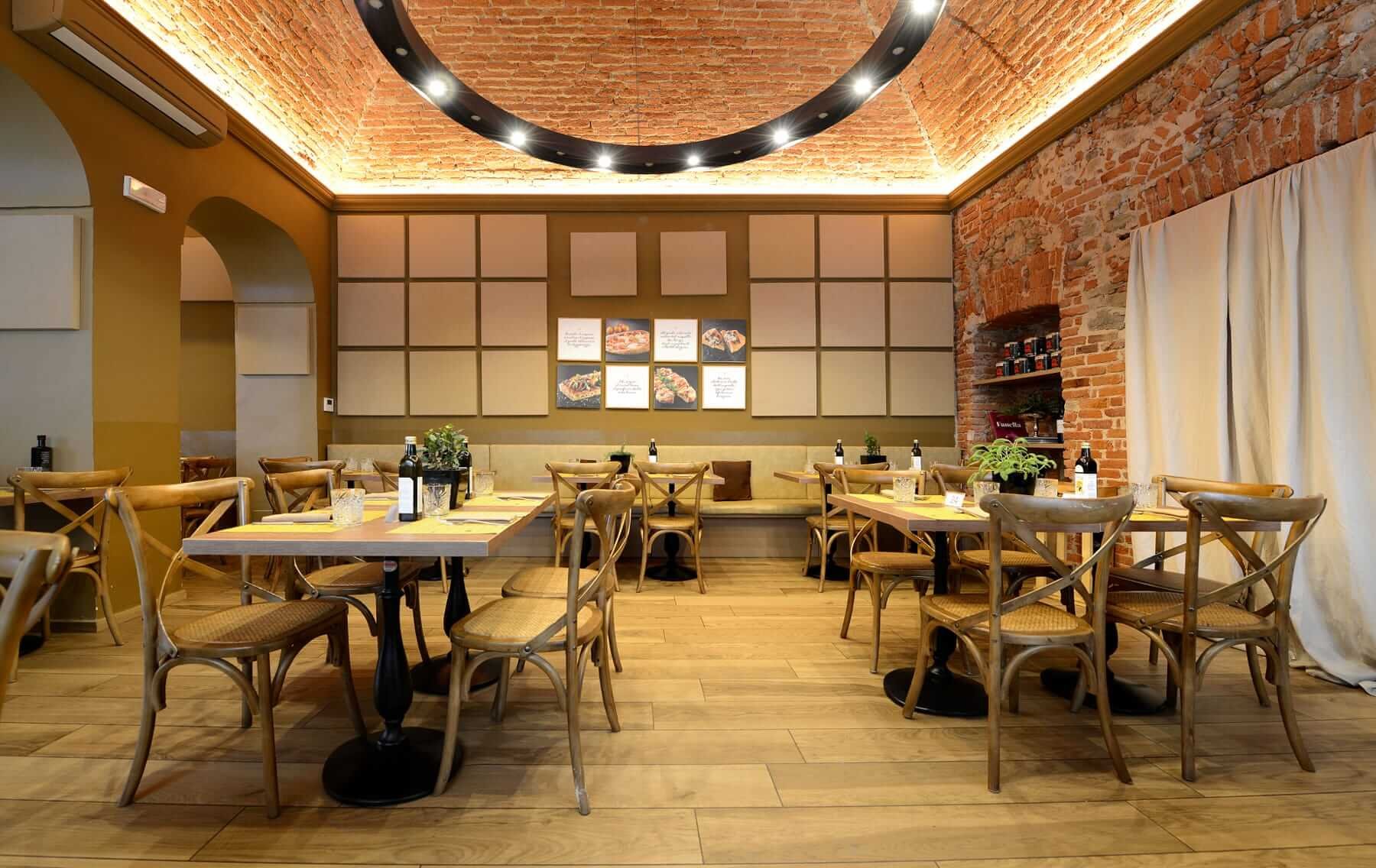
Pizza as a Technical Discipline in Turin
Turin has never been the city most Italians think of first when the subject turns to pizza. That distinction tends to go southward, to Naples, where the cornicione is a matter of civic identity, or to Rome, where thin-crust evangelism runs deep. Yet in the past decade, the north has quietly developed its own serious pizza culture, one that foregrounds the science of dough as much as the theatre of the wood-fired oven. Within that northern shift, Via Giuseppe Mazzini sits in the kind of central Turin address, close to the arcaded grid of the historic centre, where you would more typically find an aperitivo bar or a Piedmontese trattoria. Sestogusto is a modern gourmet pizza restaurant in Turin.
Under Massimiliano Prete, the pizzeria has built a reputation around dough craft and extended leavening in a city where Piedmontese cooking tradition has long prioritised slow fermentation in other forms: aged cheeses, long-braised meats, wine-country patience. The alignment between that regional sensibility and the technical ambitions of a gourmet pizzeria is not incidental. It is, in some ways, what makes Turin a plausible setting for this kind of project.
The Signature Formats: What the Menu Architecture Says
The menu at Sestogusto organises itself around three named formats, Pizz'Otto, Croccante, and Fa Croc, each representing a distinct approach to texture and base construction rather than simply a different set of toppings. This kind of format differentiation has become a marker of the more technically ambitious end of the contemporary Italian pizza scene, where the distinction between styles of dough is treated as seriously as the choice of flour or the hydration ratio.
The Pizz'Otto format suggests an octagonal shape, a structural departure from the standard round that affects how the crust behaves at the edges. The Croccante and Fa Croc names signal a preoccupation with crunch and crispness at different points in the eating experience, a concern that reflects both leavening time and baking temperature control. High-quality, authentic ingredients are the stated foundation across all formats, which at this tier of the market tends to mean DOP-designated Piedmontese produce where possible, alongside carefully sourced mozzarella and tomato.
This approach to menu architecture is worth noting because it represents a broader shift in how Italy's serious pizza makers communicate value. Rather than listing by topping category, the format-led menu asks the diner to engage with the base itself as the primary variable.
Turin's Position in Italy's Broader Dining Picture
Understanding what Sestogusto represents requires some sense of where Turin sits within Italy's dining hierarchy. The city's most celebrated fine-dining address in recent years has been Piazza Duomo in nearby Alba, which has drawn international attention to Piedmont as a serious gastronomic region. EP Club covers Piazza Duomo in Alba in detail here. Turin itself has a different character: more urban, more industrial in its roots, with an aperitivo culture and a chocolate tradition that define its food identity as much as any single restaurant.
Italy's highest-profile restaurants, from Enoteca Pinchiorri in Florence and Enrico Bartolini in Milan to Dal Pescatore in Runate and Uliassi in Senigallia, occupy the multi-Michelin-starred tier where tasting menus and substantial price points are standard. Le Calandre in Rubano, Reale in Castel di Sangro, Quattro Passi in Marina del Cantone, and Atelier Moessmer Norbert Niederkofler in Brunico represent still further breadth in that tier. Sestogusto operates below that price bracket, but within its own category, gourmet pizzeria, technically focused, ingredient-driven, it occupies the kind of position that generates genuine local and visiting interest rather than casual drop-in traffic.
For context on how Torino's broader restaurant scene distributes across styles and price points, Torino offers a wide range of restaurants across styles and price points. Sestogusto sits within a subset of that scene that prizes technical process over conventional fine-dining formality, a category that has grown considerably across northern Italian cities since roughly 2015.
Cultural Roots: Why Dough Craft Matters in This Context
Pizza's cultural significance in Italy is impossible to separate from its regional politics. Neapolitan identity is so thoroughly embedded in the Associazione Verace Pizza Napoletana's specifications, the 00 flour, the San Marzano tomato, the 60-90 second bake in a wood-fired oven at 485 degrees Celsius, that any departure reads as either innovation or heresy, depending on who you ask. The Roman scuola, with its thin bases and extended cold fermentation, represents a second orthodoxy. What northern pizzerias like Sestogusto do is less about opposing either tradition than about operating in a space where the regional context allows for a more experimental relationship with dough structure and format.
Piedmont's food culture has historically been defined by patience: the extended aging of Barolo, the slow ripening of white truffles, the months-long cure of salumi. Extended leavening in pizza dough, where fermentation time is measured in days rather than hours, fits naturally within that regional temperament. Prete's focus on this process is culturally coherent in a way that would read differently if the same project existed in Naples.
That coherence is part of what distinguishes Turin's gourmet pizza tier from the broader Italian market. It is not attempting to replicate the south; it is doing something that makes specific sense in the north.
Visiting Sestogusto: What to Know Before You Go
Sestogusto is located at Via Giuseppe Mazzini, 31, A, 10123 Torino TO, Italy, in central Turin. Booking ahead is recommended, particularly on weekend evenings.
For visitors building a broader Turin itinerary, the pizzeria pairs logically with an aperitivo stop beforehand, Turin's contribution to Italian drinking culture is the pre-dinner hour, and the city's bars along Via Po and around Piazza Castello are a reasonable circuit. Our Torino bars guide covers those options in full. Accommodation options across price points are mapped in and if wine is a priority, the city's wineries and experiences extend the Piedmontese context considerably.
For diners who want a second serious pizza address in Turin as a reference point, Fradiavolo represents a comparable tier and a useful comparison across style and format. The two venues together offer a useful picture of Turin's gourmet pizza scene.
Budget and Context
Comparable venues nearby, for context on price, style, and recognition.
| Venue | Cuisine | Price | Awards | Notes |
|---|---|---|---|---|
| SestogustoThis venue — the venue you are viewing | Not listed | $$$ | Not listed | Not listed |
| Eataly | Not listed | $$$ | Not listed | Nizza Millefonti, Italian Marketplace Dining |
| L’Orto già Salsamentario | Not listed | $$$ | Not listed | Near Piazza Gran Madre di Dio, Modern Vegan Italian Fusion |
| Fradiavolo | Centro, Contemporary Neapolitan Pizza | $$ | Not listed | Not listed |
| Tuorlo | Not listed | $$$ | Michelin Plate | Centro Storico, Traditional Piedmontese Bistro |
| Mammà Isola di Capri | Aurora, Modern Italian Mediterranean | $$$ | Michelin Plate | Not listed |
Recognition history
Dated appearances from independent guides and award organizations, with the underlying list record or original source where available.
50 Top Pizza Italia #13
50 Top Pizza
50 Top Pizza World Best Pizza #23
50 Top Pizza
50 Top Pizza Italy #10
50 Top Pizza
Continue exploring
More in Turin
Restaurants in Turin
Browse all →
Bars in Turin
Browse all →
Hotels in Turin
Browse all →
At a Glance
- Modern
- Elegant
- Sophisticated
- Lively
- Date Night
- Group Dining
- Celebration
- Special Occasion
- Open Kitchen
- Historic Building
- Design Destination
- Extensive Wine List
- Beer Program
- Sommelier Led
- Local Sourcing
Current opening hours
- Monday
- 12–2:30 PM, 7–11:30 PM
- Tuesday
- Closed
- Wednesday
- 7–11:30 PM
- Thursday
- 12–2:30 PM, 7–11:30 PM
- Friday
- 12–2:30 PM, 7–11:30 PM
- Saturday
- 12–2:30 PM, 7–11:30 PM
- Sunday
- 12–2:30 PM, 7–11:30 PM
Hours can change for holidays and private events. Last verified .
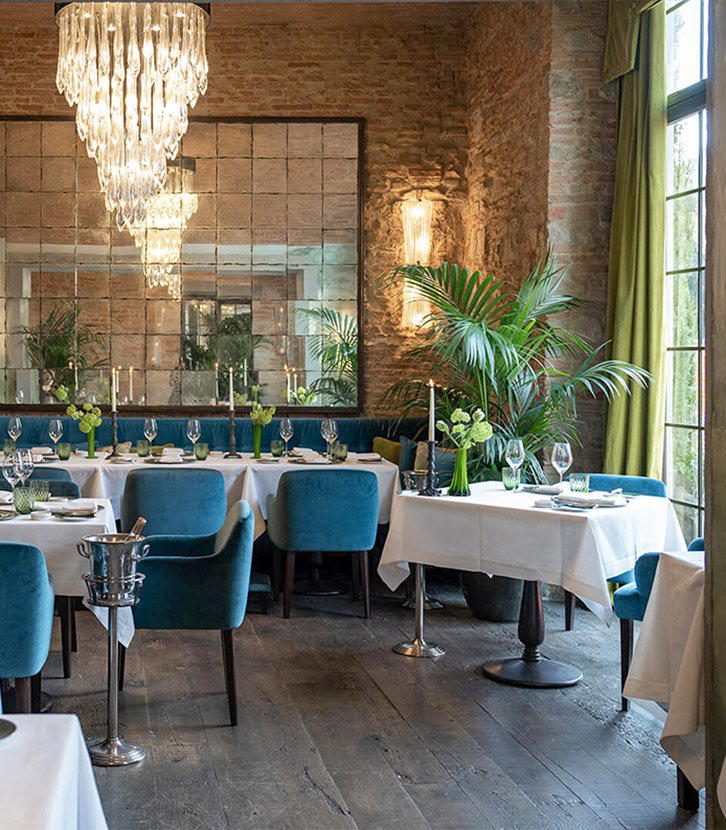
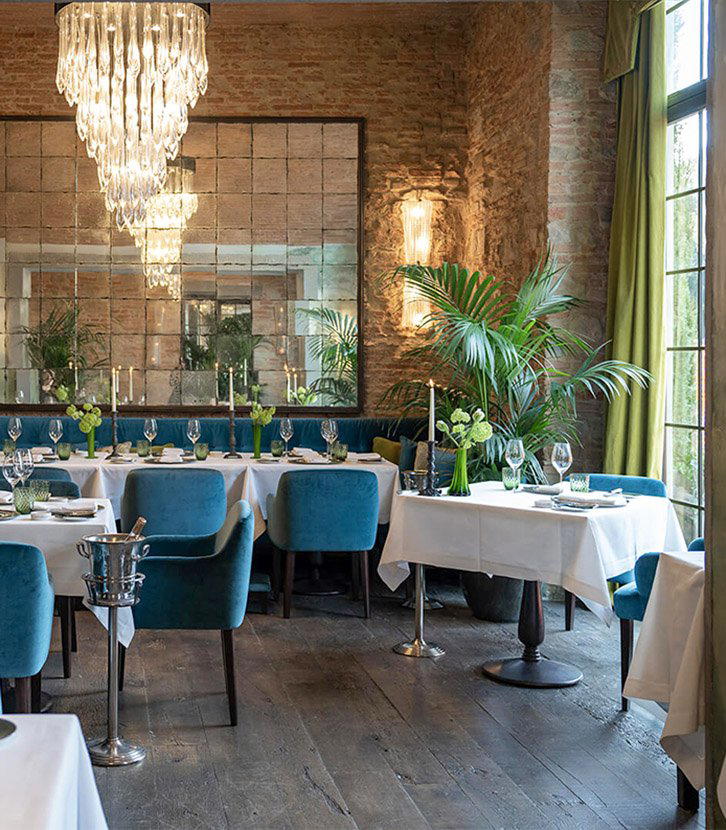
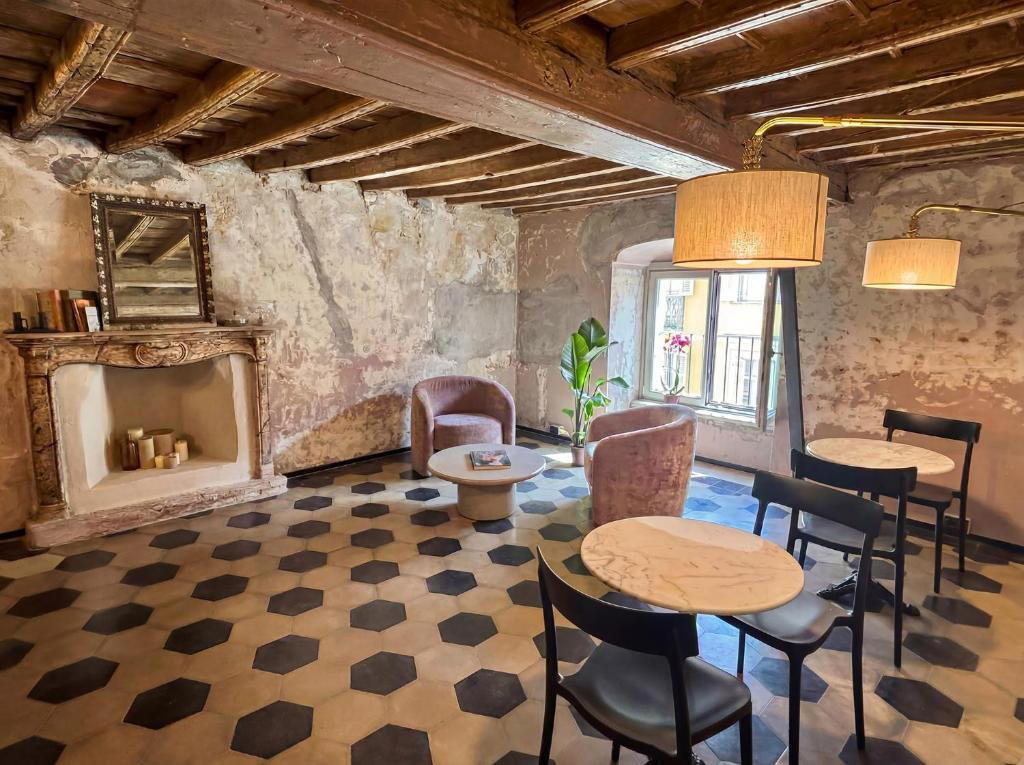
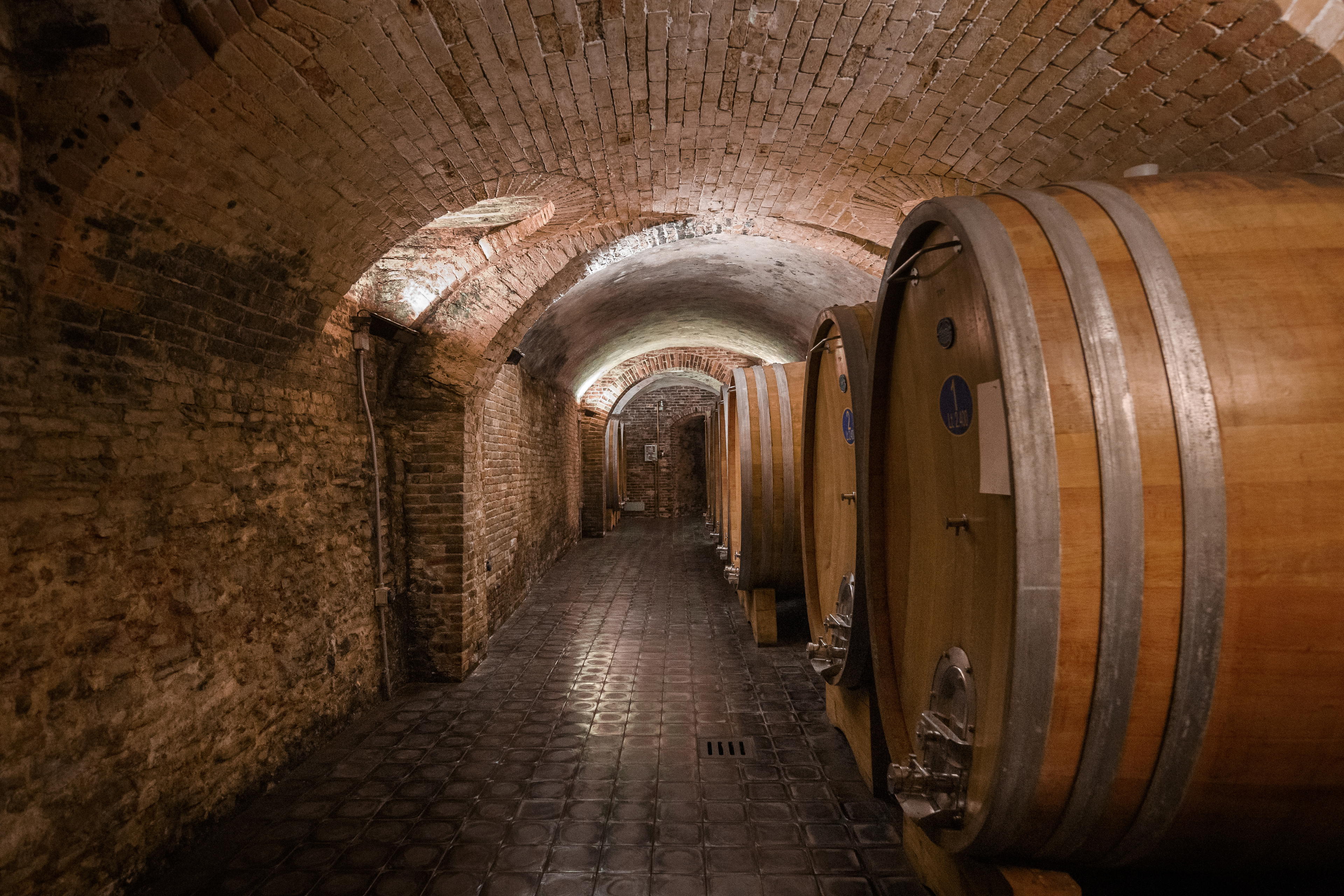
Warm and welcoming with exposed brick vaults, tasteful furnishings, spaced tables, and modern bistro-style decor; described as chic and refined yet relaxed, though can be crowded and noisy during peak hours.