
On Via Monferrato in Turin's Vanchiglia district, L'Orto già Salsamentario makes a direct case for raw and vegan cooking through the language of craft. Chef Eduardo Ferrante applies the precision once associated with charcuterie to vegetable ingredients, producing a counter experience where the sourcing logic is as central as the food itself. The name, a deliberate echo of the butcher's art, frames the whole proposition.
Pearl is the En Primeur Club membership app — saves, bookings, and concierge access live there. Same editors, same standards.
- Address
- Via Monferrato, 14, 10131 Torino TO, Italy
- Phone
- +39 011 1994 1740
- Website
- lortogiasalsamentario.it
- Directions
- Get directions
 Saves & bookings on Pearl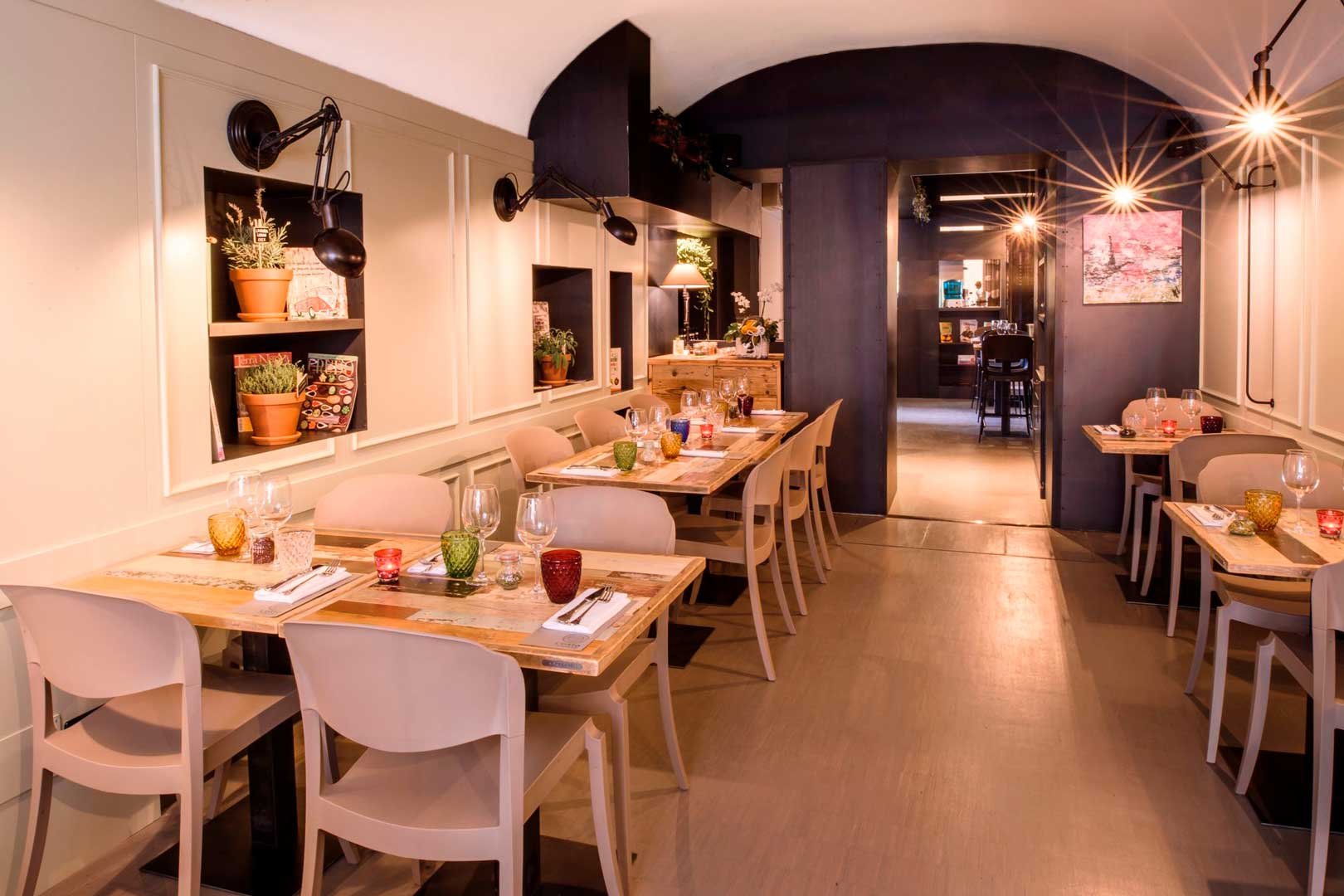
Vegetable Craft in a City Built on Meat
Turin's dining identity is largely built on animal protein. Vitello tonnato, tajarin with ragù, carne cruda all'albese, the Piedmontese canon runs through the butcher's block. Against that backdrop, L'Orto già Salsamentario on Via Monferrato makes a considered provocation: 100% raw and vegan cooking delivered with the care and intentionality that the city usually reserves for its charcuterie counters. The name says it plainly. "Salsamentario", meaning charcuterie shop, refers not to what is served but to the craft standard being applied. Vegetable ingredients, handled with the same precision that cured pork once demanded.
That framing matters when reading Turin's current restaurant spread. L'Orto già Salsamentario occupies a different axis entirely: its distinction is not about price tier or innovation for its own sake, but about a coherent sourcing philosophy applied to a format that almost no one else in the city is attempting at this level of commitment.
The Sourcing Logic Behind Raw and Vegan Cooking
Raw cooking, at its more disciplined end, is an ingredient-sourcing argument more than a technique argument. When heat is removed from the process, produce quality becomes the single most exposed variable. There is no caramelisation to compensate for flavour, no reduction to concentrate a thin ingredient, no fat to carry a mediocre root vegetable across the finish line. What arrives at the table is approximately what arrived at the kitchen door. This places a specific weight on where those vegetables come from, at what point in their cycle they are harvested, and how quickly they travel from soil to prep.
Across Italy's more recognised plant-forward kitchens, the sourcing conversation has grown more specific over the past decade. At the northern end of the country, Atelier Moessmer Norbert Niederkofler in Brunico has made regional Alpine sourcing the structural backbone of its menu, a discipline that earned three Michelin stars. The approach is not the same as L'Orto già Salsamentario's, but the underlying logic, that geography and seasonality are the real ingredients, runs through both. In a city where Dal Pescatore in Runate and Le Calandre in Rubano have long argued for product fidelity within classical and modernist frameworks respectively, L'Orto già Salsamentario arrives at a similar conclusion by a more radical route.
Via Monferrato and the Vanchiglia Context
The address places L'Orto già Salsamentario in Vanchiglia, one of Turin's more textured residential neighbourhoods, east of the historic centre and along the Po. This part of the city does not operate at the same register as the grand, porticoed streets around Piazza San Carlo, where flagship restaurants carry the weight of Piedmontese formal tradition. Vanchiglia has a different energy: more local, less tourist-facing, with a concentration of independent eating and drinking spots that draw from within the city rather than from itineraries. For a restaurant built around direct contact between chef and guest, Chef Eduardo Ferrante's stated aim is that dining is as much about conversation, warmth, and the exchange of experience as it is about the food, that neighbourhood context is appropriate rather than incidental.
The format itself, with its emphasis on chef proximity and interpersonal exchange, sits in a category that has expanded across European cities over the past several years. Elsewhere in Italy, the template of the intimate counter or small dining room where the cook and the diner share the same space has produced some of the country's most discussed tables. Osteria Francescana in Modena and Enoteca Pinchiorri in Florence operate at a different scale and price point, but the instinct behind direct, personal hospitality is a thread that connects a wide range of Italian dining formats. Internationally, kitchens from Le Bernardin in New York City to Enrico Bartolini in Milan demonstrate how the relationship between chef presence and guest experience translates across price tiers and culinary traditions. At L'Orto già Salsamentario, that presence is not mediated through a large brigade or a theatrical service format. The connection is close, the room small, and the experience depends on it.
Reading the Name as a Critical Statement
Decision to reference charcuterie in the name of a vegan restaurant is not an accident or a joke. It is an argument about craft. The salsamentario, the curer, the artisan of preserved meats, represented a particular kind of mastery: patience, precision, a deep understanding of how a raw material transforms under controlled conditions. By claiming that legacy in the context of vegetables, Ferrante positions plant-based cooking not as an absence of animal products but as a discipline in its own right, demanding the same knowledge and attention. The raw format amplifies this: nothing is hidden, nothing is softened. The craft is visible in every preparation.
The comparison is not with Turin's broader vegan or vegetarian options, but with kitchens that apply a coherent intellectual framework to their ingredient choices, regardless of what those ingredients happen to be. Emeril's in New Orleans built its reputation on a different cuisine entirely, but the underlying point about ingredient identity and the chef's relationship to raw materials is a shared reference point across serious cooking at any level.
Planning Your Visit
L'Orto già Salsamentario is located at Via Monferrato 14 in Turin's Vanchiglia district. Advance contact before visiting is advisable, and reservations are recommended.
At-a-Glance Comparison
Comparable venues nearby, for context on price, style, and recognition.
| Venue | Cuisine | Price | Notes |
|---|---|---|---|
| L’Orto già SalsamentarioThis venue — the venue you are viewing | Modern Vegan Italian Fusion | $$$ | Not listed |
| Eataly | Italian Marketplace Dining | $$$ | Nizza Millefonti |
| Al Gatto Nero | Classic Italian Trattoria | $$$ | Crocetta |
| Signorvino Torino | Italian Wine Bar | $$ | Centro |
| Antonio Chiodi Latini | Underground Plant-Based Italian Fine Dining | $$$ | City Center |
| Sestogusto | Modern Gourmet Pizza | $$$ | Centro (Via Mazzini) |
Recognition history
Dated appearances from independent guides and award organizations, with the underlying list record or original source where available.
We're Smart World 4 Radishes
We're Smart World
Continue exploring
More in Turin
Restaurants in Turin
Browse all →
Bars in Turin
Browse all →
Hotels in Turin
Browse all →
At a Glance
- Cozy
- Elegant
- Intimate
- Rustic
- Date Night
- Family
- Special Occasion
- Open Kitchen
- Terrace
- Extensive Wine List
- Organic
- Street Scene
Current opening hours
- Monday
- Closed
- Tuesday
- 7:30–10:30 PM
- Wednesday
- 7:30–10:30 PM
- Thursday
- 7:30–10:30 PM
- Friday
- 7:30–10:30 PM
- Saturday
- 12:30–2:30 PM, 7:30–10:30 PM
- Sunday
- 12:30–2:30 PM, 7:30–10:30 PM
Hours can change for holidays and private events. Last verified .
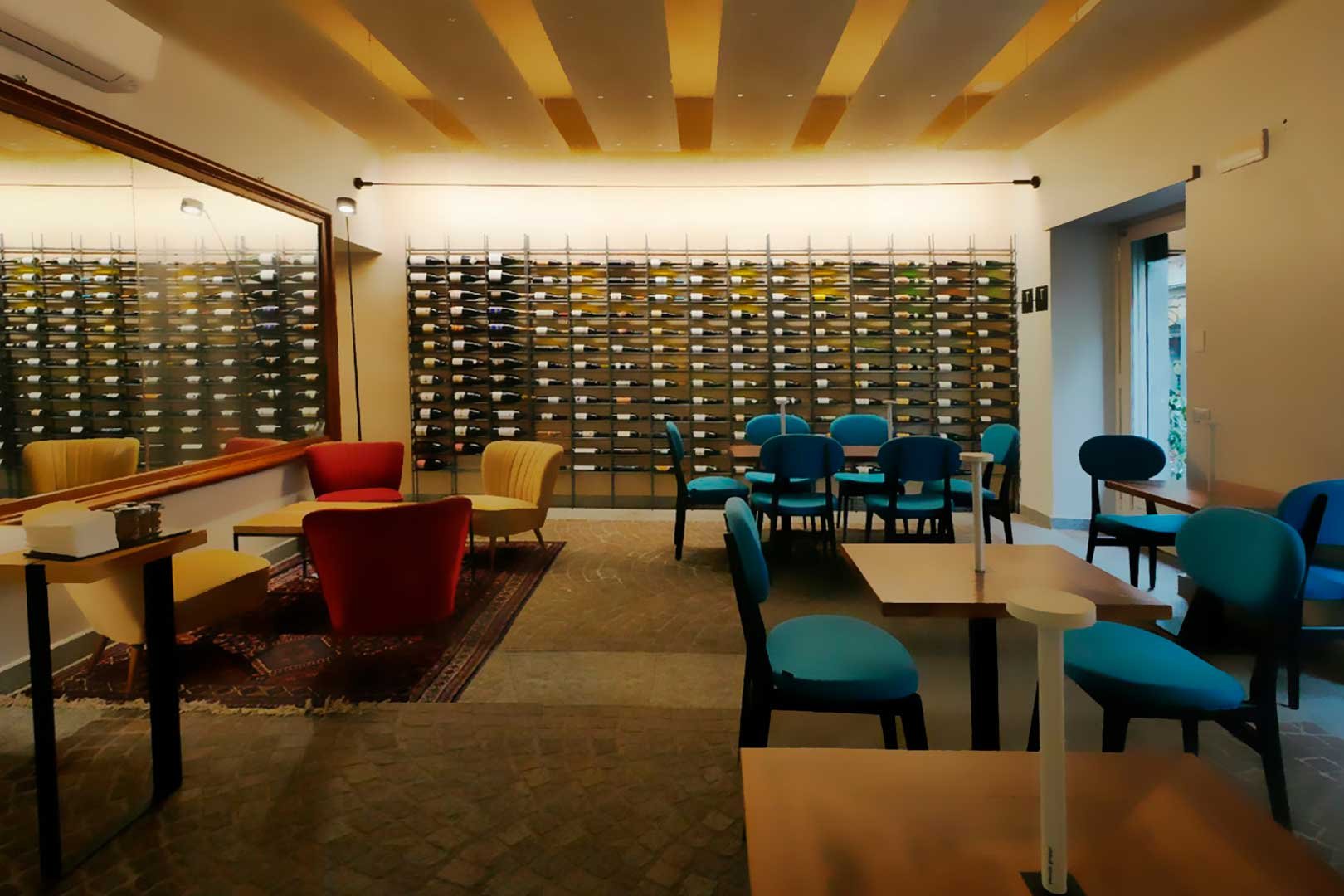
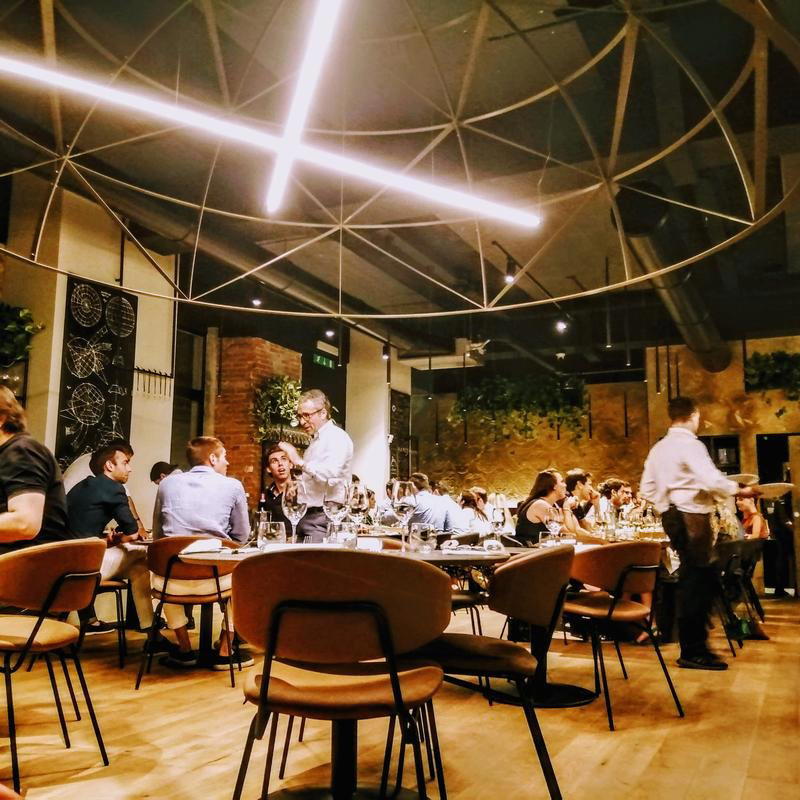
Cozy and warm atmosphere with welcoming lighting, praised for its refined yet homey feel.