A specialty coffee laboratory on Via Berthollet in the Crocetta district, Orso Laboratorio del Caffè occupies Turin's serious end of the caffè spectrum, where extraction technique and sourcing rigour matter as much as the ritual of service. The address places it among the city's quieter, residential-facing coffee addresses, a counterpoint to the grand historic bars of the centre.

Pearl is the En Primeur Club membership app — saves, bookings, and concierge access live there. Same editors, same standards.
- Address
- Via Claudio Luigi Berthollet, 30h, 10125 Torino TO, Italy
- Phone
- +39 011 264 3553
- Hours
- Mon–Wed 8 AM–6 PMThu 8 AM–5:30 PMFri 8 AM–6 PMSat–Sun 8:30 AM–6 PM
- Website
- shop.orsolaboratoriocaffe.it
- Directions
- Get directions
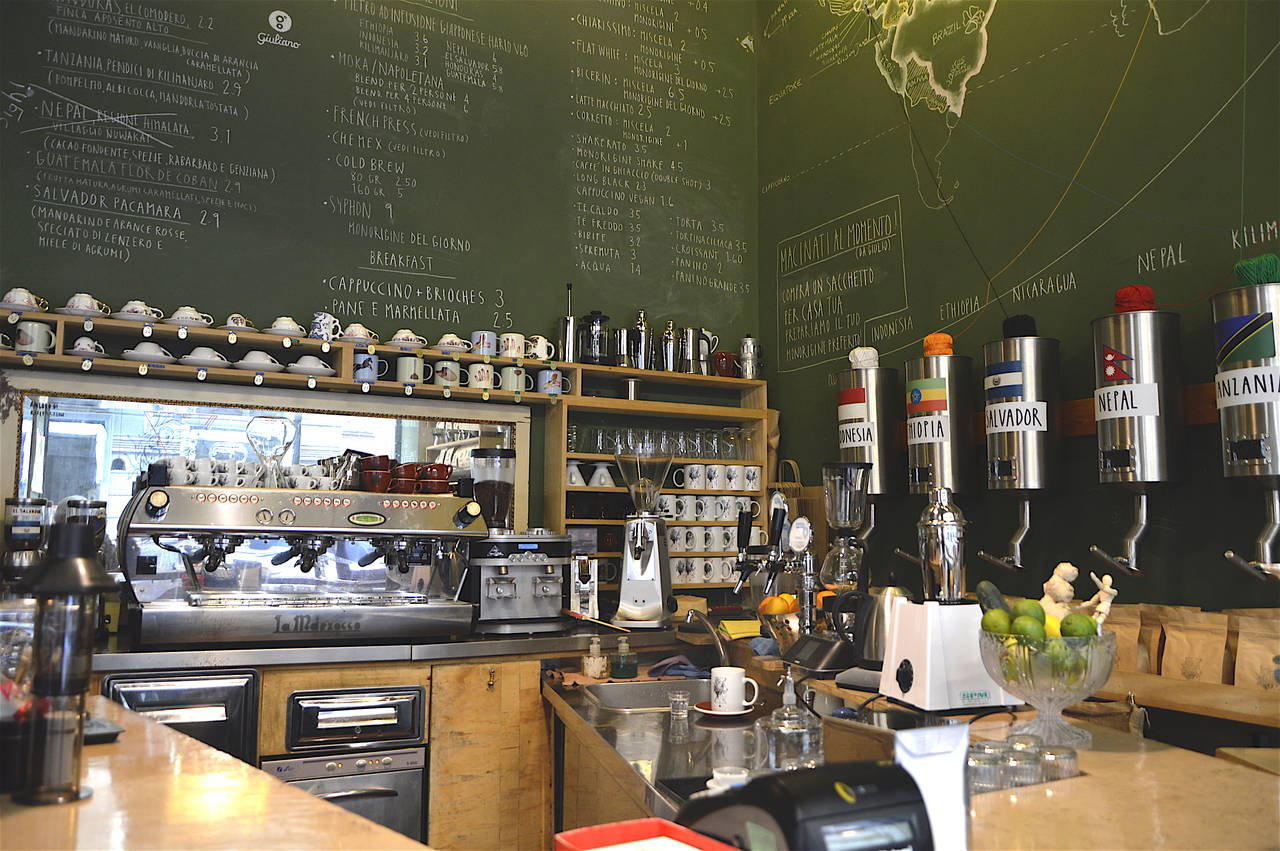
Turin's Coffee Discipline, Taken Seriously
Turin has a longer and more layered relationship with caffè culture than almost any other Italian city. This is the birthplace of bicerin, the city that gave Lavazza its first commercial foothold, and a place where the morning bar visit carries genuine civic weight. Within that tradition, there is now a smaller, more technically oriented cohort of addresses that operate as laboratories as much as cafés, where the sourcing of green coffee, the calibration of grind, and the temperature of extraction are subjects of daily conversation. Orso Laboratorio del Caffè, at Via Claudio Luigi Berthollet 30h in the Crocetta district, belongs to this cohort.
The address itself is instructive. Crocetta sits south of the centre, a residential quarter favoured by professionals and academics rather than tourists. Coffee bars here compete on neighbourhood loyalty and product quality rather than footfall from Piazza Castello or the Mole Antonelliana. The format that tends to work in these streets is one with genuine substance behind the counter, something to justify the detour when historic alternatives are a short tram ride away.
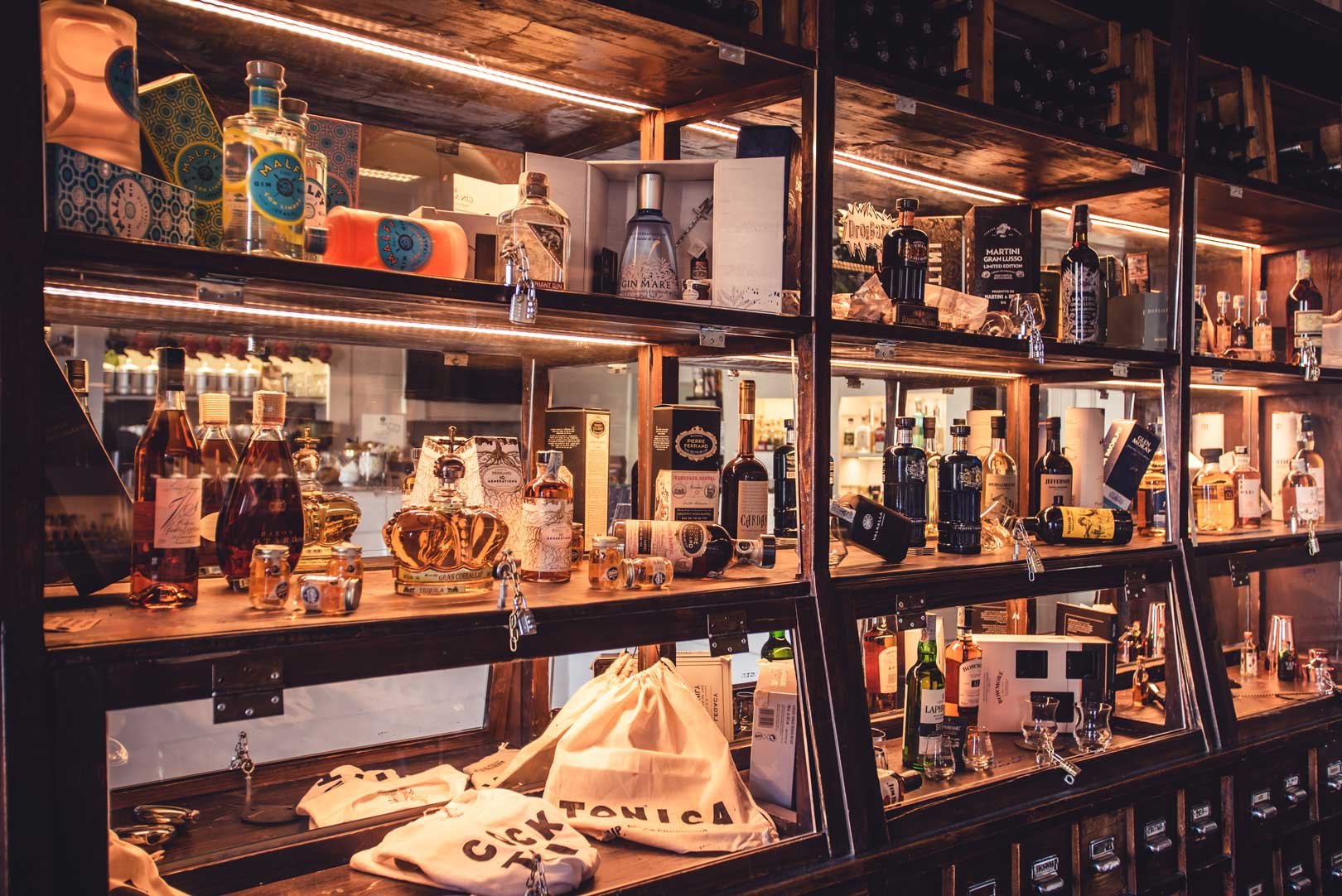
The Spirits Shelf and the Back Bar
The name includes the word laboratorio, and that framing extends beyond espresso. Turin's most interesting caffè-bar addresses in the Crocetta and Vanchiglia areas have increasingly operated across the full arc of the day, from morning espresso through aperitivo to late drinking, and the back bar tells you which tier they are pitching at. At specialist addresses in this register, the spirits selection functions as a secondary editorial statement, a curation that signals how seriously the operator takes the overall programme.
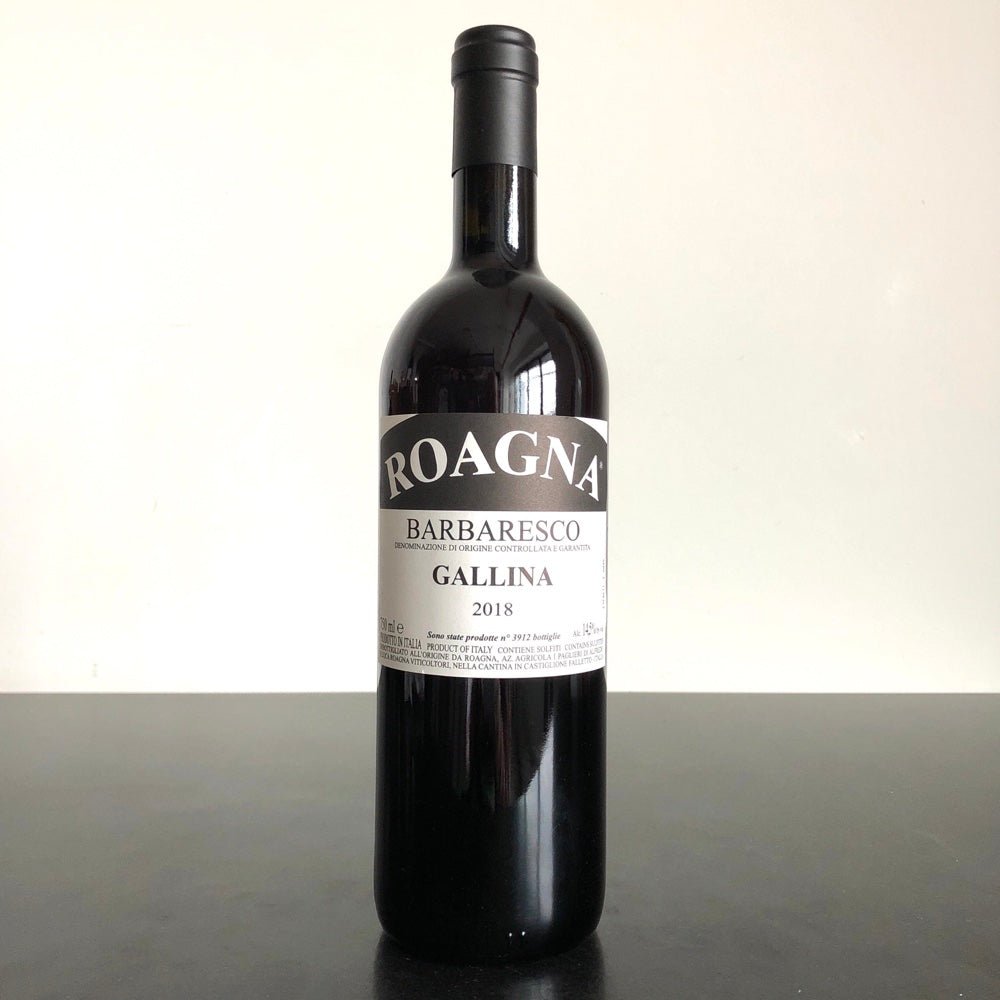
This matters particularly in a city with strong vermouth heritage. Torino is the home of vermouth as a commercial category, and bars that take the local tradition seriously will typically carry a range that moves beyond the standard Martini and Cinzano shelf fillers into smaller producers and aged expressions. For a laboratorio format that spans coffee and cocktail hours, the depth of vermouth coverage, alongside amari, grappa, and single-origin spirits, is the clearest indicator of curatorial intent. Where those bottles come from, how they are organised, and whether the bar team can speak to the producers behind them separates a well-stocked back bar from a considered one.
Comparable addresses in Italy's northern drinking scene, such as Banco Vini e Alimenti in Turin or Al Covino in Venice, demonstrate how the hybrid caffè-enoteca-bar format can hold genuine depth across categories without becoming unfocused. The shared logic is selectivity: fewer SKUs chosen with deliberate intent rather than a comprehensive spirits list that signals effort without direction.
Where Orso Sits in Turin's Caffè Hierarchy
Turin's coffee addresses divide, broadly, into three tiers. At the top of the heritage register sit the grand historic bars: Caffè Platti on Corso Vittorio Emanuele II and Caffè Al Bicerin near the Consolata, places whose value is partly architectural and partly ritual, where the room itself is the point. Below that sits a middle tier of competent neighbourhood bars operating on volume and familiarity. Then there is the smaller specialist tier, to which Orso belongs, where the conversation is about single-origin sourcing, brewing method, and the education of a local clientele that increasingly expects more from its espresso than consistency alone.
The Bistrot Torrefazione Samambaia Torino occupies a comparable position in the city's specialty coffee map, and both addresses reflect a broader shift that has been playing out across Italian cities since approximately 2015, when the third-wave coffee movement began to find serious purchase in a country that had previously treated its espresso tradition as settled and immutable. That resistance has not fully dissolved, but Turin's density of design-conscious, internationally aware residents has made it one of the more receptive Italian cities for this kind of offer.
The same specialist-tier pattern is visible in other Italian drinking capitals. 1930 in Milan and Drink Kong in Rome represent the cocktail-focused end of this specialist cohort; Gucci Giardino in Florence and L'Antiquario in Naples operate with similar selectivity in different formats. What links them, and what links Orso to this broader pattern, is the rejection of volume as the primary success metric.
The Crocetta Context
Via Berthollet sits in the southern reaches of Crocetta, close to the Politecnico di Torino campus and within walking distance of Valentino Park. The neighbourhood has a quieter, more considered pace than the historic centre, which suits a laboratorio format whose appeal depends on the kind of visitor willing to slow down and engage with what is behind the counter. Morning visits will find the espresso programme at its most relevant; later in the day, as Turin's aperitivo hour approaches, the spirits selection comes into its own.
This dual-register operation is increasingly common among Turin's serious independent bars, and it reflects the city's own drinking rhythms. Turin eats and drinks on a schedule that is more northern European in its punctuality than Rome or Naples. Aperitivo here is a genuine institution, not a tourist performance, and bars that hold ground through the full day earn a different kind of local loyalty than those that specialise only in one moment.
For visitors constructing a day that moves across Turin's drinking culture, the Crocetta address makes Orso a natural complement to the grander central options. The full Turin restaurants and bars guide maps out how these tiers connect across the city's neighbourhoods, and Lost and Found in Nicosia or Bar Leather Apron in Honolulu offer useful reference points for how specialist bar formats translate across very different drinking cultures.
Planning Your Visit
Via Claudio Luigi Berthollet 30h is reachable by tram from the centre of Turin, and the Crocetta neighbourhood is navigable on foot from Porta Nuova station in under fifteen minutes. As with most specialist caffè addresses in Italian cities, the morning hours tend to draw the coffee-focused crowd, while the late afternoon shift into aperitivo brings a different clientele. No booking infrastructure is typically required for this format, though first-time visitors are leading advised to check current hours directly, as laboratorio-style operators in Italian cities can keep more selective schedules than standard bar addresses.
Pricing, Compared
Comparable venues nearby, for context on price, style, and recognition.
| Venue | Cuisine | Price | Awards | Notes |
|---|---|---|---|---|
| Orso Laboratorio del CaffèThis venue — the venue you are viewing | San Salvario, Bar | $1–10 | Not listed | Not listed |
| Bistrot Torrefazione Samambaia Torino | San Salvario, Bar | Not listed | Not listed | Not listed |
| The Mad Dog Social Club | Vanchiglia, speakeasy | $10–20 | Not listed | Not listed |
| Luogo Divino | Not listed | Not listed | Star Wine List · Falstaff Wine Bar - Listed | Porta Nuova, wine_bar |
| Dora In Poi Srl | Vanchiglia, Bar | Not listed | Not listed | Not listed |
| La Drogheria | Not listed | $10–20 | Top 500 Bars Best Bars #401 | Centro, cocktail_bar |
Continue exploring
More in Turin
Bars in Turin
Browse all →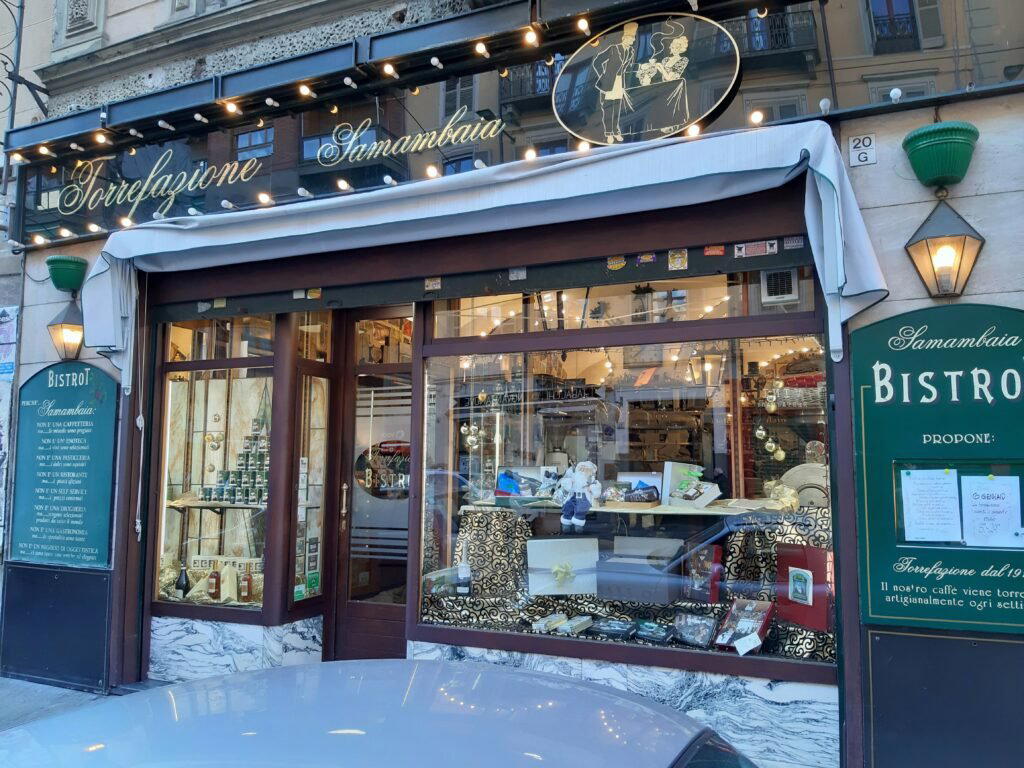
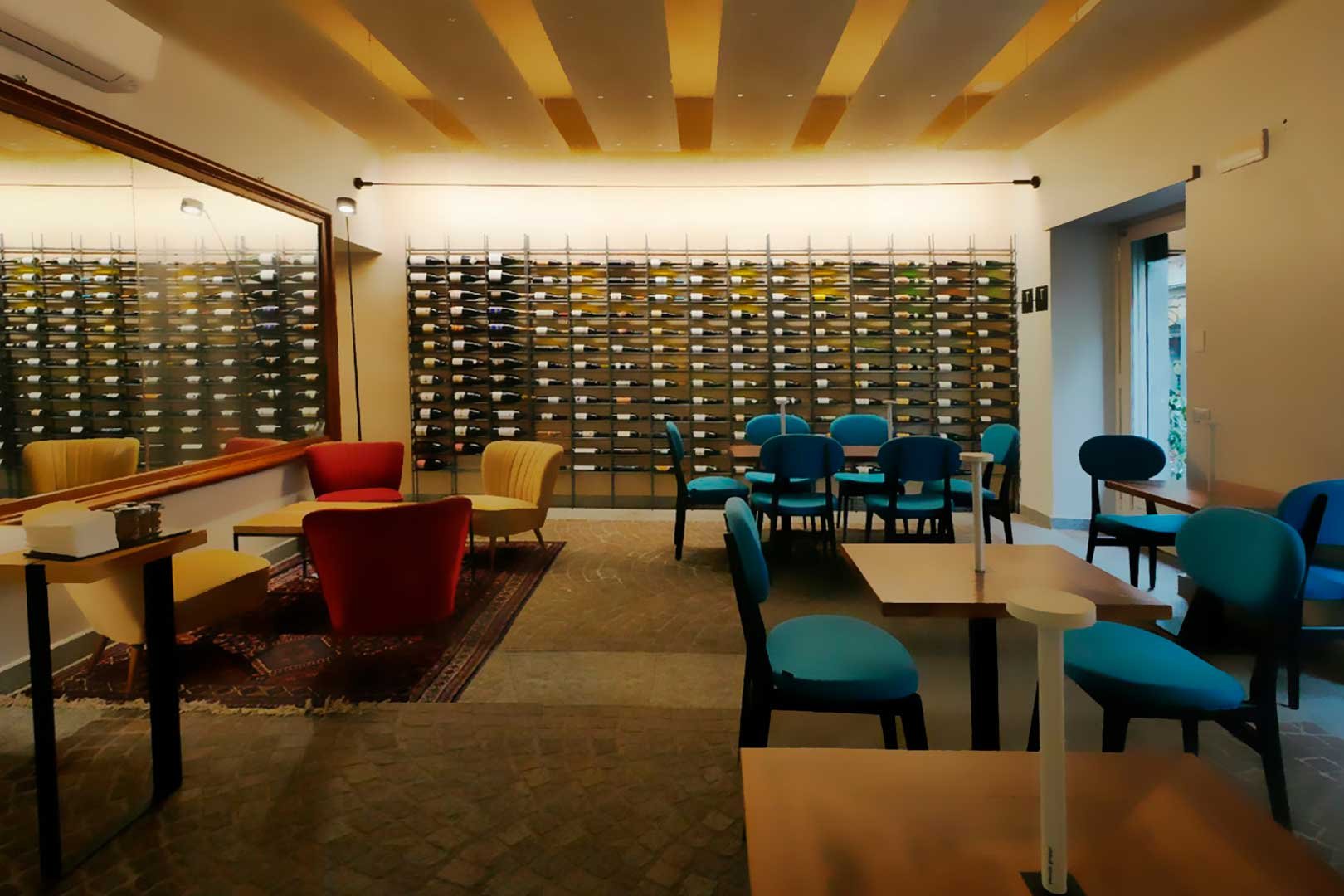
Restaurants in Turin
Browse all →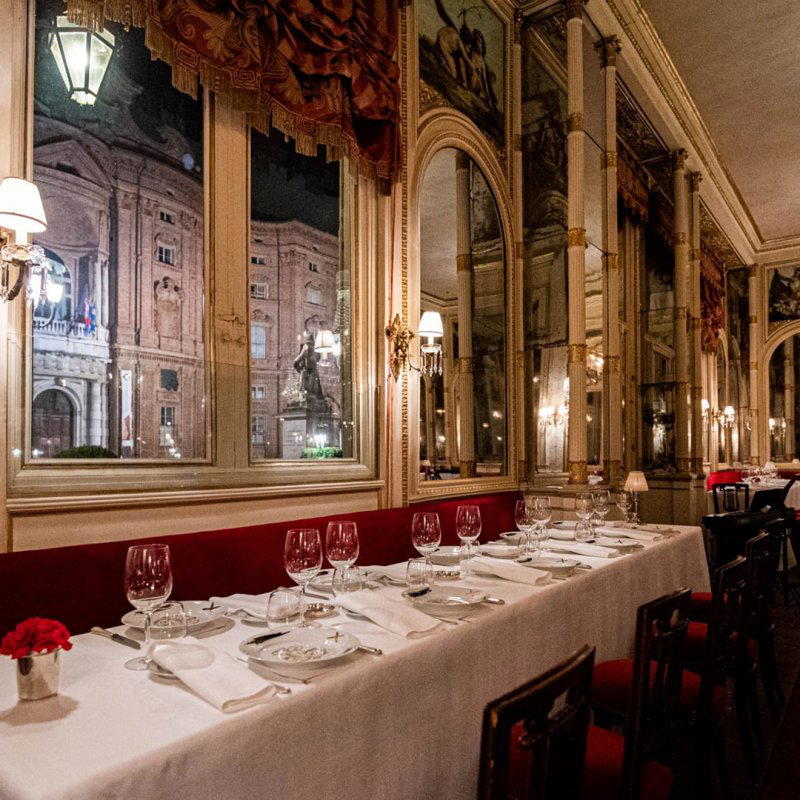
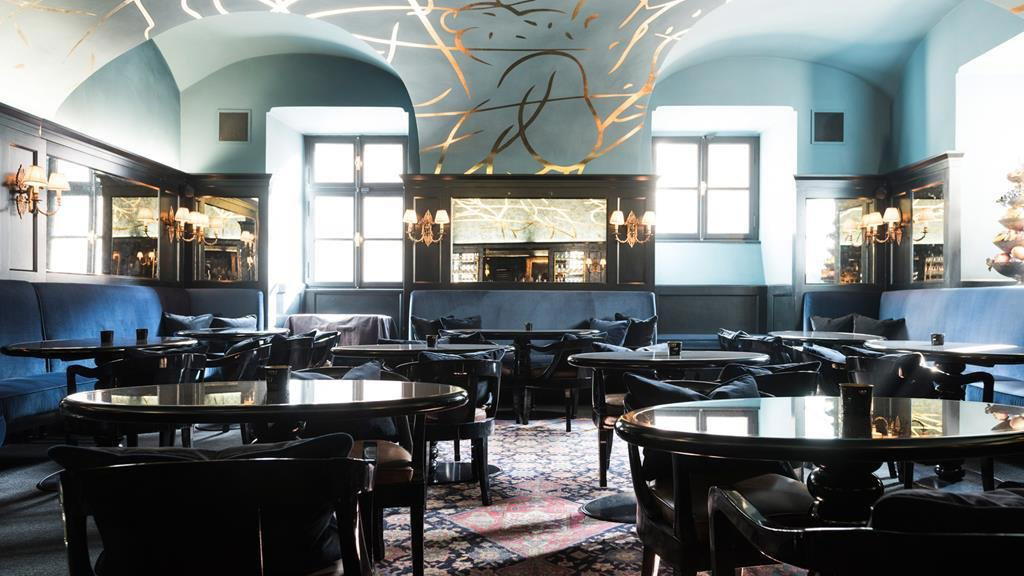
Hotels in Turin
Browse all →
Orso Laboratorio del Caffè
The drinks
Signature drinks: San Salvario coffee, Valentino coffee, Ethiopian filter coffee, cold brew, flat white.
Details
- Minimalist
- Cozy
- Trendy
- Modern
- Solo
- Casual Hangout
- After Work
- Standalone
- Design Destination
- Counter Only
- Seated Bar
Current opening hours
- Monday
- 8 AM–6 PM
- Tuesday
- 8 AM–6 PM
- Wednesday
- 8 AM–6 PM
- Thursday
- 8 AM–5:30 PM
- Friday
- 8 AM–6 PM
- Saturday
- 8:30 AM–6 PM
- Sunday
- 8:30 AM–6 PM
Hours can change for holidays and private events. Last verified .
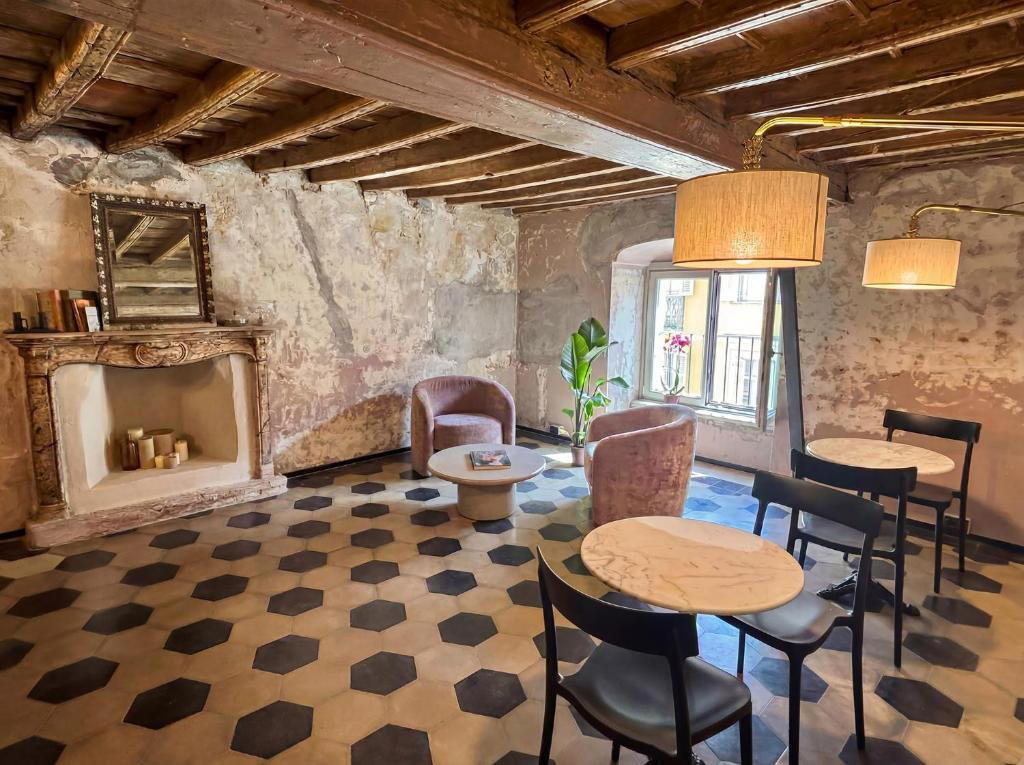
Minimalist but warm with a suspended-in-time sitting room aesthetic; intimate and focused on the sensory experience of specialty coffee.