
Fradiavolo occupies a prime address on Piazza Carlo Emanuele II, bringing an ingredient-led approach to pizza that has earned recognition on the 50 Top World Artisan Pizza Chains list. The Turin flagship treats dough as a variable, not a constant, rotating bases to match toppings and seasons. For a city better known for its Baroque cafes and slow-food traditions, it represents a serious argument for pizza as craft.
Pearl is the En Primeur Club membership app — saves, bookings, and concierge access live there. Same editors, same standards.
- Address
- P.za Carlo Emanuele II, 17/A, 10123 Torino TO, Italy
- Phone
- +39 011 1848 7205
- Website
- fradiavolopizzeria.com
- Directions
- Get directions
 Saves & bookings on Pearl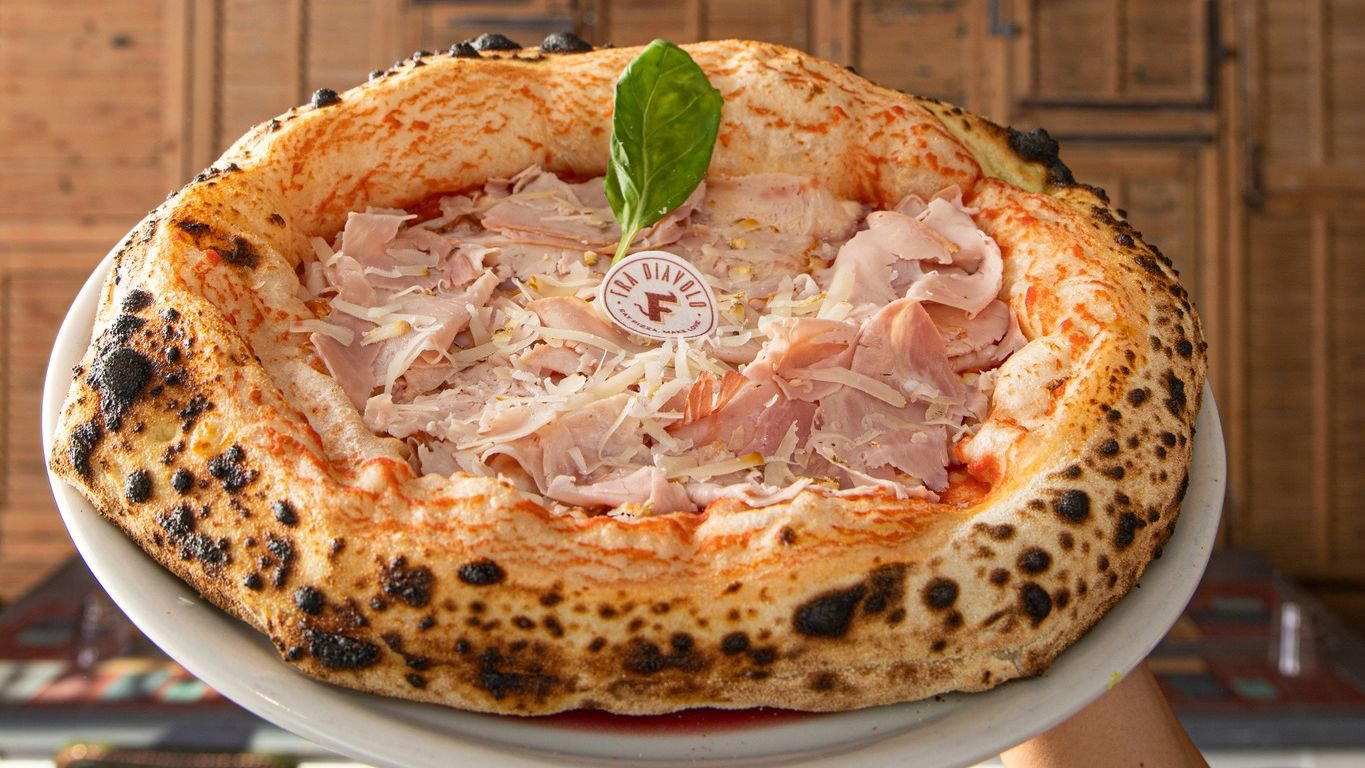
Pizza as Provenance: How Turin's Artisan Scene Grew Up
Italian pizza culture has spent the past decade fracturing into tiers that barely resemble one another. At one end sit the high-volume chains that made the form globally legible; at the other, a smaller cohort of artisan operations where dough fermentation schedules, flour provenance, and topping sourcing are treated with the same seriousness applied to wine or cheese. Fradiavolo, a contemporary Neapolitan pizza restaurant in Turin, is priced at about $20 per person and serves as a craft-focused counterpoint to higher-volume chains.
Turin is an instructive city in which to think about ingredient sourcing. Piedmont's agricultural identity runs deep: Fassona beef, Castelmagno and Raschera cheeses, white truffles from Alba, hazelnuts from the Langhe. The region has produced some of Italy's most ingredient-obsessed fine dining, from Piazza Duomo in Alba to the broader tradition of Piedmontese slow-food thinking that shaped national conversation about provenance. Fradiavolo's artisan positioning places it inside that same regional preoccupation, applied to a format that doesn't always receive such careful treatment.
The Square, the Address, and What Surrounds It
Piazza Carlo Emanuele II, known locally as Piazza Carlina, sits in the San Salvario and Quadrilatero Romano orbit, a part of Turin where 18th-century arcaded streets give way to a neighbourhood that has become progressively younger and more food-focused over the past fifteen years. Approaching the piazza, the geometry is classical: an oval garden at centre, buildings of uniform height framing the perimeter. The address carries that composed, unhurried quality that the city's architecture tends to impose on whatever occupies it. For a pizza operation aiming at craft rather than casual volume, the setting is appropriate.
Turin rewards those who treat it as a food city in its own right rather than a staging post for the Alps or Langhe day trips. Its cafe culture is among the oldest in Italy, Caffè Al Bicerin has been operating since 1763, and its appetite for ingredient quality predates contemporary slow-food branding by generations. Fradiavolo enters a city already accustomed to asking where things come from. See our full Torino restaurants guide for broader context on how the city's dining scene is structured across price points and formats.
The Dough Question: Why It Matters Here
In artisan pizza, dough is where the differentiation happens, and it's where most operations either commit or hedge. The standard Neapolitan framework, type 00 flour, 24-to-72-hour cold fermentation, wood-fired bake at 450-plus degrees, is well understood and widely replicated. What separates the 50 Leading World Artisan Pizza Chains cohort from that baseline is the willingness to work across multiple dough types: different hydration levels, different flour blends, different fermentation protocols matched to specific toppings or formats.
Fradiavolo's recognition is linked to its approach of using different doughs rather than a single house standard. This matters because dough selection affects everything downstream: crust texture, structural integrity under wet toppings, char character, and how the base interacts with fats from cheese or cured meats. A dough dialled for a simple margherita will behave differently under a topping with high moisture content. The decision to treat dough as a variable rather than a fixed backdrop signals a kitchen thinking about each pizza as a composed dish rather than a platform for ingredients.
That ingredient emphasis connects to the broader Piedmontese context. The region's producers, dairies, charcuterie makers, vegetable growers in the Po Valley, supply a reference pool that serious Turin kitchens have been drawing from for years. Operations like Sestogusto in Turin demonstrate that ingredient-led thinking at the mid-market level is not confined to fine dining formats. Fradiavolo's artisan positioning sits within that same current.
Where Fradiavolo Sits in Italy's Pizza Hierarchy
Italy's pizza recognition ecosystem has expanded considerably. Earning a place on that list requires a kitchen that can reproduce its standards across services without the bespoke flexibility available to a single-chef tasting menu operation.
This sits apart from Italy's broader fine dining scene, which runs through a different track entirely. The country's three-Michelin-star tier includes operations like Osteria Francescana in Modena, Dal Pescatore in Runate, Enoteca Pinchiorri in Florence, Le Calandre in Rubano, and Enrico Bartolini in Milan, formats operating at entirely different price points and formality levels. Fradiavolo's recognition comes through a different channel, one that has its own credibility within the artisan pizza world. Internationally, the artisan tier has also produced serious operations beyond Italy: Le Bernardin in New York City and Atomix in New York City represent what sustained ingredient and technique commitment looks like when applied at the summit of their respective formats, and the artisan pizza movement is pursuing a comparable logic within its own category.
Other Italian operations that have earned international recognition through a craft-first approach include Atelier Moessmer Norbert Niederkofler in Brunico, Reale in Castel di Sangro, Uliassi in Senigallia, and Quattro Passi in Marina del Cantone. These operate in completely different formats, but the common thread is a kitchen that treats sourcing as a primary decision rather than an afterthought.
Planning a Visit
Fradiavolo is at Piazza Carlo Emanuele II, 17/A, in Turin's historic centre. Booking ahead is recommended, especially on Friday and Saturday evenings.
How It Stacks Up
Comparable venues nearby, for context on price, style, and recognition.
| Venue | Cuisine | Price | Awards | Notes |
|---|---|---|---|---|
| FradiavoloThis venue — the venue you are viewing | Contemporary Neapolitan Pizza | $$ | Not listed | Not listed |
| Mezzaluna | Vegan Italian with Piedmontese influences | $$ | Not listed | Centro |
| Open Baladin Torino | Italian Craft Beer Gastropub | $$ | Not listed | Centro |
| Piazza dei Mestieri | Modern Piedmontese | $$ | Michelin Plate | San Donato |
| Antonio Chiodi Latini | Underground Plant-Based Italian Fine Dining | $$$ | Not listed | City Center |
| Almondo Trattoria | Piedmontese Regional Italian Trattoria | $$ | Michelin Plate | Vanchiglia |
Recognition history
Dated appearances from independent guides and award organizations, with the underlying list record or original source where available.
50 Top Pizza 50 Top World Artisan Pizza Chains #17
50 Top Pizza
Continue exploring
More in Turin
Restaurants in Turin
Browse all →
Bars in Turin
Browse all →
Hotels in Turin
Browse all →
At a Glance
- Lively
- Casual
- Modern
- Casual Hangout
- Group Dining
- Family
- Terrace
- Standalone
- Beer Program
- Local Sourcing
- Street Scene
Current opening hours
- Monday
- 12–3 PM, 7–11 PM
- Tuesday
- 12–3 PM, 7–11 PM
- Wednesday
- 12–3 PM, 7–11 PM
- Thursday
- 12–3 PM, 7–11 PM
- Friday
- 12–3 PM, 7 PM–12 AM
- Saturday
- 12–3 PM, 7 PM–12 AM
- Sunday
- 12–3 PM, 7–11 PM
Hours can change for holidays and private events. Last verified .
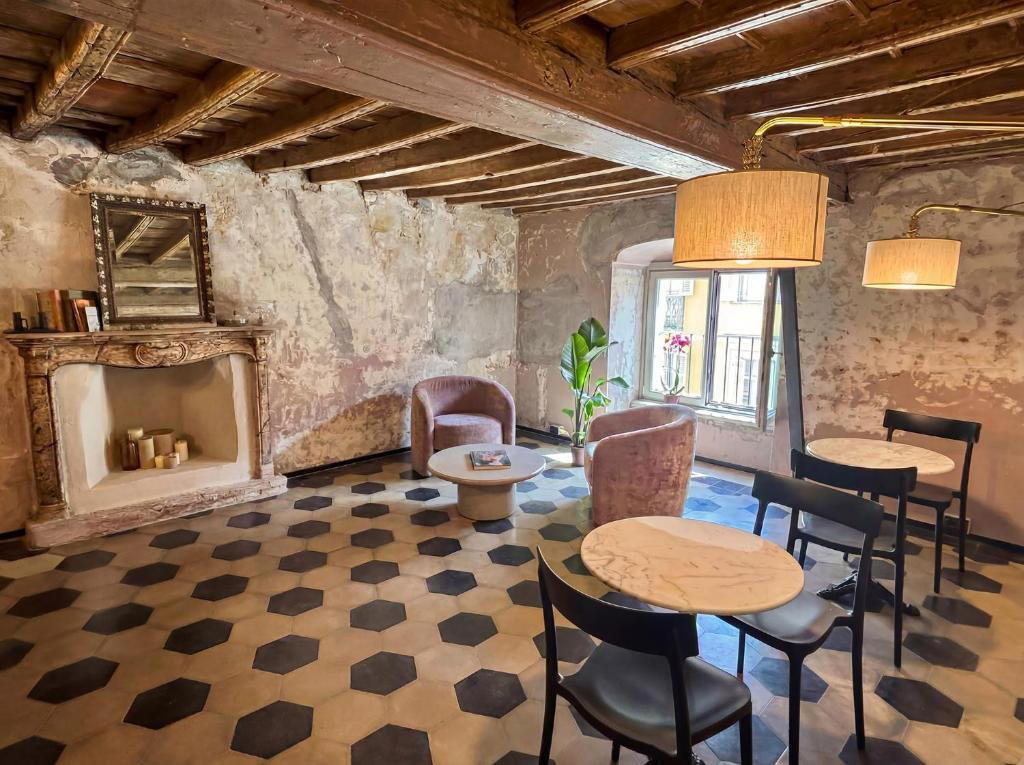
Casual and lively with colorful, modern decor; spartan but welcoming interior with outdoor seating on the bustling Piazza Carlo Emanuele II.