
Our verdict
Founded in Turin in 2007, Eataly is the original Italian food hall concept that brought together restaurants, counters, a bakery, and retail under one roof, anchored by artisan producers and regional ingredients. It sits at a different point in the market than the city's Michelin-starred rooms, functioning as both a working provisions market and a multi-format dining destination in the Piedmontese tradition of treating food as everyday culture rather than special occasion.

Pearl is the En Primeur Club membership app, where members save venues, book tables and use the concierge.
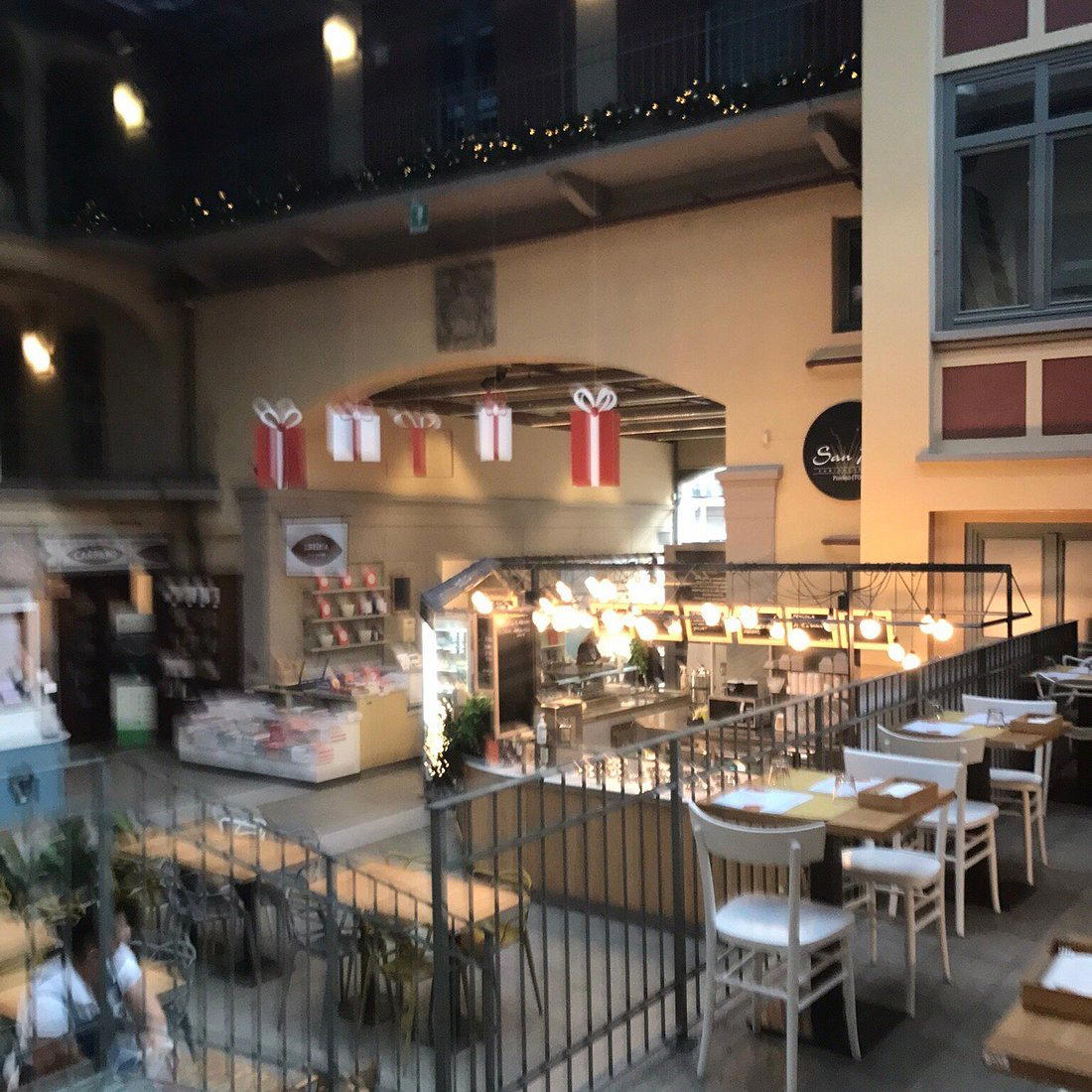
Where the Market Comes First
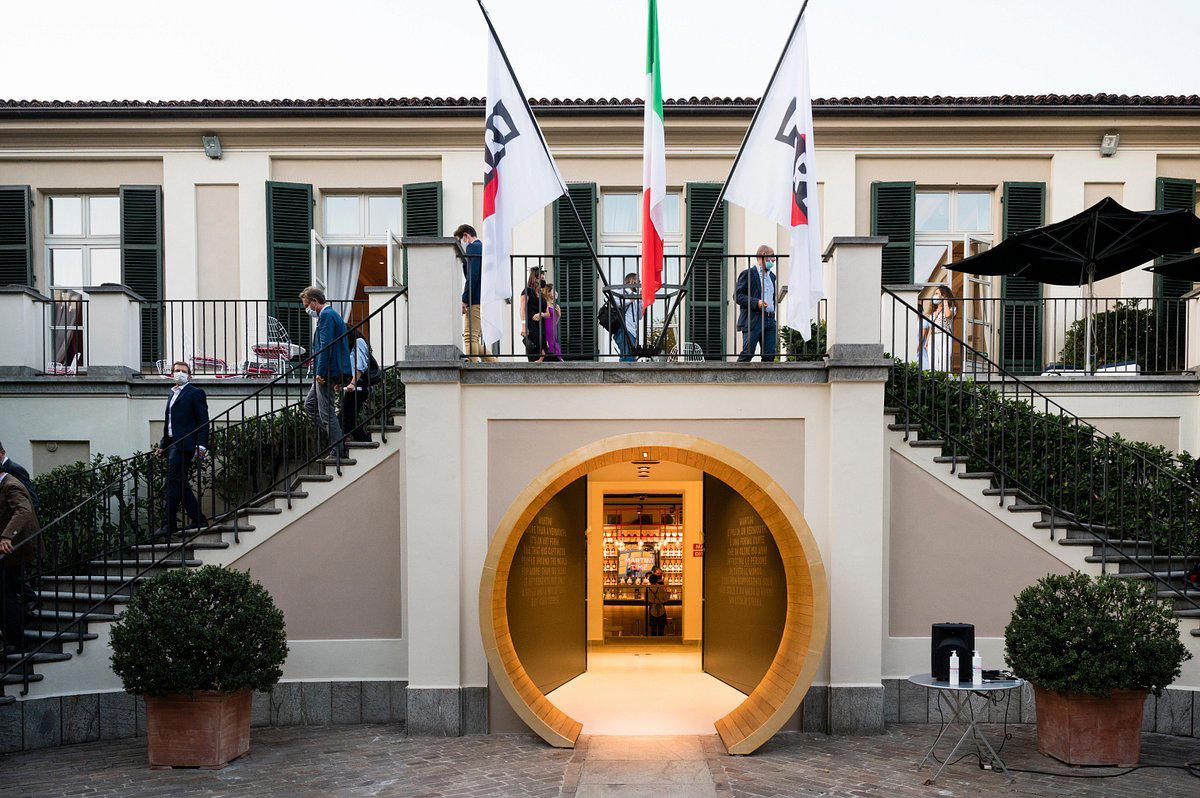
There is a particular kind of Italian food institution that refuses to separate shopping from eating, production from consumption. Eataly, which opened in Turin in 2007 at Via Ermanno Fenoglietti, 14, belongs squarely to that tradition. The format is part covered market, part restaurant cluster, part educational space, a structure that owes more to the logic of a Torinese mercato than to any conventional dining room. Walking in, the senses are met not by a maître d' but by stacked wheels of aged cheese, fresh pasta being cut at open counters, and the kind of ambient noise that comes from a space designed around transactions as much as meals.
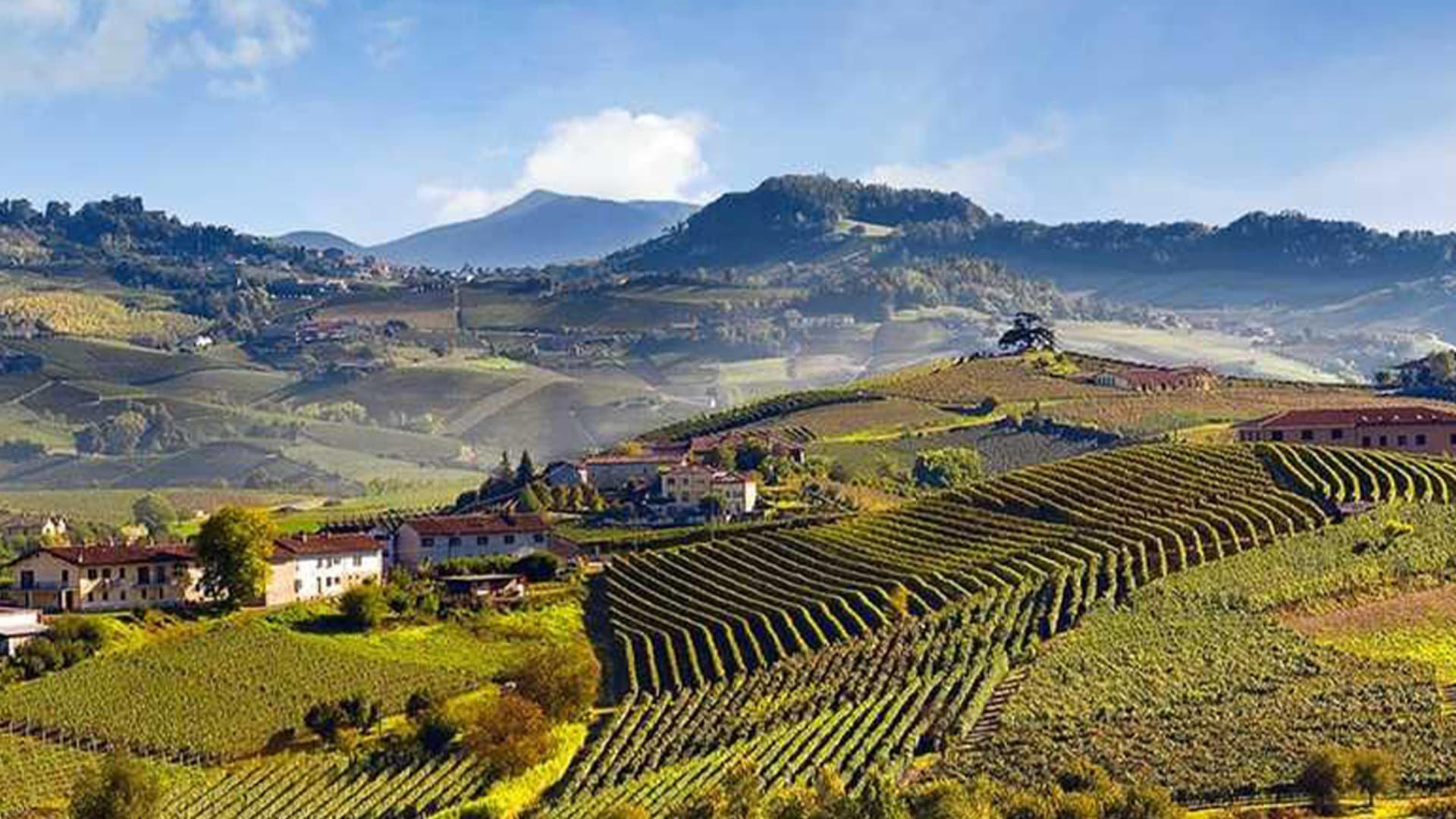
The model that Eataly introduced here became the template for a global chain, but the Turin original carries a specific gravity that the replicas cannot entirely replicate. Piedmont is one of Italy's most ingredient-dense regions: white truffles from Alba, hazelnuts from the Langhe, Fassone beef, Castelmagno cheese, Barolo and Barbaresco from the hills to the south. The original Eataly was built around the logic of making those producers accessible to urban shoppers while simultaneously serving their output across multiple food counters and sit-down spaces. The format depends on the quality of its sourcing; without the ingredient relationships, it is just a large room with food in it.
A Different Register in Turin's Dining Hierarchy
Turin's more formal dining rooms operate at a remove from this format. Del Cambio and Condividere both hold Michelin stars and price accordingly at €€€€, as does Cannavacciuolo Bistrot and memorable. Piano35 adds a contemporary Italian register above the city's roofline. Eataly sits outside that competitive set entirely. It is not competing with tasting menus; it is competing with how people provision themselves, eat casually, and learn about Italian food culture within a single visit. That positioning makes it more useful on certain days than any starred room, and less relevant on others.
Across the broader Italian fine dining map, houses like Osteria Francescana in Modena, Le Calandre in Rubano, and Enoteca Pinchiorri in Florence represent the technique-forward, long-tasting-menu end of the spectrum. Dal Pescatore in Runate and Atelier Moessmer Norbert Niederkofler in Brunico push further into regional identity and ingredient sovereignty. Enrico Bartolini in Milan demonstrates how Italian technique reads in a cosmopolitan urban context. Eataly does not attempt to occupy any of those positions. Instead, it functions as the connective tissue below them: a place where the ingredients that inform those menus are available in their raw form, explained, priced, and served simply.
The Intersection of Craft and Scale
The editorial angle worth holding onto at Eataly is what happens when artisan sourcing meets volume throughput. The food hall model requires the kind of operational discipline that single-format restaurants do not. A bakery producing bread for hundreds of covers daily, a pasta counter turning out fresh formats alongside retail shelves of dried goods, a pizza station working alongside a cheese and charcuterie counter, each of these requires its own production logic. The question the format always poses is whether scale degrades the sourcing, or whether the sourcing holds. In Eataly's case, the founding argument was that Italian artisan producers were being squeezed out of the mainstream market and that a high-volume, high-visibility venue could reverse that pressure by guaranteeing them shelf space and counter presence.
That argument connects Eataly to a broader movement in Italian food culture that resists the bifurcation between peasant simplicity and fine dining sophistication. The same dynamic appears internationally: at Le Bernardin in New York City, the product sourcing discipline that underpins three Michelin stars is premised on similar logic about ingredient integrity, even if the format and price bracket are entirely different. At Atomix in New York City, the intersection of Korean artisan producers and contemporary technique produces a similar conversation about what it means to honour indigenous products through a skilled kitchen. Eataly makes the same argument but democratises the access point: the producers are present, and you do not need to order a tasting menu to engage with them.
What to Know Before You Go
The format suits specific kinds of visits. If the objective is a formal lunch or dinner with a structured arc, aperitivo, first course, secondo, dessert, and wine service, then Turin's Michelin-tracked rooms will serve that need better. If the objective is assembling a considered picnic, buying Barolo to take home, eating well without a reservation, or simply moving through different food categories in a single visit, the Eataly format makes more practical sense. The artisan pizza counter, a format the venue has consistently maintained as part of its offer, represents a reasonable benchmark for how the food counters perform: dough made properly, ingredients sourced with some rigour, priced accessibly for the city.
Walk-in access is the baseline expectation for most of the counters, which matters in a city where the leading restaurants require planning weeks in advance. For a comprehensive picture of how Turin eats across all price points and registers, see our full Turin restaurants guide. For where to stay while covering the city's food scene, our full Turin hotels guide provides the relevant options. The city's drinking culture, from vermouth houses to modern cocktail bars, is mapped in our full Turin bars guide, and the regional wine producers who supply venues like this one are covered in our full Turin wineries guide. For cultural programming and food-adjacent experiences in Piedmont, our full Turin experiences guide is the starting point.
Frequently asked questions
What's Eataly known for in terms of accolades?
Eataly has received recognition including: Eataly is a chain of large Italian food halls, founded in Turin in 2007, that combines a variety of restaurants, food and beverage counters, a bakery, and retail items, offering high-quality Italian products and dining experiences, includin….
Where is Eataly located?
Eataly is located at Via Ermanno Fenoglietti, 14, 10126 Torino TO, Italy, Turin.
What should I eat at Eataly?
Eataly Turin is the original location of a format built around Italian regional produce, so the range runs from fresh pasta and artisan pizza to cured meats and regional cheeses sourced from small producers. The practical approach is to move between counters rather than commit to a single seated restaurant, the bakery, pizza counter, and charcuterie stations each operate at their own pace. Because the Via Ermanno Fenoglietti site is the founding location (2007), the product depth here tends to exceed later outposts.
What's the best way to book Eataly?
Most of Eataly's counter dining and market sections operate on a walk-in basis, which is part of the format's design. Seated restaurant spaces within the hall may accept reservations directly, check the specific restaurant counter you plan to visit, as each operates with some autonomy within the wider food hall structure. Arriving earlier in the day avoids peak lunchtime throughput.
What's the signature at Eataly?
Artisan pizza is explicitly named among Eataly's defining offerings alongside its food and beverage counters, bakery, and retail operation. More broadly, the signature is the food hall model itself: the simultaneous availability of production, retail, and dining under one roof, a format Eataly introduced at this Turin address before expanding globally.
Can Eataly accommodate dietary restrictions?
The multi-counter format at Eataly Turin works in favour of dietary flexibility, fresh produce, cheese, bread, and prepared food stations each have their own offerings, so pescatarians, vegetarians, and those avoiding gluten have more options to select from than in a fixed-menu restaurant. For specific allergen needs, the individual restaurant counters within the hall are the right point of contact, as each operates its menu independently.
Fast Comparison
A quick peer list to put this venue’s basics in context.
| Venue | Cuisine | Price | Awards | Notes |
|---|---|---|---|---|
| EatalyThis venue (the venue you are viewing) | Italian Marketplace Dining | $20–30 | Not listed | Not listed |
| Condividere | Modern Italian Fine Dining with Global Influences | $50–100 | Michelin Bib Gourmand | Progressive, Italian Contemporary |
| Del Cambio | Modern Piedmontese Fine Dining | $200–300 | 1 Michelin Star · La Liste Top Restaurants | Progressive Italian, Contemporary |
| Unforgettable | Modern Italian Tasting Menu | $150–200 | 1 Michelin Star · We're Smart World 4 Radishes | Modern Italian, Innovative |
| Consorzio | Traditional Piedmontese Trattoria | $30–50 | Michelin Bib Gourmand | Piemontese, Piedmontese |
| Cannavacciuolo Bistrot | Modern Italian Fine Dining Bistro | $100–150 | 1 Michelin Star | Creative |
Recognition history
Dated appearances from independent guides and award organizations, with the underlying list record or original source where available.
50 Top Pizza 50 Top World Artisan Pizza Chains #8
50 Top Pizza
Continue exploring
More in Turin
Restaurants in Turin
All restaurants in Turin →
Bars in Turin
All bars in Turin →

Details
- Lively
- Modern
- Well Known
- Casual Hangout
- Family
- Group Dining
- Open Kitchen
- Extensive Wine List
- A La Carte
- Small Plates
- Vegetarian Friendly
- Vegan Options
- Gluten Free Options
Current opening hours
- Monday
- 8 AM–11 PM
- Tuesday
- 8 AM–11 PM
- Wednesday
- 8 AM–11 PM
- Thursday
- 8 AM–11 PM
- Friday
- 8 AM–11 PM
- Saturday
- 8 AM–11 PM
- Sunday
- 8 AM–11 PM
Hours can change for holidays and private events. Last verified .
Busy market atmosphere with crowded, noisy dining areas amid grocery aisles and high foot traffic.