Senses


Michelin Plate · We're Smart World 4 Radishes
Our verdict
On Vijzelstraat in central Amsterdam, Senses has undergone a sharp editorial shift under chef Renaud Goigoux, whose plant-forward approach earned the restaurant a jump from 1 to 4 Radishes in the Michelin Green Star programme alongside consecutive Michelin Plate recognition in 2024 and 2025. The pure plant menu is a permanent fixture on the carte, making this a rare address in the €€€ tier where vegetables are genuinely the main event.

Pearl is the En Primeur Club membership app, where members save venues, book tables and use the concierge.
The menu
What to order
- Braised_leek_with_razor_clams
- Madeleines
Vijzelstraat and the Case for Plants at the €€€ Tier
Amsterdam's restaurant strip along Vijzelstraat carries the kind of low-key commercial density that tends to hide the more considered dining rooms behind unremarkable facades. Senses occupies that register: from the street, little signals the depth of the programme running inside. That gap between exterior plainness and interior ambition is, in some ways, a useful metaphor for where plant-forward cooking sits in the Amsterdam dining scene more broadly. The city has several strong kitchens working in the €€€ bracket, addresses like Sinne and Bistro Féline represent the French-leaning and bistro ends of that tier, but a kitchen that positions vegetables as the structural centre of the menu, not an afterthought or a seasonal supplement, remains a less crowded corner.
Senses sits at Vijzelstraat 45, within walking distance of the Rijksmuseum and the southern canal belt, making it accessible by tram from most central Amsterdam hotels. The area is dense with daytime traffic and evening restaurant foot traffic, which means same-day walk-ins can happen during quieter mid-week evenings, but the kitchen's rising recognition makes an advance reservation the more reliable approach.
The Radish Signal: What Four Radishes Actually Mean
Michelin's Green Star and Radish designations have gained traction as a secondary credentialling system for restaurants making measurable commitments to sustainability and plant-based or low-impact cooking. Moving from one Radish to four in a single editorial cycle is not a routine incremental shift. It marks a substantive programme change, one that the guide's assessors evidently read as qualitative, not cosmetic.
Under chef Renaud Goigoux, Senses received that four-Radish rating alongside consecutive Michelin Plate recognition in 2024 and 2025. The Plate, while sitting below a full star, signals consistent quality worth the detour, a holding pattern that often precedes further recognition when the kitchen is still establishing its voice. In Amsterdam's full competitive set, the restaurants drawing both star-level attention and sustainability credentials tend to cluster in the €€€€ bracket: Ciel Bleu, Flore, and Spectrum all operate at that higher price point with different conceptual frameworks. Senses occupies a distinct position: plant-led commitment at the €€€ tier, where the ask on the diner is lower and the format consequently draws a wider audience.
Pure Plant as Architecture, Not Substitution
The clearest signal of Goigoux's direction is the decision to make the pure plant menu a permanent fixture rather than a rotating feature or a table-request accommodation. In most European fine dining rooms, plant-based menus are assembled on request, often feel assembled rather than authored, and sit slightly outside the kitchen's main creative engine. Keeping the pure plant menu permanently on the carte means it receives the same development attention as the omnivore programme, the dishes are built as a system, not retrofitted.
This matters in the context of how vegetable-forward fine dining has evolved in the Netherlands. The Dutch market has historically been protein-centric at the upper end, and plant-based fine dining has found stronger audiences in cities with larger international visitor flows. Amsterdam, drawing significant international traffic, gives a concept like Senses a better conversion rate than it might find at comparable addresses in smaller Dutch cities. For reference, kitchens like De Groene Lantaarn in Staphorst have built recognition around sustainable sourcing in more rural contexts, while Senses is operating in the dense urban core where the diner profile skews international and ingredient-curious.
The Wine Programme in a Plant-Forward Room
Pairing wine to a menu built around vegetables rather than proteins requires a different kind of cellar thinking. The textural register of plant-forward dishes, more acidity, more bitterness, more variation in moisture content across a tasting sequence, asks for wines with structural flexibility. Low-intervention producers, lighter-bodied reds, skin-contact whites, and sparkling formats all perform differently alongside vegetables than they do against meat, and a kitchen committed to pure plant cooking at this level tends to attract sommeliers who find that pairing challenge more interesting than conventional meat-anchored menus.
In the Netherlands, the restaurant wine list has historically leaned toward French and German classics at the upper end. More recently, the natural and low-intervention segment has grown substantially, and Amsterdam's wine bar scene, accessible through our full Amsterdam bars guide, has helped build a local audience for skin-contact and minimal-sulphur producers. A kitchen operating in the plant-forward space with serious credentials is a natural home for that kind of list. Comparable pairings at the €€€€ level internationally can be found at restaurants like Borkonyha Winekitchen in Budapest, where the wine list drives as much of the identity as the kitchen.
The Dutch Fine Dining Field: Where Senses Sits
The Netherlands has a well-developed fine dining circuit at the national level. De Librije in Zwolle, Aan de Poel in Amstelveen, and De Bokkedoorns in Overveen represent the established upper tier with long records and multiple Michelin stars between them. Addresses like De Lindehof in Nuenen, De Lindenhof in Giethoorn, and De Swarte Ruijter in Holten extend that circuit into the provinces. Within Amsterdam specifically, Senses operates at a different register than the destination kitchens at the top of the star count. It is not a showcase room in the sense that Ciel Bleu or Spectrum are. What Senses offers is a more focused, ideologically coherent proposition at a price point that does not require the full occasion budget those rooms demand.
That kind of volume with that average suggests a kitchen that converts across diner types, not just committed plant advocates.
Planning a Visit
Senses is located at Vijzelstraat 45, 1017 HE Amsterdam, accessible by tram along the central corridor. The restaurant operates at the €€€ price tier. Given the four-Radish recognition and consecutive Michelin Plate designations, reservations are recommended, particularly for weekend evenings and multi-course pure plant menu sittings. For broader context on Amsterdam's dining field, our full Amsterdam restaurants guide maps the scene across price tiers and cuisine categories. Accommodation options across the city are covered in our full Amsterdam hotels guide, with drinking and wine recommendations in our full Amsterdam bars guide. For those planning a wider Dutch trip, our Amsterdam wineries guide and experiences guide round out the picture.
Frequently asked questions
What should I eat at Senses?
The pure plant menu is the reason to come. Chef Renaud Goigoux has built the kitchen's identity around vegetables as a primary creative focus, not as an accommodation for dietary restrictions. Michelin's four-Radish rating and Plate recognition in both 2024 and 2025 confirm that the plant programme is where the kitchen's leading work sits. Order the pure plant menu rather than mixing and matching from the carte if you want the full expression of what the kitchen is doing.
Should I book Senses in advance?
For weekend evenings and mid-week peak times, yes. At the €€€ price point in a central Amsterdam location on Vijzelstraat, Senses draws both local regulars and visitors staying nearby. Same-day tables may be available on quieter mid-week evenings, but building in an advance reservation removes the risk, particularly if you are planning the visit around the pure plant menu.
What's the standout thing about Senses?
The four-Radish Michelin designation is the clearest external signal. Moving from one to four Radishes under chef Renaud Goigoux marks a substantial shift in how the guide reads the kitchen's sustainability and plant-forward credentials. In practical terms, this means the pure plant menu is a permanent, developed programme rather than a secondary offering. In Amsterdam's €€€ tier, that combination of plant-cuisine authority and accessible price positioning is relatively uncommon.
Accolades, Compared
| Venue | Cuisine | Price | Awards | Notes |
|---|---|---|---|---|
| SensesThis venue (the venue you are viewing) | Modern Japanese-Dutch Fine Dining | $50–100 | Michelin Plate · We're Smart World 4 Radishes | Not listed |
| Ciel Bleu | Modern French Fine Dining | $200–300 | 2 Michelin Stars · La Liste Top Restaurants | Creative |
| Bolenius | Modern Dutch Farm-to-Table | $100–150 | 1 Michelin Star · We're Smart World Top 100 #18 | Modern Dutch, Creative |
| De Kas | Seasonal Farm-to-Table Fine Dining | $50–100 | 1 Michelin Star · Star Wine List | Organic |
| Wils | Michelin-Starred Fire-Cooked Modern European | $100–150 | 1 Michelin Star · We're Smart World 4 Radishes | World Cuisine |
| Gebr. Hartering | Modern Fusion Bistro | $50–100 | Michelin Plate · Star Wine List | Not listed |
Recognition history
Dated appearances from independent guides and award organizations, with the underlying list record or original source where available.
Michelin Plate
Michelin
We're Smart World 4 Radishes
We're Smart World
Full recognition history (3 entries)
Michelin Plate
Michelin
Continue exploring
More in Amsterdam
Restaurants in Amsterdam
All restaurants in Amsterdam →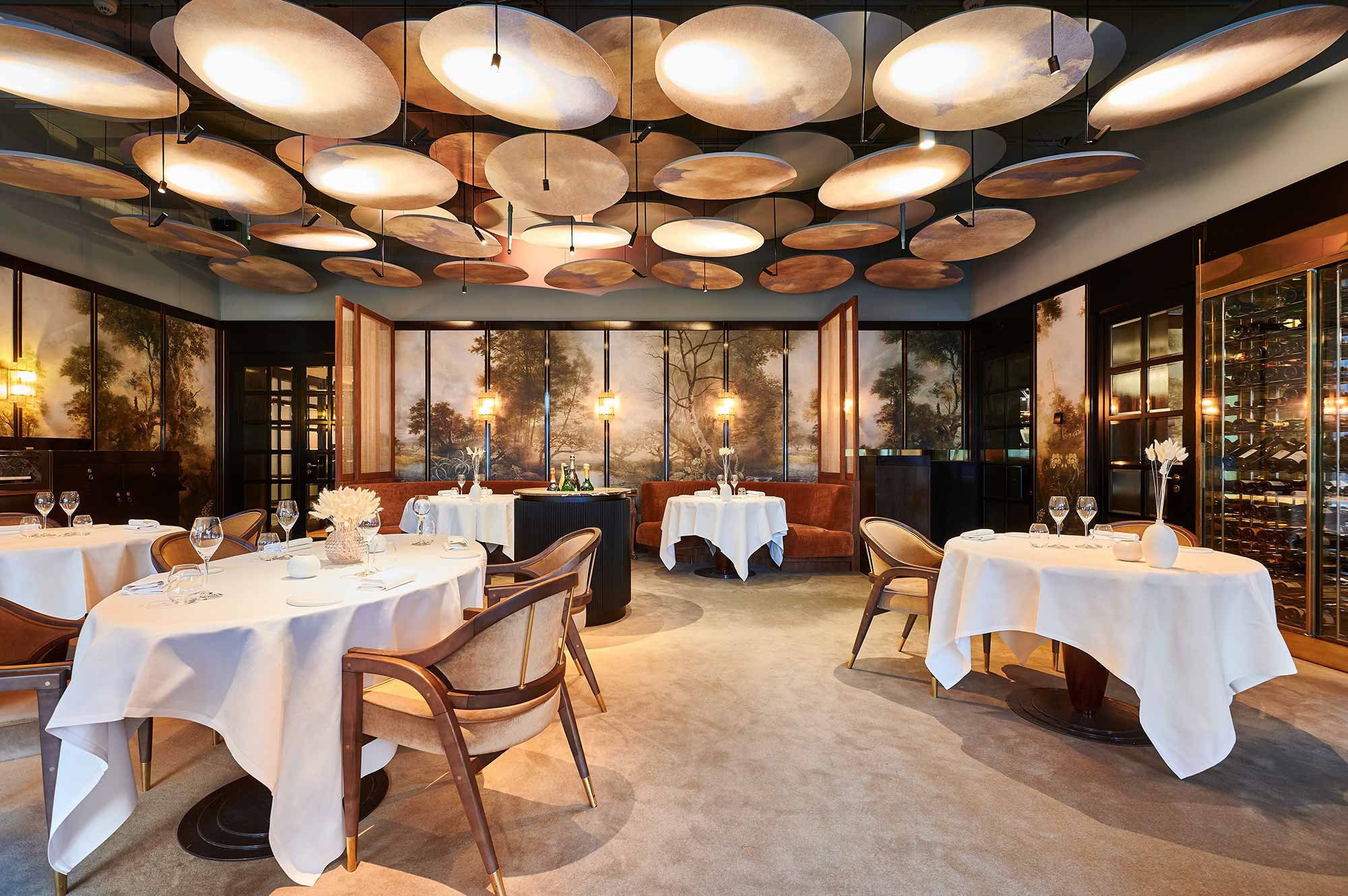
Bars in Amsterdam
All bars in Amsterdam →
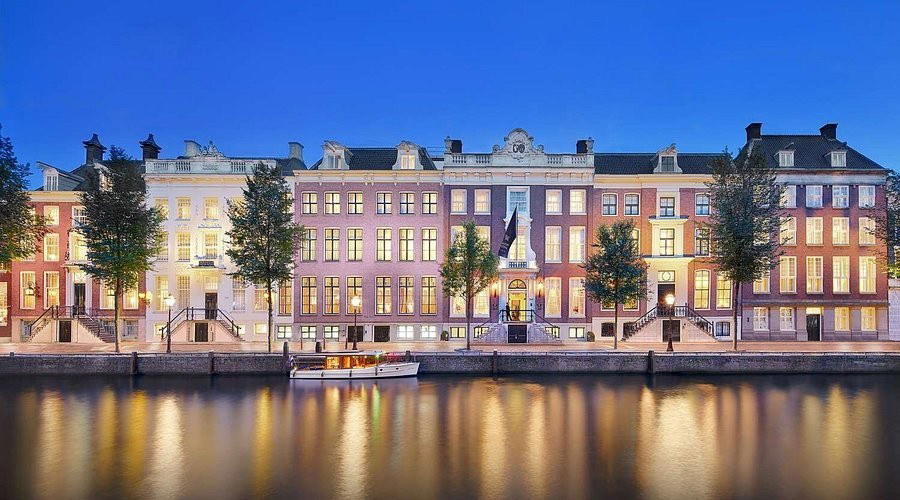
Hotels in Amsterdam
All hotels in Amsterdam →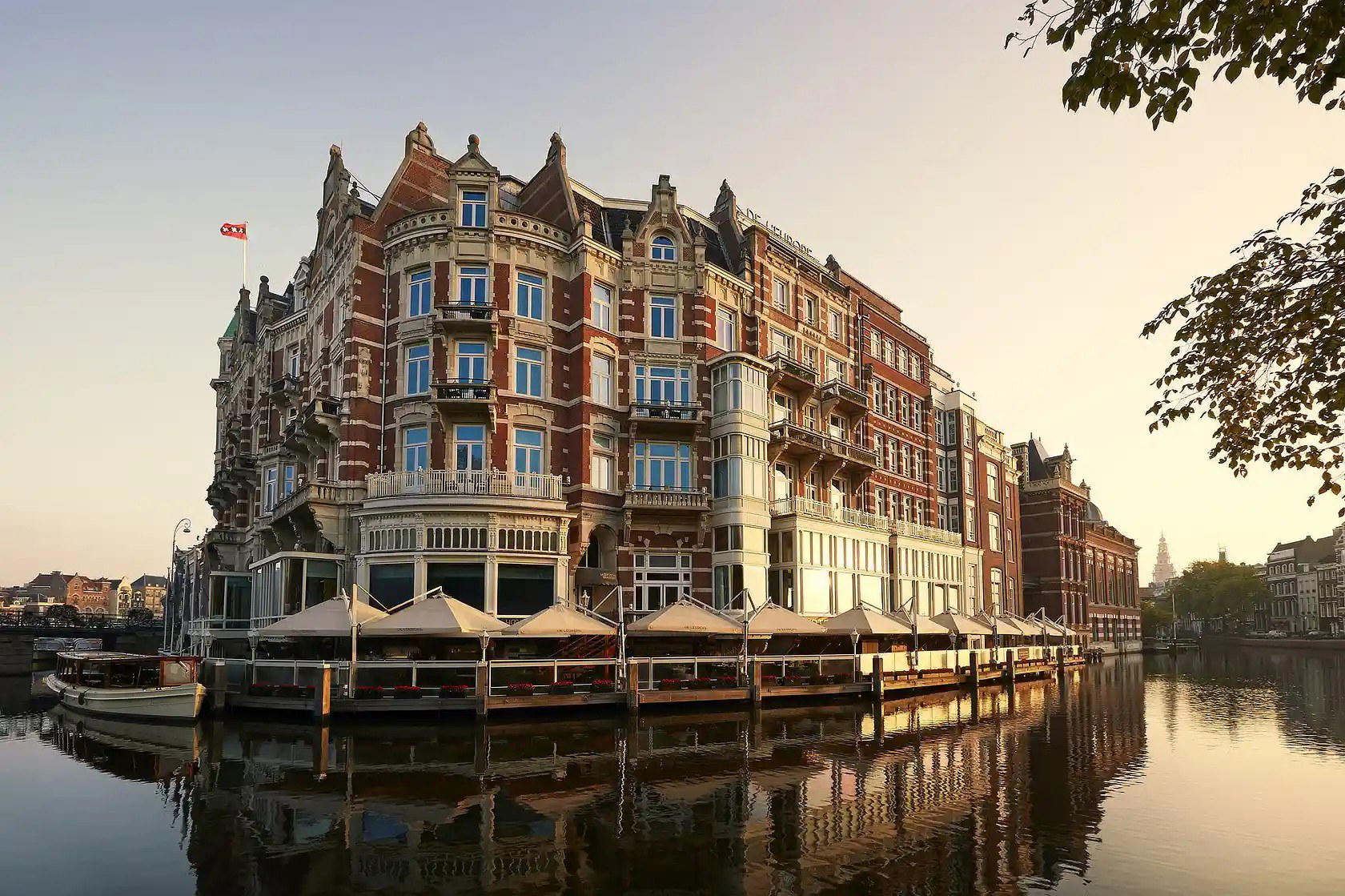
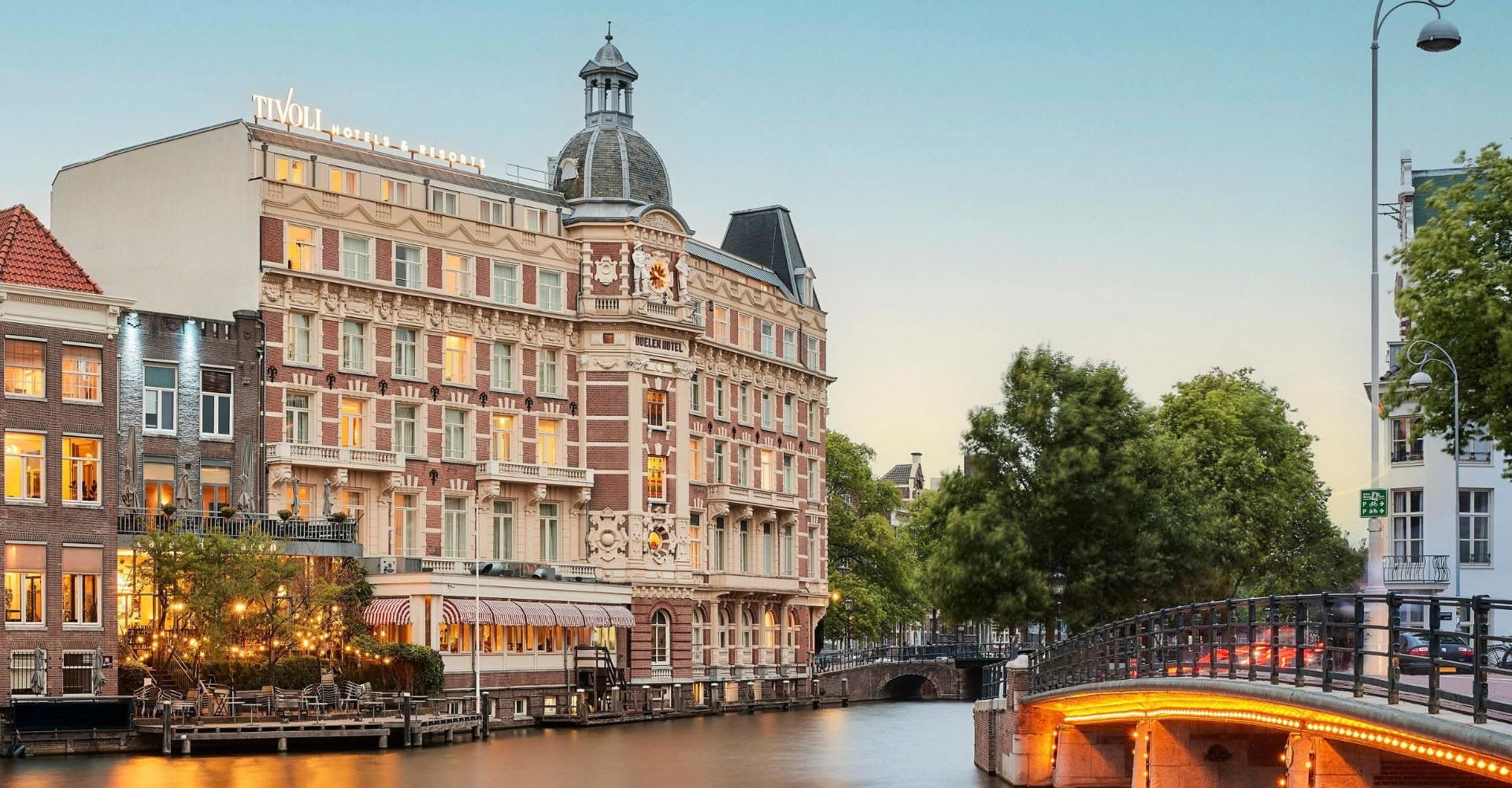
Wineries in Amsterdam
All wineries in Amsterdam →
Details
- Intimate
- Romantic
- Cozy
- Elegant
- Sophisticated
- Date Night
- Special Occasion
- Celebration
- Open Kitchen
- Hotel Restaurant
- Extensive Wine List
- Local Sourcing
- Sustainable Seafood
- Tasting Menu
- A La Carte
- Wine Pairing
- Vegetarian Friendly
- Vegan Options
Current opening hours
- Monday
- 12–3 PM, 6 PM–12 AM
- Tuesday
- 12–3 PM, 6 PM–12 AM
- Wednesday
- 12–3 PM, 6 PM–12 AM
- Thursday
- 12–3 PM, 6 PM–12 AM
- Friday
- 12–3 PM, 6 PM–12 AM
- Saturday
- 12–3 PM, 6 PM–12 AM
- Sunday
- 12–3 PM, 6 PM–12 AM
Hours can change for holidays and private events. Hours as of .
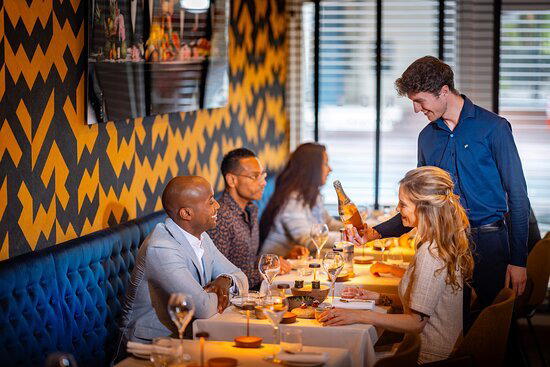
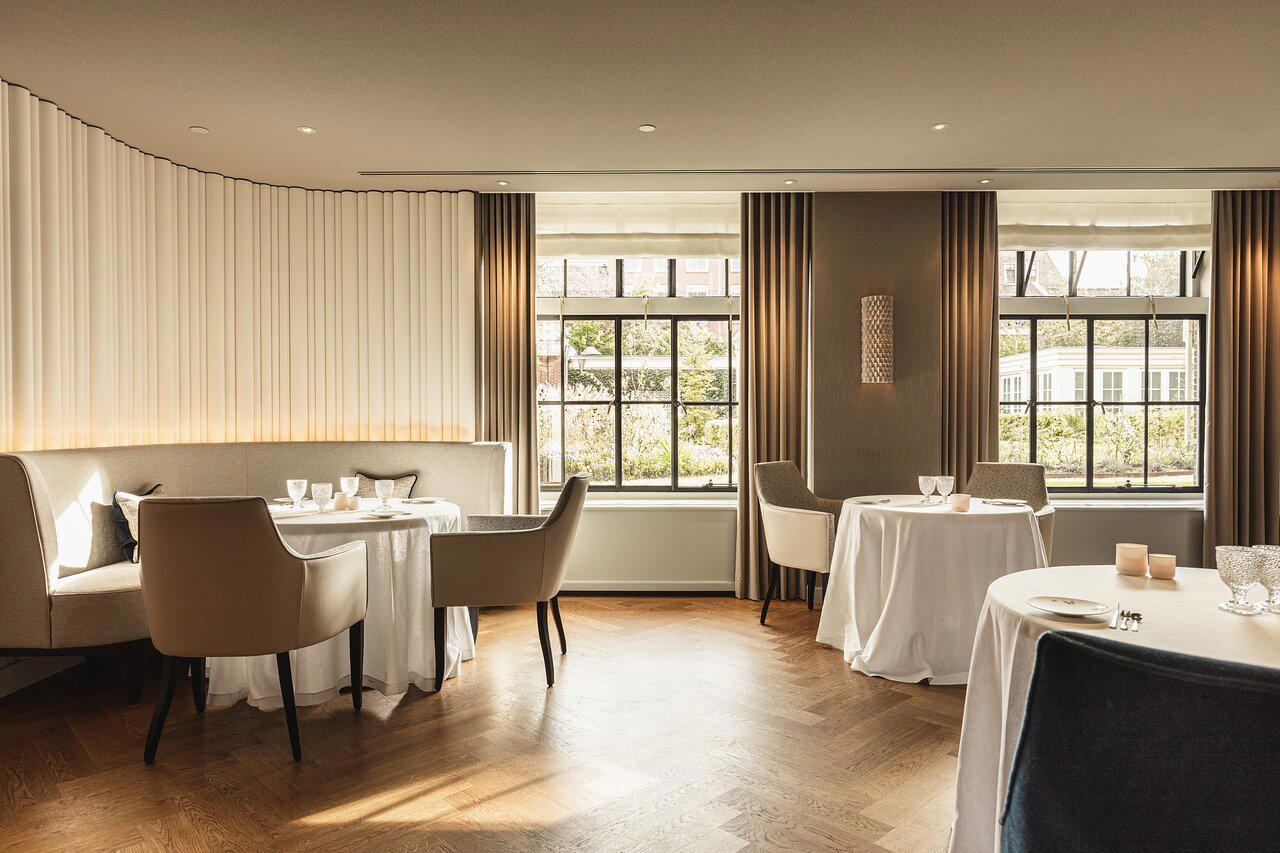
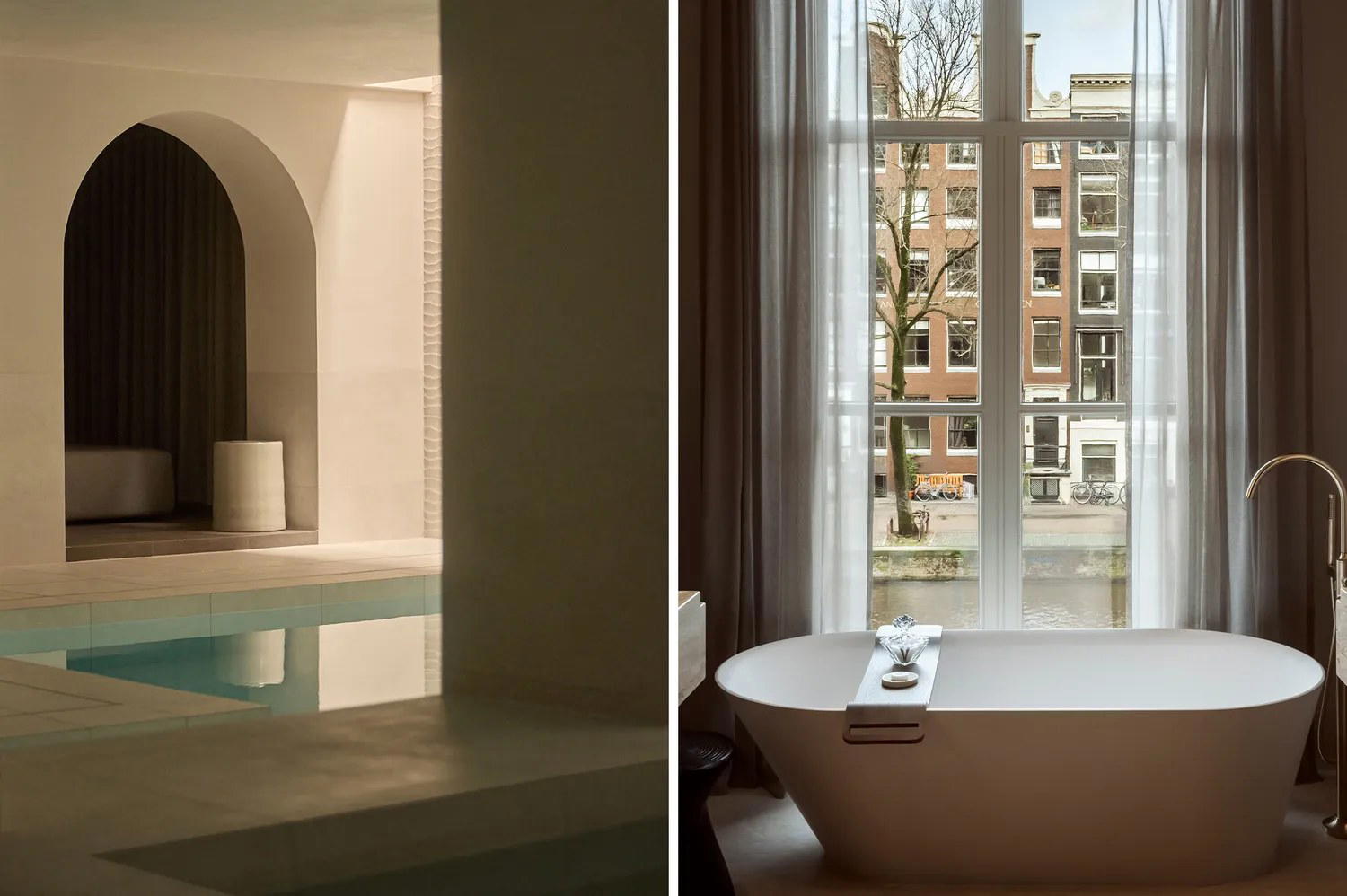
Cozy and refined intimate setting with modern design, calm atmosphere, and subtle lighting that creates a special, relaxed fine dining experience.