Flore






2 Michelin Stars · Star Wine List · Wine Spectator Best of Award of Excellence
Our verdict
Housed in Hotel de L'Europe on the Amstel, Flore holds two Michelin stars and a top ranking in the We're Smart Green Guide for its 'Botanic Menu' built from 80 different plants. Chef Bas van Kranen works with biodynamic growers and seasonal Dutch produce, shifting between North Sea ingredients in summer and game in autumn. The wine list runs to 1,400 selections across 9,000 bottles in inventory.

Pearl is the En Primeur Club membership app, where members save venues, book tables and use the concierge.
The menu
What to order
- Vegetables, fruit, herbs and flowers composition
- Fried oyster in miso
- Tomato and raspberry dessert
Where the Amstel Meets Serious Plant Cooking
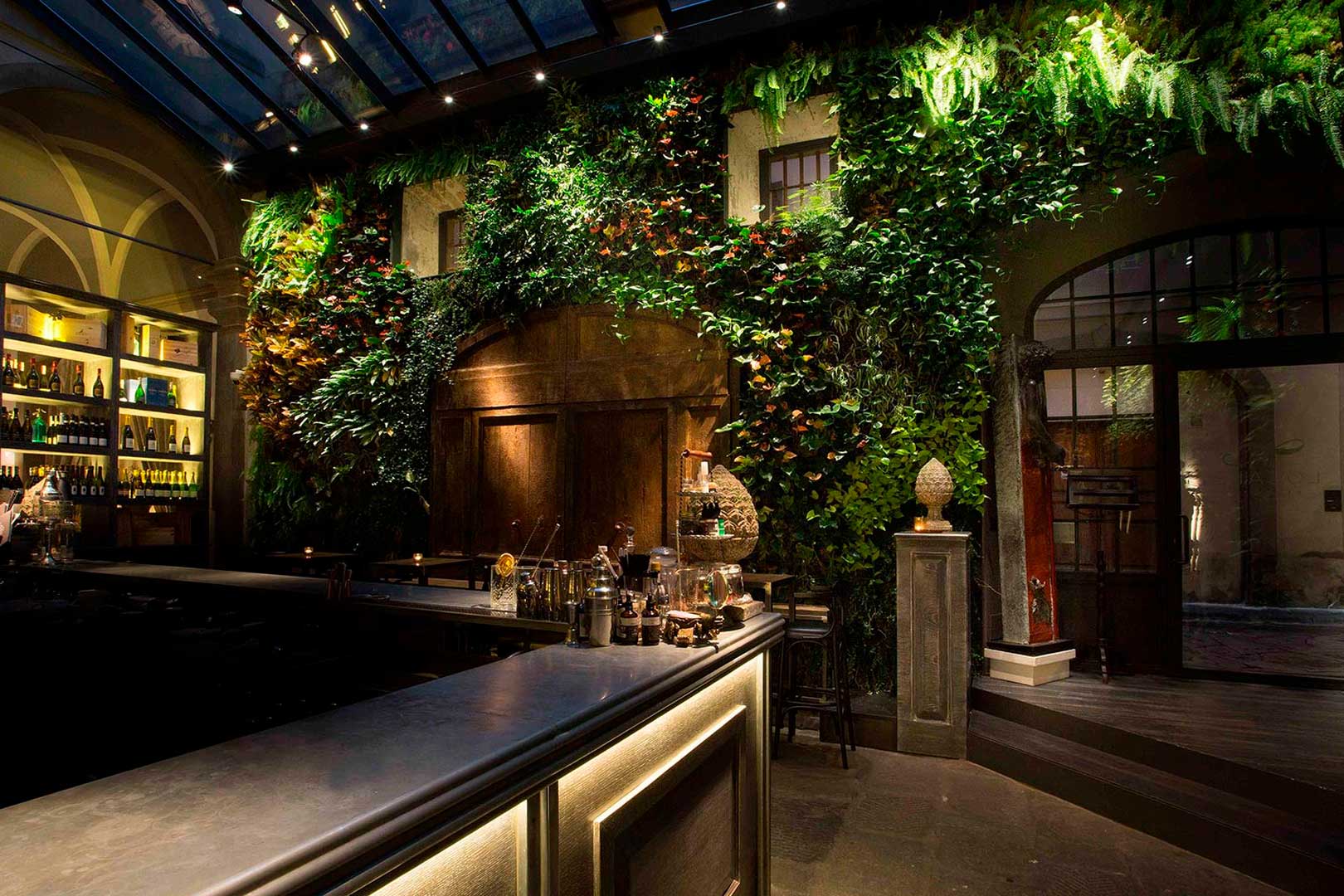
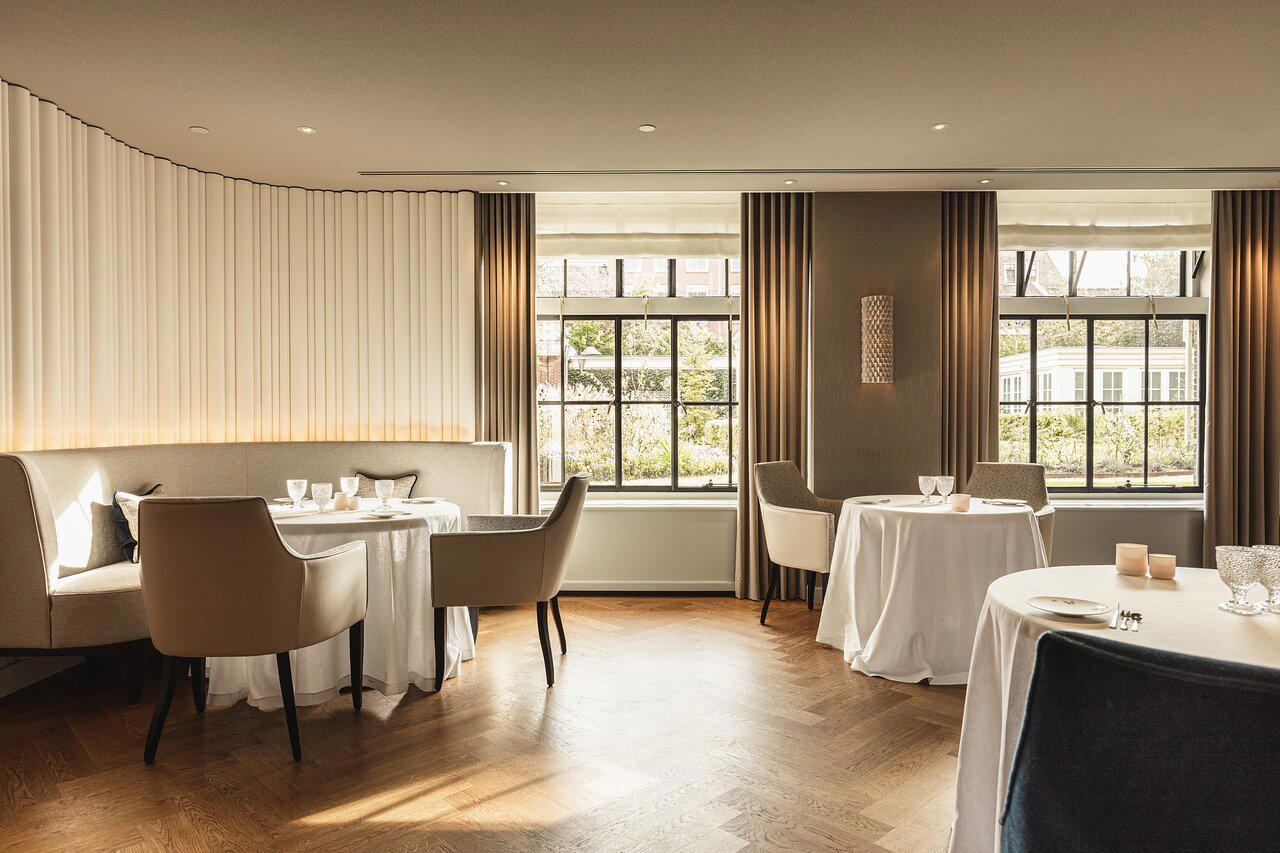
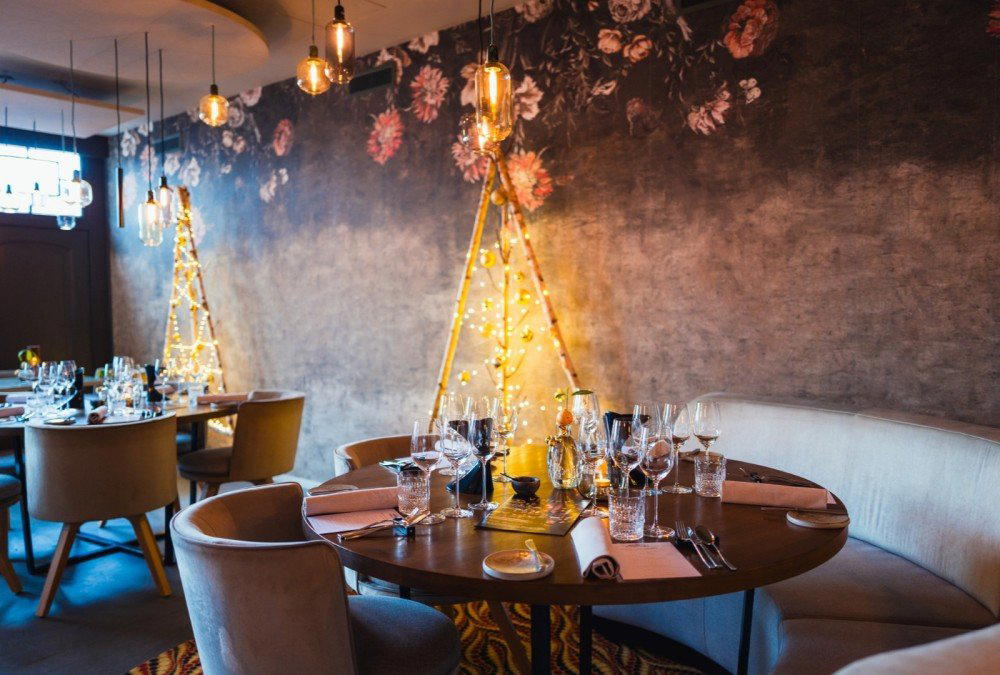
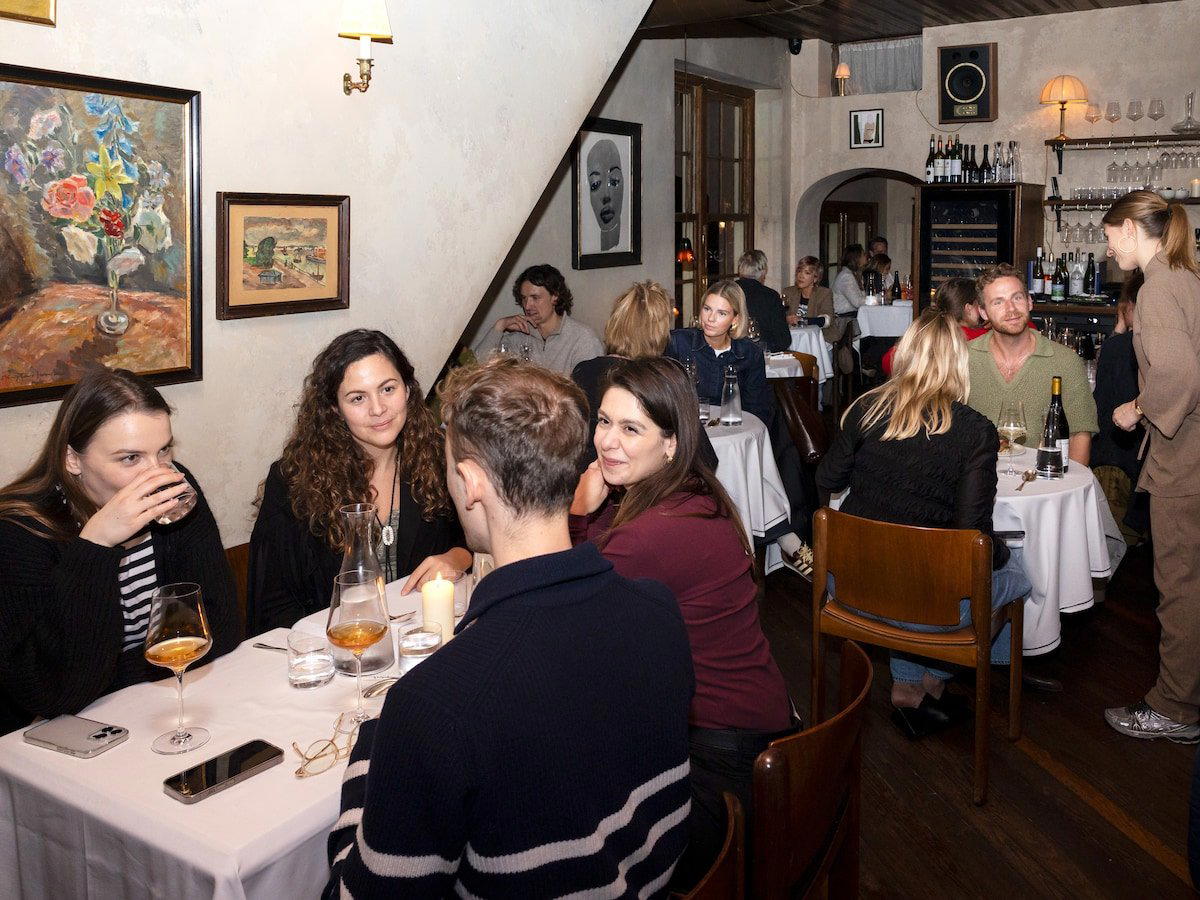
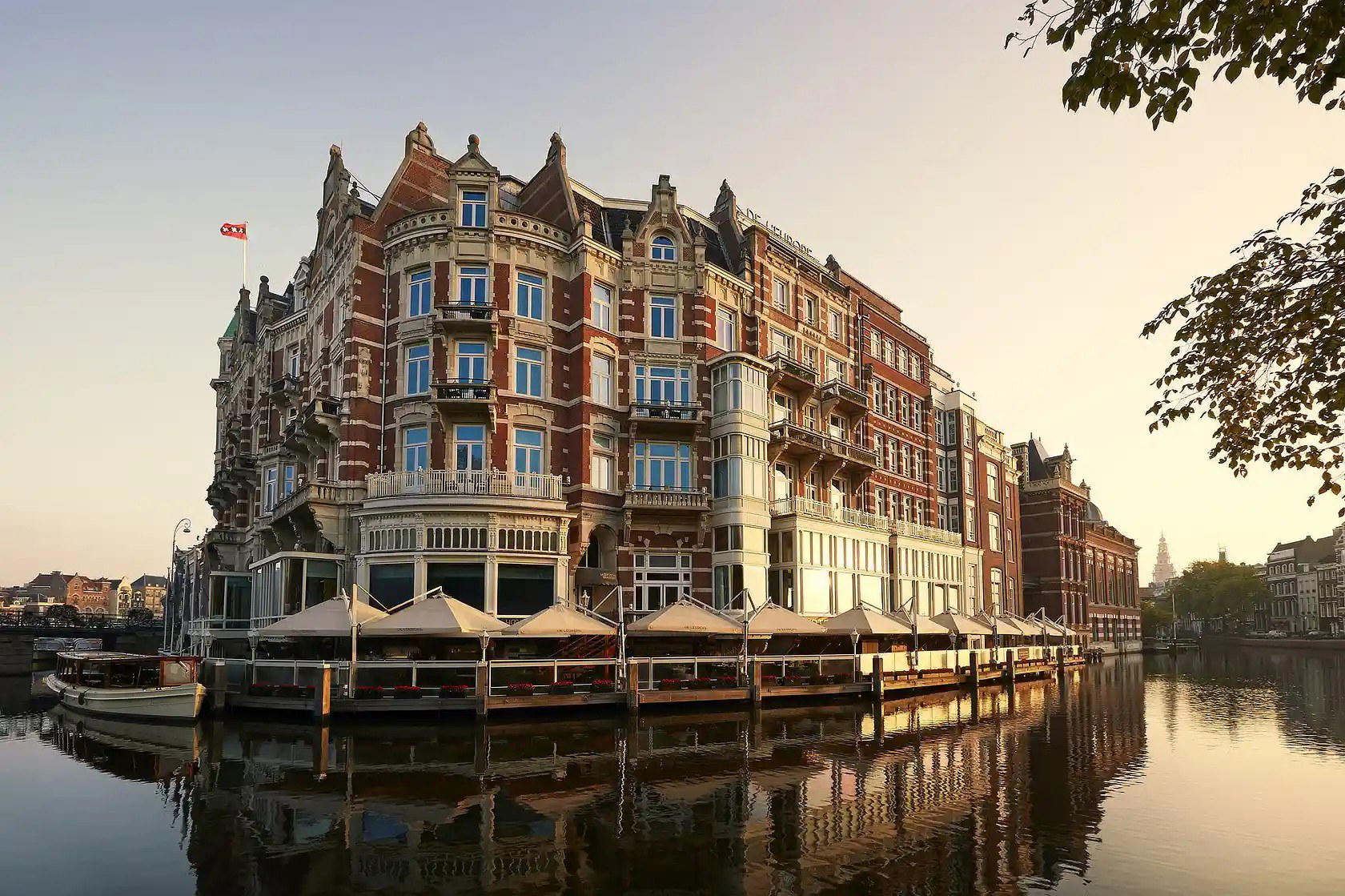
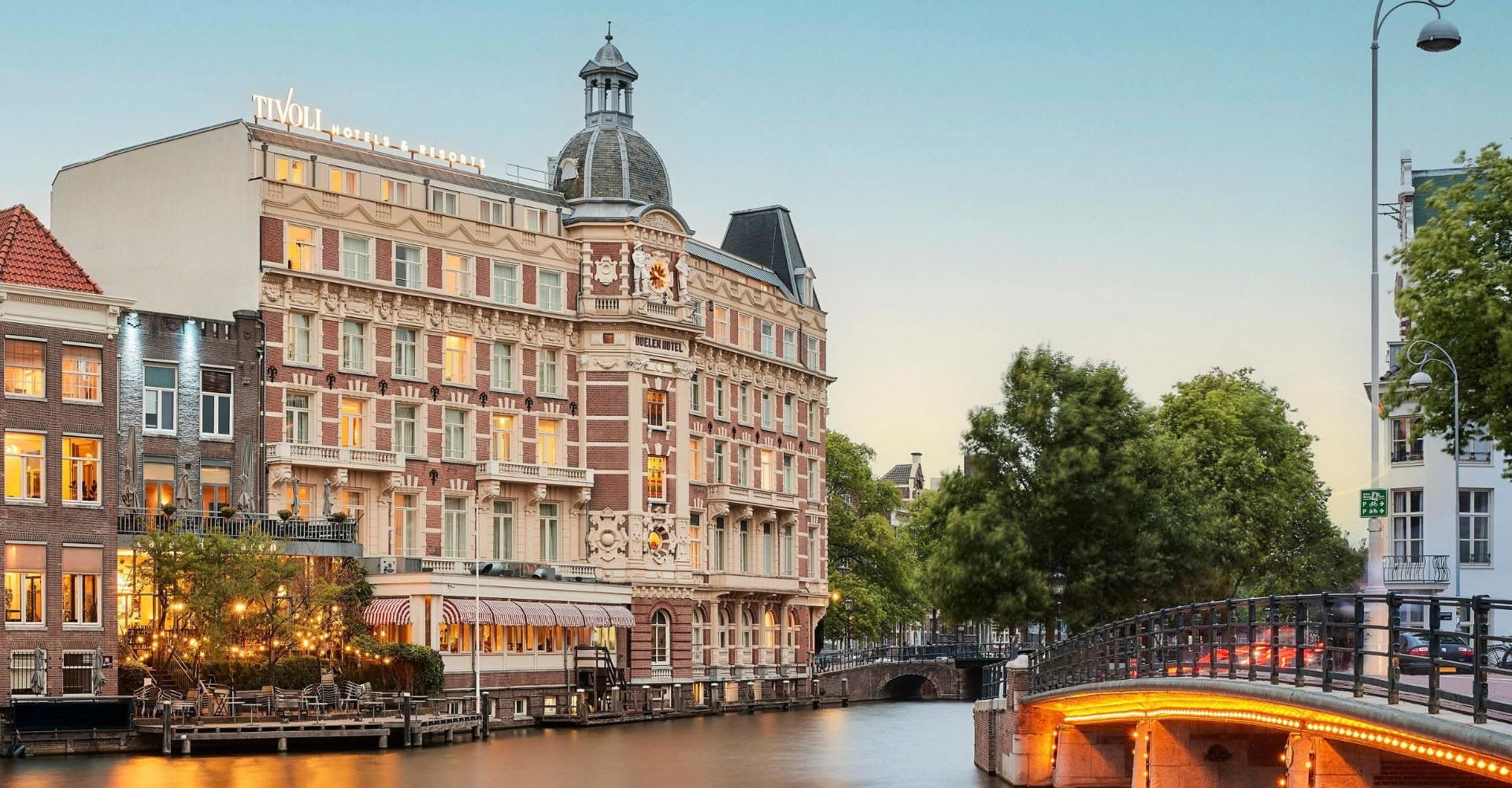
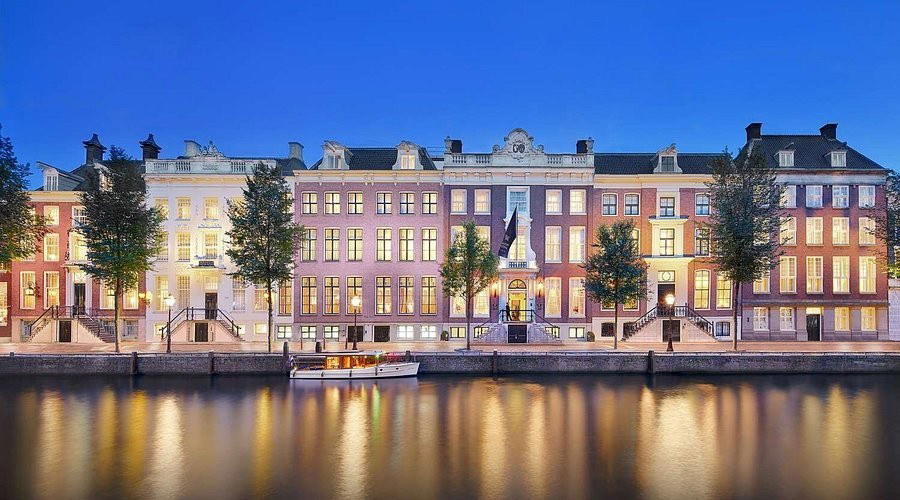
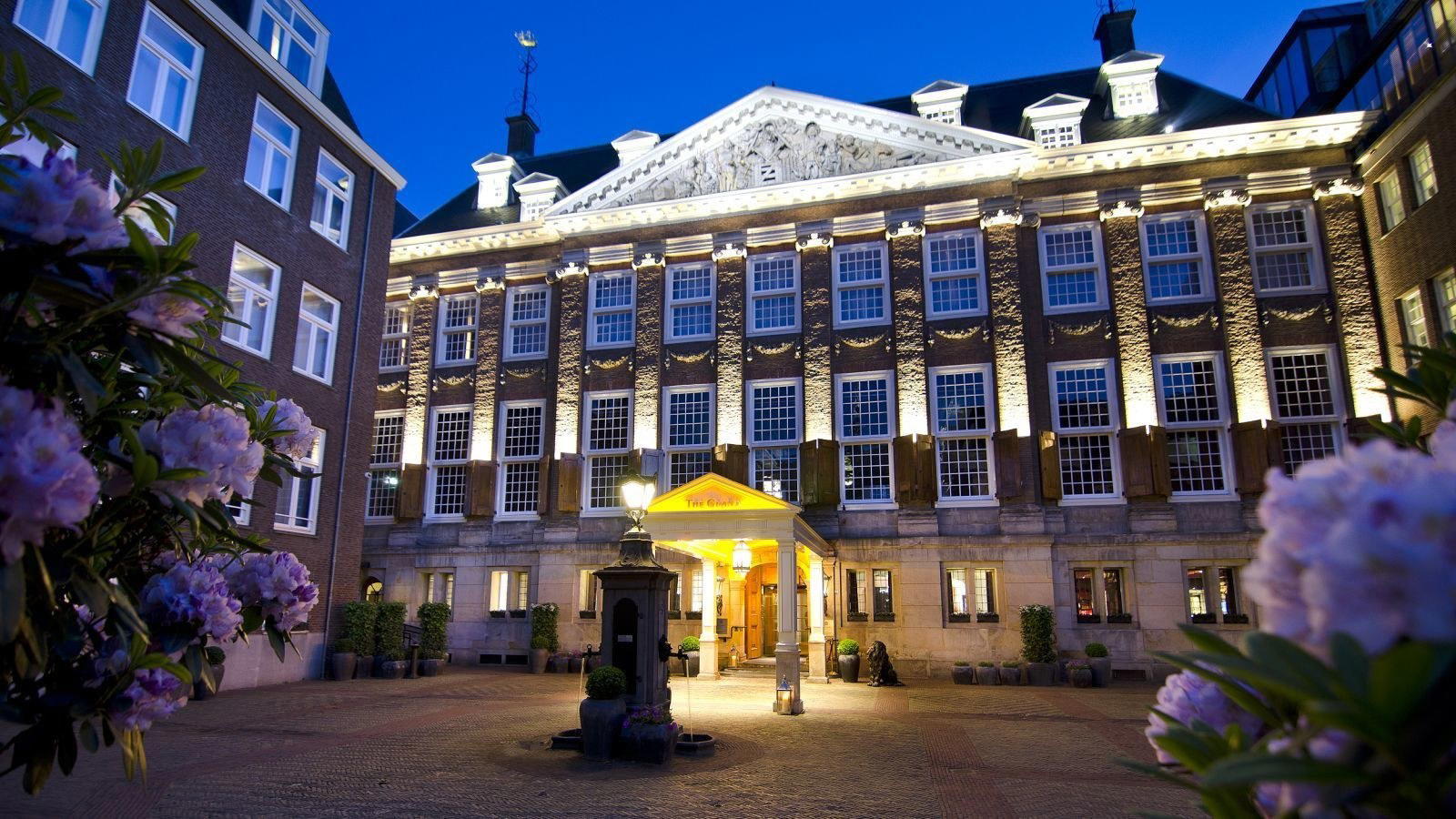
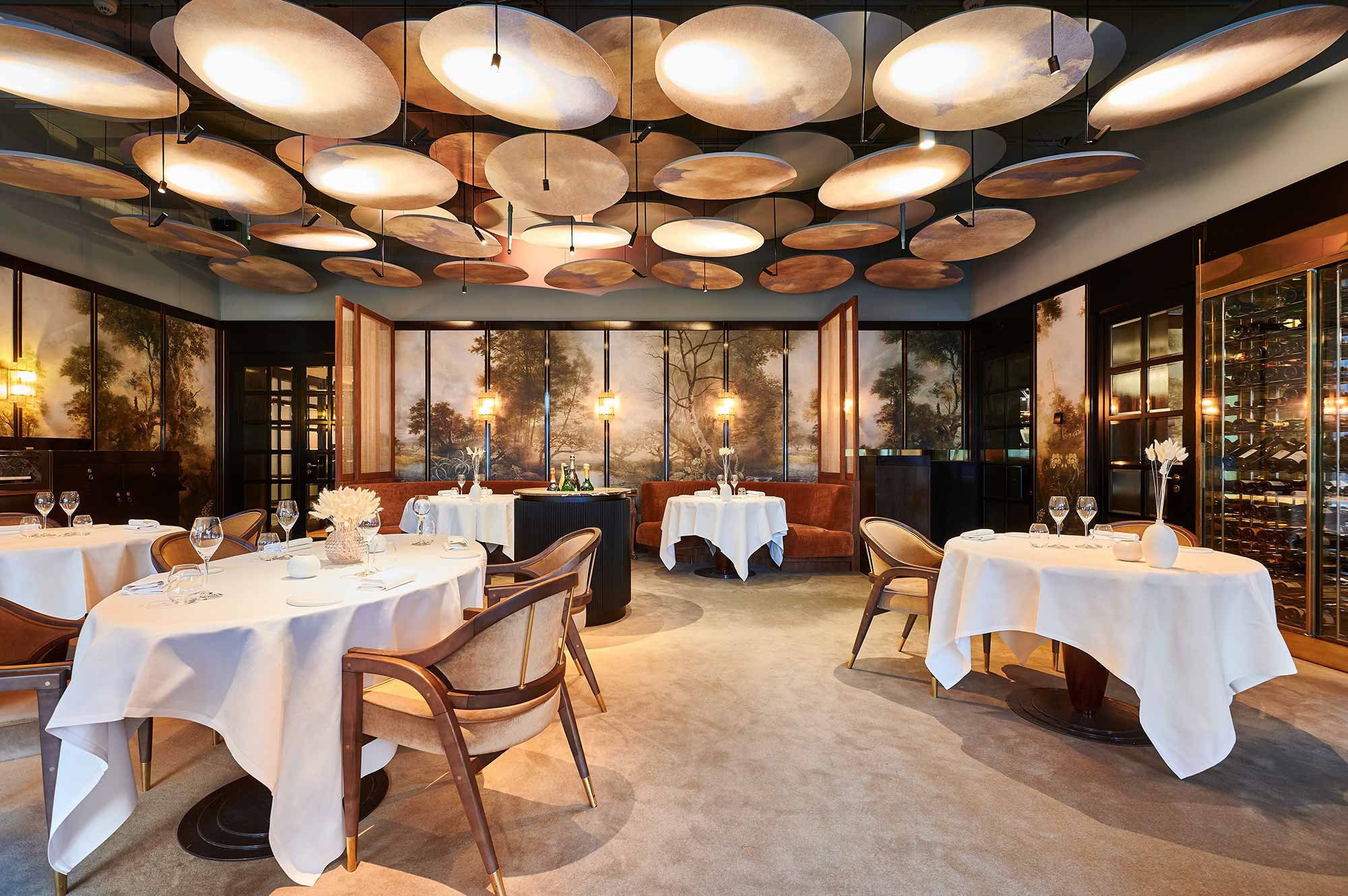
The approach to Hotel de L'Europe along Nieuwe Doelenstraat sets a specific register: a 19th-century canal-front facade, the quiet lap of water, and the kind of architectural weight that signals occasion before you've touched the door handle. Inside, Flore occupies a room that has been refitted to feel spacious and clubby rather than grand in the old European hotel sense. Natural materials run through the interior design, pulling the dining room into alignment with what arrives on the plate. The effect is deliberate. When a restaurant stakes its identity on sourcing from the land, the space that frames it matters.
Amsterdam's fine dining scene has split, over the past decade, between two recognisable directions: French-inflected creative cuisine at the leading price tier (represented by the likes of Ciel Bleu and Spectrum) and a smaller cohort committed to Dutch produce and seasonal discipline. Flore belongs firmly to the second group, but operates at the same price point as the first. That positioning is a statement in itself: this is not a health-conscious alternative to classical fine dining, it is a direct competitor to it.
The Botanic Menu: 80 Plants, One Kitchen
The provenance question sits at the centre of everything Flore does. Chef Bas van Kranen has built his sourcing around biodynamic growers who have become regular suppliers to the kitchen, and the menu reflects the specificity of that relationship. Dairy has been removed from production entirely. The season determines what arrives: game in autumn and winter, North Sea ingredients in spring and summer, and a plant-based set menu that runs year-round as a constant.
That plant-based menu, named the Botanic Menu, is built from 80 different plant varieties. The We're Smart Green Guide, which ranks restaurants specifically on vegetable-forward and plant-based cooking, places it among the finest 100% pure plant dining experiences in the world. That is a narrow peer group globally, and Flore's presence in it is backed by the guide's recognition as a We're Smart ambassador property. The significance of that ranking is not simply culinary: it reflects the consistency of a sourcing philosophy executed across an entire menu, not just a section of it.
Ingredient sourcing at this level requires infrastructure. The relationships between a kitchen and its biodynamic growers operate on different cycles than conventional supplier agreements. Availability is genuinely seasonal, varieties shift, and yields can be unpredictable. The creative pressure that creates is real, and at Flore, it functions as the engine of the menu rather than a constraint on it. Van Kranen has noted publicly that his search for solutions within those constraints feeds his creativity directly.
The comparison with other Dutch kitchens that foreground provenance is instructive. Bolenius works a similar register with its kitchen garden focus. Beyond Amsterdam, De Librije in Zwolle and Aan de Poel in Amstelveen represent different expressions of Dutch-sourced fine dining, each within their own regional ingredient logic. What separates Flore from most of that peer group is the commitment to 100% plant-based production on a hotel-restaurant scale, and the two Michelin stars that validate the execution.
Two Michelin Stars and the We're Smart Ranking
Flore holds two Michelin stars as of 2024. In Amsterdam's Michelin geography, that places it one star below Ciel Bleu but in the same tier as Vinkeles. The distinction between these restaurants is not simply style: Flore operates in a category that Michelin's main guide has historically been cautious about rewarding at this level, which makes the two-star recognition a meaningful data point about where plant-based fine dining stands in 2024.
The We're Smart Green Guide adds a second axis of recognition. Earlier We're Smart assessments gave the restaurant three Radishes with encouragement to go further. The current recognition reflects what the guide describes as a complete transformation: a restaurant that has, in its assessment, found its identity and executed it consistently across the full team. For readers tracking the Dutch plant-based dining scene alongside wider comparisons, it is also worth noting how differently the format plays out internationally: Atomix in New York City pursues a comparable level of sourcing rigour through a Korean lens, while Le Bernardin demonstrates what sustained single-category focus (in that case, seafood) can achieve at the two- and three-star level over decades.
Within the Netherlands, the We're Smart framework has also recognised De Groene Lantaarn in Staphorst and De Lindehof in Nuenen, among others, for vegetable-forward cooking. The context matters: plant-led fine dining in the Netherlands is not a single-venue phenomenon, but Flore's Botanic Menu is operating at the most technically demanding end of it.
The Wine Program
The wine list at Flore runs to 1,400 selections with a cellar inventory of 9,000 bottles. Star Wine List has ranked it consistently through 2024 and 2025, including multiple top-seven placements in 2025. The list is strongest in France, Italy, and Austria, with mid-range pricing across most of the selection and a corkage fee of €80. Wine Director Antonello Nicastri oversees the program, supported by sommeliers Lars Kleverlaan and Freek Pongers.
Austria's white wines, with their precision and mineral drive, are a logical strength for this kind of cooking. The French and Italian selections provide range across the full tasting progression. The depth of inventory at 9,000 bottles suggests a list built for serious engagement rather than functional coverage.
Current Status and the Pop-Up at Basecamp
Flore returned to Hotel de L'Europe after its February-March 2025 Basecamp Amsterdam pop-up and is taking reservations at Nieuwe Doelenstraat 2-14. This kind of operational flexibility, maintaining a tasting menu program off-site during a venue closure, is increasingly common among high-commitment kitchens where the team and sourcing relationships are the continuity rather than the physical room. Readers planning a visit should confirm current status and booking arrangements directly before travelling.
For wider Amsterdam dining context, our full Amsterdam restaurants guide covers the city's full range. For accommodation, see our Amsterdam hotels guide. Bars, wineries, and experiences are covered in the respective bars, wineries, and experiences guides. Those travelling further for Dutch fine dining might also consider De Bokkedoorns in Overveen, De Lindenhof in Giethoorn, or the seafood-focused Bistro de la Mer in the city for a different register.
Know Before You Go
- Address (permanent): Nieuwe Doelenstraat 2-14, 1012 CP Amsterdam (Hotel de L'Europe)
- Current location: Pop-up at Basecamp Amsterdam, Tom Schreursweg 40, 1067 MC Amsterdam (temporary closure of main venue; confirm current status before visiting)
- Price tier: €€€€ (cuisine pricing at $$$, typical two-course meal €66+)
- Meals served: Lunch and dinner
- Awards: Two Michelin stars (2024); We're Smart Green Guide leading ranking; Star Wine List (multiple placements 2024-2025)
- Wine list: 1,400 selections; 9,000 bottles in inventory; strengths in France, Italy, Austria; corkage €80
- Menu format: Set menu (Botanic Menu, 80 plant varieties); seasonal game and North Sea additions
Frequently asked questions
What type of food is Flore known for?
What's the pricing like at Flore?
Pricing at Flore is listed as €€€€.
What kind of recognition has Flore received?
Flore has received recognition including: The location previously known as Bord’Eau has been completely reimagined by head chef Bas van Kranen. Flore is based in the Hotel de L’Europe, and the interior feels spacious and clubby – albeit quite...; Chef Cyril Martineau loves vegetabl….
What's the best thing to order at Flore?
Flore operates exclusively on a set menu format, so individual ordering does not apply. The Botanic Menu, constructed from 80 plant varieties and recognised by the We're Smart Green Guide as among the finest 100% pure plant dining experiences in the world, is the full kitchen statement. Game features in autumn and winter; spring and summer pivot toward the North Sea.
What's the address for Flore?
Flore is located at Nieuwe Doelenstraat 2-14, 1012 CP Amsterdam, Netherlands, Amsterdam.
Is there a head chef associated with Flore?
The chef associated with Flore is El Bulli: Ferran Adrià.
How hard is it to get a table at Flore?
Flore's two Michelin stars (2024) and its We're Smart top-ranking place it among Amsterdam's most in-demand reservations. Note that the restaurant is operating again at Hotel de L'Europe after its February-March 2025 Basecamp Amsterdam pop-up, check availability directly through Flore for current booking windows.
Compact Comparison
Comparable venues nearby, for context on price, style, and recognition.
| Venue | Cuisine | Price | Awards | Notes |
|---|---|---|---|---|
| FloreThis venue (the venue you are viewing) | Conscious Fine Dining – Plant-Forward & Sustainable European | $200–300 | 2 Michelin Stars · Star Wine List | Not listed |
| Ciel Bleu | Modern French Fine Dining | $200–300 | 2 Michelin Stars · La Liste Top Restaurants | Lizzy Ansinghbuurt, Modern French Fine Dining |
| Vinkeles | Modern French Fine Dining | Not listed | 2 Michelin Stars · La Liste Top Restaurants | Felix Meritisbuurt, Modern French Fine Dining |
| Spectrum | Modern Dutch Fine Dining | $200–300 | 2 Michelin Stars · La Liste Top Restaurants | Amstelveldbuurt, Modern Dutch Fine Dining |
| MOS | Modern French Fine Dining | $100–150 | 1 Michelin Star · Star Wine List | Westerdokseiland, Modern French Fine Dining |
| 212 | Modern Fine Dining | $200–300 | 2 Michelin Stars · La Liste Top Restaurants | Rembrandtpleinbuurt, Modern Fine Dining |
Recognition history
Dated appearances from independent guides and award organizations, with the underlying list record or original source where available.
Michelin 2 Stars
Michelin
Star Wine List
Star Wine List
Falstaff Restaurant - 95 Falstaff Points
Falstaff
Opinionated About Dining Top Restaurants in Europe Recommended
Opinionated About Dining
Wine Spectator Best of Award of Excellence
Wine Spectator
Full recognition history (14 entries)
Star Wine List
Star Wine List
We're Smart World 3 Radishes
We're Smart World
We're Smart World 5 Radishes
We're Smart World
We're Smart World Top 100 #3
We're Smart World
Wine Spectator Best of Award of Excellence
Wine Spectator
World's Best Wine Lists Awards WBWL 3-Star
World's Best Wine Lists Awards
Michelin 2 Stars
Michelin
Star Wine List
Star Wine List
World's Best Wine Lists Awards WBWL 3-Star
World's Best Wine Lists Awards