Bar du Champagne

Star Wine List
Bar du Champagne on Rokin brings a specialist champagne focus to Amsterdam's central drinking corridor, earning a 2026 Star Wine List award that places it in the city's serious wine bar tier. The address at Rokin 91a puts it within walking distance of several of Amsterdam's recognised cocktail rooms, making it a natural anchor for an evening that moves between formats.

Pearl is the En Primeur Club membership app, where members save venues, book tables and use the concierge.
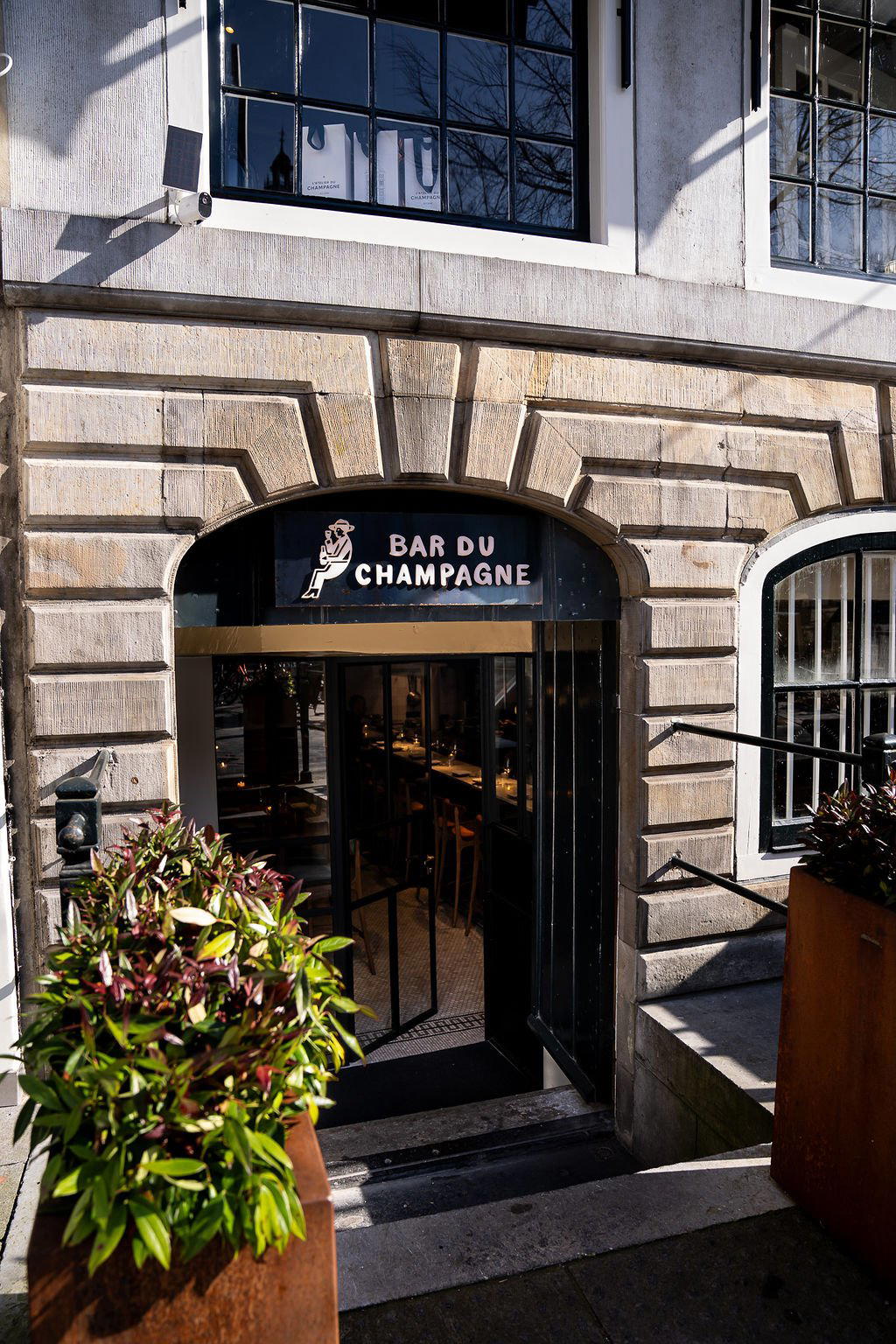
A Champagne Bar on the Rokin Axis
Rokin cuts through Amsterdam's centre with the particular energy of a street that serves both daily commuters and evening visitors, trams, cyclists, and pedestrians sharing a corridor that runs from Dam Square down toward Muntplein. Against that backdrop, a bar committed to champagne as its primary lens signals something specific: it is not trying to be everything to everyone. Champagne bars occupy a distinct position in European drinking culture, sitting between the breadth of a wine bar and the specificity of a private cellar. They require a level of curation and supplier relationships that most generalist venues cannot sustain, and they tend to attract a clientele that treats the glass as seriously as the setting.
Bar du Champagne at Rokin 91a operates in that specialist register. The 2026 Star Wine List award, the sector's clearest international benchmark for wine program quality, places it among the Netherlands venues that wine professionals consider worth tracking. That credential matters because Star Wine List evaluates programs rather than atmosphere, it is a signal about what is in the cellar and how it is presented, not about interior design or footfall.
What the Setting Communicates
Champagne bars carry an inherited visual language: pale walls, stemware that catches available light, a list that runs by producer and style rather than by occasion or price tier. The approach implies a customer who arrives with questions, not just an order. Amsterdam has a tradition of specialist drinking rooms, the genever tasting houses on Pijp side streets, the wine bars clustered around Spiegelgracht, and Bar du Champagne fits into that tradition of places defined by the depth of a single category rather than the width of a menu.
The Rokin location gives the bar geographic accessibility that some specialist venues in Amsterdam deliberately avoid. It is reachable on foot from Amsterdam Centraal in under ten minutes, and the surrounding streets connect to the Spui literary quarter and the Nine Streets shopping district, both of which generate evening pedestrian traffic with disposable time. For visitors building a multi-stop evening, that positioning is practical: Door 74 and Tales & Spirits represent Amsterdam's cocktail credentialing tier and sit within the same central zone, meaning a champagne-led stop at Bar du Champagne can anchor an evening that moves between formats without requiring transit.
The Champagne Category in Amsterdam's Drinking Scene
Amsterdam's bar scene has matured along two parallel tracks over the past decade. One track runs through cocktail culture, technical programs, house-made ingredients, sustained international recognition at venues like Door 74. The other runs through wine, where a smaller number of bars have built serious cellar depth rather than broad accessibility. Champagne specialists sit at the intersection of wine seriousness and occasion-driven drinking, a format that has expanded in London and Paris but remains relatively sparse in Amsterdam.
That sparsity is part of what gives Bar du Champagne its position. When a city has few venues genuinely focused on a category, the one holding a recognised award in that category attracts the demand that would otherwise spread across a competitive field. Star Wine List's 2026 recognition is not awarded on the basis of fame or atmosphere; it reflects a structured evaluation of the list itself, which means the bar's program has been assessed against peers across Europe.
For context on the Dutch drinking scene beyond Amsterdam, the same evaluation framework that recognises Bar du Champagne also encompasses venues like Florin Utrecht in Utrecht and Brasserie Lalou in Delft, regional venues building serious programs in smaller cities. The pattern suggests the Netherlands' wine bar culture is developing depth outside Amsterdam, but the capital still holds the concentration of credentialed venues.
Planning a Visit
Rokin 91a is directly accessible by tram along the Rokin line, with multiple stops within a two-minute walk. The area is one of Amsterdam's most connected, and arriving on foot from the Spui or Dam Square is direct. Because Bar du Champagne's specific hours and booking policy are not publicly listed through EP Club's verified data, contacting the bar directly before visiting, particularly on weekends or during Amsterdam's peak tourism months of June through August, is the pragmatic approach. Champagne-specialist bars in European cities tend to have limited standing room and fill faster on Friday and Saturday evenings than midweek.
For visitors building a broader Amsterdam evening, Amsterdam Roest offers a contrasting register, industrial, outdoor-leaning, with a different energy, while Bakers & Roasters works as a daytime anchor if the evening starts early. A full overview of the city's drinking and dining options is available in our full Amsterdam restaurants guide.
Travelers moving between Dutch cities might also consider that Bowie in The Hague and Café Barolo in Eindhoven represent the kind of wine-forward bar programming that has spread across the Netherlands, while Espressobar Kopi Soesoe in Rotterdam and Boode Foodbar in Bathmen illustrate how the country's food and drink culture extends well beyond the capital. For international comparison, Bar Leather Apron in Honolulu demonstrates how specialist bar programs earn recognition in markets far outside Europe's traditional wine corridors.
Same-City Peers
Comparable venues nearby, for context on price, style, and recognition.
| Venue | Cuisine | Price | Awards | Notes |
|---|---|---|---|---|
| Bar du ChampagneThis venue (the venue you are viewing) | champagne_bar | Not listed | Star Wine List | Not listed |
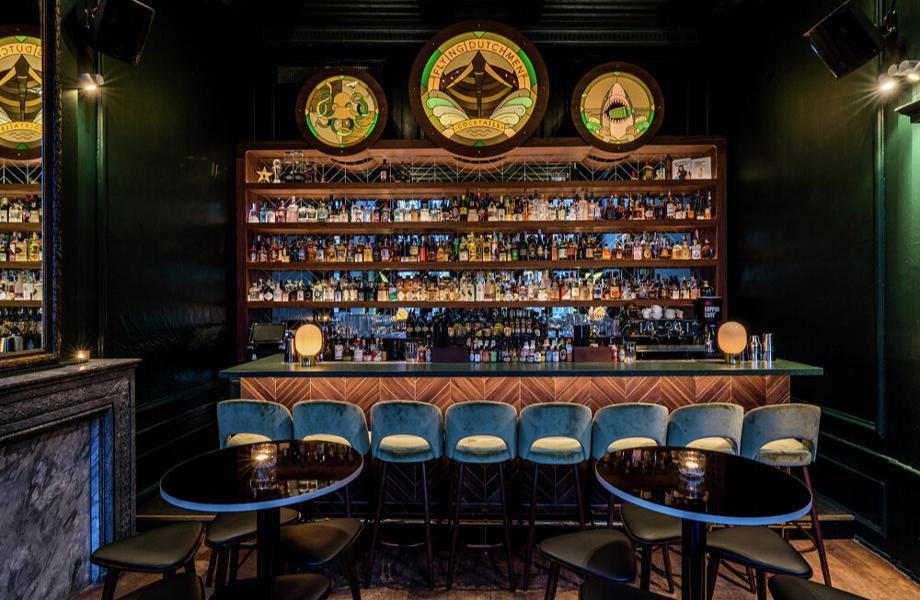
| Flying Dutchmen Cocktails | cocktail_bar | $20–30 | Top 500 Bars Best Bars #76 | Leidsegracht Zuid |
| Pulitzer's Bar | hotel_bar | $20–30 | Top 500 Bars Best Bars #370 | Felix Meritisbuurt |
| Shiraz Jardins des Vins | wine_bar | $30–50 | Star Wine List | Leidsebuurt Noordoost |
| Glou Glou | wine_bar | $20–30 | Star Wine List | Van der Helstpleinbuurt |
| Wijnbar Vindict | wine_bar | Not listed | Star Wine List | Overhoeks |
Recognition history
Dated appearances from independent guides and award organizations, with the underlying list record or original source where available.
Star Wine List
Star Wine List
Continue exploring
More in Amsterdam
Bars in Amsterdam
All bars in Amsterdam →
Restaurants in Amsterdam
All restaurants in Amsterdam →
Hotels in Amsterdam
All hotels in Amsterdam →
Wineries in Amsterdam
All wineries in Amsterdam →
Bar du Champagne
The wine
- Wine program
- Deep wine list
- Classic cocktails
Details
- Cozy
- Elegant
- Intimate
- Sophisticated
- Date Night
- Special Occasion
- Standalone
- Seated Bar
- Lounge Seating
- Classic Cocktails
Current opening hours
- Monday
- Closed
- Tuesday
- Closed
- Wednesday
- Closed
- Thursday
- 4–11 PM
- Friday
- 4–11 PM
- Saturday
- 4–11 PM
- Sunday
- Closed
Hours can change for holidays and private events. Hours as of .
Cozy atmosphere with attentive, high-level service.