De Swarte Ruijter

1 Michelin Star
Our verdict
A Michelin-starred address on the Holterberg, De Swarte Ruijter sits inside a thatched farmhouse surrounded by pine forest and channels the produce of the Salland region into technically precise, contrast-driven cooking. Chef Erik de Mönnink works with venison, mushrooms, and air-dried veal alongside North Sea fish, balancing bold flavour with sharp acidity. Price bracket: €€€.

Pearl is the En Primeur Club membership app, where members save venues, book tables and use the concierge.
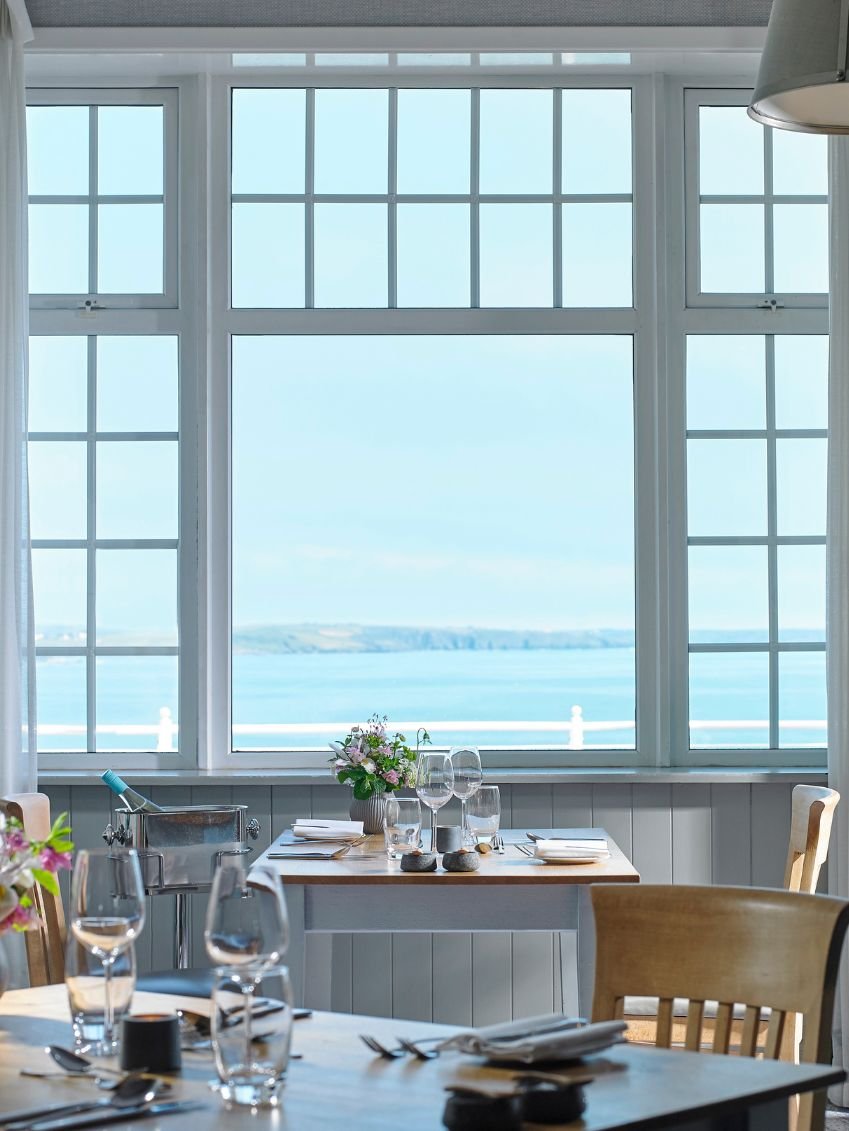
Where the Forest Comes to the Table
The Holterberg is one of the few genuinely refined points in the Dutch interior, a low sandstone ridge cloaked in Scots pine that sits at odds with the flat agricultural plain surrounding it. Restaurants in this part of Overijssel tend to work in one of two registers: the regional-classic mode that leans on Salland's livestock and grain traditions, or the more technically ambitious format that treats that same larder as raw material for something harder to categorise. De Swarte Ruijter, a thatched house at Holterbergweg 7, operates firmly in the second register, holding a Michelin star since at least the 2024 guide cycle while keeping its feet planted in the forest and farmland immediately outside its windows.
The physical setting does real work here. Thatched construction and views directly into pine canopy are not decorative choices applied after the fact; they frame the dining room in a way that makes the sourcing logic of the menu immediately legible. This is how a number of the more compelling rural starred restaurants across the Netherlands operate: the environment acts as a kind of editorial statement, telling you before the first course arrives that locality is the organising principle. De Lindenhof in Giethoorn does something similar with its waterland context, and De Groene Lantaarn in Staphorst draws a comparable line between landscape and plate in the same broad region.
The Salland Larder and What a Chef Does With It
Salland, the sub-region of Overijssel centred on the Salland Ridge and the IJssel valley, has a cooking tradition rooted in smoked and cured meats, game from managed woodlands, and foraged ingredients that were practical necessities long before they became fashionable. Nagelhout, air-dried veal, is perhaps the most region-specific of these: a preservation technique tied to small-scale cattle farming that predates refrigeration and produces something with the textural density and concentrated flavour of a good bresaola but with a softer, milkier back-note. That De Swarte Ruijter places nagelhout on the menu alongside venison and wild mushrooms is not rustic nostalgia; it is an accurate reading of what this particular landscape actually produces.
The cooking attributed to Erik de Mönnink in the Michelin citation sits at the more daring end of what the Dutch one-star tier does with regional produce. The crab preparation cited by the guide is instructive: North Sea crab encased in a jelly made from the same crustacean, then deep-fried, finished with mango, apple, and a curry sauce. That combination asks texture to carry flavour across multiple temperatures and consistencies simultaneously, which is a harder technical ask than it sounds. The acid from mango and apple has to be calibrated against the richness of the curry base and the saline sweetness of the crab itself. The fact that Michelin's assessors flag both the texture contrasts and the acidity balance as signature traits suggests this is a consistent programme rather than a highlight-reel approach.
For context on where this sits in the Dutch starred tier, the restaurants immediately above it in star count operate at meaningfully higher price points and with broader international profiles. De Librije in Zwolle, three stars, and 't Nonnetje in Harderwijk, two stars, both price at €€€€ against De Swarte Ruijter's €€€ bracket. De Lindehof in Nuenen and Aan de Poel in Amstelveen operate at the same two-star, €€€€ level. De Swarte Ruijter, at one star and €€€, represents a price tier where Michelin recognition is accessible without the commitment of a multi-star evening, and that positioning is increasingly valuable as the gap between one- and two-star pricing widens across the Netherlands.
The Room and the Rhythm
Rural starred dining in the Netherlands has developed a particular spatial grammar over the past two decades: stone or timber interiors that absorb rather than bounce sound, service pacing set to a longer evening than city restaurants typically allow, and a hosting register that is personal without being theatrical. The Michelin citation names Esther as the front-of-house presence and describes her as a cordial hostess who makes guests feel at home. In a room where the environment itself is doing this much atmospheric work, that kind of grounded, unpretentious service reads correctly; it would be easy to over-formalise a setting that is fundamentally about a particular patch of Dutch countryside.
At a restaurant with this price point and an explicit Michelin credential, a 4.6 on a base of 374 responses suggests that the experience holds up consistently across different types of visitors, not just those who arrived already converted. That is harder to sustain at the €€€ level than at entry-level dining, where expectations are more diffuse.
Holten itself is a small municipality, and the Holterberg area functions more as a destination within the region than as a neighbourhood with an independent dining scene. Those planning a full day in the area will find the broader Holten picture in our full Holten restaurants guide, and those considering an overnight stay should consult our full Holten hotels guide. Nearby options in a similar modern-cuisine register include Hoog Holten (€€, modern cuisine) and Bistro de Holterberg (€€, classic cuisine) for those building a longer stay around the area.
Dutch Regional Fine Dining in a Wider Frame
The pattern of credentialled chefs choosing to work with hyper-local ingredients in rural or semi-rural settings rather than urban dining rooms has become one of the more interesting structural shifts in Dutch gastronomy over the past decade. It reflects both a genuine supply-chain logic, proximity to producers matters when your menu turns on nagelhout and foraged mushrooms, and a deliberate positioning away from the competitive density of Amsterdam and the Randstad. Restaurants like Brut172 in Reijmerstok and De Bokkedoorns in Overveen occupy adjacent positions in this geography, each working a distinct regional identity into technically demanding menus.
For comparison at the urban end of the spectrum, Ciel Bleu in Amsterdam and Basiliek in Harderwijk demonstrate how the €€€ price tier operates in different spatial contexts, while Borkonyha Winekitchen in Budapest offers a useful international parallel for how regional produce programmes work within a Michelin-starred framework outside the Netherlands.
De Swarte Ruijter fits this rural-regional tier with enough precision that its star is not a surprise; what is perhaps less expected is how sharply the cooking departs from the safe end of that tradition. A kitchen that deep-fries crab in its own jelly and finishes it with curry and tropical fruit is not making conservatively local food. It is using a local supply chain as the foundation for something considerably more technically ambitious, and that gap between pastoral setting and technically adventurous plate is where the restaurant earns its distinction within the wider Dutch one-star field.
Planning Your Visit
Frequently asked questions
Can I bring kids to De Swarte Ruijter?
De Swarte Ruijter is a Michelin-starred tasting experience at the €€€ price point, built around paced, contrast-driven courses rather than a flexible à la carte format. It is worth contacting the restaurant directly at Holterbergweg 7 to ask about younger guests before booking, as the kitchen's approach, intricate preparations like deep-fried crab jelly and layered curry sauces, presupposes an engaged adult table.
What is the atmosphere like at De Swarte Ruijter?
The setting is a thatched house on the Holterberg ridge, surrounded by Scots pine, and the interior draws on those natural elements rather than urban fine-dining formality. Hostess Esther runs the front of house, and the tone is cordial rather than stiff, closer to a well-run country restaurant than a city Michelin room. The pine forest visible from the dining space is a functional part of the atmosphere, not incidental backdrop.
Does De Swarte Ruijter have a Michelin star or similar recognition?
De Swarte Ruijter has received recognition including: Nature takes centre stage at De Swarte Ruijter. Located on the Holterberg, this charming thatched house boasts stunning views of the nearby pine forest and seamlessly incorporates natural elements into its interior design. Erik de Mönnink d….
What do regulars order at De Swarte Ruijter?
The dishes the Michelin assessors single out as representative are the contrast-driven plates built around local produce: North Sea crab encased in its own jelly and deep-fried, venison, mushrooms, and nagelhout (air-dried veal) sourced from the Salland region. Chef Erik de Mönnink's signature move is pairing bold acidity with rich sauces, so the crab course finished with an aromatic curry sauce is the clearest expression of the kitchen's identity.
Price and Recognition
| Venue | Cuisine | Price | Awards | Notes |
|---|---|---|---|---|
| De Swarte RuijterThis venue (the venue you are viewing) | Modern French Fine Dining | Not listed | 1 Michelin Star | Not listed |
| De Librije | Modern Dutch Fine Dining | $200–300 | 3 Michelin Stars · World's 50 Best #46 | Modern Cuisine |
| Aan de Poel | Modern French Fine Dining | $150–200 | 2 Michelin Stars · La Liste Top Restaurants | Creative |
| De Lindehof | Contemporary Dutch, Creative | Not listed | Michelin 2 Star | Not listed |
| Fred | Modern French Fine Dining | $200–300 | 2 Michelin Stars · La Liste Top Restaurants | Creative French |
| De Nieuwe Winkel | Botanical Fine Dining | $300–500 | 2 Michelin Stars · La Liste Top Restaurants | Organic |
Recognition history
Dated appearances from independent guides and award organizations, with the underlying list record or original source where available.
Michelin 1 Star
Michelin
Full recognition history (2 entries)
Michelin 1 Star
Michelin
Continue exploring
More in Holten
Restaurants in Holten
All restaurants in Holten →
Bars in Holten
Browse all →
Details
- Scenic
- Cozy
- Elegant
- Rustic
- Intimate
- Date Night
- Special Occasion
- Historic Building
- Extensive Wine List
- Farm To Table
- Local Sourcing
- Tasting Menu
- Vegetarian Friendly
- Vegan Options
- Gluten Free Options
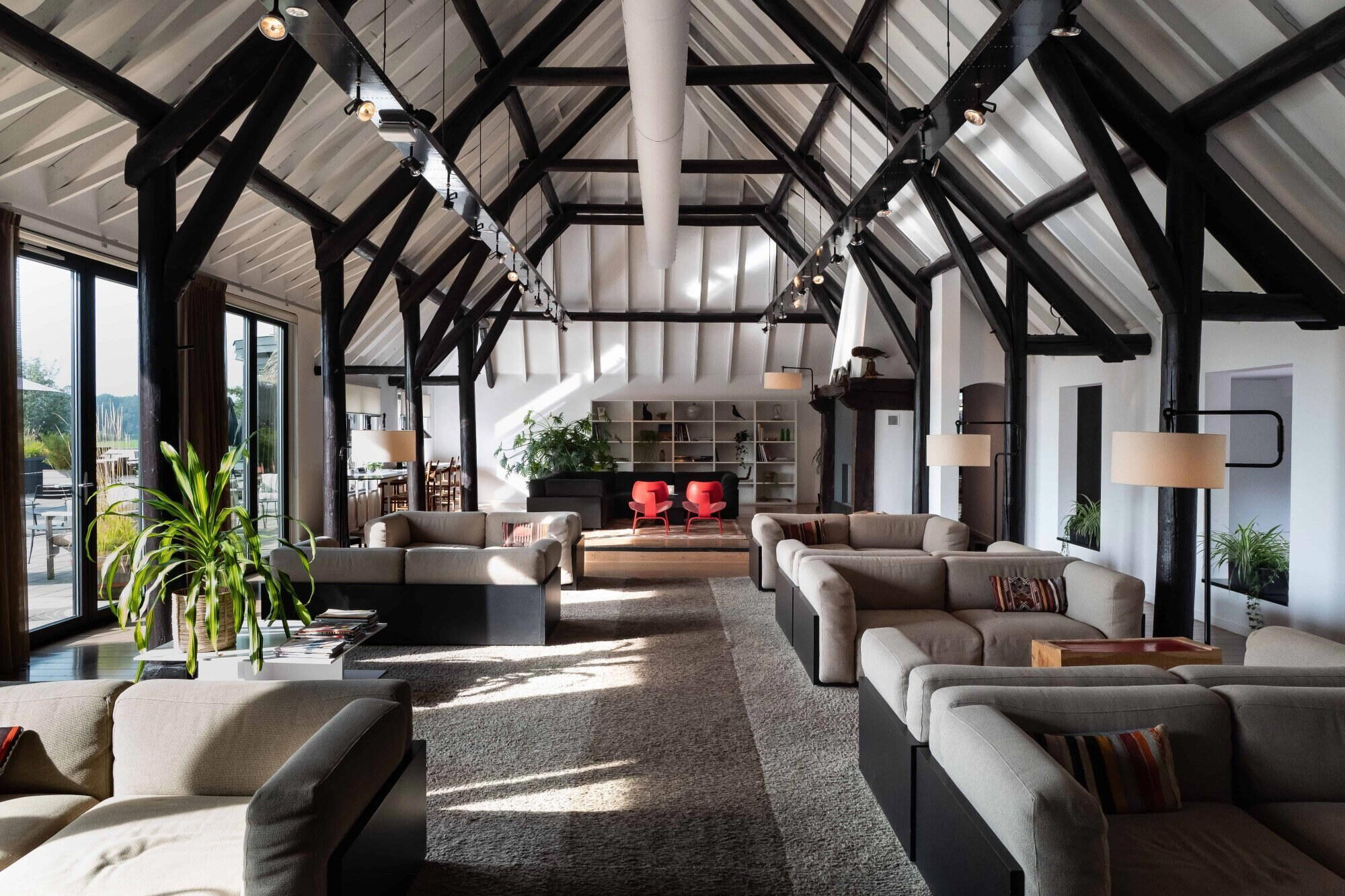
Nature-inspired interior with natural elements, tasteful taupe/gold decor, comfortable furniture, and dreamlike forest surroundings creating a relaxing and elegant atmosphere.