212





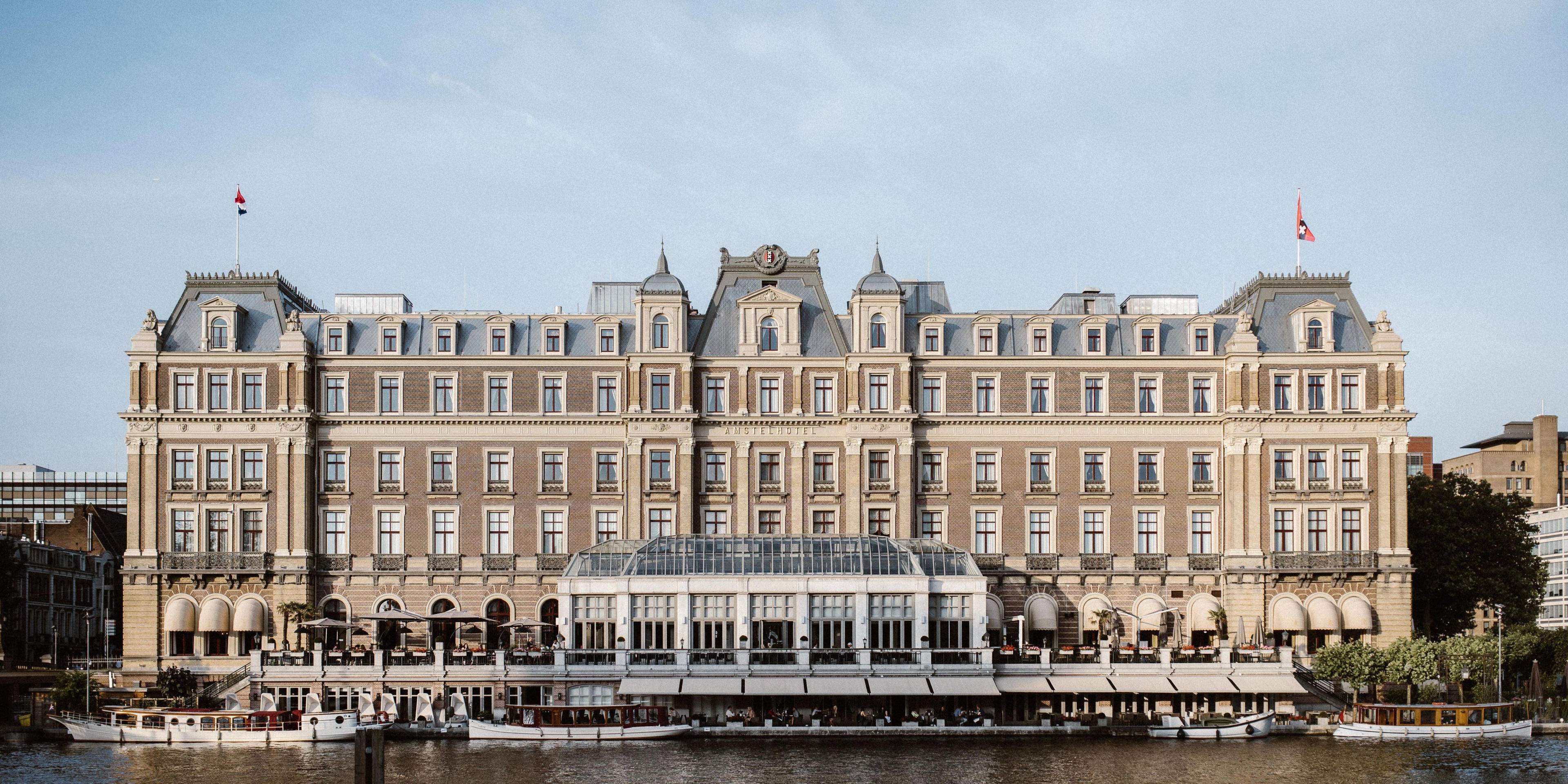
On the Amstel River opposite the National Opera, Restaurant 212 operates at the upper tier of Amsterdam's creative fine dining. Richard van Oostenbrugge and Thomas Groot work from an open kitchen in a restored canal house, producing technically precise dishes that earn consistent recognition from La Liste (93 points, 2026) and Opinionated About Dining's European rankings. The Dutch cheese board and wine selection draw particular notice from critics.
Pearl is the En Primeur Club membership app — saves, bookings, and concierge access live there. Same editors, same standards.
- Address
- Amstel 212, 1017 AH Amsterdam, Netherlands
- Phone
- +31 20 334 8685
- Website
- mymenuweb.com
- Directions
- Get directions
 Saves & bookings on Pearl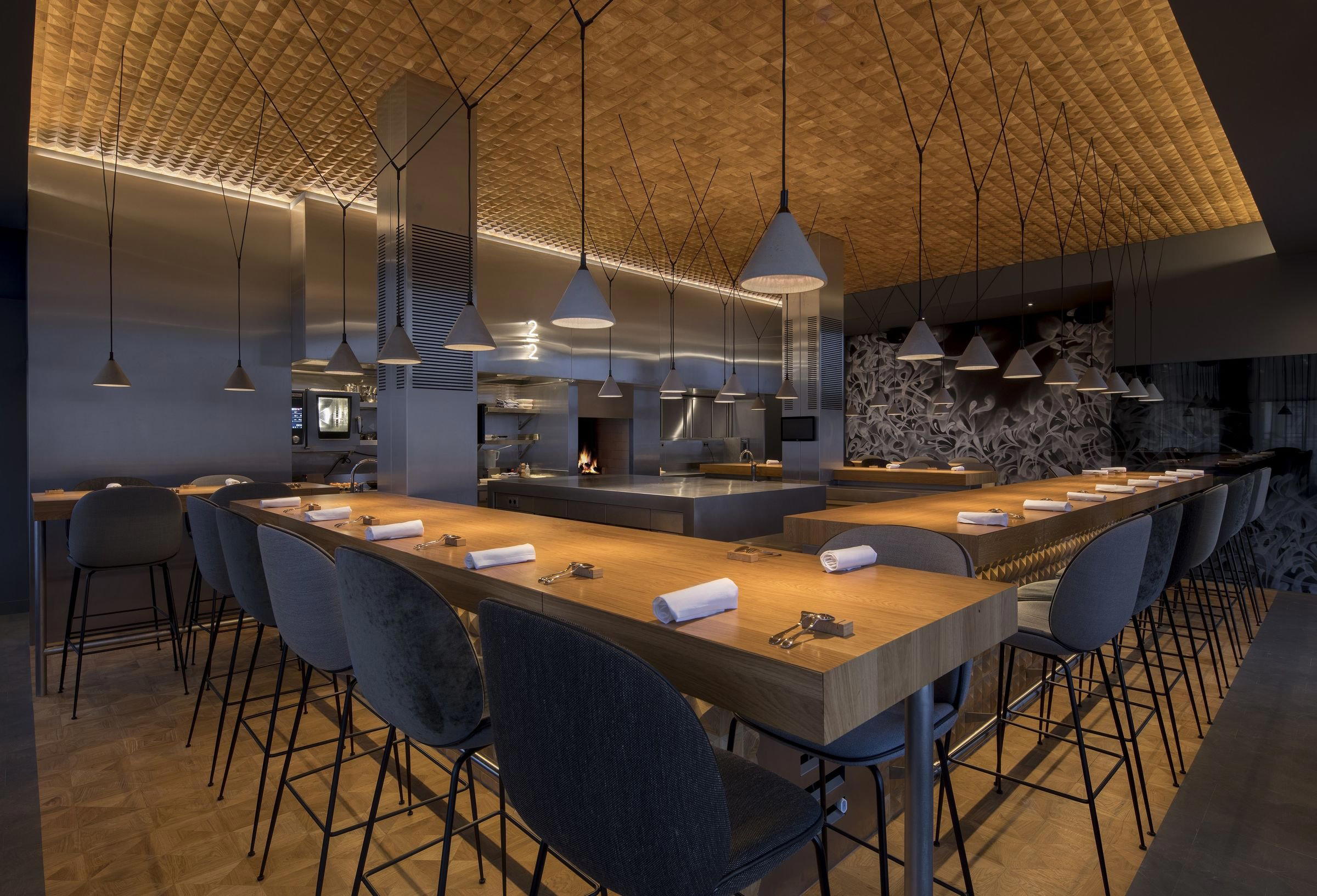
A Canal House with Something to Prove
212 is a two Michelin star restaurant in Amsterdam, serving modern fine dining at about €250 per person. The address places you squarely in Amsterdam's historic centre, on the Amstel River directly opposite the National Opera building. From the outside, 212 reads as a quintessential canal house: tall, narrow, built to the proportions of the seventeenth century. Inside, the open kitchen reframes everything. Chefs move with the kind of visible deliberation that reminds you this is a performance as much as a service, not in the theatrical, Instagram-staged sense, but in the older meaning: craft displayed for those paying close enough attention.
Amsterdam's upper tier of creative fine dining has consolidated around a small number of restaurants where format and precision converge. Ciel Bleu, with two Michelin stars and a panoramic perch above the city, and Spectrum occupy that space. Vinkeles, in its converted bakery setting, and Daalder represent adjacent creative ambitions at the same price tier. Restaurant 212 sits among these, comparable in format, distinct in approach. It holds two Michelin stars. La Liste placed it at 93 points in 2026 (93.5 in 2025), and Opinionated About Dining has tracked its progress through their European rankings: recommended as a new restaurant in 2023, ranked 298th in 2024, rising to 341st in 2025 across a broader, more competitive field.
Two Chefs, One Kitchen, One Direction
The kitchen at 212 is run by Richard van Oostenbrugge and Thomas Groot. In the Dutch fine dining context, two-chef partnerships of this kind are not common at the leading level, most comparable kitchens are organized around a single named figure. What distinguishes the 212 model is that the collaboration appears to sharpen rather than dilute the cooking: critics note that the dishes carry a clear point of view despite having two authors.
The culinary tradition they draw from is classical European technique, with particular emphasis on sauces, an area where French training and Dutch produce intersect usefully. The Netherlands has a narrow but serious fine dining heritage, with De Librije in Zwolle historically occupying stronger examples from that hierarchy. At the regional level, tables like Aan de Poel in Amstelveen and De Bokkedoorns in Overveen demonstrate how seriously Dutch kitchens have taken classical foundations. Van Oostenbrugge and Groot sit within that tradition while extending it toward a more ingredient-focused, modern sensibility.
What the critics have noted consistently is how the kitchen treats transformation as the central idea: an ingredient arrives in one recognizable state and is returned to the plate in a form that makes you reconsider what it is. Crispy Jerusalem artichoke is hollowed out and filled with Belper Knolle, North Sea grey shrimp, Jerusalem artichoke cream, parsley, and garlic vinaigrette, the vegetable functioning both as vessel and as flavour. That kind of structural wit, applied to premium local produce, places the cooking in a specific niche: technically grounded, ingredient-led, and allergic to excess.
The Room and the Format
The dining format at 212 reflects the approach increasingly favoured by serious creative kitchens across the Netherlands and broader Europe: a tasting menu built around the kitchen's choices rather than a la carte selection. This positions the restaurant closer to RIJKS® and the tasting-format end of Amsterdam dining than to the more flexible ordering structures found at mid-tier creative restaurants like Daalder.
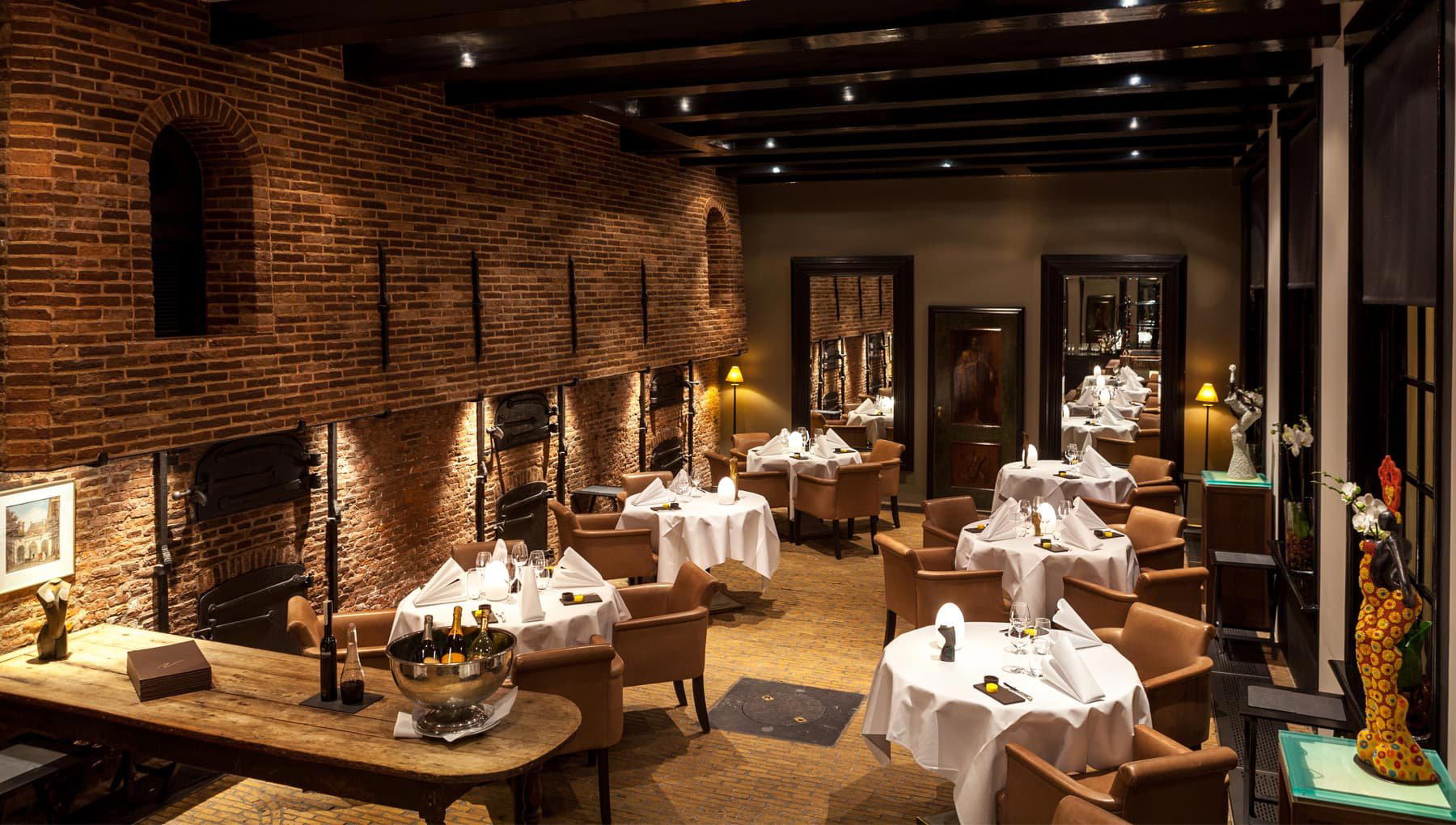
The room itself operates on a scale that favours intimacy over volume. Reviews consistently note the combination of luxurious comfort and close attention from service, not the formal stiffness of older European fine dining, but a calibrated attentiveness that matches the kitchen's precision. The cheese board has drawn specific critical praise: in a country with a serious dairy culture, a well-executed cheese course carries real weight, and at 212 it functions as a distinct course rather than an afterthought. The wine program is similarly noted as a draw for serious drinkers, with depth across the cellar.
Outside Amsterdam, the creative €€€€ tier in the Netherlands includes De Lindenhof in Giethoorn and De Treeswijkhoeve in Waalre, both operating at comparable price points with similarly ingredient-focused ambitions. Brut172 in Reijmerstok and De Groene Lantaarn in Staphorst represent the more rural end of Dutch premium dining. Within that national landscape, 212's Amstel River location and urban canal house format set it apart in category, not just geography.
Planning Your Visit
Restaurant 212 operates Tuesday through Thursday for dinner (6:30 to 9 pm), with Friday and Saturday offering both lunch (12 to 2 pm) and dinner (6:30 to 9 pm). The restaurant is closed Sunday and Monday. Advance booking is essential. The address, Amstel 212, 1017 AH Amsterdam, places it on the main Amstel waterfront, close to the National Opera and easily reachable from most central hotel locations.
For Dutch fine dining beyond the city, 't Nonnetje in Harderwijk and De Librije in Zwolle represent the outer reaches of what the country produces at the highest level.
A Quick Peer Check
Comparable venues nearby, for context on price, style, and recognition.
| Venue | Cuisine | Price | Awards | Notes |
|---|---|---|---|---|
| 212This venue — the venue you are viewing | Modern Fine Dining | $$$$ | Michelin 2 Star | Not listed |
| Vinkeles | Modern French Fine Dining | $$$$ | Michelin 2 Star | Felix Meritisbuurt |
| Spectrum | Modern Dutch Fine Dining | $$$$ | Michelin 2 Star | Amstelveldbuurt |
| The Supper Club | International Tasting Menu with Entertainment | $$$$ | World's 50 Best #43 | Leidsegracht Zuid |
| Ciel Bleu | Modern French Fine Dining | $$$$ | Michelin 2 Star | Lizzy Ansinghbuurt |
| MOS | Modern French Fine Dining | $$$$ | Michelin 1 Star | Westerdokseiland |
Recognition history
Dated appearances from independent guides and award organizations, with the underlying list record or original source where available.
Falstaff Restaurant - 97 Falstaff Points
Falstaff
La Liste Top Restaurants
La Liste
Opinionated About Dining Top Restaurants in Europe Ranked #139
Opinionated About Dining
Star Wine List
Star Wine List
La Liste Top Restaurants
La Liste
Michelin 2 Stars
Michelin
Opinionated About Dining Top Restaurants in Europe Ranked #341
Opinionated About Dining
Opinionated About Dining Top Restaurants in Europe Ranked #298
Opinionated About Dining
Opinionated About Dining Top New Restaurants in Europe Recommended
Opinionated About Dining
Continue exploring
More in Amsterdam
More from Chef Richard van Oostenbrugge & Thomas Groot
Browse all →
Restaurants in Amsterdam
Browse all →
Bars in Amsterdam
Browse all →
Hotels in Amsterdam
Browse all →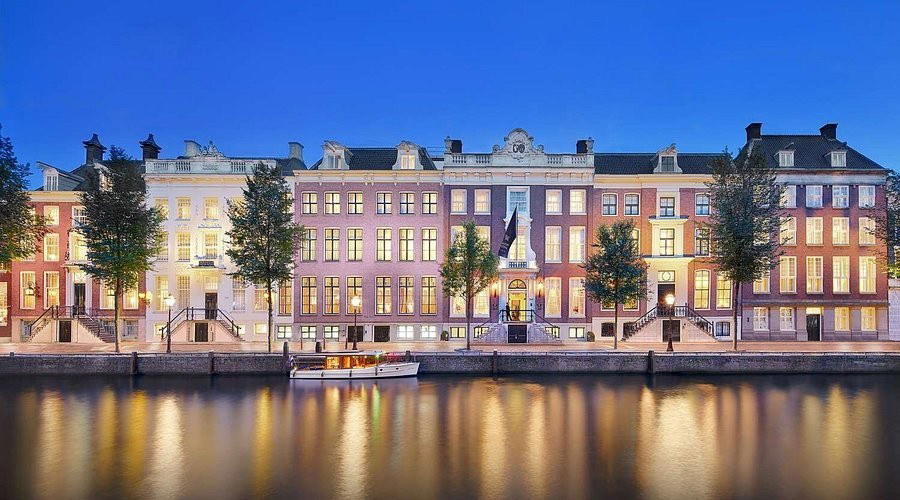
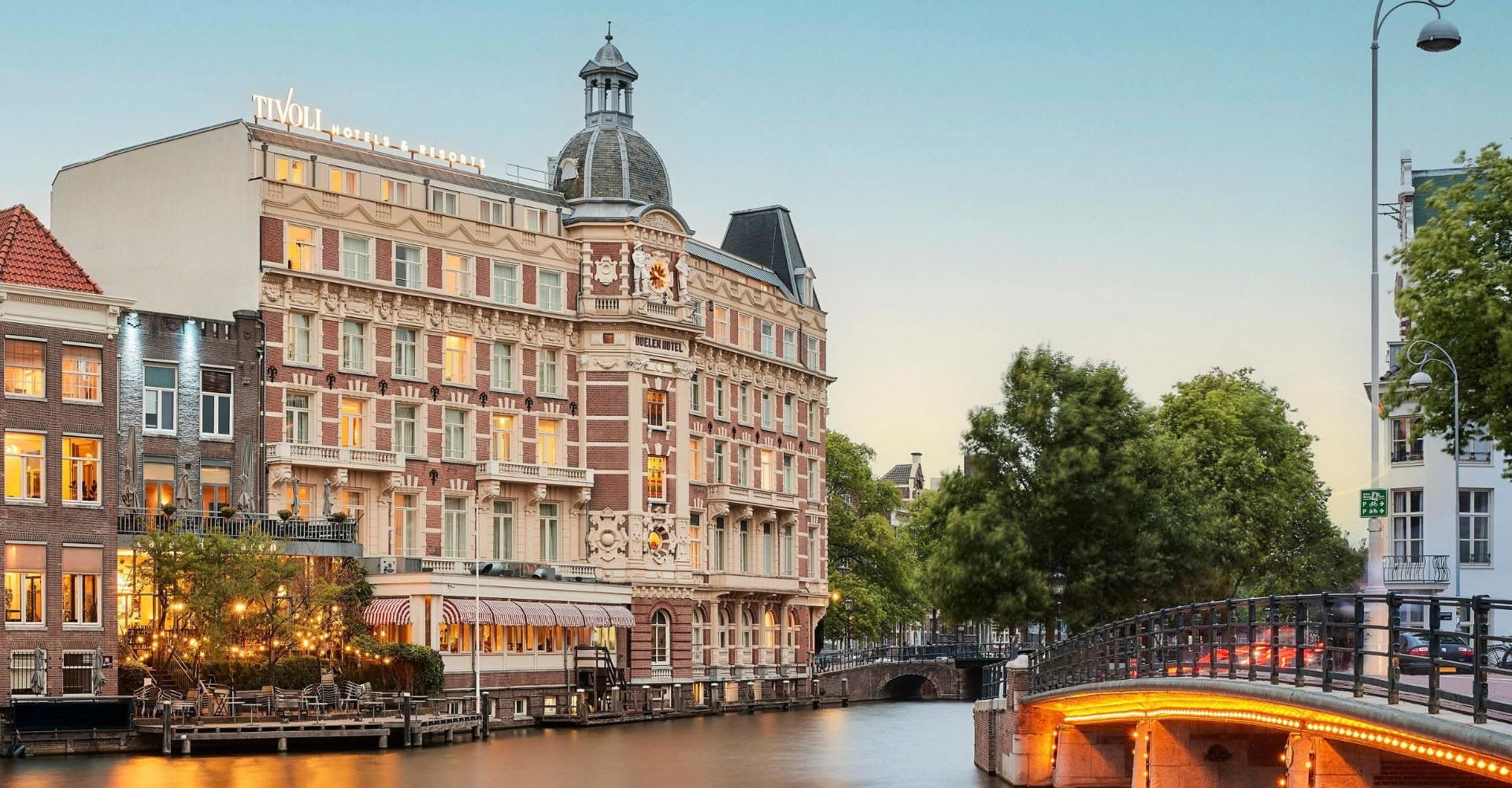
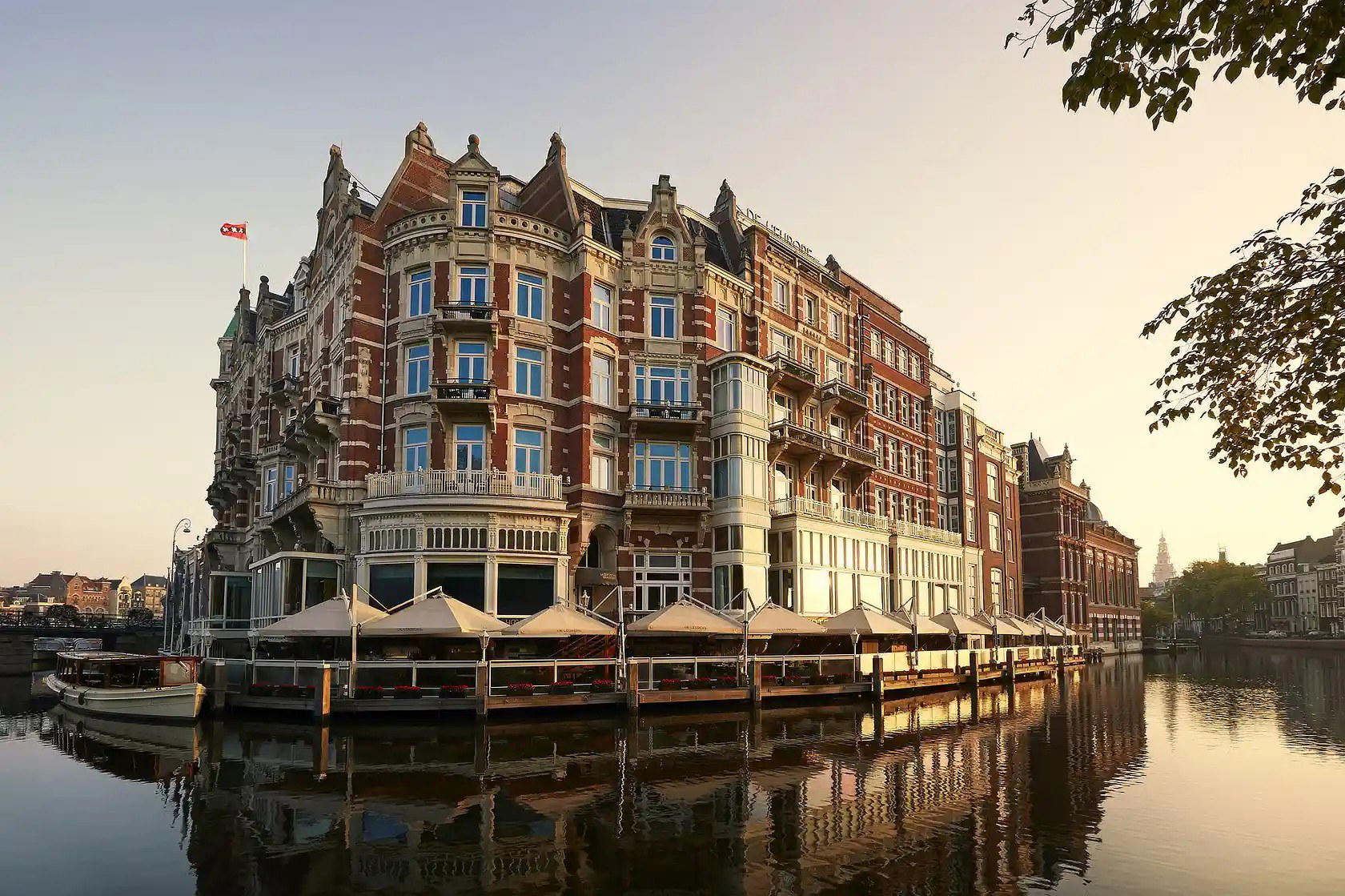
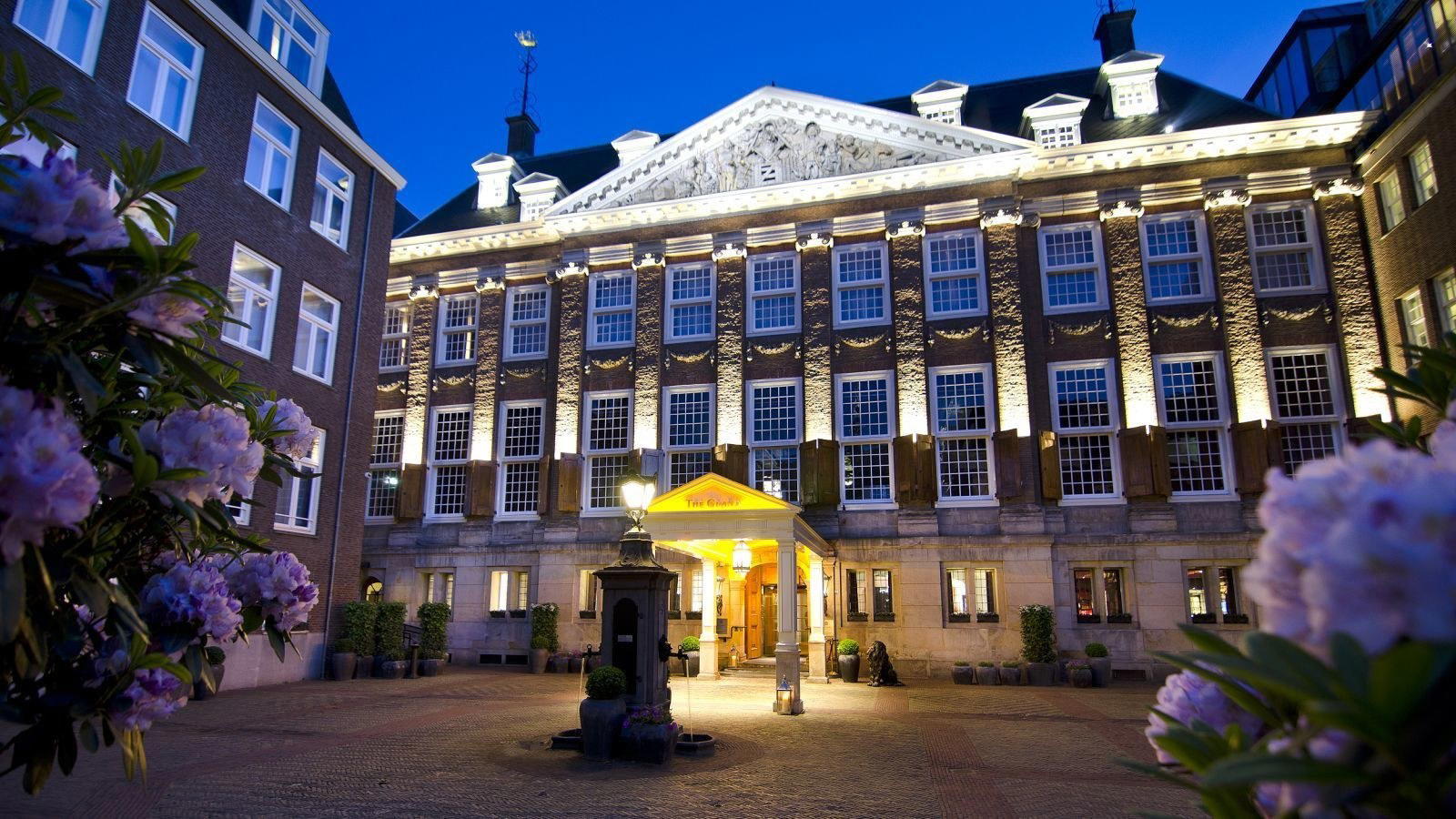
Wineries in Amsterdam
Browse all →
At a Glance
- Intimate
- Elegant
- Modern
- Sophisticated
- Date Night
- Special Occasion
- Business Dinner
- Open Kitchen
- Chefs Counter
- Extensive Wine List
- Sommelier Led
Current opening hours
- Monday
- Closed
- Tuesday
- 6:30–9 PM
- Wednesday
- 6:30–9 PM
- Thursday
- 6:30–9 PM
- Friday
- 12–2 PM, 6:30–9 PM
- Saturday
- 12–2 PM, 6:30–9 PM
- Sunday
- Closed
Hours can change for holidays and private events. Last verified .
Intimate and luxurious with warm, minimalistic decor, soft jazz/chill-out music, and a theatrical open kitchen that draws focus to the meticulous food preparation.