




Among Madrid's small but serious Japanese dining tier, Sen Omakase in Chamartín delivers a kaiseki-influenced omakase of over 35 courses across four architecturally distinct spaces, from a garden-style reception corridor to a traditional tea room and cocktail bar. Ranked 348th in Opinionated About Dining's 2025 Top Restaurants in Europe, it holds. Single-menu format; Tokyo and Kyoto-trained kitchen.
Pearl is the En Primeur Club membership app — saves, bookings, and concierge access live there. Same editors, same standards.
- Address
- C. de Sta. María Magdalena, 14, Chamartín, 28016 Madrid, Spain
- Phone
- +34 915 44 07 98
- Website
- senomakase.com
- Directions
- Get directions
 Saves & bookings on Pearl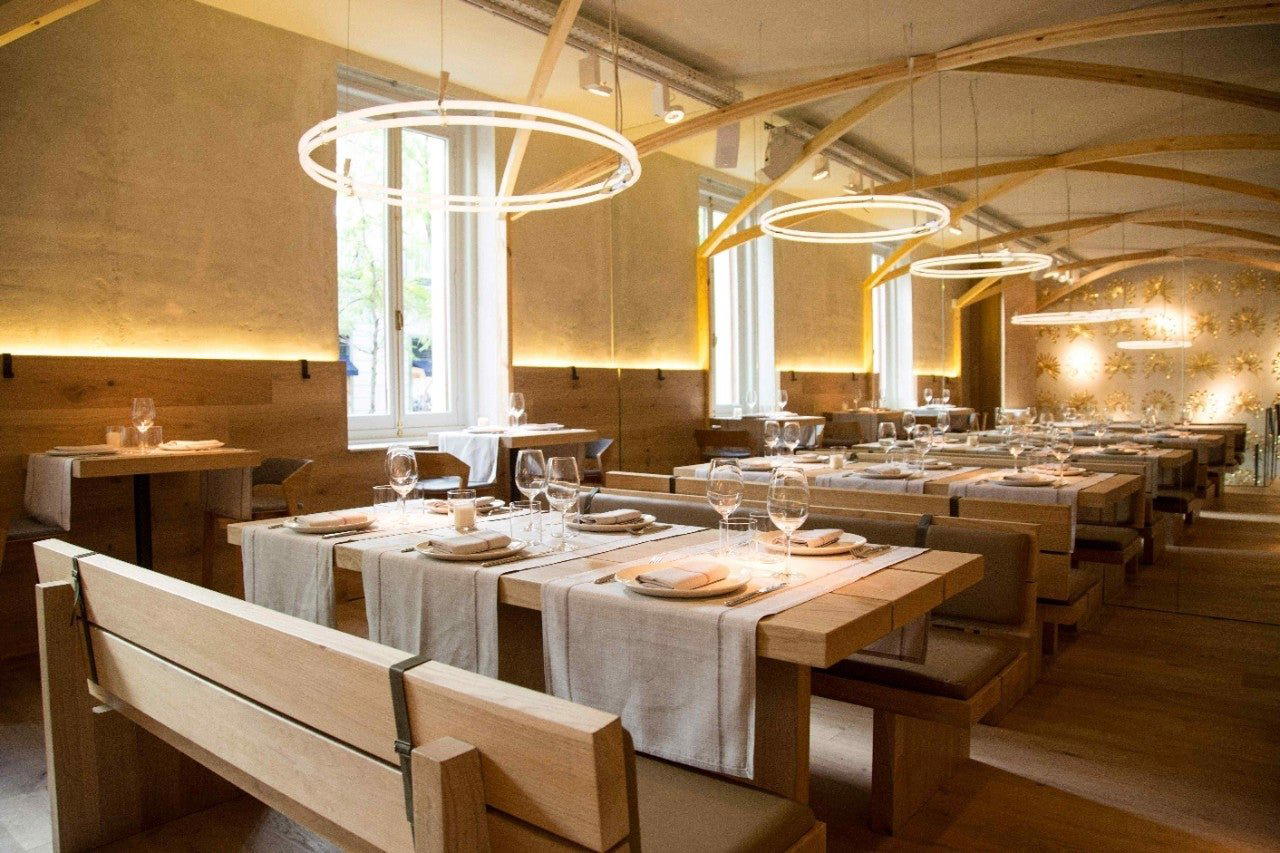
Four Rooms, One Menu, No Alternatives
The sequence begins before you sit down. At Sen Omakase, guests move through a corridor designed to evoke seasonal change, foliage, light, and material cues shifting as you pass, before arriving at the counter. That spatial preamble is not decorative; it signals the logic of what follows. The entire experience is structured around ma, the Japanese concept of meaningful interval, applied here to architecture as much as to cooking. Sen Omakase is a one-Michelin-star Japanese Kaiseki Omakase restaurant in Madrid, priced at €€€€. In a city where the €€€€ tier skews heavily toward Spanish creative tasting menus, think Yugo The Bunker, DiverXO, Smoked Room, and Coque, Sen Omakase occupies a distinct position: a kaiseki-influenced Japanese counter with no à la carte option, no abbreviated format, and no path through the evening other than the one the kitchen decides.
The four spaces that structure the visit, garden corridor, dining counter, tea room, cocktail bar, are not merely different rooms. Each carries its own sensory register and purpose. The tea room hosts what the venue describes as an ancestral ceremony, a formal tea service that breaks the meal's momentum deliberately. The cocktail bar, with its Japanese pop soundtrack, operates as a deliberate decompression zone. Guests who have returned multiple times consistently cite this architectural sequencing as the experience's organizing principle: the food is the argument, but the rooms are the grammar.
Where Sen Omakase Sits in Madrid's Japanese Tier
Madrid's Japanese restaurant scene has deepened considerably over the past decade. The city now supports a range of formats from accessible ramen and izakaya counters through to multi-course omakase in the upper price band. The restaurant operates at the latter end, priced at €€€€ and sitting alongside venues like Ebisu by Kobos, Hotaru Madrid, Ikigai Flor Baja, and Ikigai Velázquez in the city's serious Japanese tier.
What separates it from those peers is less about price than about format scope. Thirty-five-plus courses across multiple rooms with a formalised tea ceremony is a longer, more structured proposition than most Madrid Japanese counters offer. That format depth places the restaurant closer to the kaiseki tradition practised at counters in Kyoto than to the abbreviated omakase formats common in European capitals. For context on what that Japanese training background produces at its reference level, Myojaku in Tokyo and Azabu Kadowaki in Tokyo represent the tradition the restaurant draws from.
Opinionated About Dining's 2025 ranking places the restaurant 348th among European restaurants.
The Kaiseki Framework and Why It Matters Here
Kaiseki is not simply a long Japanese meal. It is a codified sequence rooted in Buddhist temple cuisine, later refined through the tea ceremony tradition, and now expressed in its most elaborate form as a seasonal tasting format in which each course addresses a specific preparation method. The five canonical cooking methods, raw, steamed, simmered, grilled, and fried, in their classical Japanese articulations, are meant to appear across the sequence in deliberate balance. The restaurant's kitchen works within this framework, applying it to ingredients sourced with seasonal intent.
The practical implication for the diner is that the menu changes in response to what is available rather than what is commercially convenient. Guests who return across different seasons are, in effect, eating a different argument each time. This is the primary driver of repeat visits at kaiseki counters globally, and it applies here: the structure stays constant, the content rotates. For a comparative picture of how Spain's leading tasting-menu restaurants handle seasonal sourcing at the three- and four-Michelin-star level, El Celler de Can Roca in Girona, Arzak in San Sebastián, Quique Dacosta in Dénia, Azurmendi in Larrabetzu, Aponiente in El Puerto de Santa María, and Disfrutar in Barcelona each handle the question differently, but all share the same underlying logic: the tasting menu earns its price by demonstrating that seasonal constraint produces better cooking than year-round consistency.
What Regulars Return For
The editorial angle here is not the first visit. First-timers come for the counter format and the concept. Returning guests come for something narrower: to see what the season has produced and how the kitchen has answered it. At a 35-plus course counter, the individual dish is rarely the revelation. The revelation is cumulative: the point at which the sequence's internal logic becomes legible, usually somewhere in the middle third of the meal.
Tea ceremony room functions as a structural pivot in that sequence. Guests who have experienced kaiseki in Kyoto will recognise the role: a deliberate pause that resets the palate and recalibrates attention before the meal's final movement. Those encountering it for the first time often describe it as the moment the evening's register shifted. The cocktail bar, by contrast, is the menu's afterword, optional, lighter, and designed for guests who want to extend the evening on their own terms rather than on the kitchen's schedule.
Chef Steven Wu's training across Tokyo and Kyoto-based restaurants provides the technical framework here. That dual-city background is relevant: Tokyo's kaiseki tradition skews toward precision and theatricality; Kyoto's emphasises restraint and ingredient deference. Both currents are present in the format at the restaurant, which applies innovation within the kaiseki structure rather than departing from it.
Planning Your Visit
The restaurant is in Chamartín, the northern residential district of Madrid, at C. de Sta. María Magdalena, 14. The neighbourhood sits outside the central dining cluster around Malasaña, Chueca, and Salamanca, which means the venue draws a deliberately committed audience rather than passing trade.
| Venue | Format | Price tier | Location | Courses |
|---|---|---|---|---|
| The restaurant | Single omakase menu, multi-room | €€€€ | Chamartín | 35+ |
| Ikigai Flor Baja | Omakase counter | €€€€ | Centro | Not specified |
| Ikigai Velázquez | Omakase counter | €€€€ | Salamanca | Not specified |
| Ebisu by Kobos | Japanese tasting menu | €€€€ | Salamanca | Not specified |
| Hotaru Madrid | Japanese counter | €€€€ | Centro | Not specified |
The single-menu format means dietary requirements must be communicated at booking. Given the 35-plus course sequence, late-stage requests are not practically accommodated. Book with sufficient lead time; counters of this format in European capitals typically fill two to four weeks ahead for prime weekend slots.
The Essentials
Comparable venues nearby, for context on price, style, and recognition.
| Venue | Cuisine | Price | Notes |
|---|---|---|---|
| Sen OmakaseThis venue — the venue you are viewing | Nueva Espana, Japanese Kaiseki Omakase | $$$$ | Not listed |
| Yugo The Bunker | Not listed | $$$$ | Barrio de las Letras, Michelin-Starred Japanese Haute Cuisine |
| Toki | Chueca, Modern Japanese Omakase | $$$$ | Not listed |
| Ricardo Sanz Wellington | Not listed | $$$$ | Recoletos, Modern Japanese Omakase with Mediterranean Fusion |
| OSA | Not listed | $$$$ | Casa de Campo, Modern Spanish Fine Dining |
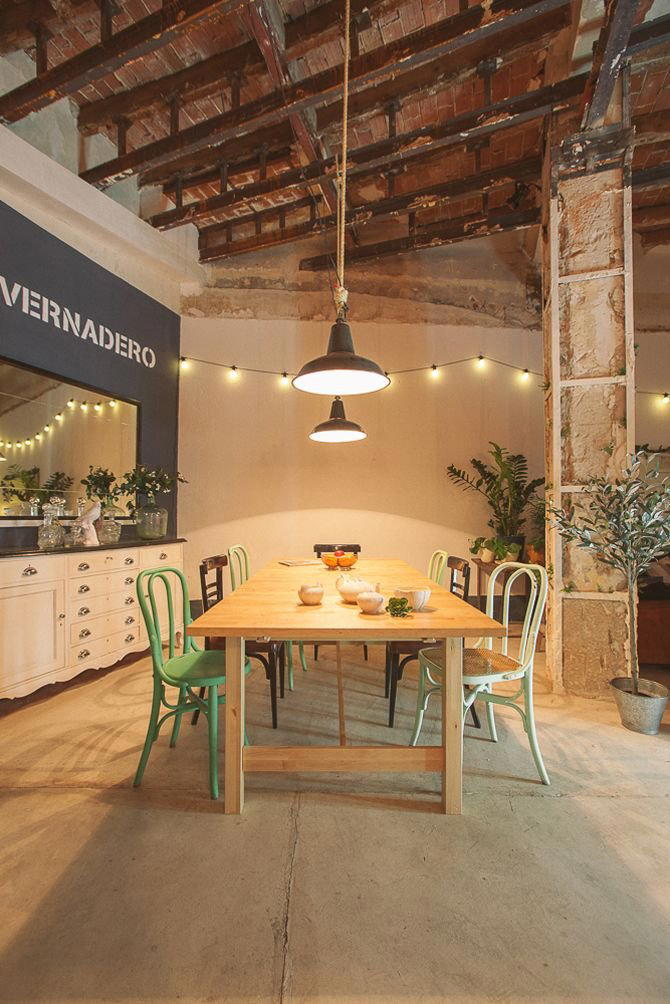
| El Invernadero | Not listed | $$$$ | Rios Rosas, Modern Vegetable-Focused Spanish Fine Dining |
Recognition history
Dated appearances from independent guides and award organizations, with the underlying list record or original source where available.
Falstaff Restaurant - 97 Falstaff Points
Falstaff
Guía Repsol 1 Sol
Guía Repsol
Macarfi 8.3 Food Rating
Macarfi
Michelin 1 Star
Michelin
Opinionated About Dining Top Restaurants in Europe Recommended
Opinionated About Dining
Michelin 1 Star
Michelin
Opinionated About Dining Top Restaurants in Europe Ranked #348
Opinionated About Dining
Michelin 1 Star
Michelin
Continue exploring
More in Madrid
Restaurants in Madrid
Browse all →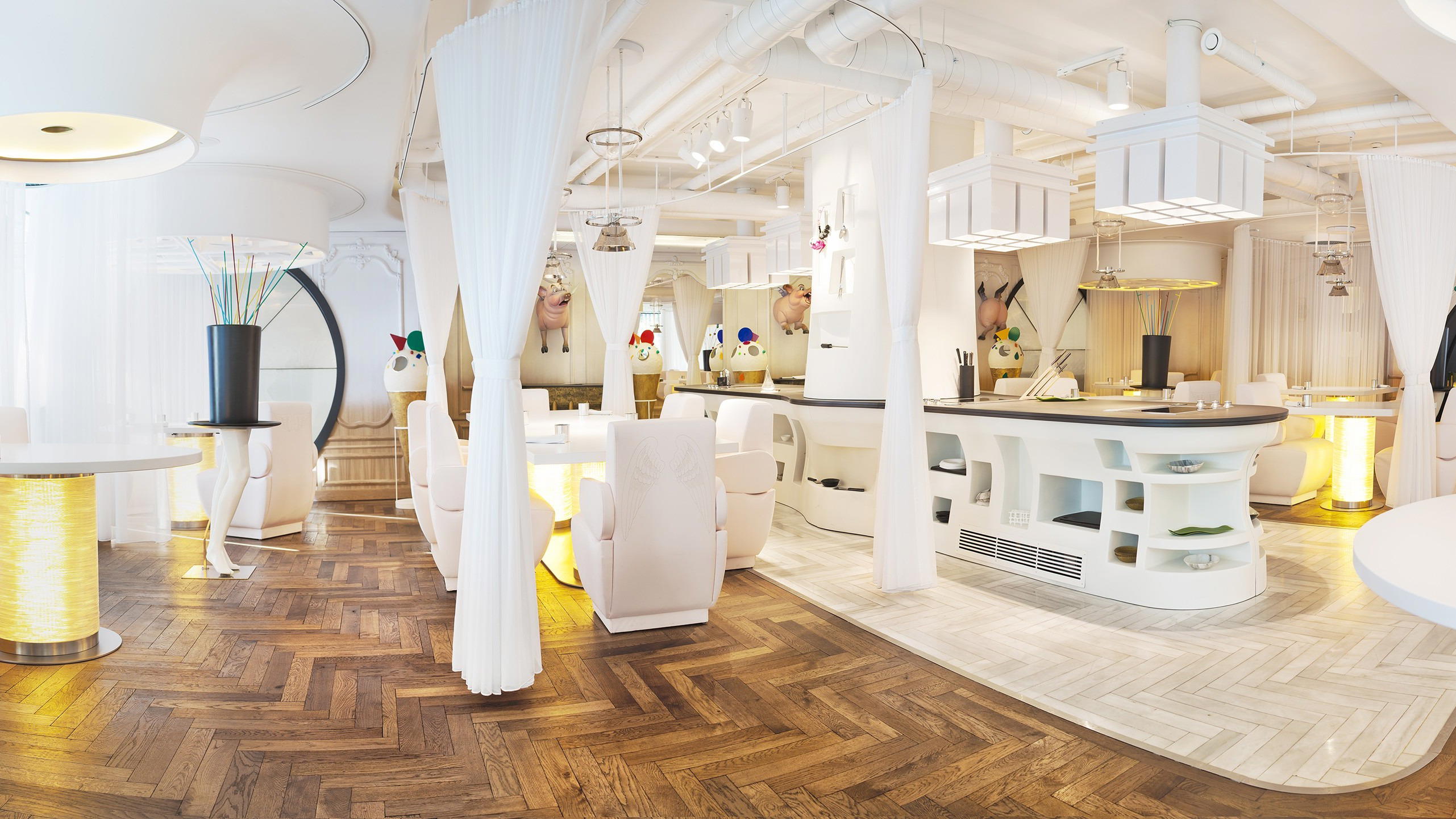
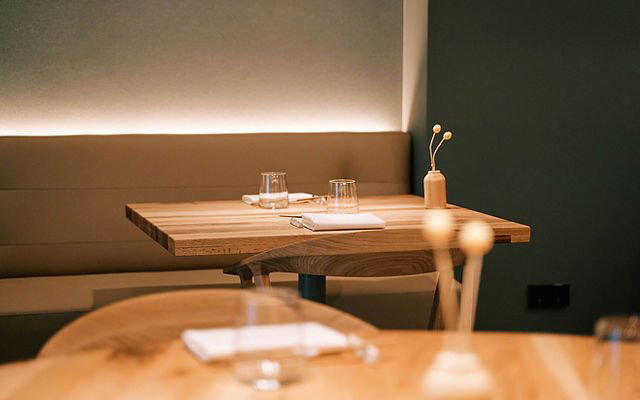
Bars in Madrid
Browse all →
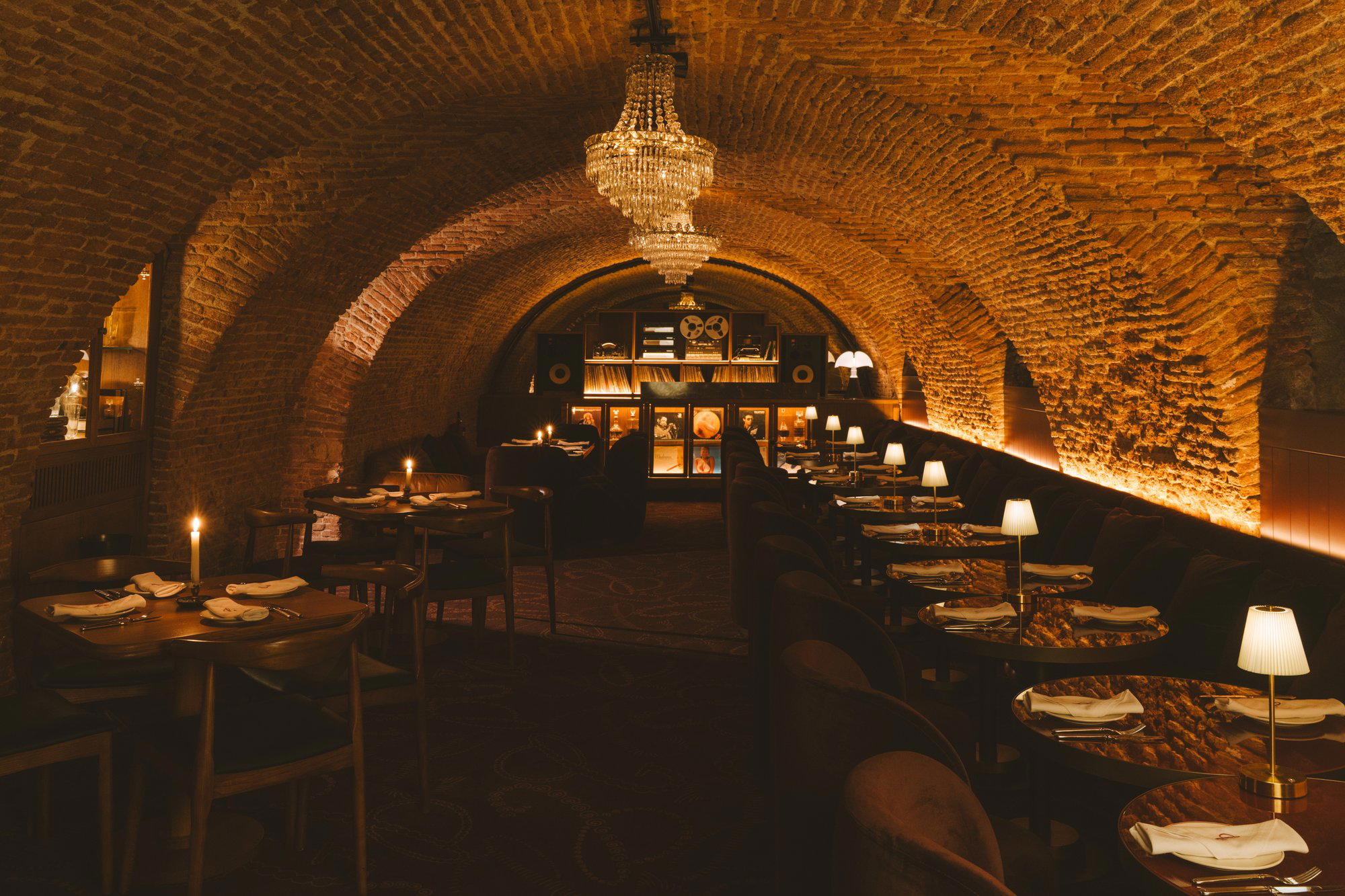
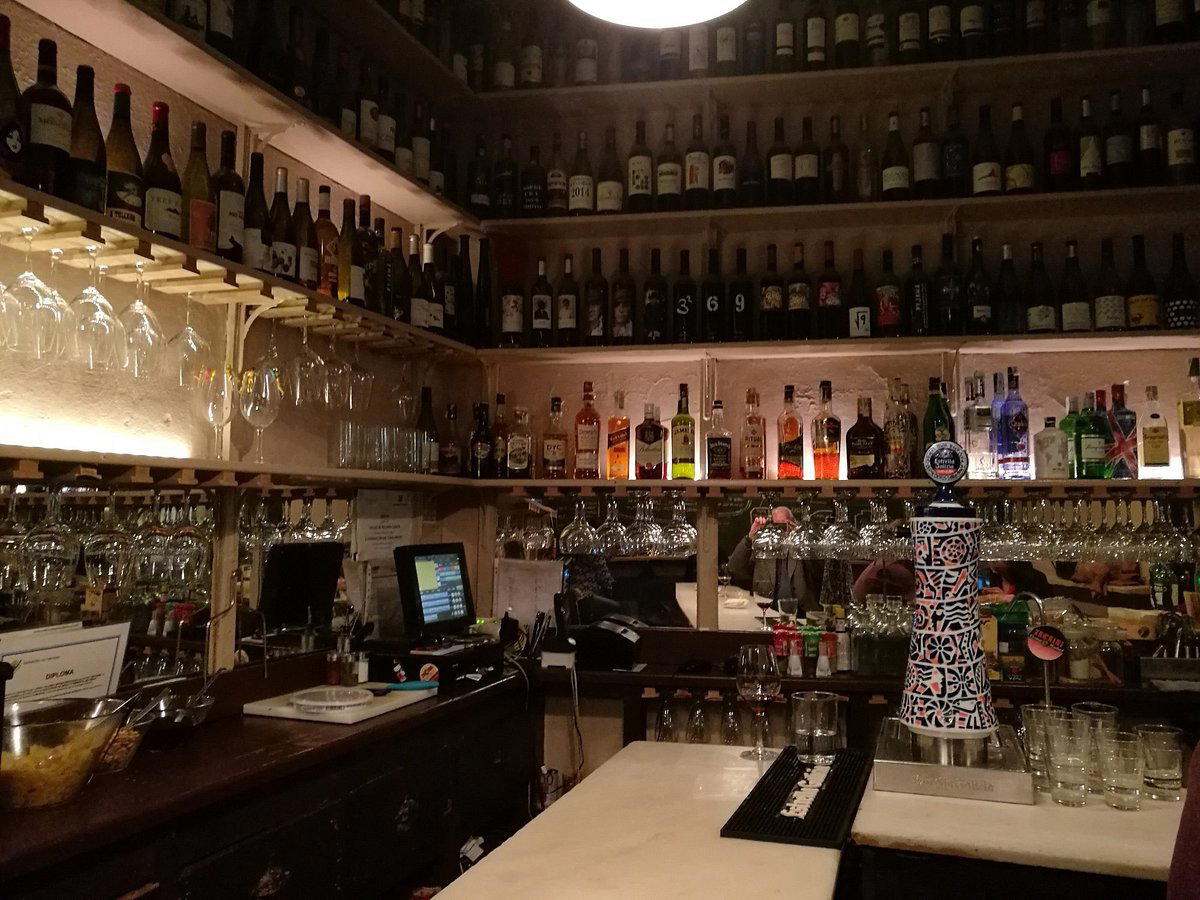
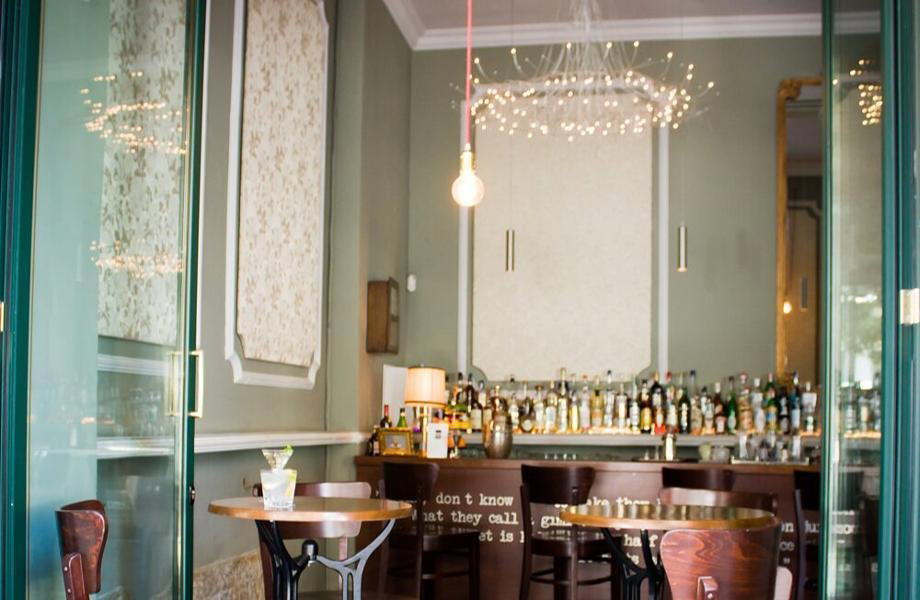
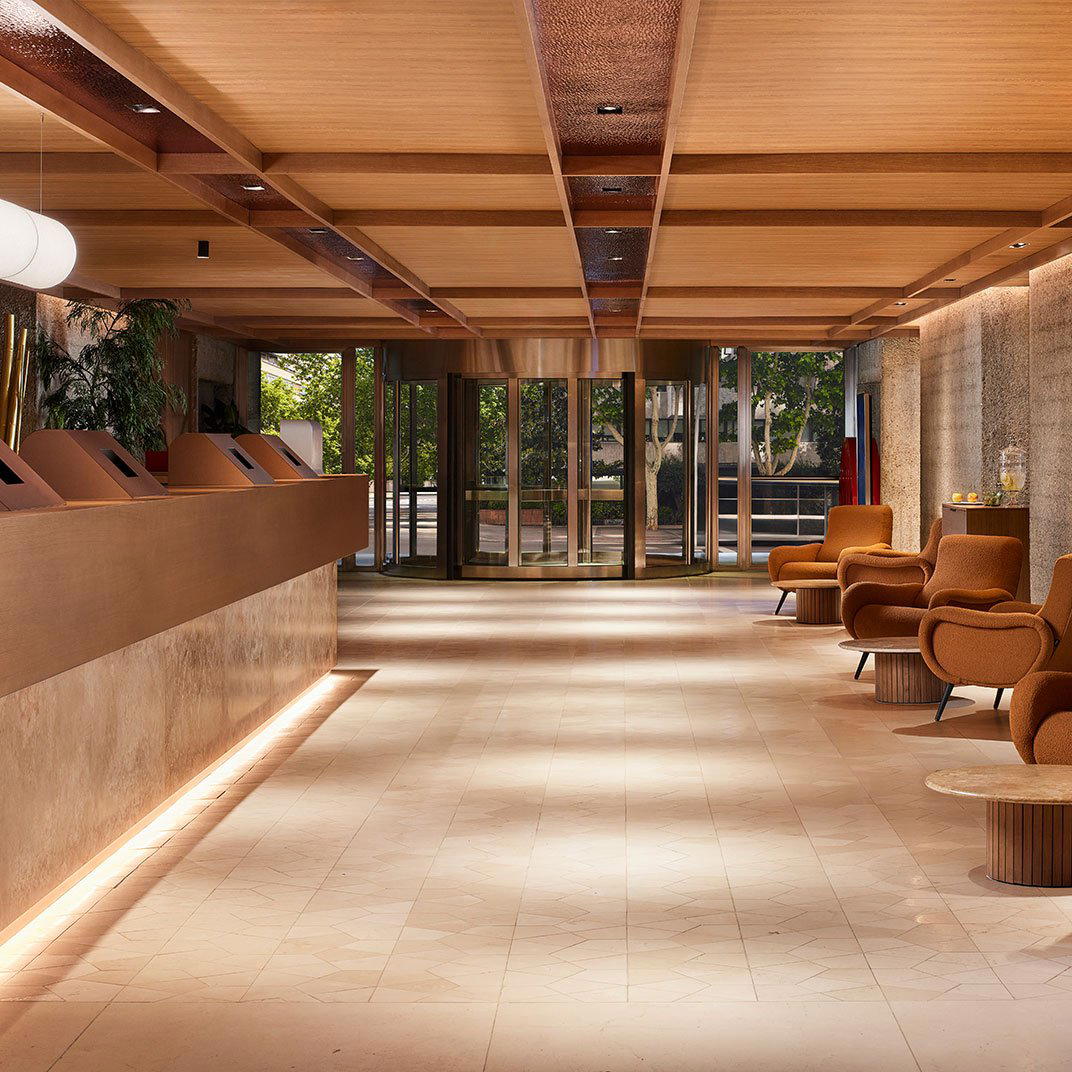
Hotels in Madrid
Browse all →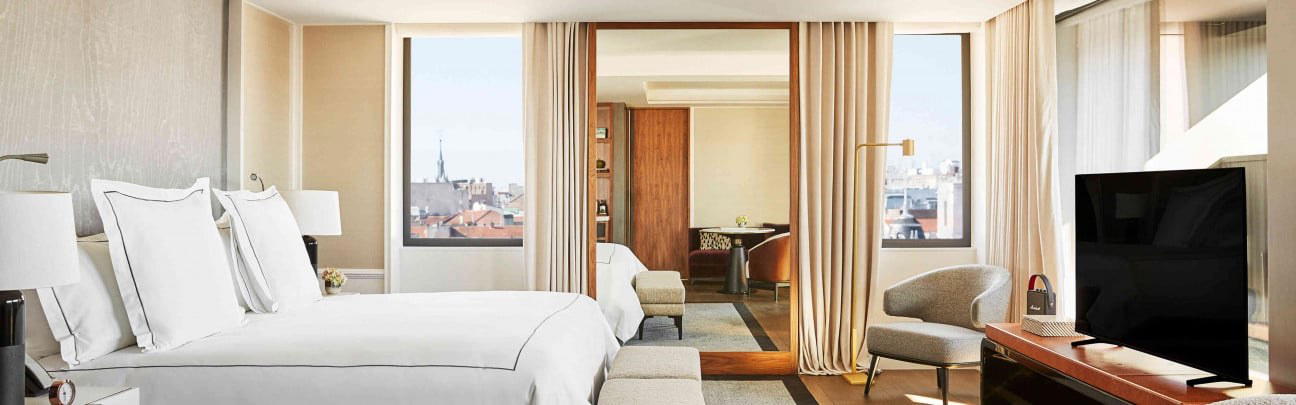


At a Glance
- Elegant
- Intimate
- Sophisticated
- Date Night
- Special Occasion
- Chefs Counter
- Open Kitchen
- Sake Program
- Extensive Wine List
Current opening hours
- Monday
- Closed
- Tuesday
- 1:45–6 PM, 8:45 PM–12 AM
- Wednesday
- 1:45–6 PM, 8:45 PM–12 AM
- Thursday
- 1:45–6 PM, 8:45 PM–12 AM
- Friday
- 1:45–6 PM, 8:45 PM–12 AM
- Saturday
- 1:45–6 PM, 8:45 PM–12 AM
- Sunday
- Closed
Hours can change for holidays and private events. Last verified .
Soft, serene atmosphere transitioning through garden corridor, Japanese counter, tea room, and cocktail bar with seasonal immersion and meticulous detail.