.png)

In La Latina's Cebada market district, Ebisu by Kobos runs a single omakase counter that holds a 2025 Michelin Plate and ranks #485 in Opinionated About Dining's Europe list. Chef José Kobos Cortés trained for a year in Japan under Norihito Endo and frames his seasonal Japanese technique through Spanish produce, opening each service by showing guests the fish he will work with that evening.
Pearl is the En Primeur Club membership app — saves, bookings, and concierge access live there. Same editors, same standards.
- Address
- Calle de Luciente, 14, Centro, 28005 Madrid, Spain
- Website
- ebisubykobos.com
 Saves & bookings on Pearl
A Sushi Counter in the Heart of La Latina
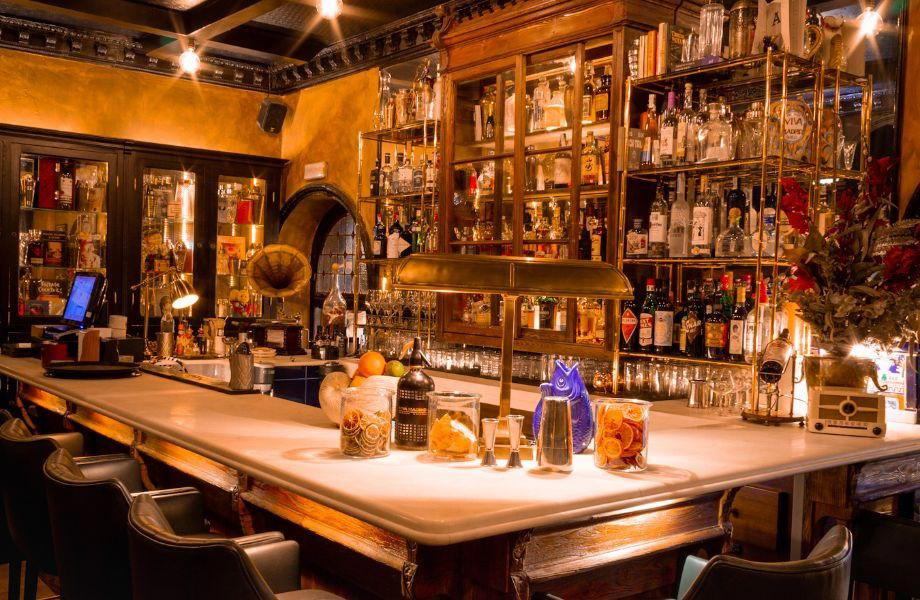
La Latina is primarily Madrid's neighbourhood for tabernas, vermouth bars, and plates of braised offal served at marble-topped counters. It is not, on the surface, obvious terrain for Japanese omakase. Yet that gap between expectation and reality is precisely what gives Ebisu by Kobos its peculiar authority. A few metres from the Mercado de La Cebada, one of Madrid's working covered markets, where fish and meat still move on the basis of local supply, Chef José Kobos Cortés operates one of the city's quieter and more technically serious Japanese restaurants. The setting is unpretentious, the format stripped back, and the menu a single omakase that follows the seasons rather than a fixed programme. It is a strong counter-argument to the idea that serious Japanese dining in Madrid requires a high-design fit-out and a six-month waiting list.
Where Spanish Technique Meets Japanese Training
Spain's Japanese dining scene has expanded considerably over the past decade. Madrid now has a cluster of restaurants working across the Japanese spectrum, from the theatrical kaiseki-adjacent format at Yugo The Bunker to the more casual but precise counter work at Hotaru Madrid. The Ikigai group, with locations at Ikigai Flor Baja and Ikigai Velázquez, has made the case for an Iberian-Japanese crossover style that finds common ground in raw fish and seafood quality. Izariya occupies a more traditional Japanese register. Ebisu by Kobos fits into this scene as one of the more rigorously trained operations: Kobos Cortés spent a year working in Japan under Norihito Endo, a lineage that matters when assessing the technical floor of the omakase.
The editorial angle is not simply a Spanish chef doing Japanese food. The more instructive frame is regional technique. Japan's two dominant sushi traditions pull in opposite directions. Kanto-style sushi, rooted in Tokyo's Edo tradition, favours firmer, cooler rice seasoned with sharper vinegar, and a more direct relationship between fish and rice with minimal elaboration. Kansai-style work, originating in Osaka and the surrounding region, tends toward warmer, softer rice, more pronounced seasoning, and a greater willingness to manipulate the ingredient, pressing, marinating, cooking lightly, before service. What Ebisu by Kobos offers is training that passed through Japan's professional system via Norihito Endo, and the resulting approach shows in the rice: described consistently as well-balanced and superbly executed, which points toward a considered position between the two regional poles rather than a dogmatic commitment to either. For diners approaching Madrid's Japanese restaurants with an interest in technique rather than just product, that training signal matters.
The Omakase Format and What It Demands
Omakase formats have become something of a standard for serious Japanese restaurants operating outside Japan, but the word covers a wide range of experiences. At its most disciplined, omakase means the chef determines each piece based on what arrived that day, how each fish is aging, and how the progression of the meal should build. At its most commercial, it simply means a fixed tasting menu with a Japanese accent. Ebisu by Kobos operates toward the former end of that spectrum. A consistent ritual opens the service: Kobos Cortés shows guests the fish before beginning, an act that functions as both transparency and framing device. The meal starts with green tea, refilled throughout, which is closer to the pacing logic of a Kyoto kaiseki than the faster tempo of a Tokyo stand-up sushi counter. Everything, the venue is clear, revolves around the sushi bar itself.
This kind of small-counter omakase is a format that rewards patience and focused attention. It is not the place for group celebration meals requiring flexibility and noise. It is closer in spirit to the solo lunch at a counter in Osaka's Namba district than to the theatrical multi-floor dining events that define Madrid's higher-profile fine dining addresses. For reference, the city's ceiling in that theatrical bracket includes the three-Michelin-star progressive-Asian work at DiverXO and the multi-starred Spanish creative formats at houses like Coque and Smoked Room. Ebisu by Kobos carries a 2025 Michelin Plate, recognition of quality without reaching into starred territory, and sits at the top of Madrid's price range (€€€€), which positions it as a serious-intent counter rather than an entry-level omakase.
A ranking of that level among all of Europe's restaurants is a meaningful signal for a restaurant operating without the overhead of a starred hotel or a prime boulevard address.
The Neighbourhood and What It Adds
La Latina's position matters in a specific way. The Mercado de La Cebada a few metres away is a working market, not a tourist attraction. That proximity to actual supply, whole fish, seasonal catch, produce arriving through trade channels rather than premium distributor catalogues, is the kind of logistical detail that affects what a seasonal omakase can actually deliver. Madrid's best-resourced Japanese restaurants source fish through specialist importers who fly product from Tsukiji and Toyosu markets in Tokyo. Ebisu by Kobos's location suggests an additional layer: the possibility of Spanish-caught fish that performs well in a Japanese technical framework. Atlantic bluefin tuna, Galician percebes, and the seasonal movement of Spain's southern and Atlantic catches are not afterthoughts for a counter that has positioned itself on seasonal discipline.
For guests visiting Madrid across a broader itinerary that includes the country's wider fine dining circuit, the context extends well beyond the city. Spain's top-end restaurant culture includes the long-form Basque work of Arzak in San Sebastián and Martin Berasategui in Lasarte-Oria, the Catalan ambition of El Celler de Can Roca in Girona and Cocina Hermanos Torres in Barcelona, the ecological precision of Aponiente in El Puerto de Santa María, and the Basque country's Azurmendi in Larrabetzu. Against that backdrop, Ebisu by Kobos offers a distinctly different register: smaller, quieter, technically Japanese in orientation, and grounded in a neighbourhood that has nothing to prove to international restaurant tourism.
Planning a Visit
Ebisu by Kobos is located at Calle de Luciente, 14, in the Centro district of Madrid (postal code 28005), placing it within walking distance of La Latina metro station and the Cebada market. The venue operates at the €€€€ price tier, with omakase priced at about $185 per person. Given the small-counter format, booking in advance is advisable, particularly for evening slots when the seasonal fish programme draws repeat visitors. The restaurant holds a Google rating of 4.8 from 138 reviews.
Style and Standing
Comparable venues nearby, for context on price, style, and recognition.
| Venue | Cuisine | Price | Awards | Notes |
|---|---|---|---|---|
| Ebisu by KobosThis venue — the venue you are viewing | Edo-style Omakase Sushi | $$$$ | Michelin Plate | |
| Kabuki Madrid | Japanese Fusion Sushi | $$$$ | Michelin Plate | Recoletos |
| Kyoshi Las Cortes | Japanese-Spanish Fusion Sushi | $$$ | Michelin Plate | Barrio de las Letras |
| Hotaru Madrid | Contemporary Japanese Sushi Bar | $$$ | Michelin Plate | Recoletos |
| Sushi Bar Hannah | Authentic Japanese Omakase and Kaiseki | $$$$ | Michelin Plate | Castellana |
| Sushi Bar Tottori | Modern Japanese Omakase | $$$$ | Michelin Plate | Recoletos |
At a Glance
- Intimate
- Elegant
- Sophisticated
- Date Night
- Special Occasion
- Chefs Counter
- Sake Program
- Sommelier Led
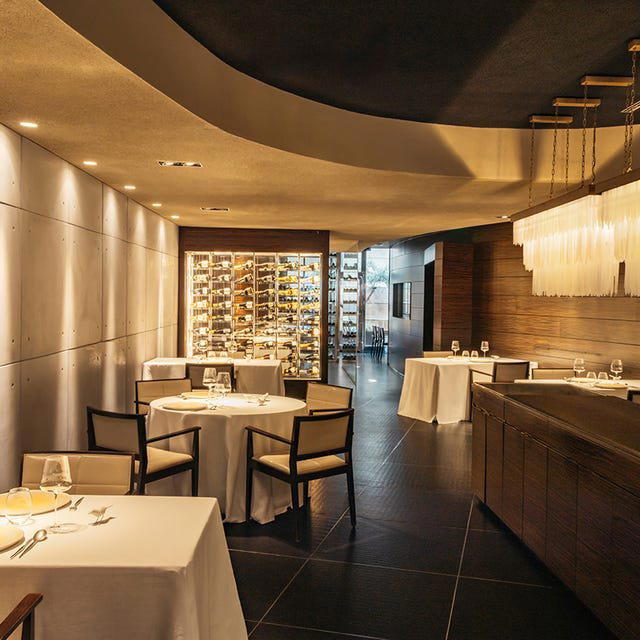
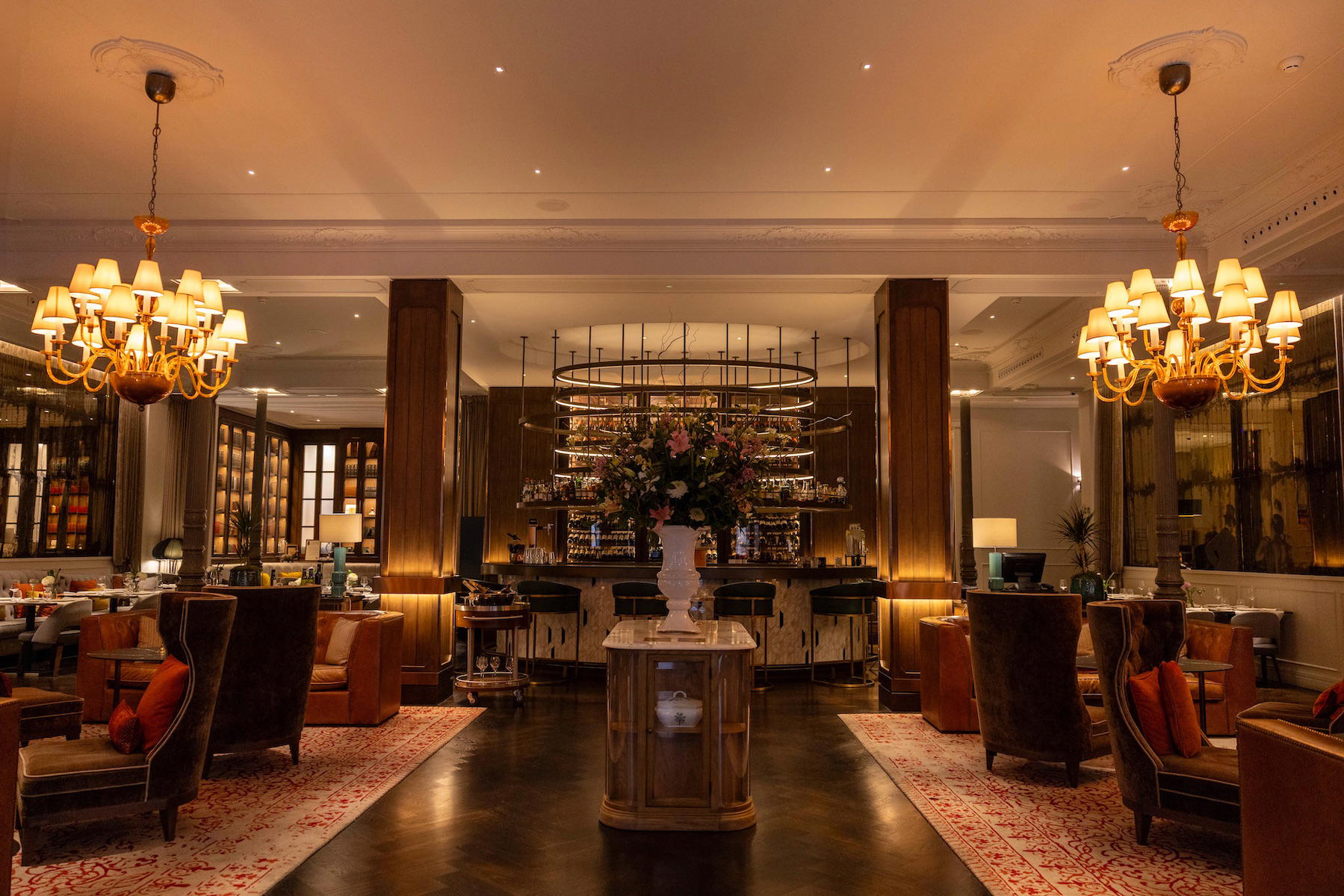
Unpretentious atmosphere centered around a small sushi bar with careful technique and refined simplicity.