


Michelin Plate · Falstaff Restaurant - 92 Falstaff Points · Macarfi 7.5 Food Rating
Our verdict
Ikigai Flor Baja holds a 2025 Michelin Plate for Japanese cooking that pulls from traditional technique while threading in French and Spanish influences. The à la carte runs alongside an omakase option, spanning classic and fusion nigiri, temaki, and standout dishes like white prawns with garlic. Priced at €€€, it sits in Madrid's mid-to-upper Japanese tier with a notably informal room.

Pearl is the En Primeur Club membership app — saves, bookings, and concierge access live there. Same editors, same standards.
- Address
- C. de la Flor Baja, 5, Centro, 28013 Madrid, Spain
- Phone
- +34 916 22 63 74
- Hours
- Mon ClosedTue 8:30–11:30 PMWed–Sat 1:30–4 PM, 8:30–11:30 PMSun 2–4 PM
- Website
- restauranteikigai.com
- Directions
- Get directions
- Booking
- Book on CoverManager
The menu
What to order
- White prawns with garlic
- Spicy tuna with marrow flan
- Temaki
- Nigiri
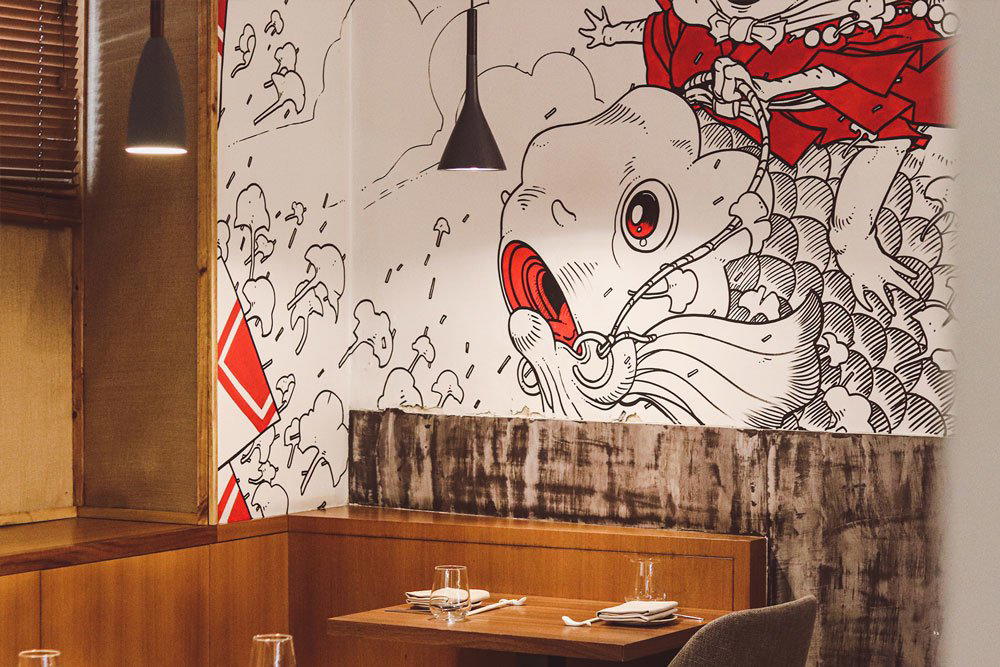
A Room That Earns Its Informality
On Calle de la Flor Baja, a short street that connects the Gran Vía end of Madrid's Centro district to the quieter blocks beyond, the dining rooms that draw the most sustained attention tend to be small, deliberate, and somewhat indifferent to spectacle. Ikigai Flor Baja follows that pattern. The setting is informal in the specific way that technically accomplished restaurants sometimes allow themselves to be: the food carries enough weight that the room does not need to perform. Where Madrid's upper tier of Japanese dining often signals seriousness through austere interiors and ceremonial service rhythms, Flor Baja takes a lighter register — which makes the cooking's precision land with more contrast when it arrives at the table.
That contrast between relaxed surroundings and technical discipline is worth understanding as a context, not just a style choice. Madrid's Japanese restaurant scene has matured over the past decade into something with distinct tiers. At the leading sit the omakase-format counters with chef's-table pricing and booking windows that stretch months ahead. Below that, a mid-to-upper tier has developed around restaurants that offer both structured and à la carte formats, hold Michelin recognition, and operate at a price point — here, €€€, that places them above casual sushi but short of the full counter-service commitment. Ikigai Flor Baja sits in that second tier with a 2025 Michelin Plate, a recognition that marks consistent, technically accomplished cooking rather than experimental boundary-pushing.
What the Michelin Plate Signals Here
The Michelin Plate, introduced to acknowledge quality cooking that does not yet reach star level, functions as a useful sorting mechanism in a city where Japanese options now range from fast-casual conveyor formats to serious omakase counters. At Flor Baja, the designation tracks with what the menu actually does: it draws from Japanese tradition with enough fluency to satisfy purists on the classic nigiri and temaki, while the fusion strand, French and Spanish technique woven into the Japanese framework, gives the kitchen a second register to work in.
That fusion approach is worth examining as a broader phenomenon. In cities like Madrid, where Japanese cuisine has arrived and evolved in proximity to a strong indigenous food culture, some kitchens resist cross-pollination entirely, treating Japanese technique as something that must be preserved in isolation. Others absorb local ingredients or methods in ways that read as gimmick. The version at Flor Baja, according to Michelin's own framing, manages something more considered: the Japanese cooking borders on traditional while the French and Spanish influences arrive as genuine surprise rather than superficial decoration. White prawns with garlic, a preparation that speaks directly to Spanish coastal tradition, and spicy tuna with a marrow flan are the cited highlights, each representing one of those two registers clearly.
For comparison, the broader Madrid fine dining tier operates at a different scale and ambition. Places like Yugo The Bunker approach Japanese and fusion cooking with a more theatrical format, while the city's Spanish creative kitchens, from the three-Michelin-starred DiverXO to two-star operations like Coque and Deessa, work at €€€€ price points with corresponding structural ambition. Flor Baja's €€€ position and informal frame make it a different proposition, not a lesser one.
Reading the Menu
The format is dual-track. Guests can order à la carte from a selection that spans starters, temaki, and nigiri across both classic and fusion columns, or commit to the omakase option, which hands sequencing and selection to the kitchen. The omakase path is the logical choice for first-time visitors who want to understand how the kitchen thinks: the progression from traditional forms to the fusion departures tends to be more legible when the kitchen controls the pacing.
The à la carte works well for tables that want to compare the two registers directly, or for guests returning to anchor a meal around specific dishes. The white prawns with garlic and the spicy tuna with marrow flan function as reference points, dishes that show the Spanish and French integration at its most direct. The nigiri selection, both classic and fusion-style, gives a more granular read of the kitchen's technical range on core Japanese forms.
Within Madrid's Japanese tier, Flor Baja sits alongside a peer group that includes Ebisu by Kobos, Hotaru Madrid, and Izariya. The Ikigai name also appears elsewhere in the city: Ikigai Velázquez operates under the same banner in a different neighbourhood, giving the kitchen a second address with its own character. For visitors interested in how Tokyo's own Japanese tradition handles similar technical questions, Myojaku and Azabu Kadowaki provide a useful reference point for where the source tradition sits.
Placing Flor Baja in Madrid's Wider Dining Map
Madrid's restaurant reputation tends to be framed around its Spanish creative output, and with some justification. The city has produced or attracted serious kitchens across the price spectrum, from the €€€€ creative tier down through neighbourhood-level operations with genuine technique. The Japanese segment represents a smaller but increasingly serious strand of that picture.
Spain's broader fine dining context, which includes El Celler de Can Roca in Girona, Arzak in San Sebastián, Azurmendi in Larrabetzu, Martin Berasategui in Lasarte-Oria, Aponiente in El Puerto de Santa María, and Cocina Hermanos Torres in Barcelona, operates at a level of technical ambition that has arguably raised the baseline expectations for serious cooking across the country. That environment provides useful pressure on any kitchen operating at Flor Baja's price tier: the bar for what counts as technically accomplished is set by a national context that takes cooking seriously.
Know Before You Go
- Address: C. de la Flor Baja, 5, Centro, 28013 Madrid, Spain
- Cuisine: Japanese, with French and Spanish fusion elements
- Price range: €€€
- Recognition: Michelin Plate (2025)
- Format: À la carte plus omakase option
- Neighbourhood: Centro, within walking distance of Gran Vía
Frequently asked questions
Does Ikigai Flor Baja have a Michelin star or similar recognition?
Ikigai Flor Baja has received recognition including: Consistent, technically accomplished and high-quality cuisine in an informal setting, where the chef creates Japanese cooking that borders on the traditional while at the same time surprising guests with a fusion of French and Spanish influ….
What should I eat at Ikigai Flor Baja?
The omakase option is the clearest way to read the kitchen's full range on a first visit, moving through both traditional Japanese forms and fusion territory shaped by French and Spanish technique. If ordering à la carte, the white prawns with garlic and the spicy tuna with marrow flan represent the dual registers the kitchen works across: classically grounded on one side, sharply inventive on the other.
Is Ikigai Flor Baja more mid-range or high-end?
Pricing at Ikigai Flor Baja is listed as €€€.
What's Ikigai Flor Baja's location?
Ikigai Flor Baja is located at C. de la Flor Baja, 5, Centro, 28013 Madrid, Spain, Madrid.
Can I walk in to Ikigai Flor Baja?
Walk-in availability at a Michelin Plate restaurant on a busy central Madrid street is not reliable, especially at dinner or on weekends. Booking ahead is the practical approach. The restaurant is at C. de la Flor Baja, 5 in the Centro district, close to Gran Vía.
Cost Snapshot
Comparable options at a glance, pulled from our tracked venues.
| Venue | Cuisine | Price | Awards | Notes |
|---|---|---|---|---|
| Ikigai Flor BajaThis venue — the venue you are viewing | Fusion Japanese Sushi | $50–100 | Michelin Plate · Falstaff Restaurant - 92 Falstaff Points | Not listed |
| DiverXO | Avant-Garde Spanish Tasting Menu | $300–500 | 3 Michelin Stars · World's 50 Best #4 | Progressive - Asian, Creative |
| Deessa | Modern Valencian Fine Dining | $150–200 | 2 Michelin Stars · La Liste Top Restaurants | Modern Spanish, Creative |
| Smoked Room | Modern Japanese Fire Omakase | $200–300 | 2 Michelin Stars · La Liste Top Restaurants | Progressive Asador, Contemporary |
| Coque | Modern Spanish Fine Dining | $300–500 | 2 Michelin Stars · La Liste Top Restaurants | Spanish, Creative |
| Paco Roncero | Avant-Garde Spanish Fine Dining | $150–200 | 2 Michelin Stars · La Liste Top Restaurants | Creative |
Recognition history
Dated appearances from independent guides and award organizations, with the underlying list record or original source where available.
Michelin Plate
Michelin
Falstaff Restaurant - 92 Falstaff Points
Falstaff
Macarfi 7.5 Food Rating
Macarfi
Full recognition history (5 entries)
Michelin Plate
Michelin
Michelin Plate
Michelin
Continue exploring
More in Madrid
Restaurants in Madrid
Browse all →
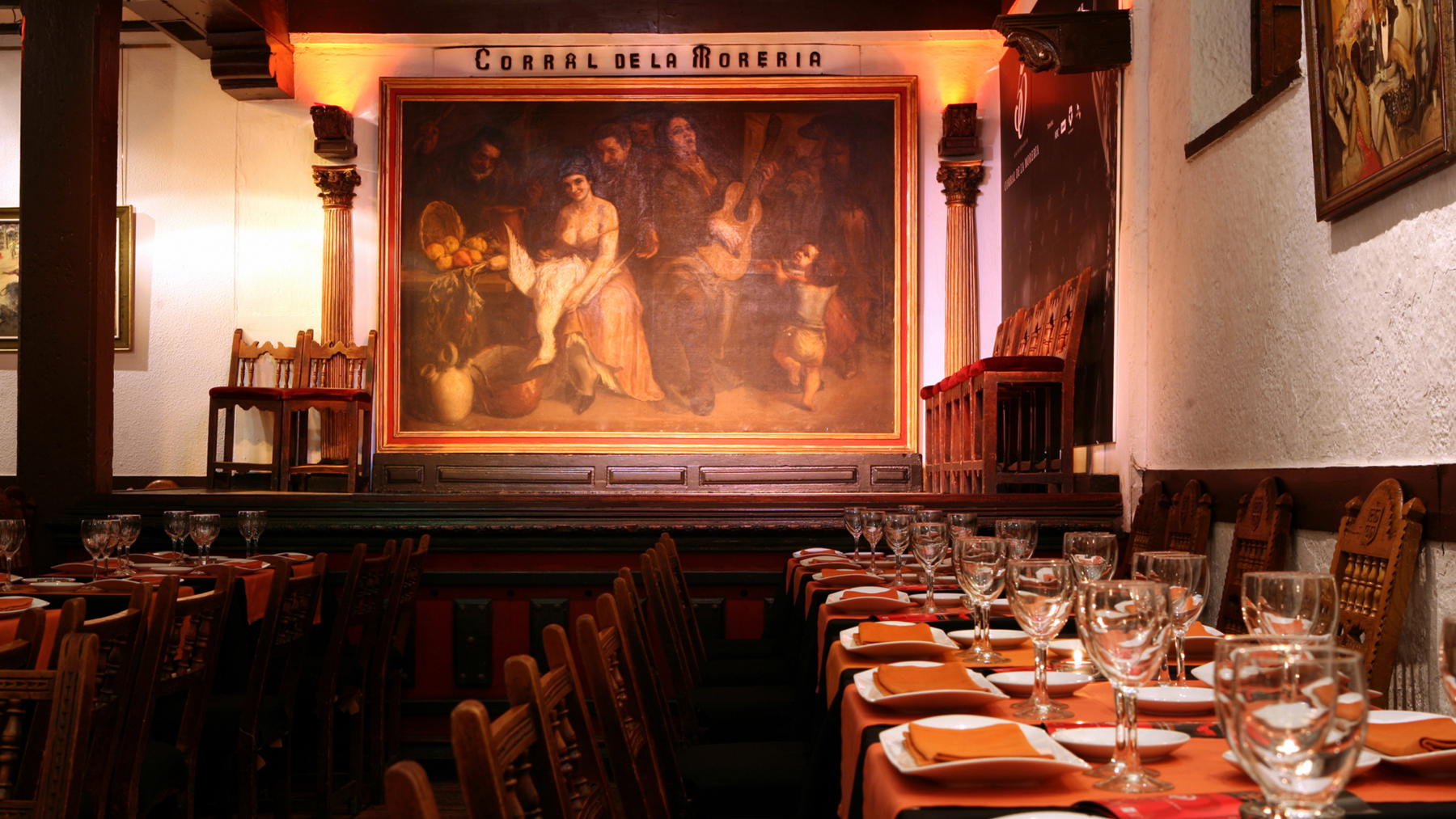
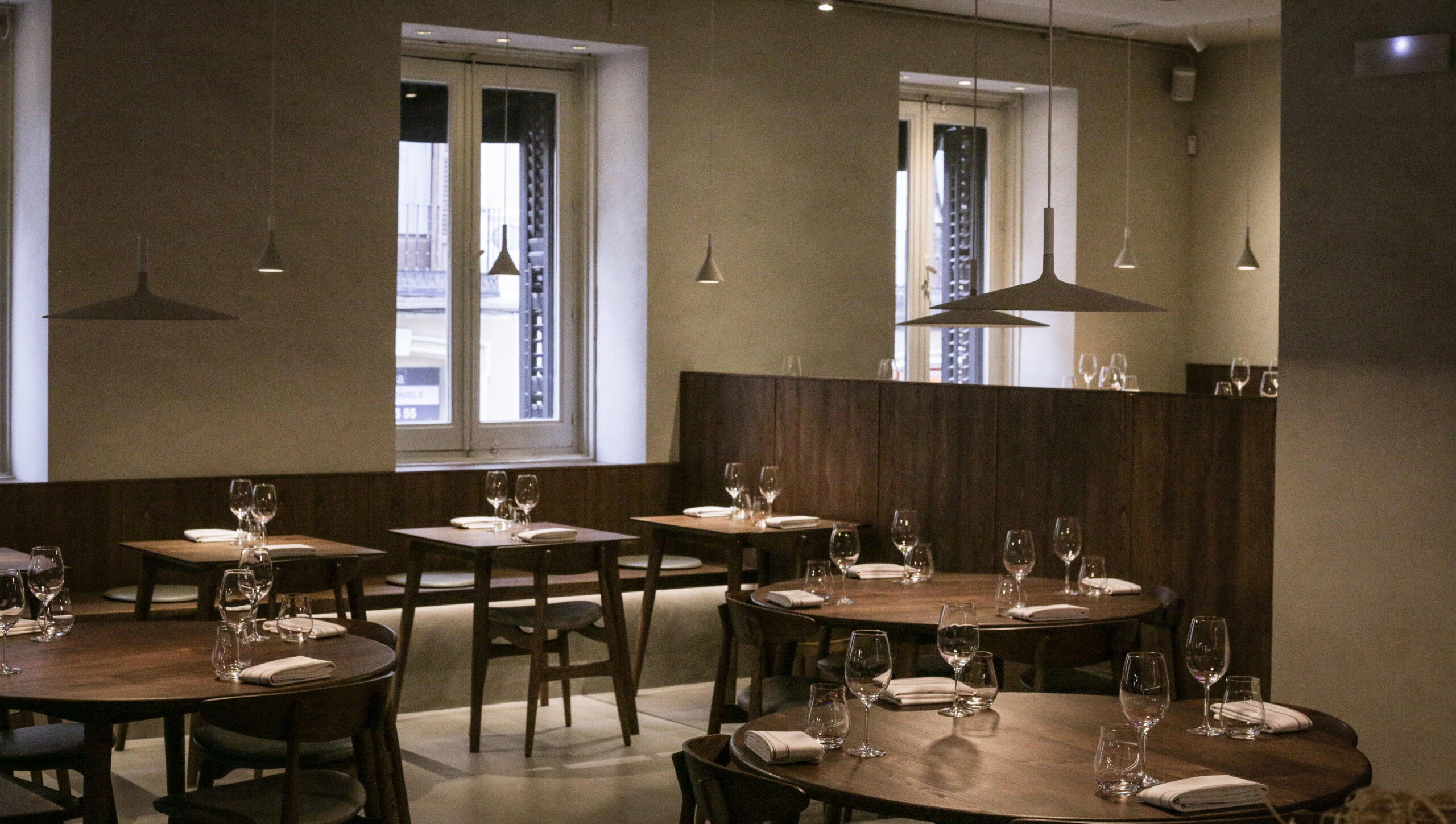
Bars in Madrid
Browse all →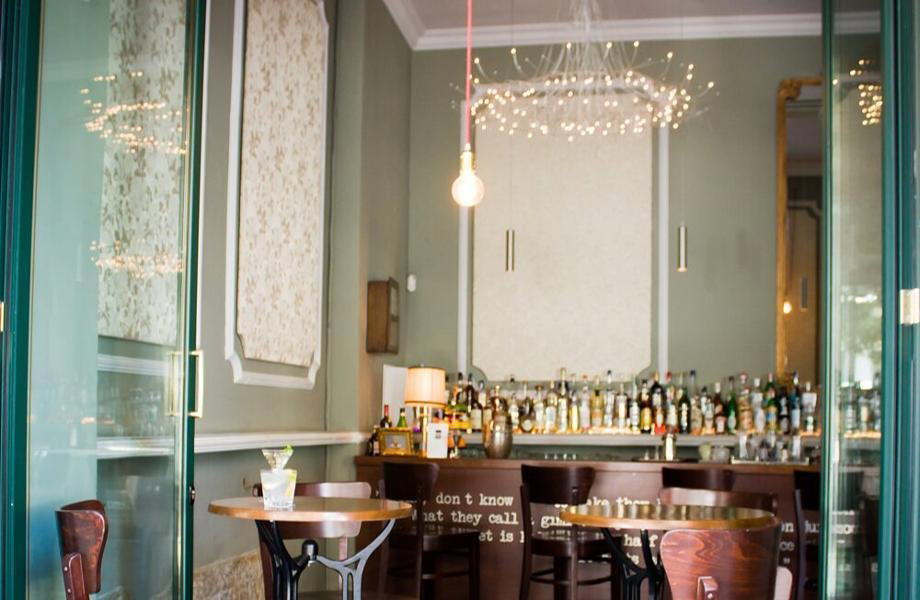
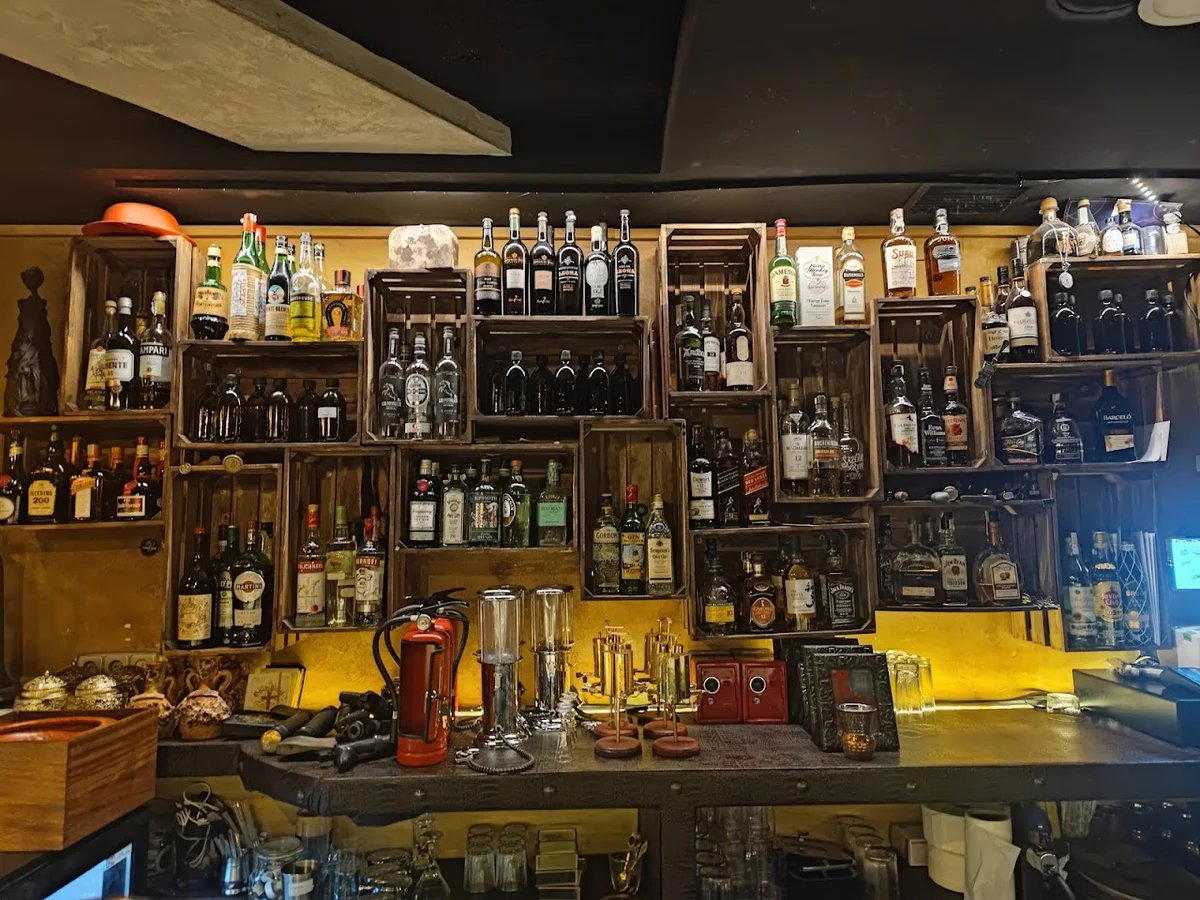
Hotels in Madrid
Browse all →


Details
- Modern
- Intimate
- Date Night
- Special Occasion
- Open Kitchen
- A La Carte
- Omakase
- Gluten Free Options
Current opening hours
- Monday
- Closed
- Tuesday
- 8:30–11:30 PM
- Wednesday
- 1:30–4 PM, 8:30–11:30 PM
- Thursday
- 1:30–4 PM, 8:30–11:30 PM
- Friday
- 1:30–4 PM, 8:30–11:30 PM
- Saturday
- 1:30–4 PM, 8:30–11:30 PM
- Sunday
- 2–4 PM
Hours can change for holidays and private events. Last verified .
Modern and funky decor with a relaxed, informal atmosphere.