

Hotaru Madrid holds consecutive Michelin Plate recognition for 2024 and 2025, placing it among the more credentialed Japanese addresses on Calle Alcalá in the Salamanca district. At the €€€ price point, it occupies the middle tier of Madrid's Japanese dining scene, serious enough for a considered dinner, accessible enough for a repeat visit.000 reviews reinforces consistent execution.
Pearl is the En Primeur Club membership app — saves, bookings, and concierge access live there. Same editors, same standards.
- Address
- C. Alcalá, 99, Salamanca, 28009 Madrid, Spain
- Phone
- +34 620 25 20 42
- Website
- hotarumadrid.com
- Directions
- Get directions
 Saves & bookings on Pearl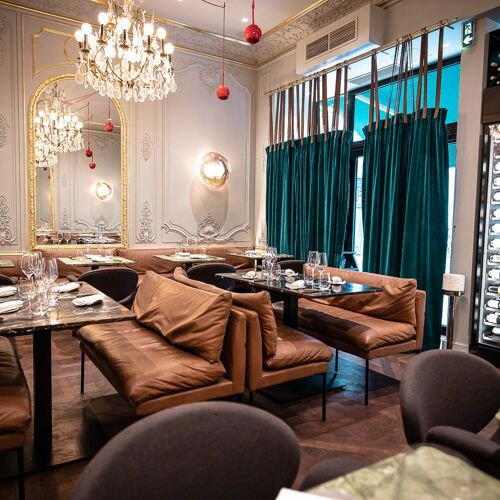
Japanese Precision on Calle Alcalá
Salamanca's main arteries are lined with the kind of real-estate confidence that signals institutional dining: wide pavements, doormen, and restaurants that have held their addresses for decades. Hotaru sits along this stretch of Calle Alcalá, at number 99, in Salamanca, Madrid. The physical context matters: this is not a tucked-away room built for the cognoscenti, but a visible, accessible address in one of Madrid's most expensive postcodes, and yet the price point it operates at, €€€, places it well below the €€€€ tier that dominates serious dining conversation in the city.
That gap between address and price is the first thing worth understanding about Hotaru. Madrid's leading table bracket, Yugo The Bunker, alongside Spanish creative houses like DiverXO at three Michelin stars and Coque and Smoked Room at two, commands significantly higher spend per head. Hotaru operates at €€€ while carrying consecutive Michelin Plate recognition for both 2024 and 2025. That credential signals technical competence reviewed and confirmed across two annual Michelin cycles, not a one-off listing.
Where Hotaru Sits in Madrid's Japanese Tier
Madrid's Japanese dining scene has expanded substantially in the past decade, and it now stratifies clearly. At one end sit the omakase-format counters and high-concept fusion rooms where Japanese technique meets Spanish produce at significant cost. At the other end sits a broad mid-market of sushi delivery chains and generic Japanese menus. The middle tier, credentialed, ingredient-focused, priced at €€€, is smaller and more interesting, and it is where Hotaru competes.
Peer addresses in this tier include Ebisu by Kobos, Ikigai Flor Baja, Ikigai Velázquez, and Izariya. Each of these addresses positions Japanese cooking within Madrid's broader fine-dining conversation rather than treating it as an ethnic specialty category. What distinguishes one from another at this level tends to be format (omakase counter versus table service), dominant technique (kaiseki progression versus à la carte sushi), and the degree to which Spanish ingredients are integrated into a Japanese framework.
Hotaru's Michelin Plate in consecutive years suggests it has maintained a standard consistent enough to keep Michelin inspectors returning, a distinction that separates it from the wider field of unlisted Japanese rooms in the city.
The Value Case at €€€
Madrid's full-commitment fine dining tier is priced in a range where a tasting menu at DiverXO, Deessa, or Paco Roncero can exceed €200 per person before wine. At that level, the experience is partly about the price itself, it is occasion dining by definition. The €€€ bracket occupied by Hotaru targets a different decision: a serious dinner where the cooking quality is verifiably credentialed but the spend does not require a special occasion to justify.
For context, the Michelin Plate is not a star, but it is not nothing. Michelin issues the Plate specifically for restaurants whose food quality meets inspection standards without reaching the star threshold. It is a quality floor, not a ceiling, meaning the cooking has been assessed and found to be reliable at its level. With two consecutive Plates (2024 and 2025), Hotaru has passed that assessment twice, in two different inspection cycles. That consistency at the €€€ price point is what makes the value proposition legible: you are paying mid-tier prices for cooking that has cleared a defined quality bar.
At that volume, a 4.8 average reflects sustained guest satisfaction across a wide range of visits, not a handful of enthusiastic early adopters. It points to consistency in execution and service over time, both factors that matter as much as headline credentials when choosing where to spend at this level.
Japanese Dining in Madrid Versus the Source
Japan's own dining culture produces particularly technically demanding restaurant formats in the world. Counter omakase in Tokyo, places like Myojaku or Azabu Kadowaki, operates with ingredient sourcing and aging protocols that are nearly impossible to replicate outside Japan. Madrid's Japanese tier does not try to compete on that axis directly. Instead, the better rooms here position Japanese technique as a lens through which Spanish ingredients, Iberian fish, local vegetables, Atlantic seafood, are handled with precision usually applied to Japanese produce.
This is not a compromise; it is a distinct culinary argument. The integration of Japanese method with Spanish ingredients has produced particularly interesting food in Madrid over the past decade, and it is the creative territory where Hotaru and its comparable set operate.
Madrid's Broader Dining Context
Salamanca is the wealthiest residential district in the city, and its restaurant density at the €€€ and €€€€ tiers is higher than anywhere else in Madrid. That concentration means competition is intense, and restaurants that sustain Michelin recognition here do so against a well-funded field. Hotaru's continued listing across two Michelin cycles confirms it has held its position in that environment.
For visitors building a Madrid dining itinerary across multiple meals, the city's Spanish creative tier, including destinations like Aponiente in El Puerto de Santa María, Arzak in San Sebastián, Azurmendi in Larrabetzu, Cocina Hermanos Torres in Barcelona, El Celler de Can Roca in Girona, and Martin Berasategui in Lasarte-Oria, commands particularly column inches. But within the city itself, the Japanese tier at €€€ offers a different register: quieter, more technically specific, and often a useful counterpoint to the noise of Madrid's Spanish-creative headline rooms.
Know Before You Go
- Address: C. Alcalá, 99, Salamanca, 28009 Madrid, Spain
- Cuisine: Japanese
- Price range: €€€
- Awards: Michelin Plate 2024; Michelin Plate 2025 8 (2,827 reviews)
- District: Salamanca, close to the Retiro axis
- Booking: Advance reservation recommended, see FAQ below
Nearby-ish Comparables
Comparable venues nearby, for context on price, style, and recognition.
| Venue | Cuisine | Price | Notes |
|---|---|---|---|
| Hotaru MadridThis venue — the venue you are viewing | Contemporary Japanese Sushi Bar | $$$ | Not listed |
| Bākkō | Modern Japanese Charcoal Grill | $$$ | Castellana |
| Kappo | Modern Japanese Omakase | $$$$ | Rios Rosas |
| Asiakō | Japanese-Basque Fusion | $$$ | Almagro |
| Ebisu by Kobos | Edo-style Omakase Sushi | $$$$ | La Latina |
| Sr. Ito Lab | Modern Japanese Fusion | $$$ | Trafalgar |
Recognition history
Dated appearances from independent guides and award organizations, with the underlying list record or original source where available.
Macarfi 7.6 Food Rating
Macarfi
Michelin Plate
Michelin
Michelin Plate
Michelin
At a Glance
- Elegant
- Modern
- Cozy
- Trendy
- Intimate
- Date Night
- Special Occasion
- Open Kitchen
- Sake Program
Current opening hours
- Monday
- 1 PM–1 AM
- Tuesday
- 1 PM–1 AM
- Wednesday
- 1 PM–1 AM
- Thursday
- 1 PM–1 AM
- Friday
- 1 PM–1 AM
- Saturday
- 1 PM–1 AM
- Sunday
- 1 PM–1 AM
Hours can change for holidays and private events. Last verified .
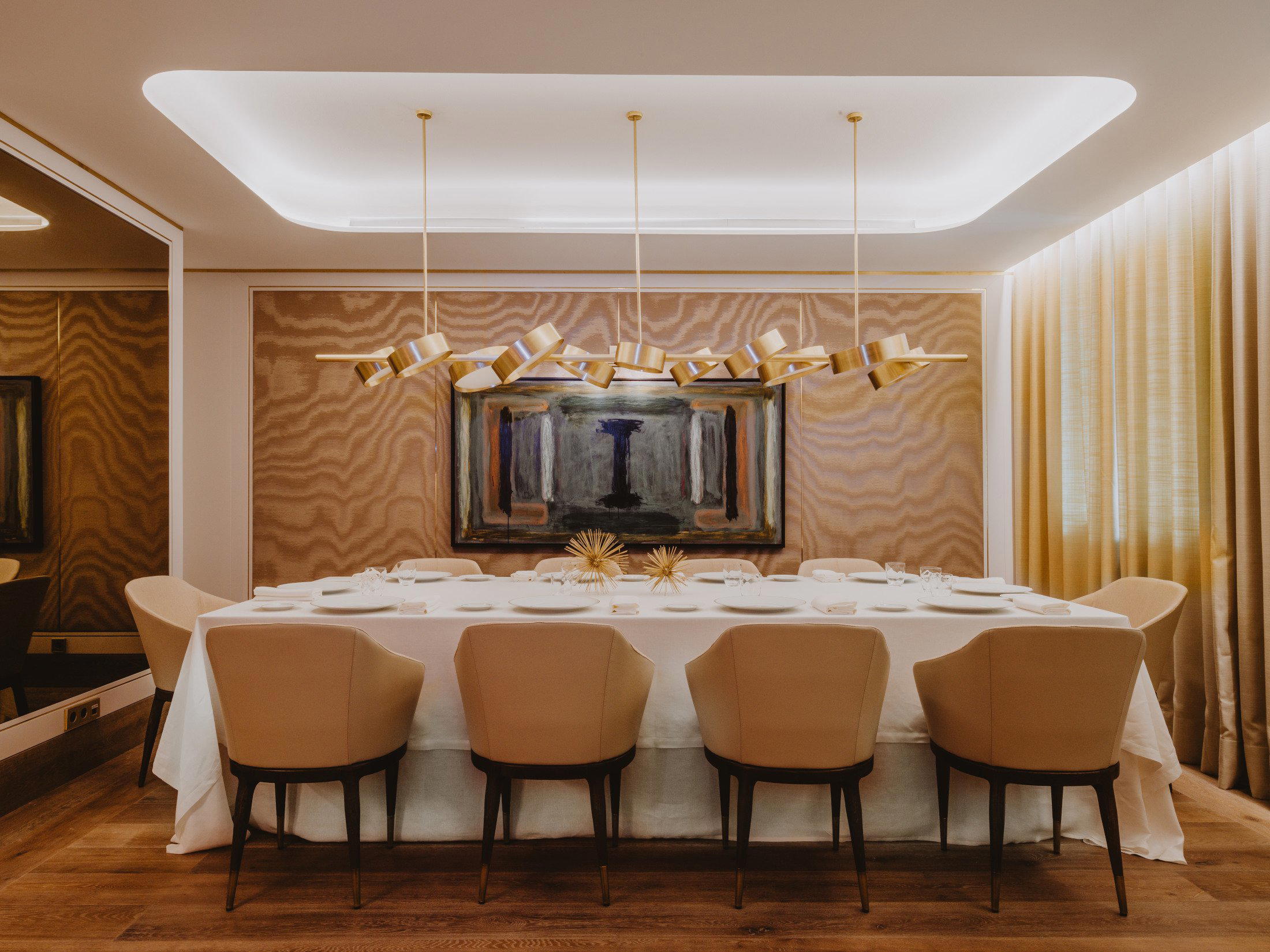
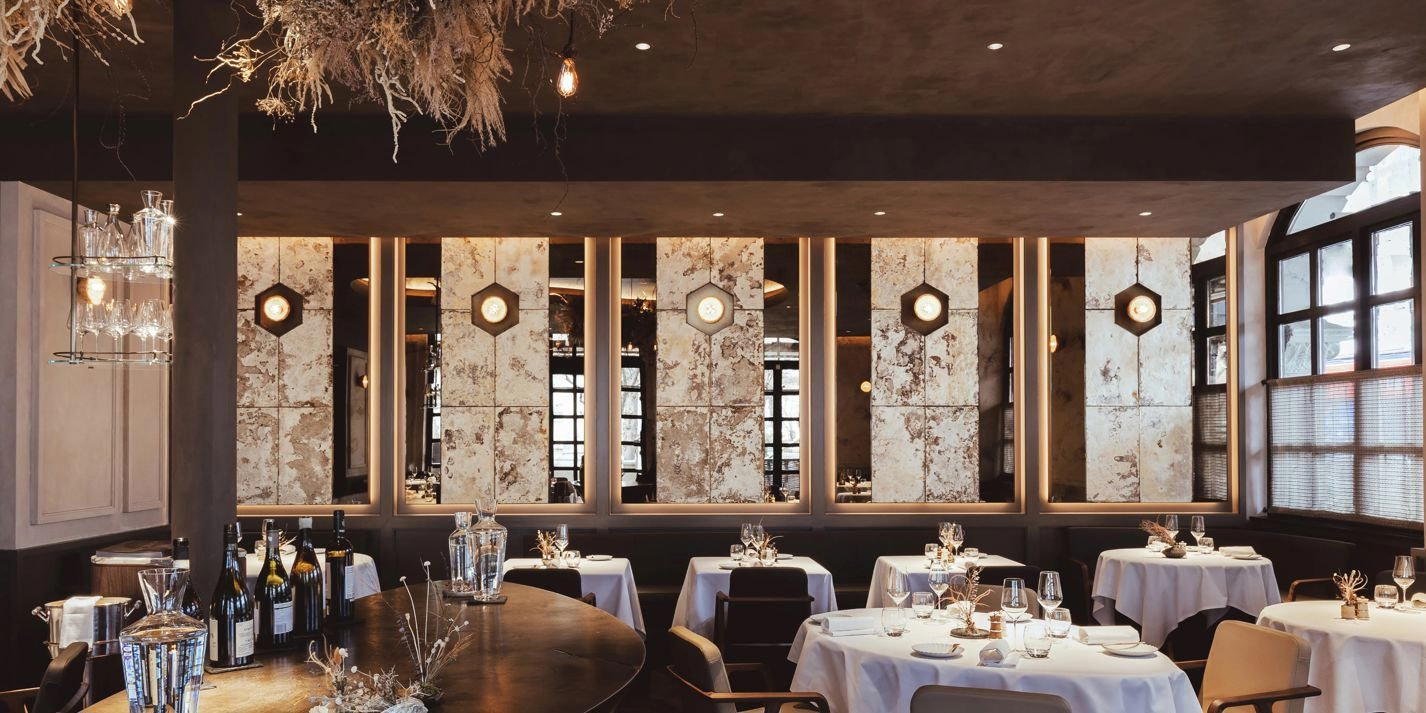
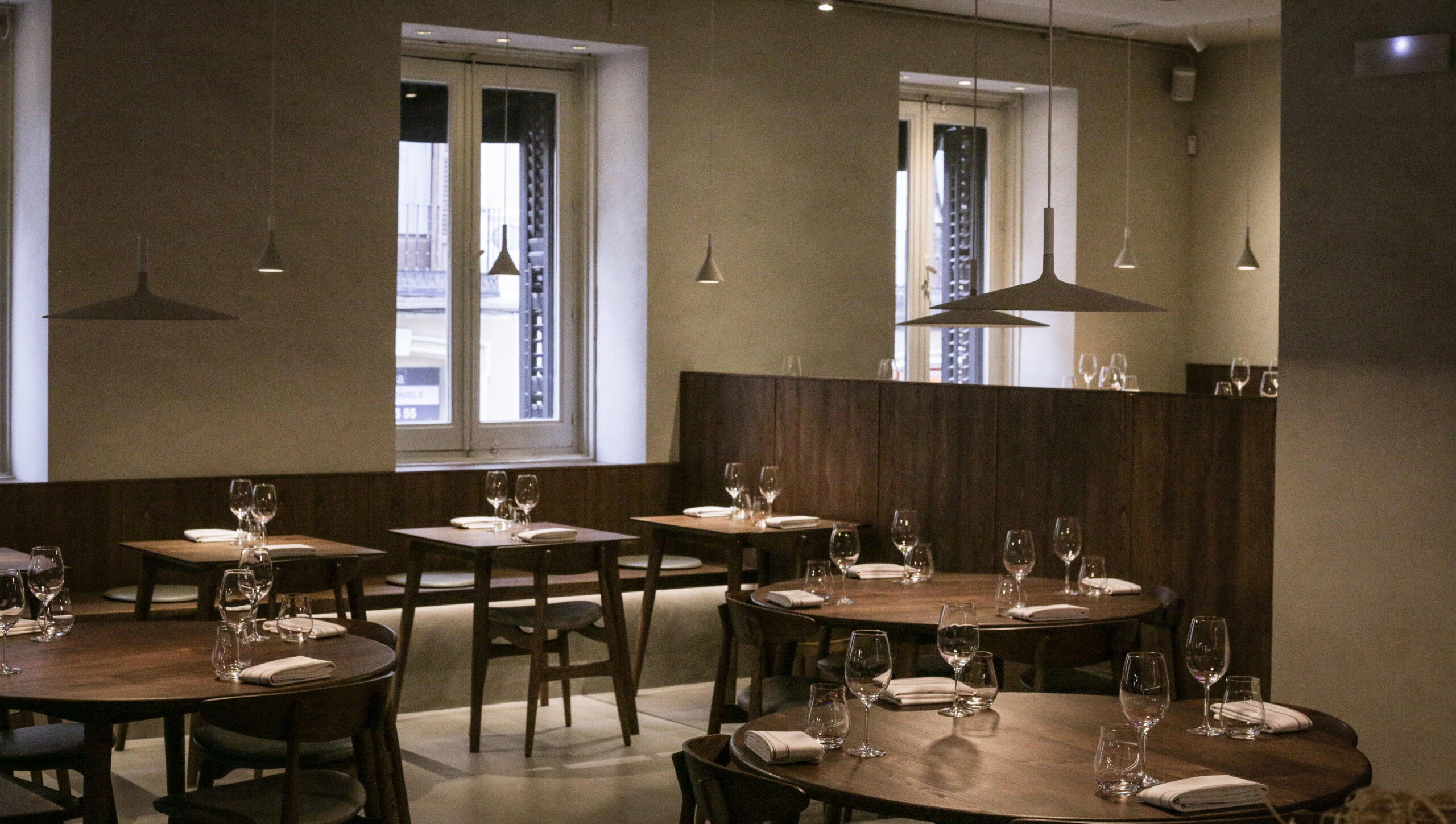
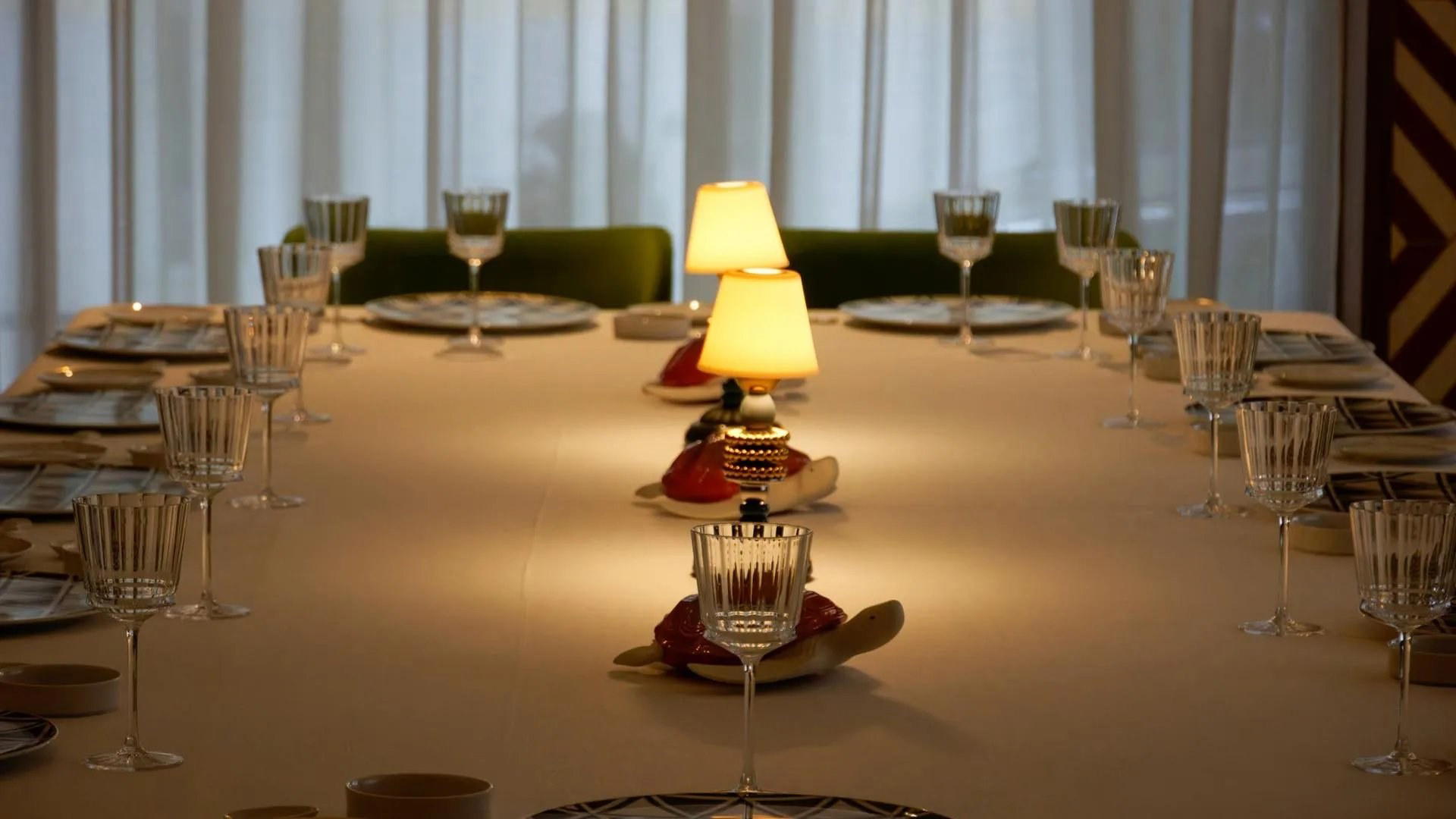
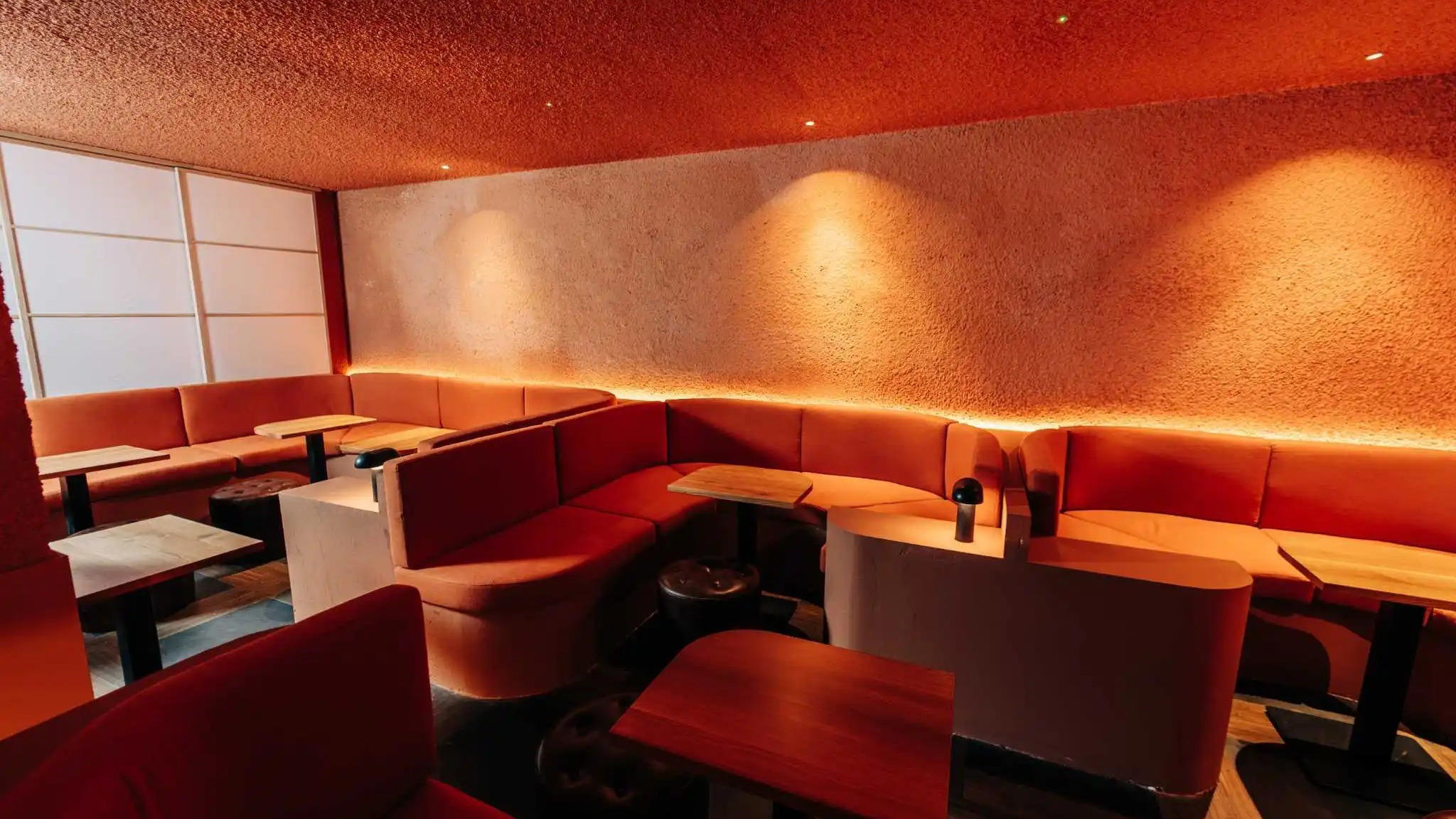
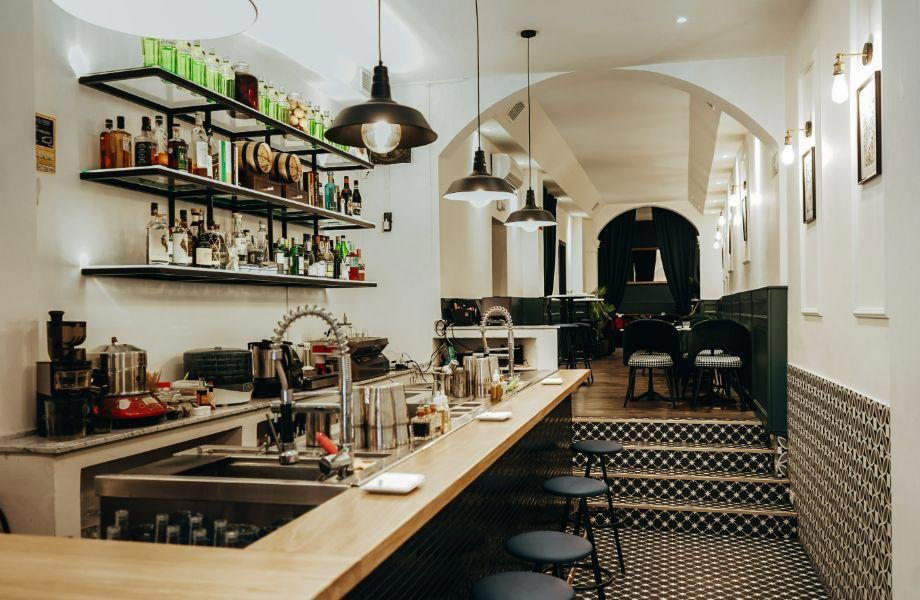
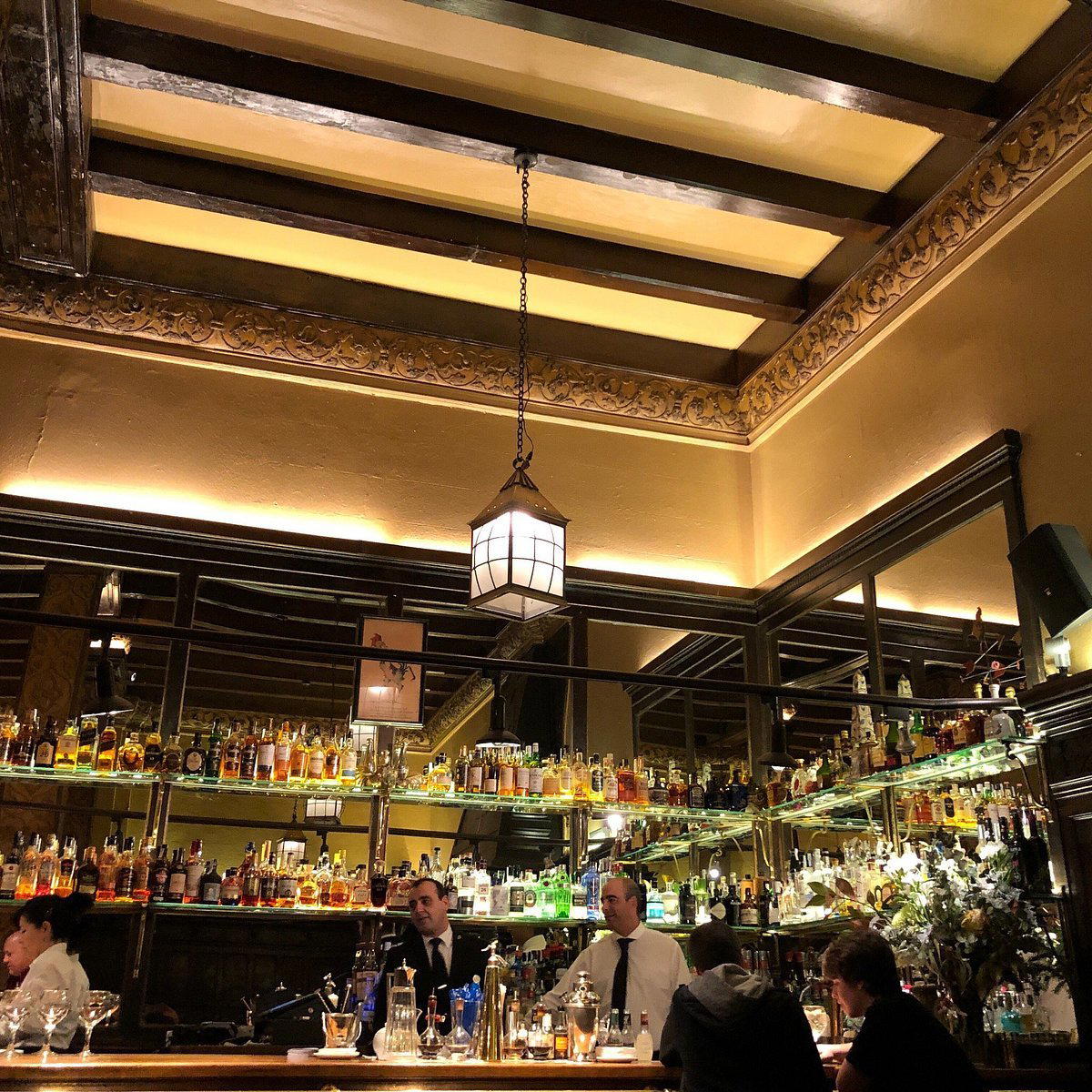
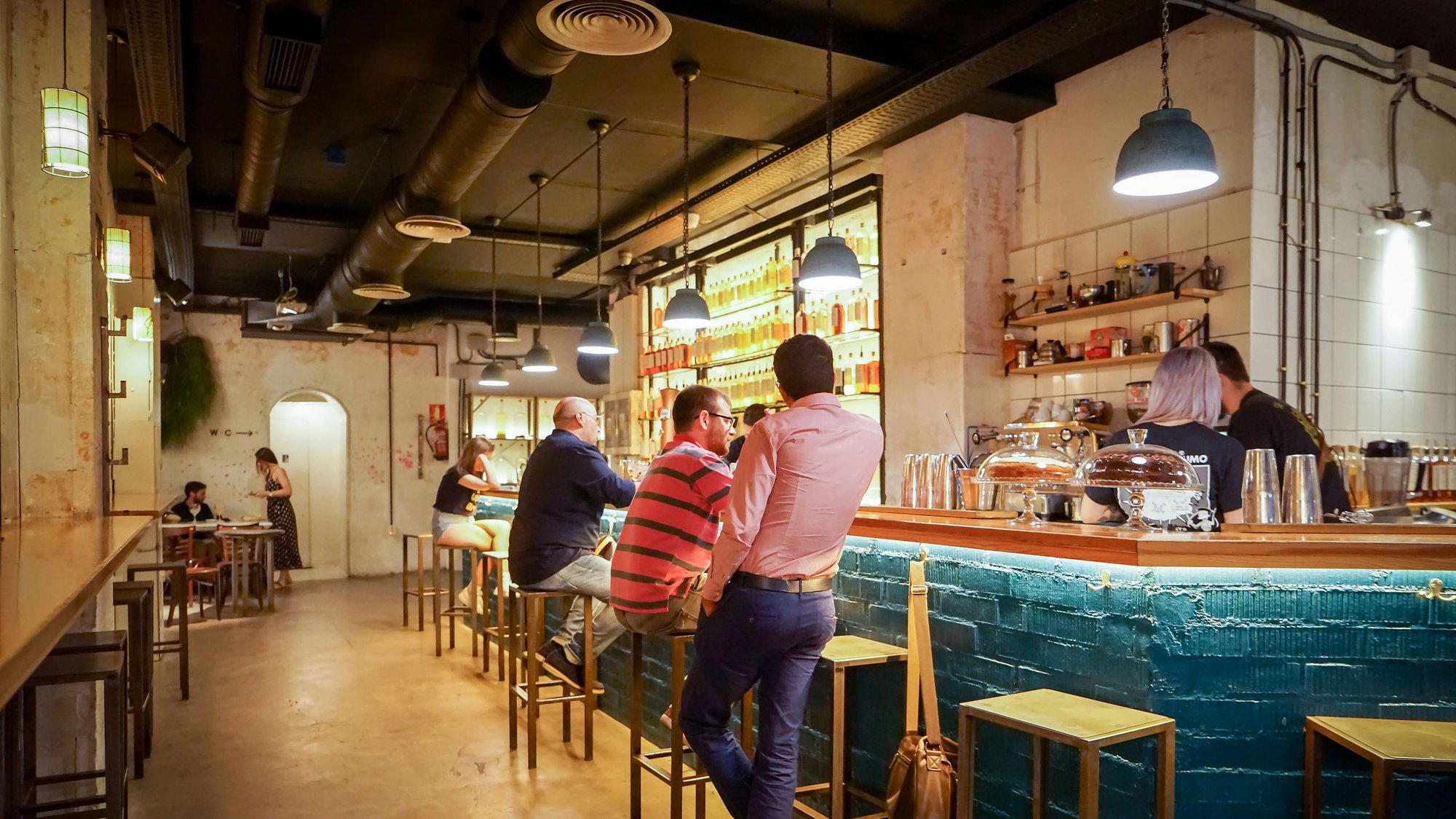
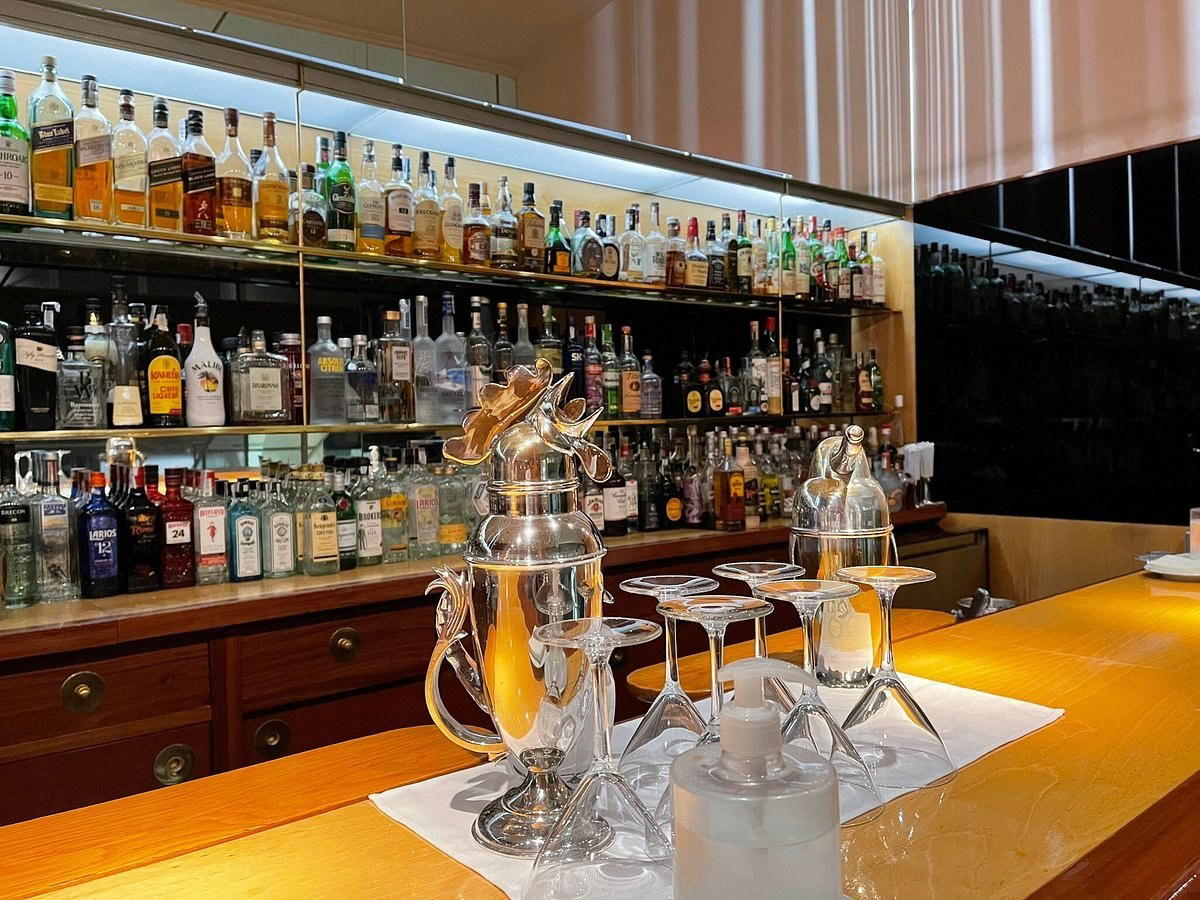
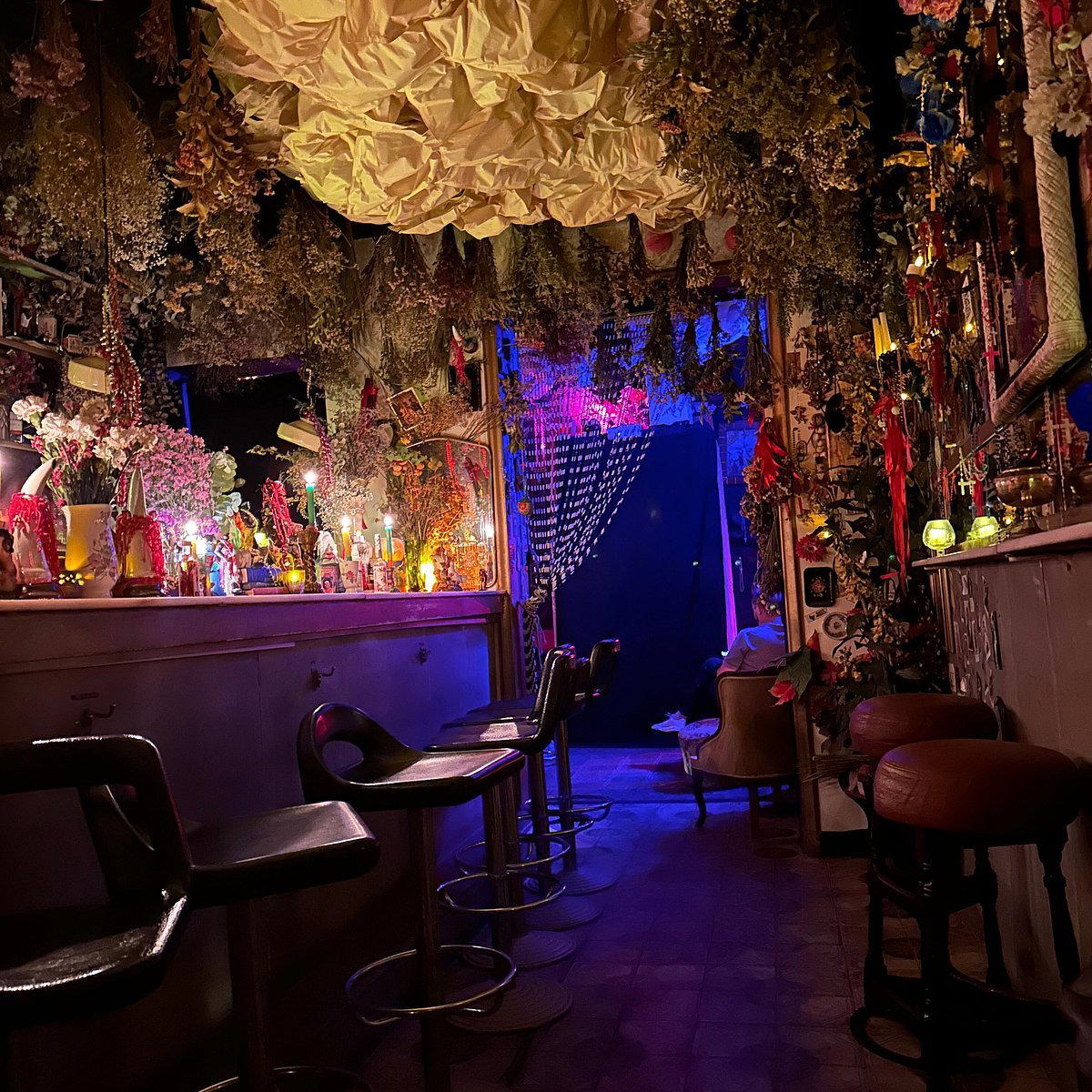
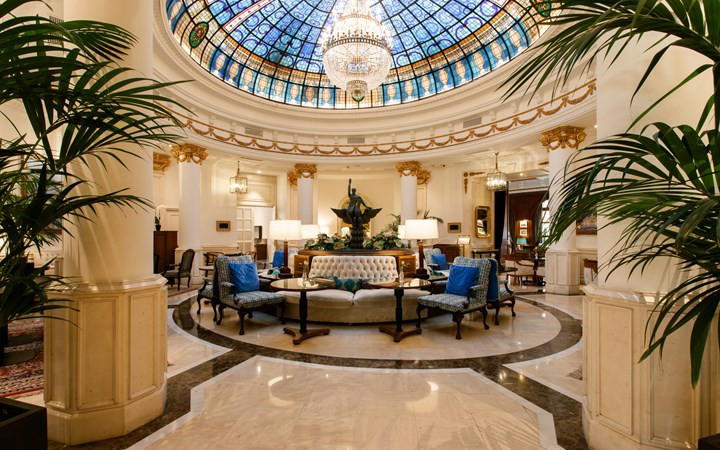
Refined, elegant, and warm atmosphere with stylish lighting, oriental decor, and a relaxed yet sophisticated mood.