1 Michelin Star · Macarfi 7.7 Food Rating
Our verdict
A six-seat sushi counter in Madrid's Chueca district, Toki operates at the precise intersection of historical rigor and intimate service. Under chef Tadayoshi Motoa, the tasting menu traces nigiri preparation across three centuries, from 16th-century technique to the contemporary. Sommelier Marcos Granda's involvement brings an extensive sake list that few Spanish restaurants can match at this price tier.

Pearl is the En Primeur Club membership app, where members save venues, book tables and use the concierge.
The menu
What to order
- Nigiri evolution tasting
- Historical sushi preparations (16th, 18th, 20th century)
Six Seats, Three Centuries: Madrid's Most Concentrated Japanese Format
Madrid's premium dining scene in the €€€€ tier is dominated by progressive Spanish kitchens: DiverXO, Coque, Deessa, DSTAgE, and Paco Roncero all occupy the same price band and draw broadly from avant-garde Spanish cooking traditions. Toki, on Calle de Sagasta in Chueca, occupies a different position entirely. It is a Japanese omakase counter with six seats, a single uninterrupted sushi bar, and a tasting menu structured around the historical evolution of nigiri.
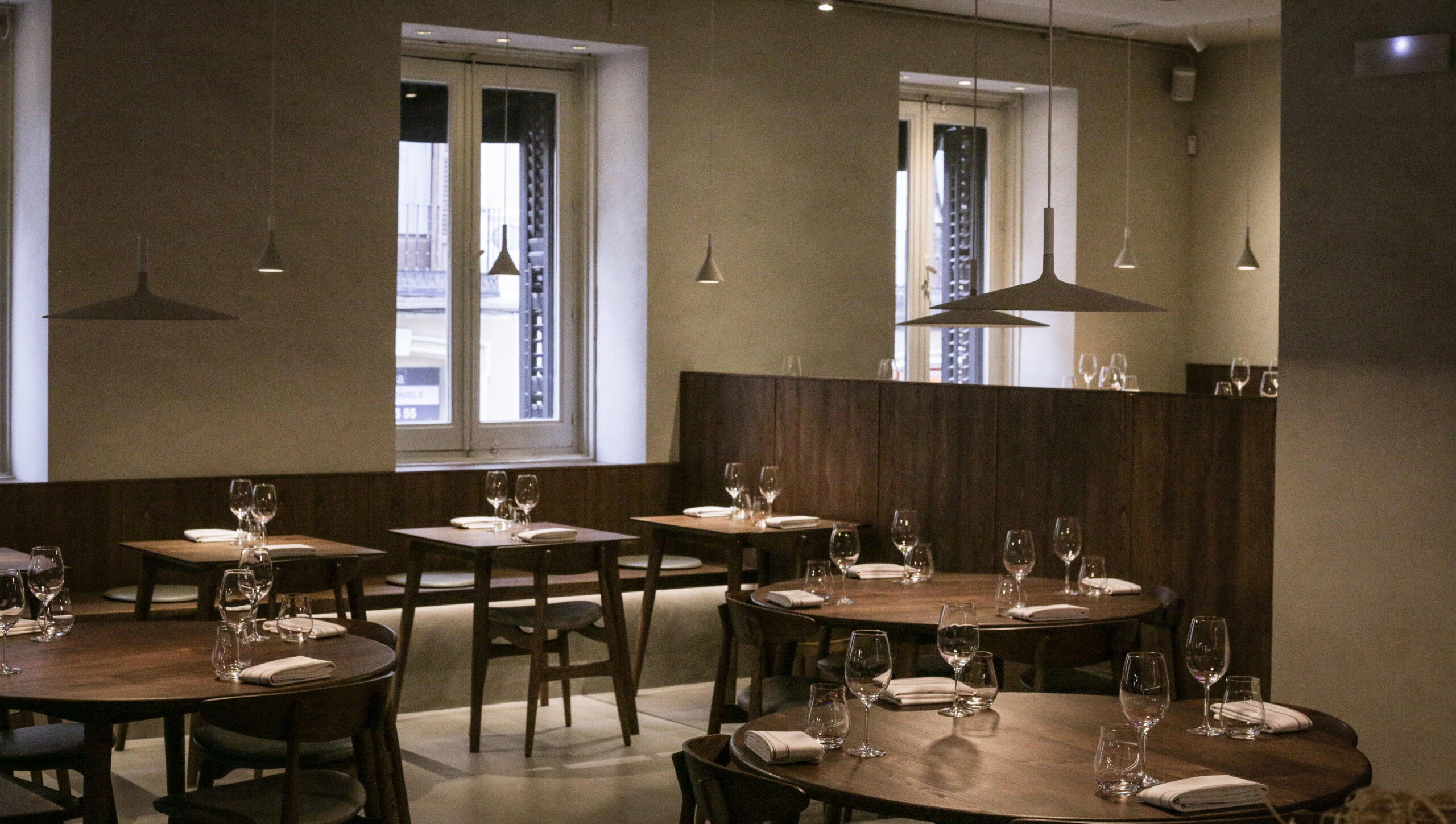
The physical format communicates the intent before a single course arrives. A six-seat counter means every diner faces the chef, every movement is visible, and the pacing of the meal is determined by conversation and rhythm rather than a fixed clock. The name itself signals the philosophy: toki means time in Japanese, and the absence of hurry is built into the format. Guests at this kind of counter do not share the room with larger parties, background noise, or adjacent tables on different courses. What replaces that ambient complexity is something closer to sustained attention, a format familiar from Tokyo's Ginza omakase counters, where the room's minimalism functions as amplification for the food.
Evening at the Counter: What the Format Delivers
Dinner at Toki is where the format finds its full expression. With a six-seat capacity, evening service is effectively a private event for a small group or several individual bookings who happen to share the counter. Chef Tadayoshi Motoa, known as Teddy, structures the tasting menu around three nigiri preparations: one contemporary, one from the 18th century, and one from the 16th century. The organizing principle is historical comparison, not simply chronological sequence. Each recipe reflects the rice preparation and seasoning conventions of its period, which means the same core ingredient, fish over vinegared rice, reads differently across the three preparations in ways that are technically legible rather than merely decorative.
This kind of historical framing is unusual even within Japan's high-end omakase circuit, where the emphasis tends toward perfection of contemporary technique rather than historical archaeology. At the €€€€ tier in a European capital, it represents a distinct editorial position within the category. For context, the two comparable Japanese restaurant references elsewhere in Europe, Nobu Budapest and Yamazato in Amsterdam, operate on a fundamentally different format: larger rooms, broader menus, and Japanese cuisine filtered through an international hotel or restaurant group lens. Toki's approach is neither of those things.
The sake list, developed under the influence of sommelier Marcos Granda, extends the historical depth into the beverage program. Sake as a pairing medium is rare in Spanish fine dining, and an extensive sake selection at this level is effectively without precedent in Madrid's current restaurant scene. Granda's involvement gives the beverage program a credibility that purely food-forward counters sometimes lack, the list is a considered argument rather than an afterthought.
Lunch vs. Dinner: Does the Divide Apply Here?
The lunch-versus-dinner question that structures experience at most Madrid €€€€ restaurants does not map neatly onto Toki's format. At places like Coque or DSTAgE, lunch often represents a shorter, more accessible version of the full tasting menu at a lower price point, a strategic entry for diners who want the kitchen's range without the full evening commitment. That logic depends on volume: multiple services, a room that turns over, a prix-fixe lunch designed to fill seats during the midday window.
With six seats, Toki has no comparable seat-filling pressure. What the format implies, however, is that any service at this counter carries the same weight as any other: the counter is reset, the chef is present, and the concept does not compress well into a shorter format. The historical tasting structure, three nigiri across three centuries, supported by premium ingredients and a structured sake pairing, is not a menu that benefits from abbreviation. Diners who want to understand how this kitchen works should plan for the full evening format and treat the absence of a lunch shortcut as a feature rather than a limitation.
Positioning Within Madrid's Fine Dining Tier
Spain's broader fine dining circuit provides useful reference points for understanding where Toki sits. The country's most discussed tasting menus are concentrated in kitchens like Arzak in San Sebastián, El Celler de Can Roca in Girona, Disfrutar in Barcelona, Quique Dacosta in Dénia, and Azurmendi in Larrabetzu, all operating in the creative Spanish mode, drawing on regional ingredients and techniques. Aponiente in El Puerto de Santa María extends that tradition into marine ecosystems. None of them attempt what Toki attempts: a rigorous, historically structured argument for Japanese cuisine in a sub-ten-seat format, delivered in a Spanish capital with a sake list designed by one of the country's better-known sommeliers.
That specificity means Toki does not compete directly with Madrid's progressive Spanish kitchens for the same diner. It competes for the diner who has already explored that circuit and wants a different kind of precision, one rooted in Japanese culinary history rather than Iberian ingredient tradition. The six-seat capacity enforces scarcity regardless of reputation, which means booking lead times are likely to extend well beyond those of larger rooms at comparable price points.
Planning Your Visit
Toki is located at C. de Sagasta, 28, in the Chueca district of central Madrid (postcode 28004), within easy reach of the broader Alonso Martínez and Chueca metro area. For wider Madrid planning, see our full Madrid restaurants guide, hotels guide, bars guide, wineries guide, and experiences guide.
| Venue | Format | Seats | Price Tier | Cuisine Focus |
|---|---|---|---|---|
| Toki | Single counter, tasting menu | 6 | €€€€ | Japanese / historical nigiri |
| DiverXO | Multi-room tasting | Larger | €€€€ | Progressive Asian-Spanish |
| Coque | Multi-room tasting | Larger | €€€€ | Creative Spanish |
| DSTAgE | Open kitchen, tasting menu | Mid-size | €€€€ | Modern Spanish |
Frequently asked questions
What kind of setting is Toki?
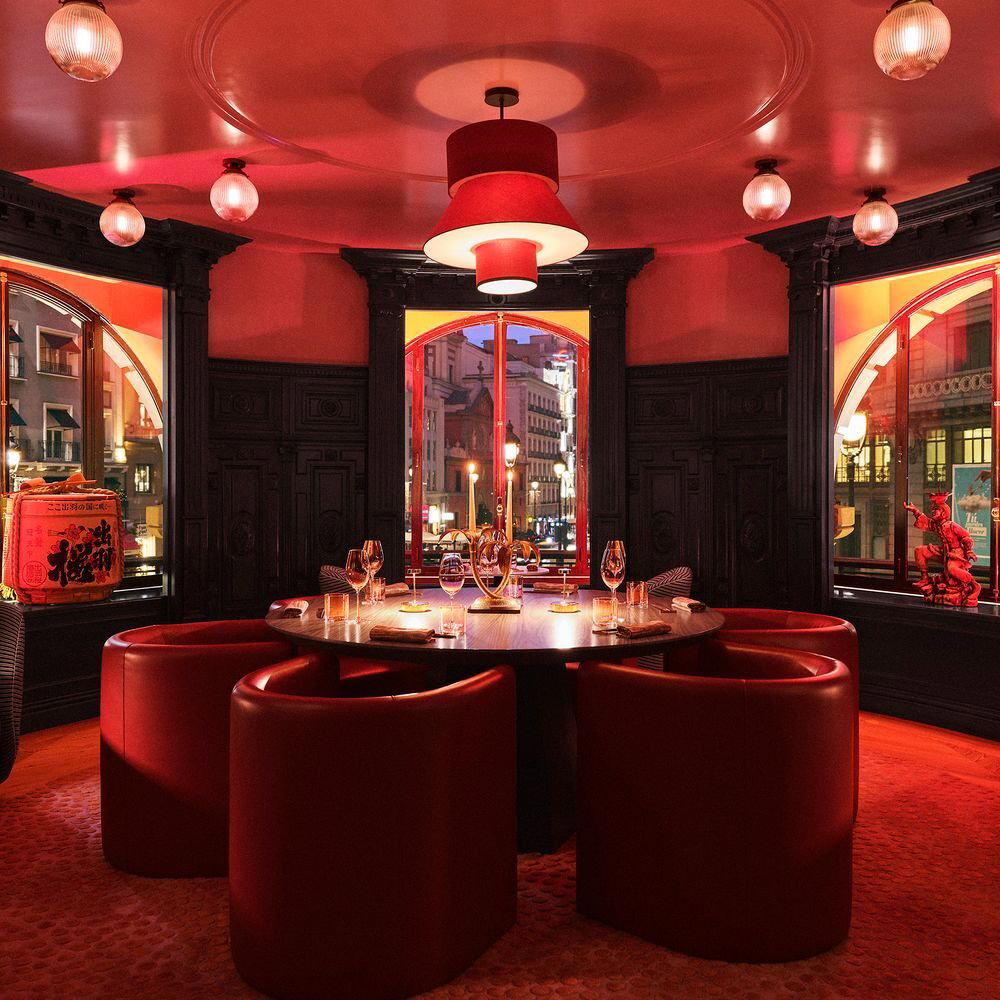
Toki operates as a six-seat omakase counter on C. de Sagasta, 28 in Madrid's Chueca district, priced at the €€€€ tier. Every seat faces the sushi bar, making each service function as a near-private dining event. The format was conceived by sommelier Marcos Granda around total guest focus, the restaurant's name translates as 'time' in Japanese, signalling that pacing here is deliberate rather than driven by table turnover.
Where is Toki in Madrid?
Toki is located at C. de Sagasta, 28, Centro, 28004 Madrid, Spain, Madrid.
Has Toki won any awards?
Toki has received recognition including: Savour Japanese cuisine in this exclusive restaurant bearing the hallmark of famous sommelier Marcos Granda, where the full focus is on enjoying the experience without worrying about the time (“toki” in Japanese). In this intimate and exclu….
What dish is Toki famous for?
The defining sequence is a three-nigiri progression that traces the history of nigiri preparation across the 16th century, 18th century, and the present day, with rice preparation as the central variable across all three. Chef Tadayoshi Teddy Motoa presents this as a direct dialogue with guests rather than a passive tasting. It is among the few tasting menu formats in Madrid built explicitly around culinary historiography rather than seasonal produce rotation.
Is Toki focused on a specific cuisine style?
Comparable Spots
| Venue | Cuisine | Price | Awards | Notes |
|---|---|---|---|---|
| TokiThis venue (the venue you are viewing) | Modern Japanese Omakase | $200–300 | 1 Michelin Star · Macarfi 7.7 Food Rating | Not listed |
| DiverXO | Avant-Garde Spanish Tasting Menu | $300–500 | 3 Michelin Stars · World's 50 Best #4 | Progressive - Asian, Creative |
| Deessa | Modern Valencian Fine Dining | $150–200 | 2 Michelin Stars · La Liste Top Restaurants | Modern Spanish, Creative |
| Smoked Room | Modern Japanese Fire Omakase | $200–300 | 2 Michelin Stars · La Liste Top Restaurants | Progressive Asador, Contemporary |
| Coque | Modern Spanish Fine Dining | $300–500 | 2 Michelin Stars · La Liste Top Restaurants | Spanish, Creative |
| Paco Roncero | Avant-Garde Spanish Fine Dining | $150–200 | 2 Michelin Stars · La Liste Top Restaurants | Creative |
Recognition history
Dated appearances from independent guides and award organizations, with the underlying list record or original source where available.
Michelin 1 Star
Michelin
Macarfi 7.7 Food Rating
Macarfi
Opinionated About Dining Top Restaurants in Europe Recommended
Opinionated About Dining
Full recognition history (4 entries)
Michelin 1 Star
Michelin