



1 Michelin Star · La Liste Top Restaurants · Guía Repsol 2 Soles
Our verdict
At the Hotel Wellington in Madrid's Salamanca district, Ricardo Sanz Wellington occupies a specific and deliberate position in the city's fine dining scene: the restaurant where Japanese technique meets Iberian produce at the highest level. Awarded 89 points by La Liste 2026, it draws occasion diners with a tasting menu built around Ebro delta rice nigiri, carabinero prawn usuzukuri, and signature huevos rotos with bluefin tuna.

Pearl is the En Primeur Club membership app, where members save venues, book tables and use the concierge.
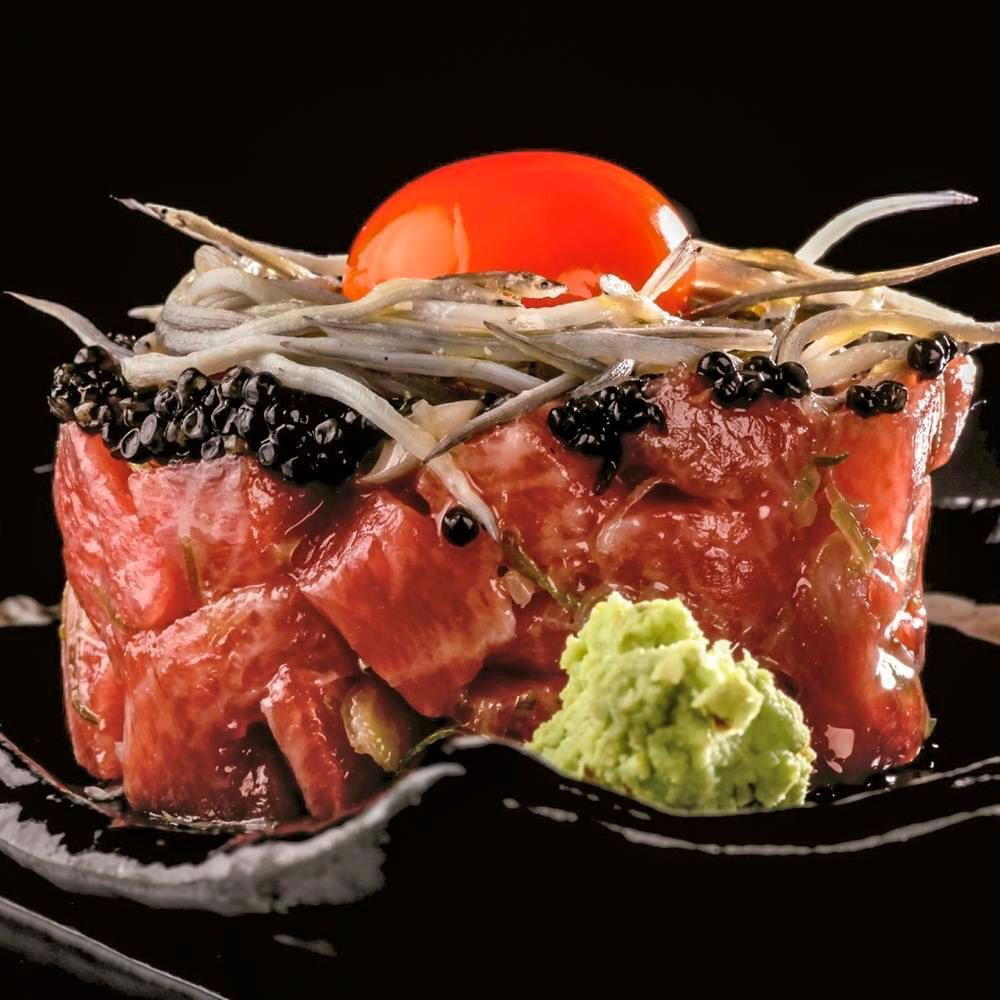
The menu
What to order
- Nigiri with Ebro delta rice
- Carabinero prawn usuzukuri
- Tuna tataki with vitello tonnato
- Huevos rotos with bluefin tuna
- Wagyu ribs
Where Salamanca's Formality Meets a Different Kind of Precision
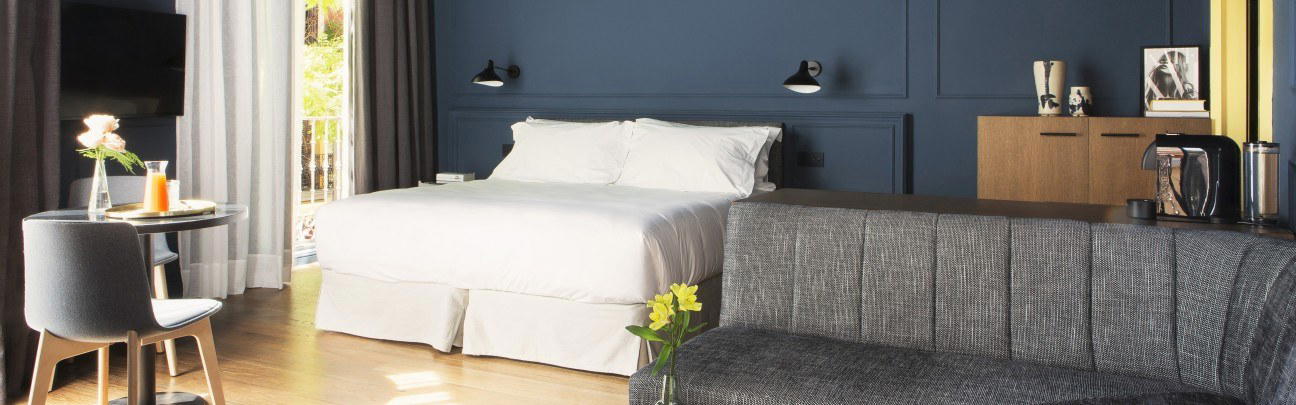
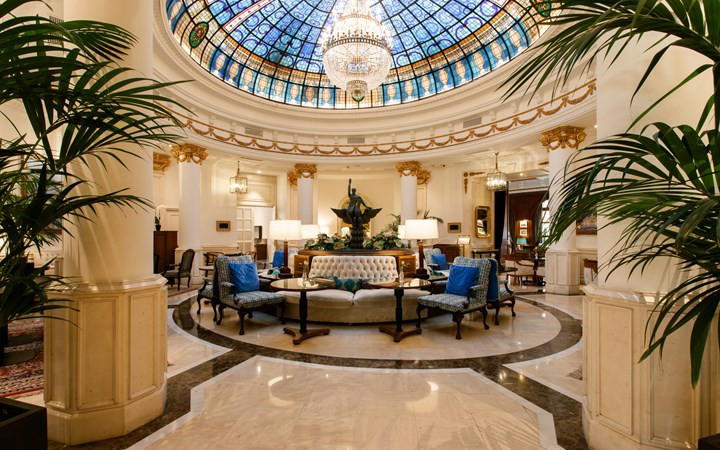
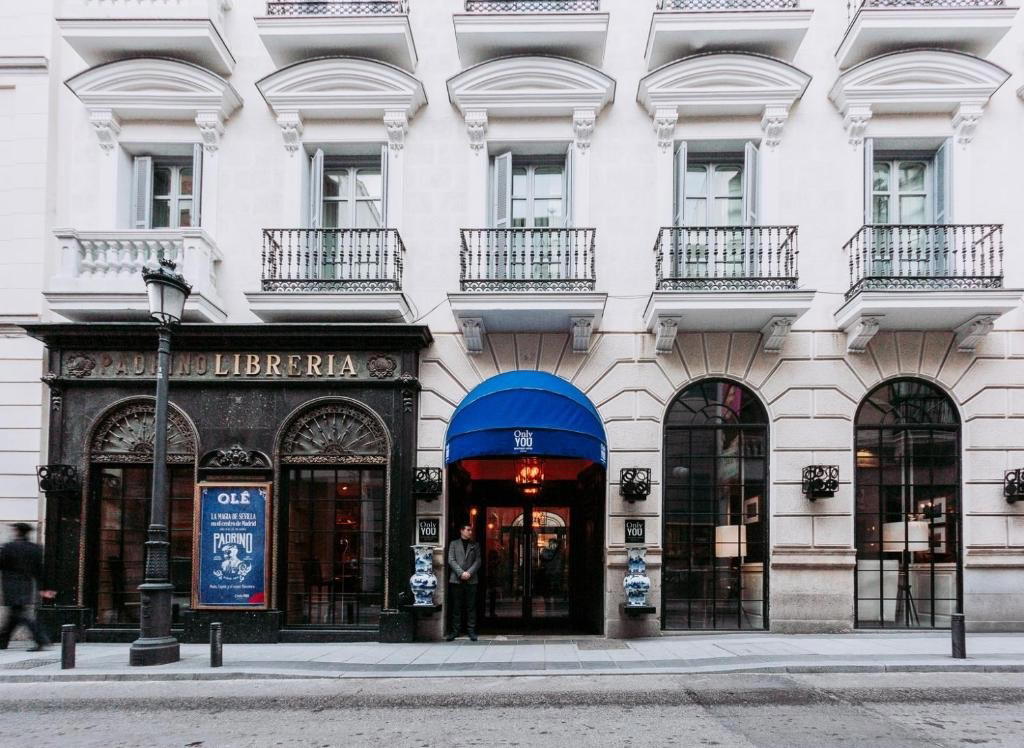
Calle Velázquez is one of Madrid's most composed addresses. The Salamanca district does not do casual, its wide pavements, late-nineteenth-century apartment facades, and proximity to the city's luxury retail corridor set an expectation before you arrive anywhere. Walking into the Hotel Wellington and through to Ricardo Sanz Wellington, that register holds. The room belongs to the hotel's formal architecture, and the service tone matches: attentive, measured, unhurried. What the cooking then does is refuse to follow the expected Spanish script.
Spain's top-end restaurant scene has long been preoccupied with two ideas: the reinvention of regional tradition and the application of avant-garde technique to domestic ingredients. Ricardo Sanz Wellington operates from a third position. The kitchen takes Iberian produce, carabinero prawns, bluefin tuna, Canary Island potatoes, rice from the Ebro delta, and applies Japanese precision as the primary culinary language. The result is a dining register that sits outside the usual Madrid comparisons, even within the city's crowded four-euro-sign tier.
The Case for Occasion Dining Here
Madrid has no shortage of addresses where a milestone meal can be staged: DiverXO for theatrical intensity, Coque for grand Spanish classicism refracted through contemporary technique, Deessa for modern precision in a hotel setting, DSTAgE for ingredient-led restraint, and Paco Roncero for creative Spanish cooking with a strong visual dimension. Each has a character. Ricardo Sanz Wellington's character is defined by a specific kind of composure: a room that frames a meal as a serious event without the performance anxiety that can accompany tasting-menu theatre.
The La Liste 2026 score of 89 points places it in an upper tier of recognised European restaurants. La Liste aggregates critical scores across multiple international guides, meaning the rating reflects accumulated professional consensus rather than a single award. At this scoring level, the expectation is consistency across years, not just a strong showing in one cycle. For occasion diners, that consistency matters more than novelty, a significant birthday or anniversary does not benefit from a restaurant still finding its voice.
The tasting menu format, alongside à la carte availability, also suits celebration contexts practically. The option to choose your own pace and scope rather than being locked into a single long-format menu gives the table more control over the evening's rhythm. The sommelier pairing, offered across wine, sake, tea, or beer, adds a navigational layer that works well when guests may have varying relationships with Japanese fermentation traditions alongside more familiar European pairings.
What the Menu Signals About the Kitchen's Position
Dishes documented by La Liste 2026 are instructive. Nigiri prepared with rice from the Ebro delta is a foundational statement: the sourcing is Spanish, the form is Japanese, and the combination does not treat either tradition as subordinate. Carabinero prawn usuzukuri with a salsa made from the prawn's own coral is technically Japanese in its thin-sliced preparation but uses one of the Iberian coast's most prized shellfish. Tuna tataki with vitello tonnato moves between Japan, Spain, and northern Italy within a single dish, an approach that treats Mediterranean culinary culture as a coherent zone rather than a set of guarded national identities.
Huevos rotos deserve particular attention as a signal of how the kitchen positions itself. Huevos rotos is one of Madrid's most recognisable comfort dishes: broken eggs over fried potatoes, typically with ham. The version here replaces the ham with bluefin tuna and uses Canary Island potatoes, a substitution that localises the ingredient sourcing while demonstrating the kitchen's comfort operating inside and outside Spanish reference points simultaneously. It is the kind of dish that only works when the chef has genuine command of both traditions rather than treating one as a decorative layer over the other.
Japan-Spain fusion restaurants have multiplied across European capitals in the past decade, often collapsing into a predictable template of sashimi on Ibérico and yuzu over everything. The distinction here is that Ricardo Sanz Wellington predates that wave, the chef is credited by La Liste with being the first to build this concept in Spain in a serious way, which means the kitchen's relationship with the format is generative rather than derivative. That seniority within the niche is a meaningful credential. For a comparison with kitchens that have built similarly original positions from different cultural fusions, Atomix in New York represents the Korean-French synthesis at the same award level, and Le Bernardin demonstrates what decades of mastery within a French seafood tradition produces at the four-star level.
Madrid's Fine Dining in Wider Spanish Context
Understanding where Ricardo Sanz Wellington sits within Spanish fine dining requires placing Madrid against its regional competitors. San Sebastián's Arzak and Barcelona's Disfrutar operate from deep regional culinary cultures, Basque and Catalan respectively, that provide dense creative material. El Celler de Can Roca in Girona, Quique Dacosta in Dénia, Azurmendi in Larrabetzu, and Aponiente in El Puerto de Santa María each draw from specific geographical identities. Madrid, by contrast, is a city without a distinctive regional cuisine of its own in the way the coasts have, which makes it, paradoxically, more open to format experimentation. Ricardo Sanz Wellington's Japanese-Mediterranean synthesis reads differently in Madrid than it would in a city with stronger culinary defensiveness about its own tradition.
Planning the Visit
The restaurant operates lunch and dinner six days a week, closed on Sundays. Service runs 1:30 PM to 4:30 PM for lunch and 8:30 PM to 11:30 PM for dinner. For a considered occasion meal, the dinner service gives the evening more room to develop, Madrid's late dining culture means 8:30 PM is an early start by local standards, and the 11:30 PM close allows for a full menu without pressure.
The Hotel Wellington address on Calle Velázquez 6 places it at the core of Salamanca, a short walk from the Velázquez and Serrano metro stations. The hotel setting also means valet and concierge services are available, which matters for groups arriving in formal attire or with mobility considerations on a special occasion.
| Venue | Cuisine | Price Tier | Format | Closed |
|---|---|---|---|---|
| Ricardo Sanz Wellington | Japanese Contemporary | €€€€ | À la carte + tasting menu | Sunday |
| DiverXO | Progressive Asian, Creative | €€€€ | Tasting menu only | Variable |
| Deessa | Modern Spanish, Creative | €€€€ | Tasting menu | Variable |
| Coque | Spanish, Creative | €€€€ | Tasting menu | Variable |
| Paco Roncero | Creative | €€€€ | Tasting menu | Variable |
For a wider view of Madrid's dining options at all price points, see our full Madrid restaurants guide. The city's hotel, bar, winery, and experience offerings are covered in our dedicated guides: hotels, bars, wineries, and experiences.
Frequently asked questions
What should I eat at Ricardo Sanz Wellington?
The La Liste 2026 citation identifies several reference points. Start with the nigiri made from Ebro delta rice, it establishes the kitchen's sourcing logic clearly. The carabinero prawn usuzukuri, dressed with a salsa from the prawn's own coral, is a technically precise dish that demonstrates how Japanese preparation serves rather than disguises the Iberian ingredient. The huevos rotos with Canary Island potatoes and bluefin tuna is the signature that leading explains the restaurant's position: a recognisable Madrid dish rebuilt through a Japanese-Mediterranean lens. For the tasting menu, the sommelier pairing is worth taking, the option to pair across wine, sake, tea, or beer means the flight can be calibrated to the table's preferences. Finish with the mochis, which La Liste specifically flags as worth saving room for.
Fast Comparison
| Venue | Cuisine | Price | Awards | Notes |
|---|---|---|---|---|
| Ricardo Sanz WellingtonThis venue (the venue you are viewing) | Modern Japanese Omakase with Mediterranean Fusion | $150–200 | 1 Michelin Star · La Liste Top Restaurants | Not listed |
| DiverXO | Avant-Garde Spanish Tasting Menu | $300–500 | 3 Michelin Stars · World's 50 Best #4 | Progressive - Asian, Creative |
| Deessa | Modern Valencian Fine Dining | $150–200 | 2 Michelin Stars · La Liste Top Restaurants | Modern Spanish, Creative |
| Smoked Room | Modern Japanese Fire Omakase | $200–300 | 2 Michelin Stars · La Liste Top Restaurants | Progressive Asador, Contemporary |
| Coque | Modern Spanish Fine Dining | $300–500 | 2 Michelin Stars · La Liste Top Restaurants | Spanish, Creative |
| Paco Roncero | Avant-Garde Spanish Fine Dining | $150–200 | 2 Michelin Stars · La Liste Top Restaurants | Creative |
Recognition history
Dated appearances from independent guides and award organizations, with the underlying list record or original source where available.
Michelin 1 Star
Michelin
La Liste Top Restaurants
La Liste
Guía Repsol 2 Soles
Guía Repsol
Opinionated About Dining Newly Added European Restaurants
Opinionated About Dining
Full recognition history (6 entries)
Opinionated About Dining Top Restaurants in Europe Recommended
Opinionated About Dining
Michelin 1 Star
Michelin
Continue exploring
More in Madrid
Restaurants in Madrid
All restaurants in Madrid →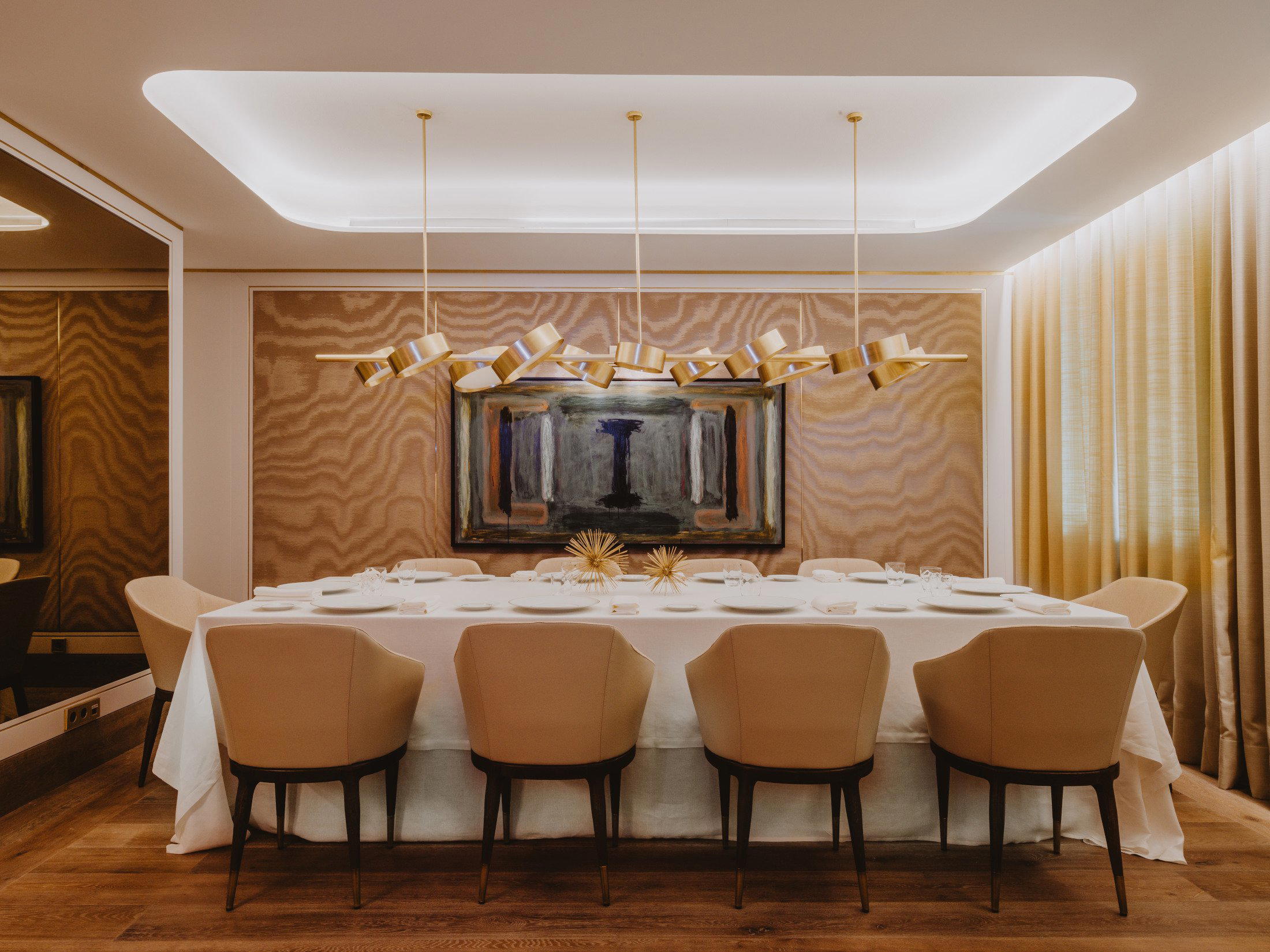
Bars in Madrid
All bars in Madrid →
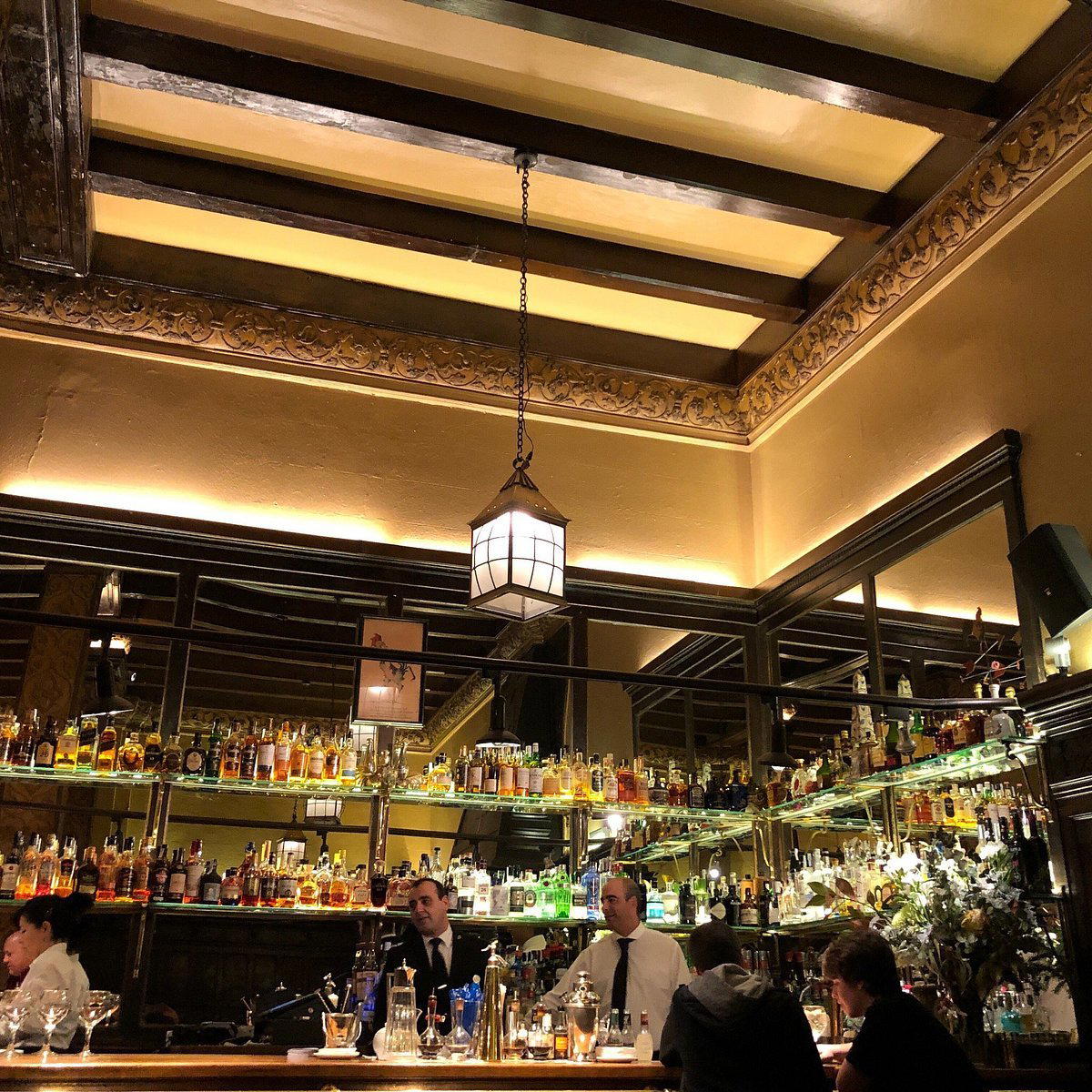
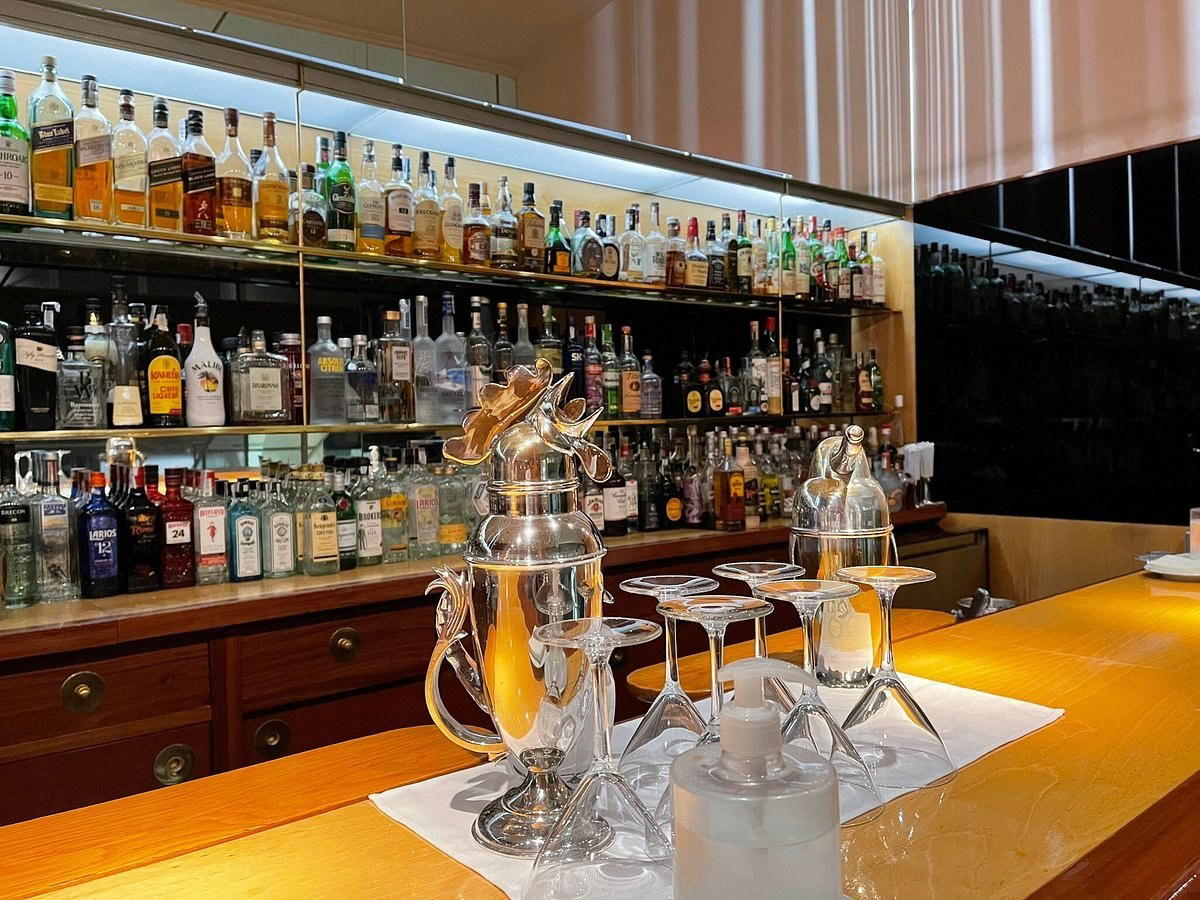
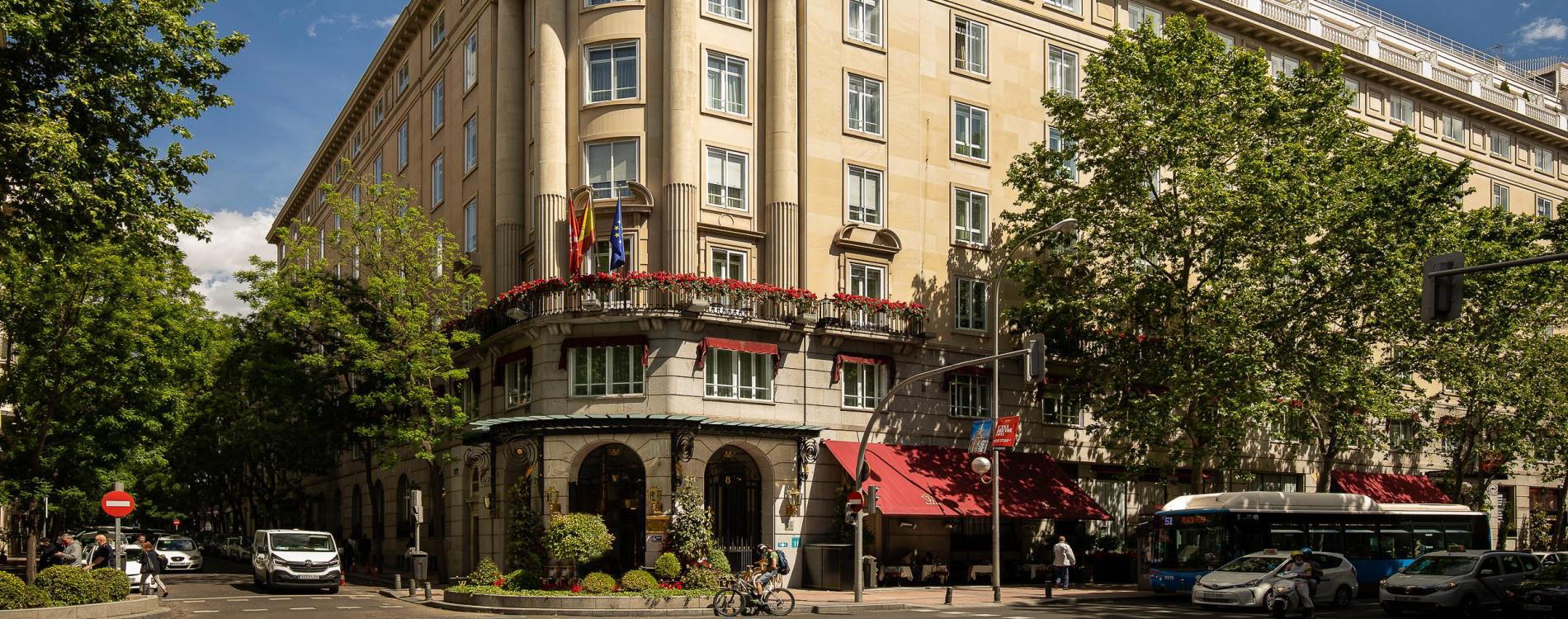

Ricardo Sanz Wellington
The wine
- Wine program
- Deep wine list
- Extensive wine list
- Sommelier-led
- Sake program
Details
- Elegant
- Sophisticated
- Intimate
- Modern
- Celebration
- Special Occasion
- Date Night
- Business Dinner
- Open Kitchen
- Chefs Counter
- Hotel Restaurant
- Extensive Wine List
- Sommelier Led
- Sake Program
- Local Sourcing
- Sustainable Seafood
- Tasting Menu
- Omakase
- A La Carte
- Wine
- Sake
- Craft Beer
- Pescatarian Friendly
Current opening hours
- Monday
- 1:30–4:30 PM, 8:30–11:30 PM
- Tuesday
- 1:30–4:30 PM, 8:30–11:30 PM
- Wednesday
- 1:30–4:30 PM, 8:30–11:30 PM
- Thursday
- 1:30–4:30 PM, 8:30–11:30 PM
- Friday
- 1:30–4:30 PM, 8:30–11:30 PM
- Saturday
- 1:30–4:30 PM, 8:30–11:30 PM
- Sunday
- Closed
Hours can change for holidays and private events. Hours as of .
Elegant and refined with custom place settings, transformative art and room design that creates an immersive dining journey; relaxed compared to other high-end Madrid restaurants.