

A Michelin-starred izakaya in Madrid's Centro district, Yugo The Bunker operates across two distinct spaces: an upstairs dining room styled after Japan's traditional pubs, and a basement 'Bunker' reserved for members, designed around a Second World War bunker aesthetic. Chef Julián Mármol bridges Japanese technique with Mediterranean ingredients, offering two set menus downstairs that position this among Madrid's more considered Japanese addresses.
Pearl is the En Primeur Club membership app — saves, bookings, and concierge access live there. Same editors, same standards.
- Address
- Calle de San Blas, 4, Centro, 28014 Madrid, Spain
- Phone
- +34 914 44 90 34
- Website
- yugothebunker.com
- Directions
- Get directions
 Saves & bookings on Pearl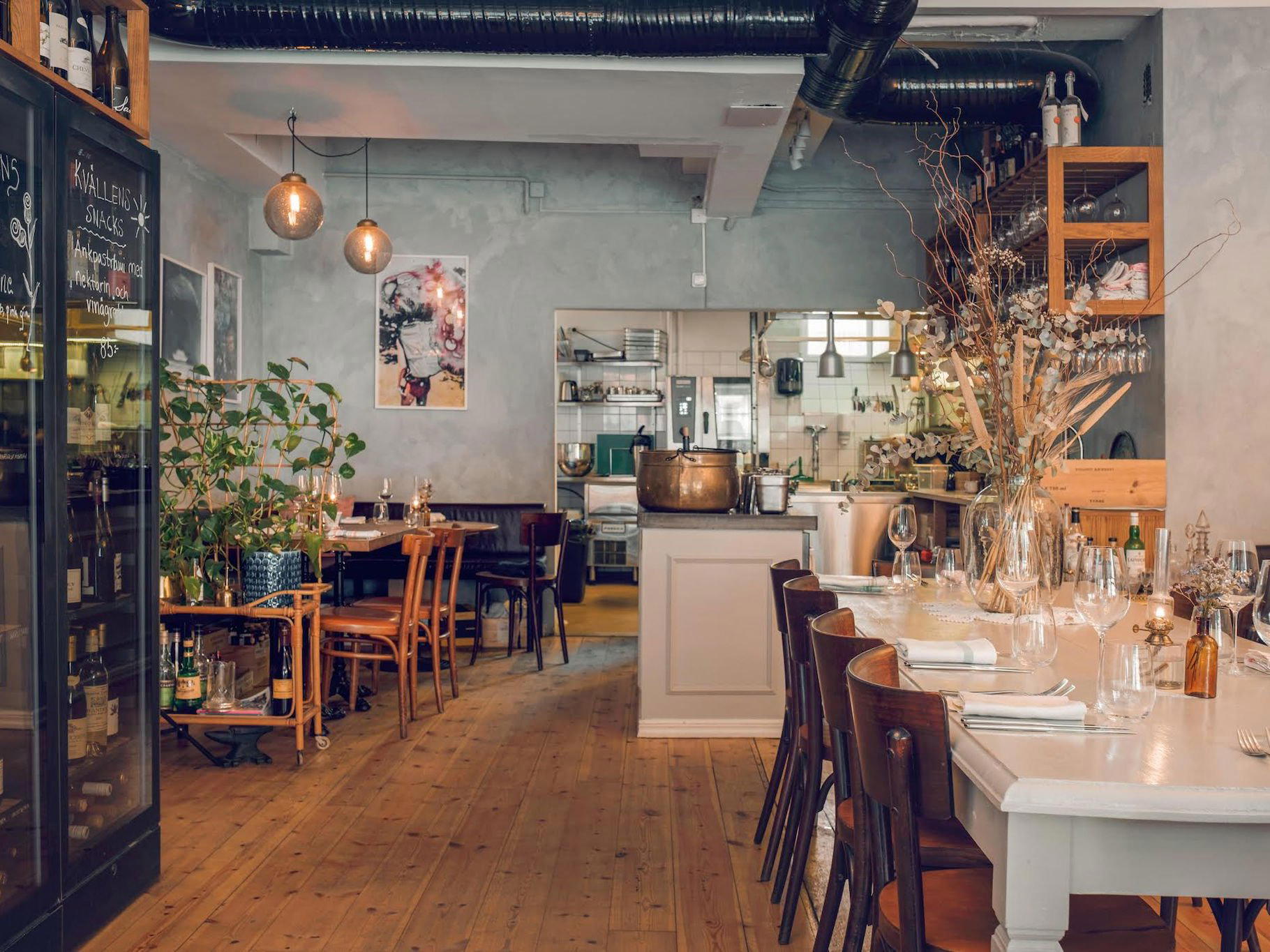
Where Madrid Meets the Izakaya Tradition
The izakaya, Japan's after-work pub, built around small plates, unhurried drinking, and the comfort of repetition, is one of the more honest formats in global dining. It is not about spectacle. The craft is in the grain of the rice, the precision of a dashi, the temperature of a broth. Transplanting that sensibility to Madrid, a city with its own deeply embedded culture of slow, social eating, produces something worth examining closely. Calle de San Blas 4, a quiet address in the Centro district, is where that experiment has been running long enough to earn a Michelin star.
Madrid's Japanese dining scene has matured considerably over the past decade. The city now sustains a tier of serious Japanese restaurants, among them Ebisu by Kobos, Hotaru Madrid, Ikigai Flor Baja, Ikigai Velázquez, and Izariya, that collectively signal a shift from novelty to genuine depth. Within that set, Yugo The Bunker occupies a particular niche: the izakaya format pushed toward fine-dining rigour, with a members-only basement that adds a layer of stratification unusual even by Madrid standards.
Two Rooms, Two Registers
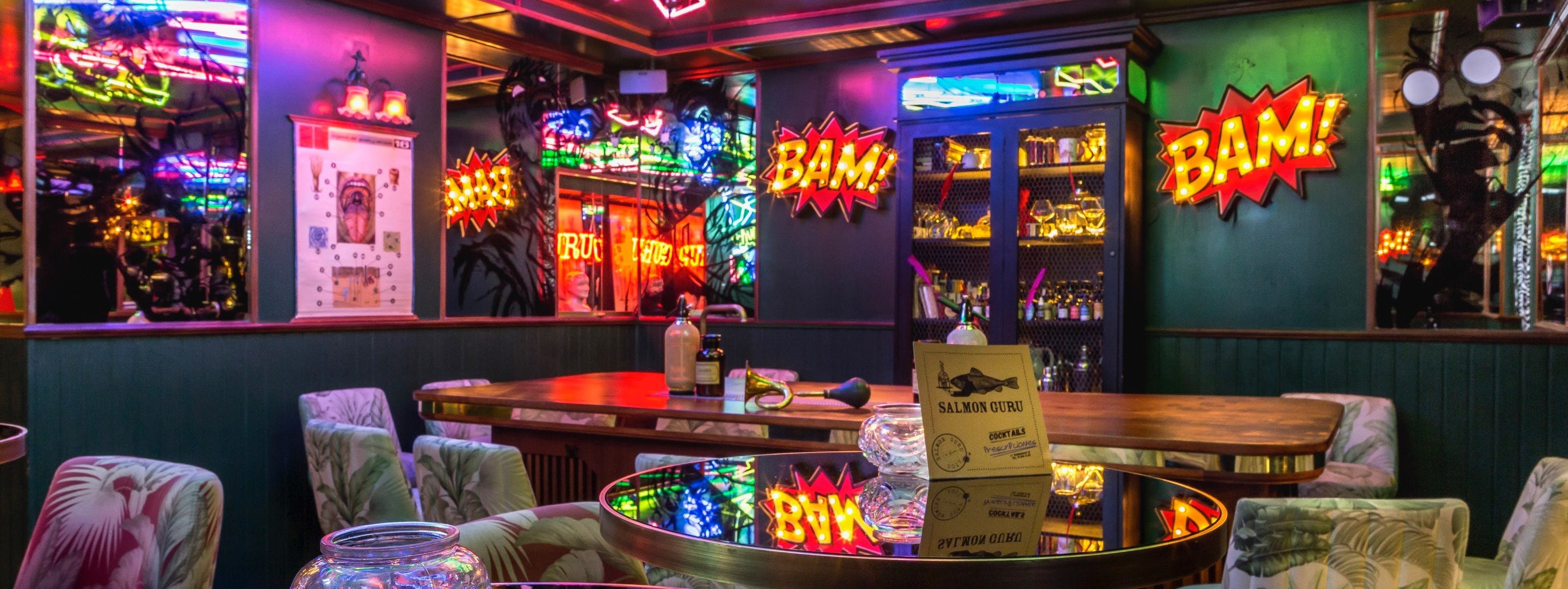
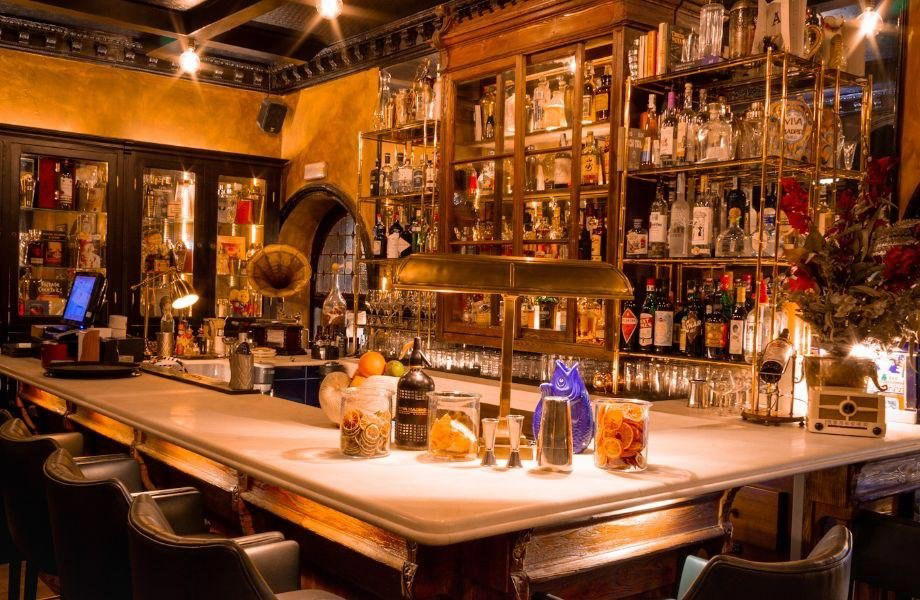
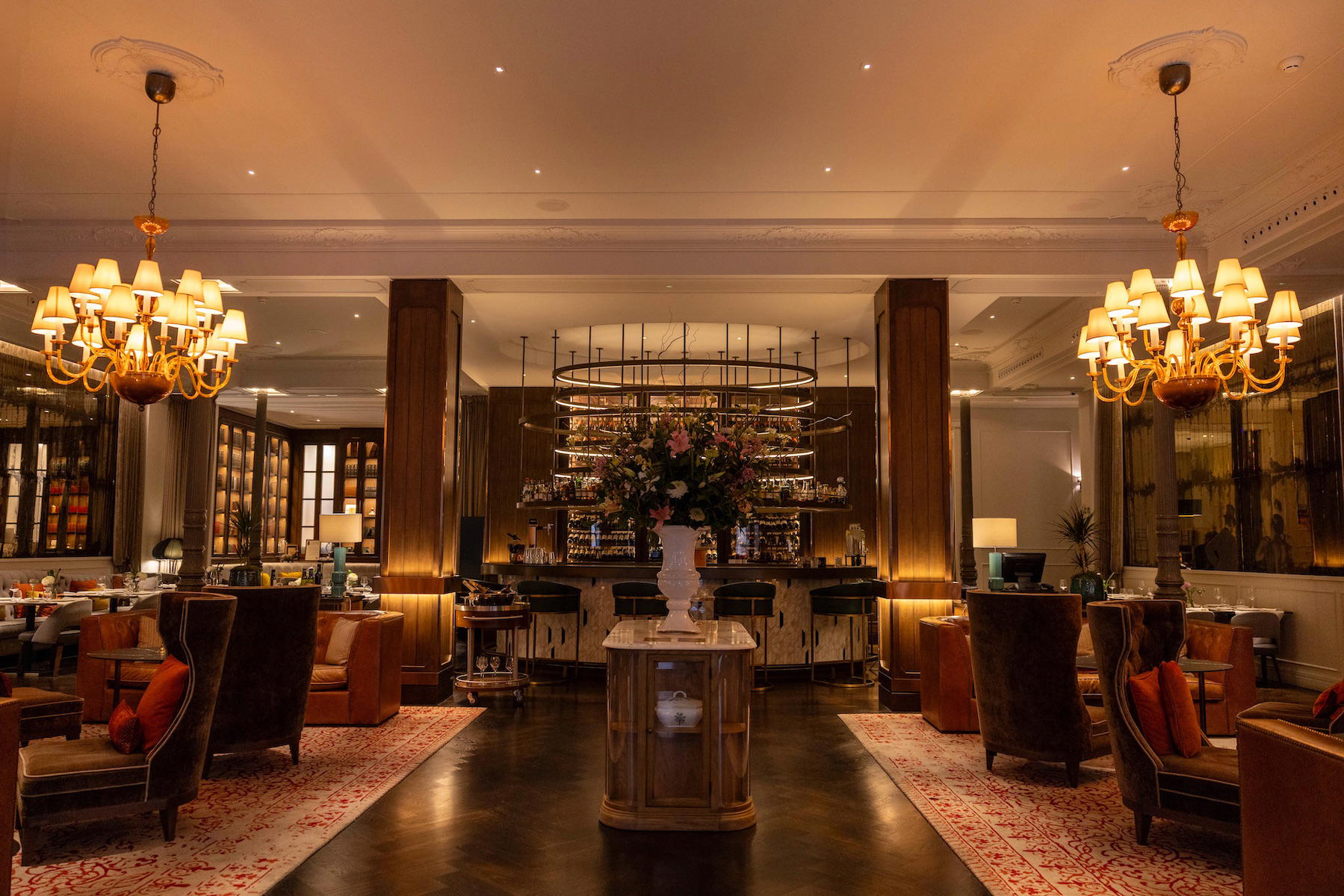
The physical design does much of the editorial work here. Upstairs, wood panelling, decorative masks, and hanging flags reference the visual grammar of an actual izakaya, a pub where the atmosphere is dense and particular rather than refined and neutral. The sushi bar anchors the room, pulling focus toward the counter format that defines so much of serious Japanese dining. The overall effect is warm rather than austere, sociable rather than ceremonial.
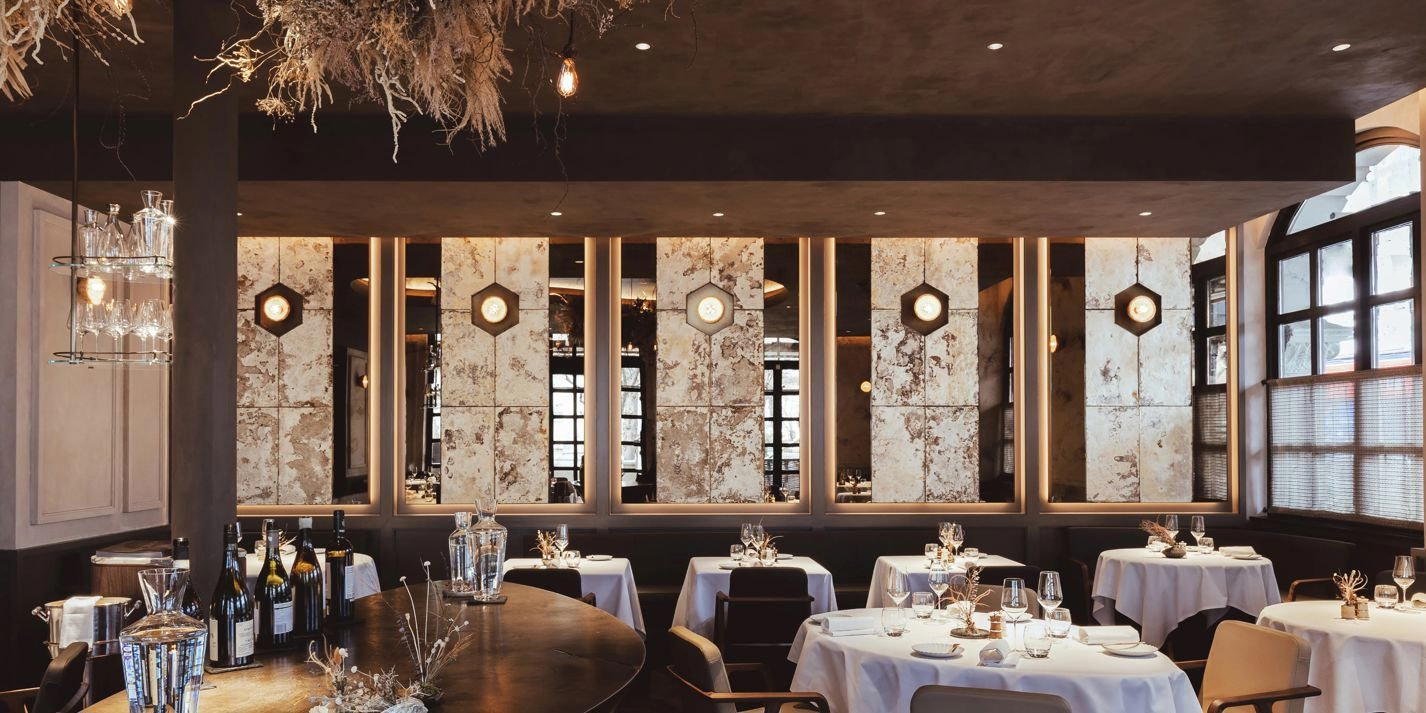
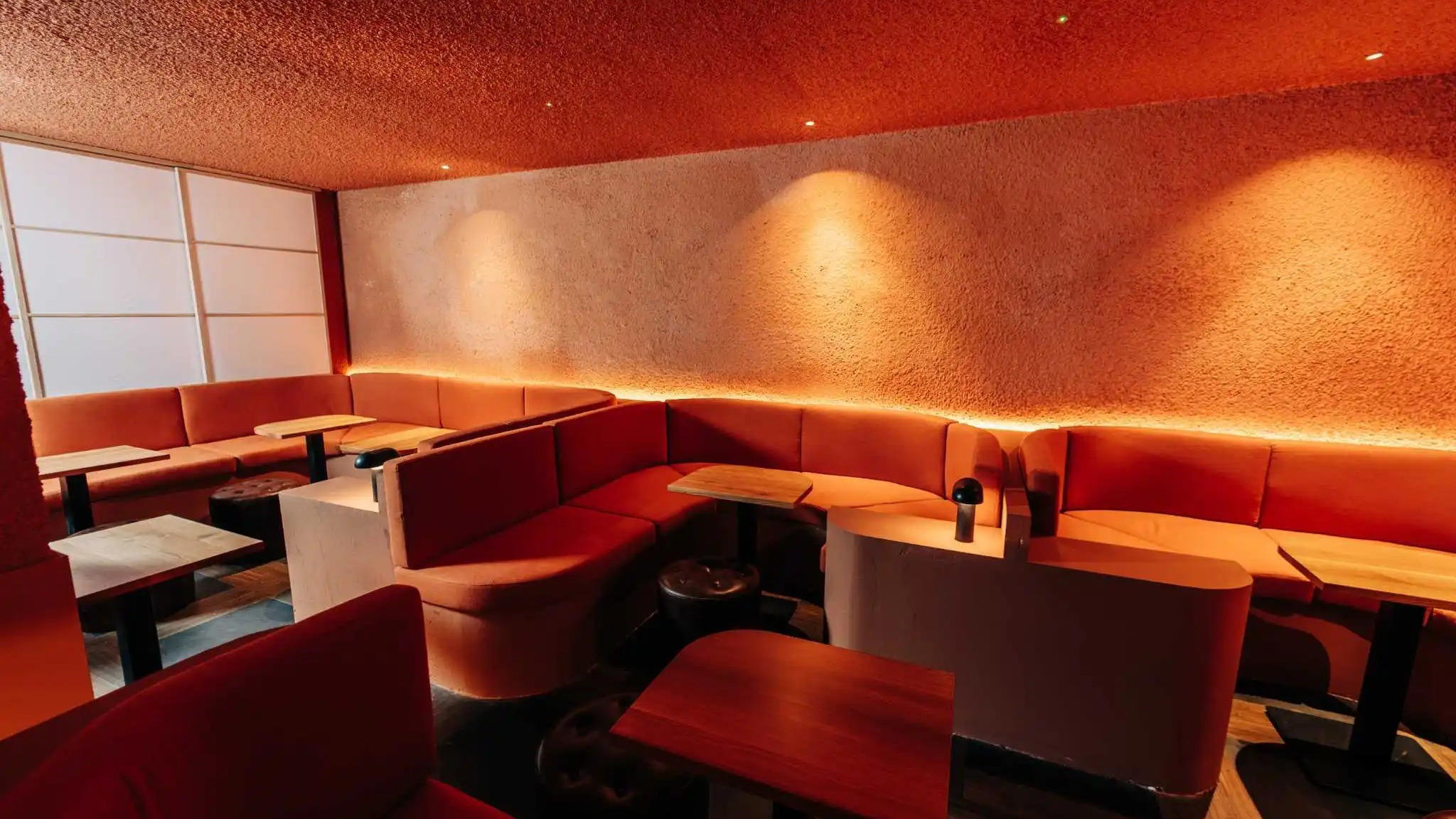
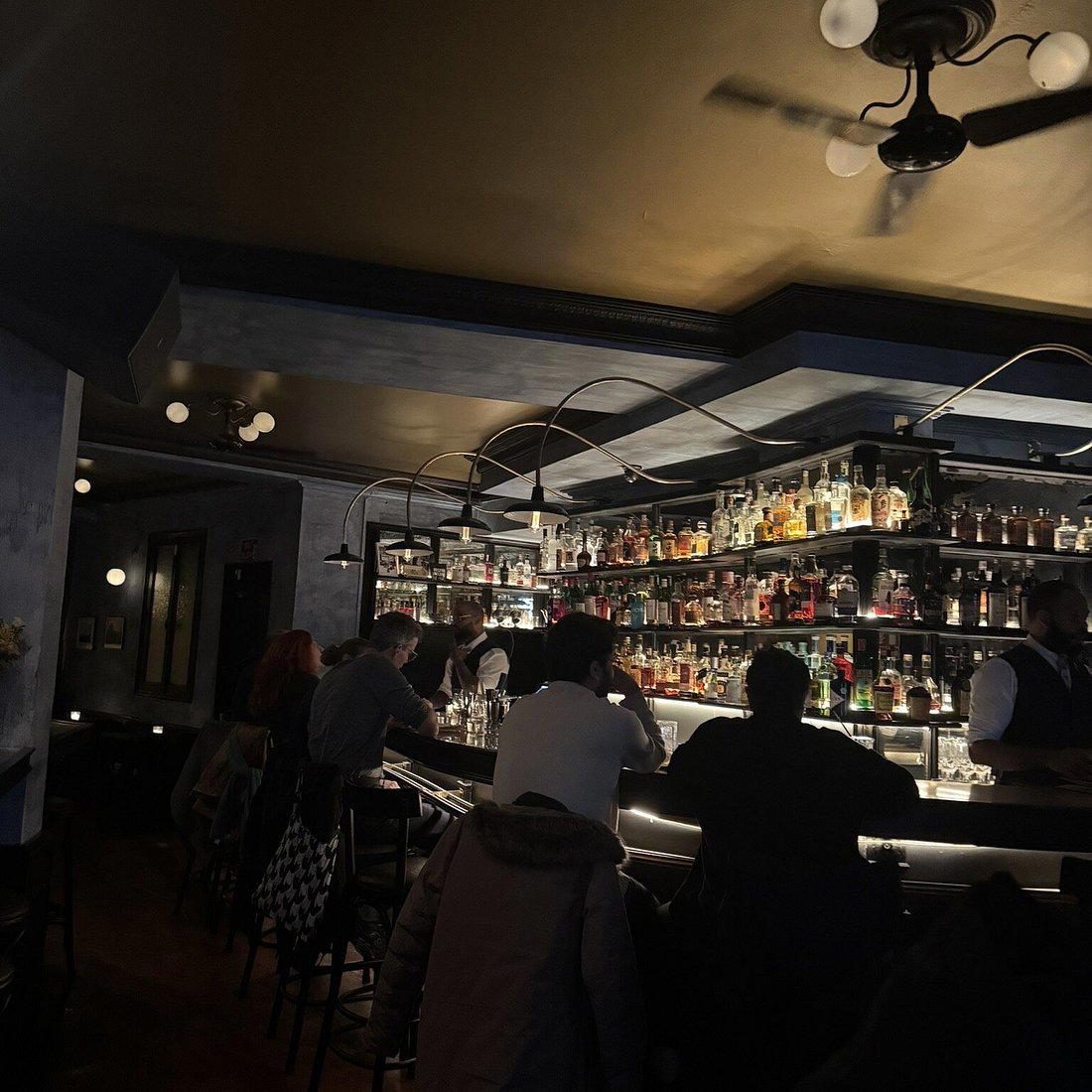
Downstairs is a different proposition. The Bunker is a private space for club members, its aesthetic drawn from Second World War bunker architecture, low ceilings, a sense of containment, the quiet intensity of a room that is not trying to be beautiful in any conventional way. It operates as an overflow for the main dining room but functions as its own format, running only two tasting menus: Clásicos del Bunker and Evolución. The first implies comfort and familiarity; the second, a willingness to move. Together they define the kitchen's ambition: to master a set of dishes thoroughly enough to offer them as classics, while maintaining enough momentum to develop.
This split-level structure, casual pub upstairs, contained fine-dining chamber below, is unusual in Madrid's €€€€ bracket, where most comparable addresses present a single, unified experience. At Disfrutar in Barcelona or El Celler de Can Roca in Girona, the format is singular and transparent. Here, the room you dine in depends partly on membership status and availability, a deliberate architecture of access.
The Craft Behind the Comfort
Izakaya food is comfort food in the truest sense: it is what Japanese people actually eat when they are not performing for a foreign audience. Gyoza with crackling skins, yakitori with the char still smoking, cold tofu with a smear of miso. The risk in taking this format seriously, in applying fine-dining precision to food that traditionally thrives on informality, is that you sand away the rough edges that give it meaning. The skill is in knowing which imperfections to keep.
This is the same tension that defines great ramen, great soba, great udon. Simplicity in Japanese cooking is not minimalism as a design choice; it is the result of removing everything that obscures the ingredient. A bowl of dashi-based broth rewards only if the dashi itself is made with care: kombu soaked at the right temperature, katsuobushi shaved to the right thickness, the extraction timed with precision. There are no flourishes to hide behind. The same discipline applies here, where the kitchen's approach to Japanese-Mediterranean fusion depends on sourcing and technique rather than complexity as camouflage.
Mármol works at a point where Iberian ingredients meet Japanese method, a combination that sounds easier than it is. Spanish olive oil alongside Japanese seasoning, or Iberian pork in a preparation drawn from the izakaya tradition, require the cook to understand both traditions deeply enough to know which elements are non-negotiable. The Michelin star suggests the kitchen is making those judgements correctly. For context within Spain's broader fine-dining conversation, which includes addresses such as Aponiente in El Puerto de Santa María, Arzak in San Sebastián, Quique Dacosta in Dénia, and Azurmendi in Larrabetzu, a first Michelin star for a Japanese-fusion restaurant in Madrid is a specific credential worth noting.
Placement in Madrid's €€€€ Tier
At the leading price tier in Madrid, the competition is largely Spanish or creative-fusion. DiverXO, Deessa, Smoked Room, Coque, and Paco Roncero all operate in the same bracket with different culinary philosophies. Yugo The Bunker is the only address in this set that begins from an izakaya reference point, which means it is drawing from a different tradition entirely, and should be evaluated on those terms.
Visitors to Madrid who have eaten at Japanese counters in Tokyo, at places like Myojaku or Azabu Kadowaki, will arrive with calibrated expectations. What they will find here is not a replication of Tokyo's omakase culture, but a different animal: a restaurant that uses Japanese comfort-food logic as its structural backbone while drawing on the ingredient culture of the Iberian Peninsula. Whether that trade-off satisfies depends on what you are looking for.
Seasonal and Timing Considerations
Madrid's dining calendar compresses meaningfully in summer, when the city empties in August and serious restaurants either close or operate reduced schedules. The Sunday lunch service is notable: it runs without a corresponding dinner, which makes it one of the few points in the week where the pace is naturally slower and the room is likely to feel less pressured. Spring and autumn, when Madrid's food culture is at its most active, are the periods when the kitchen is most likely to be performing at full stretch.
Planning Your Visit
| Detail | Yugo The Bunker | Comparable Madrid €€€€ |
|---|---|---|
| Price tier | €€€€ | €€€€ |
| Cuisine | Japanese / Mediterranean fusion | Spanish creative / progressive |
| Format | Izakaya + members tasting menus | Tasting menus / à la carte |
| Michelin recognition | 1 Star (2024) | Varies (1 to 3 Stars) |
| Lunch service | Tue–Sun, 1:30 to 3:30 PM | Varies by venue |
| Dinner service | Tue–Sat, 8:30 to 11 PM | Varies by venue |
| Sunday dinner | Not available | Varies by venue |
| Monday | Closed | Varies by venue |
Comparable Options
Comparable venues nearby, for context on price, style, and recognition.
| Venue | Cuisine | Price | Notes |
|---|---|---|---|
| Yugo The BunkerThis venue — the venue you are viewing | Michelin-Starred Japanese Haute Cuisine | $$$$ | Not listed |
| Ricardo Sanz Wellington | Modern Japanese Omakase with Mediterranean Fusion | $$$$ | Recoletos |
| Gaytán | Modern Spanish Fine Dining | $$$$ | El Viso |
| Quimbaya | Colombian Signature Cuisine | $$$$ | Almagro |
| El Invernadero | Modern Vegetable-Focused Spanish Fine Dining | $$$$ | Rios Rosas |
| OSA | Modern Spanish Fine Dining | $$$$ | Casa de Campo |
Recognition history
Dated appearances from independent guides and award organizations, with the underlying list record or original source where available.
Macarfi 7.4 Food Rating
Macarfi
Michelin 1 Star
Michelin
Michelin 1 Star
Michelin
Michelin 1 Star
Michelin
At a Glance
- Intimate
- Trendy
- Sophisticated
- Industrial
- Date Night
- Special Occasion
- Business Dinner
- Private Dining
- Extensive Wine List
Current opening hours
- Monday
- Closed
- Tuesday
- 1:30–4:30 PM, 8:30–11:30 PM
- Wednesday
- 1:30–4:30 PM, 8:30–11:30 PM
- Thursday
- 1:30–4:30 PM, 8:30–11:30 PM
- Friday
- 1:30–4:30 PM, 8:30–11:30 PM
- Saturday
- 1:30–4:30 PM, 8:30–11:30 PM
- Sunday
- 1:30–4:30 PM
Hours can change for holidays and private events. Last verified .
Intimate and magical atmosphere with wood profusion, decorative masks, flags, and distinct ambiences in izakaya tavern upstairs and bunker downstairs.