Schneider-Weisse
Schneider-Weisse serves German brauhaus fare with a beer program, local sourcing, and terrace seating in a historic building on Beregovaya Ulitsa in Rostov-on-Don.
Pearl is the En Primeur Club membership app — saves, bookings, and concierge access live there. Same editors, same standards.
- Address
- Beregovaya Ulitsa, 27B, Rostov-on-Don, Rostov Oblast, Russia, 344002
- Phone
- +79282709242
- Website
- schneider-weisse.ru
- Directions
- Get directions
 Saves & bookings on Pearl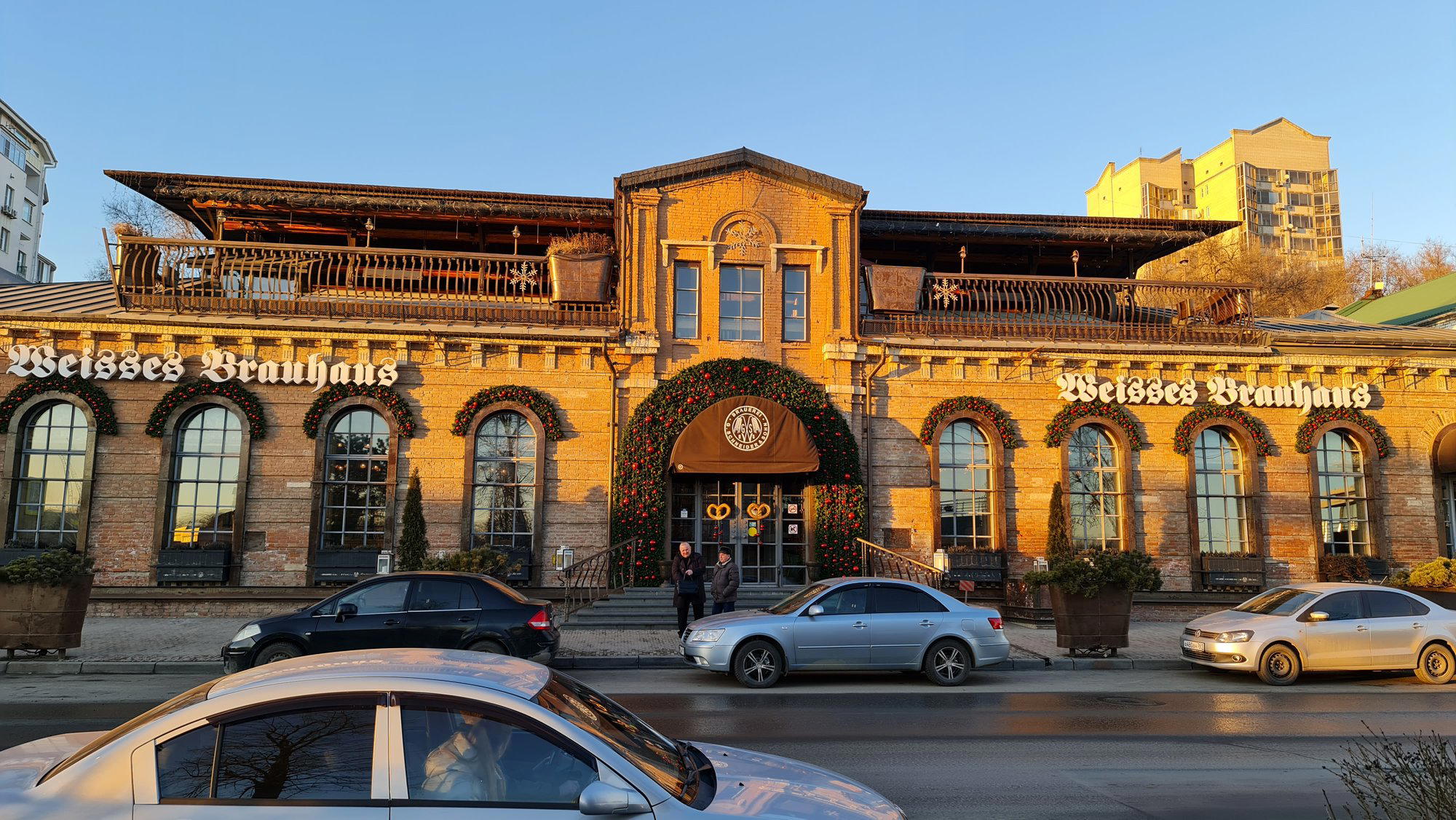
Where the Volga Meets the Wheat: Dining in Rostov-on-Don
Rostov-on-Don sits at a crossing point that has shaped its table for centuries: the Don River delta, the Black Sea steppe, and the agricultural heartland of southern Russia converge here, producing a food culture that is neither purely Cossack nor urban cosmopolitan, but a practical negotiation between both. The city's dining scene reflects that tension. Casual beer halls and riverside canteens share the same streets as restaurants making careful decisions about sourcing, format, and pacing. Schneider-Weisse, located at Beregovaya Ulitsa 27B in Rostov-on-Don, occupies a riverside address along the embankment.
The Ritual of the Beer Hall
Beer-hall dining in Russia carries a specific rhythm that distinguishes it from its Central European counterpart. The German-style beer hall format, which Schneider-Weisse draws from in name at least, arrived in Russian cities through the nineteenth century and embedded itself into a culture that had its own traditions of communal eating and extended meals. The pacing in this format is not structured around courses in the French sense; it moves laterally, with shared plates arriving in loose sequence, glasses refilled without ceremony, and conversation treated as the actual main event. The ritual is one of duration and ease rather than formal progression.
This is a format that rewards patience from the guest. Arriving with the expectation of a tightly timed meal misreads what this kind of space is designed to deliver. The embankment setting reinforces that tempo: Beregovaya Ulitsa is one of Rostov's more social corridors, particularly as the evening progresses, and venues along this stretch tend to operate as stages for the evening rather than destinations for a single act.
Rostov's Drinking and Dining Tier
Southern Russia's restaurant cities occupy a specific tier in the national dining conversation. Moscow anchors the high end of that conversation, with places like Twins Garden in Moscow operating at a level of technical ambition and investment that provincial cities seldom match. Saint Petersburg has its own legacy, with institutions like 1913 in Saint Petersburg drawing on a century of dining culture. Rostov sits in the tier below those two anchors, which is not a criticism: cities in this bracket often produce more honest, less performance-oriented eating, where the focus falls on what a region actually grows, catches, and ferments rather than on demonstrating technical sophistication for its own sake.
Within Rostov itself, the restaurant range spans from refined modern Russian rooms to neighbourhood spots with minimal pretension. Onegin Dacha and Pinot Noir represent the city's more composed dining options. Schneider-Weisse, by name and address, occupies a different register: the embankment drinking-and-eating category that functions as the city's social infrastructure rather than its fine dining tier.
The Embankment as Context
The riverside addresses in Rostov function as a distinct sub-category of the city's hospitality. Beregovaya Ulitsa is not a dining street in the curated sense that some European waterfronts have become; it is a working urban embankment with the mix of formality and informality that implies. Venues here compete on location and atmosphere as much as on plate. The Don is wide and slow at this point, and the views across the water to the opposite bank provide the kind of backdrop that makes a simple plate of something well-executed feel like a reasonable exchange for an evening.
For context across the broader Russian dining scene, the range extends from river-town informality in Rostov to regional specialists like Alanskaya Kukhnya in Krasnodar, which takes Caucasian cuisine seriously as a regional tradition, to urban comfort spots like Dzhani Restorani in Nizhny Novgorod and neighbourhood fixtures like Grisha in Omsk. Each of those venues reflects the specific character of its city. The restaurant reflects the specific character of its embankment: social, accessible, oriented toward the river.
Planning a Visit
The address at Beregovaya Ulitsa 27B is publicly recorded, placing the venue on the embankment in the central district of Rostov-on-Don. Reservations are recommended. For a venue of this type on a busy riverside strip, arriving earlier in the evening gives the leading read on the room before it fills. The embankment in Rostov draws foot traffic through the warmer months, so summer visits will find this stretch considerably more animated than a February evening. The dress code is casual, and the price tier is moderate.
For those building a broader itinerary in Russia's dining cities, the contrast between Rostov and the northern capitals is informative. Made in China in St. Petersburg, Lev I Ptichka in Saint Petersburg City, and Khmeli Suneli in Yekaterinburg all operate in city contexts with different dining infrastructure and price expectations. Rostov's proposition is different: a southern city with a warmer climate, a strong agricultural hinterland, and a social dining culture that leans toward the convivial rather than the formal. Internationally, the casual-format beer hall sits in a long tradition that venues like Le Bernardin in New York City and Atomix in New York City represent at the opposite end of the formality spectrum; knowing where the restaurant sits relative to those poles helps set the frame before arrival.
Additional reference points across Russia's provincial dining scene include Kukhterin in Tomsk, Konditerskaya Kuzina in Syktyvkar, and Burger Records in Novosibirsk, each of which illustrates how regional cities are developing distinct dining identities outside the Moscow-Petersburg axis. Cafe Pushkin in Moscow and krevetka in Voronezh round out a picture of Russian dining that is considerably more varied than its international reputation suggests.
Where It Fits
Comparable venues nearby, for context on price, style, and recognition.
| Venue | Cuisine | Price | Notes |
|---|---|---|---|
| Schneider-WeisseThis venue — the venue you are viewing | German Brauhaus | $$ | Not listed |
| Onegin Dacha | Russian Traditional Fine Dining | $$$$ | Central Rostov |
| Pinot Noir | Author's French Fine Dining | $$$ | Pushkinskaya Street |
| Pyshechnaya | Russian Pyshechnaya (Donut Cafe) | $ | Nevskiy |
| Kazbek | Authentic Georgian | $$ | Presnensky |
| Palmenya | Mediterranean Seafood | $$$ | City Center |
Continue exploring
More in Rostov On Don
Restaurants in Rostov On Don
Browse all →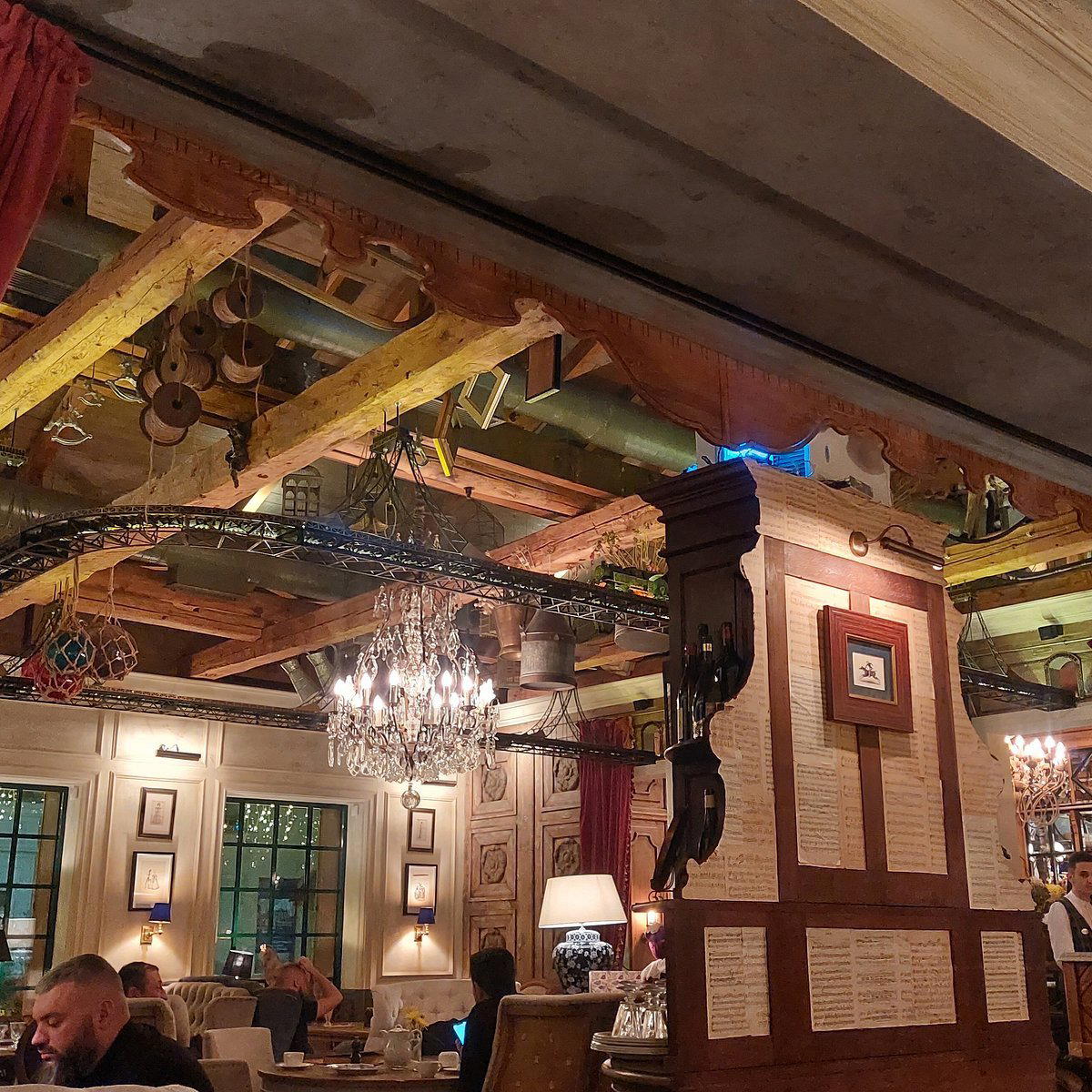
At a Glance
- Classic
- Lively
- Rustic
- Group Dining
- Casual Hangout
- Late Night
- Open Kitchen
- Terrace
- Historic Building
- Beer Program
- Local Sourcing
Current opening hours
- Monday
- 11 AM–12 AM
- Tuesday
- 11 AM–12 AM
- Wednesday
- 11 AM–12 AM
- Thursday
- 11 AM–12 AM
- Friday
- 11 AM–12 AM
- Saturday
- 11 AM–12 AM
- Sunday
- 11 AM–12 AM
Hours can change for holidays and private events. Last verified .
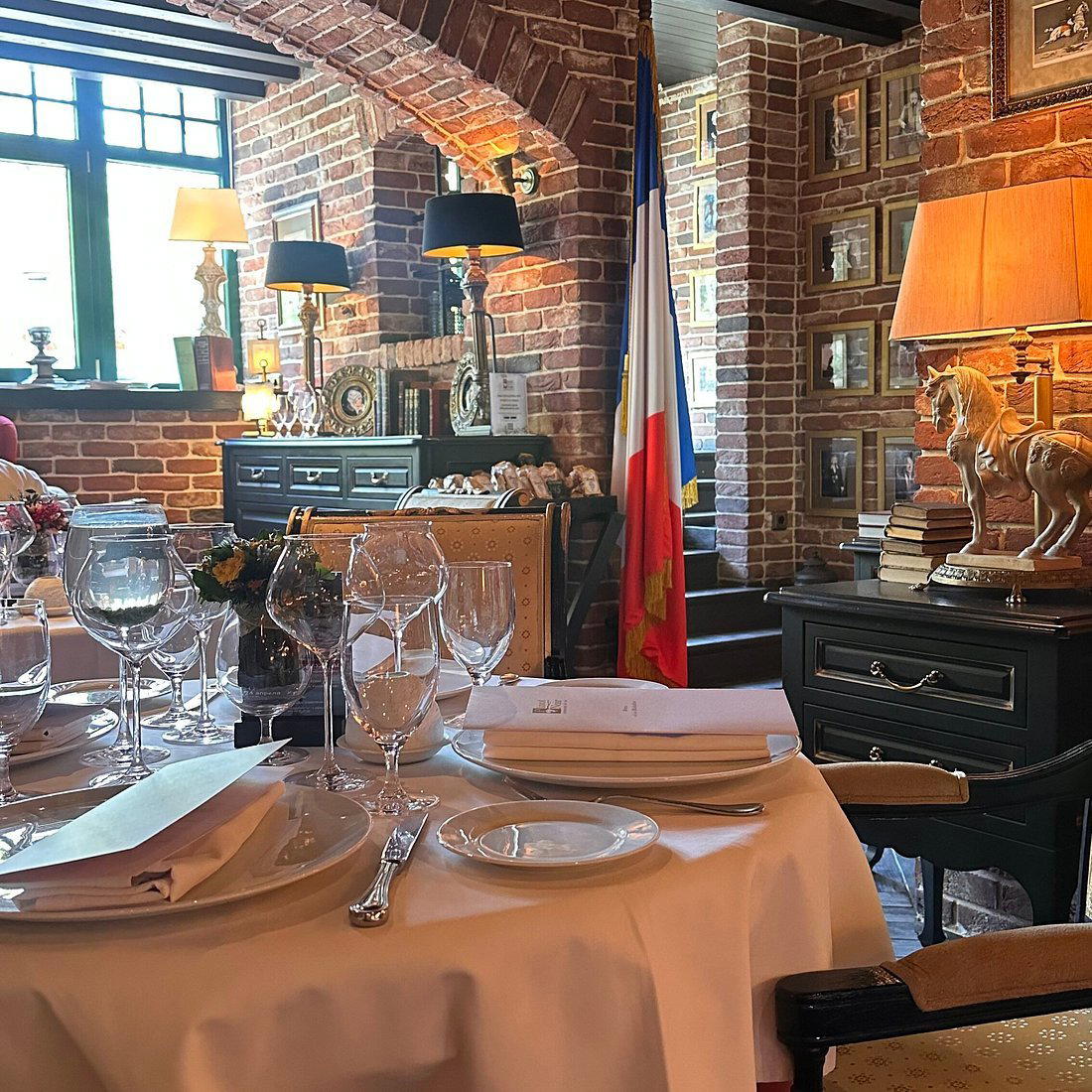
Bavarian-style interior with original brickwork, lively atmosphere enhanced by live lounge music from professional bands Tuesday through Sunday.