
Sanuki Udon Kuranosuke belongs to Tokyo’s serious low-cost noodle tier, where craft is measured by turnover, texture, and repeat recognition rather than luxury signals. The Takadanobaba room is small, counter-led, and selected for Tabelog’s Udon EAST 100 in 2024, making it a useful case study in how lunch and dinner play different roles in the city’s udon culture.
Pearl is the En Primeur Club membership app — saves, bookings, and concierge access live there. Same editors, same standards.
- Address
- 3 Chome-7-15 Takada, Toshima City, Tokyo 171-0033, Japan
- Phone
- +81 3-3987-9945
- Website
- udon-kuranosuke.com
 Saves & bookings on Pearl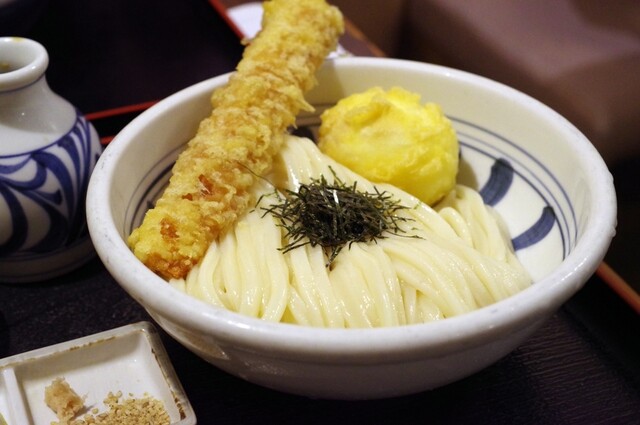
Takadanobaba’s noodle culture works at street level: narrow shopfronts, station traffic, quick decisions, rooms for eating rather than lingering. Here, Sanuki udon has an authority unlike Tokyo tasting-menu restaurants. The form is democratic, but error margins are thin: wheat noodles, broth temperature, dipping formats, tempura timing, and seat turnover register fast in a compact room. Sanuki Udon Kuranosuke fits that grammar: a 16-seat udon shop with counter seating, a low listed budget, and repeated selection in Tabelog’s Udon 100, including the EAST 2024 list.
The restaurant is best read through its day-night split. Lunch in Tokyo’s specialist noodle shops is functional and compressed, shaped by office workers, students, and solo diners who know the choreography. Evening changes the equation: udon becomes less refuelling stop than modest drinking table, especially where sake and shochu are part of the programme. Kuranosuke sits there too, with nihonshu and shochu noted alongside the noodles, making it feel closer to a neighbourhood specialist than a pure lunchtime counter.
Tokyo udon at a price tier where craft has to be visible
Tokyo’s expensive restaurants announce themselves through architecture, service rhythm, and scarcity. Noodle shops have fewer hiding places. At a sub-¥1,000 listed budget, value is the contract. A udon address matters in this tier not because it feels luxurious, but because it can hold attention against cheaper convenience, chain efficiency, and the city’s deep ramen infrastructure.
Sanuki udon, rooted in Kagawa Prefecture, is unforgiving on Tokyo’s competitive dining map. The noodle has to carry the meal. Compared with ramen, where fat, tare, and broth density often dominate, udon exposes texture and restraint: chew, temperature, portion logic, and the relationship between noodle and broth or dipping sauce. Tabelog’s Udon 100 recognition signals peer credibility inside a narrow category, not broad casual-dining popularity.
Kuranosuke’s Tabelog score of 3.67 and 2024 Udon EAST 100 selection put it beyond generic station-area noodle shops. Its award history is not a one-year anomaly, with selections in 2017, 2018, 2019, 2020, 2022, and 2024. For Tokyo diners, that continuity is persuasive: noodle fashion moves quickly, and casual specialists can fade when queues shift. Repeated category recognition suggests the shop remains legible to serious udon diners, not merely convenient to the neighbourhood.
That position separates it from other low-cost Tokyo specialists. Tonkatsu rooms such as Tonta and Tonkatsu Hinata ask diners to judge frying, pork quality, and set-meal balance; curry specialists such as Curry Rice Senmon Ten Brother and Pneuma Curry depend on spice structure and rice management. Udon asks the quieter question of whether a simple bowl justifies a dedicated trip. Here, the answer is category confidence rather than spectacle.
Lunch is about speed; dinner gives the room another purpose
The lunch-dinner divide makes this more interesting than a standard noodle recommendation. Daytime udon in Tokyo rewards decisive ordering and quick table release. With 16 seats, including six counter seats, Kuranosuke belongs to the compact specialist format behind much of Tokyo’s everyday dining excellence. Capacity is experiential, not a footnote: small shops maintain focus but expose diners to queues, timing, and the pressure not to hold a seat longer than the meal requires.
Evening changes the tempo. Reservations are accepted at night for parties of two or more, signalling a service model that can handle planned dining, not only walk-in turnover. Sake and shochu also matter. Dinner udon can shift from single-bowl meal to relaxed sequence, with noodles anchoring rather than completing the visit. This is not fine dining, but another strand of Tokyo food culture, where modest prices and specialist execution make a small room feel deliberate after dark.
For travellers, the distinction is useful. Lunch suits those folding Takadanobaba into a wider day on the Yamanote or Tozai lines, especially for a focused noodle stop rather than a long meal. Dinner suits a casual evening in a student-heavy, everyday district rather than another reservation-led night in Ginza, Ebisu, or Aoyama. Value is strong at both services, but the mood differs.
Takadanobaba explains the appeal. It is not a luxury dining district; universities, commuters, inexpensive restaurants, and appetite for filling food done well shape it. A shop like this does not need central Tokyo polish, and would feel less convincing if it tried. The neighbourhood rewards clarity, price discipline, and repeatability.
How to place Kuranosuke in a Tokyo eating day
Sanuki Udon Kuranosuke is strongest as a category stop: a place for travellers who want Tokyo’s everyday specialist culture without making every meal ceremonial. It belongs beside focused addresses where the format is narrow and judgment immediate. For a broader route through the city’s casual spectrum, EP Club’s Tokyo restaurant coverage includes nearby and category-adjacent contrasts such as 3 Chome no Curry Ya San, 12/10 Shinjuku ten, 124. KAGURAZAKA (Yakitori), . 鮪と炭火焼き うお炭 秋葉原店, and 2D Cafe.
The practical call is simple: treat lunch as efficient and dinner as more social. The restaurant closes early in the week, runs split services on several days, and is cash-only, so it rewards basic planning. Private-room and private-use notes exist, but the core identity remains small-scale udon, not group dining. Parking is unavailable, normal for this kind of Tokyo address and another reason to approach by station.
For a full Tokyo trip, do not compare this with a luxury omakase counter or hotel dining room. Understand it as part of the city’s specialist-casual layer: inexpensive, tightly formatted, and judged by consistency. Pair it with broader planning from Our full Tokyo restaurants guide, then use Our full Tokyo hotels guide, Our full Tokyo bars guide, Our full Tokyo wineries guide, and Our full Tokyo experiences guide to build the rest of the day around it.
Japan’s casual-specialist scene extends well beyond Tokyo: -Grilled beef Sukiyaki- KAMAKURA TANUKIAN 鎌倉 たぬき庵 in Kamakura.cafe in Osaka.know in Kumamoto, (Shoku) Vietnam in Kawasaki, [Curry Senmon Ten] Maruyama Kyoju. in Sapporo, and [ki:] in Kyoto show how focused formats behave differently by city. For Japanese food culture abroad, Jōdo Saké Bar in Los Angeles and Onigiri Time in Pasadena offer another lens on translation and adaptation. Kuranosuke’s value is local: a Tokyo udon room where daytime bowl and evening table tell two stories about the same craft.
Side-by-Side Snapshot
Comparable venues at a glance for context.
| Venue | Cuisine | Price | Notes |
|---|---|---|---|
| Sanuki Udon KuranosukeThis venue — the venue you are viewing | Sanuki udon noodle shop | $ | Not listed |
| Golden time | Award-winning ramen & brothless tantanmen | $ | Nerima |
| Soup Curry Ya Oodori Chiyoda kandasurugadai ten | Soup curry & Japanese curry house | $ | Chiyoda |
| Naniwaya cafe | Traditional Japanese taiyaki & sweets café | $ | Minato |
| Tenchaya Nanakura | Inaniwa udon & creative lunch sets | $ | Minato |
| Kyokasuduke Uokyu Ginza ten | Traditional Japanese kasuzuke fish teishoku | $ | Chūō |
Recognition history
Dated appearances from independent guides and award organizations, with the underlying list record or original source where available.
Tabelog 100 #60 · No. 60
Tabelog · Tabelog 100 - Udon - EAST - 2024














At a Glance
- Cozy
- Classic
- Solo
- Family
- After Work
- Casual Hangout
- Standalone
Current opening hours
- Monday
- Closed
- Tuesday
- Closed
- Wednesday
- 11 AM–2 PM, 5–8:30 PM
- Thursday
- 11 AM–2 PM, 5–8:30 PM
- Friday
- 11 AM–2 PM, 5–8:30 PM
- Saturday
- 11:30 AM–2:30 PM, 5–7:30 PM
- Sunday
- 11:30 AM–2:30 PM
Hours can change for holidays and private events. Last verified .
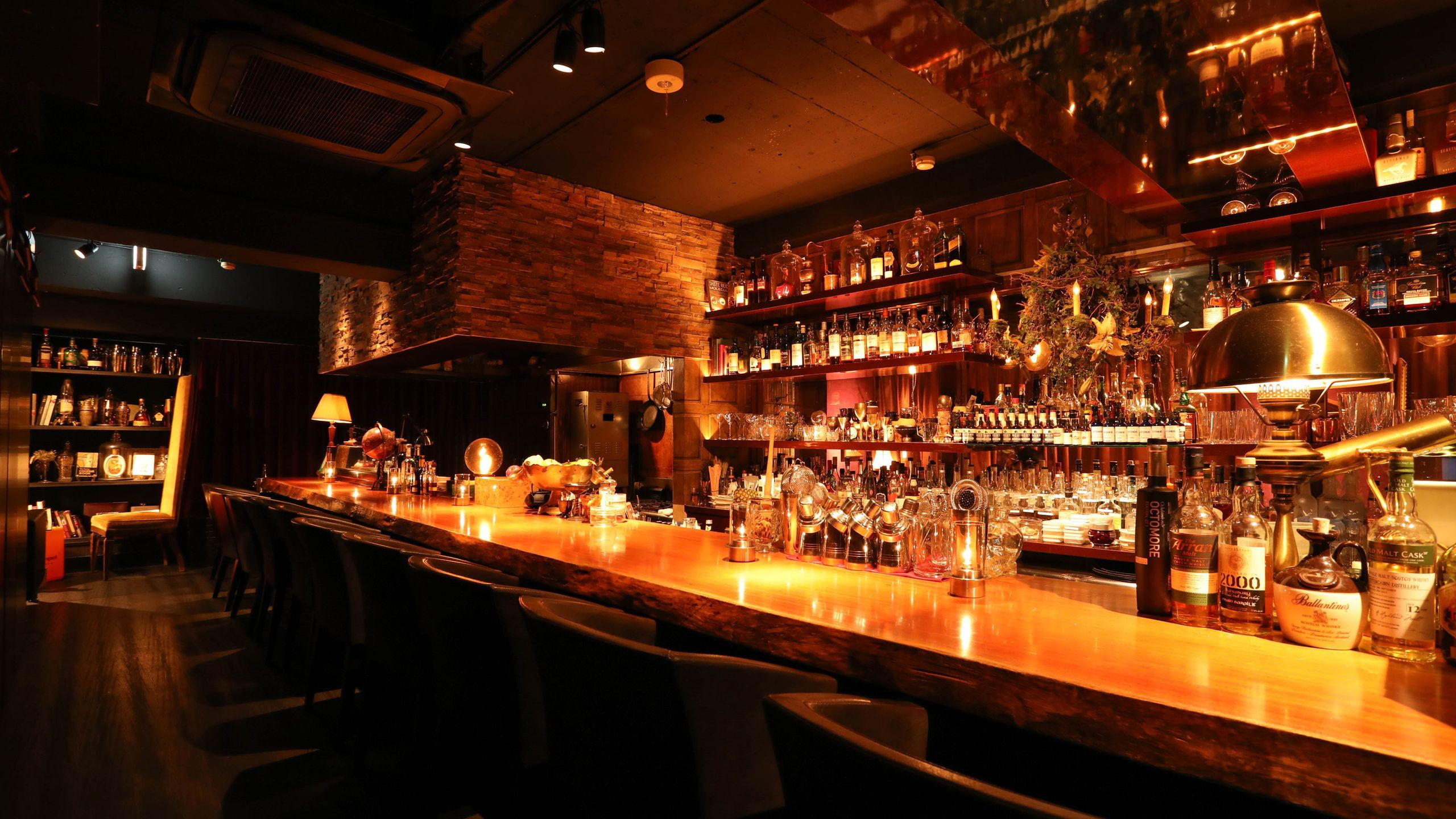
A compact, no-frills neighborhood udon shop with counter and a few small tables, bright but simple decor, and a bustling yet welcoming atmosphere centered on quick, satisfying bowls of noodles.