
Tokyo ramen culture rewards planning as much as appetite: small counters, short services, and limited bowls define the experience. Golden time belongs to that category, a seven-seat Ekoda counter known for ramen and brothless tantan-men, with repeated Tabelog Ramen TOKYO 100 selections from 2019 through 2025 and a compact format that favors decisive diners.
Pearl is the En Primeur Club membership app — saves, bookings, and concierge access live there. Same editors, same standards.
- Address
- 1 Chome-2-7 Kotakecho, Nerima City, Tokyo 176-0004, Japan
- Phone
- +81 3-5926-7566
- Website
- twitter.com
 Saves & bookings on Pearl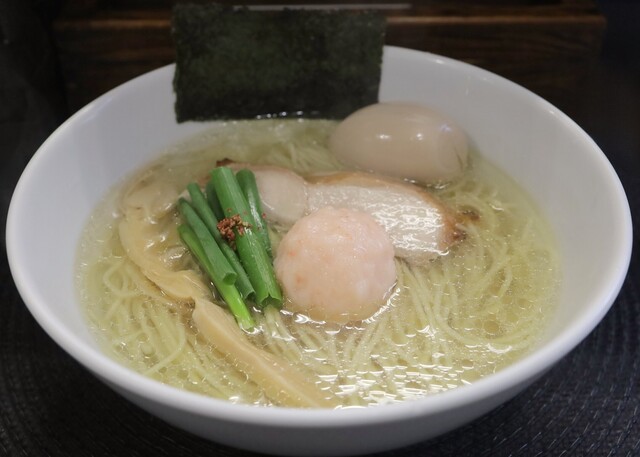
Ekoda’s dining rhythm is quieter than central Tokyo’s ramen corridors, but the cues are familiar: compact frontage, counter-led room, and diners who know timing matters. Golden time sits in the city’s practical ramen tradition, where the meal is brief, margins are narrow, and the serious work happens before the bowl arrives: choosing when to go, accepting the counter, and treating availability as part of the experience.
Tokyo ramen is often discussed through broth, noodles, and regional styles, but access defines it too. The small-shop model shapes how the city eats. A seven-seat counter changes the mood: turnover is choreography, solo diners fit naturally, and groups must think before arriving together. Golden time’s place in the Tabelog Ramen TOKYO 100 from 2019 through 2025 gives it a public credential in a category where local diners are unforgiving. In Tokyo ramen, repeat selection signals years of consistency, not a one-season flash.
Ekoda ramen with the discipline of a small counter
Ekoda gives this address a different register from Shinjuku, Ginza, or Tokyo Station. The neighborhood is associated with students, local regulars, and everyday eating rather than destination spectacle, making a recognized ramen counter here feel embedded in daily Tokyo rather than staged for visitors. Nearby comparison points show the area’s range: Chonan Hosono Takashi sits in a similar everyday price band, while Machi no Parlor and Parlor Ekoda pull the neighborhood toward bakery-café culture at a higher spend. Golden time belongs to the sharper, quicker side of the local map.
The cuisine signal is not just broad “ramen.” The category also includes tantan-men without broth, shifting attention from soup depth to seasoning, texture, and how noodles carry sauce. Tokyo is fluent in these substyles: clear shio counters, heavy tonkotsu rooms, niboshi specialists, and dry tantan-men shops all compete for the same small windows of diner attention. The restaurant is useful for travelers who want a specific, not generic, ramen stop without entering the high-cost tasting-menu universe that dominates much of Tokyo’s international dining conversation.
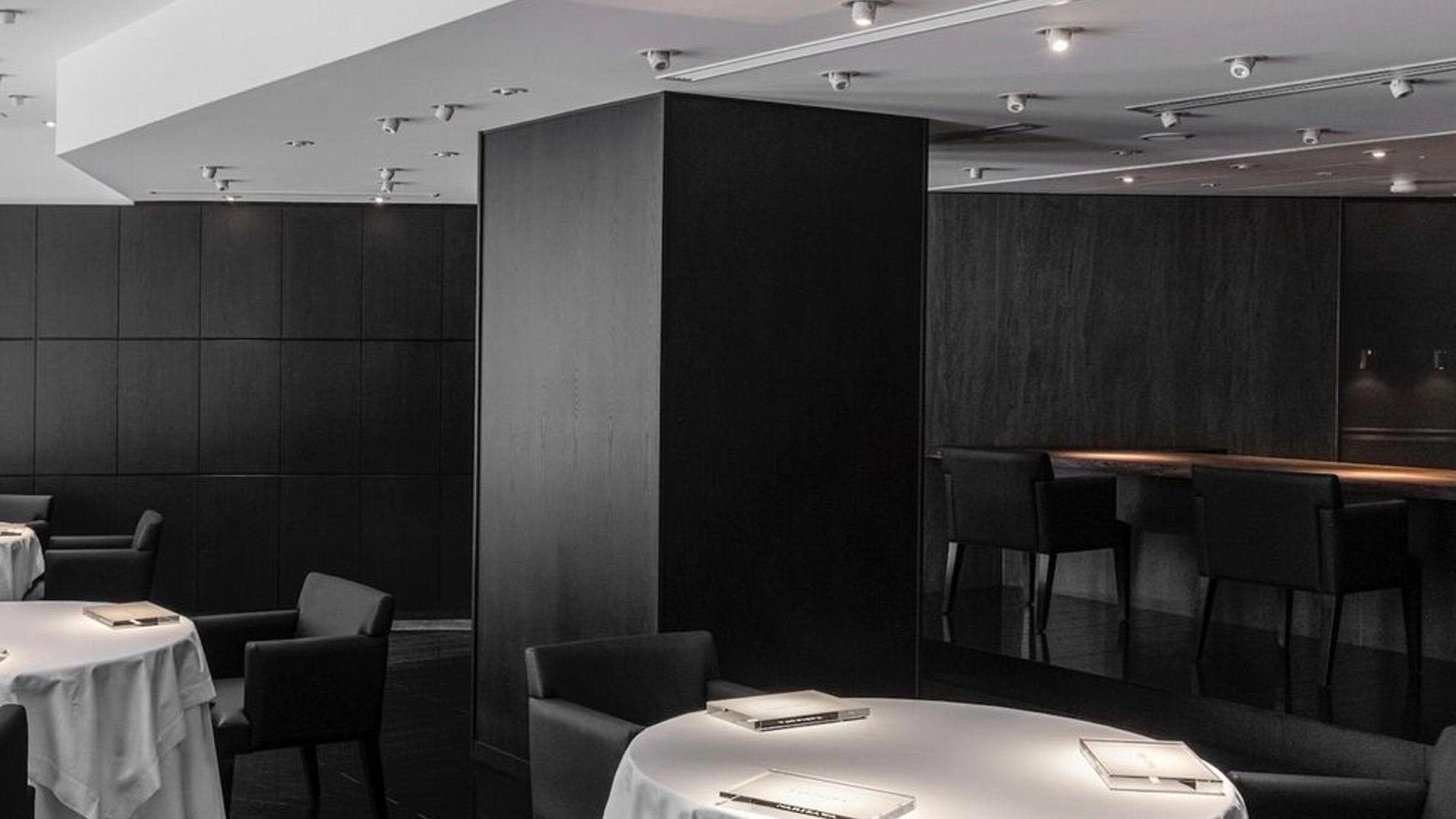
The counter-only setup keeps the experience close to ramen’s working-city origins. There is no private-room theater, no long beverage pairing, and no need to dress the meal as fine dining. The format asks diners to read the room: arrive ready, order without turning the counter into a committee meeting, and treat the seat as shared civic space. That is part of why Tokyo ramen culture sustains high standards at modest cost.
Recognition matters, but the planning is the point
Tabelog’s Hyakumeiten lists are influential in Japan because they reflect competitive local review culture rather than international award tourism. Selection for Tabelog Ramen TOKYO 100 across seven consecutive editions, from 2019 to 2025, places the restaurant among shops that held attention beyond opening-year excitement. Its 3.79 Tabelog score is another useful signal in a market where ratings above the mid-3s can indicate serious local approval, especially for casual counters with limited seating.
The booking experience is best understood as a no-booking experience. In Tokyo, that can be liberating or punishing. There is no elaborate reservation strategy, but little buffer if the counter fills or ingredients run down. Treat it like a time-sensitive errand: build slack around the meal, avoid a large party, and keep a second neighborhood plan if the counter is full. That is not a flaw; it is how many of the city’s strongest casual restaurants protect scale, pace, and consistency.
Cash-only payment and no parking also point to a local-first rhythm. This is not hotel-concierge Tokyo with tasting-menu deposits; it is train lines, short queues, and restaurants that expect diners to adapt. For a food itinerary, it is a useful counterweight to polished reservations elsewhere. A day might move from a disciplined ramen lunch here to a different register at 12/10 Shinjuku ten, 124. KAGURAZAKA (Yakitori), or . 鮪と炭火焼き うお炭 秋葉原店. For a broader city view, use Our full Tokyo restaurants guide, then place it beside Our full Tokyo bars guide, Our full Tokyo hotels guide, Our full Tokyo experiences guide, and Our full Tokyo wineries guide for the rest of the trip architecture.
Who should make the detour
This is a strong fit for diners who value category precision over ceremony. Ramen specialists, solo travelers, and repeat Tokyo visitors will understand it fastest. First-time visitors trying to cover every central district in one day may find Ekoda less convenient than station-area ramen, but convenience is not the only measure. The neighborhood setting gives the meal another credibility: it asks the diner to leave obvious routes and eat where the format, not the address, is the draw.
The better comparison is not luxury restaurants, but other compact, purpose-built Japanese food stops where the proposition narrows to one discipline. Across Japan and beyond, that logic appears in different forms, from 3 Chome no Curry Ya San and 2D Cafe in Tokyo to -Grilled beef Sukiyaki- KAMAKURA TANUKIAN 鎌倉 たぬき庵 in Kamakura.cafe in Osaka.know in Kumamoto, (Shoku) Vietnam in Kawasaki, [Curry Senmon Ten] Maruyama Kyoju. in Sapporo, and [ki:] in Kyoto. Even outside Japan, focused casual formats such as Jōdo Saké Bar in Los Angeles and Onigiri Time in Pasadena show why small menus and clear identity often travel better than grand ambition.
The restaurant’s case is simple: repeated ramen recognition, a counter with only seven seats, and a style anchored in ramen and brothless tantan-men. The reward is not luxury. It is precision under constraint, the quality Tokyo casual dining often delivers when the room is small, the service window tight, and the diner prepared.
Reputation First
Nearby venues at a similar price tier for orientation.
| Venue | Cuisine | Price | Notes |
|---|---|---|---|
| Golden timeThis venue — the venue you are viewing | Award-winning ramen & brothless tantanmen | $ | Not listed |
| UCHOUTEN | Yoshoku (Japanese-style Western) hamburger steak | $ | Toshima |
| Kamezawa Do | Japanese Confectionery (Wagashi) | $ | Chiyoda |
| Oniyanma Nakameguro ten | Udon noodle bar | $ | Meguro |
| Kissa Ko | Traditional Japanese Sweets & Coffee Cafe | $ | Taitō |
| Karinto Yushima Kagetsu | Japanese Confectionery | $ | Bunkyō |
Recognition history
Dated appearances from independent guides and award organizations, with the underlying list record or original source where available.
Tabelog 100 #1 · No. 1
Tabelog · Tabelog 100 - Ramen - TOKYO - 2025










At a Glance
- Cozy
- Lively
- Solo
- Casual Hangout
- After Work
- Late Night
- Chefs Counter
- Standalone
Current opening hours
- Monday
- Closed
- Tuesday
- 11 AM–2:15 PM, 6–7:45 PM
- Wednesday
- 11 AM–2:15 PM, 6–7:45 PM
- Thursday
- 11 AM–2:15 PM, 6–7:45 PM
- Friday
- 11 AM–2:15 PM, 6–7:45 PM
- Saturday
- 11 AM–2:15 PM
- Sunday
- Closed
Hours can change for holidays and private events. Last verified .
A compact, counter-only neighborhood ramen shop with a casual, functional atmosphere and likely energetic feel during peak hours due to queues and its local favorite status.