
Tenchaya Nanakura belongs to Shinbashi’s practical lunch culture: station-building dining, udon specialization, and a price band that keeps the meal closer to everyday Tokyo than ceremony. Its Tabelog 100 Udon EAST 2024 selection gives it credible standing beyond the commuter crowd, while the weekday daytime format keeps the experience tied to the rhythm of office Tokyo.
Pearl is the En Primeur Club membership app — saves, bookings, and concierge access live there. Same editors, same standards.
- Address
- 東京都港区新橋2-20-15 新橋駅前ビル1号館 2F
- Phone
- +81335715012
- Website
- nanakura.co.jp
- Directions
- Get directions
 Saves & bookings on Pearl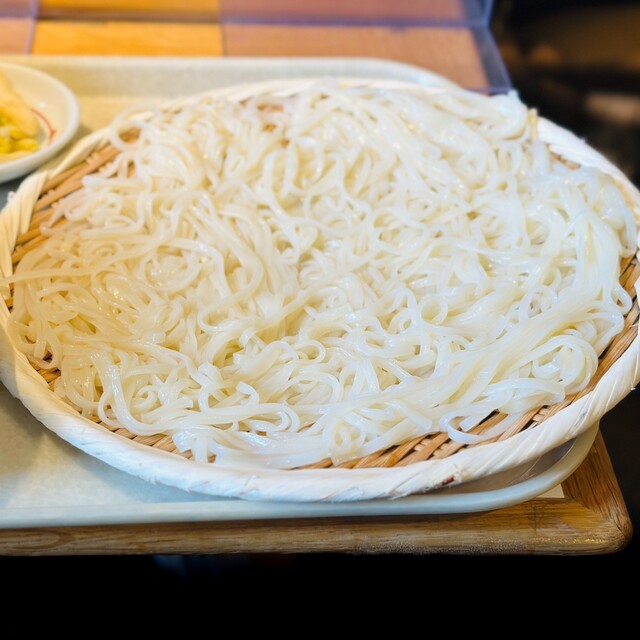
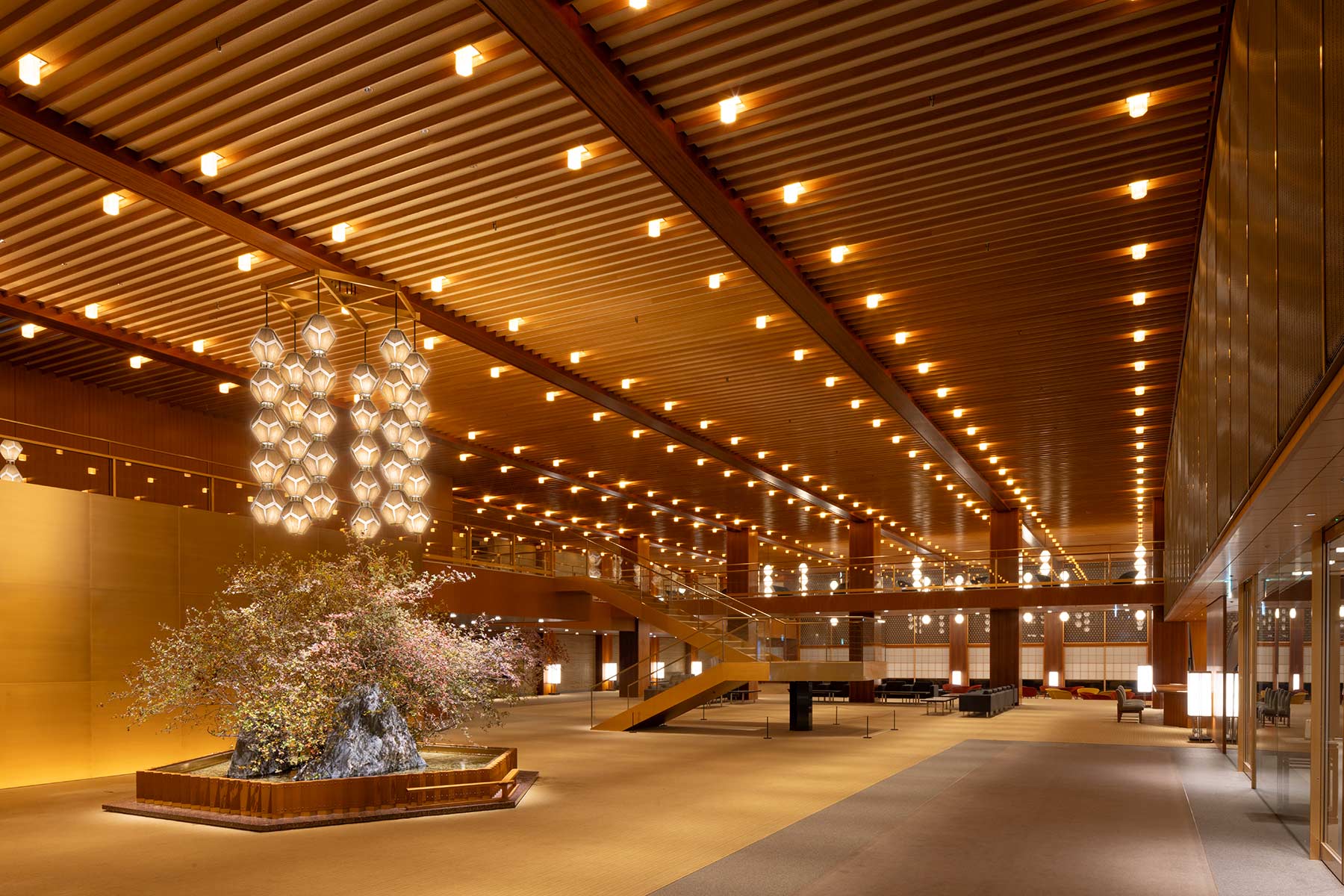
Shinbashi Station Building No. 1 has the particular texture of old working Tokyo: low ceilings, tight corridors, signs competing for attention, and a lunch crowd that moves with purpose rather than ceremony. In that setting, udon is not treated as a stage performance. It is a quick, serious meal for people who know exactly what they came for, and Tenchaya Nanakura sits inside that culture rather than above it.
That matters in Tokyo, where noodle dining often splits between two instincts. One side chases counter-theatre, chef-led tasting formats, and reservation scarcity. The other side prizes repetition, access, and specialization: a single category done with enough consistency to pull regulars through a station building on a weekday. This address belongs firmly to the second camp, with recognition from Tabelog 100 Udon EAST 2024 giving the shop a signal that reaches beyond Shinbashi’s office blocks.
Shinbashi udon without the luxury costume
Shinbashi has never needed to perform polish to justify its food culture. The area’s dining identity is built around salaryman lunches, post-work drinking, curry counters, ramen shops, yakitori rooms, and long-running specialist addresses packed into buildings that visitors often walk past too quickly. Compared with Ginza’s dining rooms a short walk away, Shinbashi is more useful, more direct, and often more revealing about how Tokyo actually eats between meetings.
In that context, a 62-seat udon shop in a station building carries a different meaning from a small counter restaurant in a destination dining district. Capacity suggests turnover rather than intimacy. The average spend of JPY 1,000 to JPY 1,999 places it in the city’s serious everyday bracket, where recognition has to come from consistency rather than luxury cues. The Tabelog score of 3.70 and repeated Udon 100 selections, including 2017, 2018, 2019, 2020, 2022, and 2024, put it in a category where local repeat use and specialist credibility overlap.
The comparison set around Shinbashi makes the point sharper. HARU CHAN Ramen represents the ramen side of the station-area noodle economy; Calical Shimbashi honten and Paris Ogawa Ken Shimbashi ten sit in a similar accessible price band; New Shin Mikan moves into a far higher dinner spend; TOKi belongs to a different, contemporary fine-dining conversation. Tenchaya Nanakura is not trying to compete with all of them. Its relevance is narrower and more useful: udon as a weekday Tokyo meal with enough reputation to justify a detour within the area.
A station-building address that shapes the meal
The location is not incidental. Being one minute on foot from Shinbashi’s rail and subway exits turns the meal into a city-planning lesson. Tokyo rewards food addresses that fit cleanly into transit patterns, and station-adjacent restaurants often succeed by reducing friction: short approach, quick seating rhythm, clear category, modest spend. The physical environment is part of the value. Diners are not being asked to cross town for a long lunch; they are being asked to understand why a utilitarian building can hold a serious noodle address.
Weekday daytime schedule reinforces that identity. Lunch-only service from Monday to Friday, with weekends and public holidays closed, places the restaurant inside the workweek rather than the leisure calendar. That format is common in office districts, and it changes the advice: this is not a late-night Shinbashi stop after drinks, and it is not a weekend sightseeing meal. It is a weekday lunch decision, ideally folded into time already spent near Ginza, Shiodome, Toranomon, or the JR corridor.
Reservations are unavailable, which suits the genre. Tokyo’s premium dining scene often makes access feel like the main achievement; here the calculation is simpler. Arrive prepared for a queue at peak lunch, bring a payment plan that accounts for no credit cards and no electronic money, and treat QR code payment support as a convenience rather than a guarantee for every visitor. The no-smoking policy, lack of private rooms, and absence of parking all point toward a practical urban shop rather than a linger-over-business-lunch venue.
How to place it in a Tokyo itinerary
For travellers building a Tokyo food plan, this kind of address does a job that high-end reservations cannot. It anchors a day with local specificity, a recognized specialist category, and low financial risk. Pair it with a more deliberate dinner elsewhere, or use it as a counterweight to Ginza’s luxury retail and hotel polish. The point is not to make udon carry the weight of a full culinary thesis; the point is to see how a station building can concentrate Tokyo’s everyday standards.
Readers mapping a wider Tokyo eating schedule can use Our full Tokyo restaurants guide for the broader city picture, then compare nearby or category-adjacent stops such as . 鮪と炭火焼き うお炭 秋葉原店, 12/10 Shinjuku ten, 124. KAGURAZAKA (Yakitori), 2D Cafe, and 3 Chome no Curry Ya San. For travellers extending the planning beyond restaurants, the city rails sit alongside Our full Tokyo hotels guide, Our full Tokyo bars guide, Our full Tokyo wineries guide, and Our full Tokyo experiences guide.
Japan’s casual-specialist dining culture also travels well as a point of comparison outside the capital. The same itinerary logic can connect Tokyo with -Grilled beef Sukiyaki- KAMAKURA TANUKIAN 鎌倉 たぬき庵 in Kamakura.cafe in Osaka.know in Kumamoto, (Shoku) Vietnam in Kawasaki, [Curry Senmon Ten] Maruyama Kyoju. in Sapporo, and [ki:] in Kyoto. For a transpacific angle on Japanese casual formats, Jōdo Saké Bar in Los Angeles and Onigiri Time in Pasadena show how these categories read differently outside Japan.
The editorial case is clear: Tenchaya Nanakura is valuable because it keeps Shinbashi’s working-day food culture legible. The award signal helps, but the deeper appeal is place. A recognized udon specialist inside an old station building says more about Tokyo than another room designed for international luxury dining.
Recognition, Side-by-Side
Comparable venues at similar price and category levels.
| Venue | Cuisine | Price | Notes |
|---|---|---|---|
| Tenchaya NanakuraThis venue — the venue you are viewing | Inaniwa udon & creative lunch sets | $ | Not listed |
| Ayu Ramen Plus (鮎ラーメンプラス) | Traditional Ayu Ramen | $ | Toranomon |
| Tokyo Style Noodle Hotate Biyori | Scallop-focused Tsukemen & Ramen | $ | Chiyoda |
| Pelican | Traditional Tokyo shokupan bakery | $ | Taitō |
| Kamu Nabi | Classic Ramen Shop | $ | Bunkyō |
| Kasei Curry | Japanese Curry House | $ | Toshima |
Recognition history
Dated appearances from independent guides and award organizations, with the underlying list record or original source where available.
Tabelog 100 #95 · No. 95
Tabelog · Tabelog 100 - Udon - EAST - 2024







At a Glance
- Lively
- Classic
- Solo
- After Work
- Casual Hangout
- Business Dinner
- Family
- Standalone
- Local Sourcing
Bustling and no-frills, with a retro-building setting, counter-style efficiency, and a casual atmosphere filled with nearby office workers slurping udon over lunch.