
Sanuki Udon Jobe belongs to Japan’s low-cost, high-scrutiny udon culture, where a short daytime service and a focused noodle format can carry more weight than ceremony. Its Tabelog 100 Udon EAST 2024 selection, counter-and-table setup, and Sanuki-style identity place it in a serious regional noodle conversation rather than a casual filler stop.
Pearl is the En Primeur Club membership app — saves, bookings, and concierge access live there. Same editors, same standards.
- Address
- 埼玉県ふじみ野市上福岡1-7-9
- Phone
- +81492692453
- Website
- johbe-udon.com
 Saves & bookings on Pearl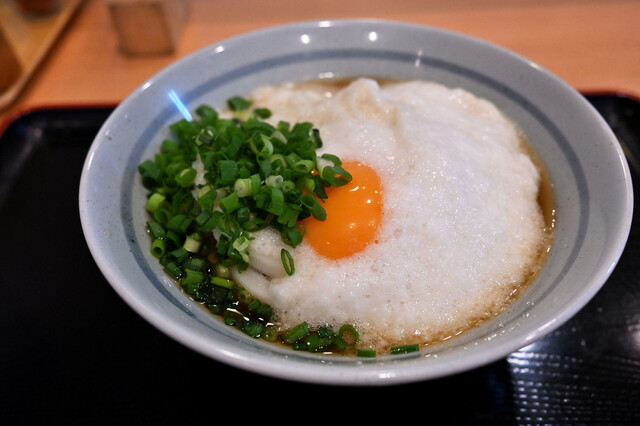
The approach to a serious udon shop in Japan rarely announces itself with luxury cues. The signal is usually more practical: a modest frontage, a compact room, the rhythm of early lunch, and the sense that the day’s noodles set the tempo. Sanuki Udon Jobe fits that idiom. It is not built around tasting-menu theatre or chef mythology; it belongs to the everyday Japanese category where craft is judged quickly, bowl by bowl, by regulars who understand texture, broth, and pacing.
That matters because udon occupies a different critical lane from sushi, kaiseki, or tempura. The form is inexpensive, repeatable, and technically unforgiving. A bowl can cost less than a coffee in a hotel lounge, yet the difference between an ordinary shop and a serious one is obvious to anyone who has spent time with regional noodle traditions. Sanuki-style udon, associated with Kagawa, is measured by chew, restraint, and utility rather than ornament. The pleasure is structural: noodle, broth, topping, timing.
A Sanuki-style noodle shop judged by everyday precision
Japan’s stronger udon counters tend to compress ambition into a small operating model. Sanuki Udon Jobe’s format points in that direction: udon, tempura, and curry udon form the working vocabulary, while the room stays compact enough for counter eating and small-table dining. The absence of private rooms is not a flaw in this category; it keeps the experience aligned with the genre. Udon is a public, quick-turn meal, not a sealed dining-room performance.
The useful comparison is not with premium omakase counters, but with other low-price noodle specialists in the Saitama orbit. Inaka Udon Tetsu and Nagai sit in the JPY 1,000 to JPY 1,999 range, while Kotobuki Seimen Yoshikawa Kawagoe ten and Ramen Jiro Kawagoe ten occupy a similarly low spend band to Sanuki Udon Jobe. That pricing context is the point: the competitive pressure here comes from volume, habit, and technical consistency, not from luxury ingredients or ceremony.
The Tabelog 100 Udon EAST 2024 selection gives the shop a meaningful credential within that field. Tabelog’s Hyakumeiten lists are especially relevant for regional Japanese categories because they surface places that may not fit international fine-dining systems. For udon, that recognition reads as a category signal: this is a shop being assessed among noodle specialists, not a general-purpose restaurant praised for ambience.
Why place matters more than polish here
That distinction changes the way to think about the meal. This is not a central-city dining trophy folded into a hotel itinerary. It is a suburban noodle address, the kind of place where the reward depends on accepting the local rhythm rather than expecting metropolitan polish.
Neighbourhood udon culture rewards efficiency. A 22-seat layout, with four counter seats and table seating for the rest, suits solo diners, families, and small groups. Take-out is part of the service model, and the shop is non-smoking. Those details describe the actual social role of the place: a focused daytime meal, approachable enough for children, serious enough to draw recognition from a national food platform.
The opening date, 14 April 2008, also matters in a quiet way. Longevity in this category is not sustained by novelty. Udon shops survive by becoming part of a local routine, and the repeat selections for Tabelog’s udon list in 2017, 2018, 2019, 2020, 2022, and 2024 suggest continuity rather than a single burst of attention. That pattern is more persuasive than a short-lived spike, especially for a format built on repetition.
How to read it against Japan's broader noodle map
Japan’s noodle taxonomy is often flattened for travellers into ramen first, soba second, udon as comfort food. That hierarchy misses how demanding udon can be. Ramen often announces itself through fat, tare, and heat; soba through aroma and seasonal buckwheat; udon through elasticity and balance. The Sanuki branch of the tradition is especially direct. The noodle has to carry the experience without much cover.
For readers building a Japan food itinerary, this makes the restaurant a useful counterpoint to more elaborate meals. It belongs with the country’s specialist, single-category restaurants: places where narrow focus creates depth. The category also suits travellers who have already exhausted obvious ramen queues and want a more local expression of wheat noodles. The better udon shops do not ask for ceremony. They ask for attention.
That said, this is not a flexible late-night fallback. The format is daytime, reservations are unavailable, and early closure can occur when noodles run out. Planning should follow the logic of a specialist shop: go with time in hand, avoid treating the last part of service as secure, and expect payment habits closer to a local noodle counter than a card-first dining room. The listed payment setup excludes credit cards and electronic money while accepting PayPay, which is a practical detail worth taking seriously.
For broader planning around the city collection, start with Our full Fukuoka restaurants guide, then cross-check where this kind of specialist meal fits alongside Our full Fukuoka hotels guide, Our full Fukuoka bars guide, Our full Fukuoka wineries guide, and Our full Fukuoka experiences guide. Nearby editorial alternatives in the restaurant archive include 106 South Indian Fukuoka tenjin ten, Afterglow, Aji Dokoro Taro Gen Sougyou ten, Aji Furai Shokudo Kaba, and Aji no Katsueda.
For a wider Japan-and-beyond reading list, compare different casual and specialist formats through -Grilled beef Sukiyaki- KAMAKURA TANUKIAN 鎌倉 たぬき庵 in Kamakura. 鮪と炭火焼き うお炭 秋葉原店 in Tokyo.cafe in Osaka.know in Kumamoto, (Shoku) Vietnam in Kawasaki, [Curry Senmon Ten] Maruyama Kyoju. in Sapporo, Jōdo Saké Bar in Los Angeles, and Onigiri Time in Pasadena.
The Short List
Comparable options at the same price tier.
| Venue | Cuisine | Price | Notes |
|---|---|---|---|
| Sanuki Udon JobeThis venue — the venue you are viewing | Not listed | $ | Not listed |
| Mendo Hanamokoshi (麺道はなもこし) | Yakuin, Shoyu Ramen | $$ | Not listed |
| Mengekijo Genei (麺劇場 玄瑛) | Yakuin, Hakata Tonkotsu Ramen | $$ | Not listed |
| Rankan | Not listed | $$ | Dazaifu, Traditional Japanese Kissaten Coffee House |
| Maki no Udon (牧のうどん 空港店) | Hakata, Traditional Fukuoka Kamaage Udon | $ | Not listed |
| Noguchi Noodle Shop | Not listed | $ | Hanazono, Traditional Kagawa udon noodle shop |
Recognition history
Dated appearances from independent guides and award organizations, with the underlying list record or original source where available.
Tabelog 100 #11 · No. 11
Tabelog · Tabelog 100 - Udon - EAST - 2024
Continue exploring
More in Fukuoka
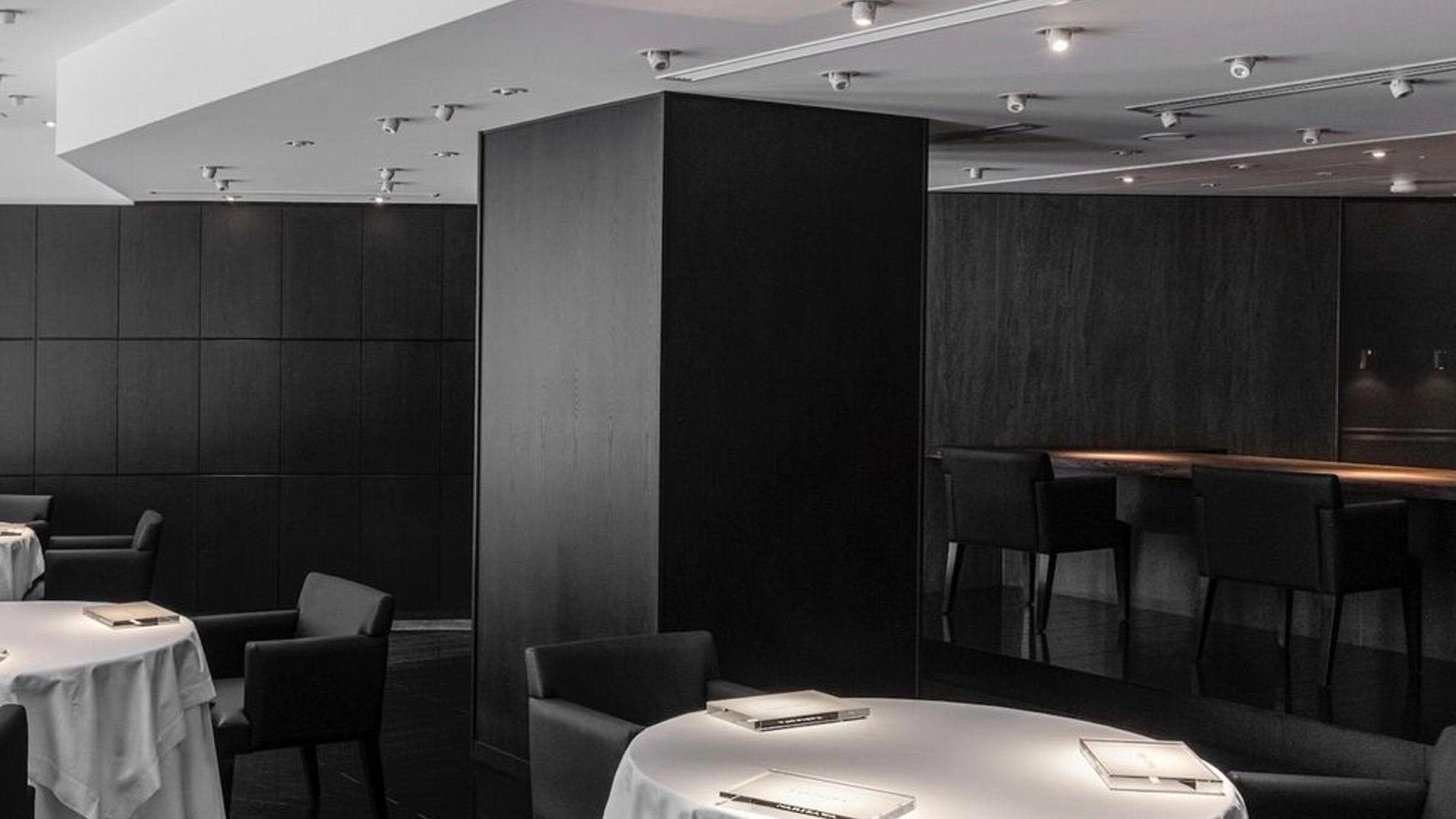
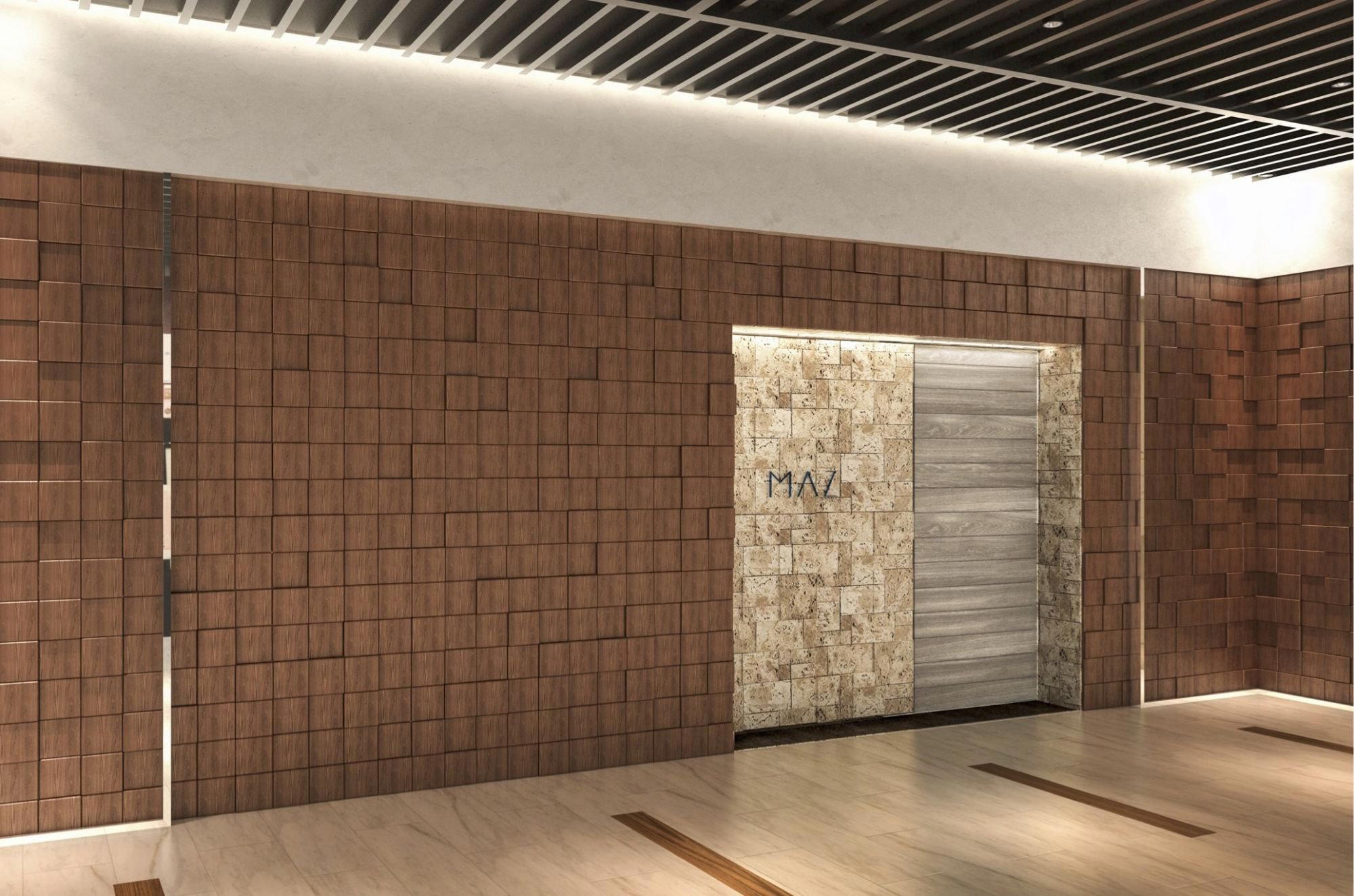
Restaurants in Fukuoka
Browse all →


Bars in Fukuoka
Browse all →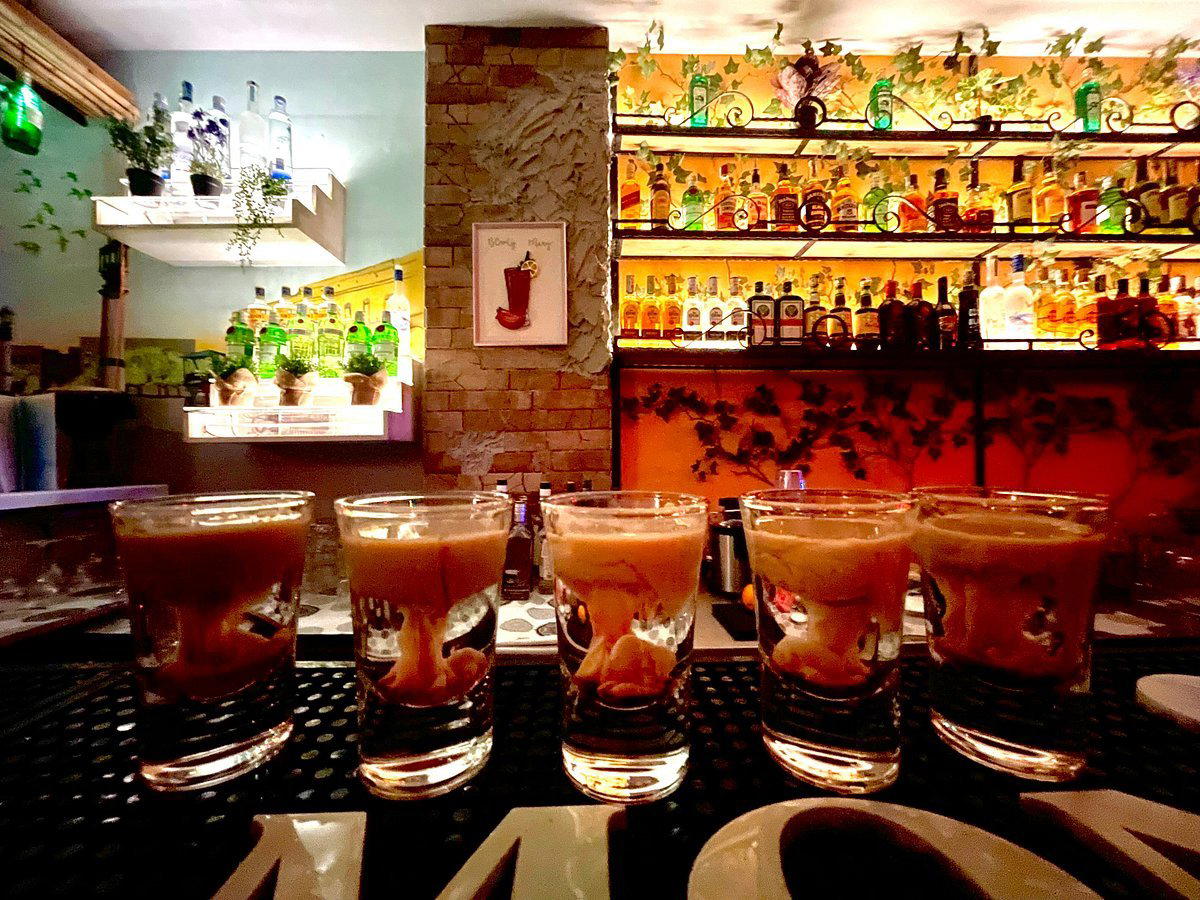


Hotels in Fukuoka
Browse all →


Wineries in Fukuoka
Browse all →
At a Glance
- Quiet
- Cozy
- Classic
- Solo
- Casual Hangout
- After Work
- Standalone
- Local Sourcing
Simple, no-frills neighborhood udon shop with a classic feel, counter-focused seating and a relaxed, everyday atmosphere geared toward quick, satisfying meals rather than lingering.