Our verdict
Rankan is a Traditional Japanese Kissaten Coffee House in Fukuoka, Japan, with Egg Sandwich and Ume-Oji Blend signatures plus a sake program.

Pearl is the En Primeur Club membership app — saves, bookings, and concierge access live there. Same editors, same standards.
- Address
- Fukuoka, Japan
- Hours
- Mon–Tue 10 AM–5 PMWed–Thu ClosedFri–Sun 10 AM–5 PM
- Directions
- Get directions
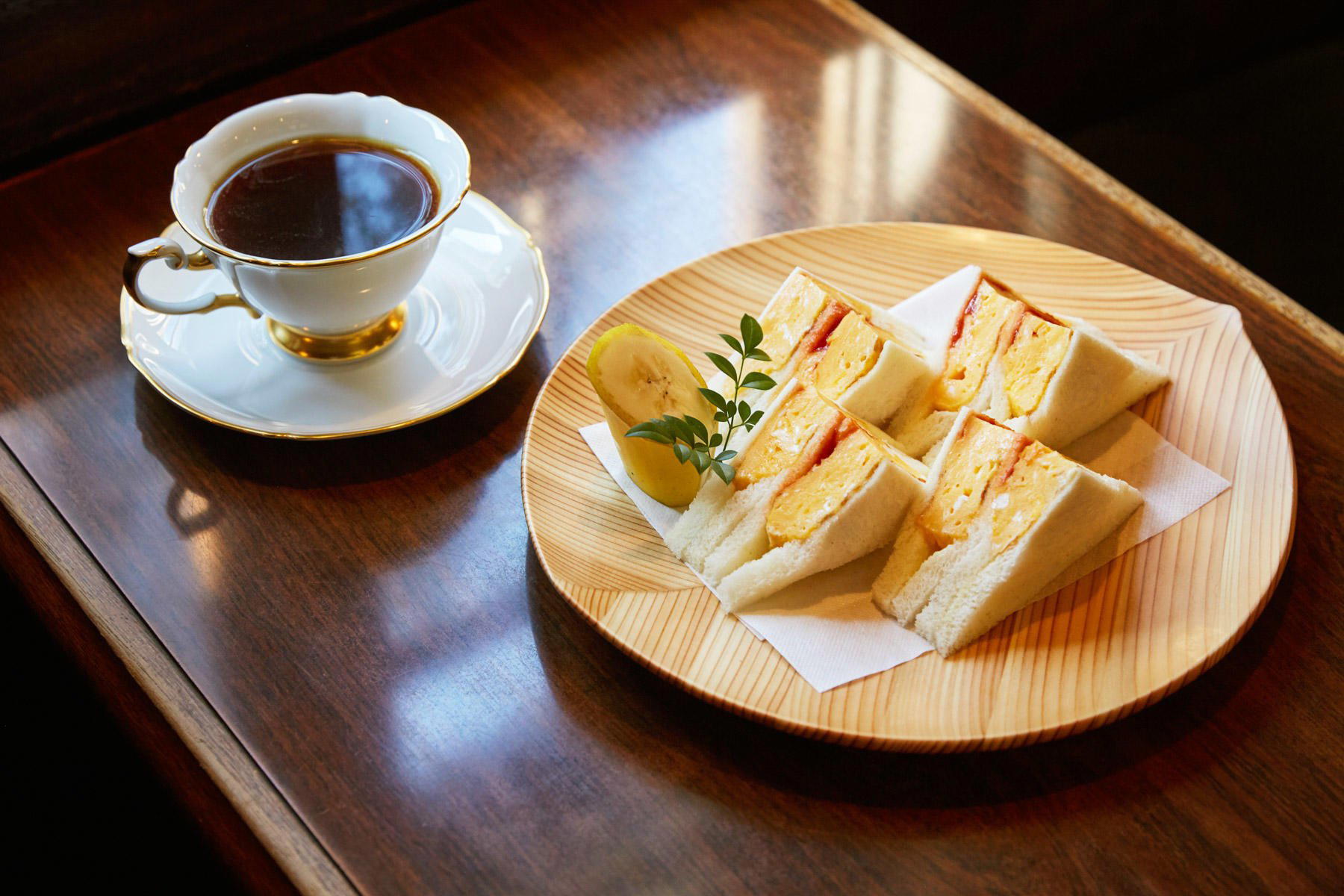
The menu
What to order
- Egg Sandwich
- Ume-Oji Blend
Milestone Meals in Fukuoka: Where Rankan Fits the Occasion
There is a particular quality to restaurants that earn a reputation for celebration dining. The room carries a different weight on those nights when someone arrives with a reason. In Fukuoka, a city whose food scene has grown into one of Japan's most confident regional dining destinations, a small tier of restaurants exists precisely for those moments: structured, considered, and capable of holding the gravity of an anniversary, a milestone birthday, or a professional achievement without tipping into ceremony for its own sake. Rankan occupies that tier.
Fukuoka's dining scene has matured considerably over the past decade. The city that built its culinary identity on tonkotsu ramen and yatai street stalls now carries a credible roster of destination-level restaurants across Japanese and Western categories. Venues like Goh (French) and Chikamatsu (Sushi) have demonstrated that the city competes at a national level, while Asago and Bekk represent the middle tier of polished, serious dining that every functioning food city needs. Rankan fits within this broader pattern: a Fukuoka restaurant whose name surfaces reliably when residents and visitors consider where to mark something that matters.
Reading the Room Before You Enter
Occasion dining in Japan operates by a different logic than its Western equivalent. The emphasis falls less on theatrical flourish and more on calibrated attention: a pace that allows conversation, a sequence that doesn't rush resolution, and a physical environment that signals care without demanding notice of itself. Japanese kaiseki and high-end Japanese dining in general have long understood that the room itself is an argument for slowing down. The transition from street level into a serious Japanese dining room is a structural act, a deliberate separation from the pace outside. Rankan's positioning within Fukuoka suggests it operates within this tradition.
Fukuoka's geography rewards this kind of dining. The city is compact enough that most central restaurants are reachable without lengthy transit, which means the arrival experience is less exhausted and more present. For a celebration dinner, this matters more than it might seem: guests arrive composed rather than depleted, which affects how the first course lands and how the evening builds.
Comparing Rankan to its immediate peers in Fukuoka places it in context. The city's highest-profile restaurants tend to cluster around defined formats: French technique applied to Japanese produce (as at Goh), traditional sushi counter formats (as at Chikamatsu), and specialty meat programs like Beef Taigen. Each format carries its own occasion logic. A sushi counter is intimate and progressive by design; a French room allows for longer stays and more theatrical sequencing; a specialist meat restaurant offers a more focused, convivial energy. Understanding where Rankan fits within these format categories helps a diner decide whether it matches the specific register of the occasion they are planning.
At the national level, Fukuoka's occasion dining competes credibly with second-tier Japanese cities rather than Tokyo or Kyoto. Restaurants like Gion Sasaki in Kyoto or HAJIME in Osaka set a benchmark for what structured occasion dining looks like at a higher price point with established international recognition. Fukuoka's version of that tradition is more contained and, in some respects, less encumbered by the weight of expectation that comes with a two- or three-Michelin-star address. That can be an advantage: the experience is calibrated without being over-engineered.
Planning Around the Occasion
The practical architecture of a celebration dinner in Fukuoka generally requires more lead time than casual dining. Fukuoka's better restaurants tend to fill weekends several weeks in advance, and the most structured tasting formats often require advance commitment on format and, occasionally, dietary requirements. For a venue like Rankan, where the occasion framing suggests a seated, multi-course experience, contacting the restaurant directly and early is the consistent recommendation. Japanese restaurants at this level frequently accommodate small customizations when informed in advance rather than on arrival.
Fukuoka is accessible via Hakata Station, the city's main rail hub with Shinkansen connections to Osaka, Hiroshima, and Tokyo. The city also operates Fukuoka Airport, one of the closest major airports to a Japanese city center, which means international arrivals can reach central Fukuoka in under twenty minutes by subway. For visitors planning an occasion dinner as part of a wider Japan itinerary, Fukuoka pairs logistically with Kyoto or Osaka as a final stop, given the Shinkansen journey time of roughly two and a half hours between cities. Venues elsewhere on that route worth noting include akordu in Nara and Gion Sasaki in Kyoto, both of which occupy a similar occasion-dining register in their respective cities.
What the Occasion Category Demands
The restaurants that hold up for milestone dining share a set of characteristics that transcend geography: consistent pacing, a room that absorbs rather than amplifies ambient noise, staff capable of reading the table rather than following a script, and a menu format that rewards attention rather than requiring it. These qualities are harder to manufacture than a tasting menu or a wine list. They develop over time and through repetition, which is why longevity in the occasion-dining category is itself a credential. A restaurant that has served celebration dinners for years has, by definition, learned what works and what breaks the register.
For visitors building a Japan itinerary with occasion dining as a structural element, the broader national map offers useful comparisons. Harutaka in Tokyo, for instance, operates in the high-trust omakase format where the counter itself is the occasion. In Fukuoka, the equivalent is a smaller, more intimate version of that same logic: the city's scale means these rooms are less publicized internationally but no less considered in execution. Our full Fukuoka restaurants guide maps this tier in more detail.
Practical Notes for Your Visit
Japanese restaurants in the occasion-dining tier typically prefer reservation inquiries by phone or through their official website rather than third-party platforms. Dress code expectations at this level in Fukuoka generally align with smart casual as a floor, with formal appropriate but rarely required. Arriving on time is not a courtesy at Japanese restaurants of this type; it is a structural requirement, since tasting formats are frequently sequenced for the full table simultaneously.
Frequently asked questions
Is Rankan in Fukuoka suitable for private group dining or corporate occasions?
Fukuoka's occasion-dining restaurants at Rankan's level frequently accommodate private or semi-private arrangements for corporate and group milestones, though configuration and minimum spend terms vary by venue.
How far ahead should I plan for Rankan?
Fukuoka's better restaurants at the occasion-dining tier typically require reservations weeks to months in advance, particularly for weekend evenings and national holidays. Contacting Rankan directly as early as possible is the practical approach, especially if you are working around a fixed date.
What has Rankan built its reputation on?
Rankan has established itself within Fukuoka's dining scene as a destination for milestone occasions, where the emphasis falls on calibrated pacing and a room that holds weight on significant evenings. Fukuoka itself is one of Japan's most competitive regional dining cities, which raises the floor for any restaurant that holds a consistent reputation in that context.
Is Rankan good for vegetarians?
Before booking, check the venue's official channels to confirm whether vegetarian or other dietary requirements can be accommodated within the set format.
Should I splurge on Rankan?
Rankan sits in the occasion-dining category in Fukuoka, a city where restaurants at this tier compete directly with Fukuoka's best-known counters and dining rooms. If a milestone meal with consistent pacing and a room built for the purpose is what you are after, the category warrants the spend. Confirm current pricing directly with the venue before committing.
When is the best time to visit Rankan?
Weeknight bookings at Fukuoka's occasion-tier restaurants generally offer a quieter room and more attentive pacing than peak weekend service. Outside of Japanese national holidays and Golden Week, availability tends to be more accessible, though advance contact with Rankan remains necessary regardless of timing.
Budget and Context
Comparable venues nearby, for context on price, style, and recognition.
| Venue | Cuisine | Price | Awards | Notes |
|---|---|---|---|---|
| RankanThis venue — the venue you are viewing | Traditional Japanese Kissaten Coffee House | $10–20 | Not listed | Not listed |
| Teuchi Soba Yabukin | Handmade Soba (Japanese Buckwheat Noodles) | $30–50 | Tabelog 100 #5 | Chūō, Handmade Soba (Japanese Buckwheat Noodles) |
| Suzaki Yatai Kajishika | Hakata Yatai Izakaya | $30–50 | Tabelog 100 #4 | Hakata, Hakata Yatai Izakaya |
| Mendo Hanamokoshi (麺道はなもこし) | Shoyu Ramen | $10–20 | Tabelog 100 #84 | Yakuin, Shoyu Ramen |
| Shinshu Soba Murata | Traditional Soba & Tempura | $20–30 | Tabelog 100 #49 | Hakata, Traditional Soba & Tempura |
| Kawa Ya Shirogane ten | Hakata yakitori & izakaya | $20–30 | Tabelog 100 #46 | Chūō, Hakata yakitori & izakaya |
Details
- Retro
- Cozy
- Classic
- Casual Hangout
- Standalone
- Sake Program
- A La Carte
- Coffee
Current opening hours
- Monday
- 10 AM–5 PM
- Tuesday
- 10 AM–5 PM
- Wednesday
- Closed
- Thursday
- Closed
- Friday
- 10 AM–5 PM
- Saturday
- 10 AM–5 PM
- Sunday
- 10 AM–5 PM
Hours can change for holidays and private events. Last verified .
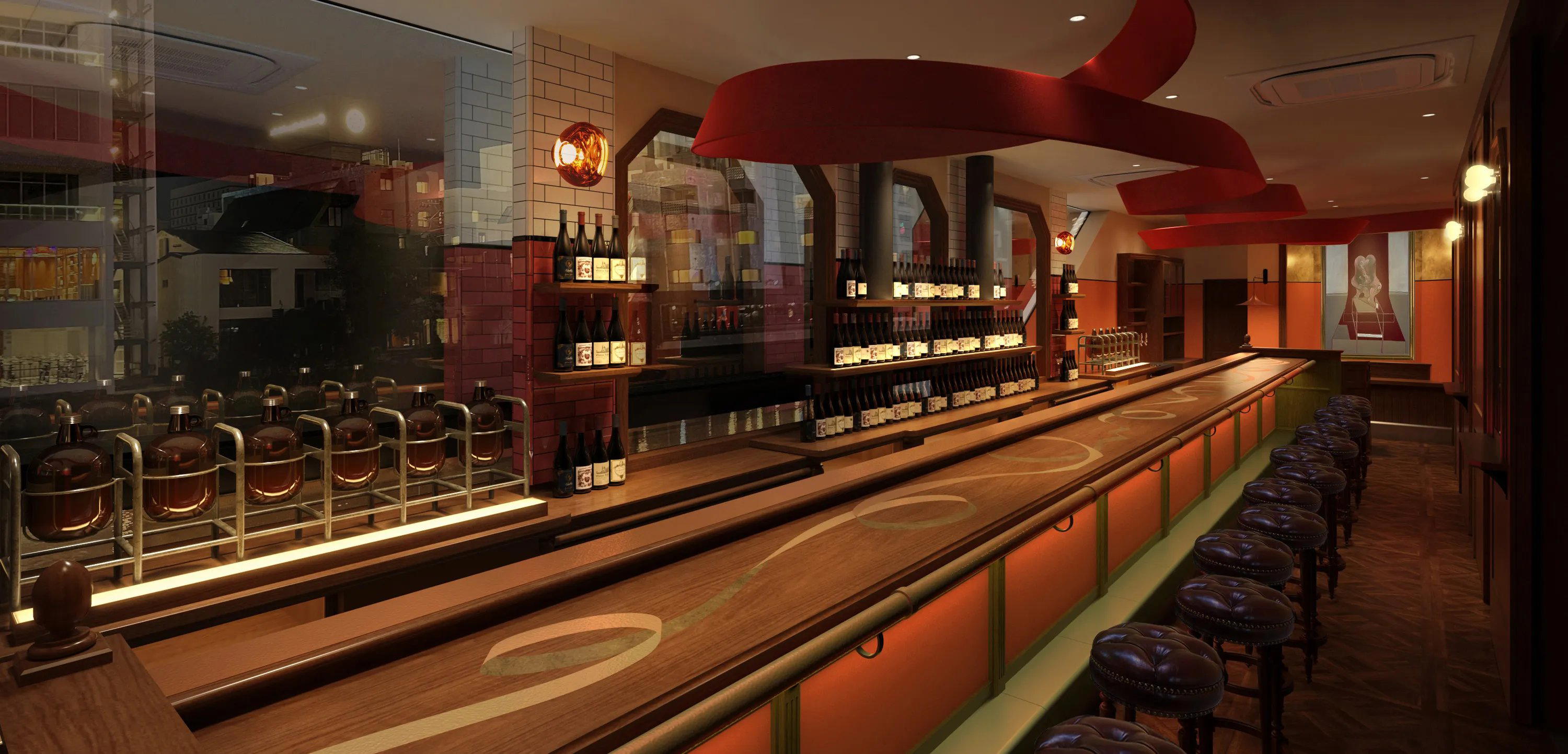
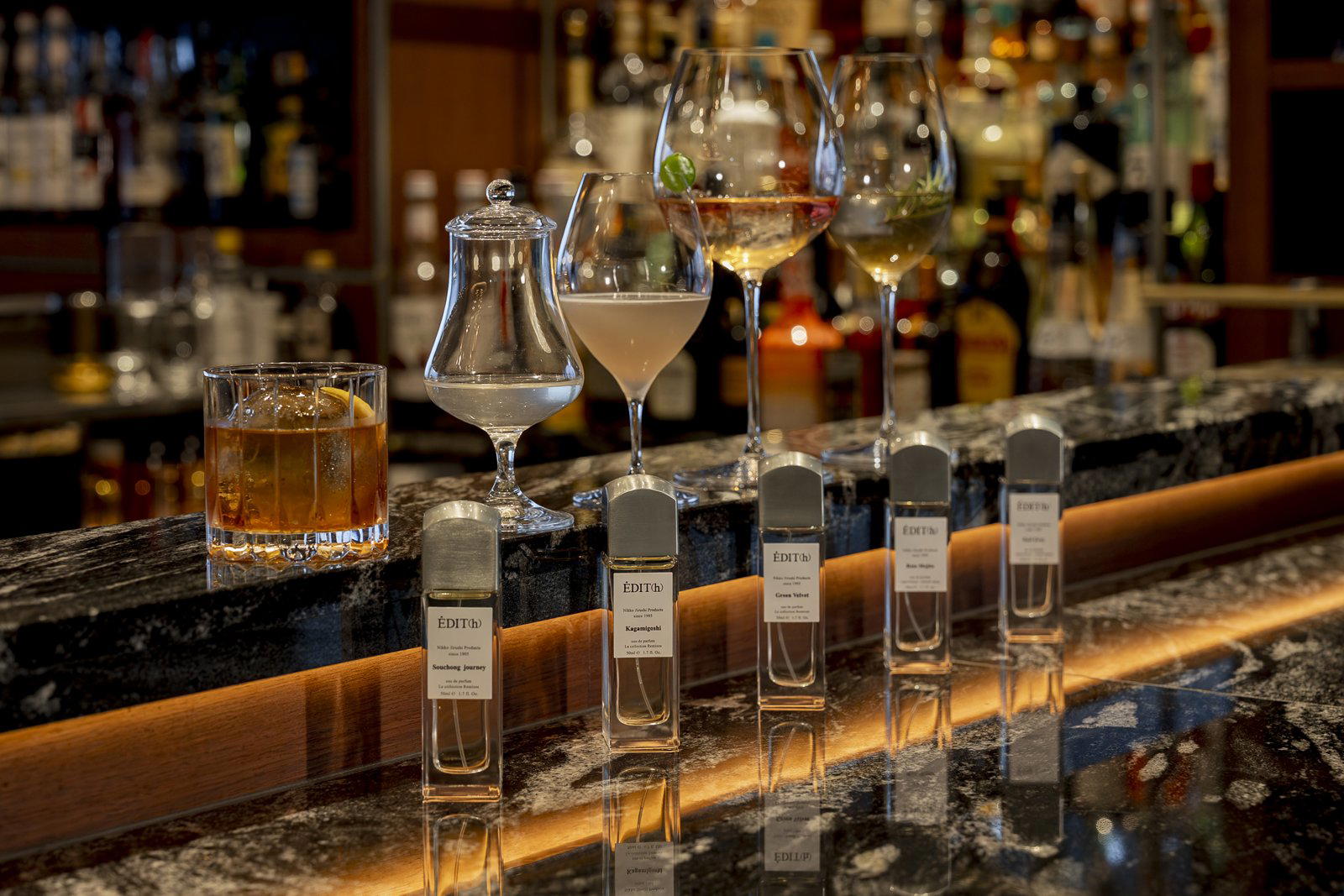
Nostalgic retro atmosphere with moss green velvet booths, original wood counter, and aging photos evoking another decade.