
Aji Dokoro Taro Gen Sougyou ten sits in Hakata’s izakaya tradition at the fish-and-drink end of the spectrum: seafood, tempura, sake and shochu rather than spectacle. Its Tabelog 100 Izakaya WEST selections in 2022, 2024 and 2025 place it in a competitive regional tier, with a 28-seat format that keeps the meal closer to local ritual than dining-room theatre.
Pearl is the En Primeur Club membership app — saves, bookings, and concierge access live there. Same editors, same standards.
- Address
- Japan, 〒812-0011 Fukuoka, Hakata Ward, Hakata Ekimae, 3 Chome−27−24 博多タナカビル B1F
- Phone
- +81 92-481-8522
- Website
- tarougen.com
- Directions
- Get directions
 Saves & bookings on Pearl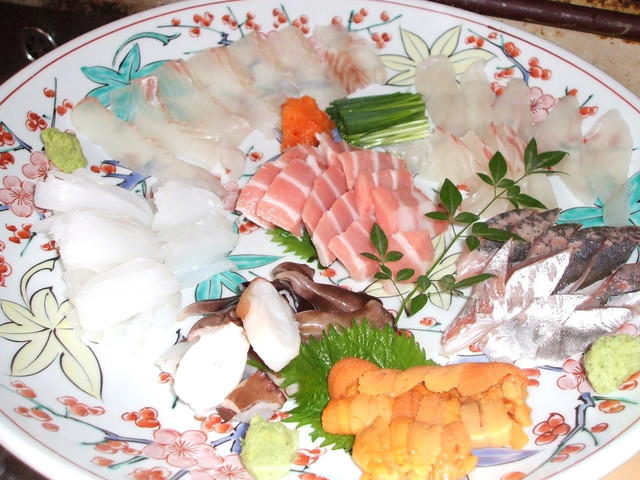
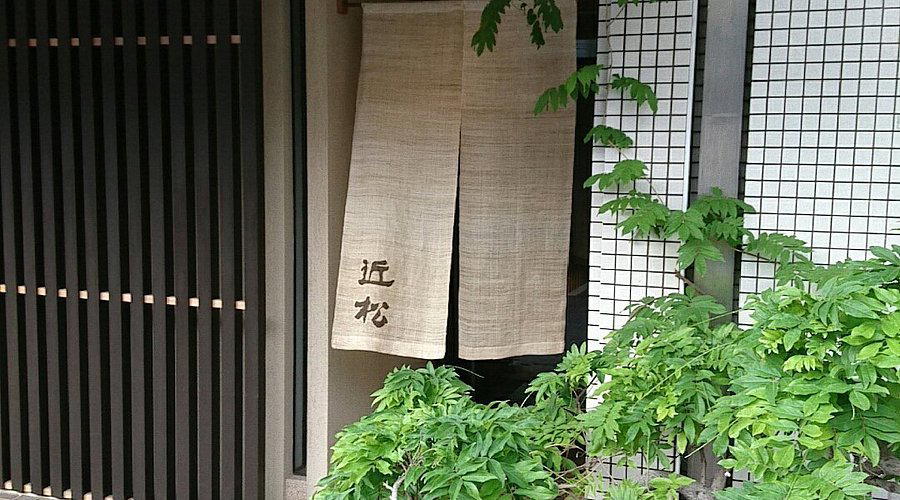
The descent to a basement izakaya in Hakata changes dinner’s register. Street noise drops, the room tightens, and the meal becomes sequence over ceremony: first drink, first small plate, fish, fried work, another pour, conversation outlasting the food. This is Fukuoka’s stronger izakaya grammar, where counter and tatami room shape pace. Aji Dokoro Taro Gen Sougyou ten belongs to that tradition, not the polished tasting-menu economy often used abroad as shorthand for Japanese dining.
Hakata dining is often reduced to ramen, motsunabe and yatai, but the city’s serious izakaya tier tells another story. These rooms are judged by range, sourcing discipline and how well alcohol enters the meal. Here, the axis is fish, tempura, sake and shochu, with Tabelog 100 Izakaya WEST selections in 2022, 2024 and 2025 giving the restaurant a public signal that matters in Japan’s local dining hierarchy. A Tabelog score of 3.71 is not casual in this category; it suggests a place competing above the everyday station-area drinking room.
Hakata izakaya rhythm: fish, tempura, sake, shochu
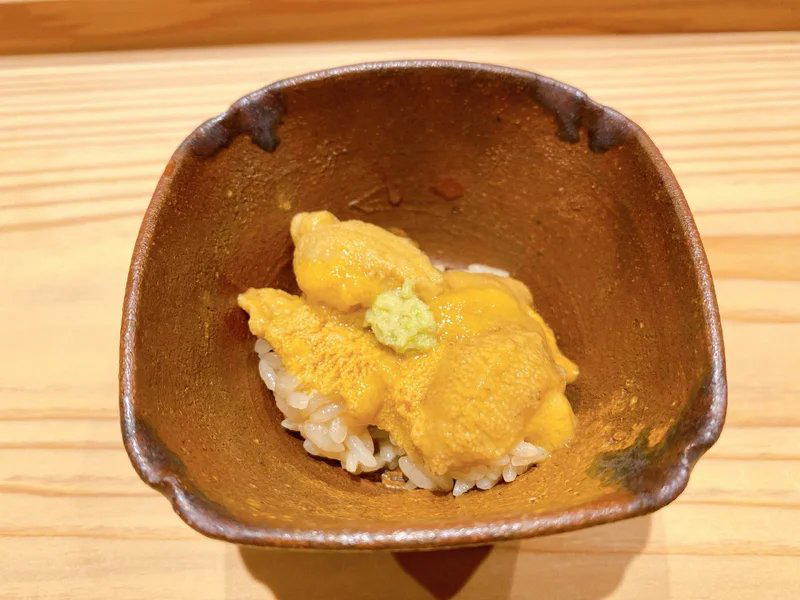
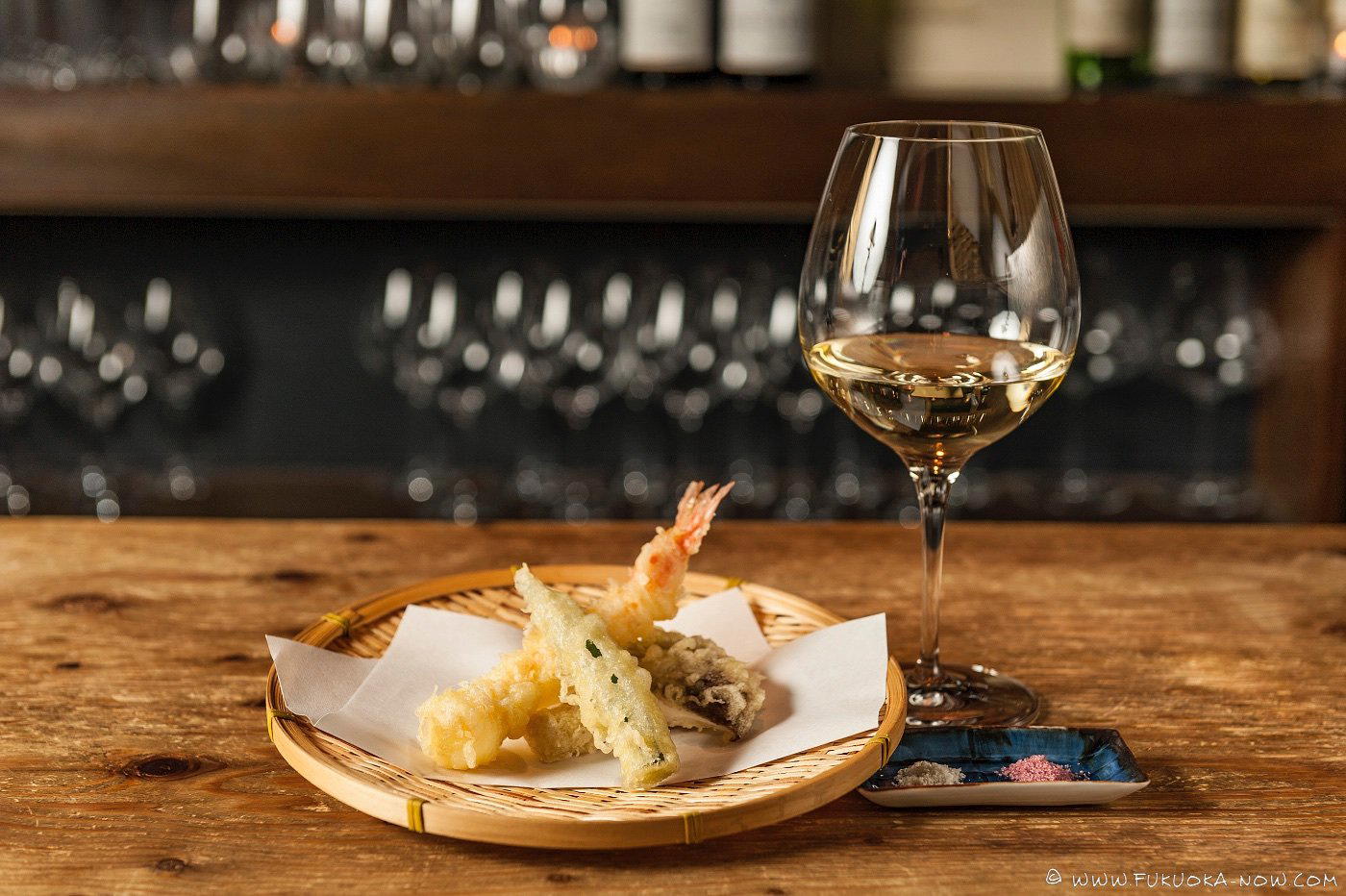
The better izakaya meal in Fukuoka is built by accumulation, not revelation. Seafood anchors the table, tempura adds heat and texture, and the drinks list moves between nihonshu and shochu, both listed as focuses here. That combination is deliberate. Kyushu’s drinking culture has a deep shochu base, while Fukuoka’s coast gives fish restaurants a sharper local audience than cities where seafood is treated mainly as luxury. The result has elasticity: enough structure for a planned dinner, enough looseness for friends to stretch the table beyond the first round.
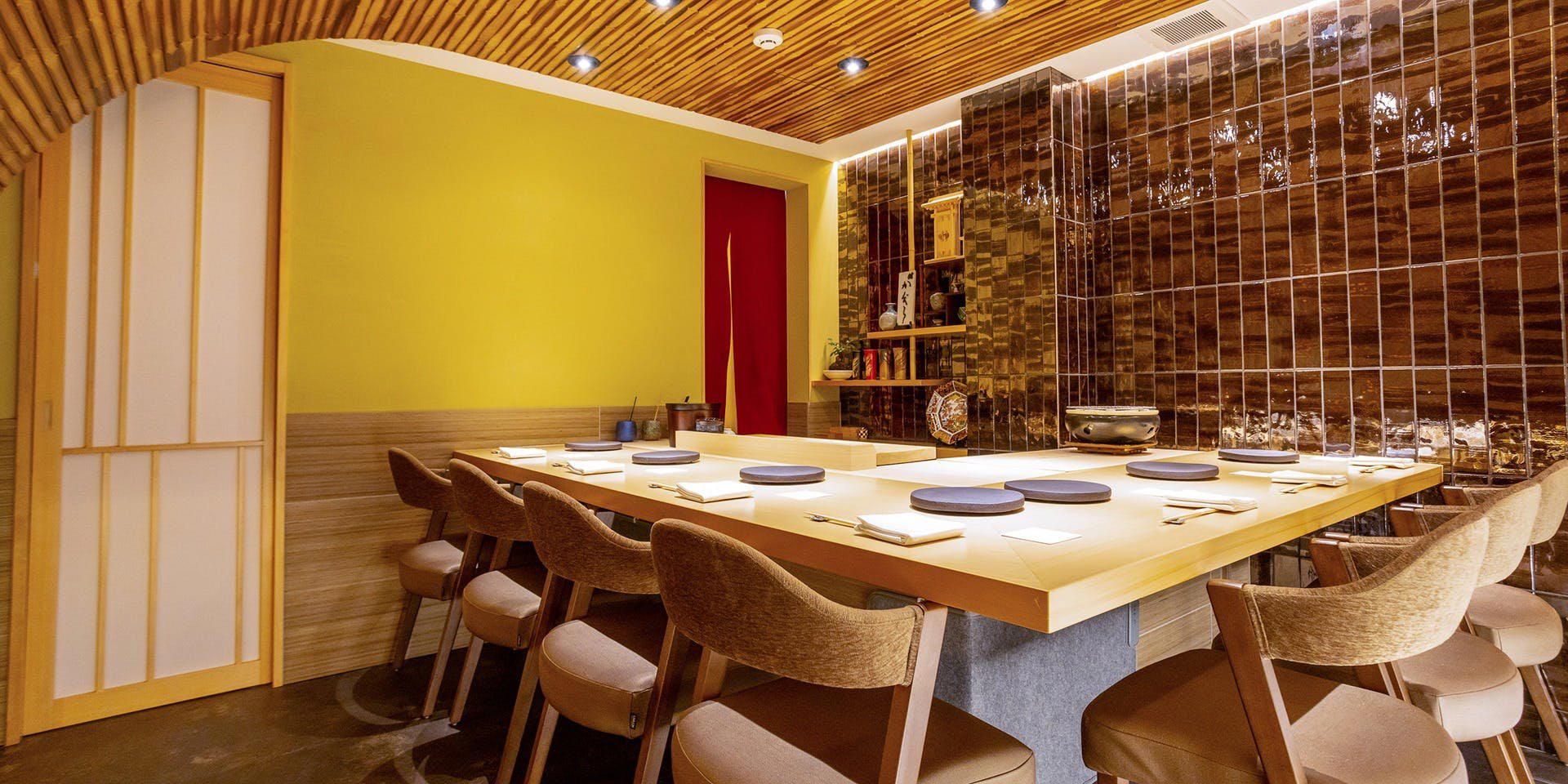
That elasticity is the point. At a sushi counter, the diner submits to the chef’s order; in kaiseki, the season often dictates the architecture. In a fish-led izakaya, the ritual is negotiated across the table. The room supports counter seating and tatami seating, so the experience shifts between focused meal and slower social evening. Parties over 2.5 hours are explicitly accommodated, revealing the expected tempo: not a quick pre-train stop dressed up as dinner.
Within the Hakata Station area, price is another clue. Nearby casual names such as Yachiyo Maru Hakata ekimae ten, Asahi Ken Ekimae honten, Hakata Gion Tetsu Nabe and Shokudo Nizakana Shonen sit in lower dinner bands, while Ningyocho Imahan JR hakata shiti ten occupies a higher sukiyaki bracket. Aji Dokoro Taro Gen Sougyou ten sits between those poles: expensive enough to imply a considered night out, not so formal that it leaves izakaya behind. That middle tier is where Fukuoka often does its most useful dining work.
The recognition matters because izakaya rankings are local, not ornamental
Tabelog’s Hyakumeiten lists carry weight for categories Michelin-style systems often underrepresent. Izakaya are social institutions as much as restaurants, so assessment is not just technical cooking. A strong one needs fish handling, frying, drink compatibility, room management and repeat value. Selection for Tabelog 100 Izakaya WEST places this address among a regional group judged across western Japan, a more relevant frame than Tokyo counter restaurants or Kyoto formal dining rooms.
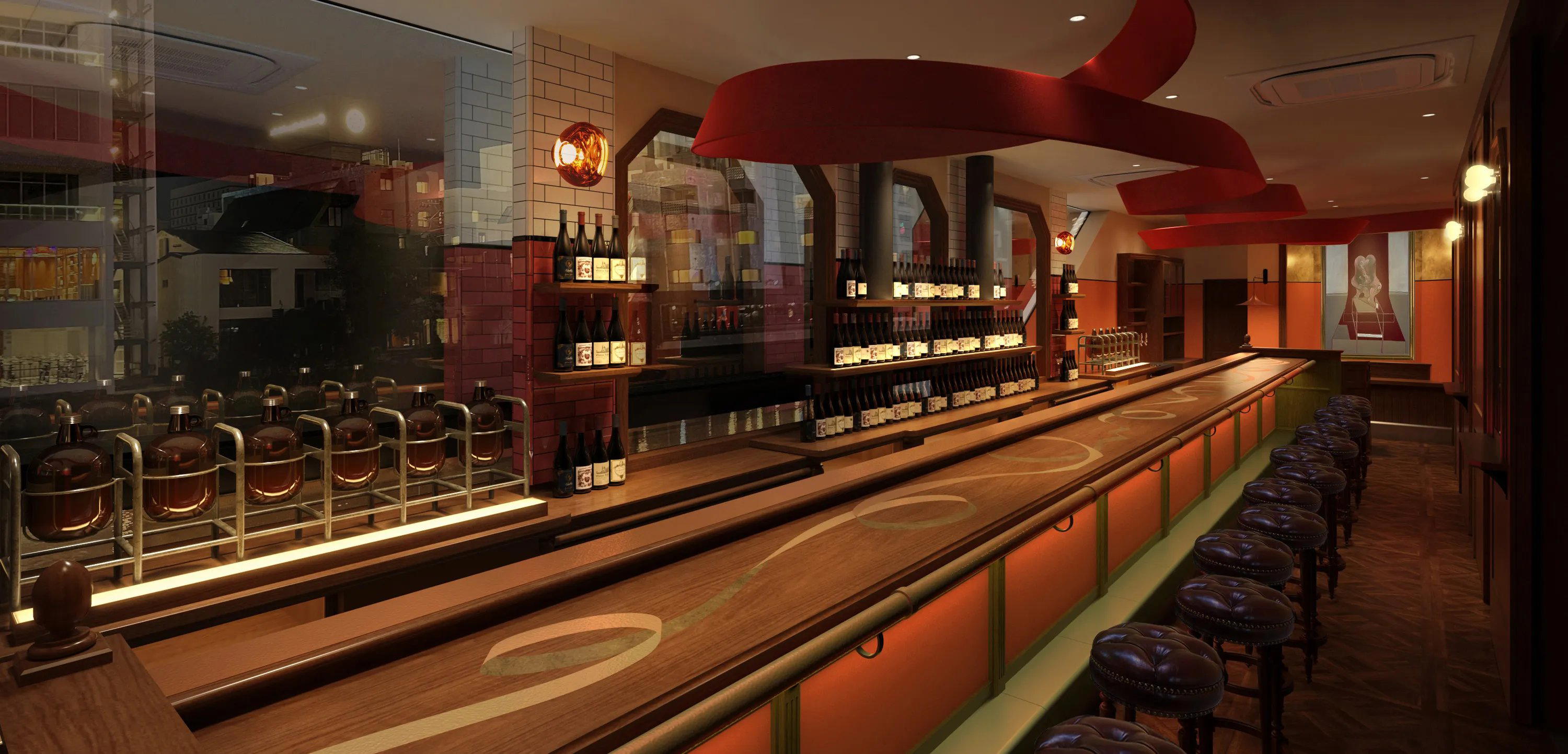
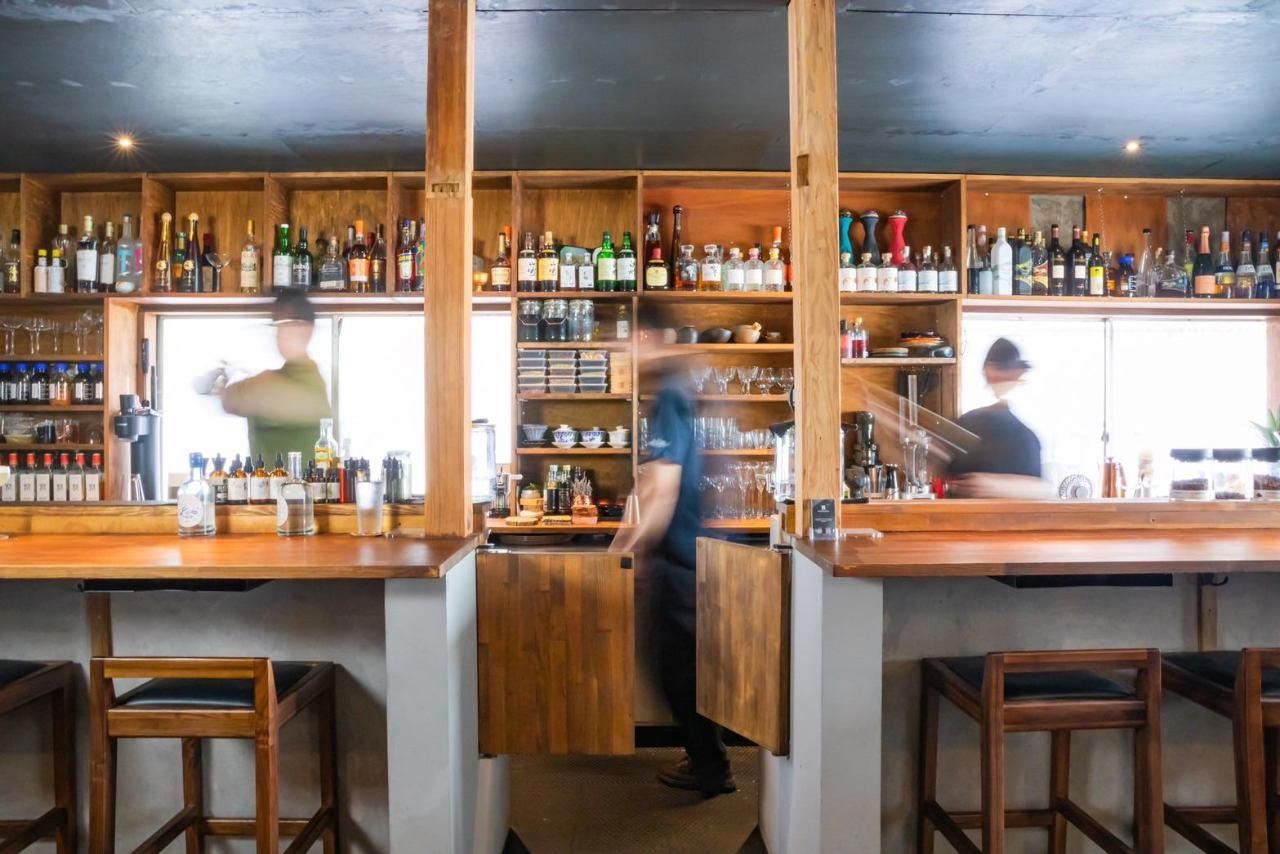
The 28-seat scale also matters. Fukuoka has many volume-driven drinking spots, especially around transport hubs, but smaller izakaya rooms protect cadence. Service can pace plates, drink orders do not become purely transactional, and the table has time to build. The custom is not to rush a checklist. The stronger move is progression through categories: fish first, fried items when the table wants heat, sake or shochu adjusted to the food rather than ordered as an afterthought.
For travelers building a broader Fukuoka itinerary, this booking balances the city’s louder signatures. South Indian cooking at 106 South Indian Fukuoka tenjin ten, spice-led dining at Afterglow, fried horse mackerel at Aji Furai Shokudo Kaba, local set-meal culture at Aji no Katsueda and beef-focused dining at AKAMIYACOWSI all show a city with more range than ramen shorthand allows. For wider planning, use Our full Fukuoka restaurants guide, plus Our full Fukuoka hotels guide, Our full Fukuoka bars guide, Our full Fukuoka wineries guide and Our full Fukuoka experiences guide.
How to read the meal without overcomplicating it
The etiquette is simple but not careless. Start with drinks, order across categories, and let the table develop rather than imposing a Western appetizer-main-dessert structure. Fish and tempura give the meal its spine; sake and shochu explain the room’s drinking identity. Credit cards are accepted, QR payment is available through d Barai, and electronic money is not listed, easing payment planning for visitors who rely on transit-card wallets elsewhere in Japan.
The location near Hakata Station gives practical value without feeling interchangeable with station dining. Kushida Shrine Station is the nearest listed station, and Hakata’s commercial grid can handle early evening plans and later dinners. Sunday and public-holiday closures shape the week, so treat this as a deliberate weekday or Saturday dinner rather than a flexible fallback. Reservations are available, suiting the room’s scale and recognition.
Readers comparing Japanese dining formats outside Fukuoka can see the contrast in other city pages: sukiyaki at -Grilled beef Sukiyaki- KAMAKURA TANUKIAN 鎌倉 たぬき庵 in Kamakura, seafood and charcoal at. 鮪と炭火焼き うお炭 秋葉原店 in Tokyo, café culture at.cafe in Osaka, contemporary dining at.know in Kumamoto, Vietnamese cooking at (Shoku) Vietnam in Kawasaki, curry specialization at [Curry Senmon Ten] Maruyama Kyoju. in Sapporo, sake-bar framing at Jōdo Saké Bar in Los Angeles and rice-ball minimalism at Onigiri Time in Pasadena. Against that wider map, Aji Dokoro Taro Gen Sougyou ten is useful because it keeps the izakaya ritual intact: compact room, fish emphasis, purposeful drinks, and a pace that belongs to Hakata rather than international fine-dining fashion.
Style and Standing
Comparable options at the same price tier.
| Venue | Cuisine | Price | Notes |
|---|---|---|---|
| Aji Dokoro Taro Gen Sougyou ten | Seafood Kaiseki | $$$ | Hakata |
| Sushi to Amakusa Daio Amane | Omakase Sushi & Amakusa Daio Chicken | $$$ | Chūō |
| Hyogo Dori | Yakitori Izakaya | $$$ | Chūō |
| Soba Kiri Kanbee | Traditional Japanese Soba | $$$ | Chūō |
| Oryori Yamanokuchi | Japanese Izakaya | $$$ | Chūō |
| Nishimura | Edomae Sushi Omakase | $$$ | Hakata |
Recognition history
Dated appearances from independent guides and award organizations, with the underlying list record or original source where available.
Tabelog 100 #96 · No. 96
Tabelog · Tabelog 100 - Izakaya - WEST - 2025
At a Glance
- Quiet
- Cozy
- Elegant
- Classic
- Intimate
- Business Dinner
- Celebration
- Special Occasion
- Family
- Private Event
- Private Dining
- Standalone
- Sake Program
- Beer Program
- Extensive Wine List
- Local Sourcing
- Sustainable Seafood
Current opening hours
- Monday
- 5:30 PM–12 AM
- Tuesday
- 5:30 PM–12 AM
- Wednesday
- 5:30 PM–12 AM
- Thursday
- 5:30 PM–12 AM
- Friday
- 5:30 PM–12 AM
- Saturday
- 5:30 PM–12 AM
- Sunday
- Closed
Hours can change for holidays and private events. Last verified .
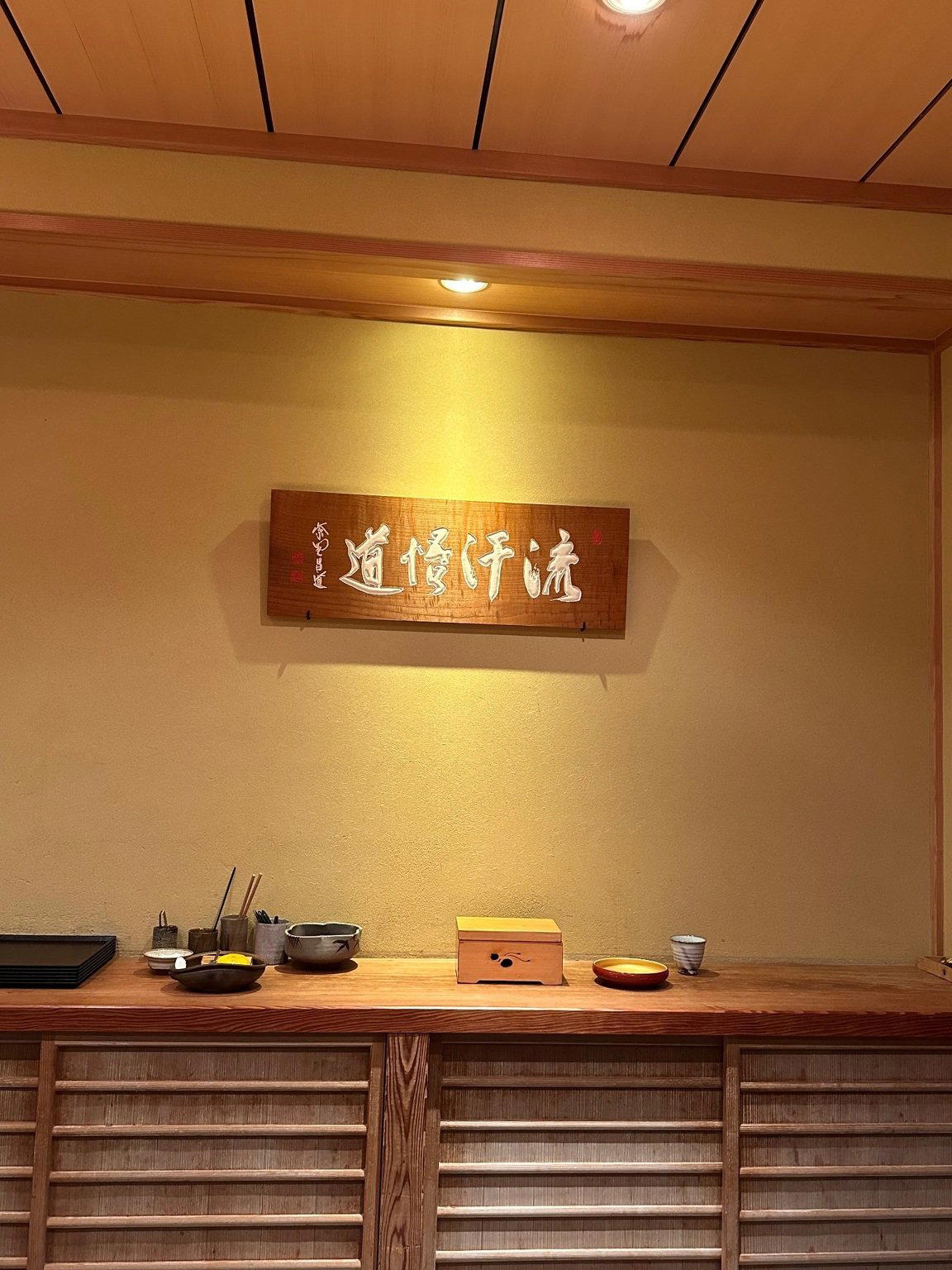
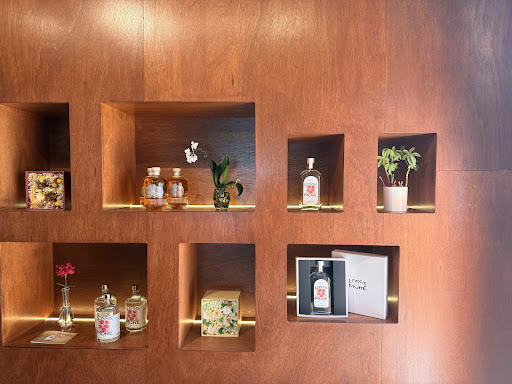
A calm, refined Japanese dining atmosphere built around private rooms, counter seating, and traditional presentation with seasonal flowers and classic tableware.