
Tabelog 100 #84
Our verdict
In Fukuoka's Yakuin neighbourhood, Mendo Hanamokoshi occupies a ground-floor space on Chuo-ku's quieter residential fringe, where the city's ramen culture meets a more considered, counter-led format. The shop sits within a small apartment building at 2-4-35 Yakuin, a detail that tells you something about the direction of Fukuoka's serious noodle scene: away from high-footfall thoroughfares and toward destinations that earn their own traffic.

Pearl is the En Primeur Club membership app, where members save venues, book tables and use the concierge.
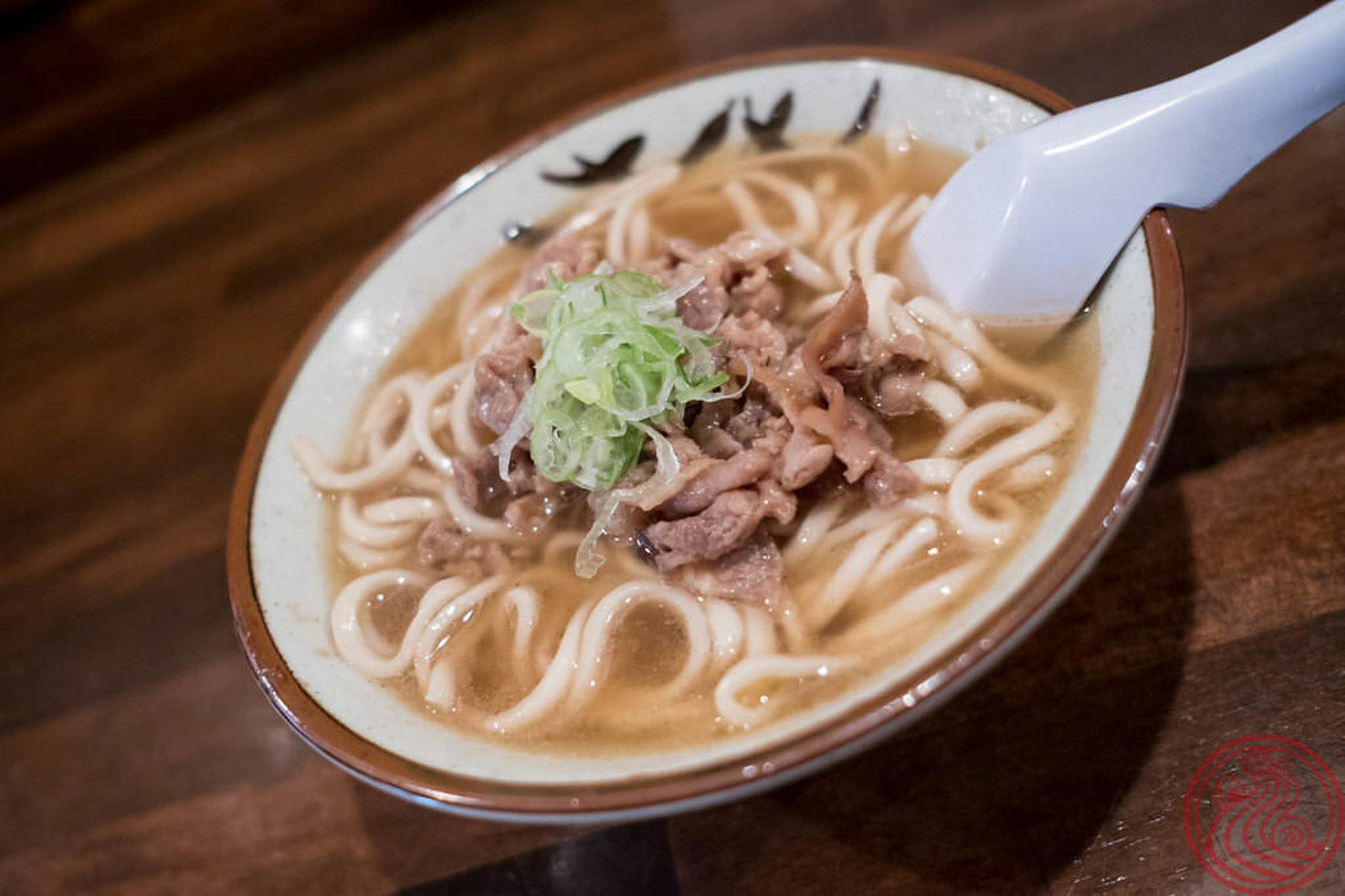
The menu
What to order
- Chuukasoba
- American Tori Soba
- Tsukemen
Yakuin and the Architecture of the Serious Ramen Shop
Fukuoka's ramen identity is among the most geographically concentrated in Japan. Tonkotsu, the cloudy pork-bone broth that the city sent out to the rest of the world, has its home here, and the street-level yatai stalls along Nakagawa remain a reference point for the format's origins. But a parallel track has been developing in the city's more residential wards, where a smaller category of ramen shops operates with the seriousness of a kaiseki counter. Mendo Hanamokoshi, on a quiet stretch of Yakuin in Chuo-ku, belongs to that second track.
The address is instructive: 2-4-35 Yakuin, ground floor of a low-rise apartment building. In Tokyo or Osaka, that kind of setting might signal a pop-up or a temporary presence. In Fukuoka, particularly in Yakuin, it signals deliberateness. The neighbourhood runs between the commercial density of Tenjin to the north and the restaurant cluster of Daimyo further in, and it has developed a reputation for smaller, operator-led rooms that attract a clientele willing to make the walk. Yakuin's dining scene is less about foot traffic and more about word of mouth, a structural condition that tends to select for quality over convenience.
The Physical Logic of the Space
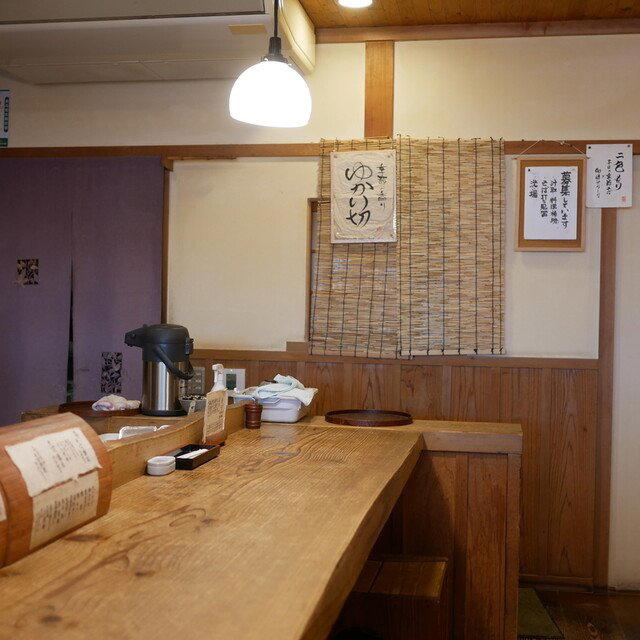
Within Fukuoka's ramen category, the design of a room carries meaning. The city's high-volume tonkotsu shops are built around rapid turnover: stools close together, service fast, broth already pulling on the stove before you've read the ticket machine. Mendo Hanamokoshi's ground-floor apartment-building format suggests a different spatial intention. A street-level position within a residential block creates an enclosed, lower-ceiling environment that compresses the dining experience inward, which in Japanese food culture tends to correspond with a more focused, single-subject menu philosophy rather than a broad offering designed to move crowds through quickly.
That spatial logic matters when reading the ramen shops that have emerged in Fukuoka's Yakuin and Kego districts over the past decade. Operators in these neighbourhoods have consistently chosen smaller rooms, reduced seat counts, and formats built around a single broth style or noodle thickness, which positions them closer to the specialist ramen shops of Kyoto's back streets than to the mass-market tonkotsu counters that defined the city's international image. For context on how Fukuoka's broader restaurant culture is organised across neighbourhoods, our full Fukuoka restaurants guide maps the scene by district and format.
Where Hanamokoshi Sits in the City's Ramen Hierarchy
Fukuoka's serious ramen operators compete in a city that is simultaneously a ramen origin point and a market that has grown sophisticated enough to support stylistic divergence from that origin. The tonkotsu baseline is so embedded that any shop departing from it in any direction, lighter broth, different noodle gauge, broth blending techniques, does so against a known reference. Hanamokoshi's Yakuin address places it in the company of shops that lean toward that divergence, serving a local clientele that knows the difference between a standard bowl and one that reflects a more considered approach to extraction and seasoning.
Comparison shops in the city's ramen tier include Genkiippai, which operates with a higher-volume format and a more traditional tonkotsu profile. The distance between those two approaches, both geographically and philosophically, is part of what makes Fukuoka's ramen scene more internally varied than its international reputation suggests. The city's dining range extends well beyond noodles: Goh (French) represents the city's high-end French presence, Chikamatsu (Sushi) anchors the omakase sushi tier, and Beef Taigen handles the wagyu-focused end of the market. Hanamokoshi operates at the intersection of informal format and specialist intent, a position it shares in different ways with Asago and Bekk.
Japan's Specialist Ramen Format in Context
The shop-in-a-residential-building format that Hanamokoshi occupies is a recognisable category across Japan's serious noodle scene. It appears in Kyoto's back-street ramen culture, in Tokyo's Setagaya and Nerima wards, and in Osaka's quieter residential corridors. What these spaces share is a physical separation from the high-street theatre of queue management and rapid table cycling. The room itself communicates a contract with the customer: you come here specifically, and the specificity is part of the offer. Operations at this scale in Japan's noodle category often reflect a single operator's close control over broth timing, noodle hydration, and bowl temperature, variables that matter more in a focused format than they do in a high-volume production line.
Across Japan, this specialist format has produced some of the country's most talked-about noodle destinations, including references in the Michelin Guide's ramen sections in Tokyo and Osaka. Fukuoka's version of this phenomenon is less documented internationally, which makes shops like Hanamokoshi more relevant to readers building a genuine understanding of the city's food scene rather than a greatest-hits itinerary. For comparison at the higher end of Japan's restaurant spectrum, Gion Sasaki in Kyoto and HAJIME in Osaka represent what formal recognition looks like in Japan's kaiseki and haute cuisine categories, while Harutaka in Tokyo occupies a parallel position in omakase sushi. The ramen category operates with its own recognition logic, and Fukuoka shops like Hanamokoshi participate in that on their own terms.
Planning a Visit
Yakuin is accessible from central Fukuoka by subway via Yakuin-Odori Station on the Nanakuma Line, or on foot from Tenjin in around fifteen minutes. The residential block setting at 2-4-35 Yakuin means the entrance is understated, look for the ground-floor position within the Estate Moa Château Yakuin building. As with most serious ramen operators in Japan's residential-ward format, arriving at opening time is advisable, particularly on weekends, when local regulars and destination diners compete for the same seats. No phone number or booking platform is listed in EP Club's records which is consistent with many Japanese ramen shops of this type that operate on a first-come basis. Specific hours, prices, and current menu format should be confirmed through the venue directly or via local dining aggregators before visiting.
Frequently asked questions
What's Mendo Hanamokoshi (麺道はなもこし)'s location?
Mendo Hanamokoshi (麺道はなもこし) is located at 中央区薬院2-4-35 (エステートモアシャトー薬院 1F), 福岡市, 福岡県, 810-0022, Fukuoka.
How does Mendo Hanamokoshi differ from Fukuoka's famous street-side tonkotsu stalls?
Fukuoka's yatai stalls and high-turnover tonkotsu shops are built around rapid seating, communal benches, and a single broth style served at volume. Hanamokoshi, located on the first floor of a residential building at 薬院2-4-35 in Chuo-ku, operates in a quieter, more deliberate format that prioritises the bowl over throughput. That structural difference places it in the same category as Japan's specialist ramen destinations in Kyoto or Tokyo's residential wards, where the setting itself is part of the product logic.
What should I order at Mendo Hanamokoshi (麺道はなもこし)?
The shop sits in Fukuoka's Yakuin district, where the surrounding ramen scene runs toward careful, considered bowls rather than the mass-market tonkotsu format. Follow what the counter treats as its core offering rather than ordering peripherally, in this category of Japanese ramen shop, the signature bowl is typically the one to anchor your visit. Extras and toppings are worth adding only once you have read how the base presents itself.
Do they take walk-ins at Mendo Hanamokoshi (麺道はなもこし)?
Arriving at or shortly before opening is the standard approach for this category. If the shop sells out, it closes regardless of the clock.
What's the defining dish or idea at Mendo Hanamokoshi (麺道はなもこし)?
Hanamokoshi occupies a recognisable format within Japan's serious noodle scene: a specialist ramen counter set inside a residential building in Fukuoka's Yakuin neighbourhood, operating at a remove from the city's high-volume tonkotsu mainstream. The physical format itself signals intent, smaller capacity, more deliberate pacing, a product built for attention rather than throughput.
Can Mendo Hanamokoshi (麺道はなもこし) handle vegetarian requests?
Fukuoka's ramen tradition is built on pork-bone broth, and shops in this city's serious ramen category overwhelmingly use animal-based stocks as their foundation. Confirm directly before visiting if this is a requirement.
Is Mendo Hanamokoshi (麺道はなもこし) worth it?
Hanamokoshi operates in Yakuin, a Fukuoka neighbourhood that draws a more considered ramen operator than the tourist-facing Nakasu or Tenjin strips. The residential-building format is a signal used consistently across Japan's serious noodle shops, it filters for customers arriving with purpose. For anyone tracking Fukuoka's ramen scene beyond the standard tonkotsu circuit, this address is a legitimate reference point.
The Essentials
Comparable venues nearby, for context on price, style, and recognition.
| Venue | Cuisine | Price | Awards | Notes |
|---|---|---|---|---|
| Mendo Hanamokoshi (麺道はなもこし)This venue (the venue you are viewing) | Shoyu Ramen | $10–20 | Tabelog 100 #84 | Not listed |
| Hountei | Hakata bite-sized gyoza & izakaya dishes | $20–30 | Tabelog 100 #58 | Hakata, Hakata bite-sized gyoza & izakaya dishes |
| Sabatarou | Traditional Japanese clay-pot rice breakfast & lunch | $30–50 | Tabelog 100 #2 | Chūō, Traditional Japanese clay-pot rice breakfast & lunch |
| 枯淡 | Edomae Sushi Omakase | $200–300 | Not listed | Chūō, japanese |
| Gen pu kan Chiyo ten | Japanese Yakiniku (BBQ) | Not listed | Tabelog 100 #11 | Hakata, Japanese Yakiniku (BBQ) |
| Shokudo Nizakana Shonen | Japanese Seafood Set Meals | $10–20 | Tabelog 100 #17 | Hakata, Japanese Seafood Set Meals |
Recognition history
Dated appearances from independent guides and award organizations, with the underlying list record or original source where available.
Tabelog 100 #84 · No. 84
Tabelog · Tabelog 100 - Ramen - WEST - 2025
Continue exploring
More in Fukuoka
Restaurants in Fukuoka
All restaurants in Fukuoka →
Details
- Intimate
- Cozy
- Solo
- Casual Hangout
- Sake Program
- A La Carte
- Sake Program
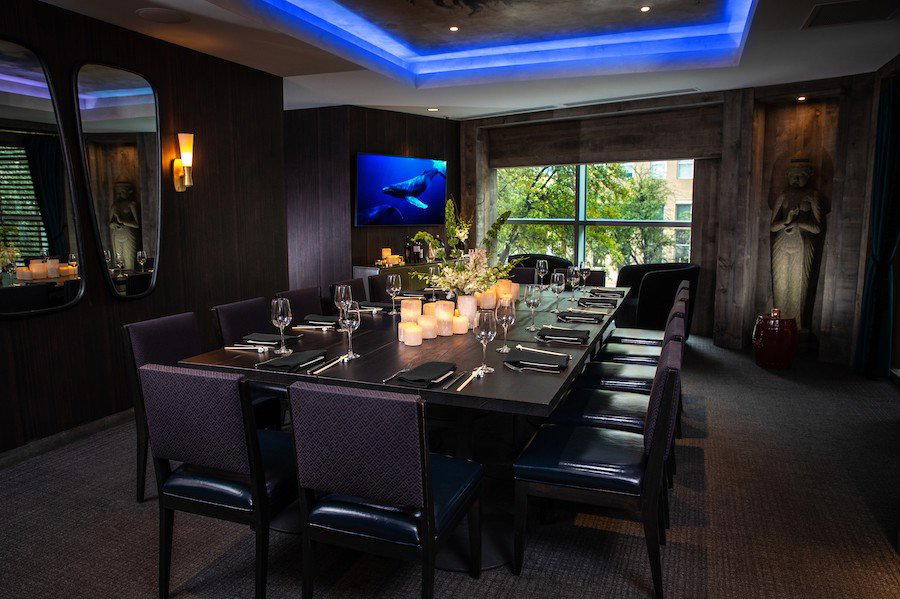
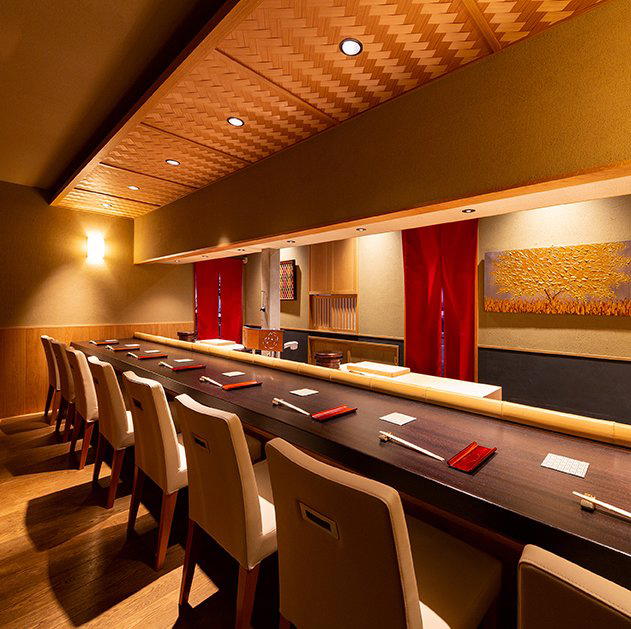
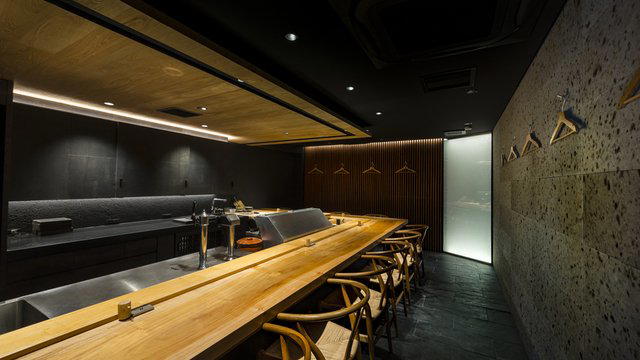
Small and intimate setting with clean, elegant presentation focused on the ramen craftsmanship.