
Tabelog 100 #74
Our verdict
A Tenjin-Imaizumi South Indian curry specialist with Tabelog 100 recognition in Asian and ethnic cuisine for WEST 2024, plus earlier curry selections. The draw is less about luxury signals than category precision: Indian curry, vegetable-forward options, take-out, counter seating, and a compact room that fits Fukuoka’s appetite for serious casual dining.

Pearl is the En Primeur Club membership app, where members save venues, book tables and use the concierge.
Imaizumi’s restaurant rhythm shifts quickly from department-store Tenjin to small side-street rooms, where lunch sets, curry counters, izakaya, beef restaurants, and seafood shops compete within blocks. In that dense casual tier, South Indian cooking is a useful counterpoint to Fukuoka’s heavier local signatures: spice structure instead of pork broth, vegetable emphasis instead of offal hotpot, and a format that works at midday or after work.
106 South Indian Fukuoka tenjin ten fits that urban category: a small, serious, affordable restaurant built through repeat local use rather than ceremony. Its Tabelog 100 selection for Asian cuisine and ethnic cuisine in WEST 2024 gives it a clear external marker, and the longer trail matters more: Asian and ethnic WEST selections in 2022, 2023, and 2024, plus Curry WEST selections in 2019 and 2020. In a city where visitors often default to ramen, yatai, motsunabe, and seafood, that record places South Indian curry inside Fukuoka’s wider conversation about everyday food with specialist discipline.
Vegetable-led South Indian cooking in a city built on richer signatures
Fukuoka’s dining identity is often read through fat, smoke, and broth: Hakata ramen, grilled chicken, mentaiko, offal hotpot, and late-night stalls. South Indian food cuts across that expectation. The tradition is more comfortable with lentils, rice, coconut, tamarind, fermented batters, and layered spice than with the creamier North Indian template many diners first encounter abroad. When a Fukuoka restaurant is categorized around Indian, Indian curry, and curry while noting vegetable focus and vegetarian options, it signals another kind of satisfaction: lighter on meat dependency, sharper in seasoning, and adaptable for mixed groups.
That ingredient angle makes the restaurant more than a curry stop. In Japan, curry is often domesticated into sweetness, roux, and comfort; South Indian formats keep acidity, heat, and texture in play. The distinction matters in Fukuoka because casual dining rewards clarity. A place does not need white tablecloths to become a reference point; it needs repeatable identity, defined category, and enough consistency for locals to file it beside regular ramen, tonkatsu, and set-meal addresses.
The vegetable emphasis also changes how to use the restaurant. It suits diners wanting lunch that does not collapse the afternoon, groups with non-meat eaters, and travellers who have spent several meals inside Kyushu’s pork-and-seafood comfort zone. Shochu, wine, and cocktails are listed among drinks, placing the room closer to a flexible neighborhood restaurant than a bare lunch counter, while take-out connects it to central Fukuoka’s practical habits.
Where it sits among Imaizumi's casual dining choices
Imaizumi and nearby Tenjin are not short on affordable restaurants, but the useful distinctions are by function. HUNGRY HEAVEN Fukuoka imaizumi ten sits in the same low-to-mid casual spend band, while Tanakadashiki Seafood Shokudo Uochu speaks to the seafood set-meal side. Motsunabe Rakutenchi Tenjin Imaizumi So-Honten covers a more Fukuoka-coded group-dinner need, and Hyaku Shiki moves into a much higher spend bracket. Against that spread, 106 South Indian Fukuoka tenjin ten is the spice-and-vegetable answer: less local cliché, less expensive than occasion dining, and more distinctive than a generic international option.
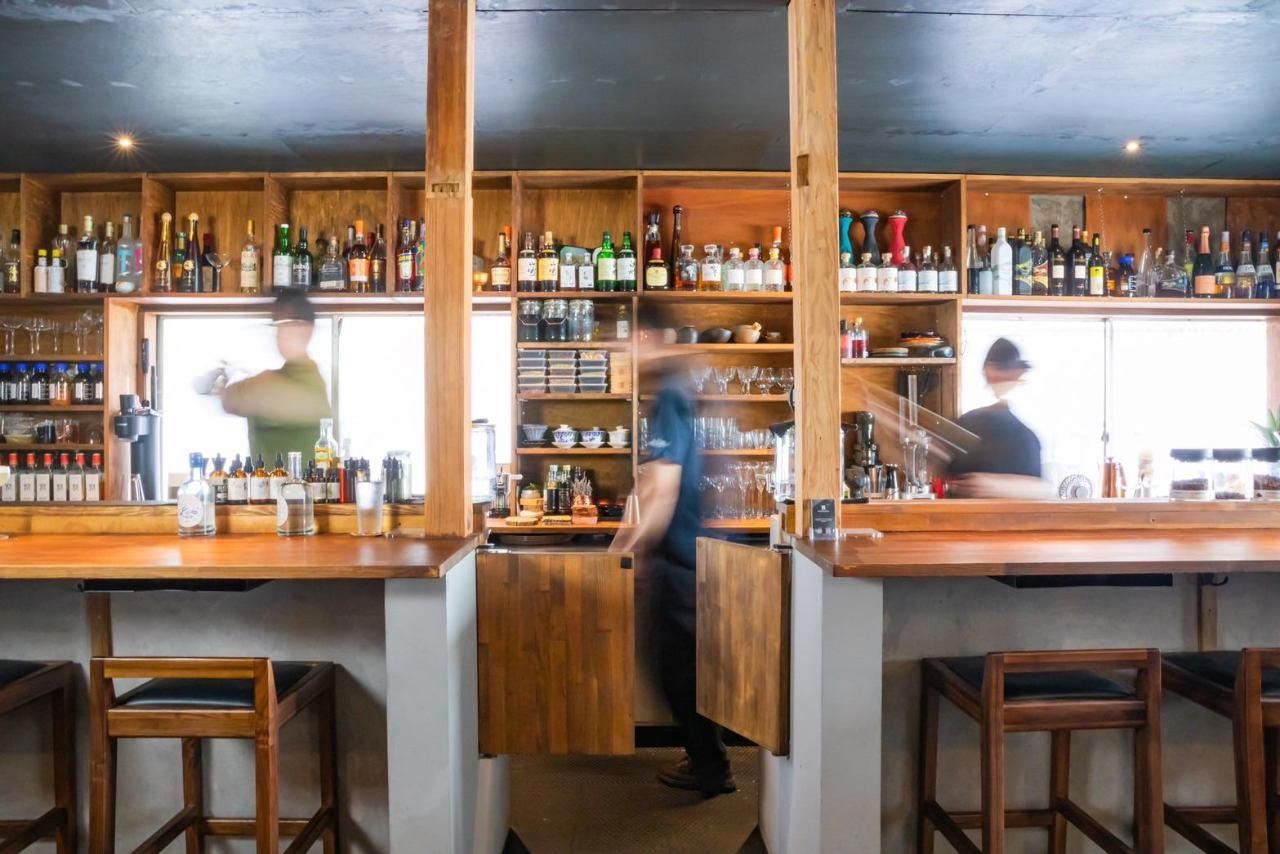
The 35-seat scale explains the appeal. Fukuoka’s stronger casual restaurants often sit between counter efficiency and small-room conviviality. Counter seating, private rooms, and private-use availability point to a room that can handle solitary diners, families, and small gatherings without changing character. Non-smoking policy and wheelchair accessibility add practical weight, especially where older buildings and compact rooms can make comfort uneven.
Recognition from Tabelog’s Hyakumeiten system should be read correctly. It is not a luxury award, nor trying to be one. It is a category signal, useful because Japanese diners compare intensely within genre. Repeated selection in curry and Asian or ethnic categories says the restaurant has outperformed casual competitor churn over several cycles. For a visitor, that is more relevant than a grand claim: it indicates a place locals keep in rotation.
How to fold it into a Fukuoka food itinerary
Use this address as balance. Build one day around Hakata staples, then let South Indian curry reset the palate before more seafood, grilled meat, or bar food. It works especially well in a Tenjin-Imaizumi route, where shopping, coffee, bars, and small restaurants sit close enough for a meal to be slotted between plans rather than treated as a formal destination.
For a wider read on the city, use Our full Fukuoka restaurants guide alongside category-specific nearby references such as Afterglow, Aji Dokoro Taro Gen Sougyou ten, Aji Furai Shokudo Kaba, Aji no Katsueda, and AKAMIYACOWSI. The point is not to rank them, but to see how Fukuoka’s strongest casual addresses split by craving: curry, fried fish, beef, local cooking, and late-night drinking all have different roles.
Travellers building a broader stay can pair the restaurant list with Our full Fukuoka hotels guide, Our full Fukuoka bars guide, Our full Fukuoka wineries guide, and Our full Fukuoka experiences guide. For comparison beyond Kyushu, EP Club’s Japan and overseas restaurant notes range from -Grilled beef Sukiyaki- KAMAKURA TANUKIAN 鎌倉 たぬき庵 in Kamakura and. 鮪と炭火焼き うお炭 秋葉原店 in Tokyo to.cafe in Osaka.know in Kumamoto, (Shoku) Vietnam in Kawasaki, [Curry Senmon Ten] Maruyama Kyoju. in Sapporo, Jōdo Saké Bar in Los Angeles, and Onigiri Time in Pasadena.
The editorial case for 106 South Indian Fukuoka tenjin ten is disciplined rather than grand. It gives Tenjin a vegetable-aware, spice-led option in a city whose famous dishes often lean richer, and its repeated Tabelog 100 history makes the category claim credible. For diners mapping Fukuoka beyond the obvious staples, that is the kind of address that makes the city feel deeper.
Frequently asked questions
Where is 106 South Indian Fukuoka tenjin ten located?
106 South Indian Fukuoka tenjin ten is located in Fukuoka.
What does dinner at 106 South Indian Fukuoka tenjin ten typically cost?
Pricing at 106 South Indian Fukuoka tenjin ten is listed as JPY 2,000 - JPY 2,999 JPY 1,000 - JPY 1,999.
Is 106 South Indian Fukuoka tenjin ten open every day?
Hours at 106 South Indian Fukuoka tenjin ten: Mon: 11 AM–3 PM, 5–10 PM; Tue: 11 AM–3 PM, 5–10 PM; Wed: 11 AM–3 PM, 5–10 PM; Thu: 11 AM–3 PM, 5–10 PM; Fri: 11 AM–3 PM, 5–10 PM; Sat: 11 AM–3 PM, 5–10 PM; Sun: 11 AM–3 PM, 5–10 PM.
What is 106 South Indian Fukuoka tenjin ten known for?
106 South Indian Fukuoka tenjin ten is primarily known for its core concept and execution in Fukuoka.
At-a-Glance Comparison
Nearby venues at a similar price tier for orientation.
| Venue | Cuisine | Price | Awards | Notes |
|---|---|---|---|---|
| 106 South Indian Fukuoka tenjin tenThis venue (the venue you are viewing) | South Indian | $20–30 | Tabelog 100 #74 | Not listed |
| ZAEKA | Halal Pakistani & Indian Curry House | $20–30 | Tabelog 100 #62 | Chūō |
| Verona | Classic Italian trattoria with pasta and pizza | $30–50 | Tabelog 100 #25 | Chūō |
| Teuchi Soba Yabukin | Handmade Soba (Japanese Buckwheat Noodles) | $30–50 | Tabelog 100 #5 | Chūō |
| Toho Yushusai Nuwara Eliya | Sri Lankan Curry & Tea | $10–20 | Tabelog 100 #99 | Chūō |
| 枯淡 | Edomae Sushi Omakase | $200–300 | Not listed | Chūō |
Recognition history
Dated appearances from independent guides and award organizations, with the underlying list record or original source where available.
Tabelog 100 #74 · No. 74
Tabelog · Tabelog 100 - Asian cuisine / Ethnic cuisine - WEST - 2024
Continue exploring
More in Fukuoka
Restaurants in Fukuoka
All restaurants in Fukuoka →
Details
- Cozy
- Elegant
- Relaxed
- Family
- Group Dining
- Casual Hangout
- A La Carte
- Vegetarian Friendly
Current opening hours
- Monday
- 11 AM–3 PM, 5–10 PM
- Tuesday
- 11 AM–3 PM, 5–10 PM
- Wednesday
- 11 AM–3 PM, 5–10 PM
- Thursday
- 11 AM–3 PM, 5–10 PM
- Friday
- 11 AM–3 PM, 5–10 PM
- Saturday
- 11 AM–3 PM, 5–10 PM
- Sunday
- 11 AM–3 PM, 5–10 PM
Hours can change for holidays and private events. Hours as of .
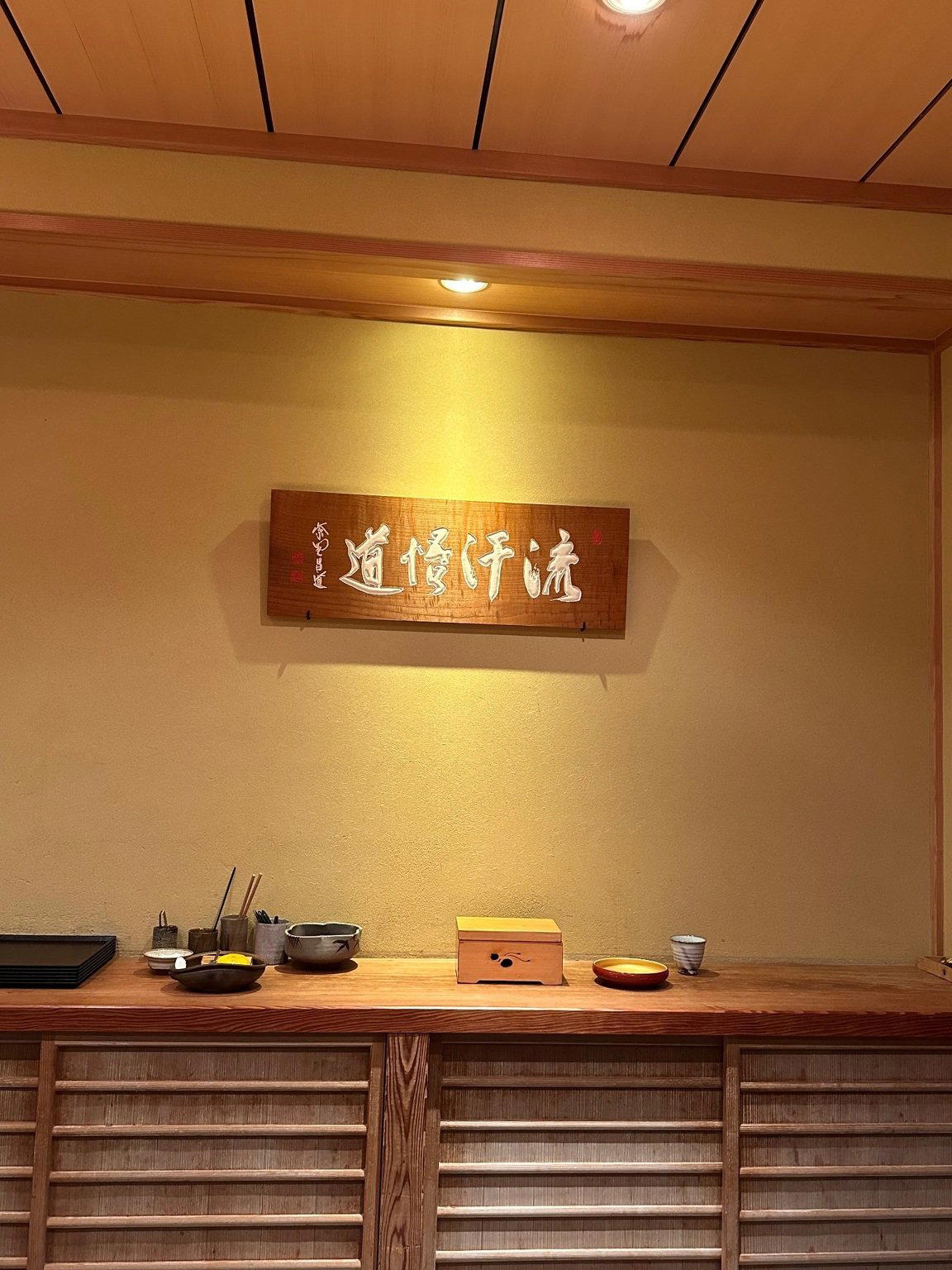
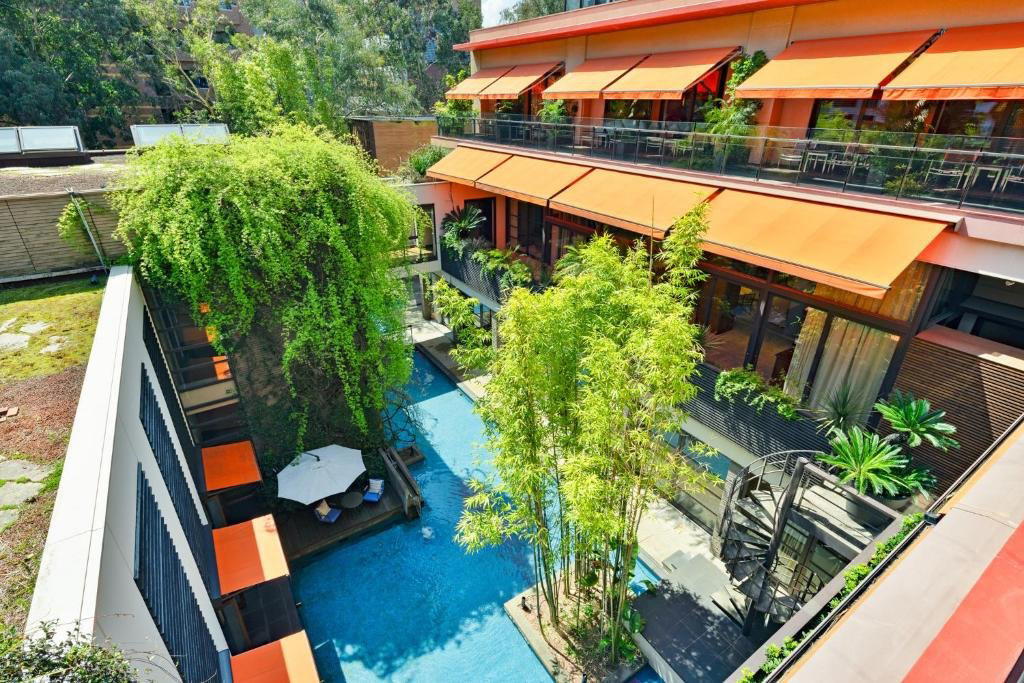
Stylish and relaxing interior with spacious seating and counter options, offering a comfortable hideout atmosphere.